Theodore Roosevelt: a life in context
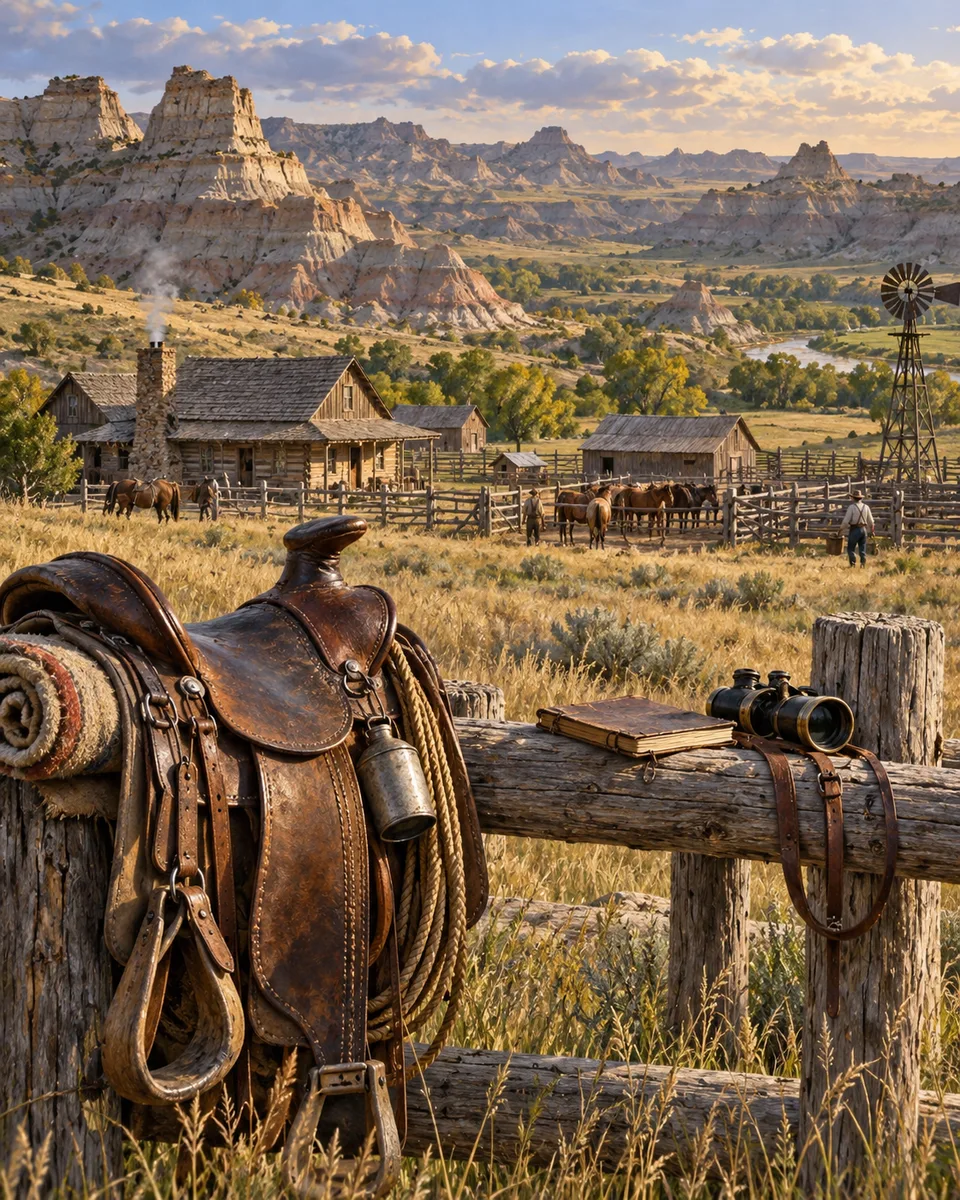
Original AI illustration generated for myAudience · AI-generated illustration; no claim of documentary evidence or authenticated likeness
Theodore Roosevelt became US president in 1901 after William McKinley's assassination and served until 1909. His political career joined energetic public leadership with a belief in strong national power. He belongs to the Progressive Era, not the period of the country's founding.
His administration pursued regulation of large businesses and supported conservation. Federal protection of landscapes expanded, but conservation history also involves Indigenous dispossession and competing ideas about who could use land. Protected acreage alone is not a full measure of justice.
Roosevelt's foreign policy included intervention and support for the Panama Canal project. The ability to build and police connections depended on unequal international power, alongside diplomacy and technical work. Those consequences complicate the image of a uniformly beneficial reformer.
Conservation offers a concrete way to examine the connection between reform and power. Setting land aside could protect habitats while transferring decisions about use to federal authorities. The question is therefore not simply whether a landscape survived, but who gained authority over it and whose existing relationships were restricted. The same method helps evaluate business regulation: a stronger government can constrain powerful interests without automatically giving every worker or excluded community an equal voice. Policies require separate assessment of their purpose, operation and distribution of effects.
Roosevelt’s mediation of the Russo-Japanese War earned the Nobel Peace Prize in 1906. That diplomatic achievement sits beside naval expansion and intervention elsewhere, making his career more complex than either a portrait of a peacemaker or a list of military threats.