Menelik II: a life in context
By Ethiopian worlds · myAudience
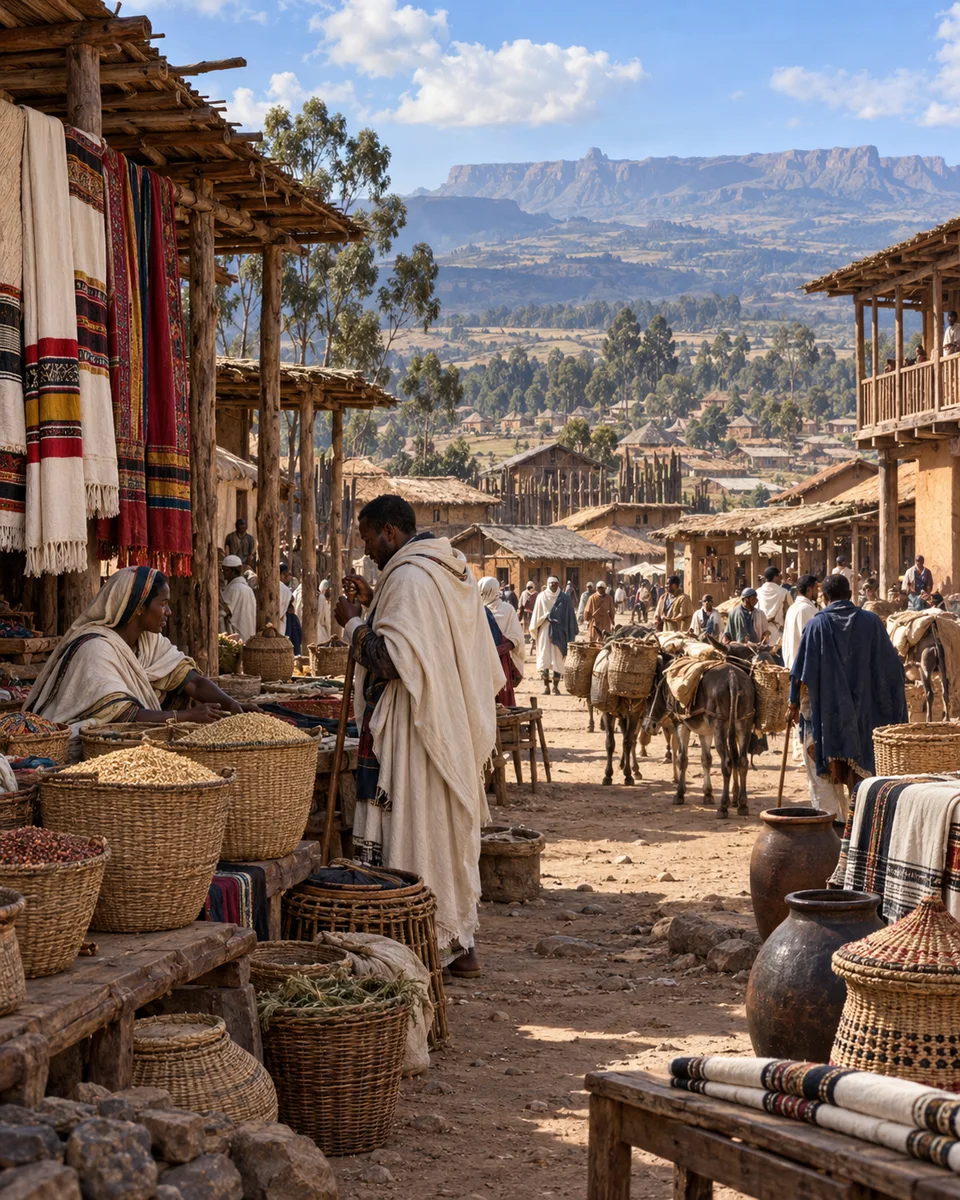
Original AI illustration generated for myAudience · AI-generated illustration; no claim of documentary evidence or authenticated likeness
Menelik II became emperor of Ethiopia in 1889 after ruling Shewa. His reign combined expansion, diplomacy and changes in state resources. Ethiopia contained diverse peoples and political relationships, so a royal biography cannot represent every community's experience.
At Adwa in 1896, Ethiopian forces defeated an Italian invasion. Mobilisation involved many participants, supply networks and access to arms. Empress Taytu and other leaders contributed; the victory should not be attributed to one ruler's personal brilliance alone.
Protection against external conquest coexisted with coercive expansion within the region. These histories need to be examined together, rather than allowing an independence triumph to erase the suffering of incorporated communities or reducing the reign to only those harms.
External sovereignty and internal domination can coexist, making comparison necessary rather than optional. A victorious defence against invasion concerns one relationship, while the treatment of incorporated communities concerns others. Recognising the distinction permits the significance of Adwa to remain clear without giving the whole reign a blanket moral verdict. Following the resources behind mobilisation also reveals contributions usually hidden by the royal portrait. Ask how arms, supplies and alliances were assembled, then examine how the state used its strengthened position. The result is an institutional account rather than a triumph detached from consequences.
The 1889 Treaty of Wuchale contained a consequential disagreement between its Italian and Amharic versions over Ethiopia’s foreign relations. Adwa followed in 1896, within the conflict over Italian claims and Ethiopian sovereignty. Translation was therefore part of diplomatic power, not a minor clerical detail. This episode connects documentary interpretation with the wider mobilisation behind military victory.