Ambiorix: a life in context
By Gaul and Eburones · myAudience
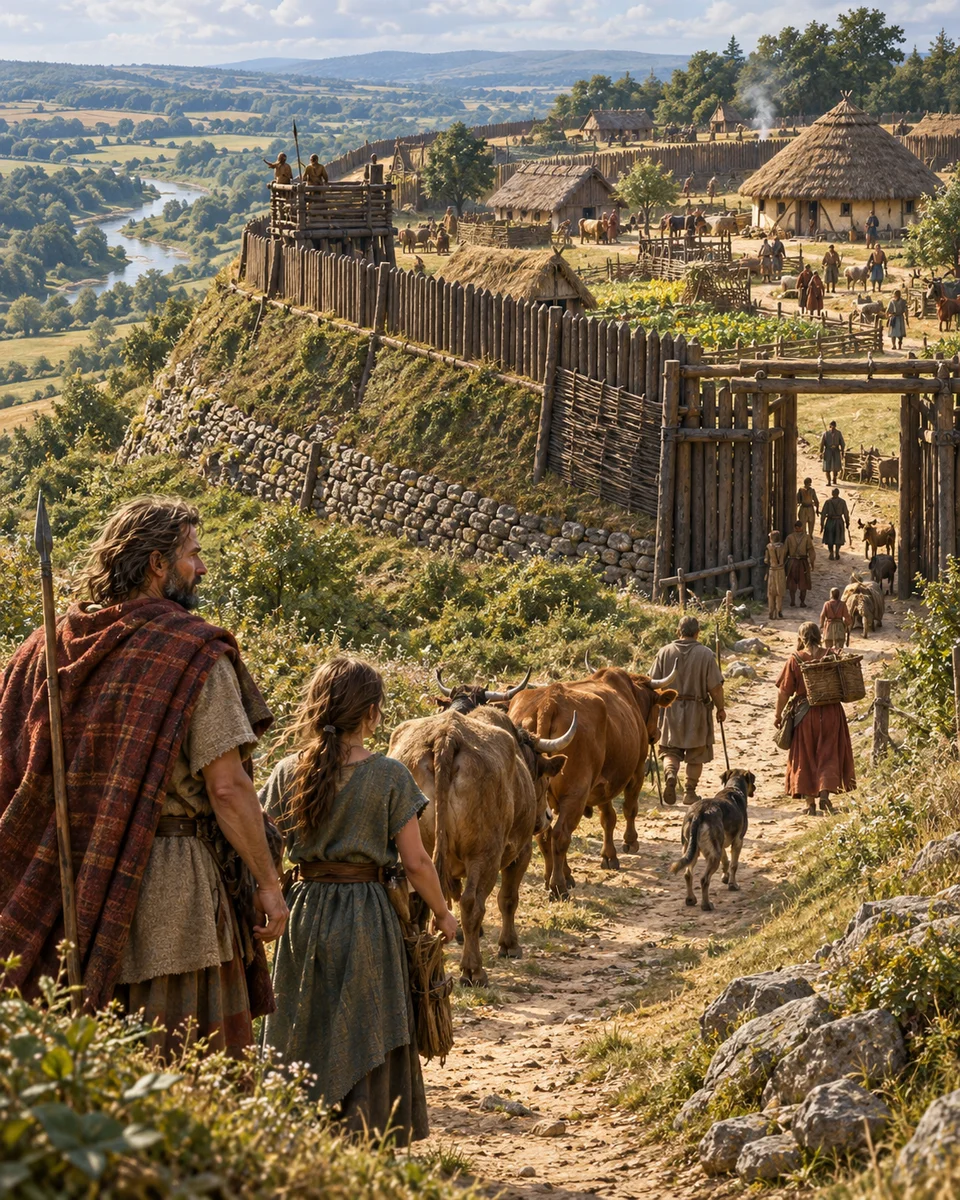
myAudience · AI-generated original illustration · Original generated artwork; not documentary evidence or a grant of landmark/cultural rights. No third-party image reproduced.
Ambiorix was a leader of the Eburones during Caesar's campaigns in Gaul. His name is chiefly known through the Roman commander's account of resistance. The limited evidence does not support a complete lifetime narrative or leadership over every Gallic community.
Caesar describes an attack that destroyed a Roman force in 54 BCE. The account explains both opposing action and Roman losses from a particular military viewpoint. It should be read as valuable evidence shaped by its author's political interests.
Subsequent Roman campaigning inflicted severe destruction on the Eburones. Ambiorix's eventual fate is not securely known. Silence in the surviving account is not permission to invent a final battle, speech or triumphant retirement.
An opposing commander's account can preserve an adversary's agency while also limiting how that agency is described. Caesar's explanation of Roman losses has reasons to attribute deception, courage or overwhelming numbers in particular ways. Examining that framing gives readers more than a warning that a source is biased: it shows how the narrator constructs cause and responsibility. Other evidence may test aspects of place and destruction without recovering every conversation. Keeping that limit visible lets Ambiorix remain a historically significant resister without filling an unknown later life with a reassuring invented ending.
Caesar names both Ambiorix and Catuvolcus in the uprising of 54 BCE. Their association is important: even the surviving Roman narrative does not reduce Eburone leadership to one isolated hero. Modern commemoration gave Ambiorix another life as a national symbol, but statues and later identity do not resolve the unknown circumstances of his eventual fate.