Hojo Tokimune: a life in context
By Japanese states and societies · myAudience
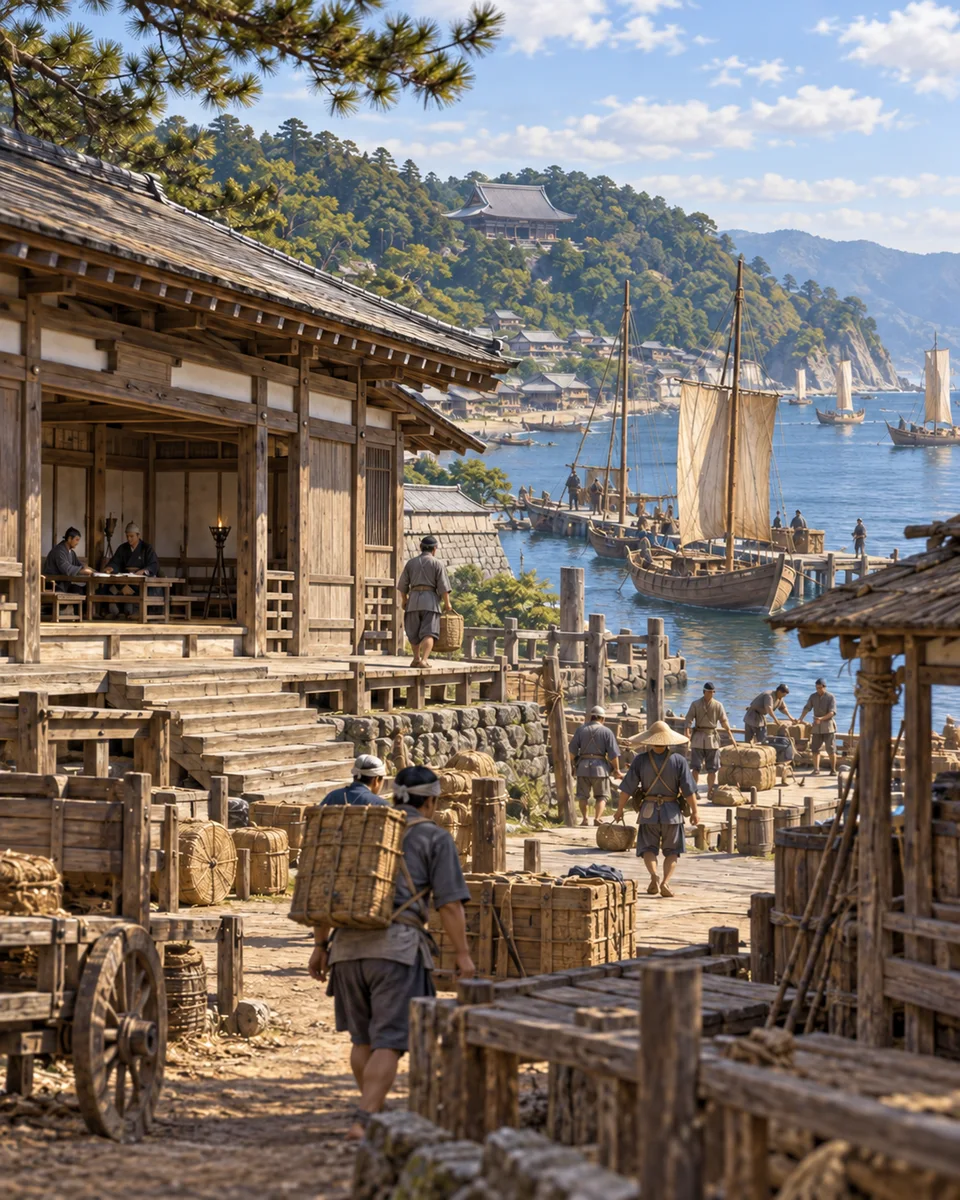
Original AI illustration generated for myAudience · AI-generated illustration; no claim of documentary evidence or authenticated likeness
Hōjō Tokimune served as regent of the Kamakura shogunate from 1268 to 1284. The office made him a powerful governing figure, but he was not the emperor or simply a king of a uniformly administered Japan.
His government confronted Mongol-led invasions in 1274 and 1281. Defence involved military mobilisation, coastal preparation and the resources of warrior households. The struggle also exposed questions about how service would be rewarded within existing political arrangements.
Storms affected the invading forces, but reducing the outcome to divine wind hides combat, logistical difficulties and defensive work. Later memory turned the invasions into potent symbols, often with purposes different from contemporary practical concerns.
The invasion crisis exposes the difference between defending a territory and sustaining the political relationships that organised its defence. Service imposed costs on households, while successful defence did not necessarily supply the same rewards as acquiring new land through victory. Even without assigning an exact motive to every participant, this creates an institutional question about obligation and compensation. Following those relationships helps explain why a military outcome should not be treated as the end of the story. The government still needed resources and support after the immediate threat had passed.
Tokimune also supported Zen Buddhist institutions. Religious patronage and military government intersected without making every subject share the same outlook. Read later heroic accounts against the institutional setting and distinguish remembered meaning from secure detail.