Wilhelmina: a life in context
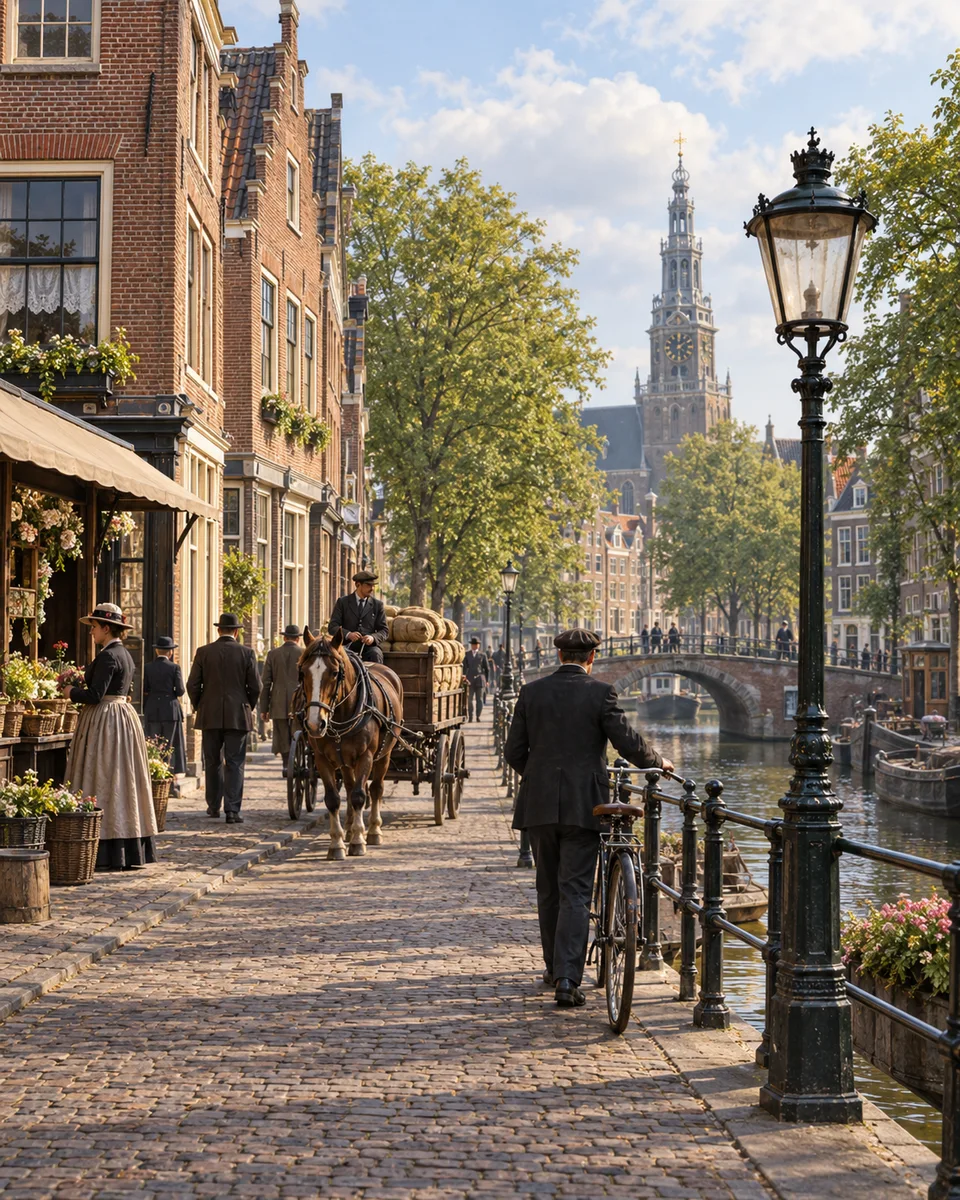
Original AI illustration generated for myAudience · AI-generated illustration; no claim of documentary evidence or authenticated likeness
Wilhelmina ruled the Netherlands from 1890 to 1948, initially under a regency because she was a child. Her role belonged to constitutional monarchy, distinct from the earlier Dutch Republic. Government operated through institutions and ministers rather than royal commands alone.
During the Second World War she left the occupied Netherlands and became a symbol of resistance from exile. Broadcasts and public representation mattered, while people resisting occupation faced immediate risks that cannot be absorbed into a monarch's reputation.
Her reign also spanned Dutch colonial power and the struggle over Indonesian independence. National resistance to occupation at home did not automatically produce recognition of freedom for colonised peoples. Those tensions belong alongside the familiar wartime image.
The contrast between occupied Europe and colonial government is essential rather than an unrelated criticism added to the end of a heroic life. Claims about freedom and self-government could have different implications depending on which population was speaking and which institutions were deciding. Reading a wartime broadcast beside a colonial political demand reveals that tension without assuming their participants shared one meaning. It also distinguishes the monarch's symbolic role from executive decisions. Historical understanding improves when representation, government action and lived consequences remain connected but are not treated as identical.
Radio Oranje made her voice audible from exile during German occupation, when listening itself could carry danger. Her abdication in 1948 transferred the crown to Juliana before Dutch recognition of Indonesian sovereignty in 1949. These linked but different histories put domestic resistance beside colonial power, rather than allowing one national story to stand for everyone’s experience.