Dido: a life in context
By Phoenician and Carthaginian worlds · myAudience
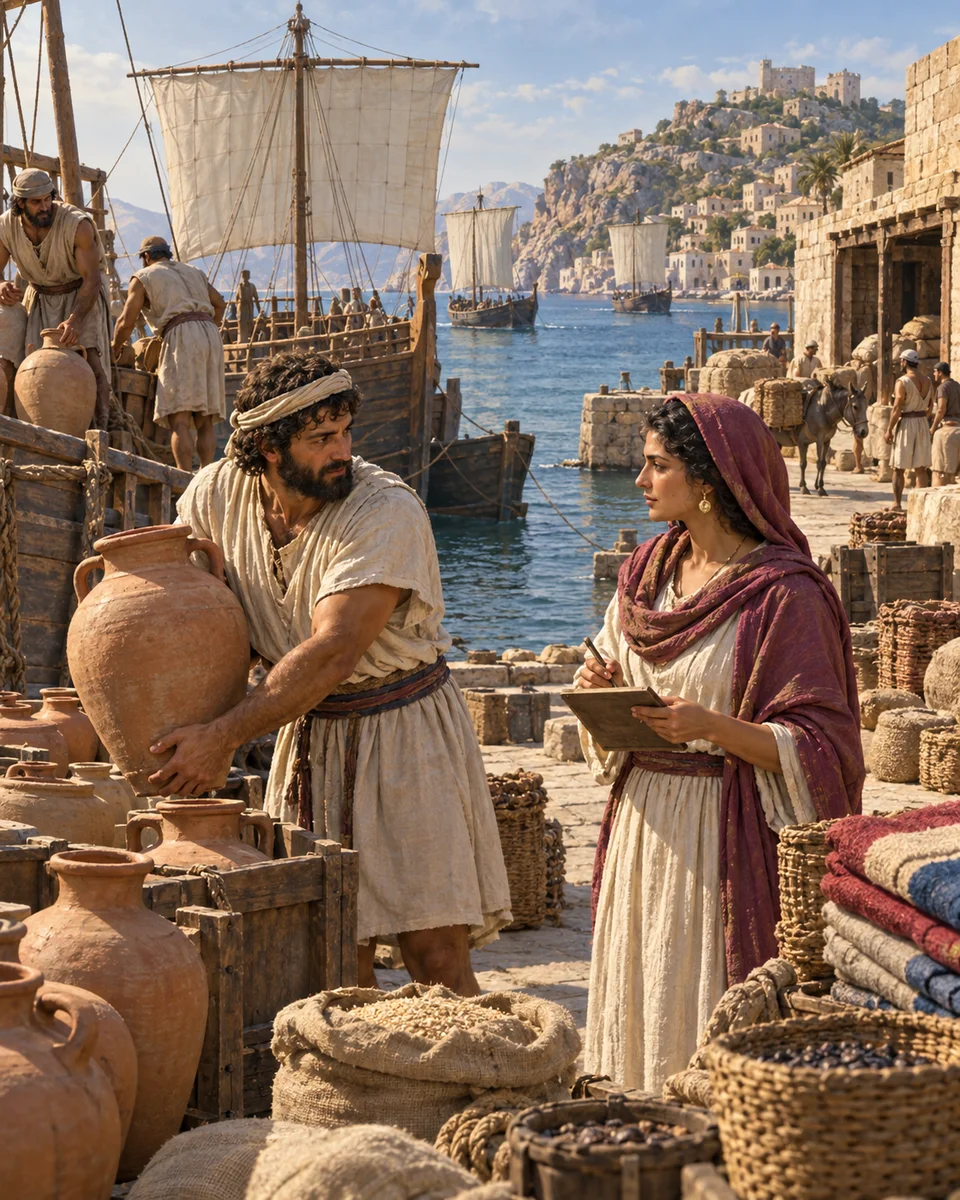
myAudience · AI-generated original illustration · Original generated artwork; not documentary evidence or a grant of landmark/cultural rights. No third-party image reproduced.
Dido, also called Elissa, appears in traditions about the foundation of Carthage. The stories connect her with a departure from Tyre and the creation of a new settlement. They do not provide a securely documented contemporary biography of every event.
Accounts developed in different literary settings. Virgil's Aeneid makes her relationship with Aeneas central to a poetic narrative about Rome, written much later than the traditional foundation period. Its emotional power is not evidence that its dialogue or chronology is historical reportage.
Carthage's archaeological history is real and should be studied on its own terms. Material remains can illuminate settlement and exchange without verifying the detailed life of a named founder. Literary tradition and urban archaeology answer different questions.
A foundation story can reveal the concerns of those who transmitted it without settling its entire narrative as fact. Ask what the account explains about departure, legitimacy or the relationship between two cities, and then identify the period and audience of its telling. Virgil's literary relationship between Dido and Aeneas has a different purpose from excavated evidence of Carthage's development. Holding those sources apart avoids an unnecessary choice between accepting every episode and discarding the tradition completely. It also protects readers from illustrations that make a powerful literary scene look like a verified event witnessed in antiquity.
Virgil’s account belongs to a poem published around 19 BCE, centuries after Carthage’s traditional foundation. Earlier foundation traditions do not require the same romance with Aeneas. The differences reveal writers making distinct uses of a founder’s story; they do not supply a single recovered court biography or an authenticated likeness for an illustration.