← Explore the libraryPublic reading pack
UK A Level Computer Science · independent study · myAudience
Independent myAudience subject study using references for England. Published readings cover selected topics; full curriculum, assessment and practical coverage are not verified. No awarding-body affiliation, endorsement, qualification or grade guarantee is offered. Check the source specification and your centre for the requirements of your chosen course.
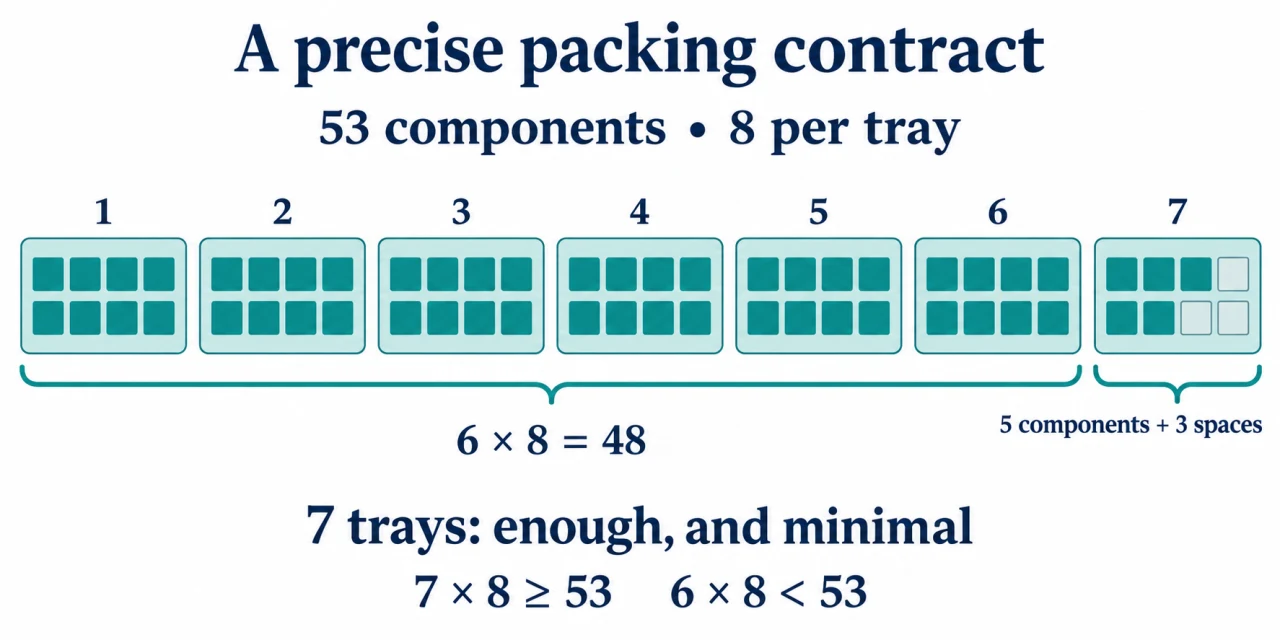
From a real problem to a precise program contract
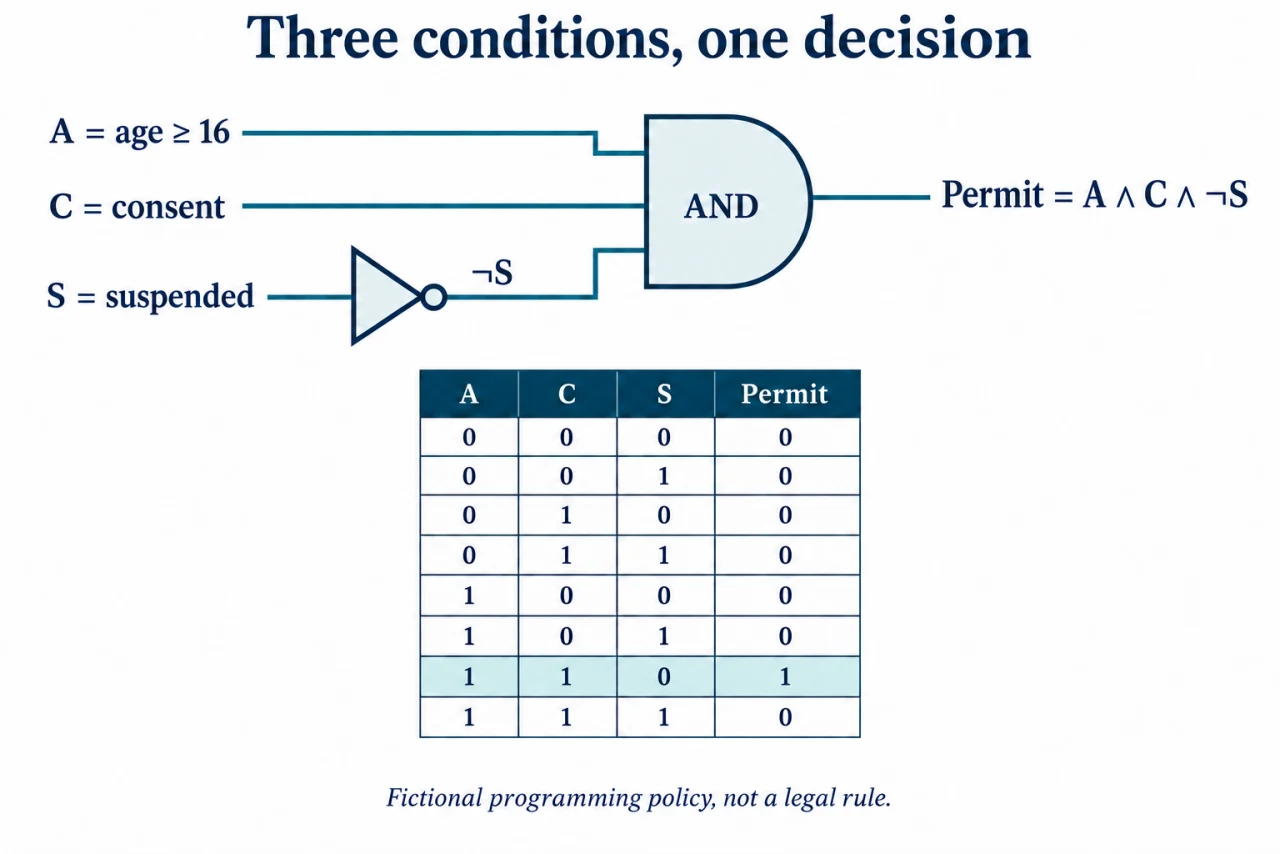
Boolean policy, selection and exhaustive evidence
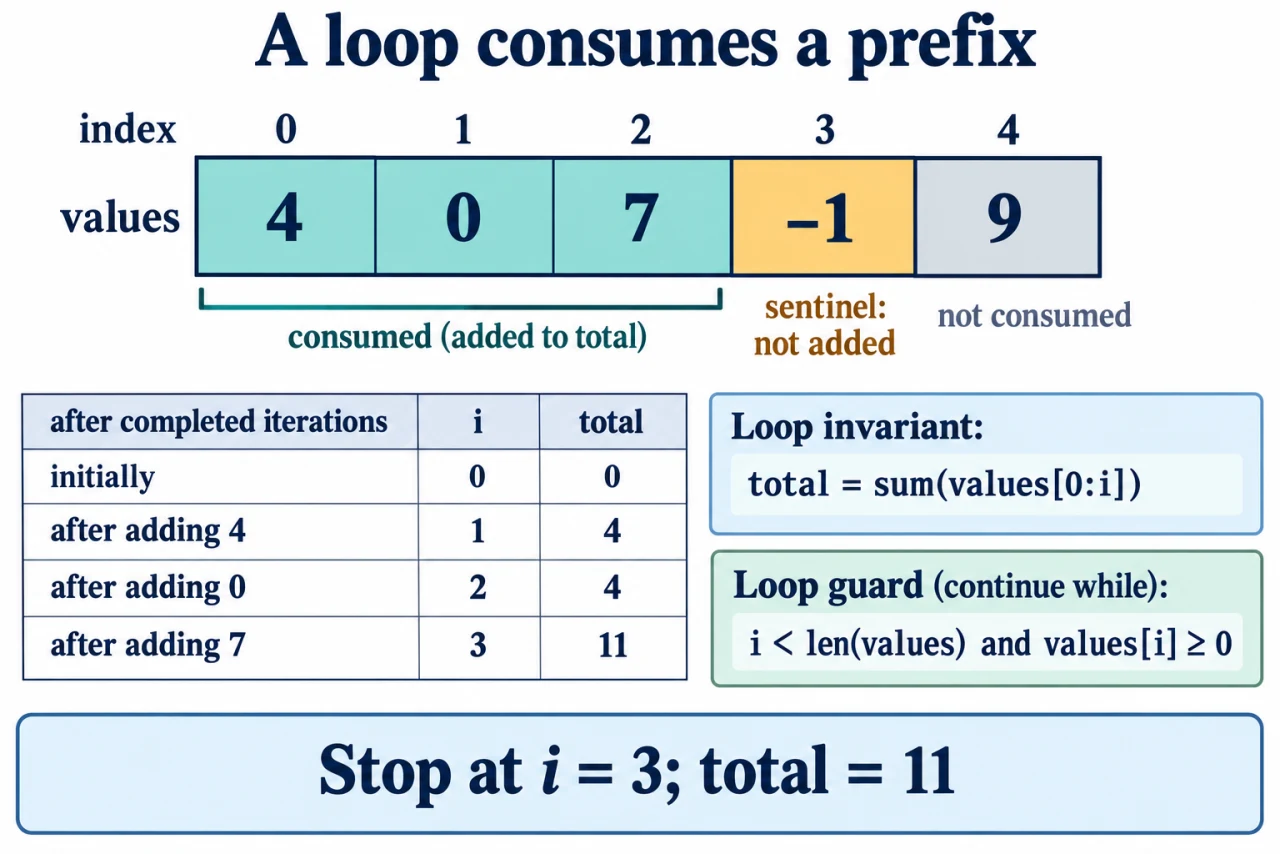
Tracing loops and proving a prefix calculation
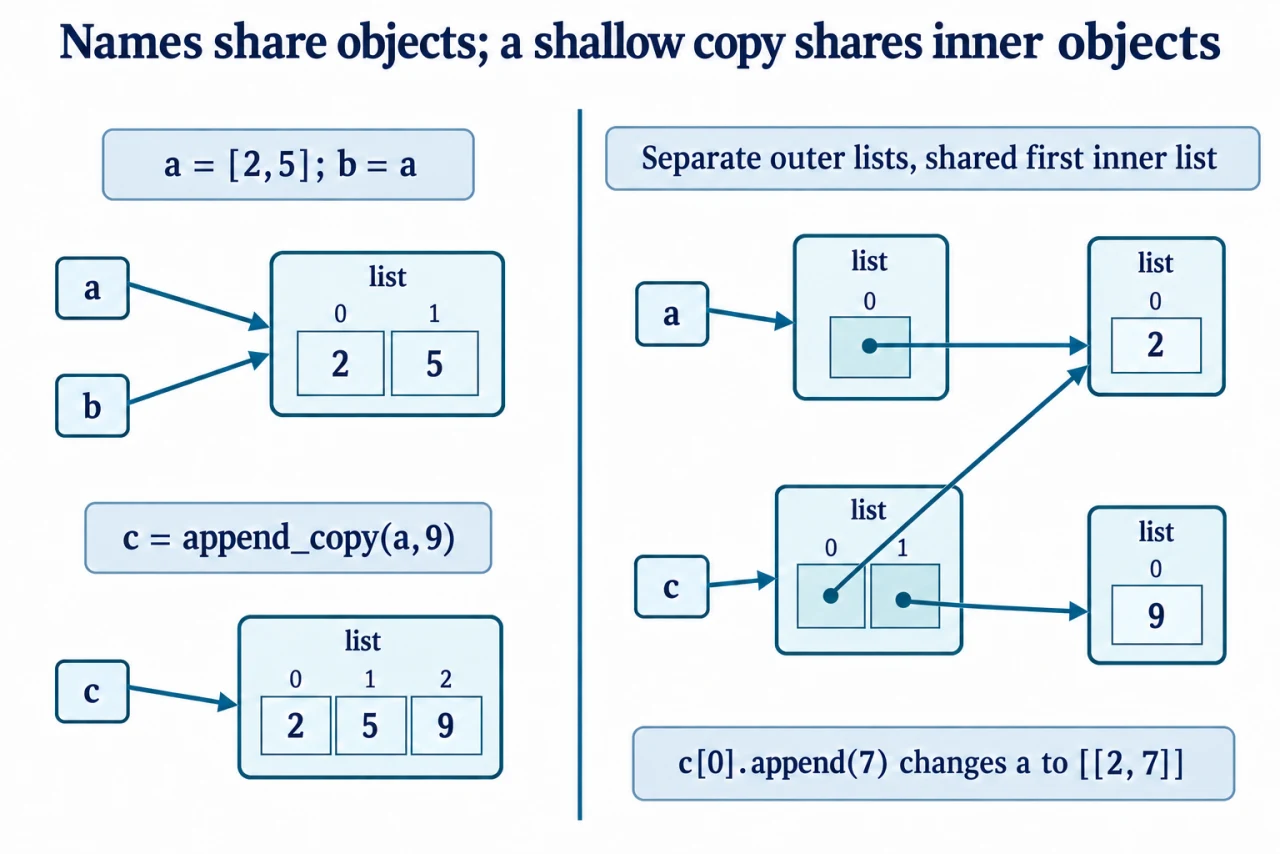
Subroutine interfaces, scope and shared objects
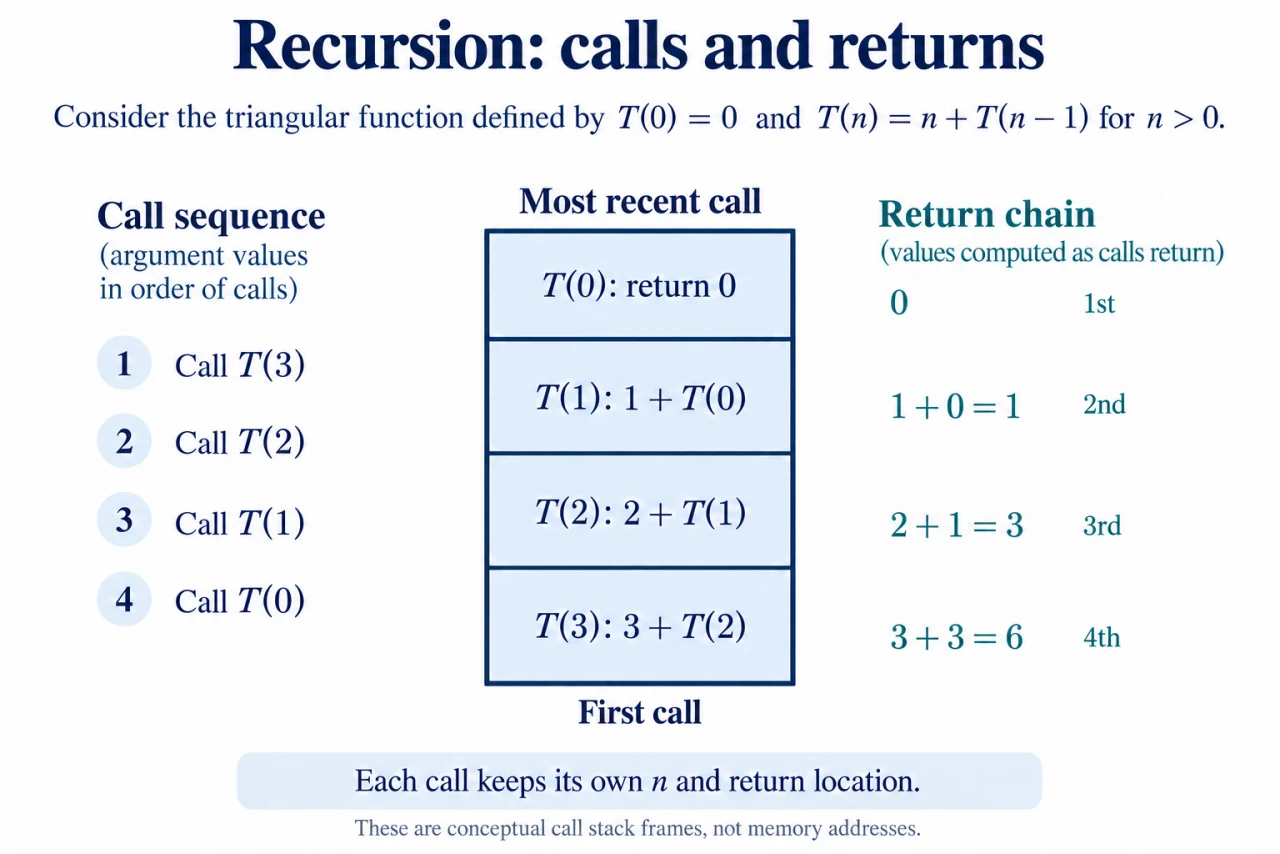
Recursive calls, stack frames and induction
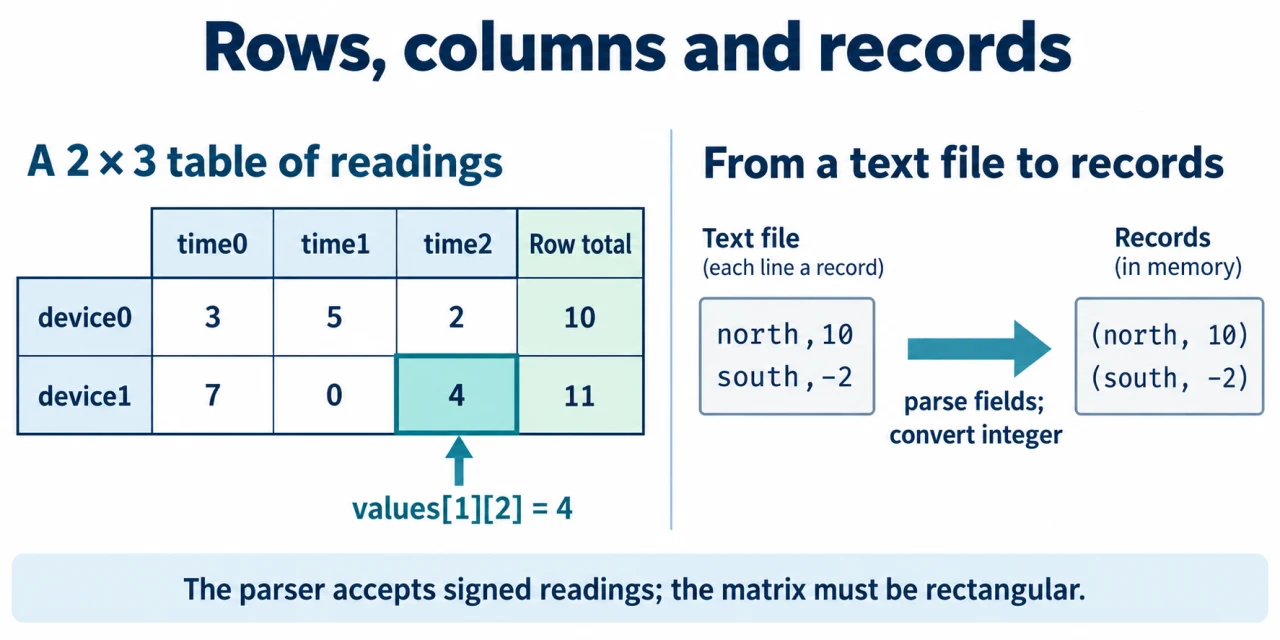
Representing records, arrays and persistent text
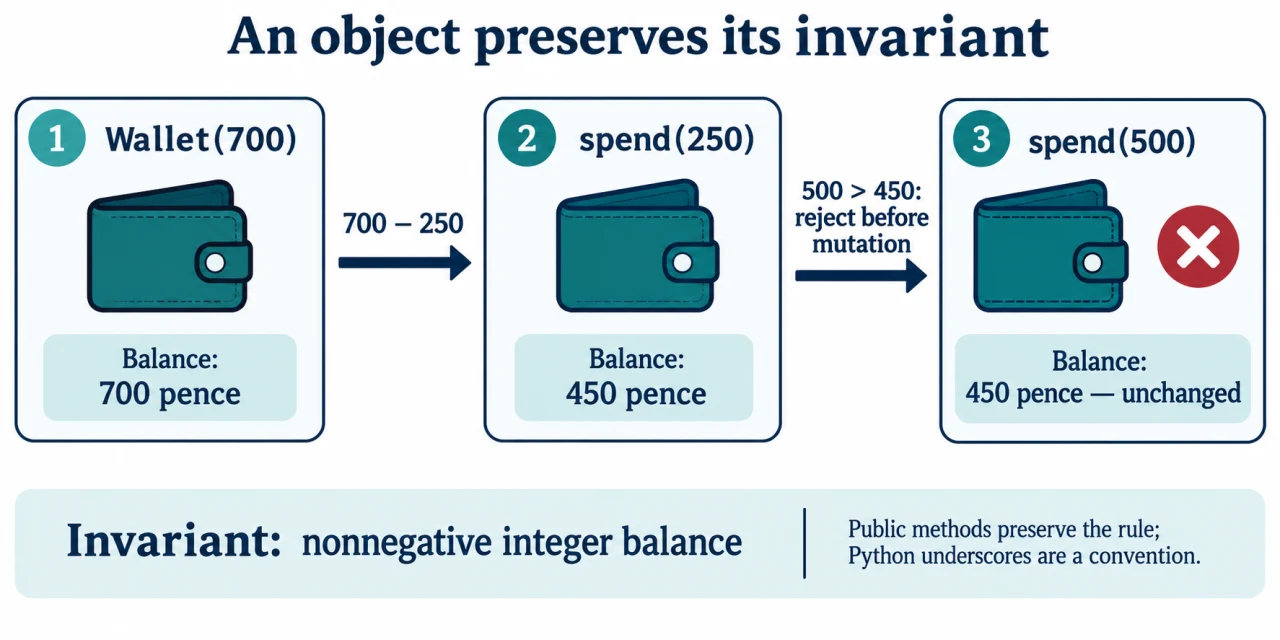
Objects, encapsulation and defensible design
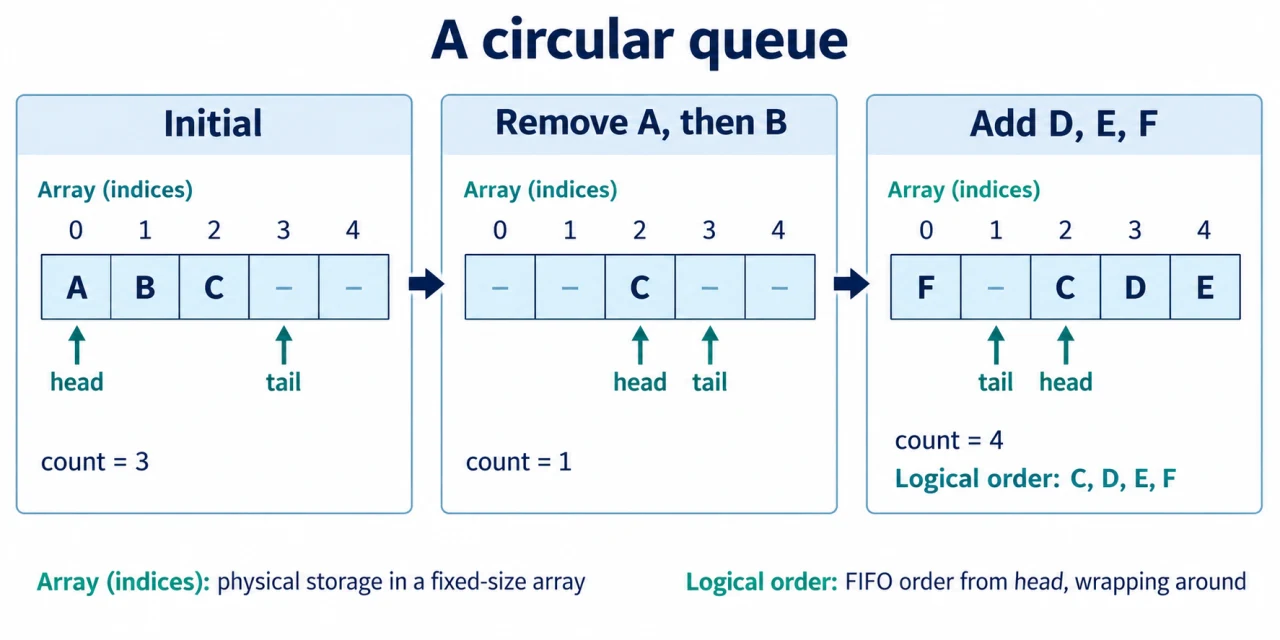
Stacks, postfix evaluation and circular queues
![Lower-bound trace over [2,6,6,6,9]: half-open bounds [0,5),[0,2),[0,1) with midpoints 2,1,0; final first match is index 1.](/assets/lesson-computing-advanced-search-v1.webp)
Searching sorted data: bounds, duplicates and proof
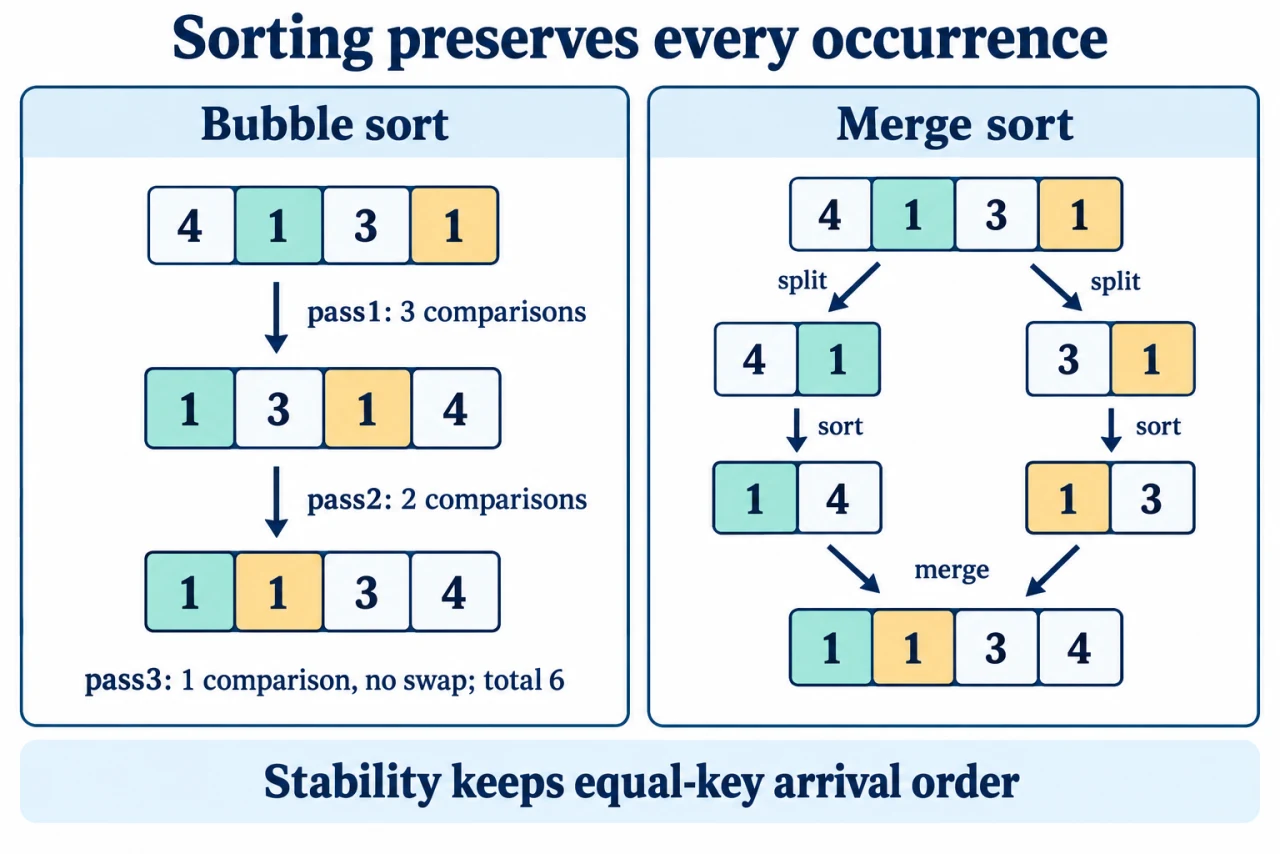
Sorting: invariants, stability and divide-and-conquer
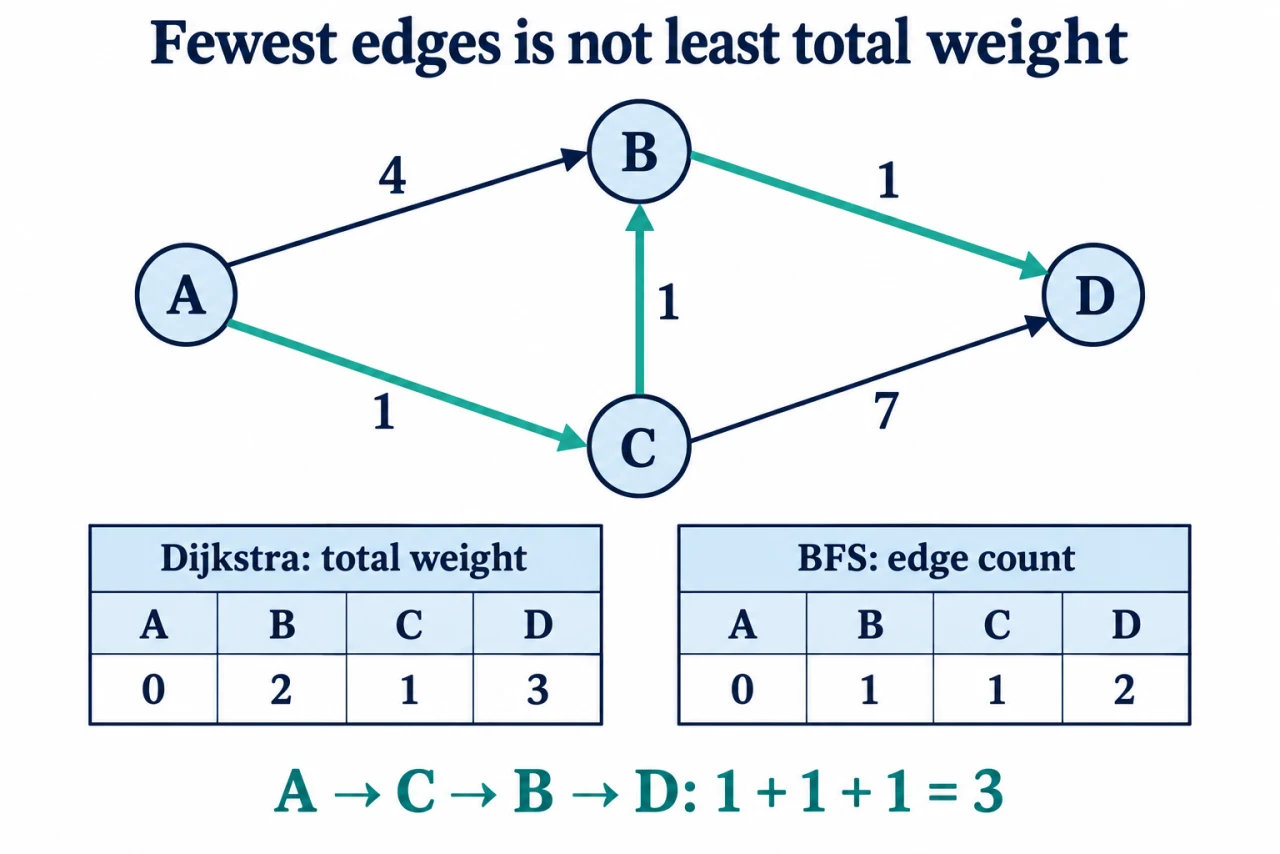
Graph models, BFS and weighted shortest paths
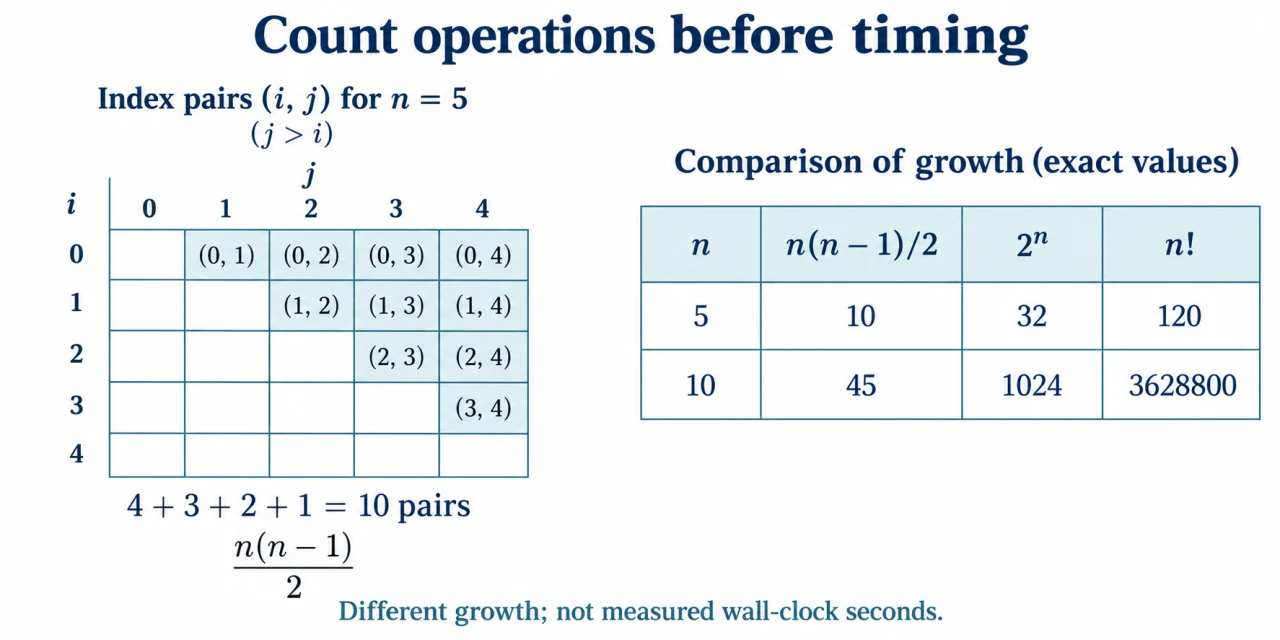
Growth, cost models and the limits of efficiency
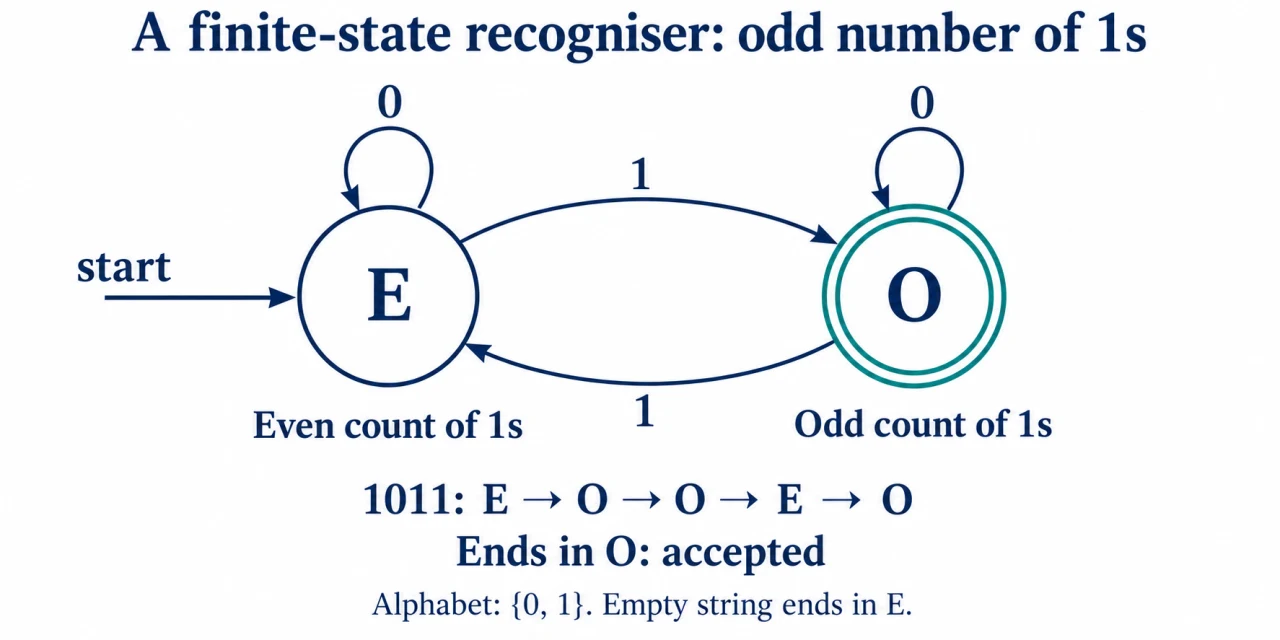
Finite states, sets and regular expressions
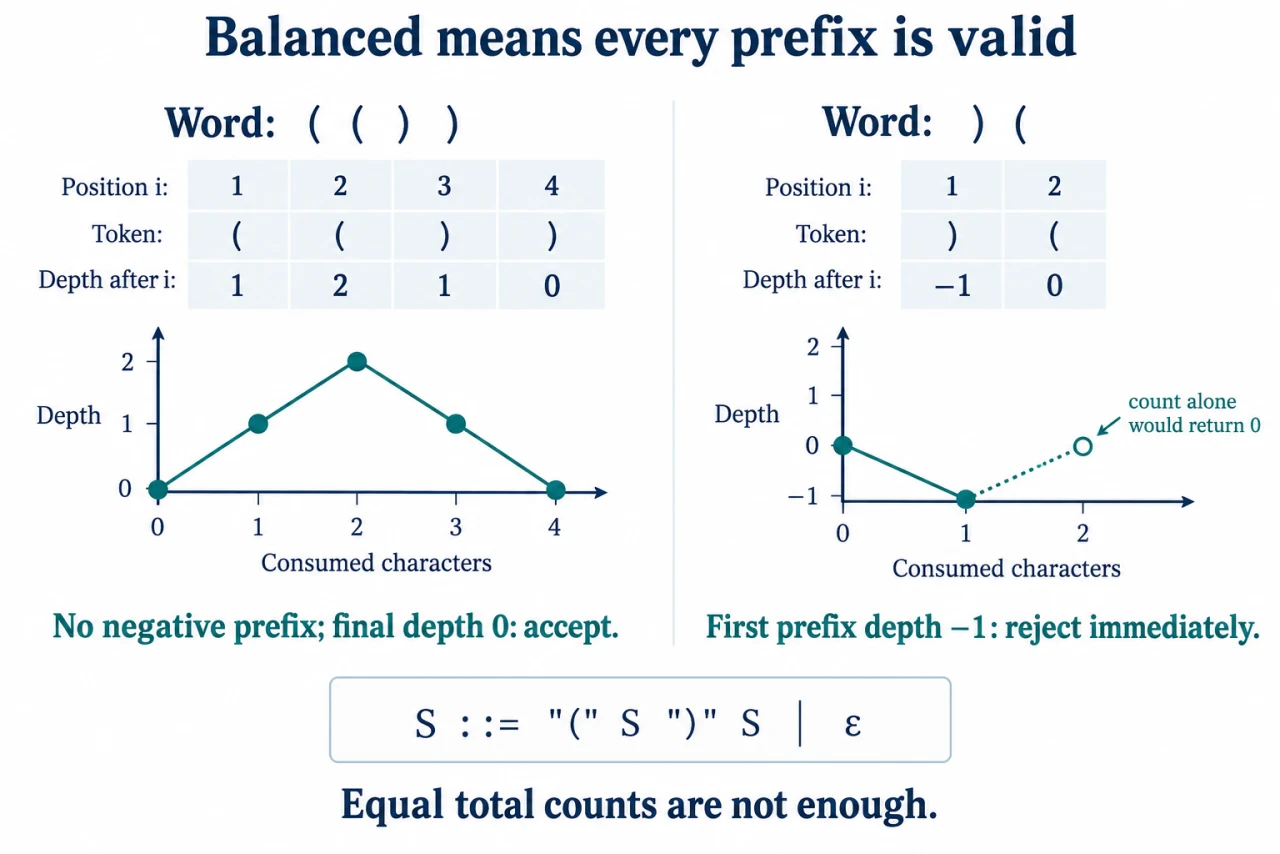
Context-free grammar, syntax and nested structure
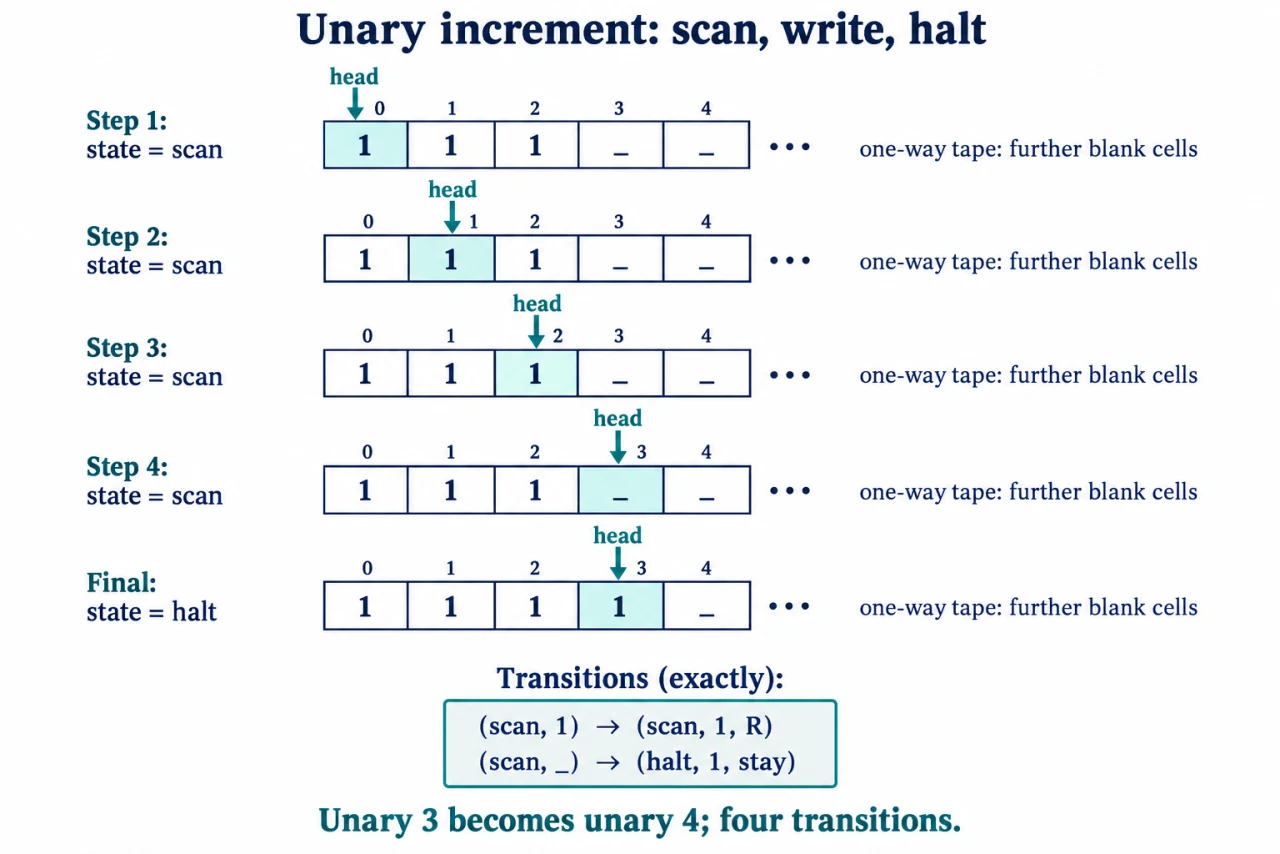
Turing-machine traces and computability limits
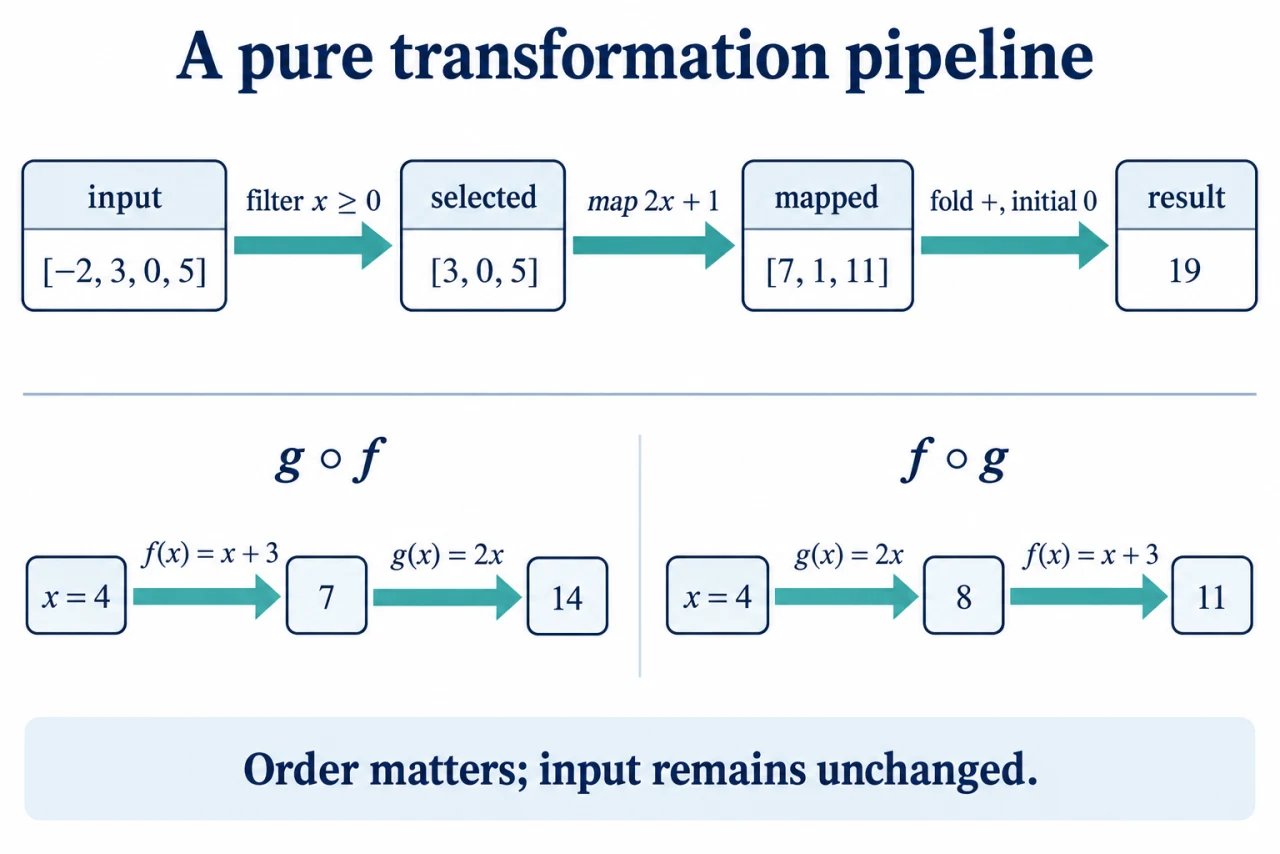
First-class functions, composition and folds
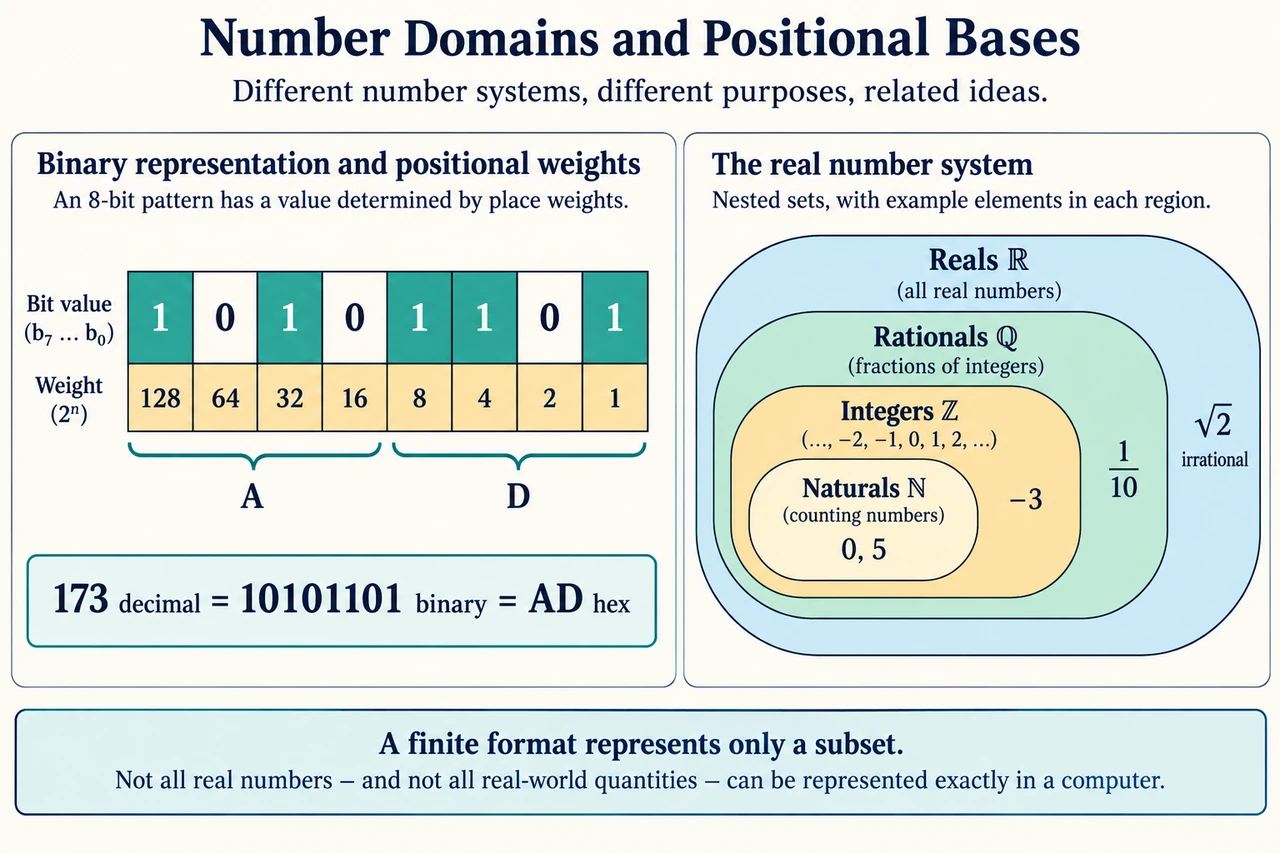
Number domains and positional bases
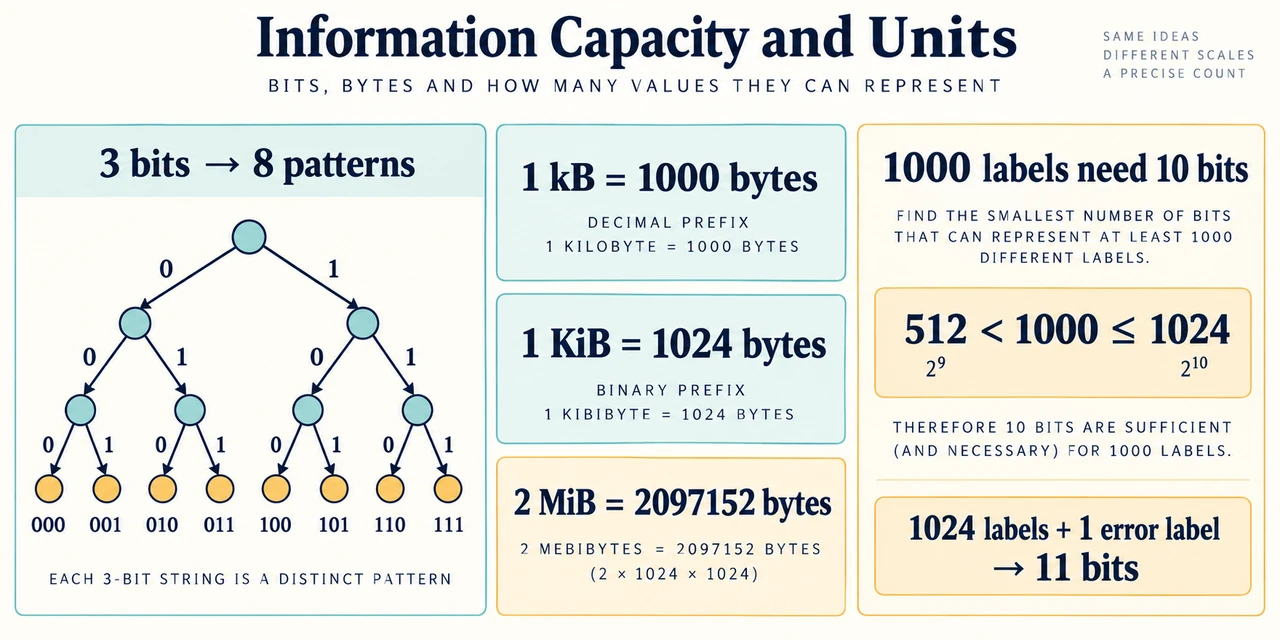
Information capacity and unambiguous storage units
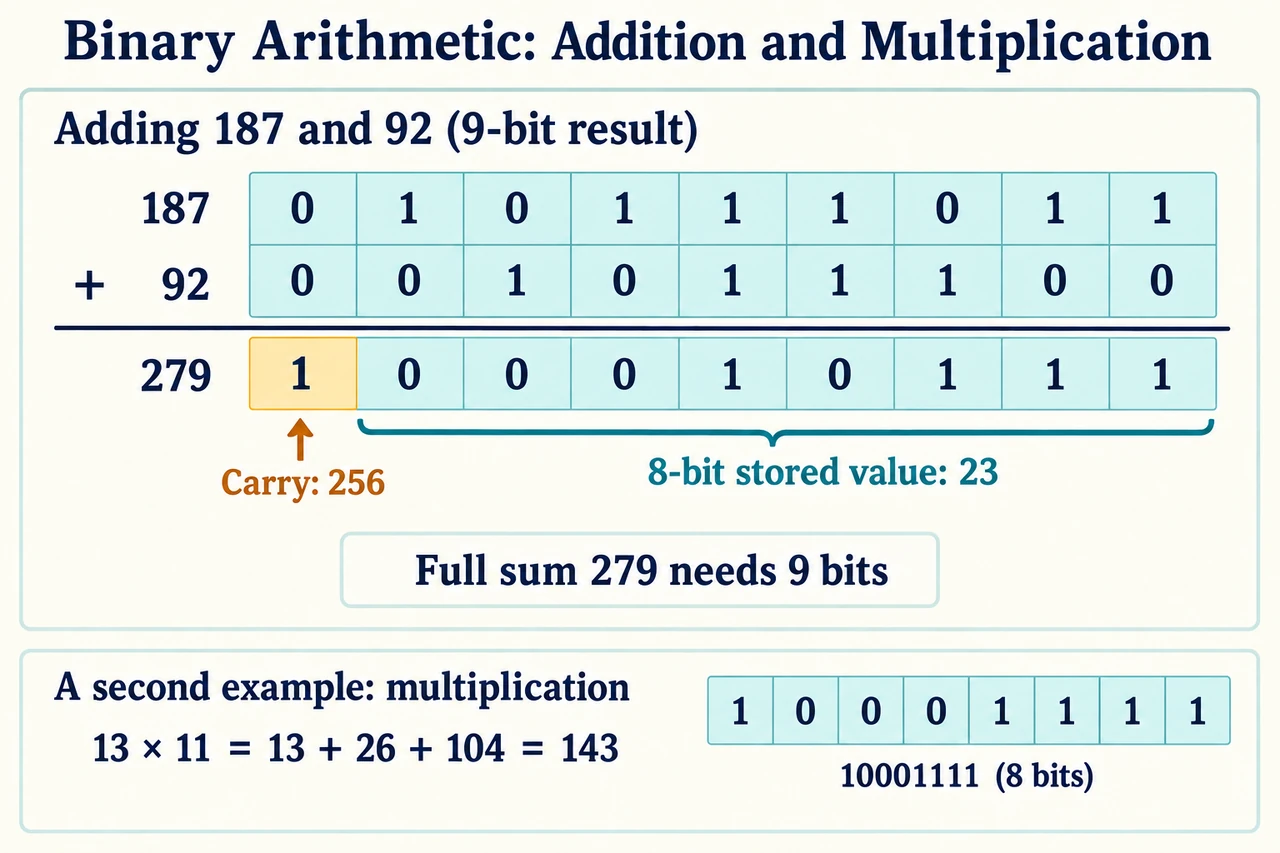
Unsigned addition, multiplication and discarded carries
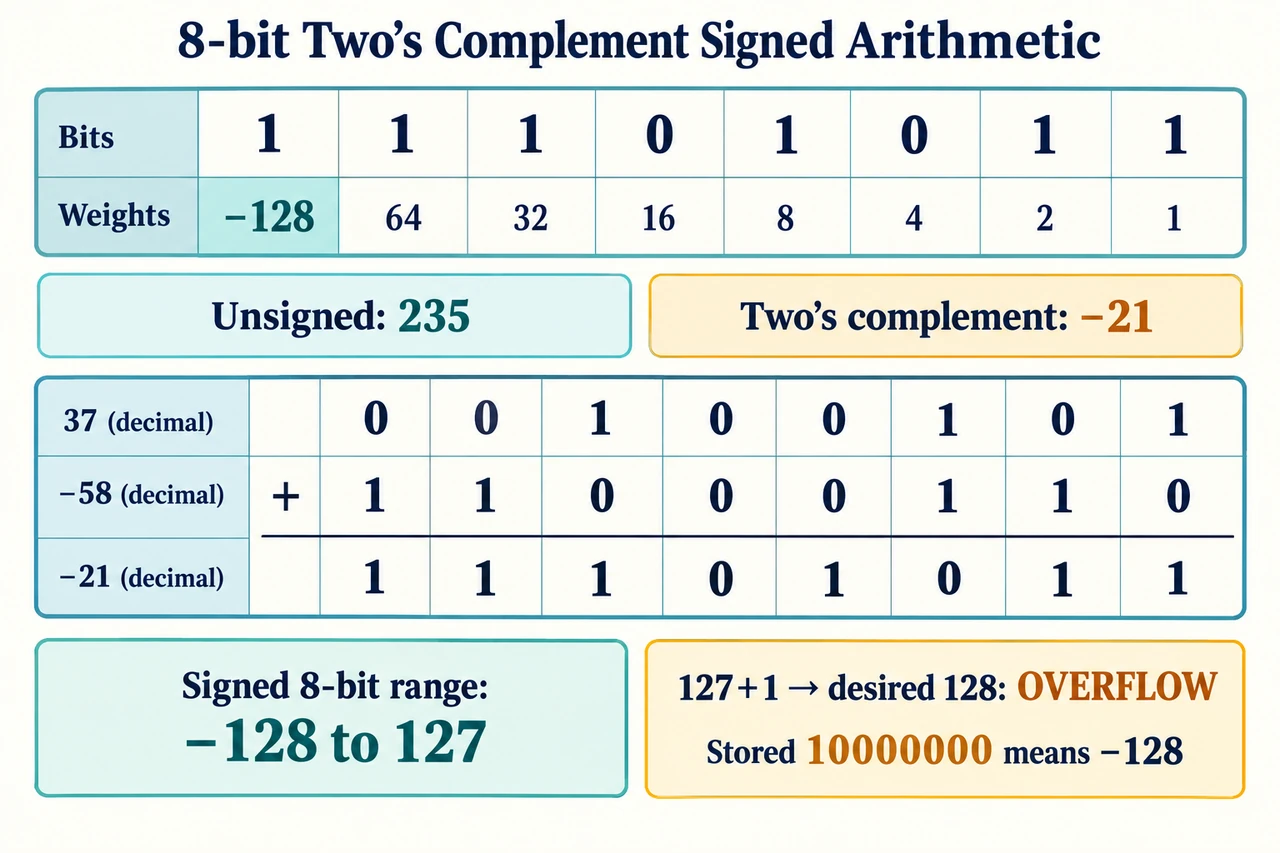
Two’s complement subtraction and signed boundaries
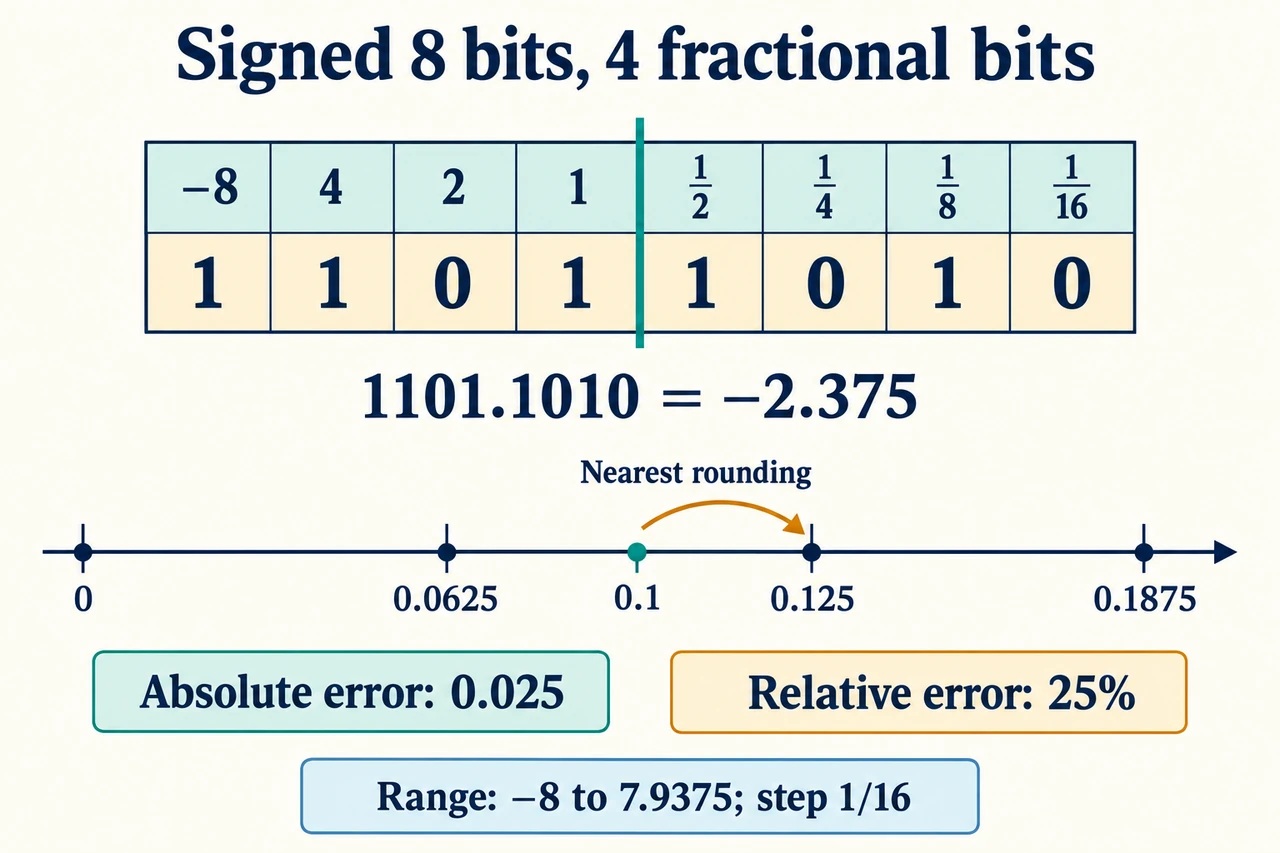
Fixed-point encoding, quantisation and error budgets
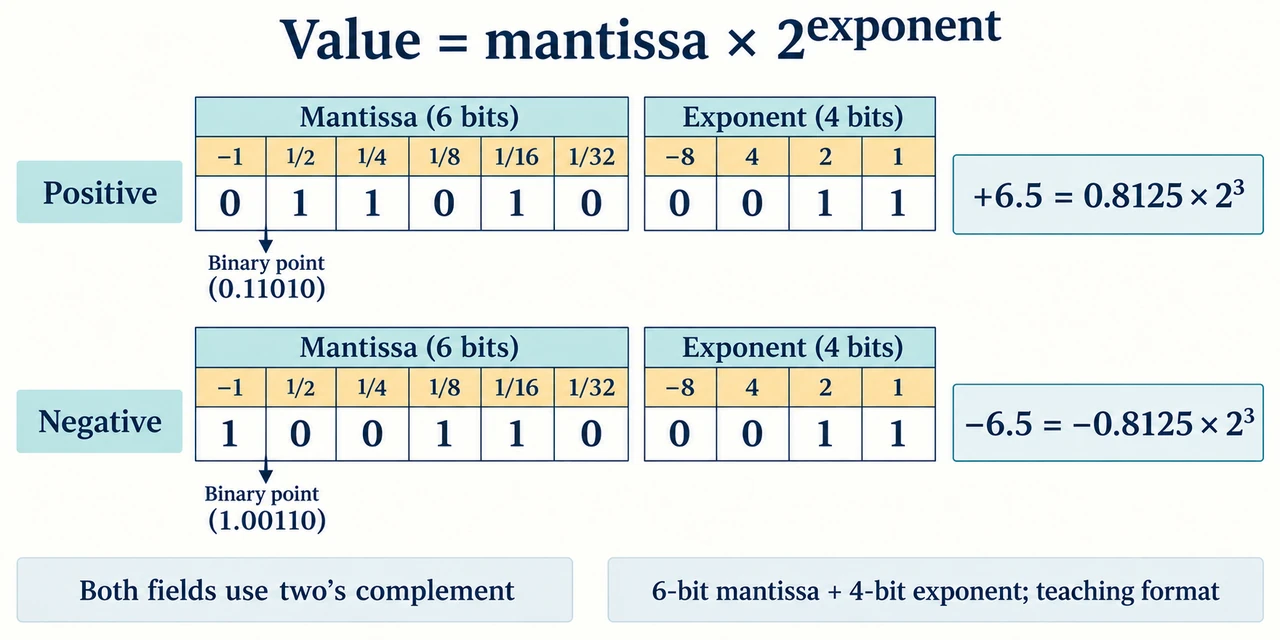
Simplified signed mantissa and exponent
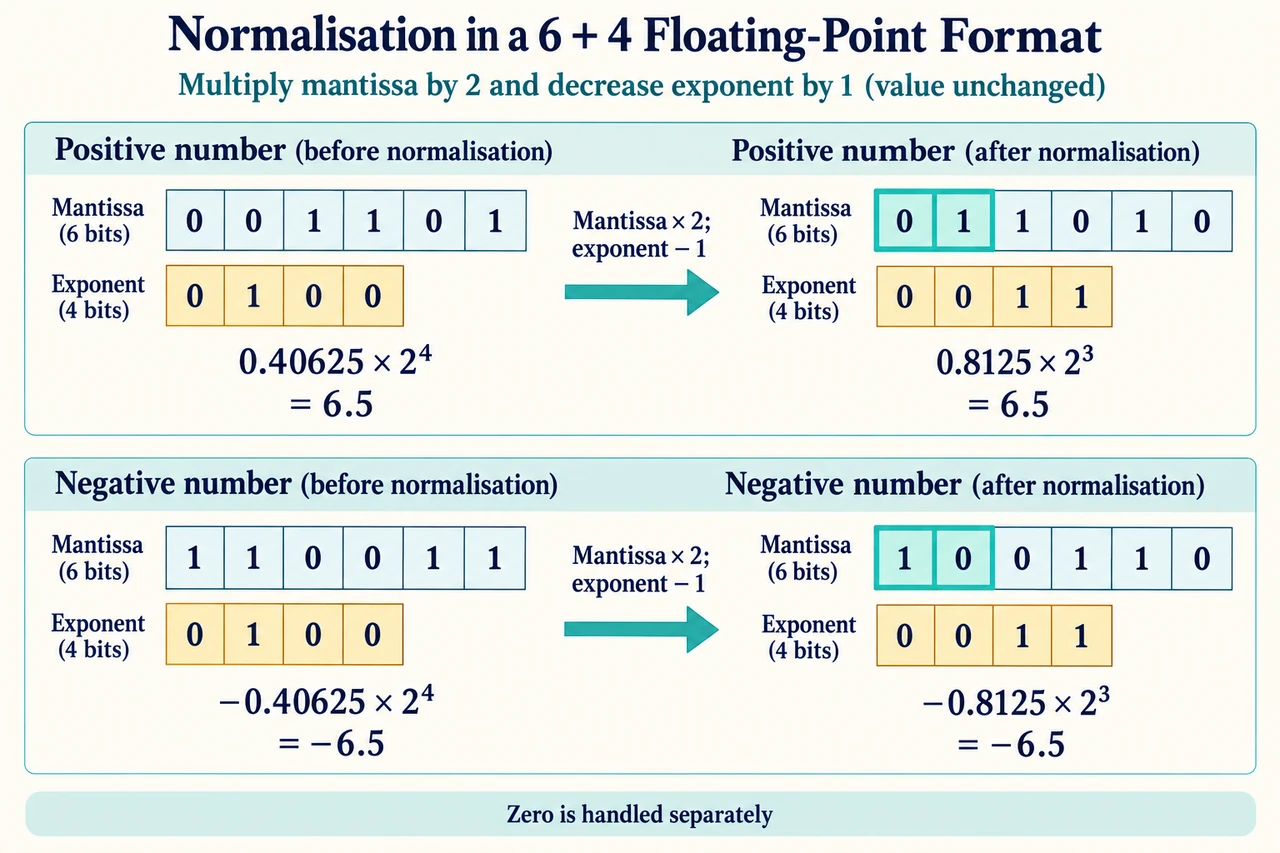
Positive and negative normalisation without changing value
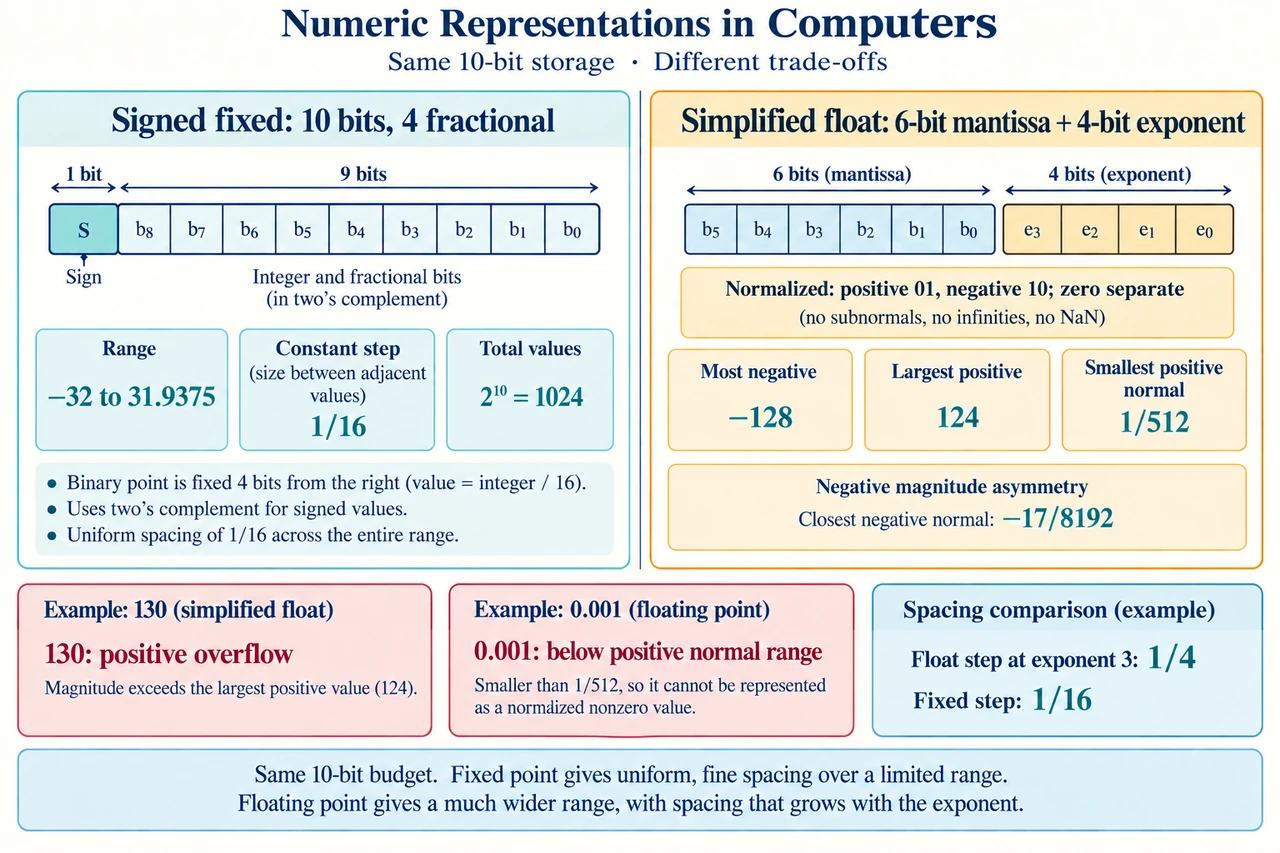
Range, precision, underflow and representation decisions
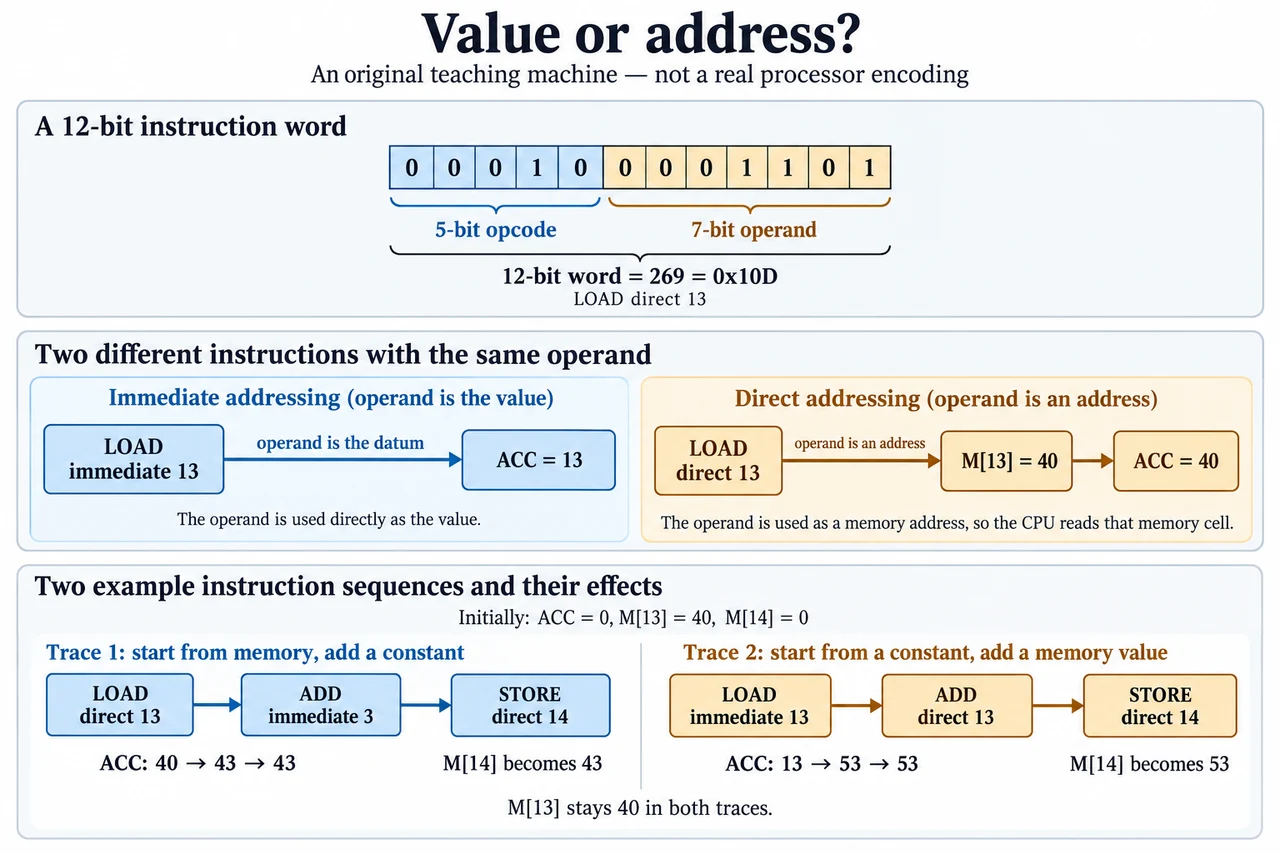
Read the operand: a value or an address?
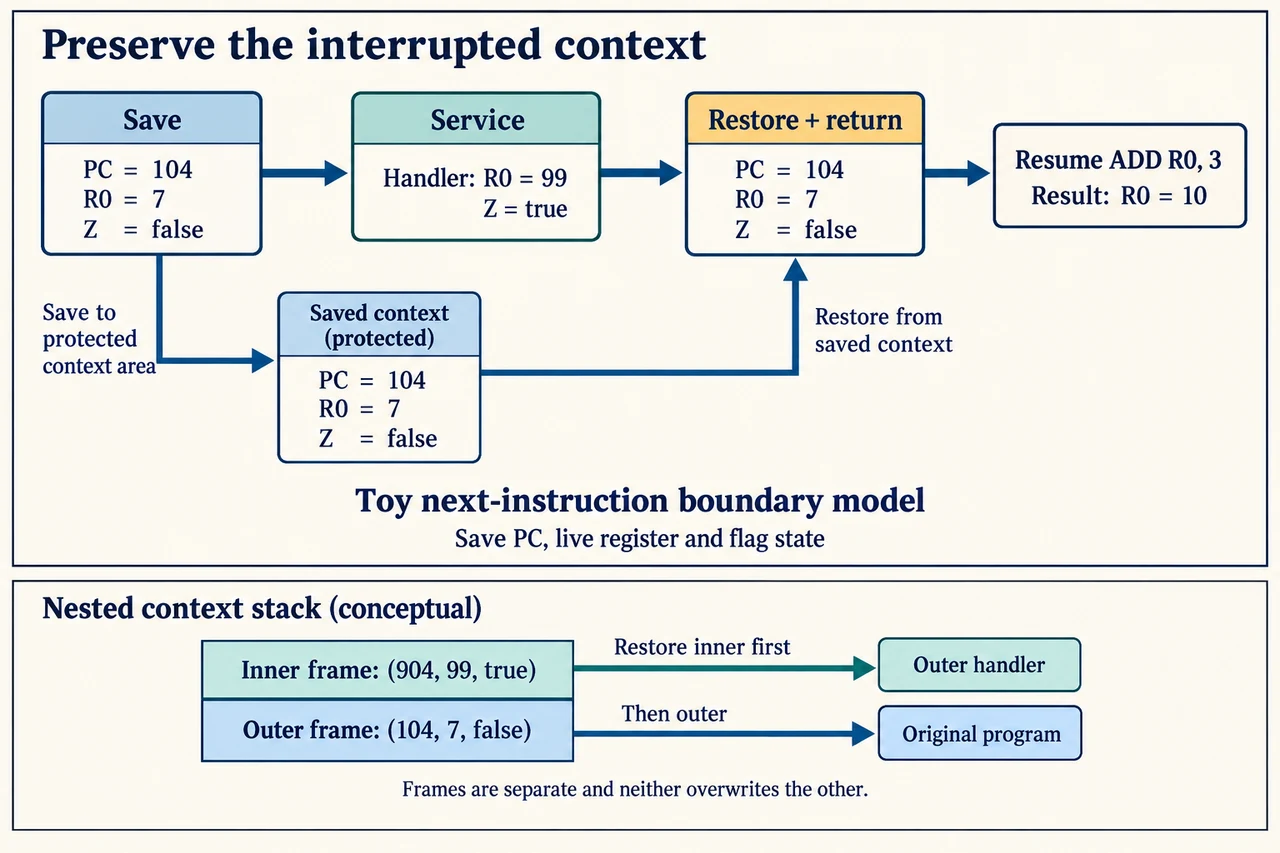
Pause, preserve and resume: what an interrupt must protect
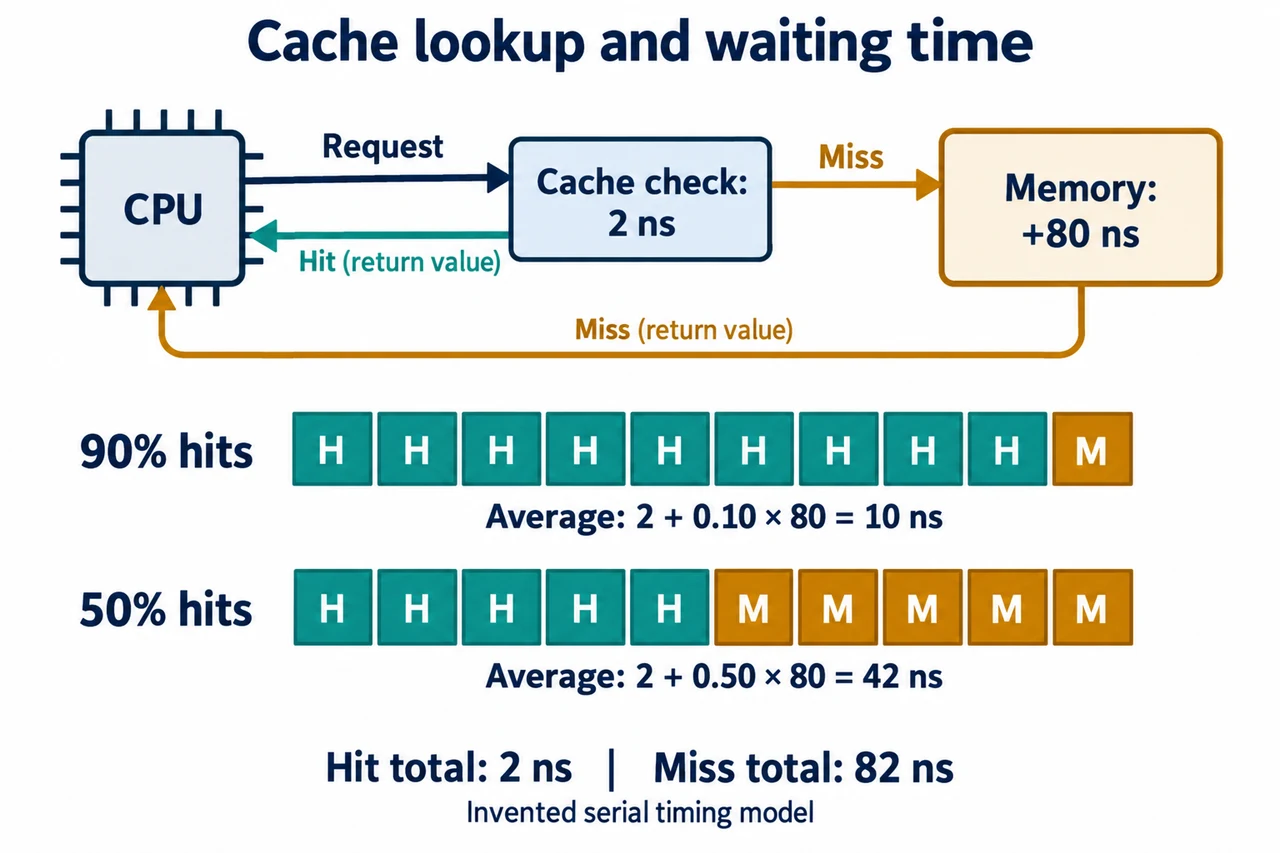
Why faster arithmetic can still wait for memory