← Explore learning guidesIndependent learning guide
UK GCSE Computer Science · independent study
Independent myAudience subject study using references for England. Published readings cover selected topics; full curriculum, assessment and practical coverage are not verified. No awarding-body affiliation, endorsement, qualification or grade guarantee is offered. Check the source specification and your centre for the requirements of your chosen course.
From a messy request to an algorithm
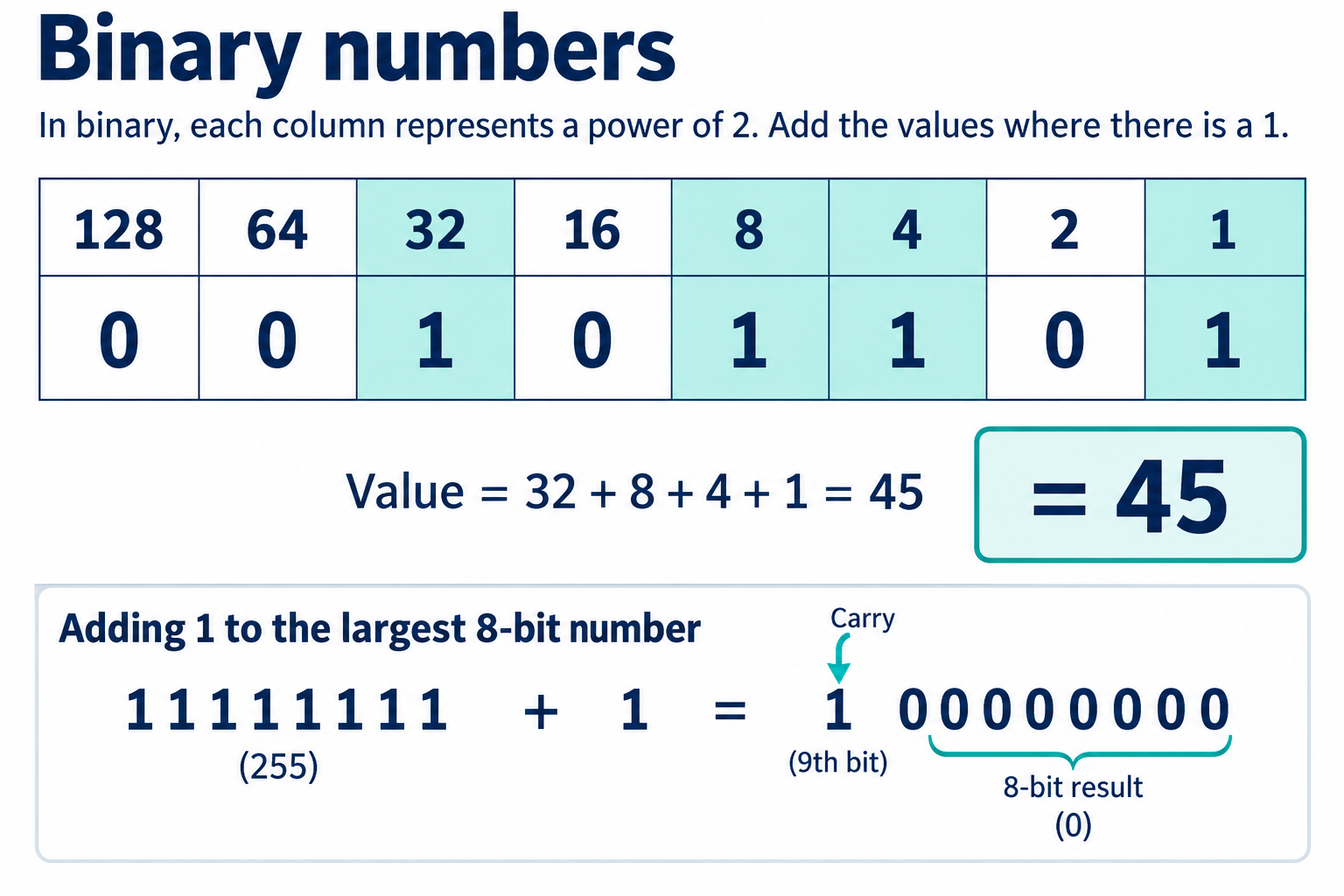
Represent quantities before calculating
Comparisons and decisions with boundaries
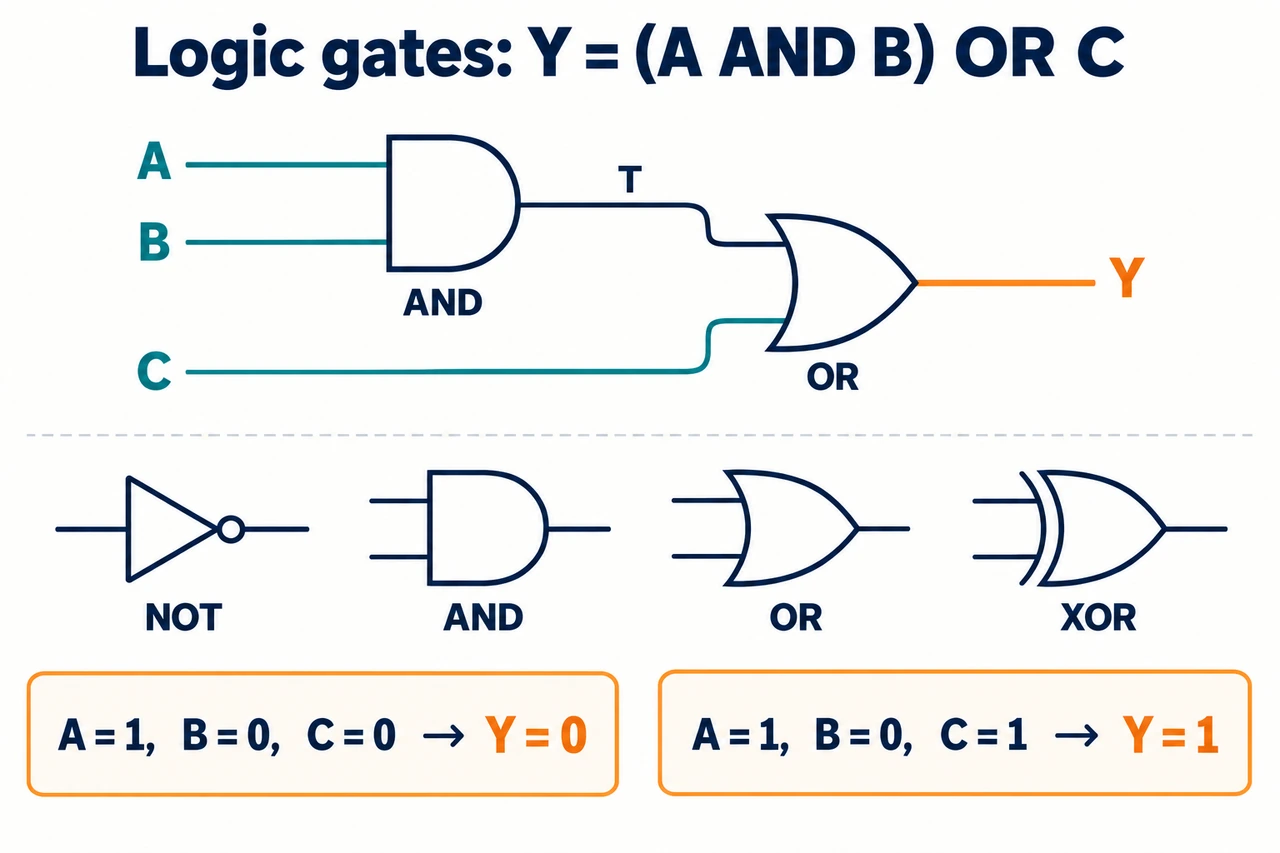
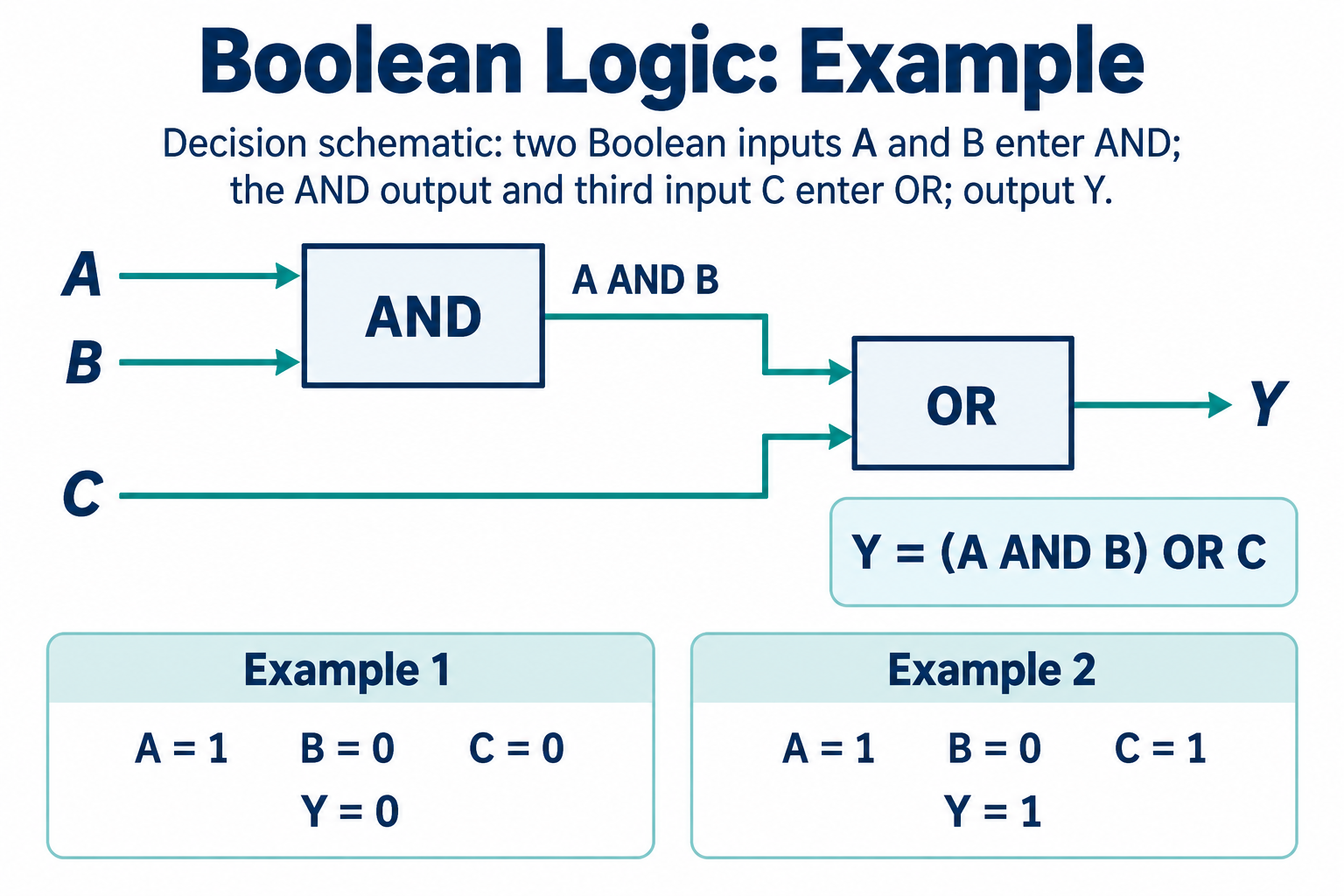
Truth tables connect circuits and programs
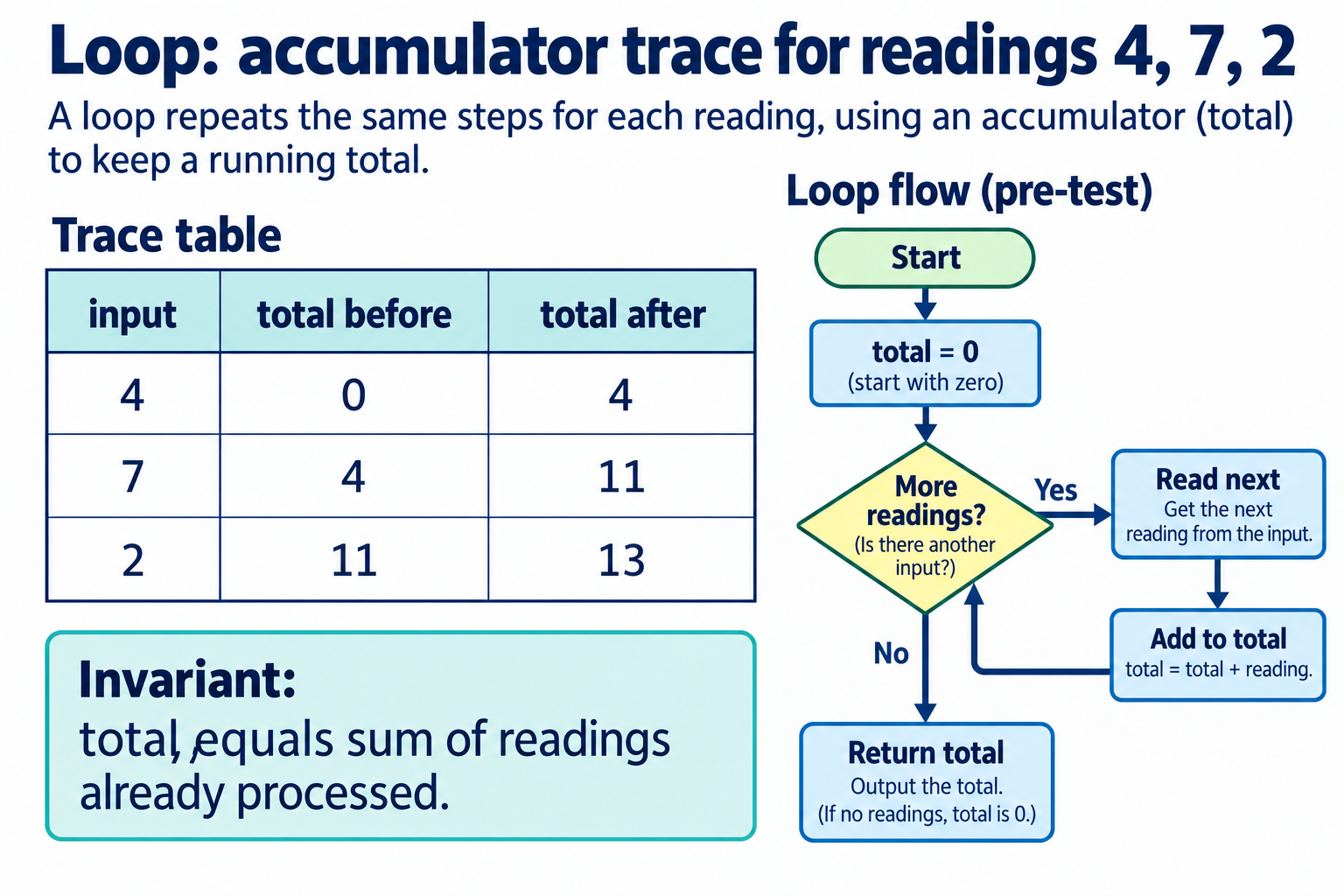
Loops need state meanings and stopping reasons
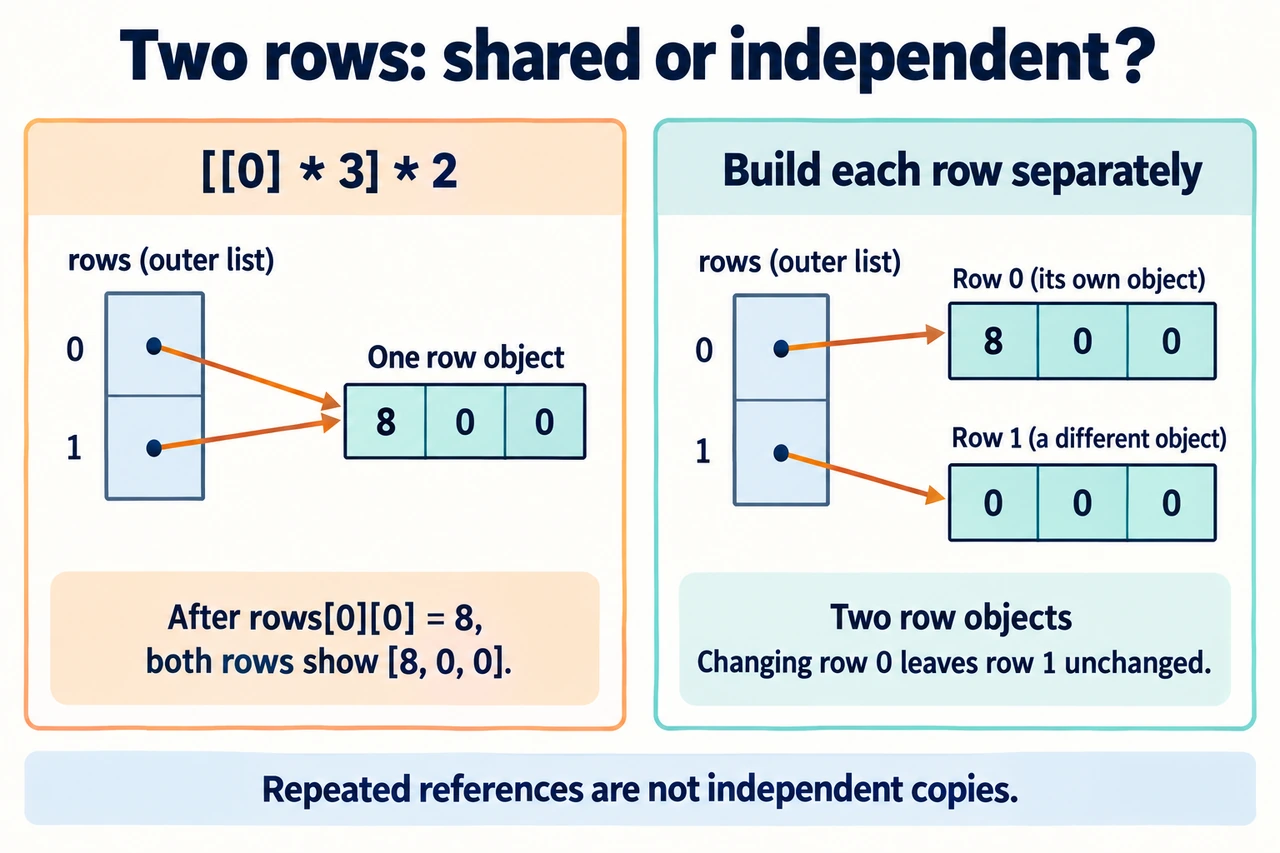
Lists, grids and records preserve different relationships
Text parsing and characters without hidden assumptions
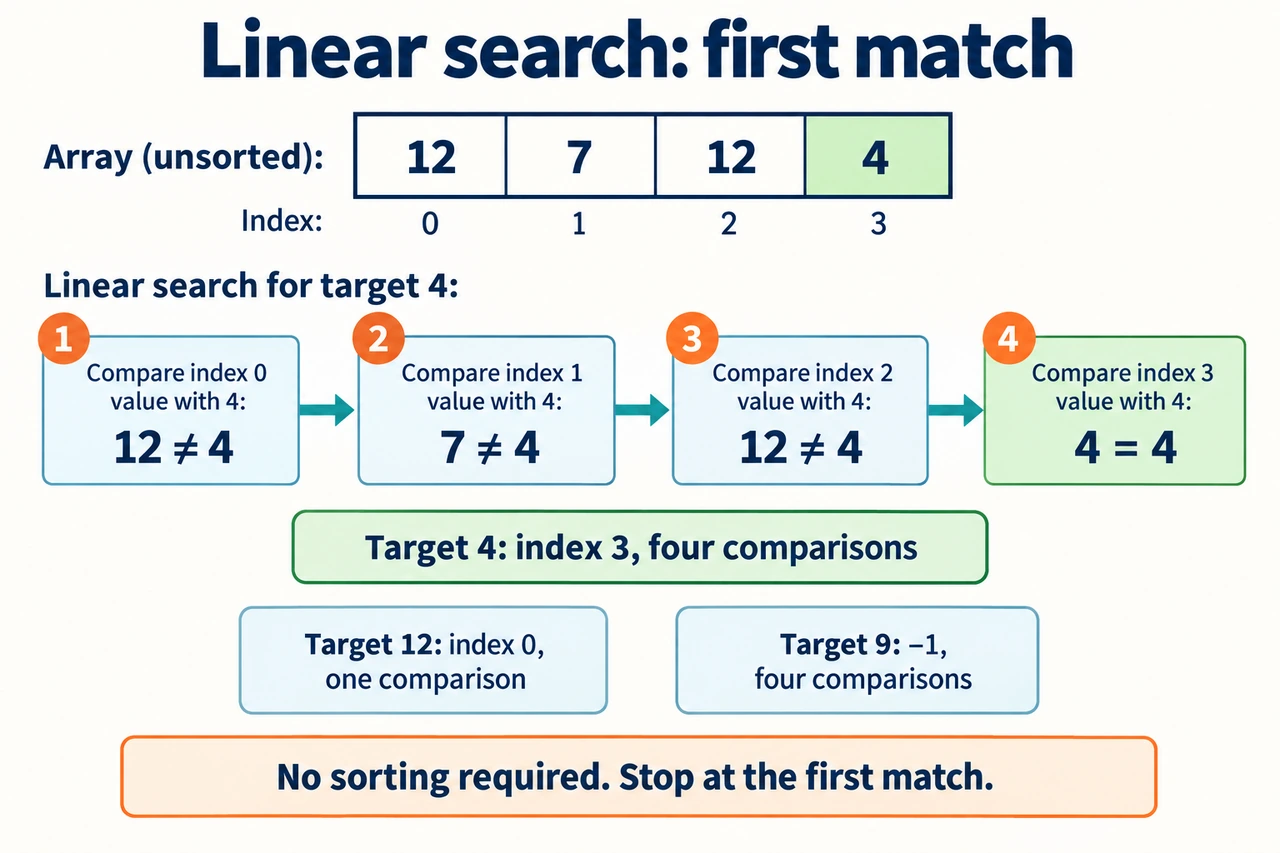
Linear search: contracts, traces and cost
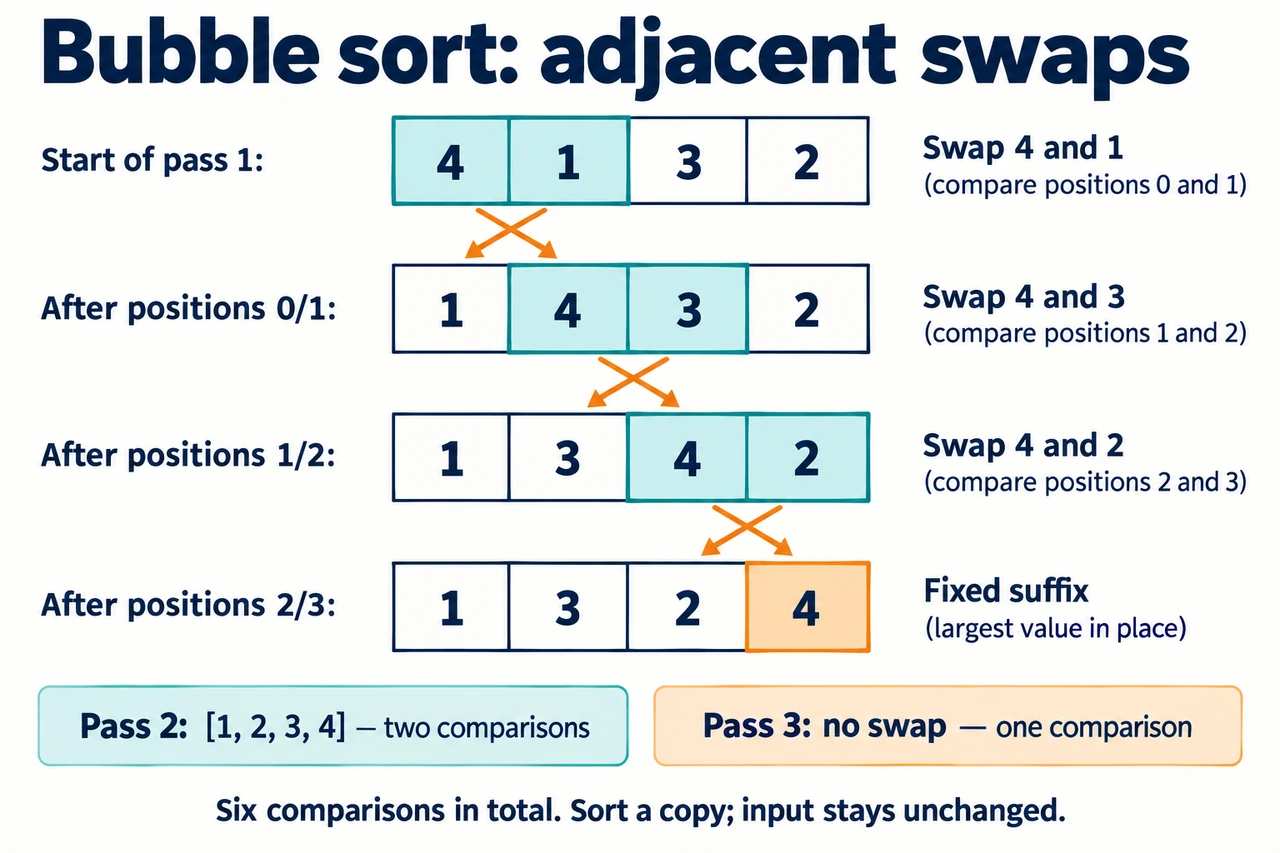
Bubble sort and evidence about refinement
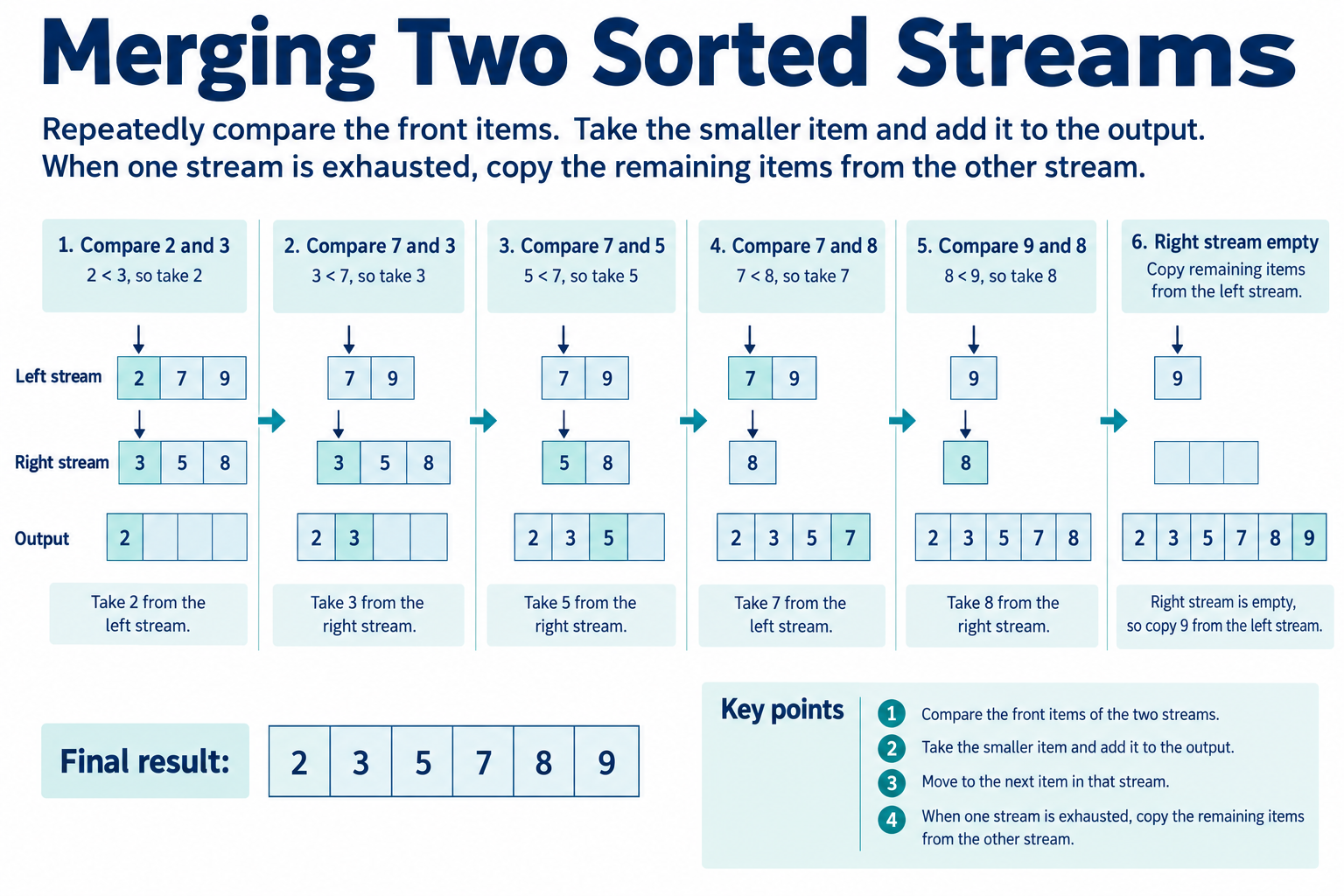
Merge sort: two ordered streams become one
Bits, hexadecimal and units encode a chosen meaning
Binary addition, logical shifts and deliberate overflow models
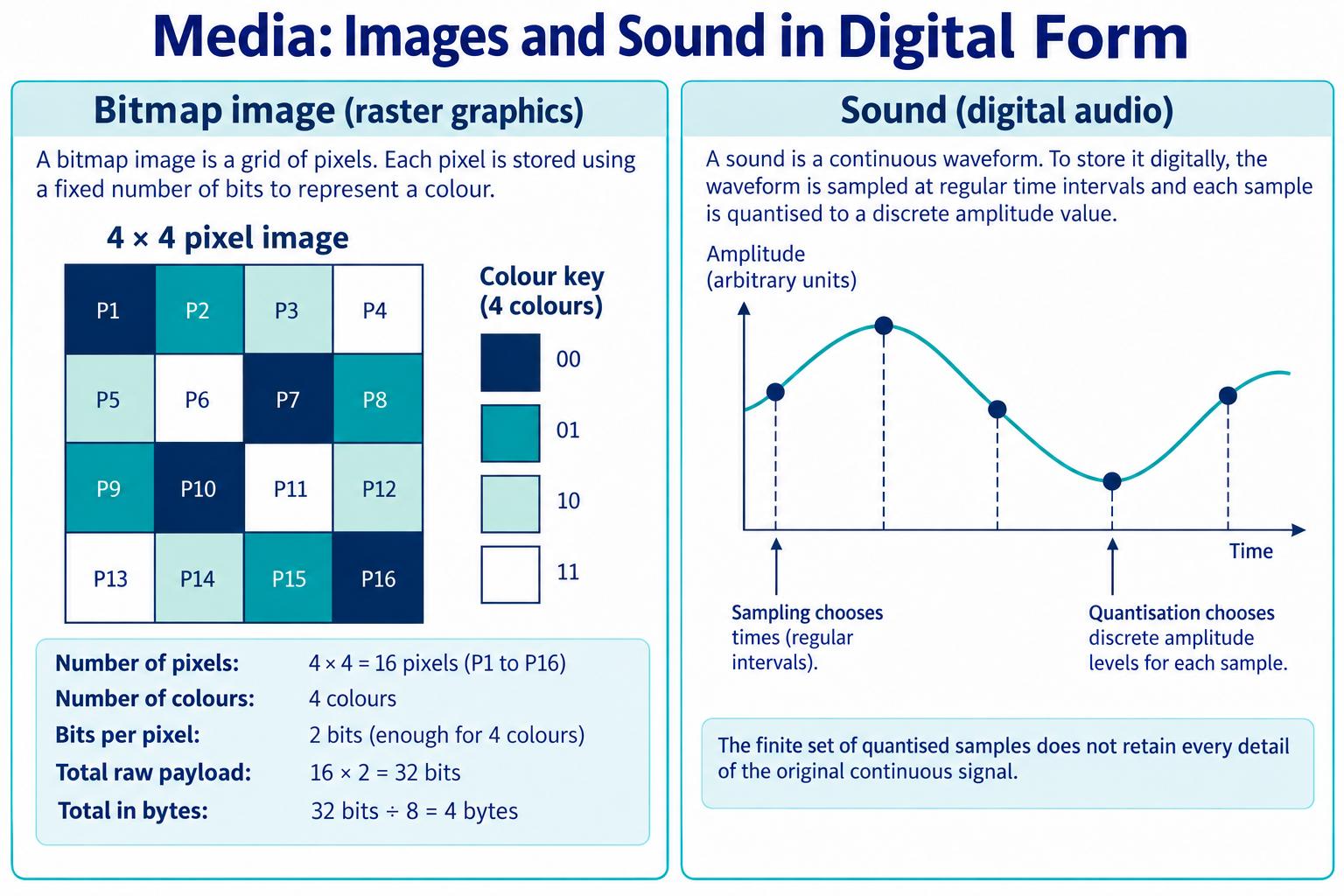
Images and sound: size follows dimensions and fidelity choices
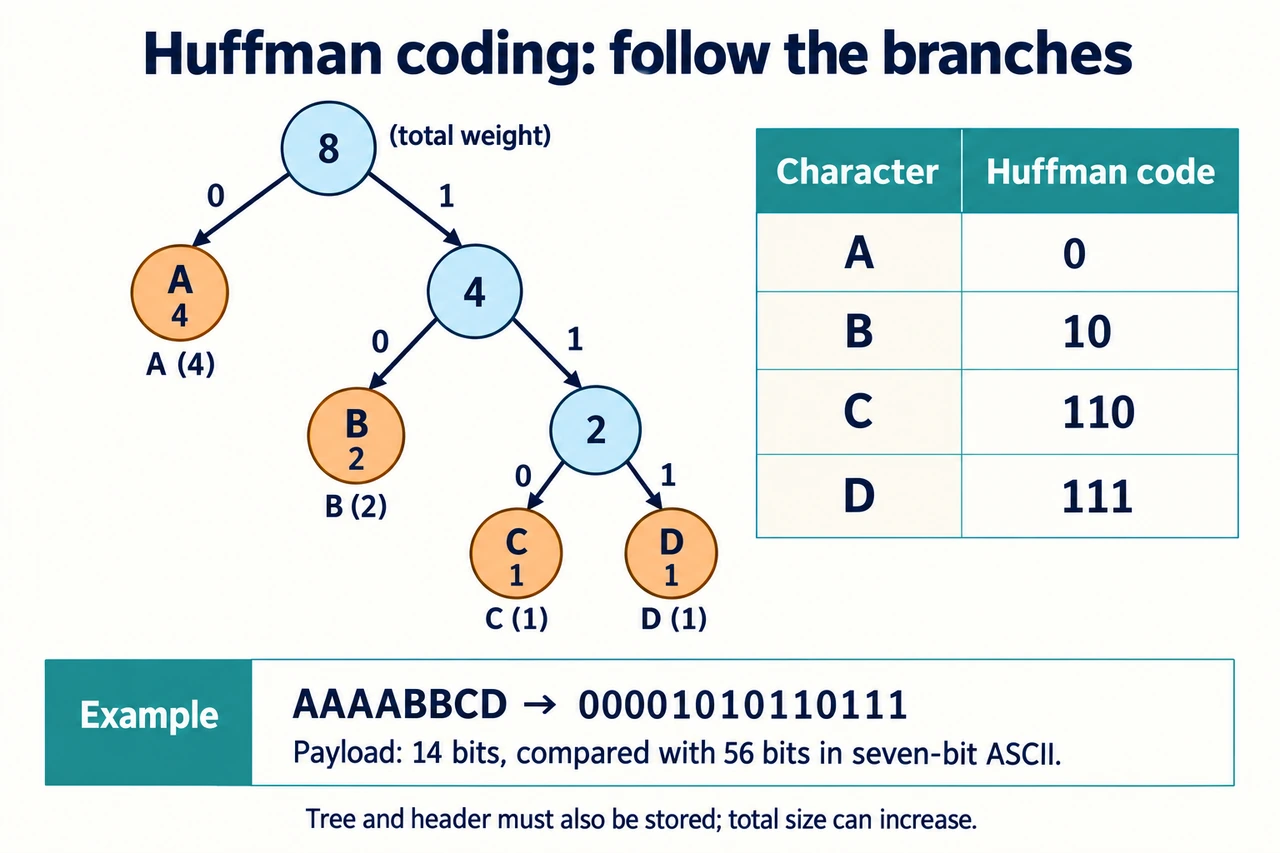
Lossless compression and an evaluated end-to-end design
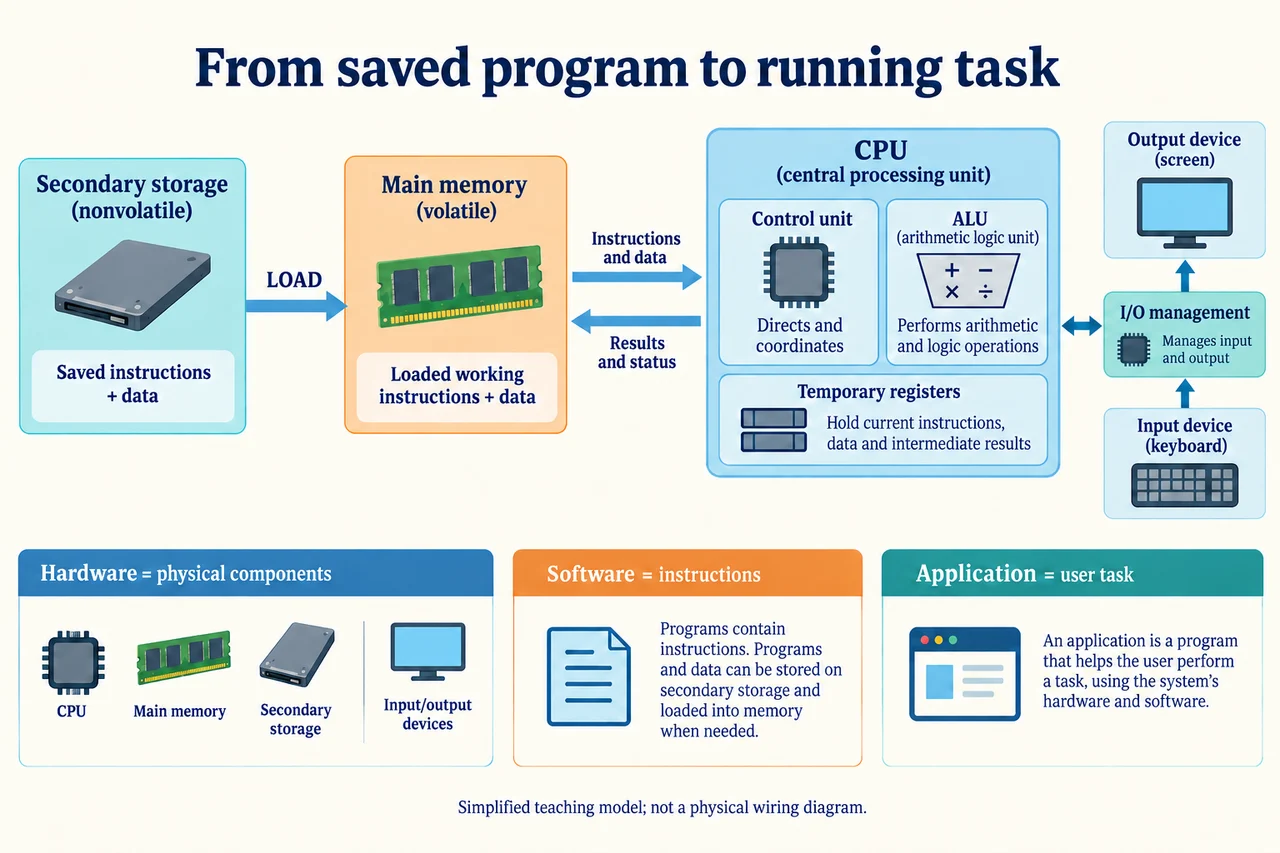
From a saved program to a working computer
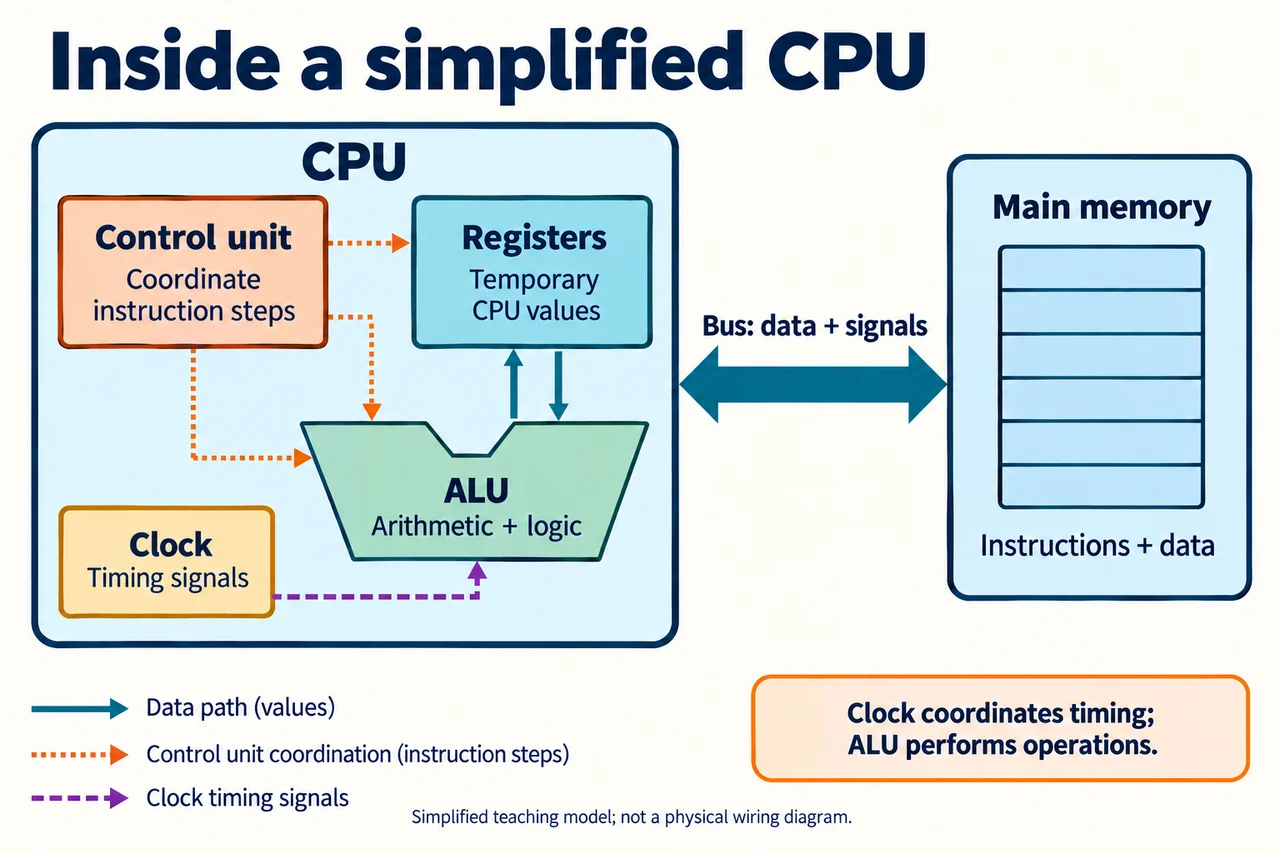
CPU components: work, control and communication
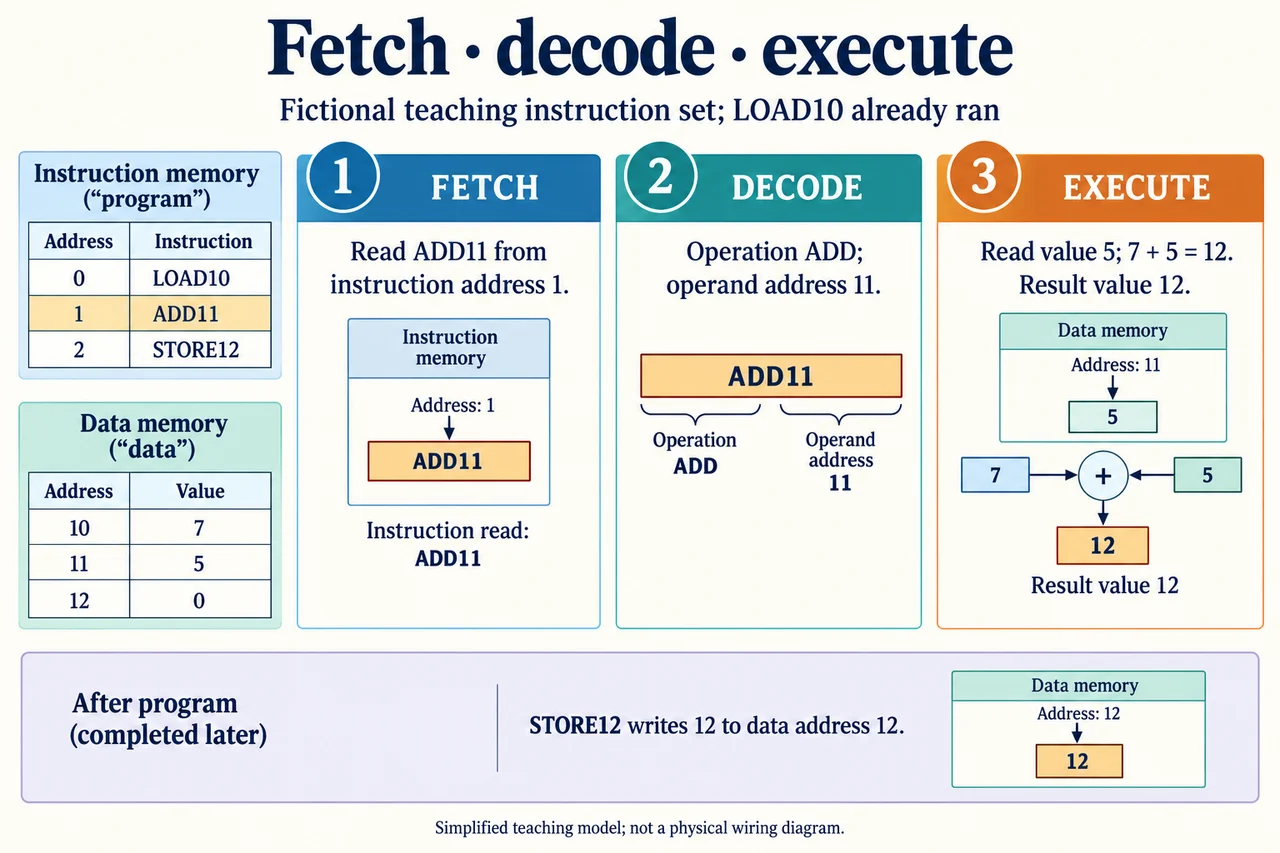
Trace instructions through fetch, decode and execute
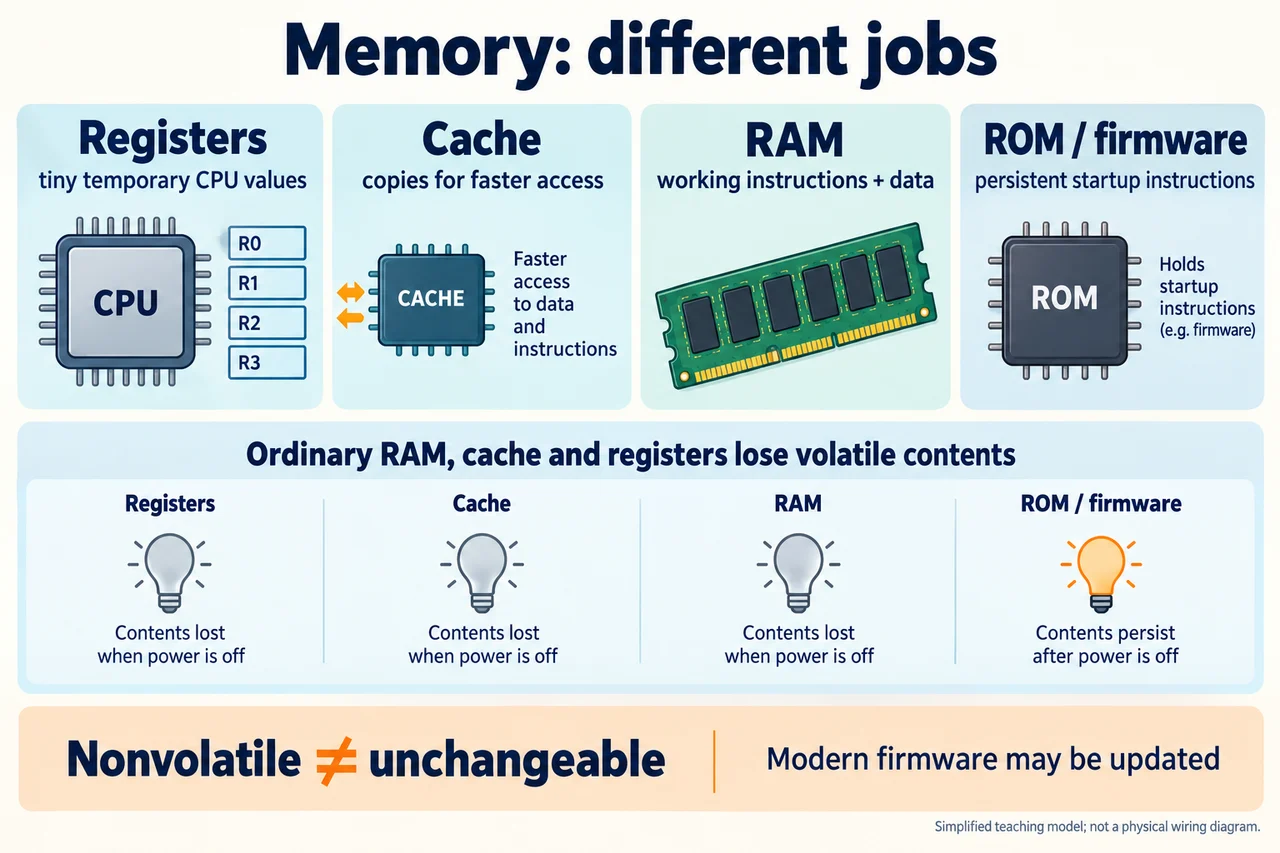
RAM, ROM, cache and registers: different jobs
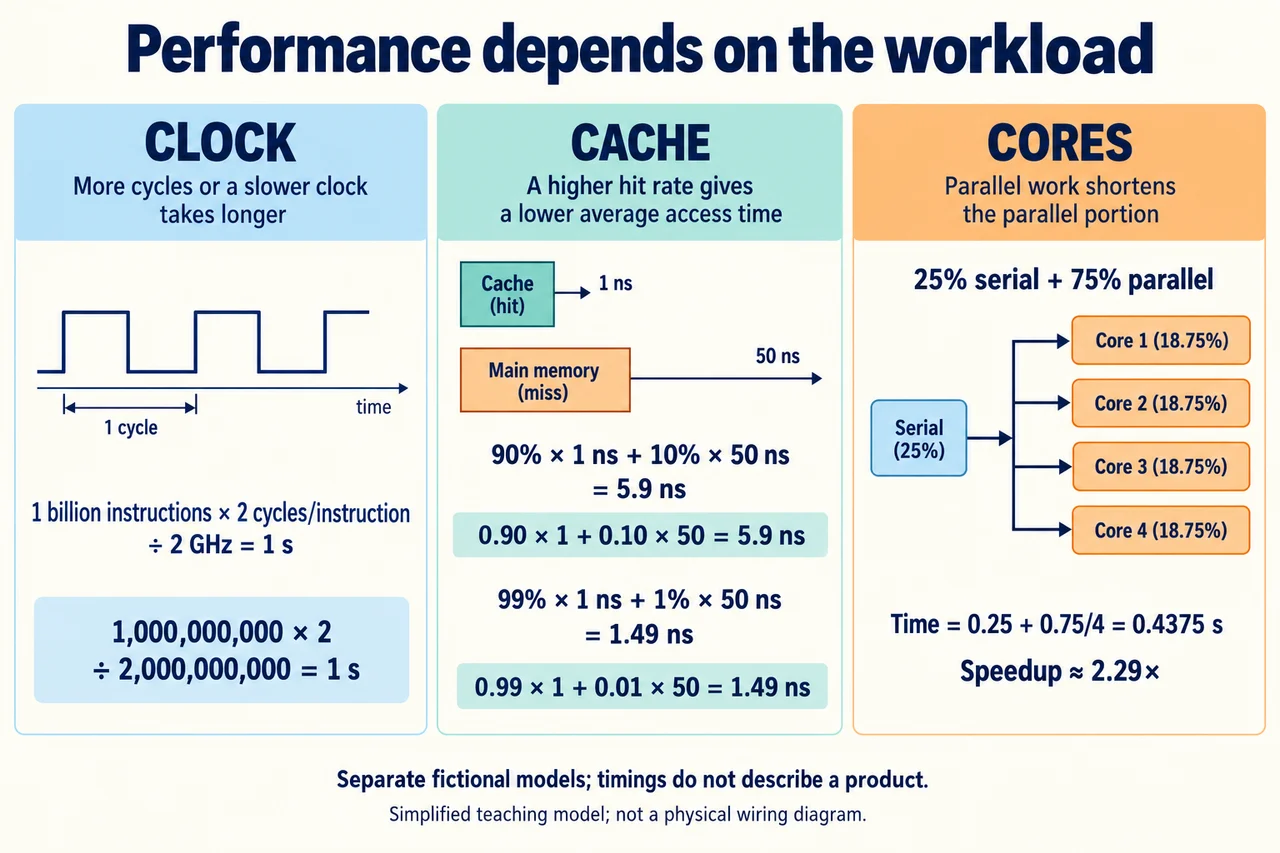
Why clock speed alone cannot rank computers
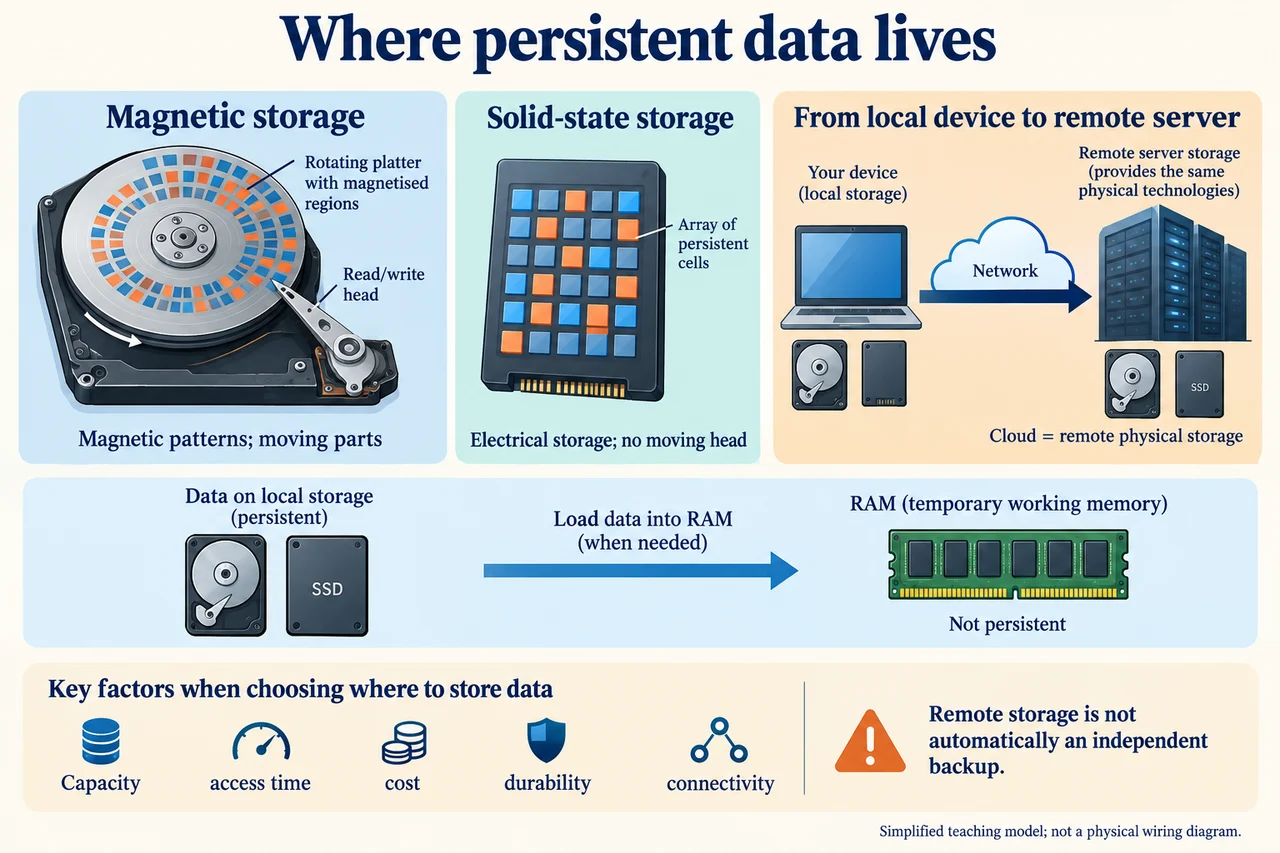
Persistent storage: magnetic, solid-state and remote
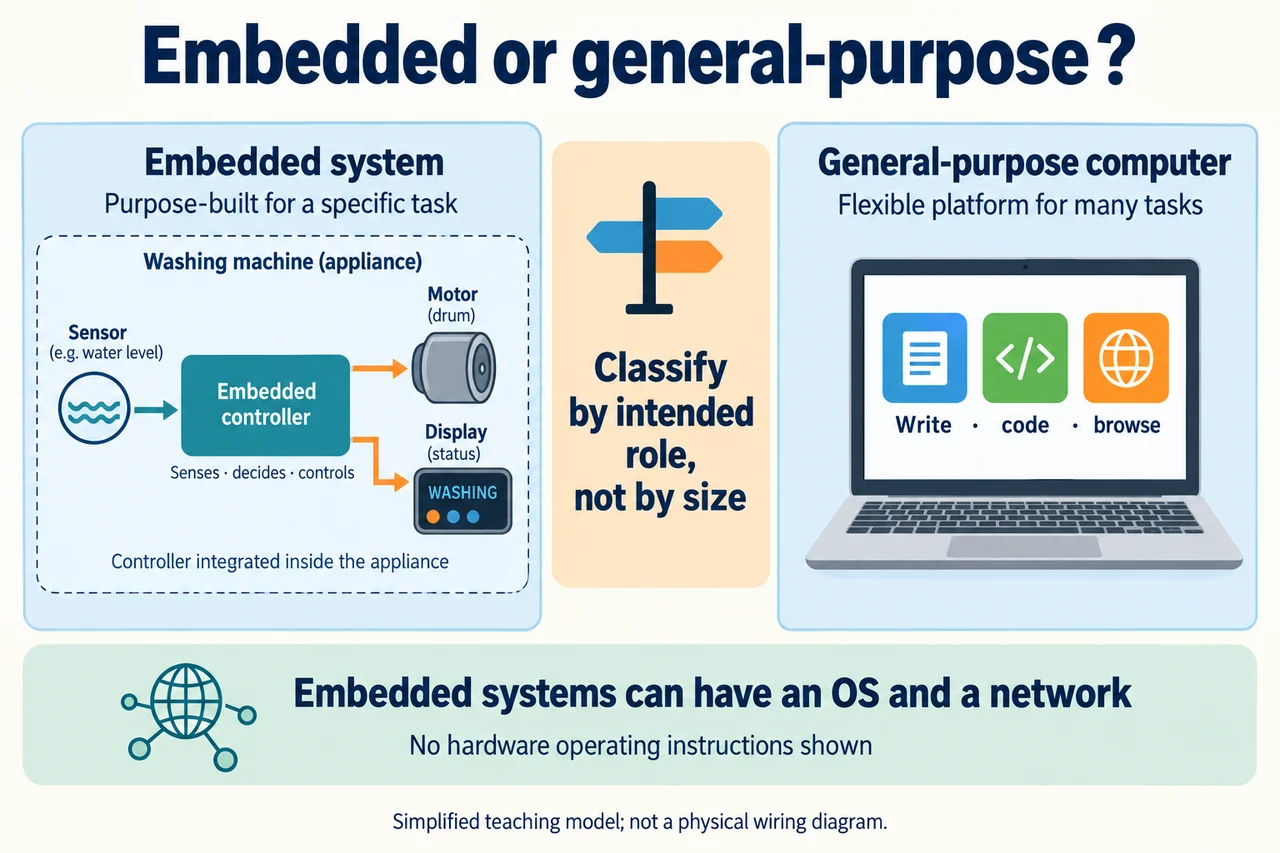
Embedded and general-purpose systems: classify by role
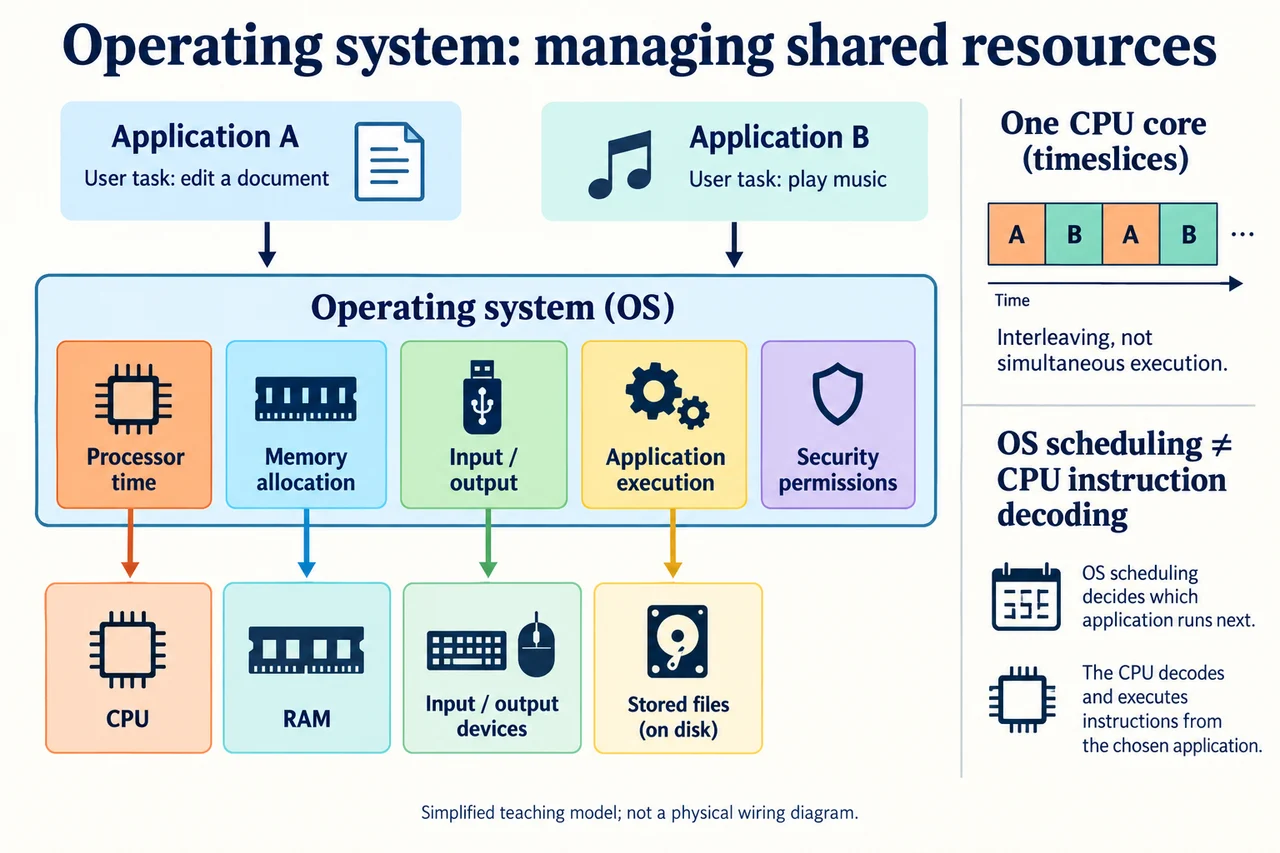
Operating systems: sharing resources without mixing tasks