← Explore the libraryPublic reading pack
UK A Level Mathematics · independent study · myAudience
Independent myAudience subject study using references for England. Published readings cover selected topics; full curriculum, assessment and practical coverage are not verified. No awarding-body affiliation, endorsement, qualification or grade guarantee is offered. Check the source specification and your centre for the requirements of your chosen course.
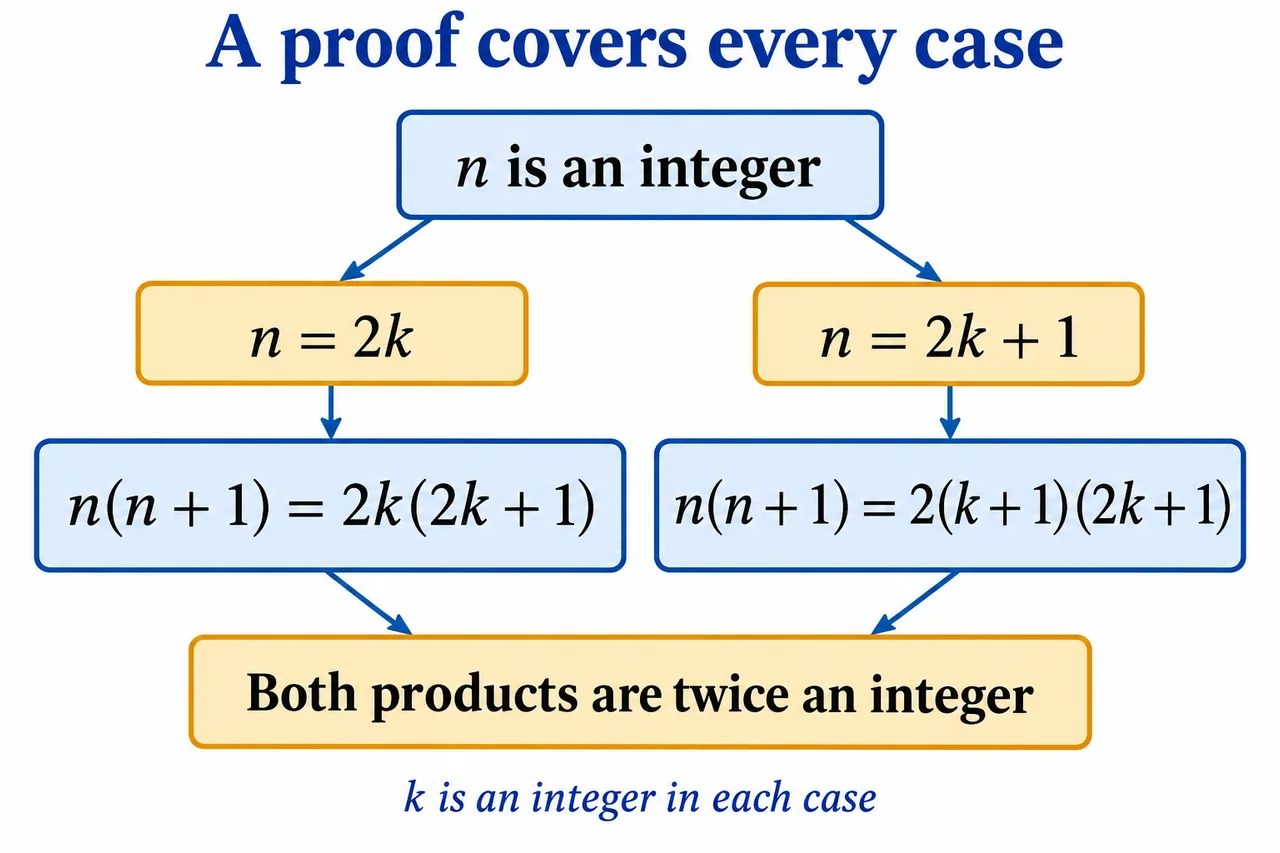
Say exactly what an algebraic argument proves
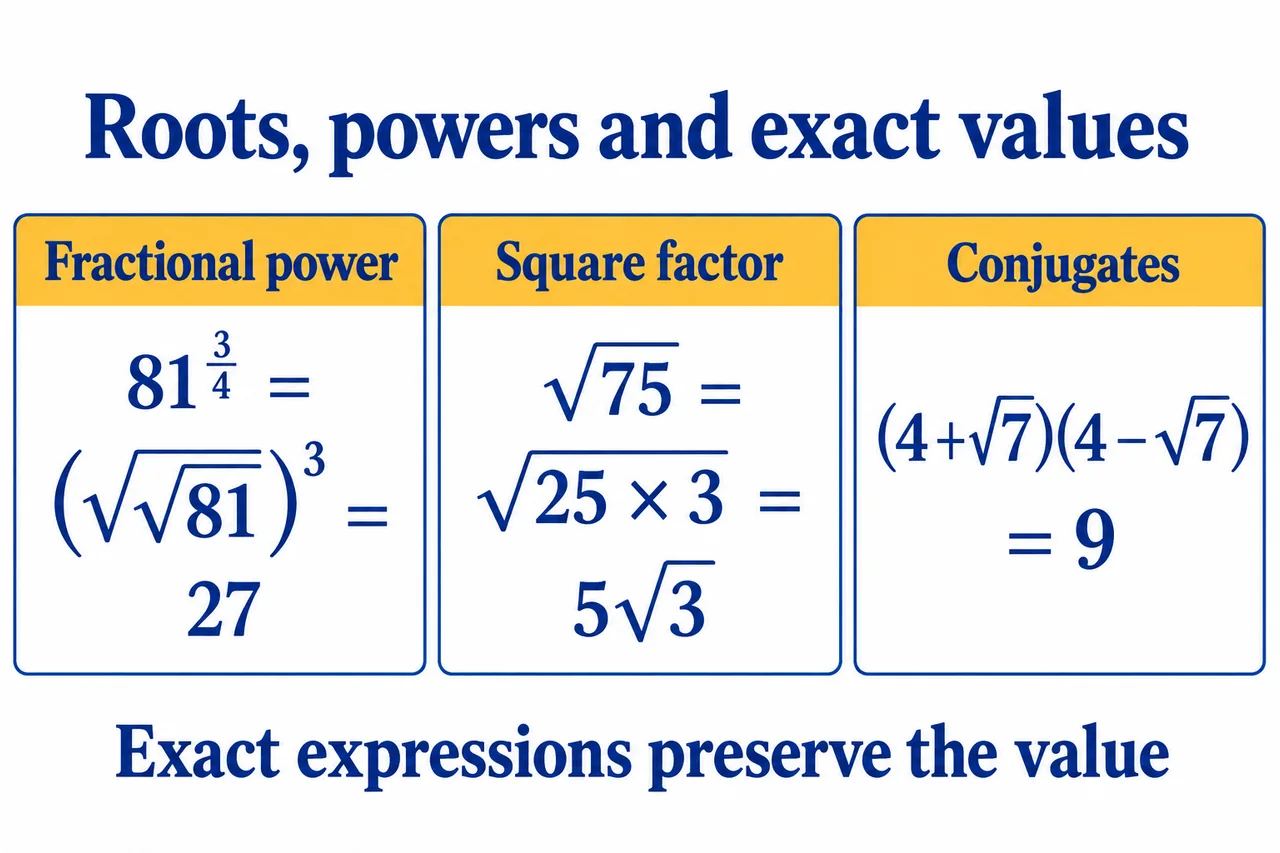
Extend index laws to roots and reciprocals
Keep irrational quantities exact
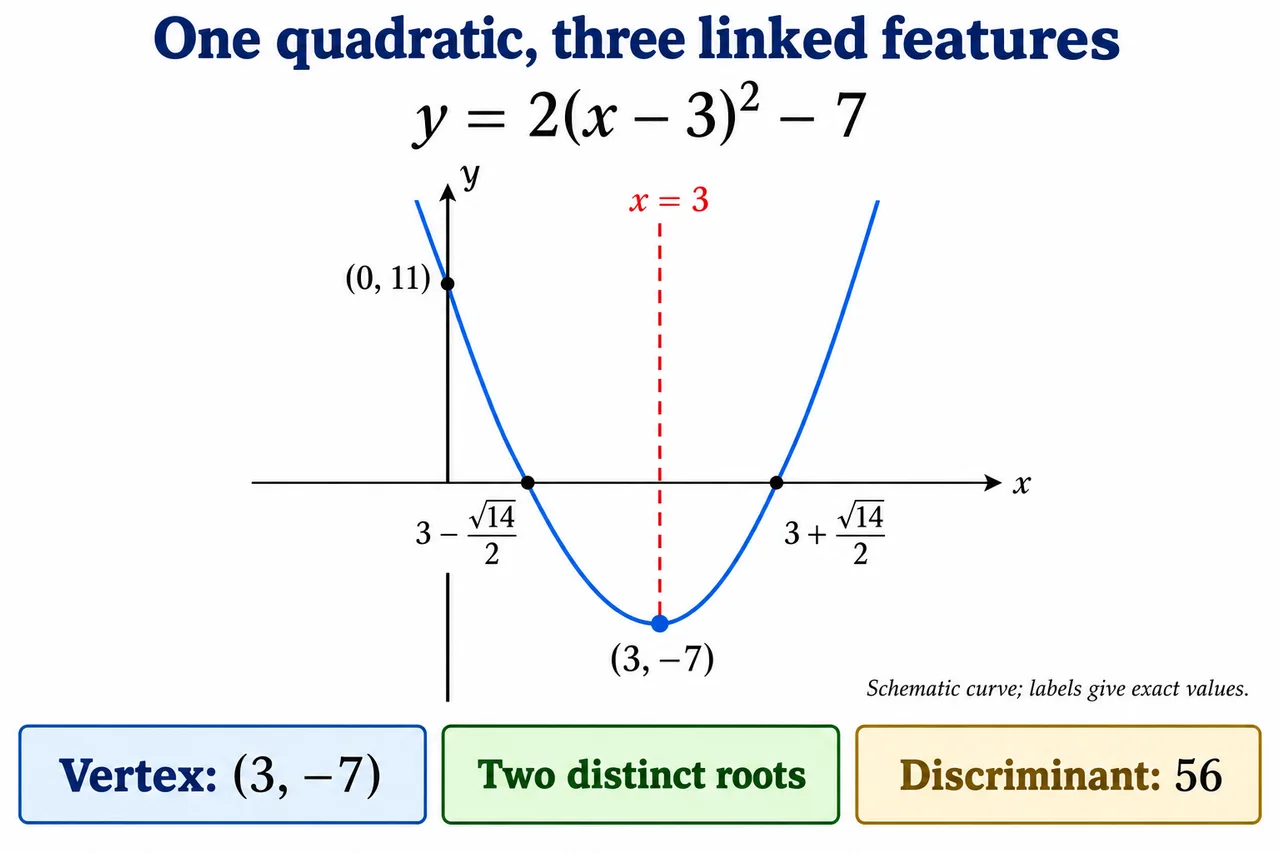
Choose the quadratic form that reveals the feature
Use the discriminant to reason about parameters
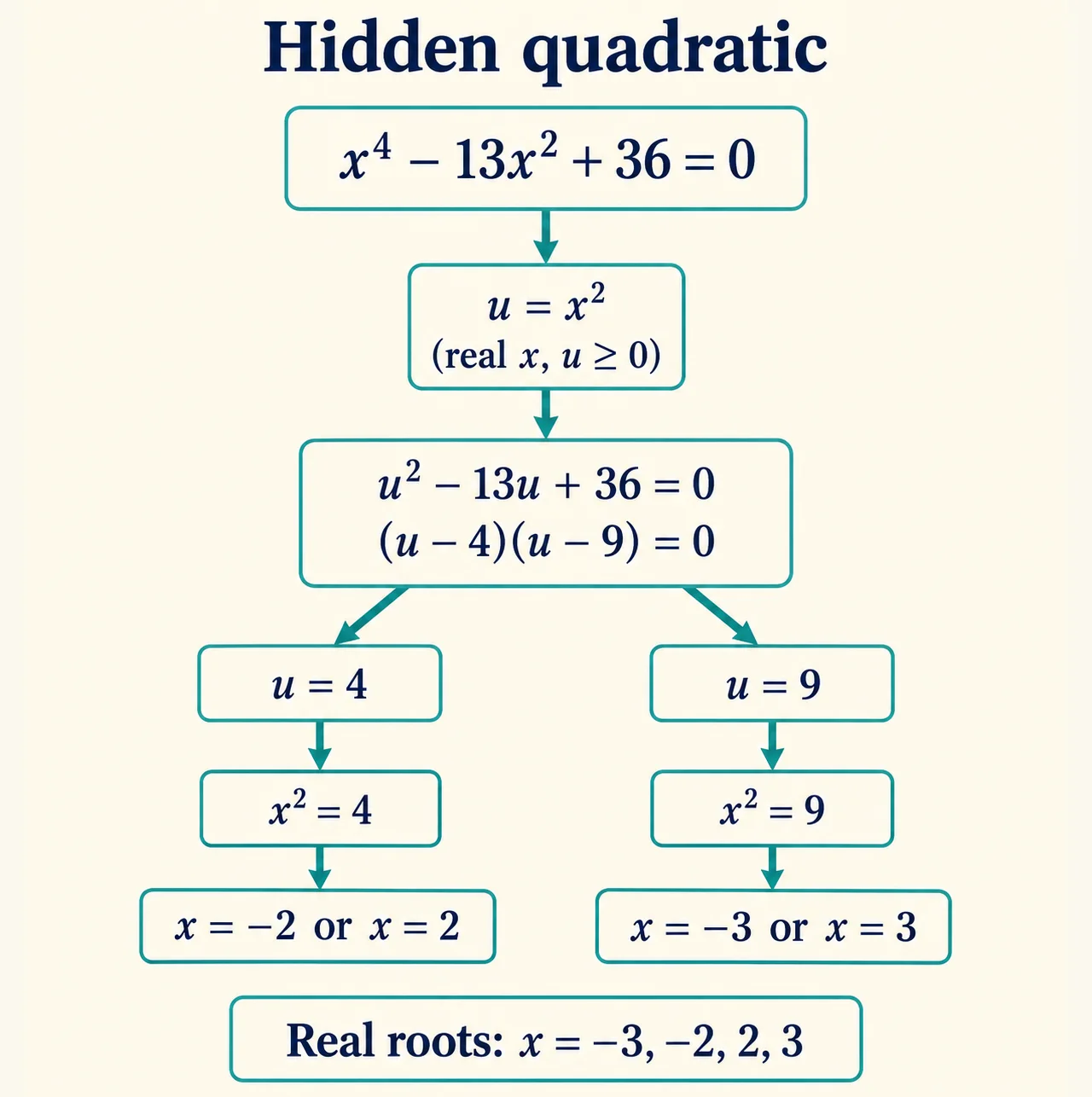
Recognise a quadratic hidden inside another equation
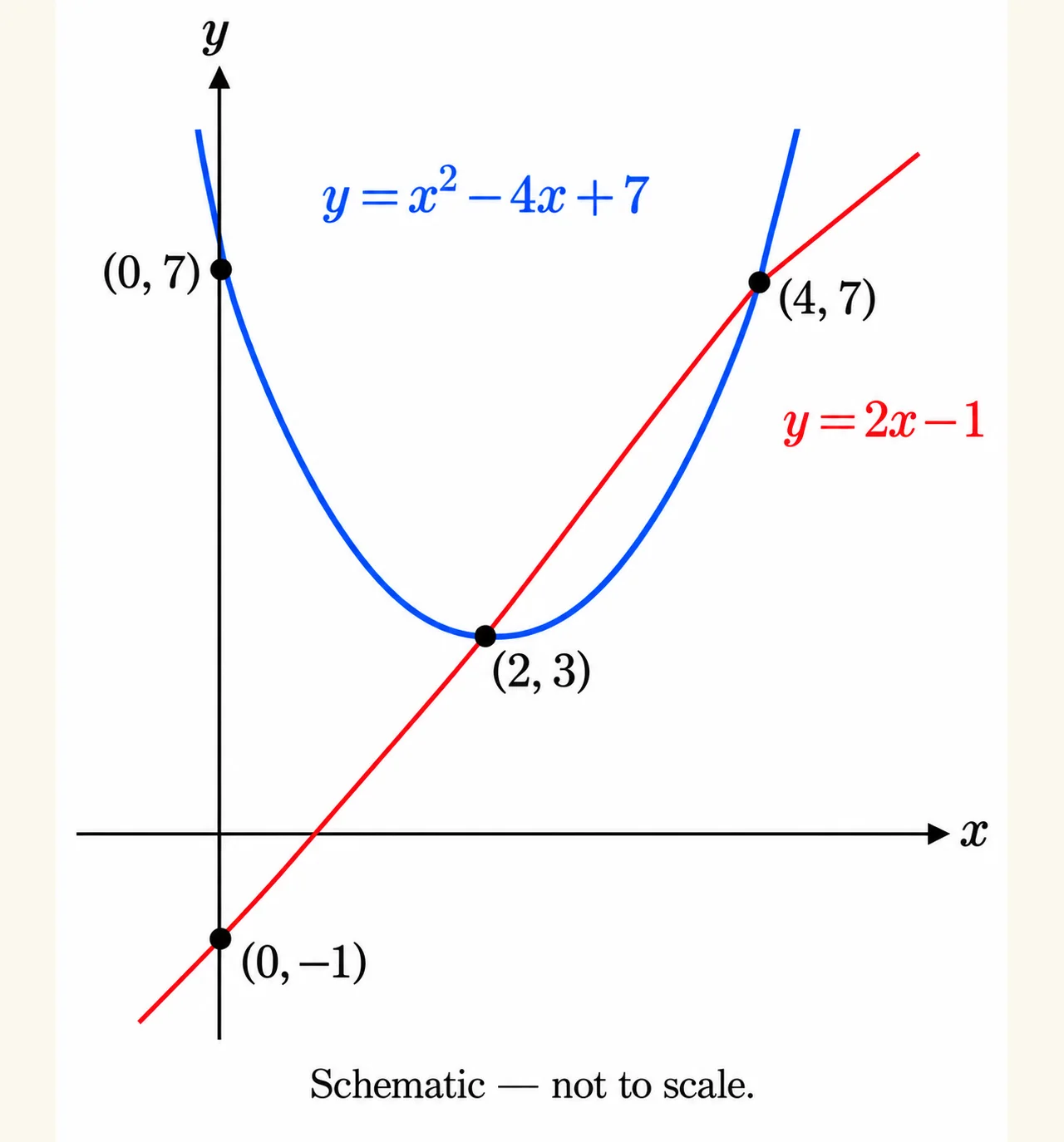
Solve intersections while keeping paired coordinates
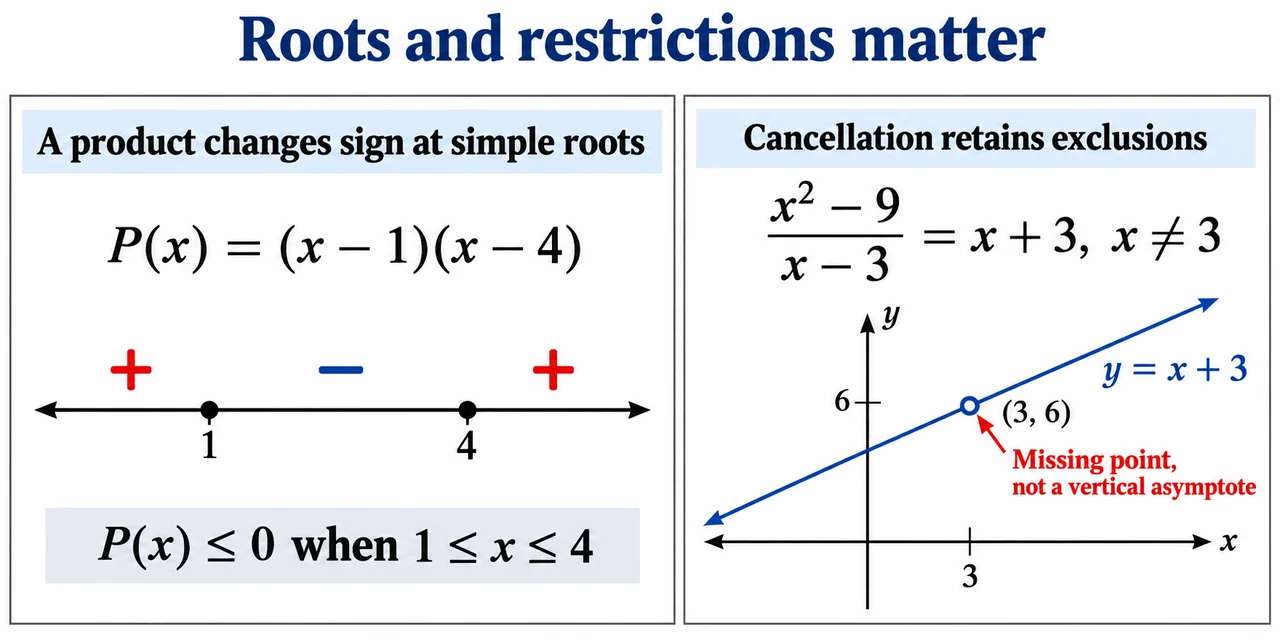
Solve inequalities as sets of permitted inputs
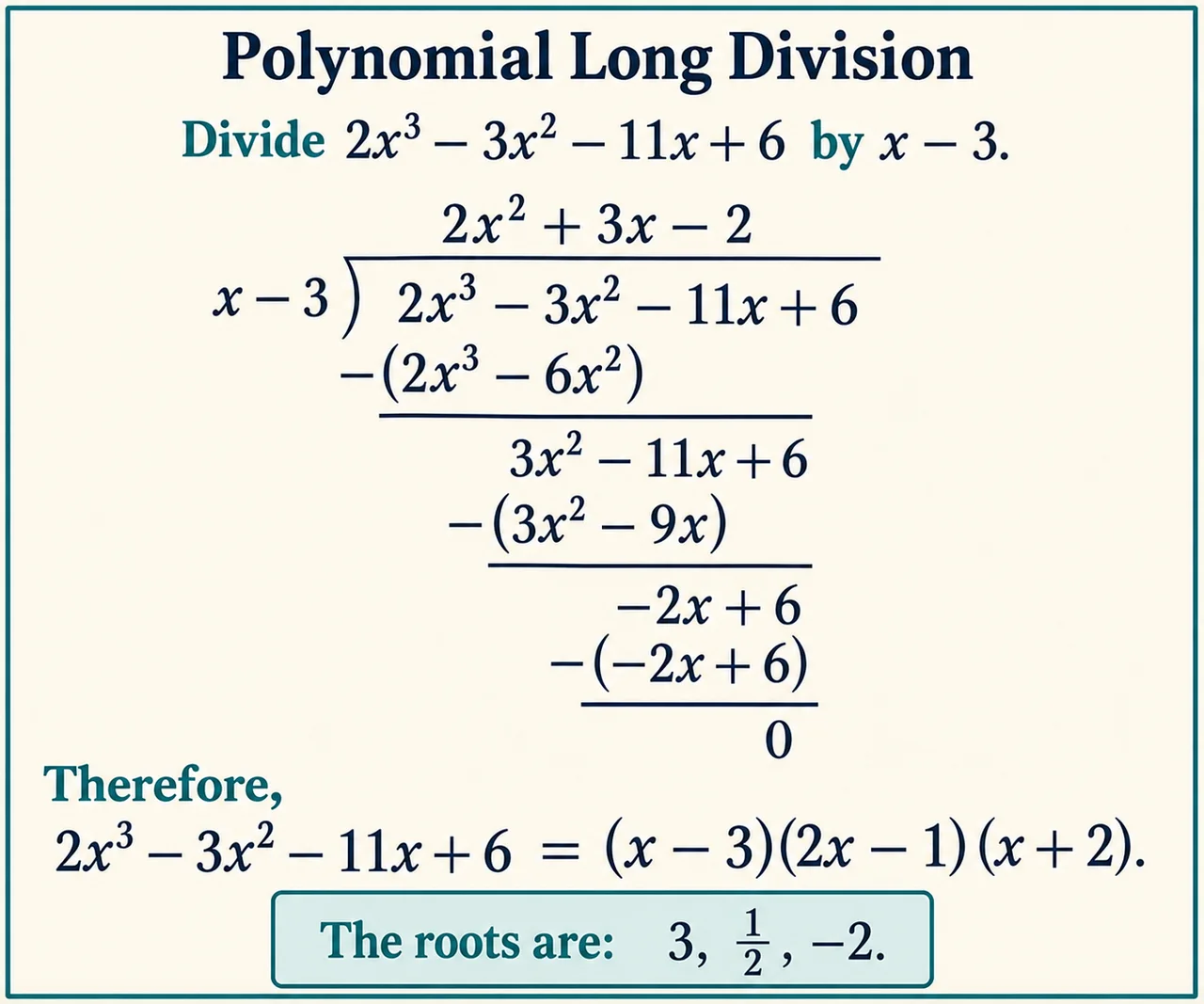
Use division and the factor theorem to expose roots
Simplify rational expressions without losing restrictions
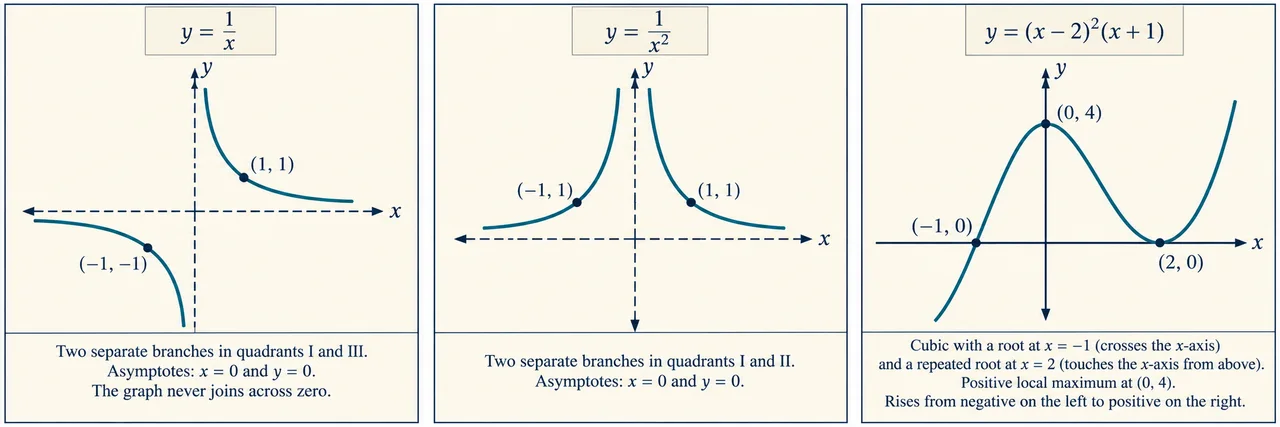
Build a graph sketch from algebraic evidence
Specify a function before composing its rules
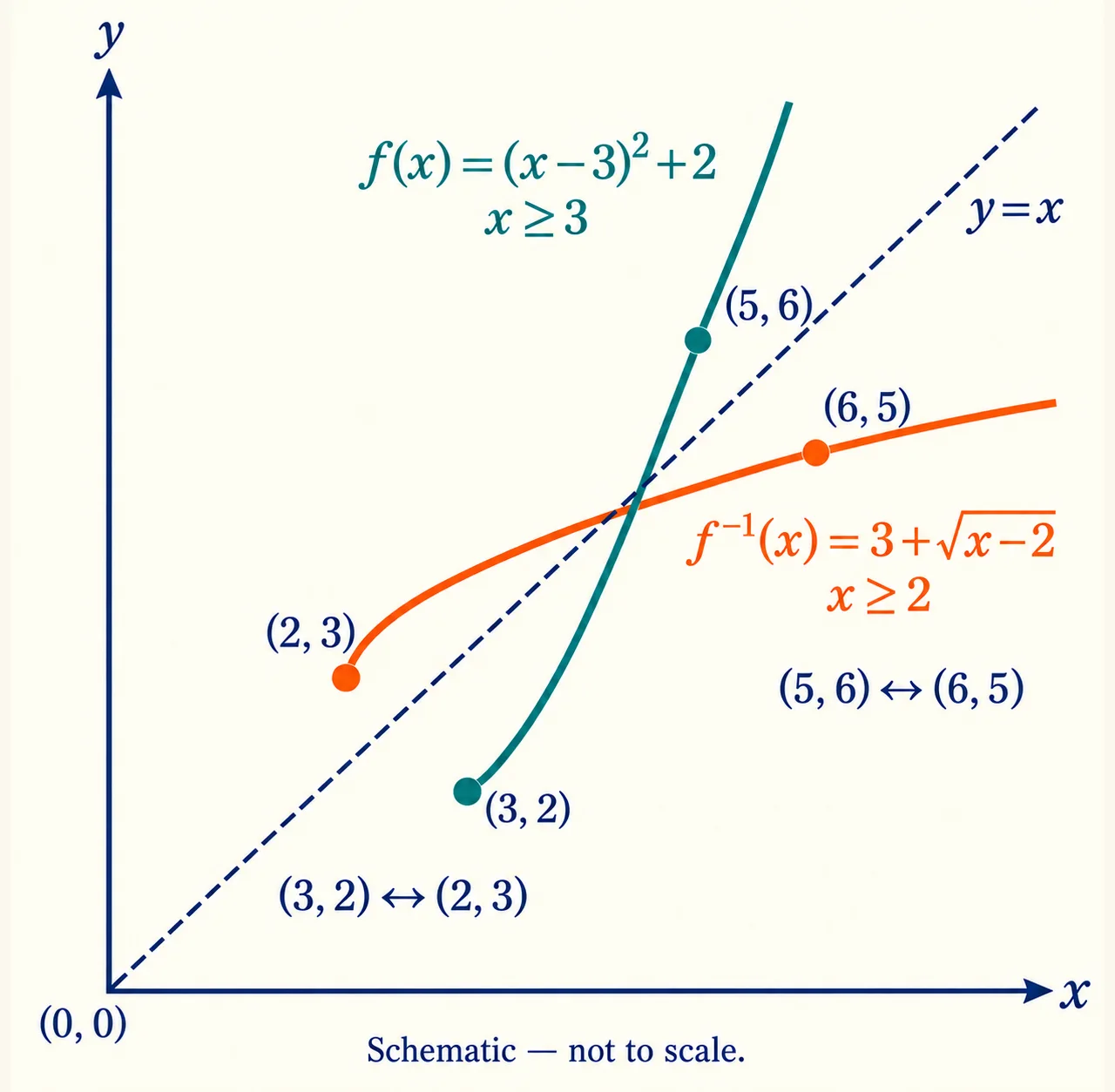
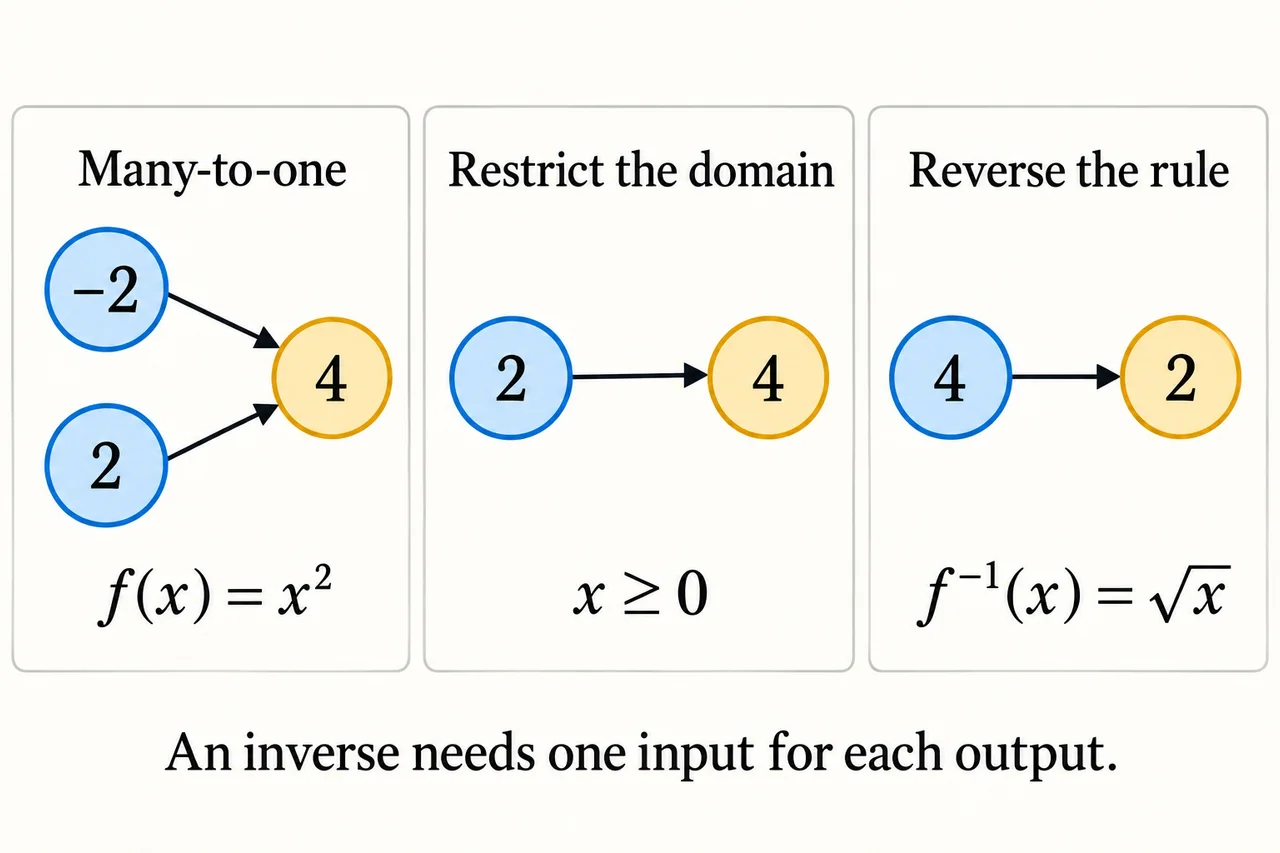
Restrict a domain so that a rule can be reversed
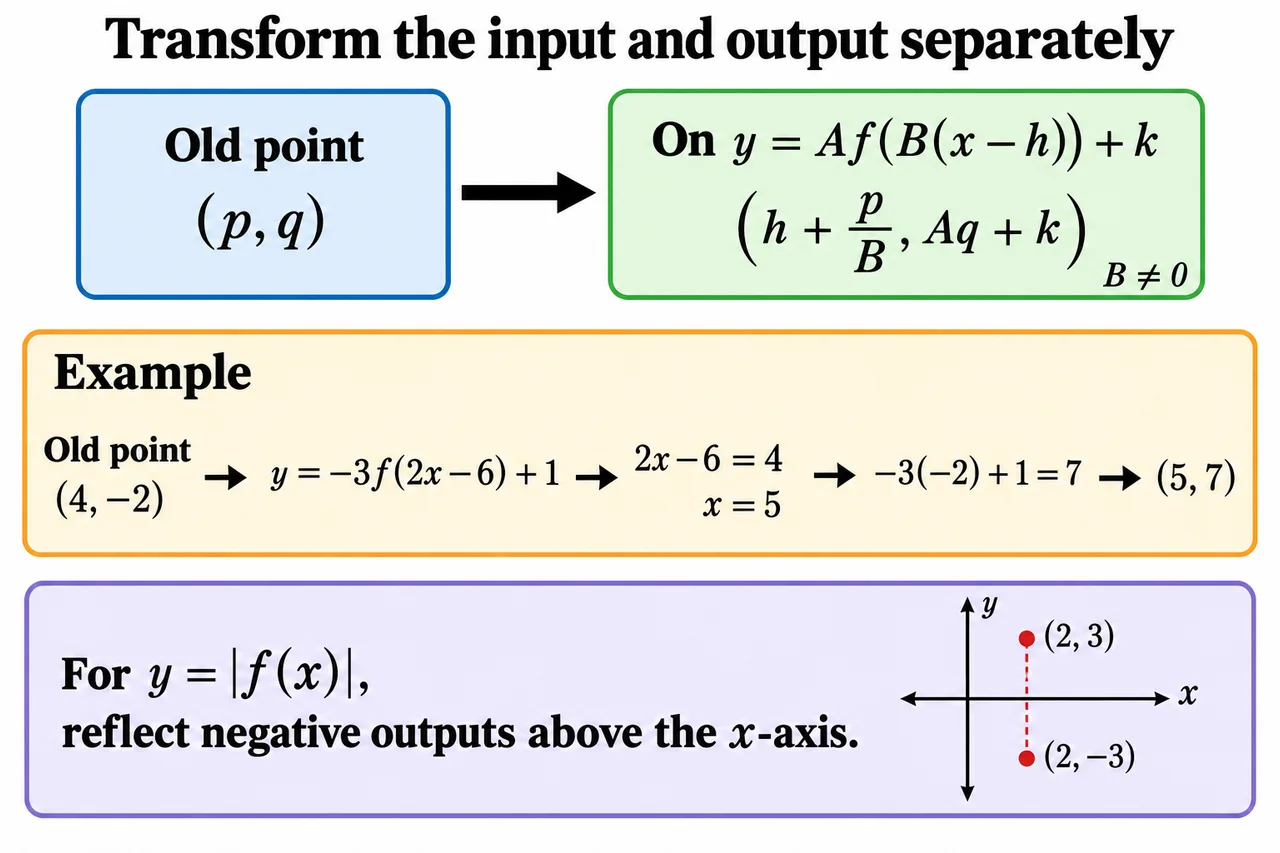
Track coordinates through graph transformations
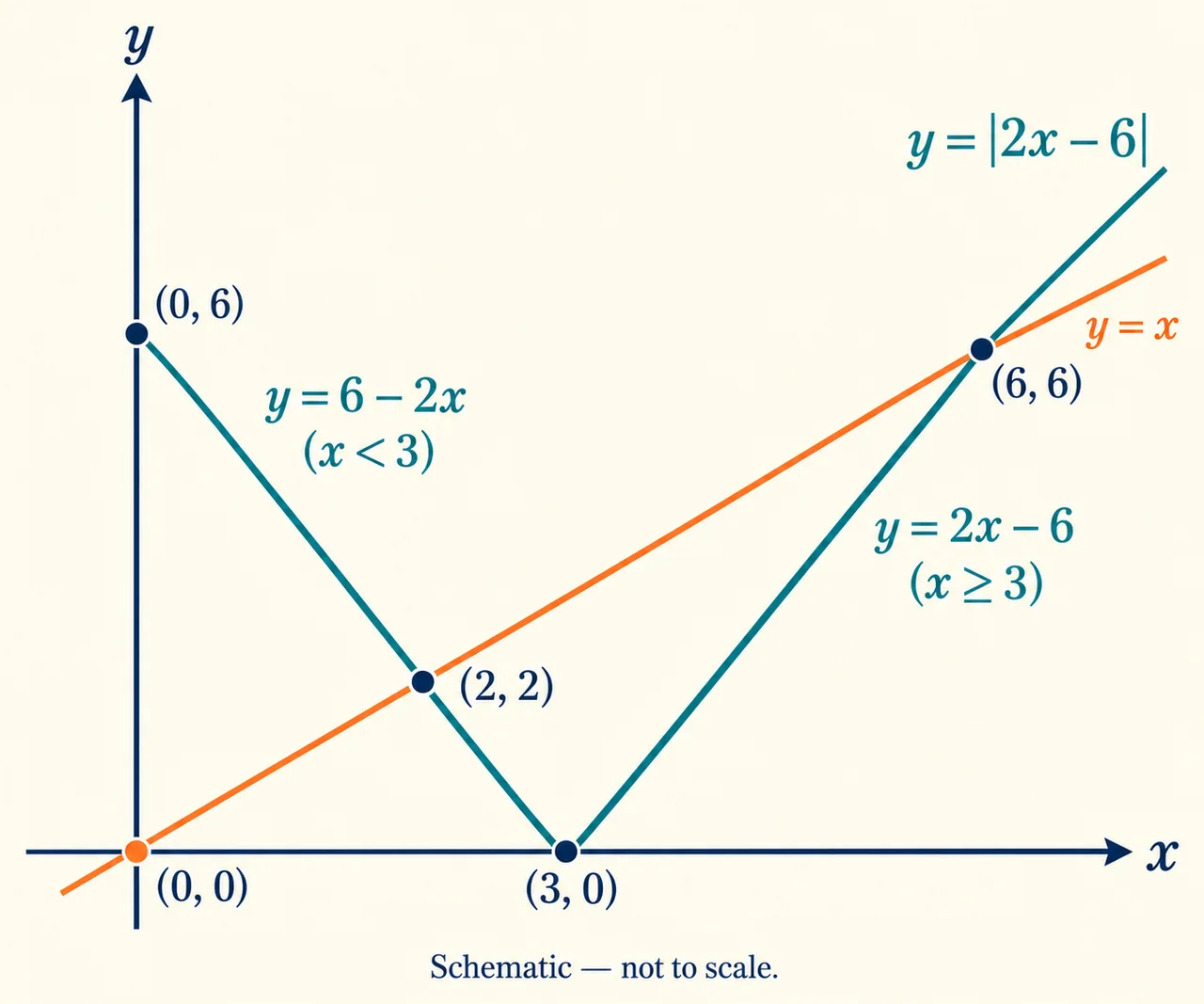
Read modulus graphs as piecewise rules
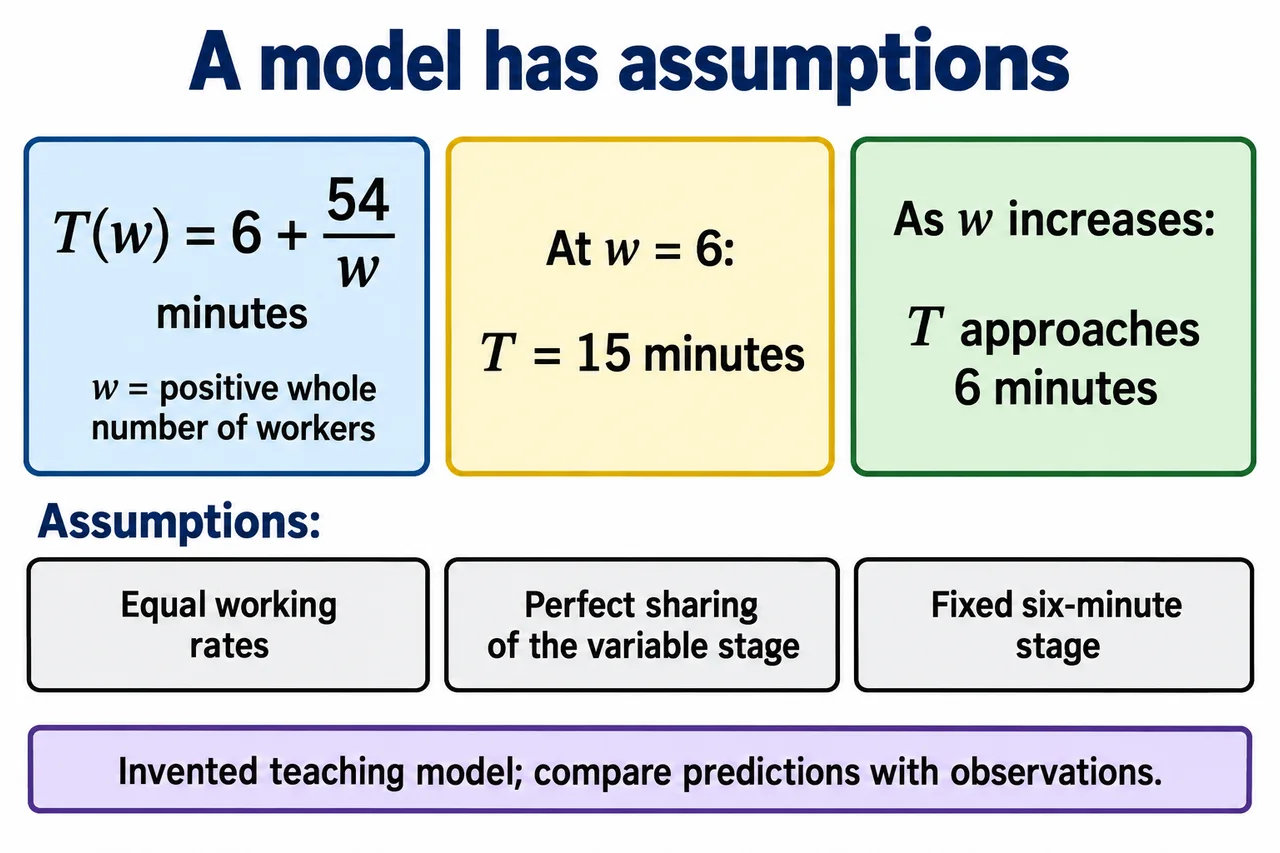
Use a function model and test its limitations
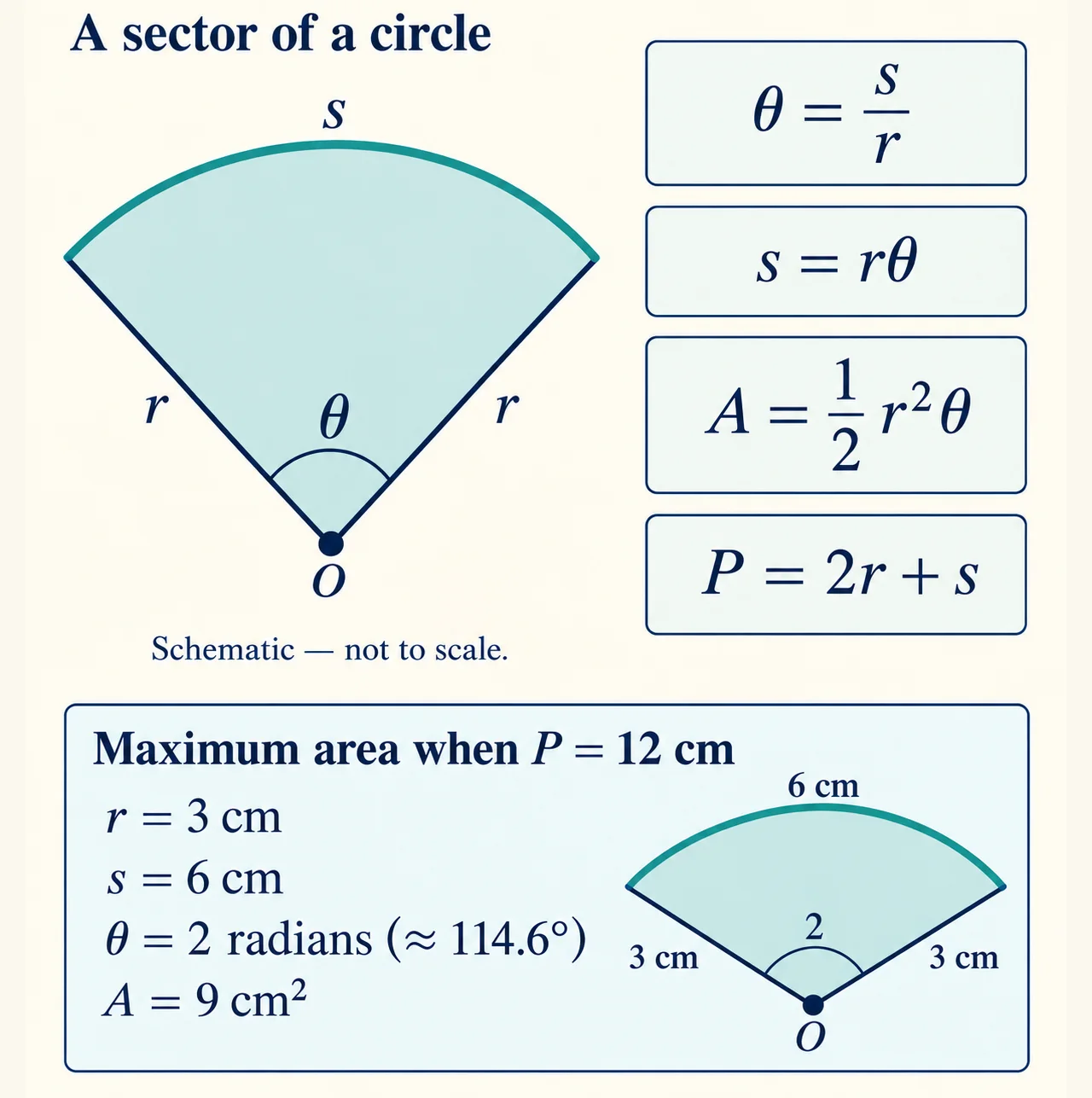
Radians and a constrained sector
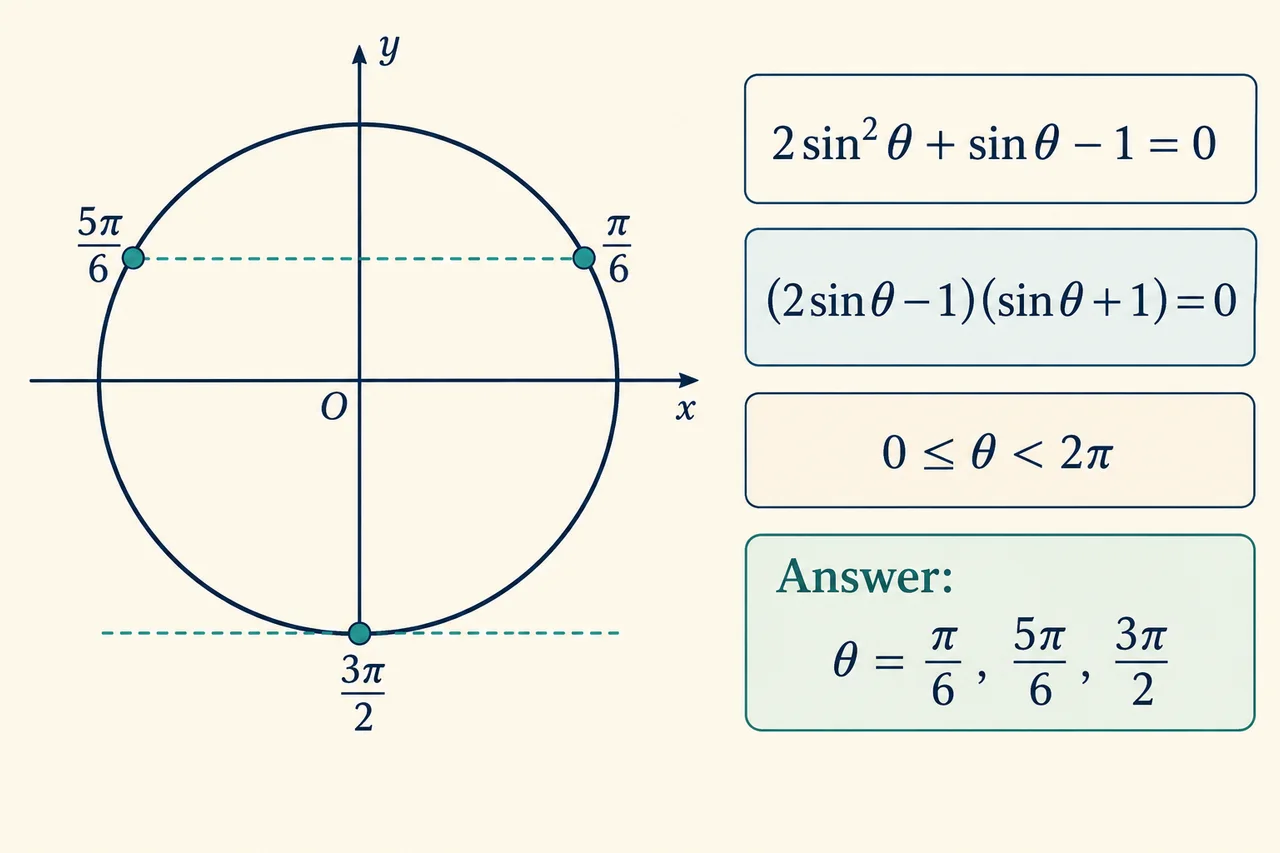
Recover every angle from a hidden quadratic
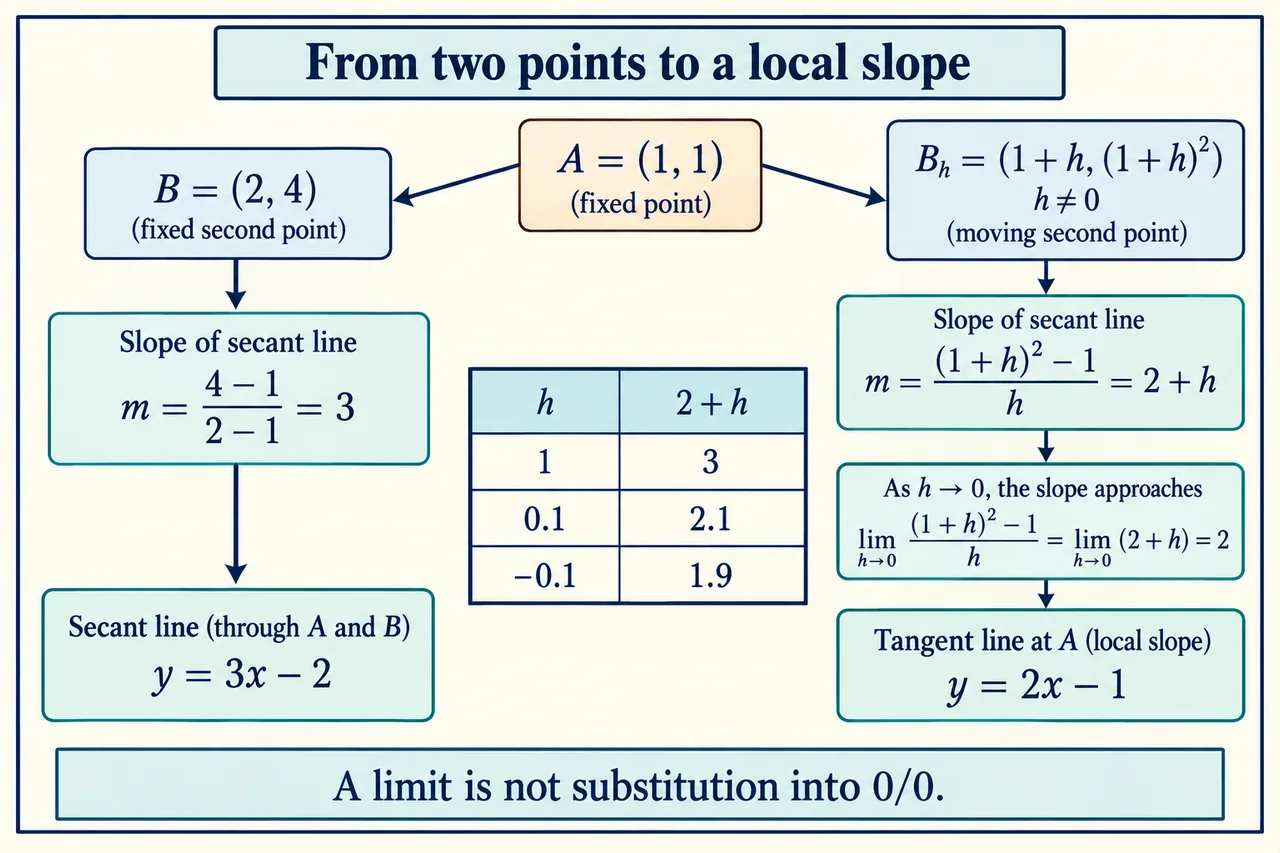
A derivative is a limiting slope, not a fraction at zero
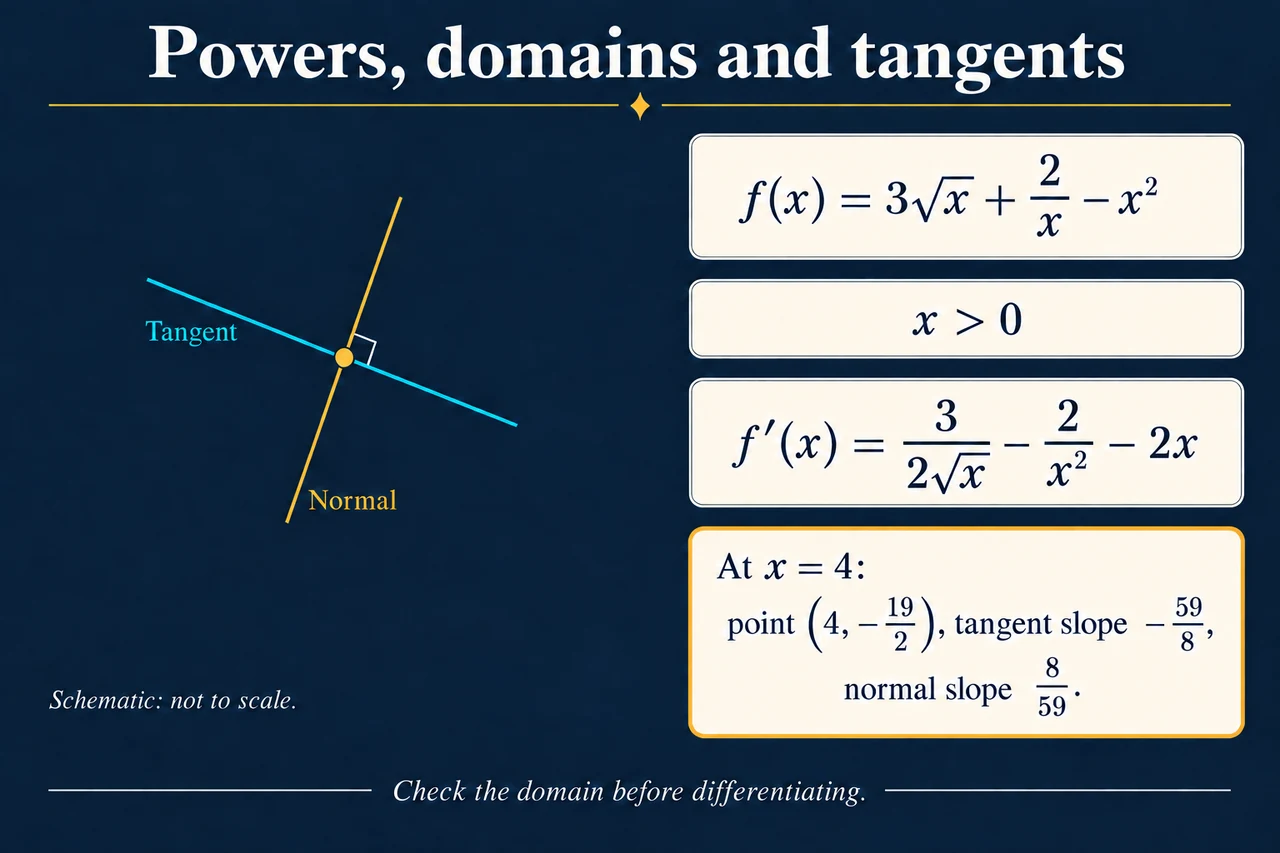
Rational powers: keep the domain when finding a tangent
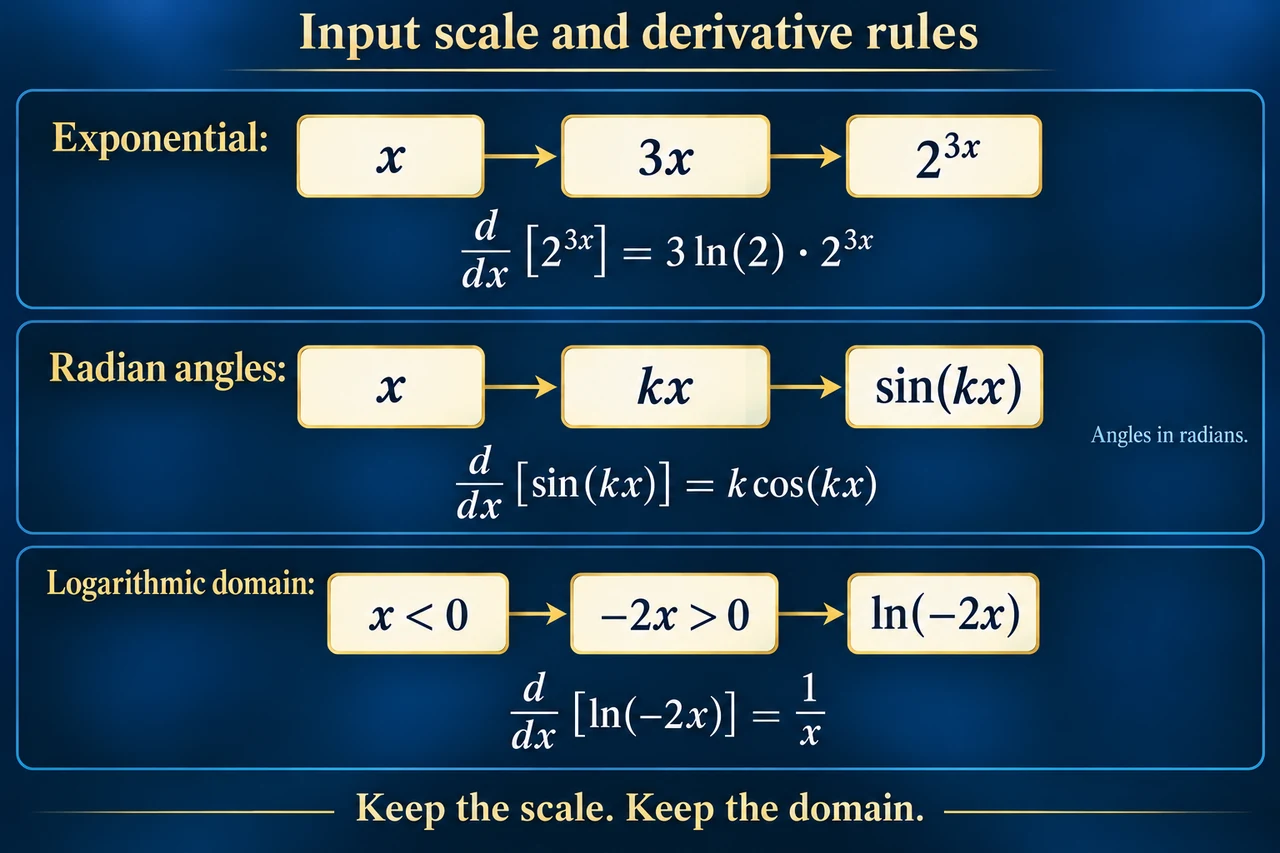
Exponentials, logarithms and trigonometry: the input changes the gradient
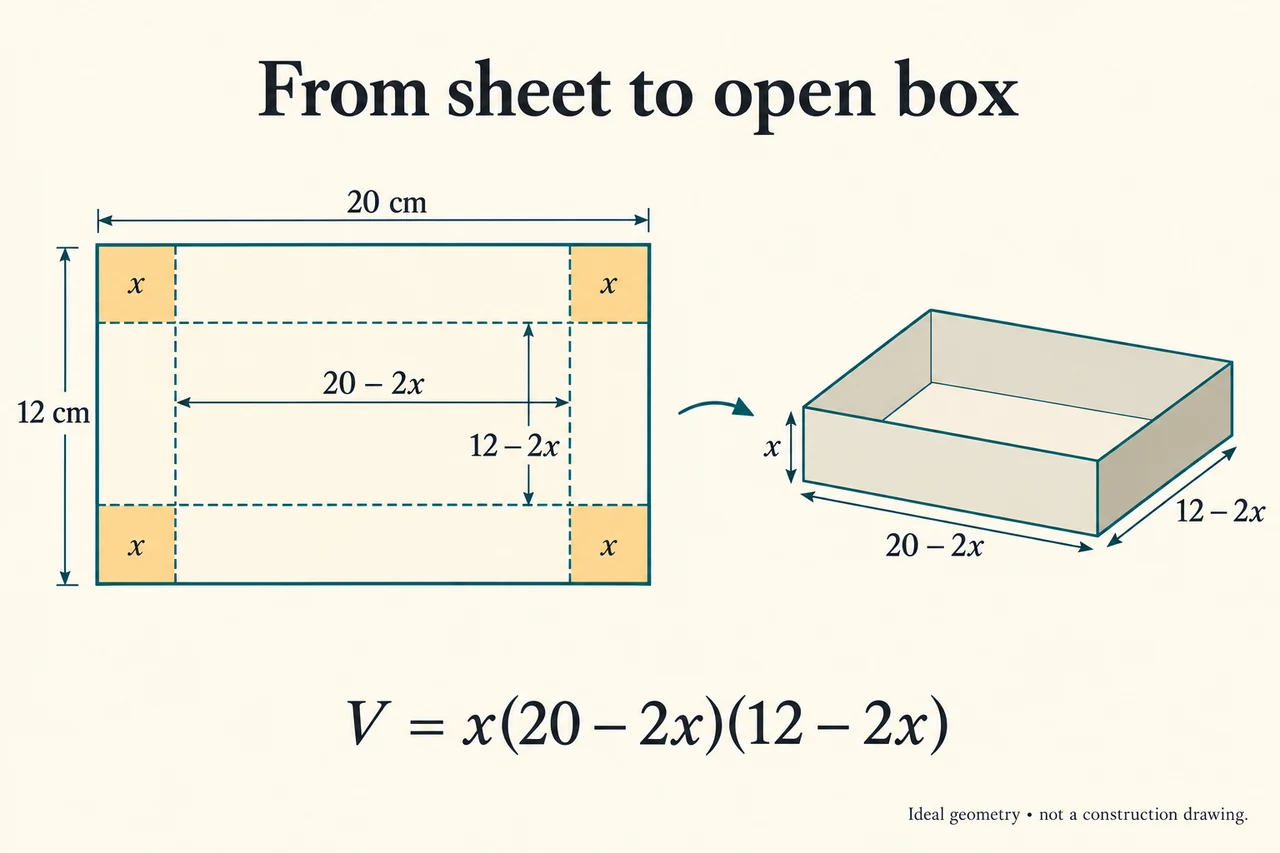
From gradients to decisions: stationary points and a box with limits
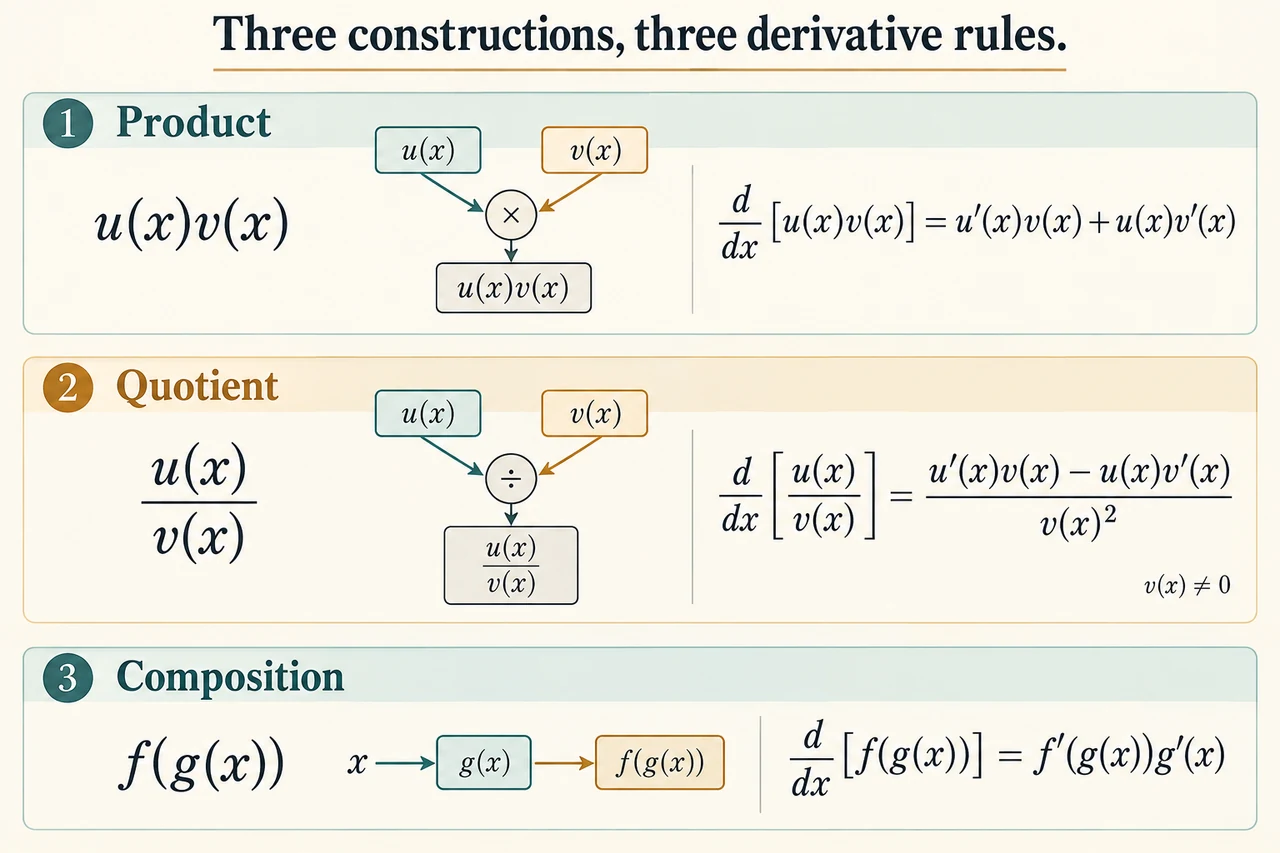
Differentiating a construction: product, quotient and chain rules
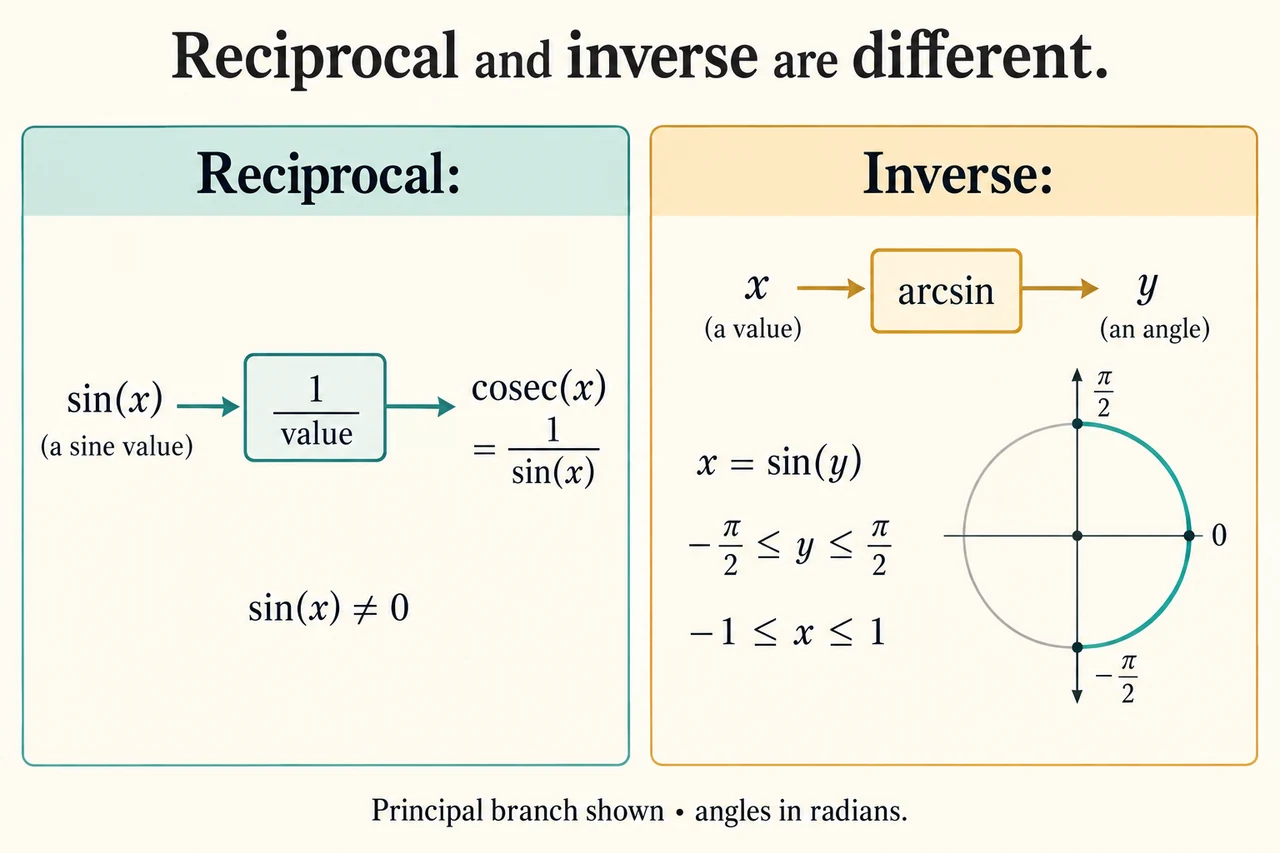
Reciprocal and inverse trigonometry: notation, branches and slopes
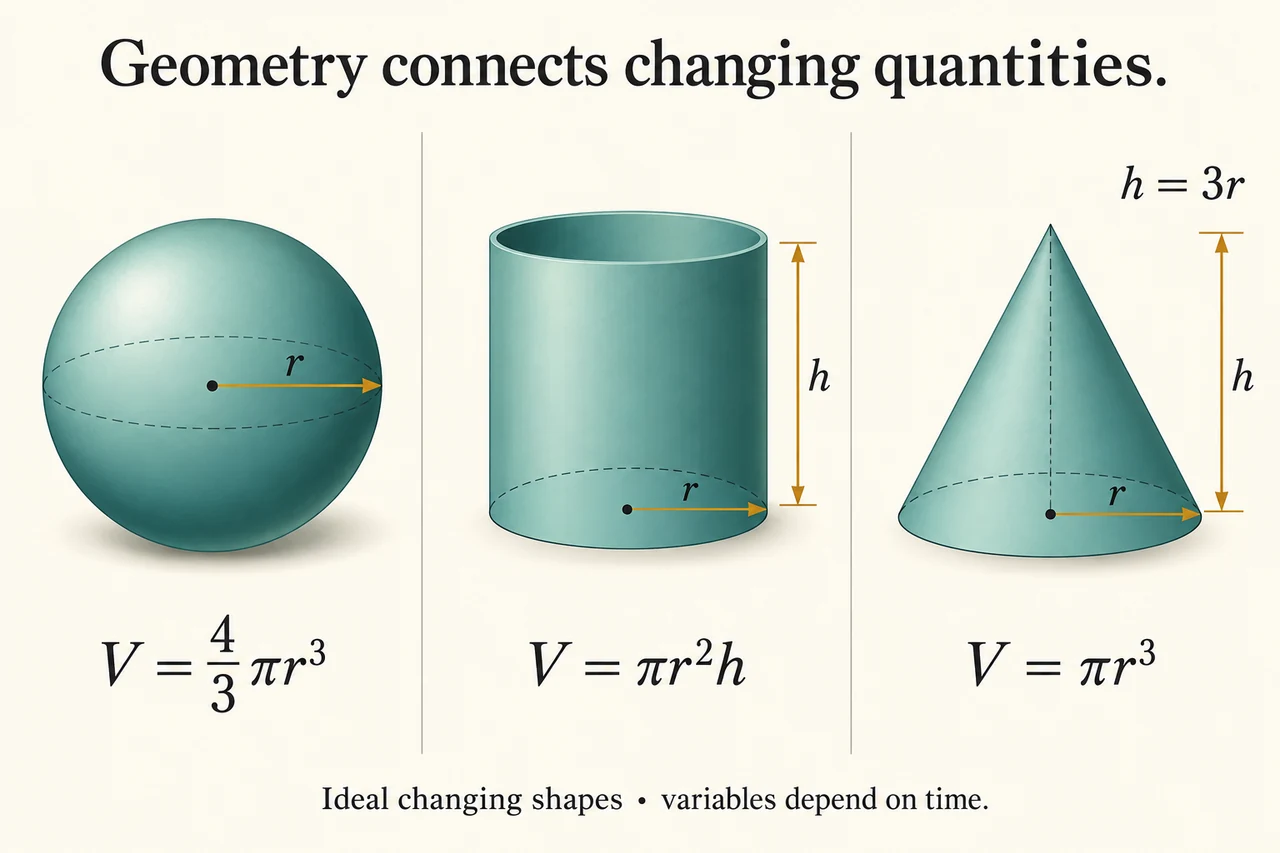
Connected rates: identify what changes before cancelling symbols
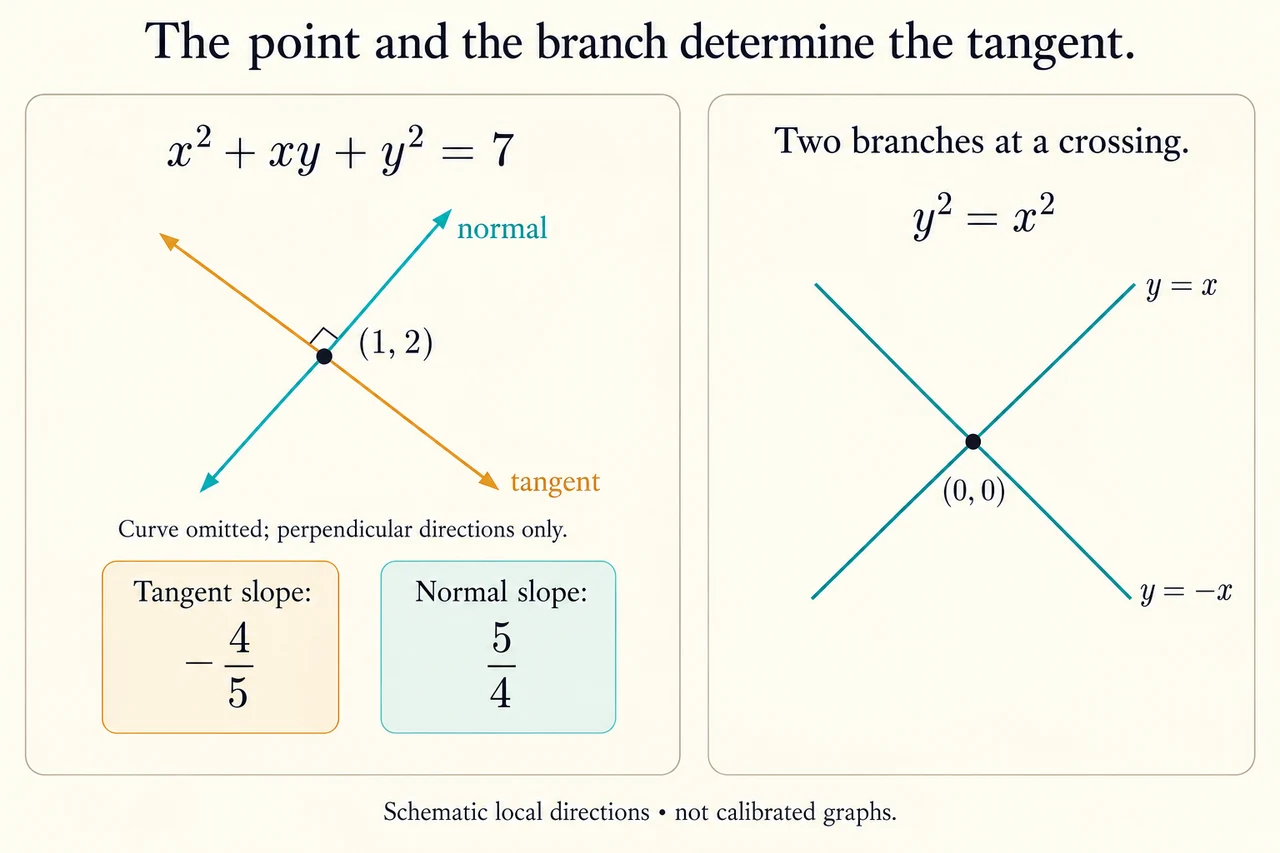
Implicit curves: a relation can contain more than one local branch
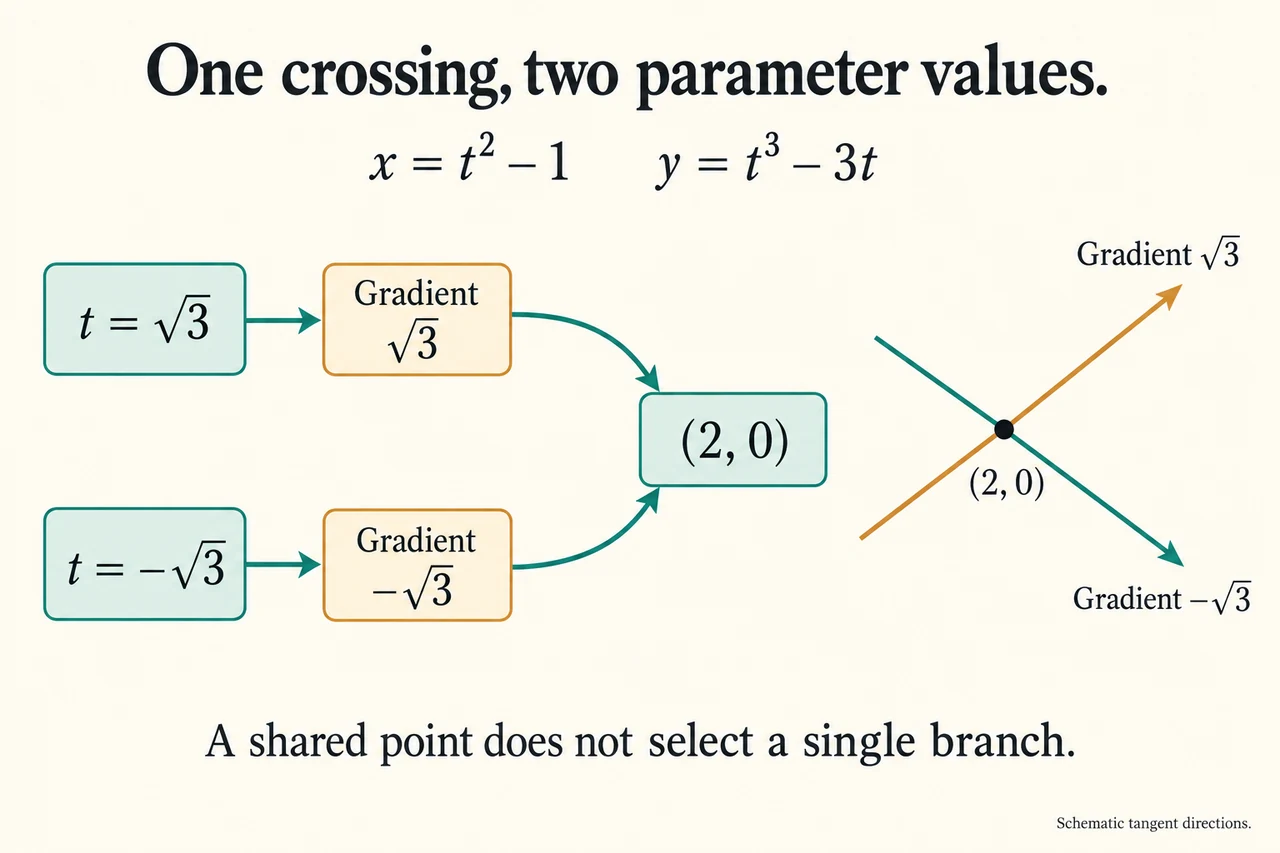
Parametric curves: one point can be reached by different branches
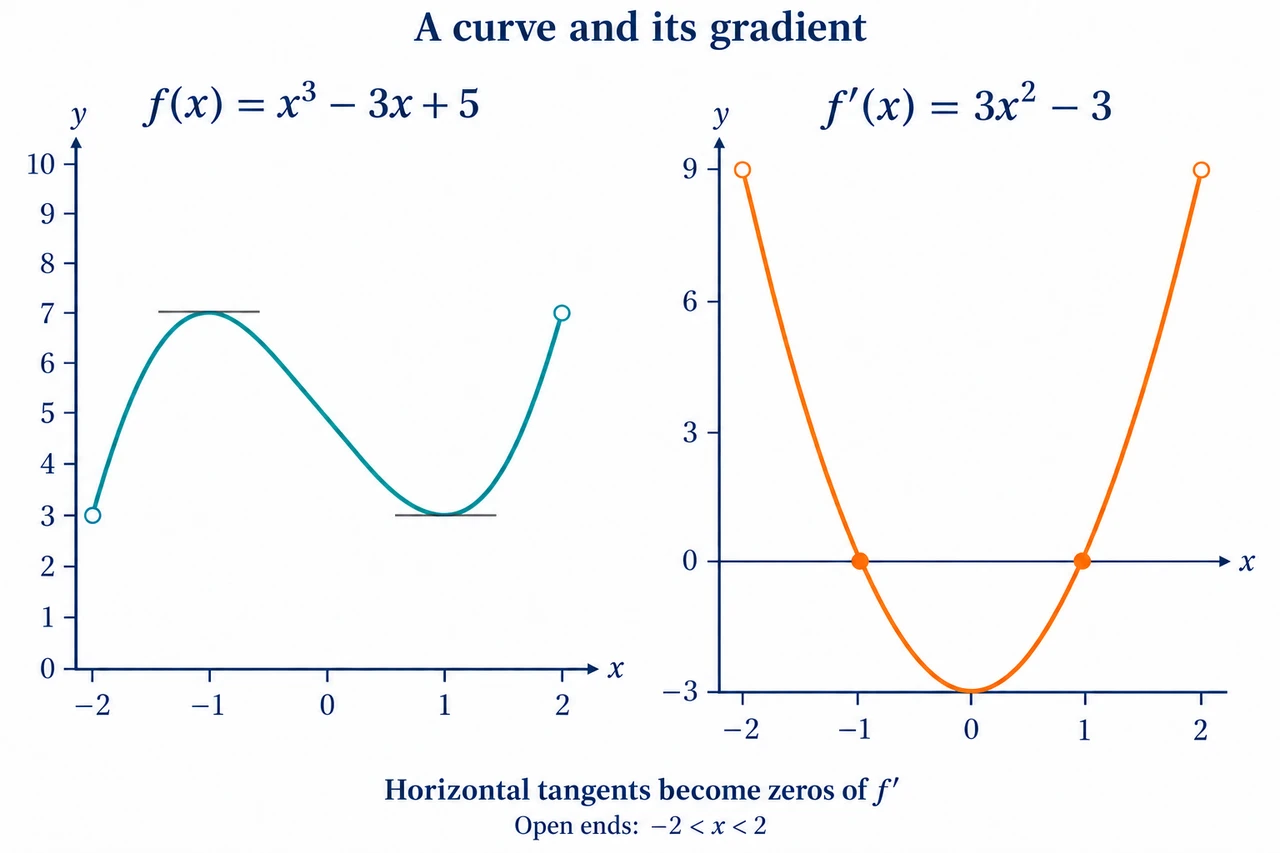
Reading a curve as a graph of gradients
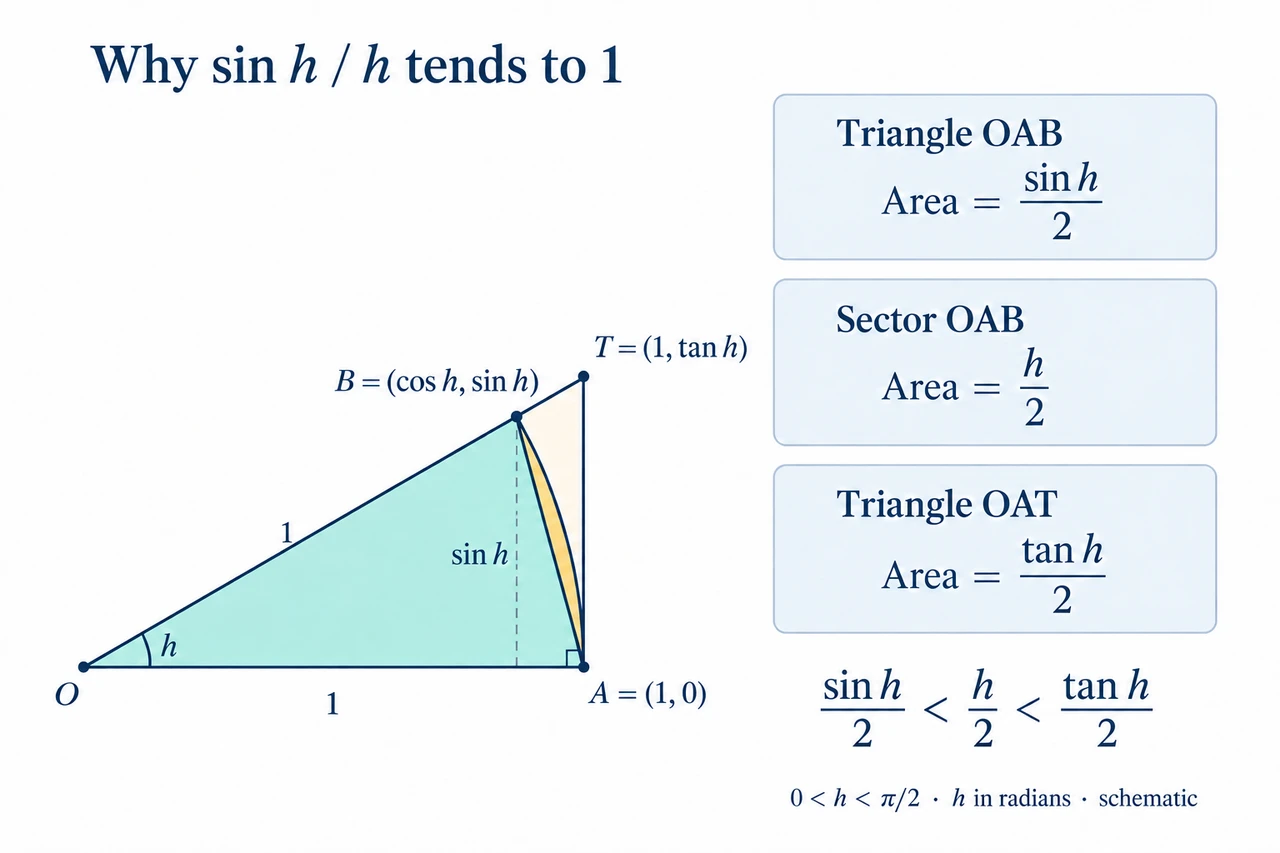
Why sine differentiates to cosine — and why radians matter
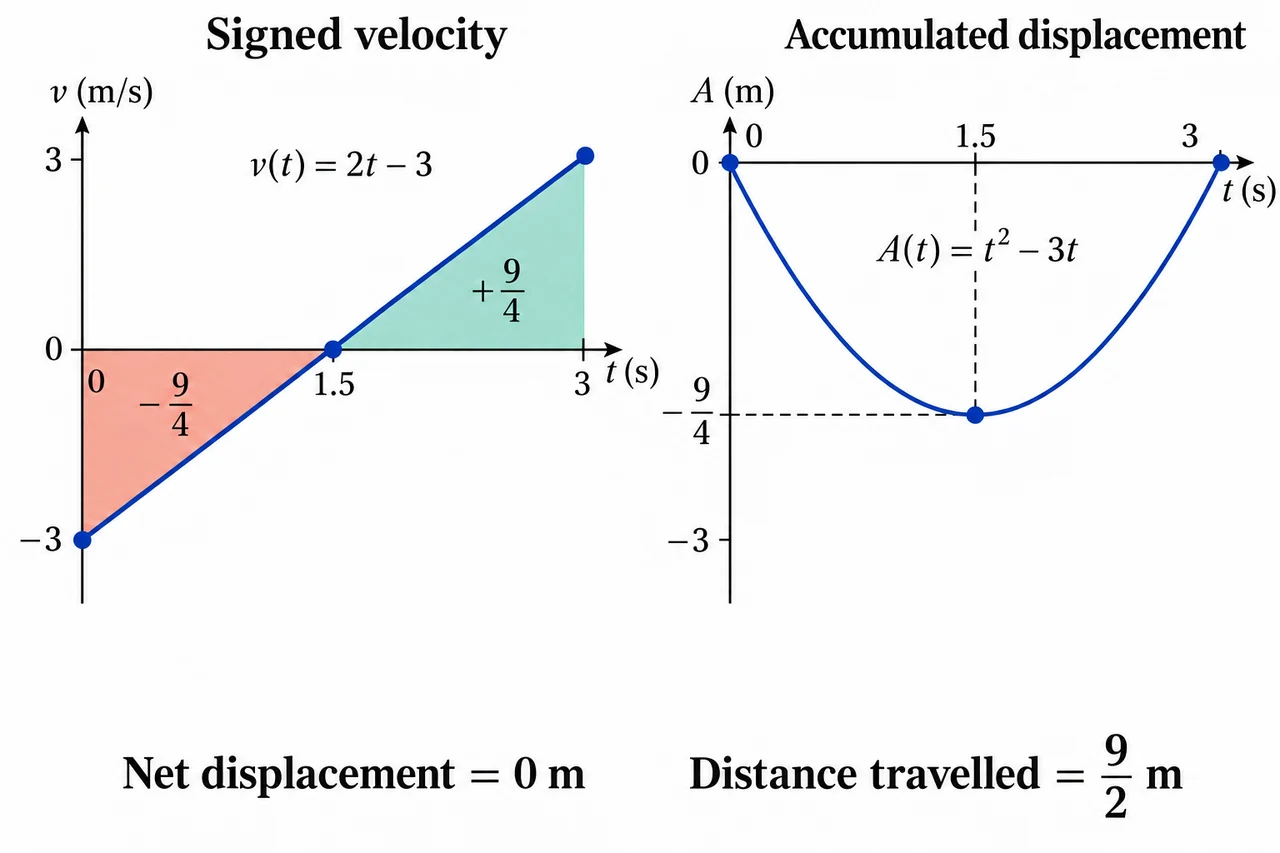
Recover a changing quantity from its rate
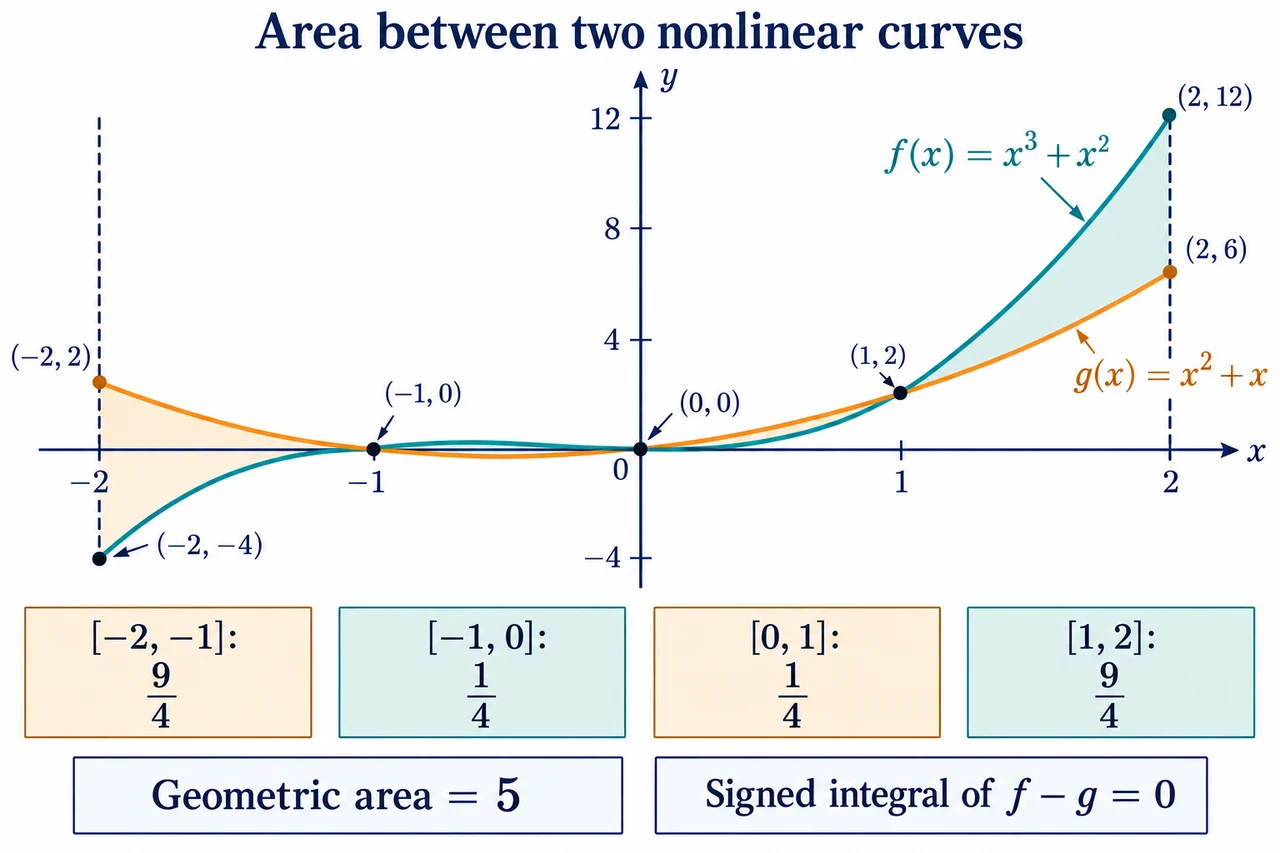
Find area by deciding which boundary is above
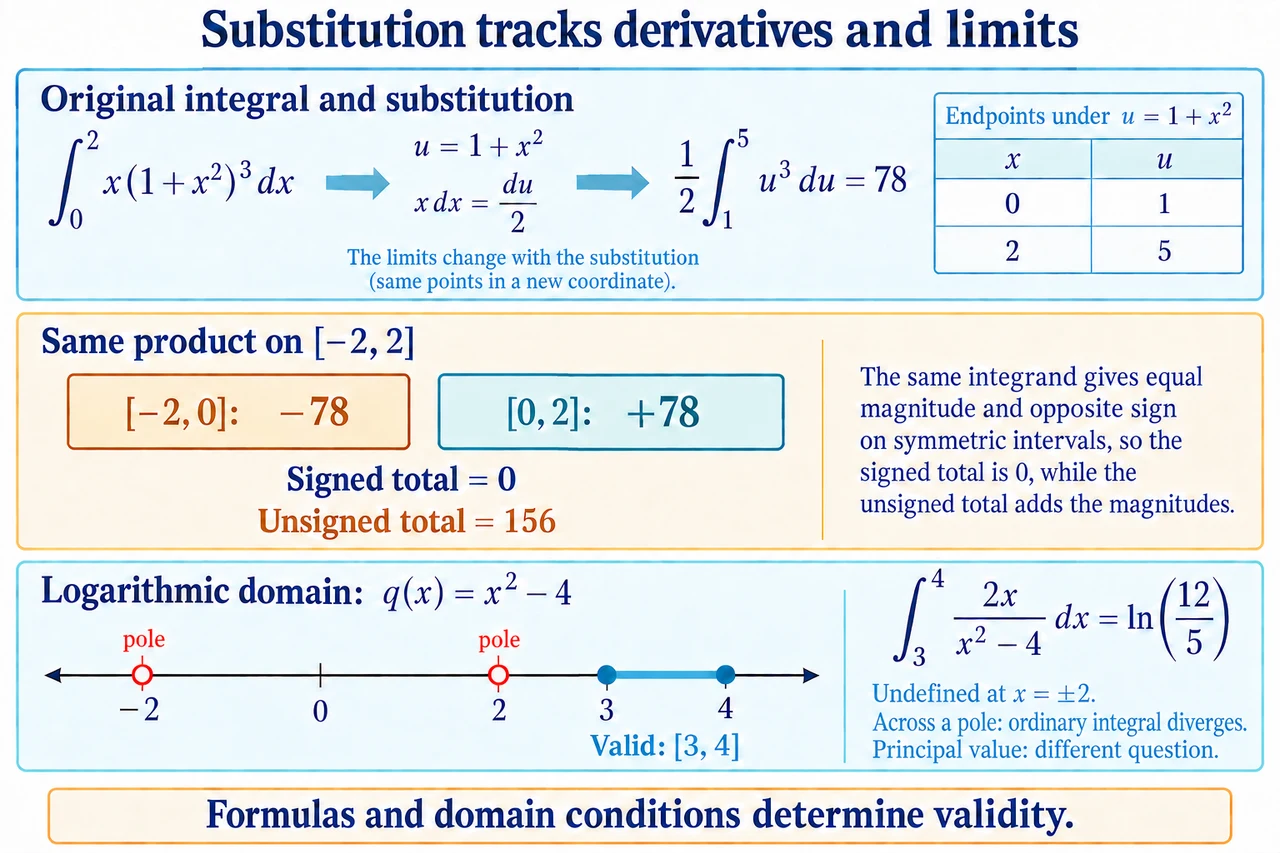
A substitution must preserve the domain and limits