← Explore learning guidesIndependent learning guide
UK A Level Chemistry · independent study
Independent myAudience subject study using references for England. Published readings cover selected topics; full curriculum, assessment and practical coverage are not verified. No awarding-body affiliation, endorsement, qualification or grade guarantee is offered. Check the source specification and your centre for the requirements of your chosen course.
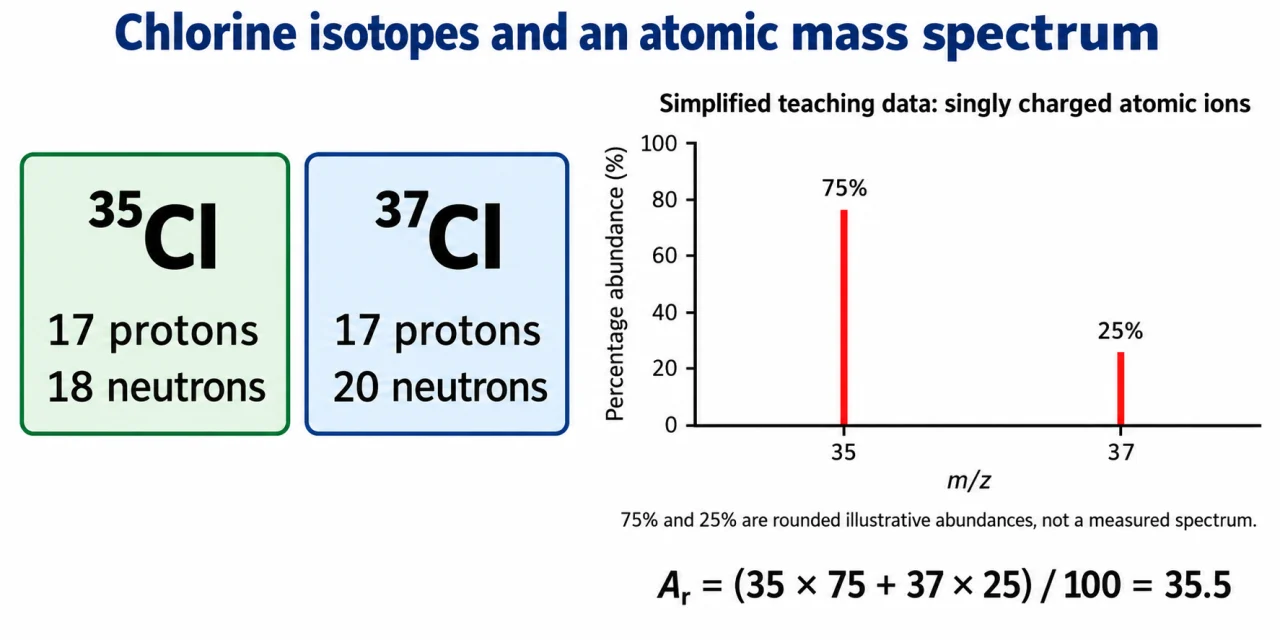
Counting particles without changing the element
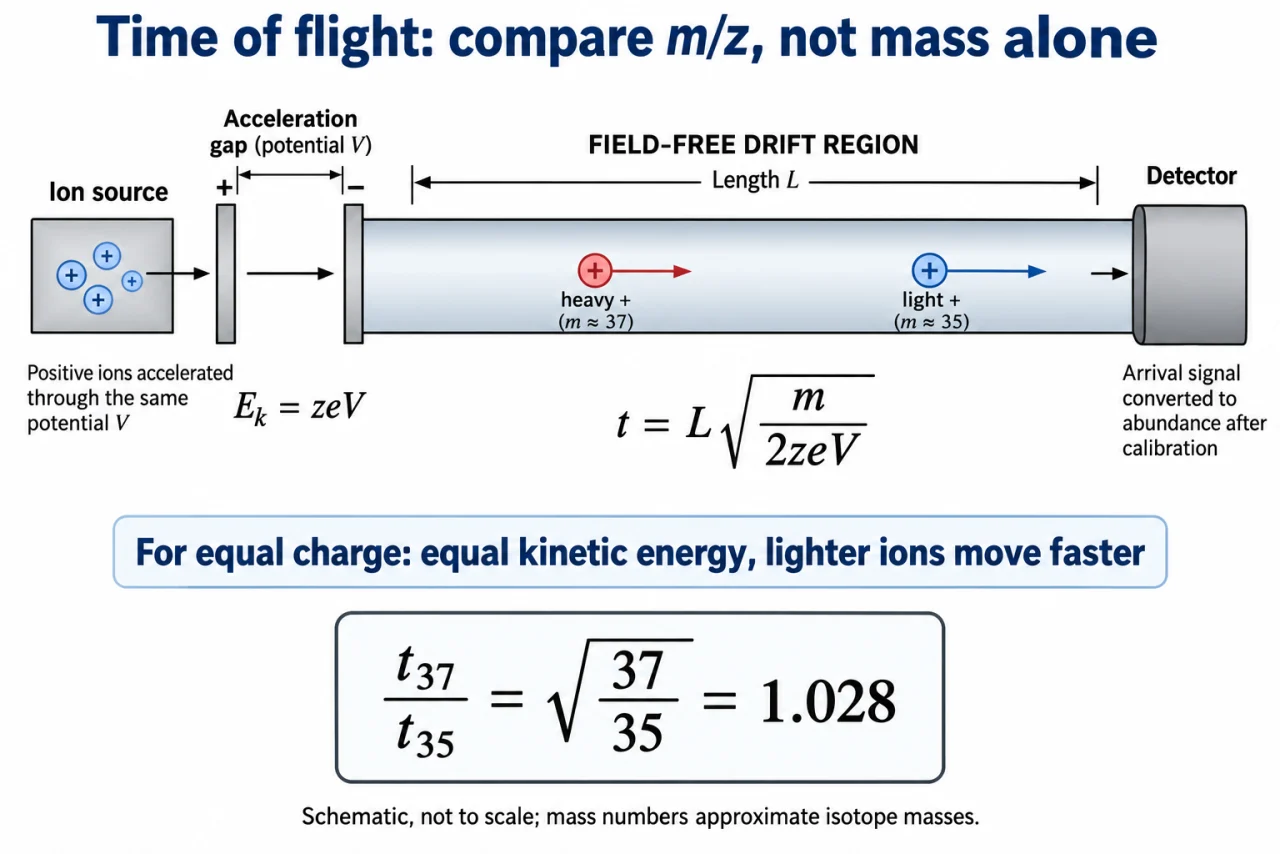
From flight times to isotope evidence
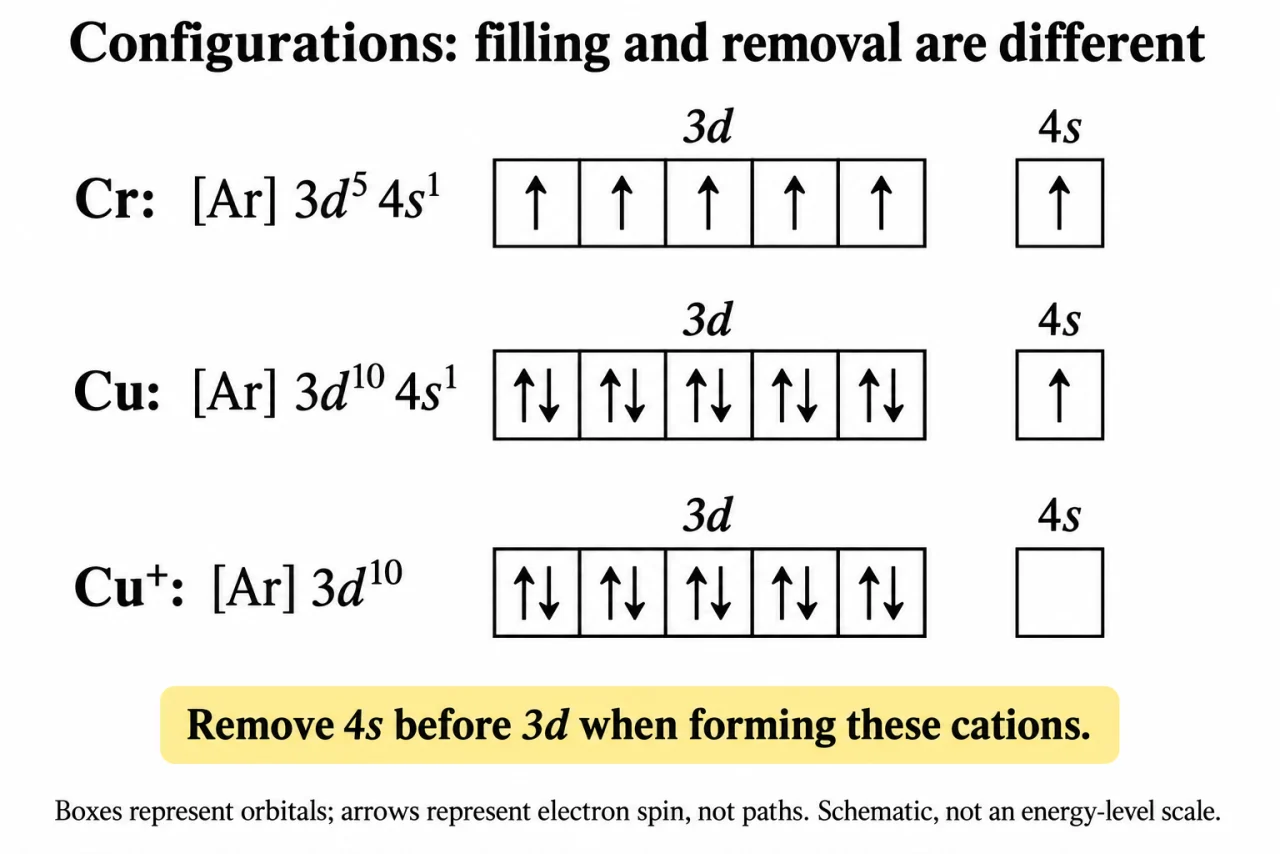
Orbitals make electron configurations informative
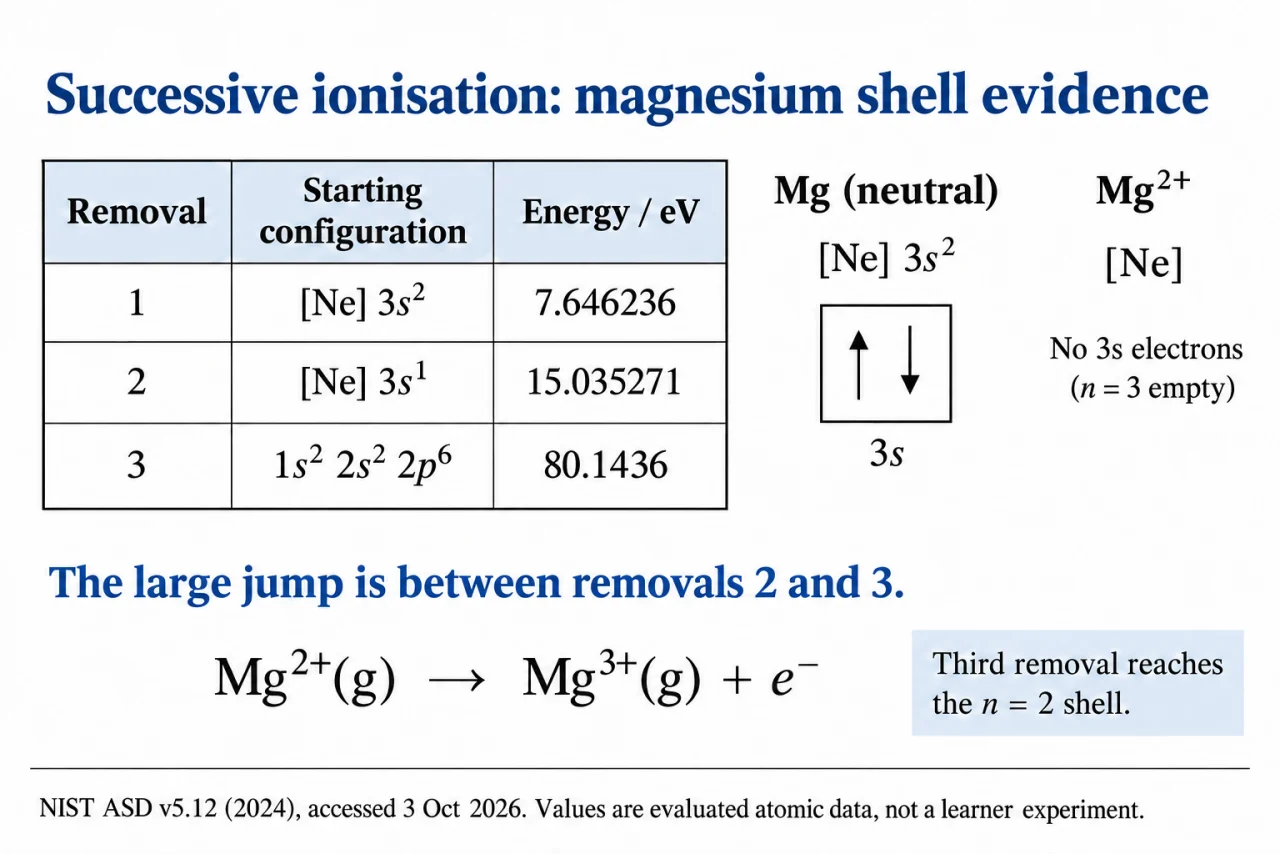
Ionisation energies reveal shells and subshells
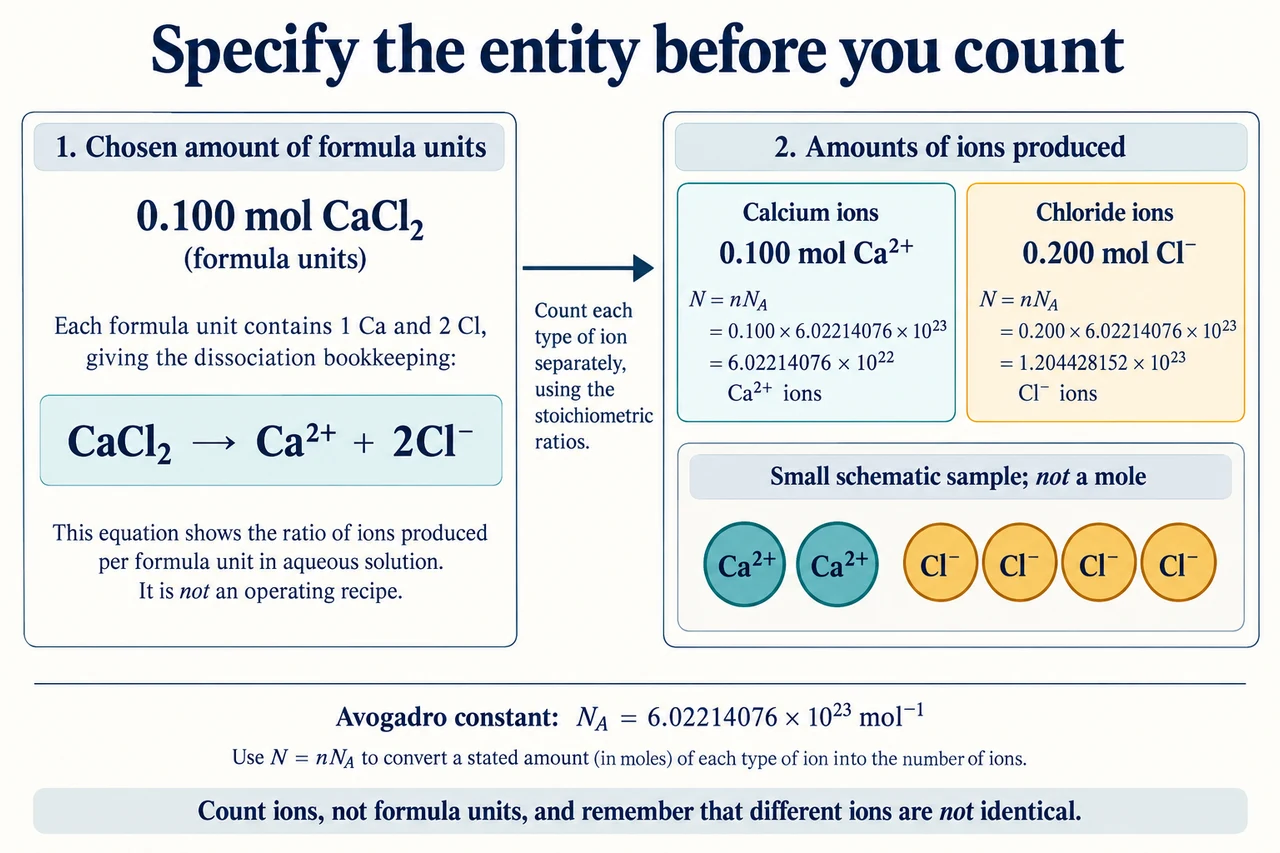
The mole links counting to a balance reading
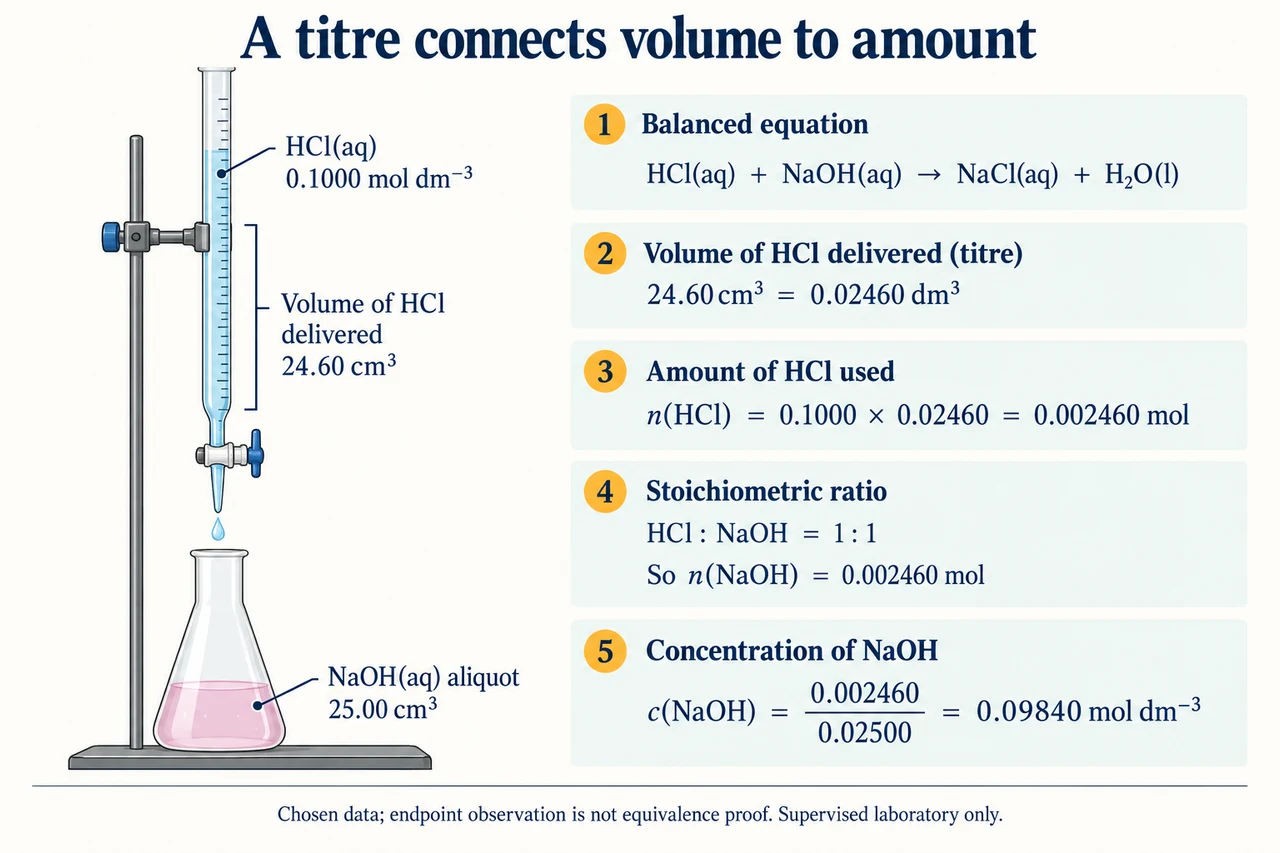
Solution concentration and titration reasoning
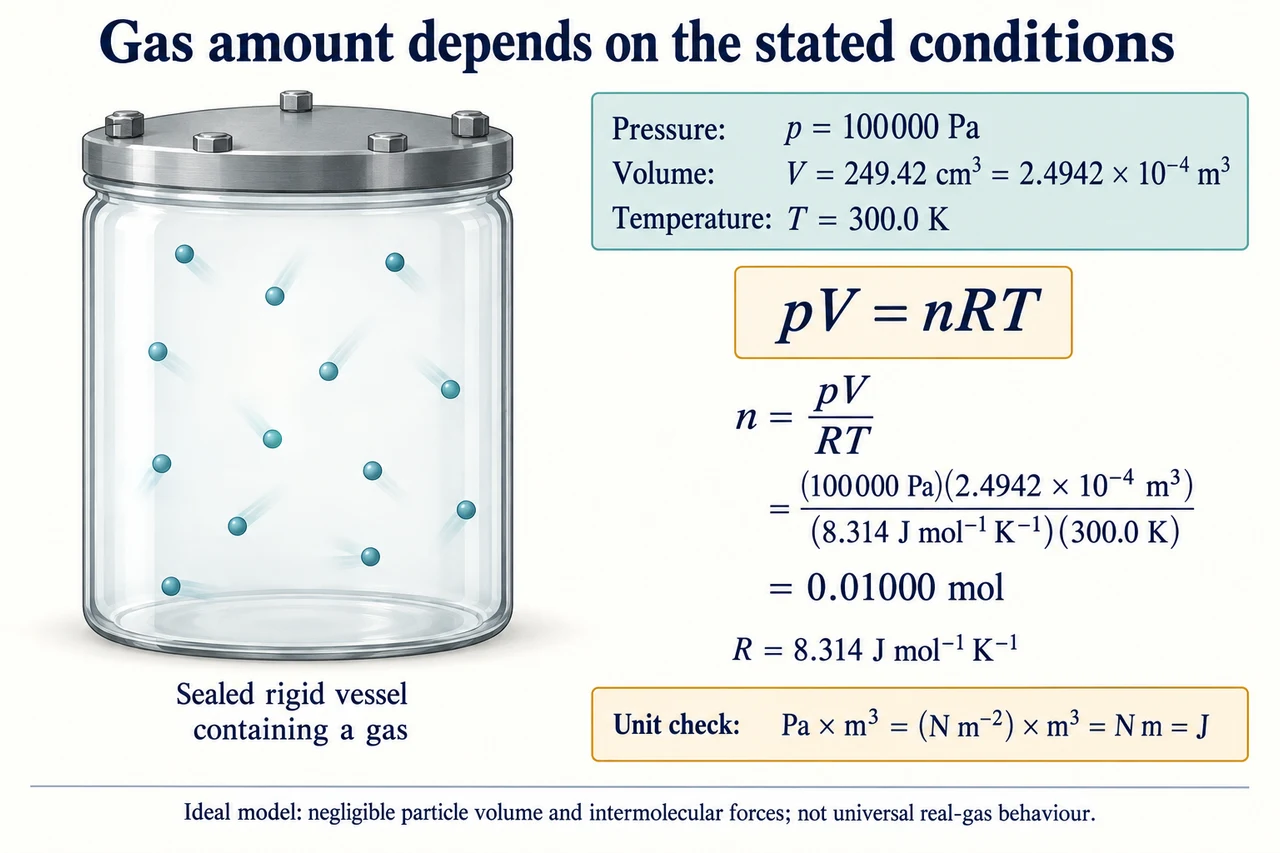
Gas calculations need absolute temperature and SI units
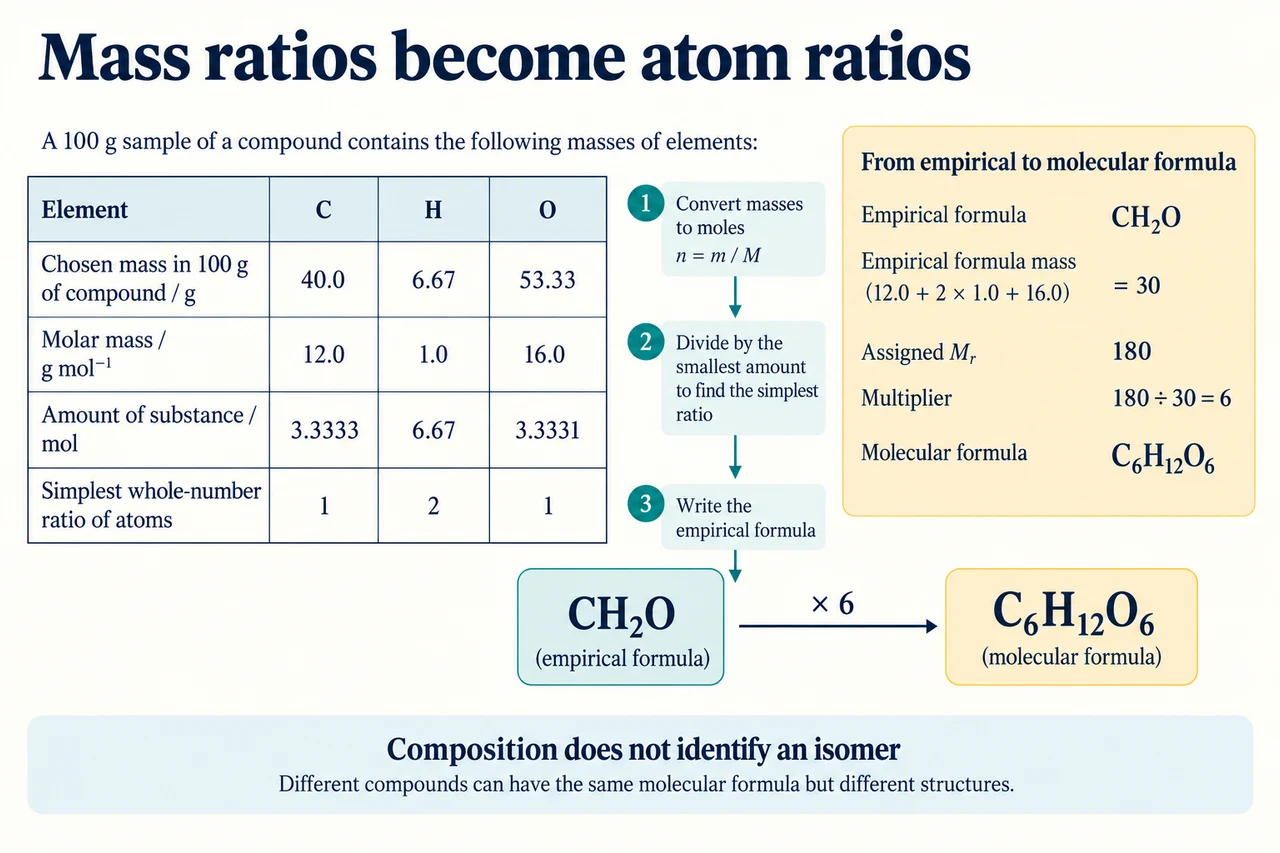
Composition gives atom ratios, not mass ratios
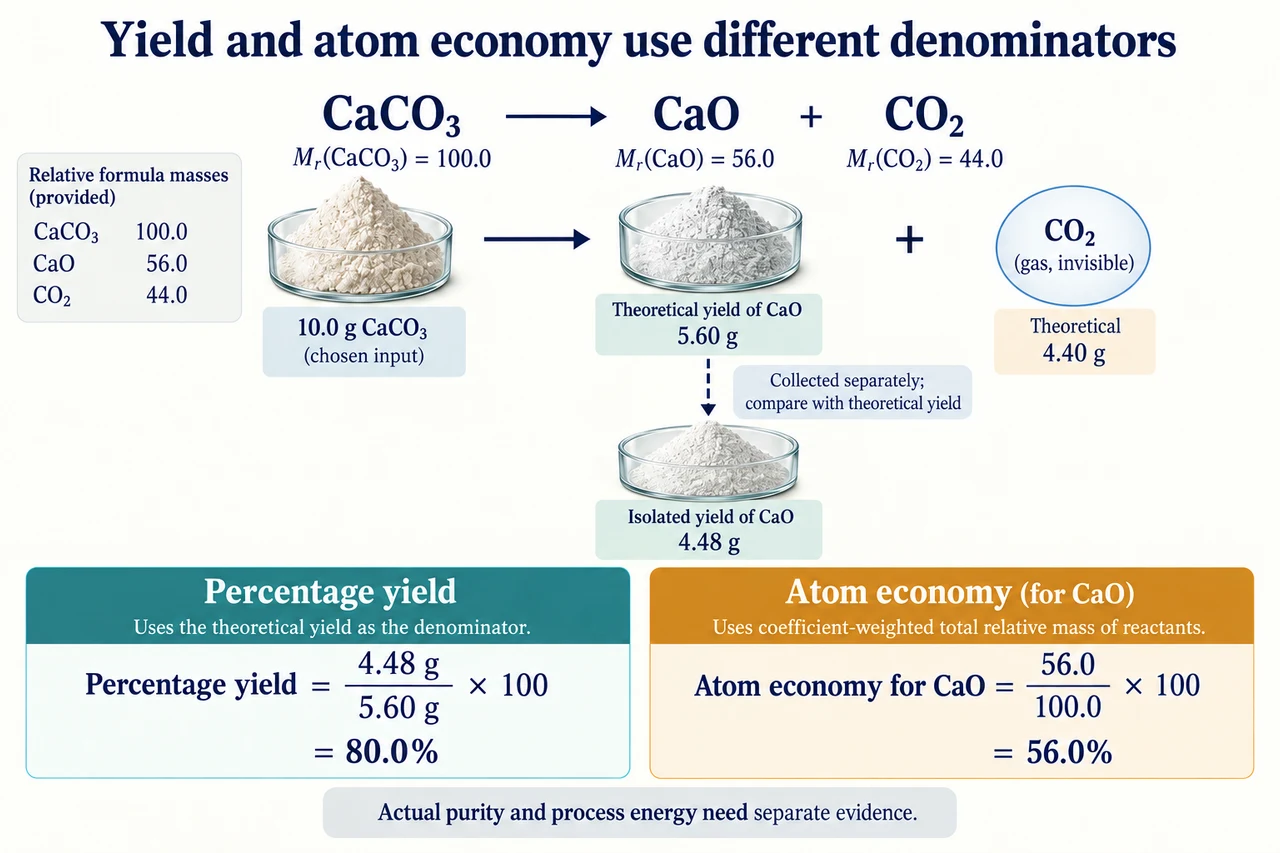
Balanced equations connect quantities and process choices
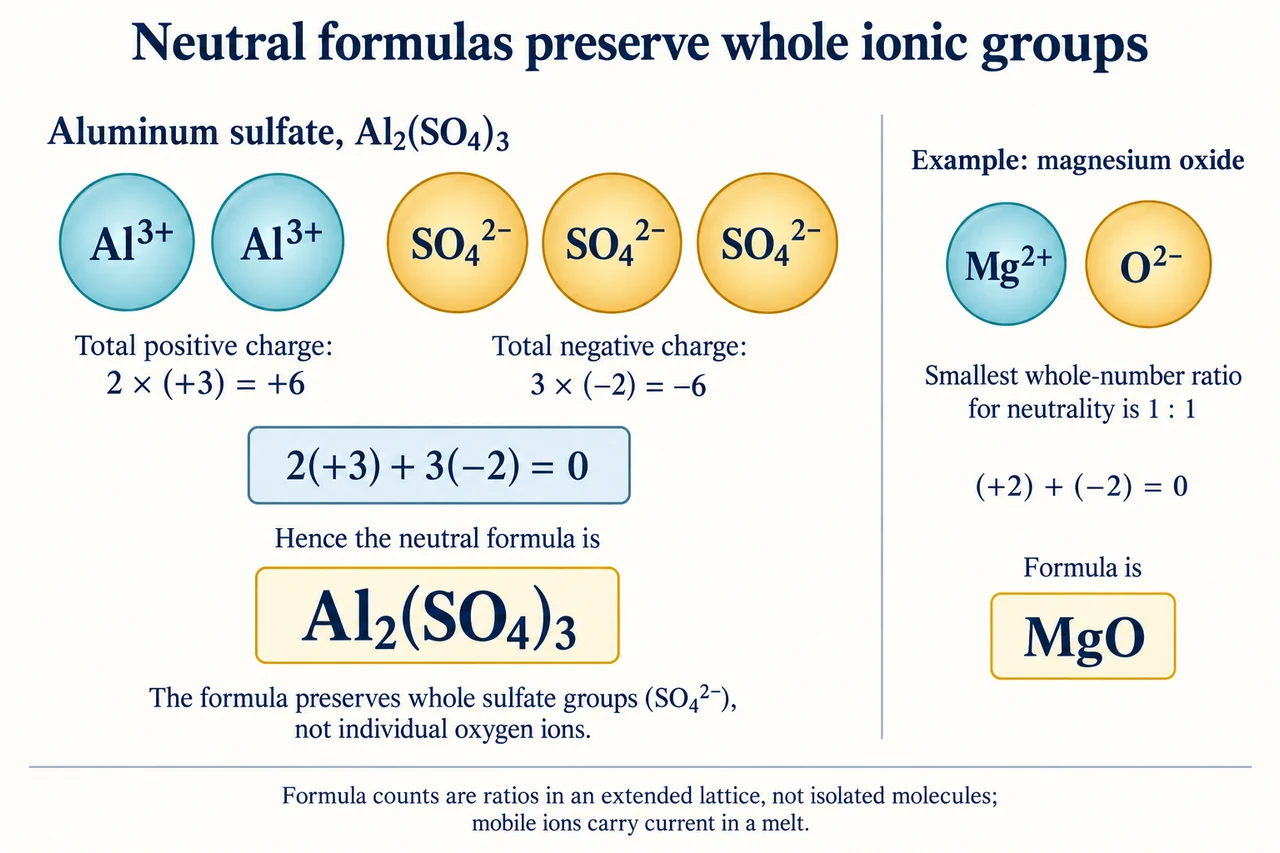
Ionic formulas describe neutral ratios in a lattice
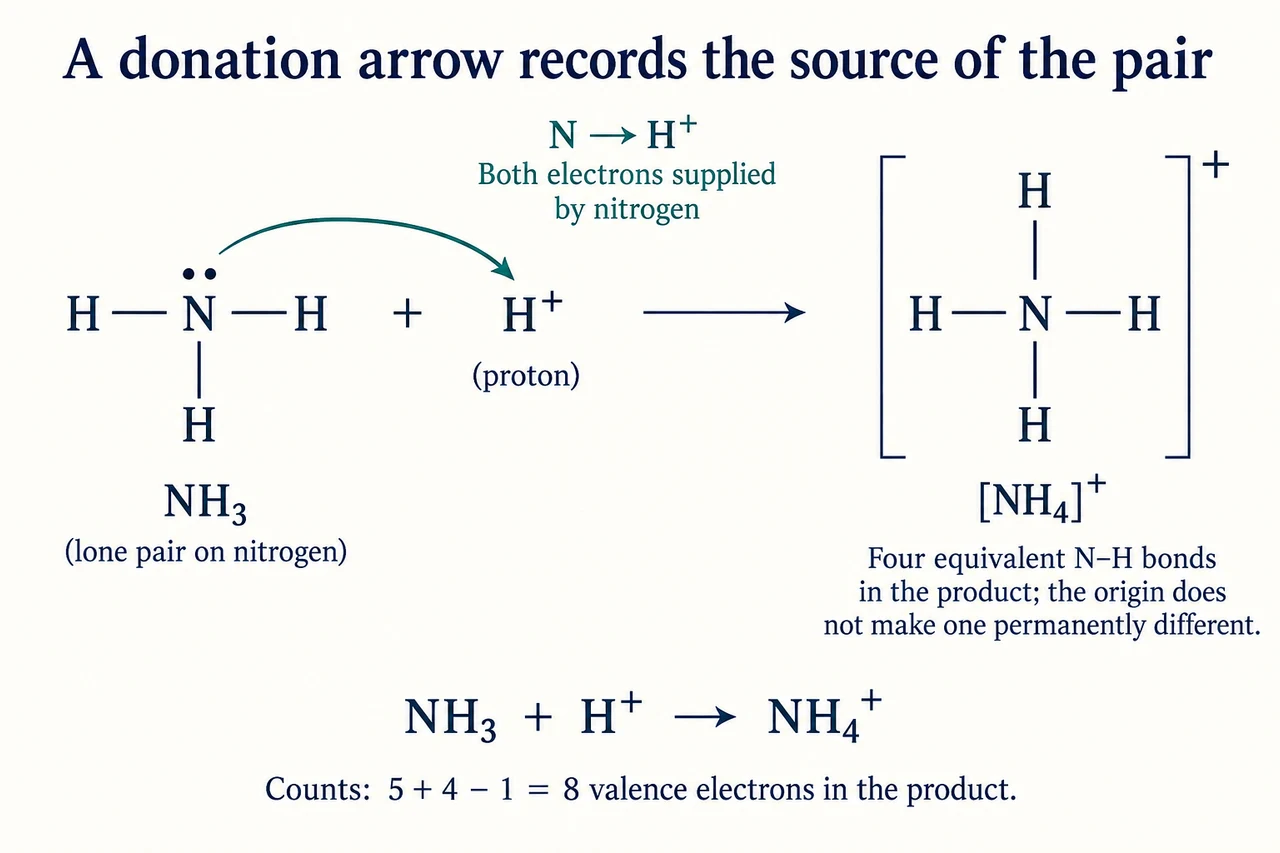
Shared pairs and donated pairs describe covalent bonds
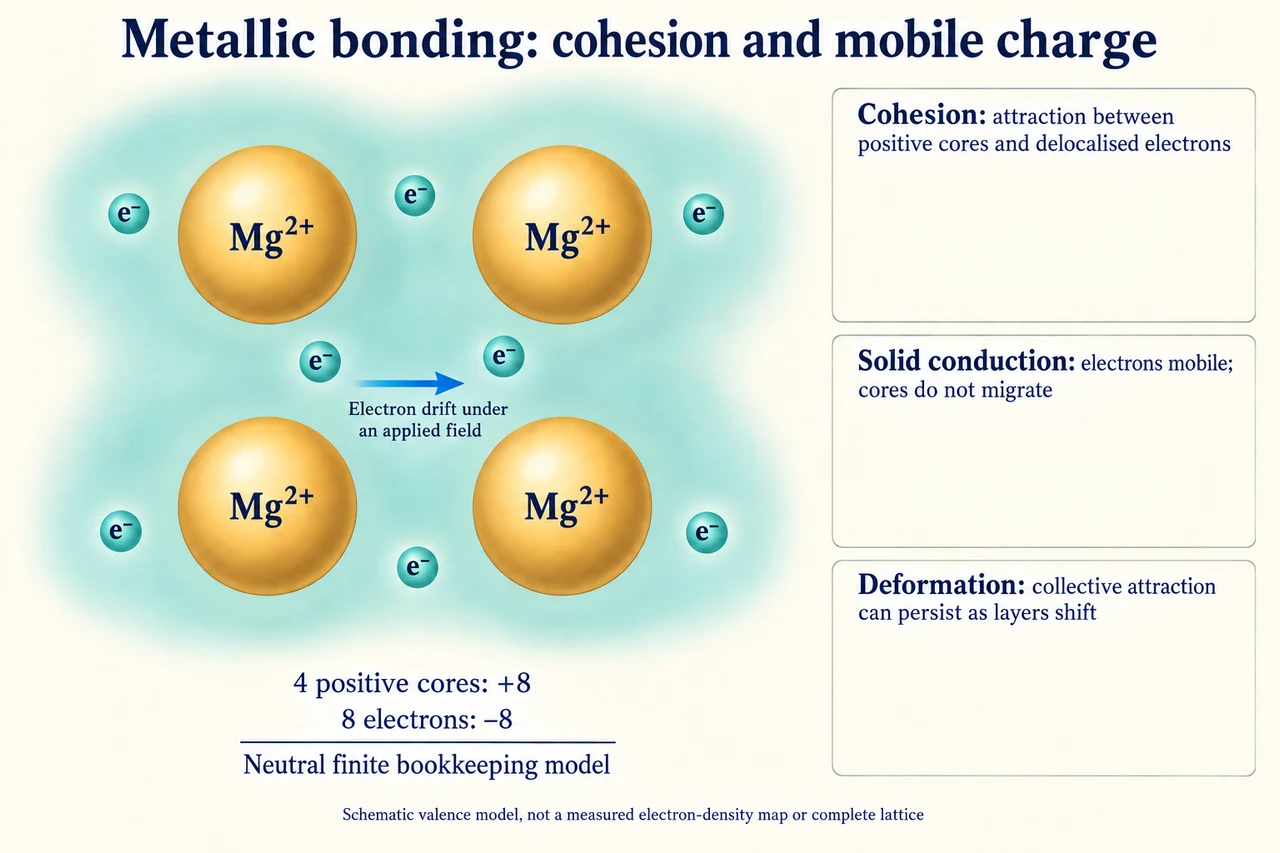
Metallic bonding connects mobile electrons to properties
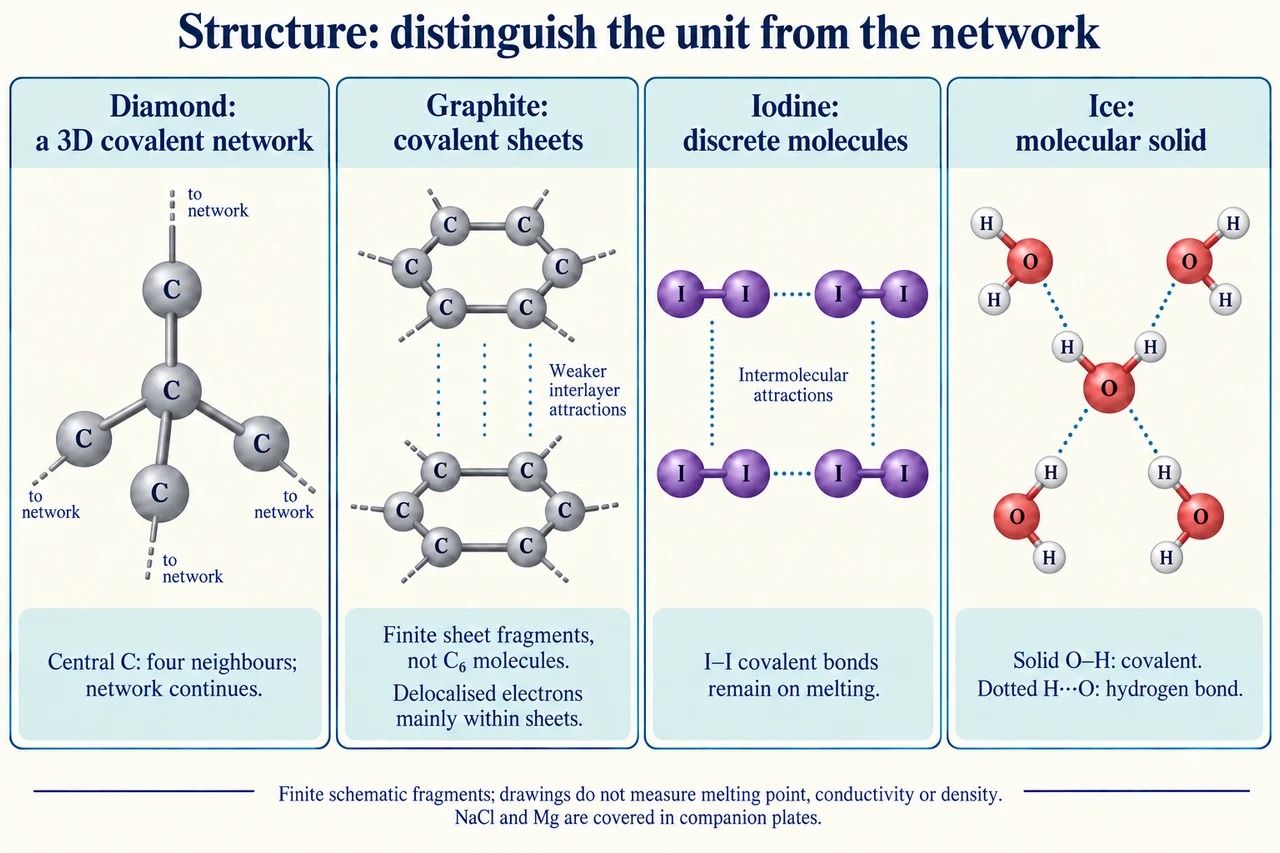
Structures explain why melting and conduction differ
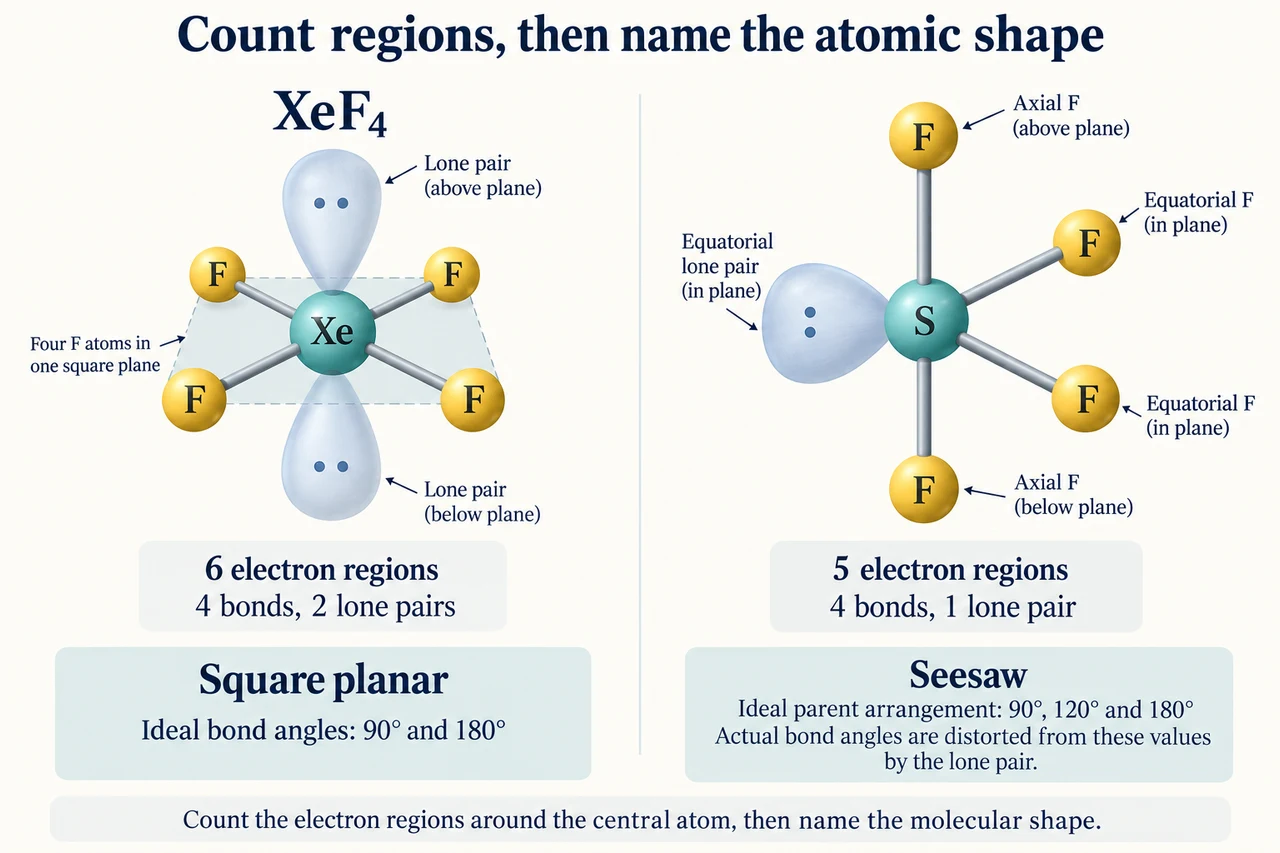
Repulsion models predict molecular geometry
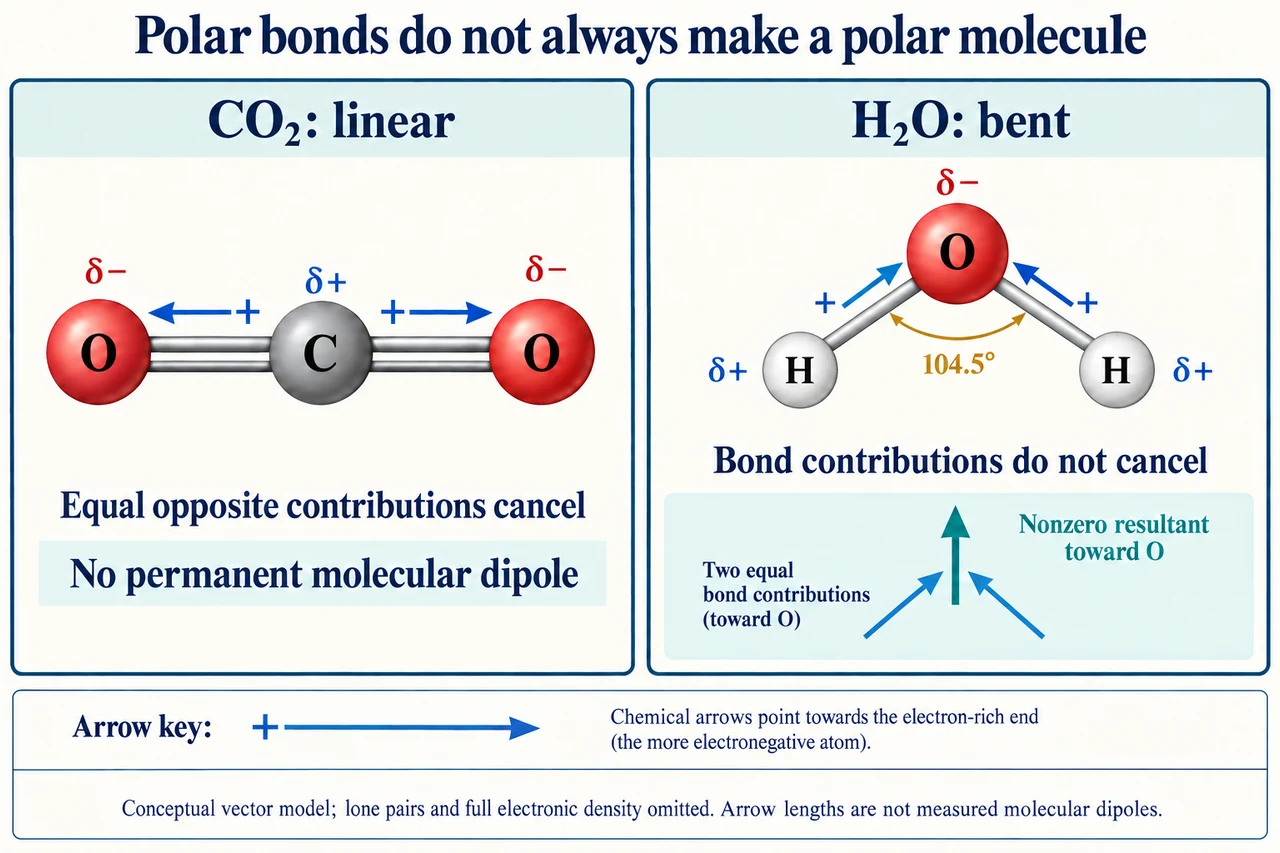
Bond polarity and molecular polarity answer different questions
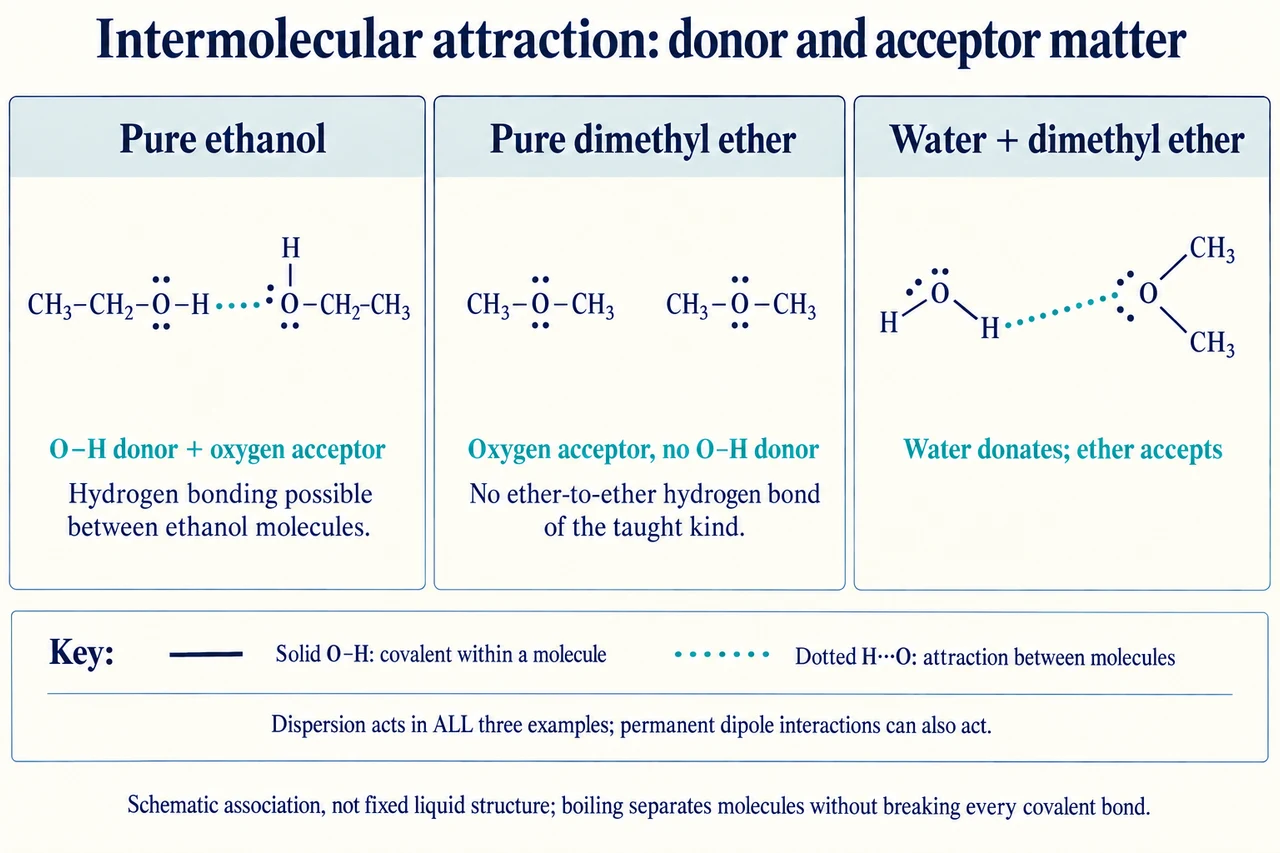
Intermolecular forces explain molecular bulk behaviour
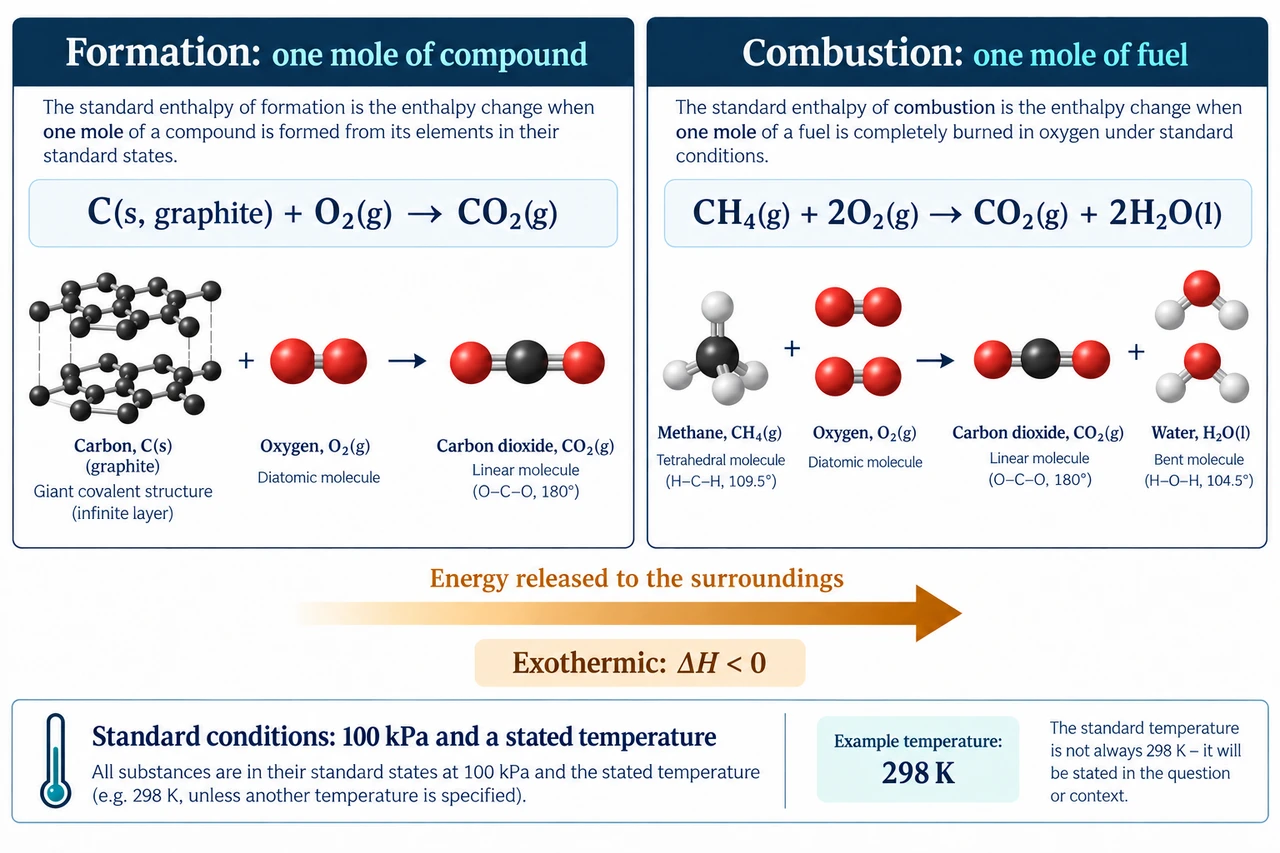
Enthalpy signs and one-mole definitions
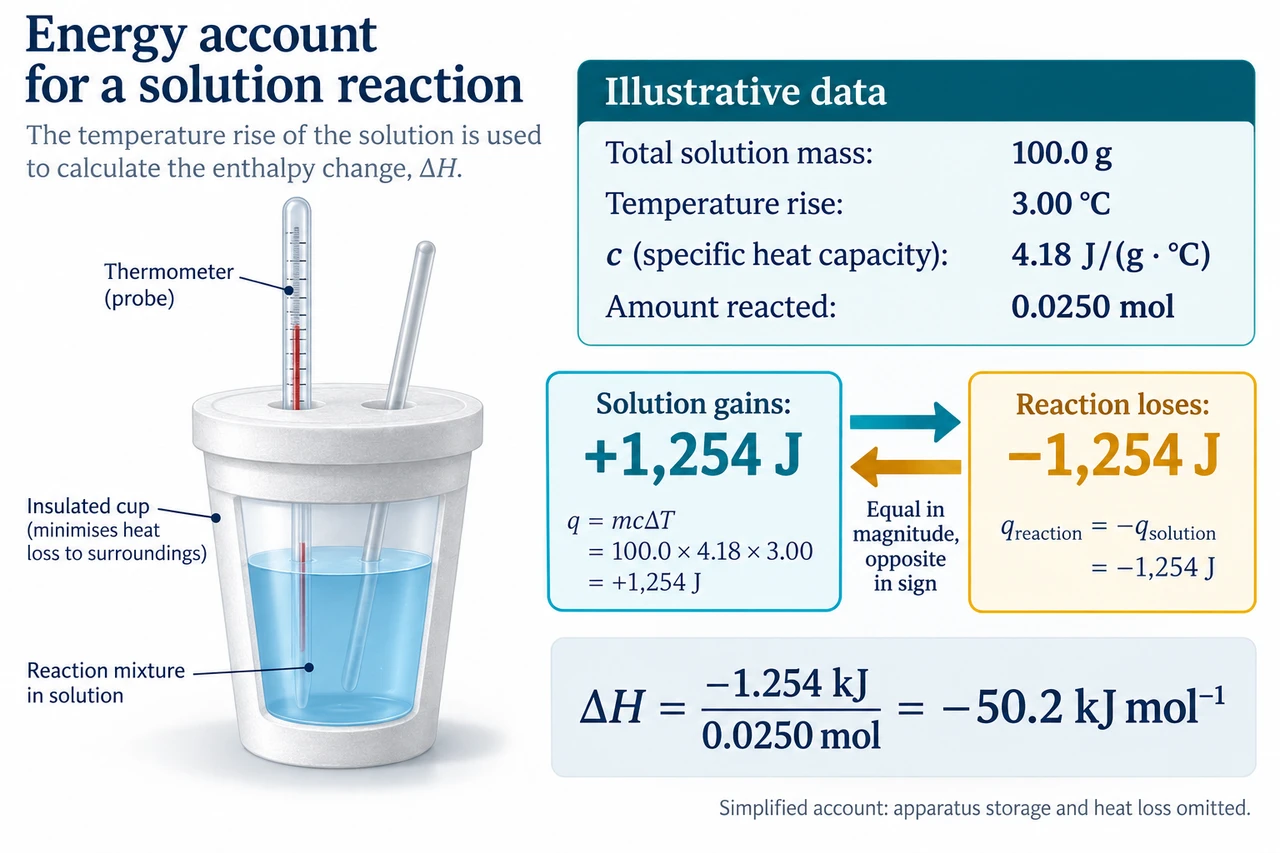
Calorimetry with a reaction boundary
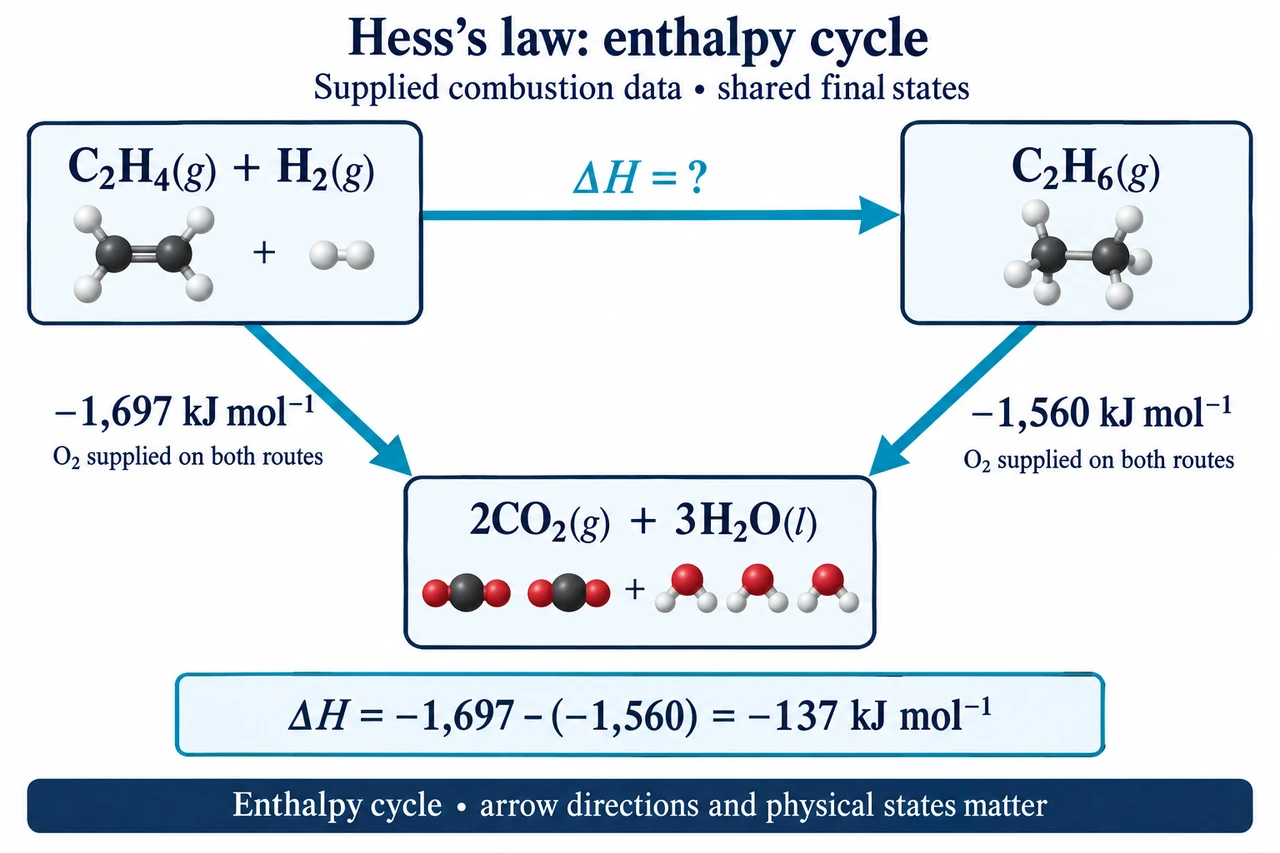
Hess cycles with coefficients and states
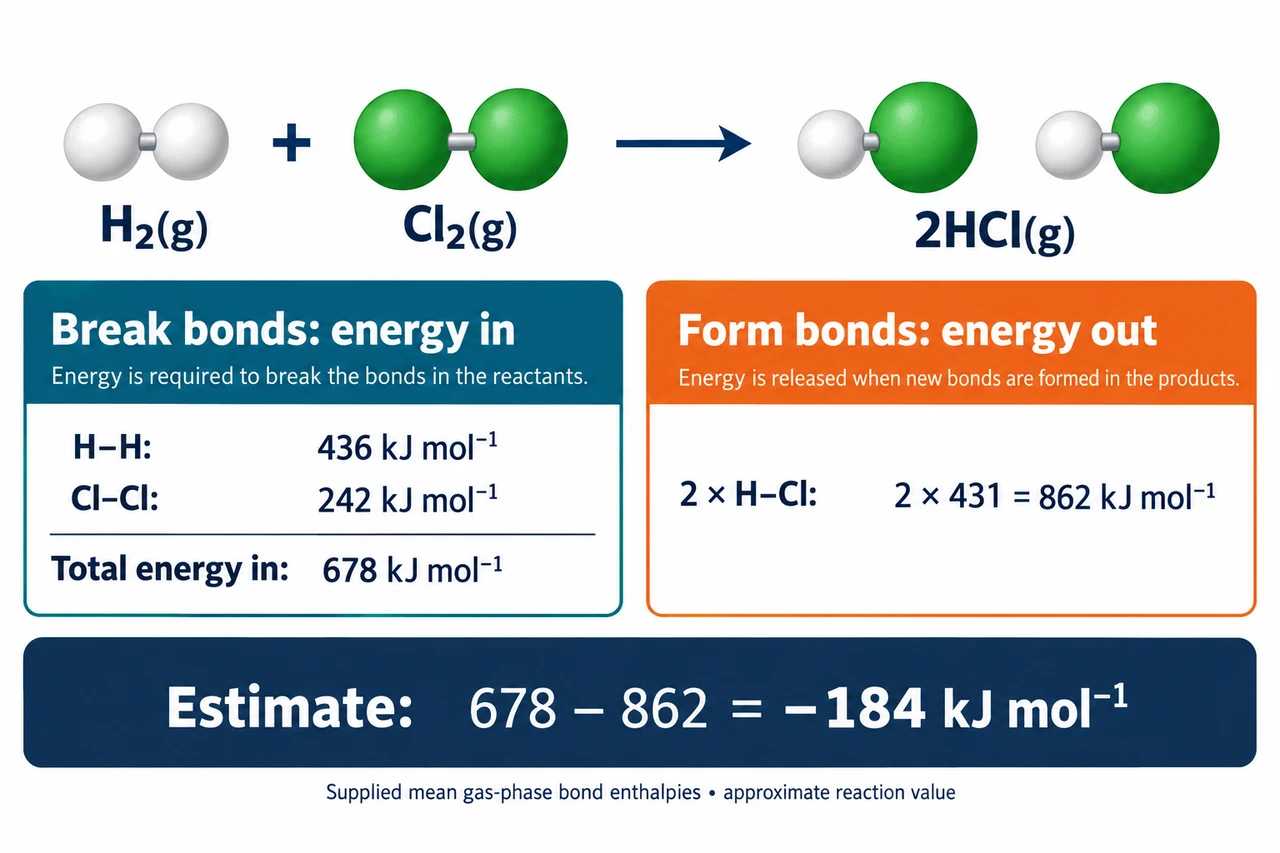
Mean bond enthalpies as an approximation
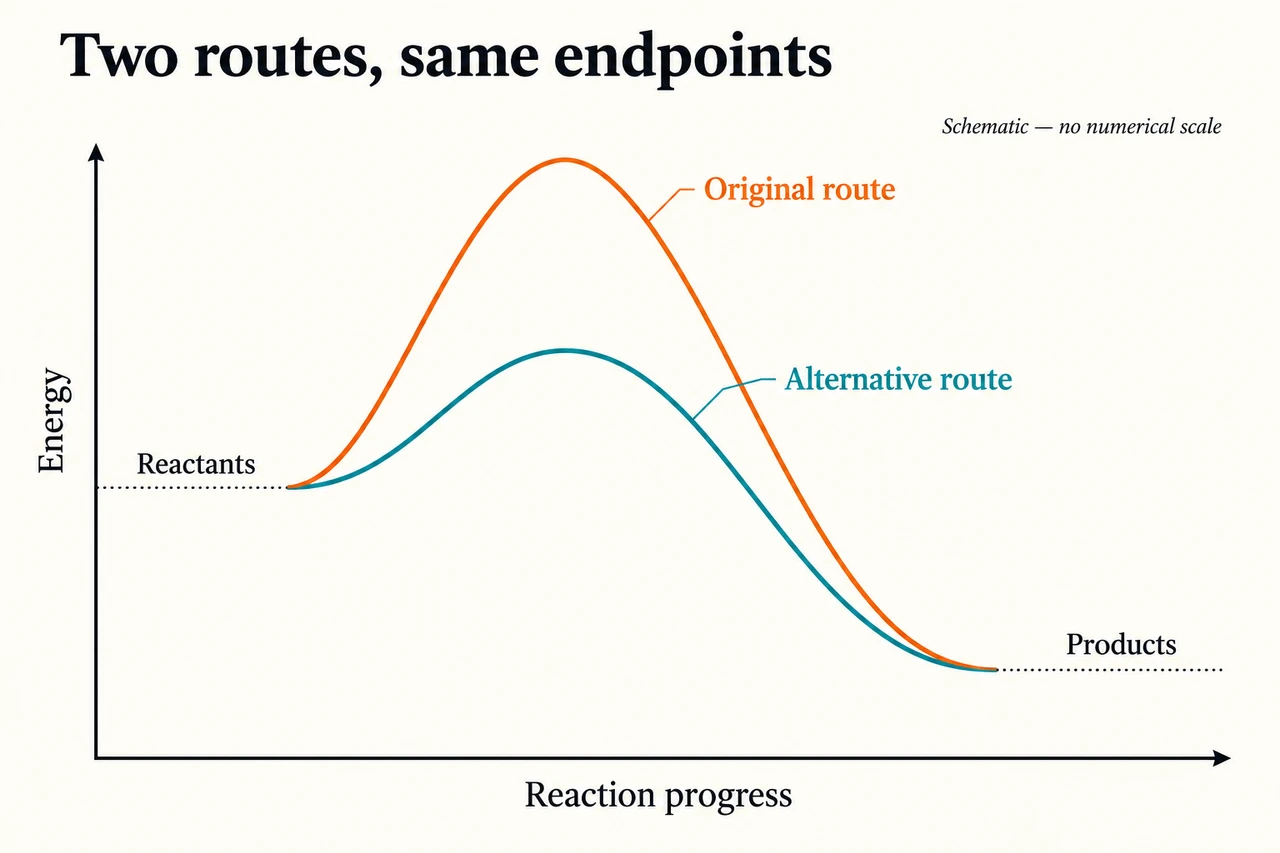
Collisions, activation barriers and alternative pathways
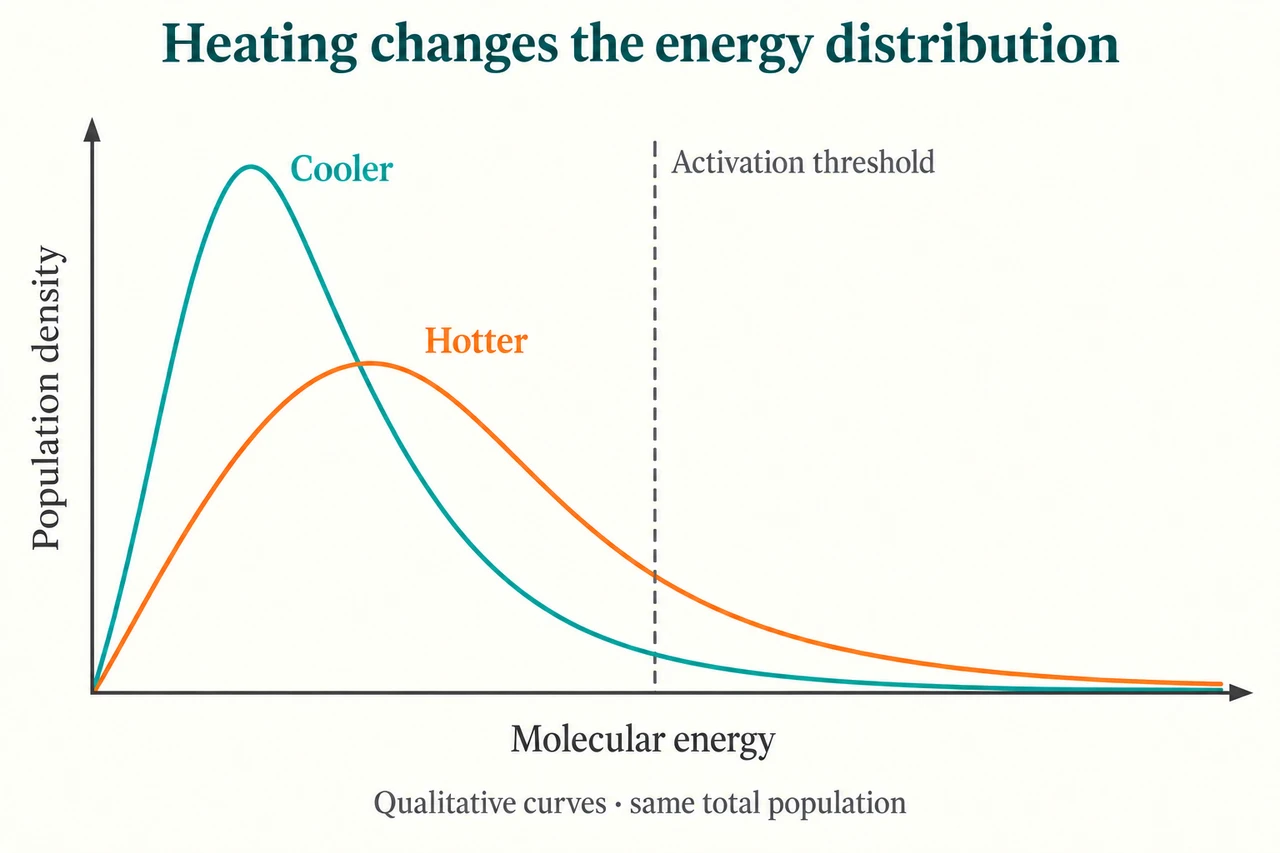
Temperature, molecular energy distributions and measured rates
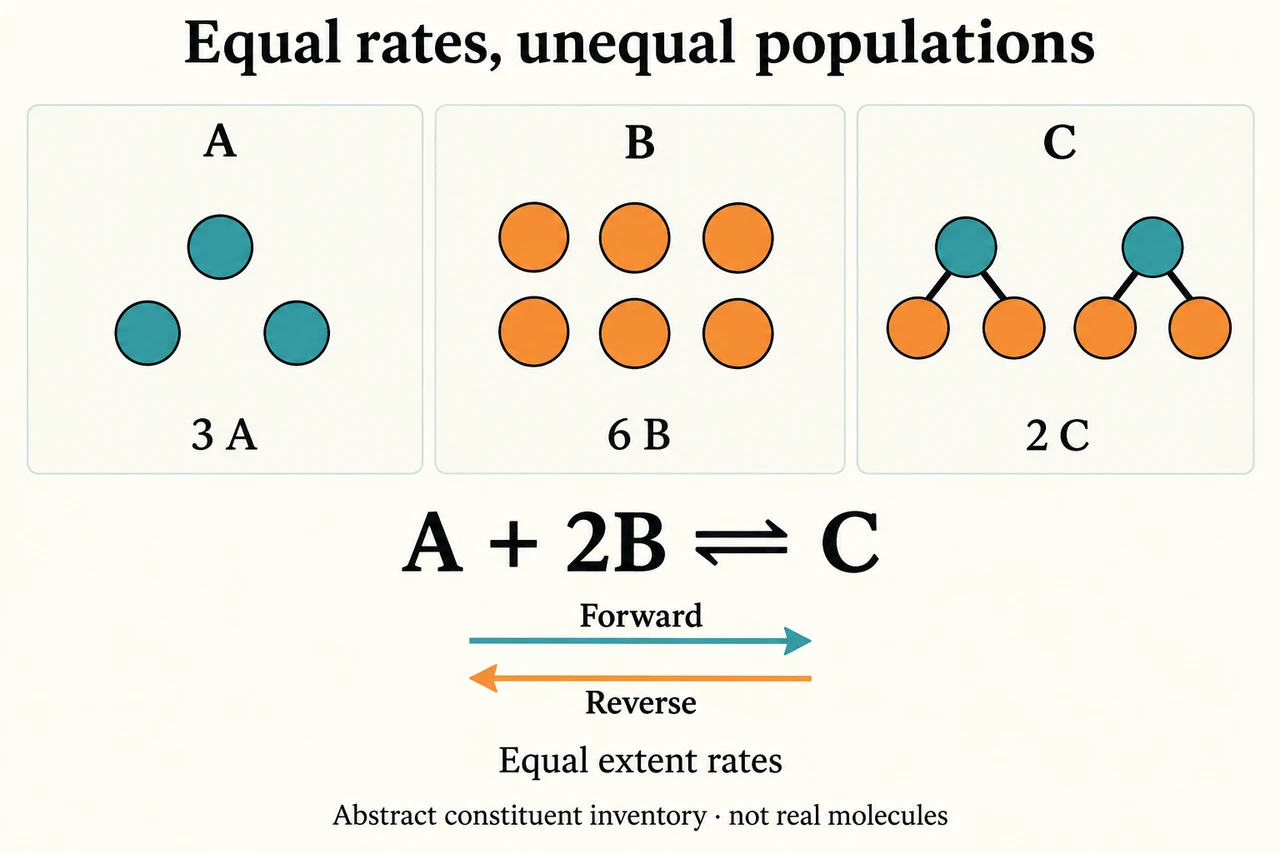
Dynamic equilibrium and conditional changes in yield
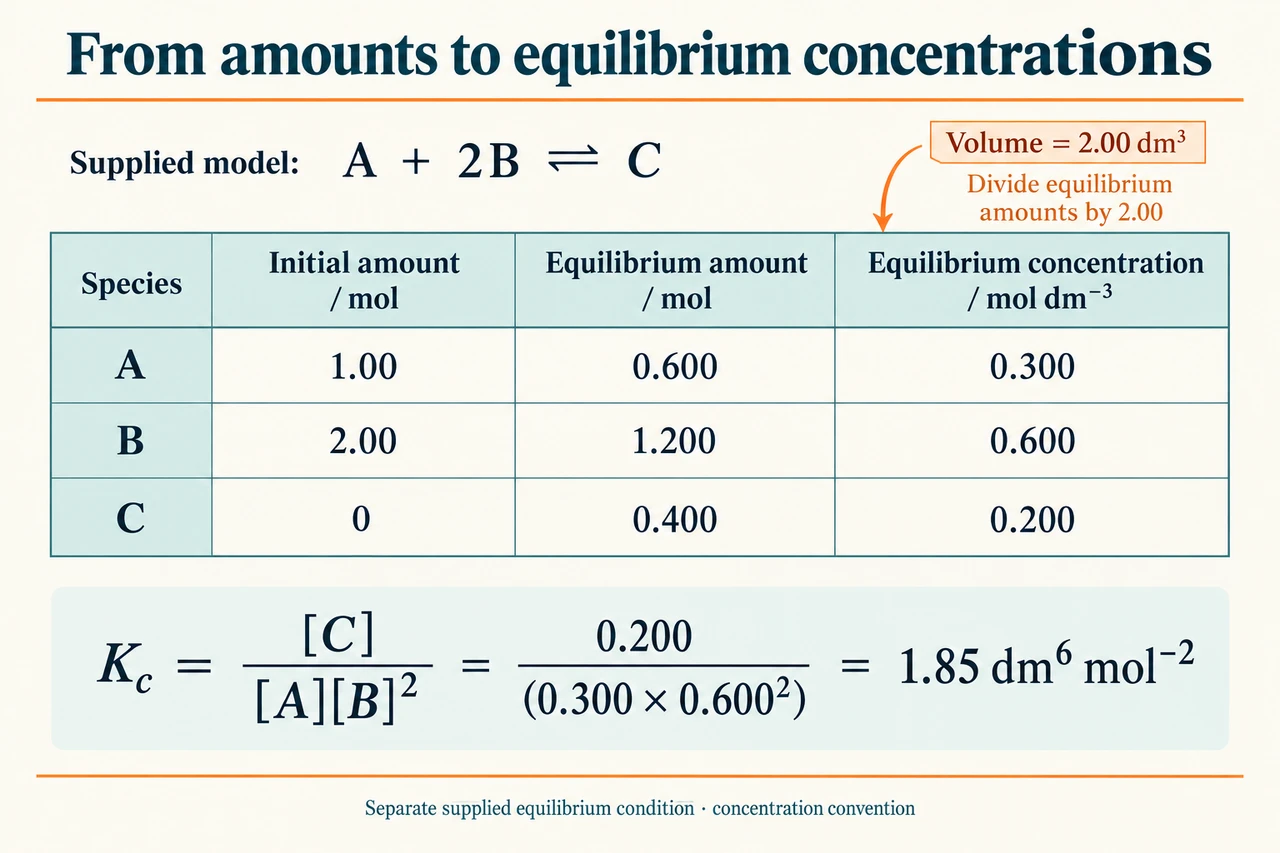
Kc, conserved inventories and temperature-specific results
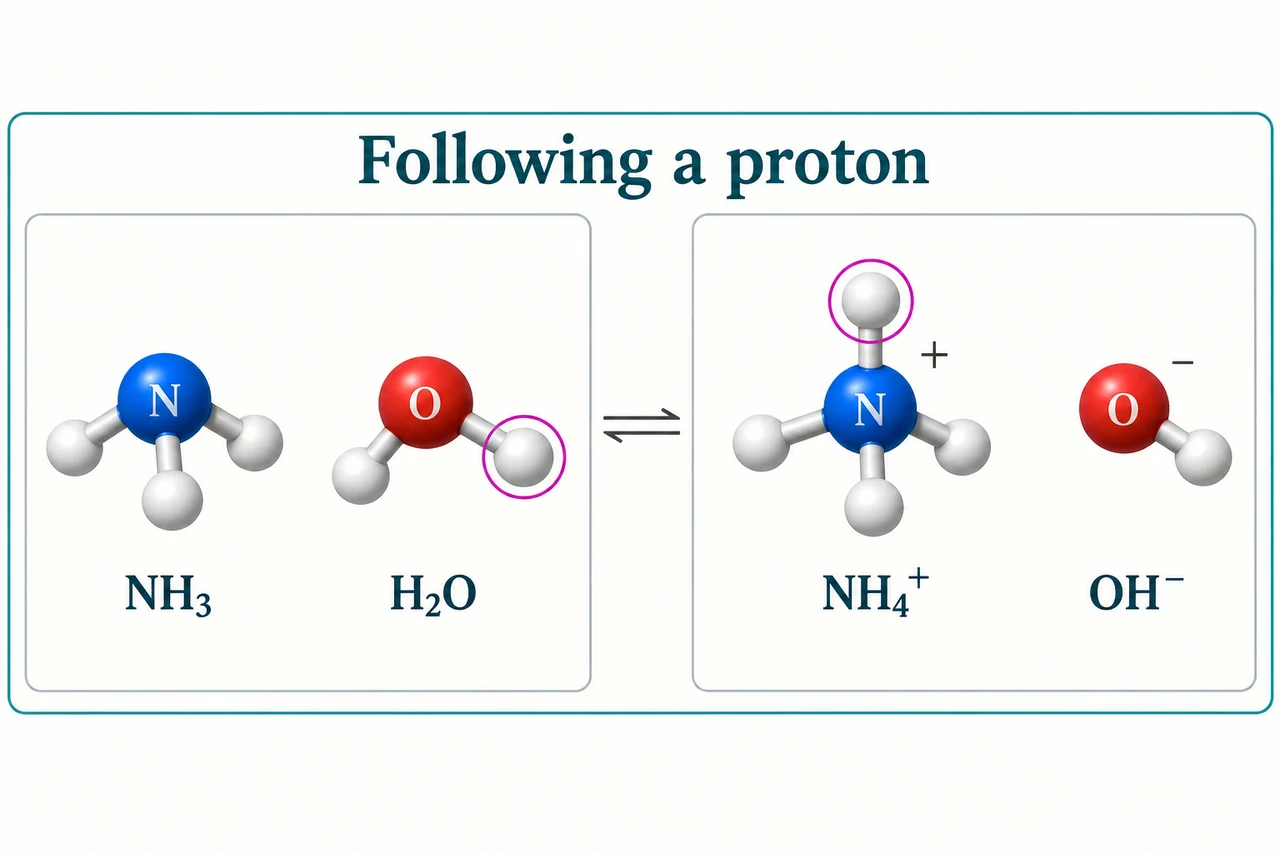
Following the proton without losing charge
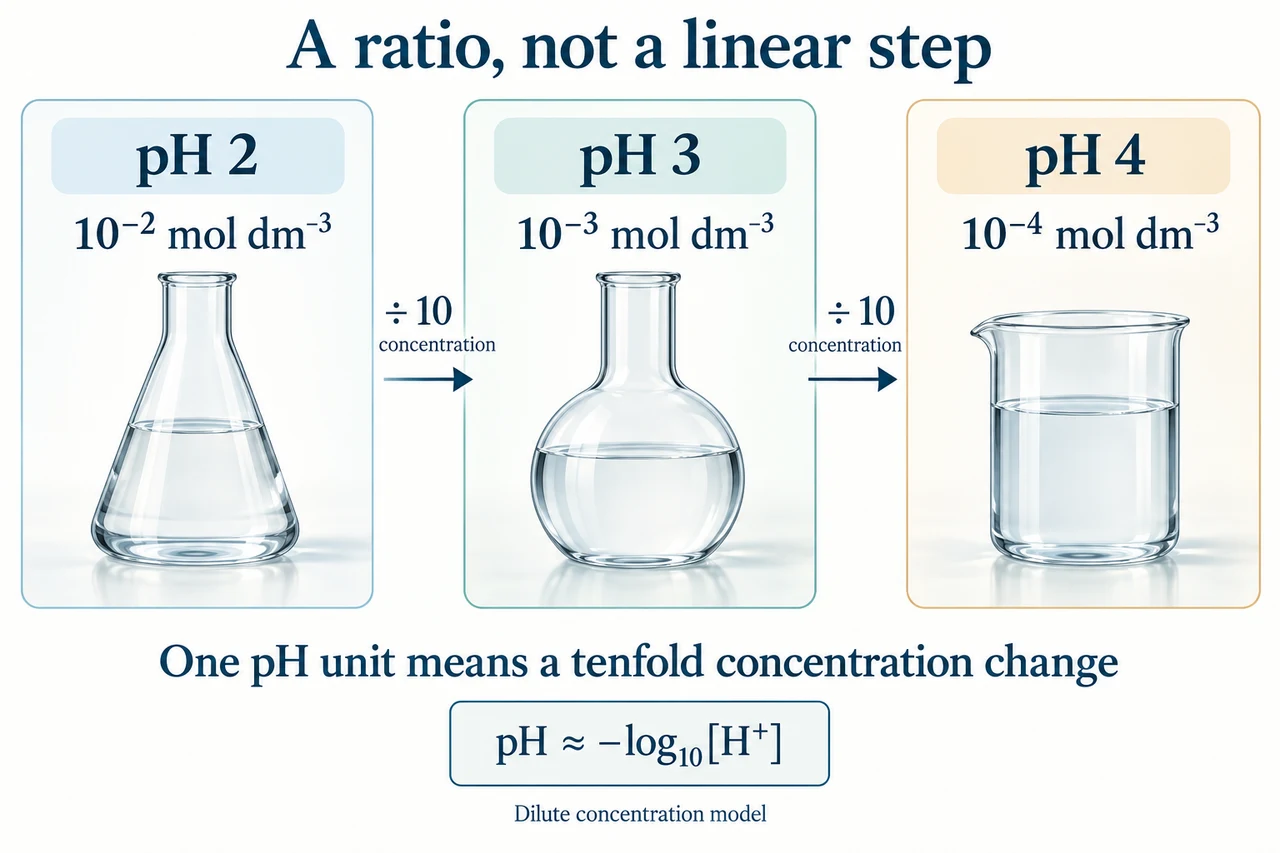
Reading a logarithmic acidity scale
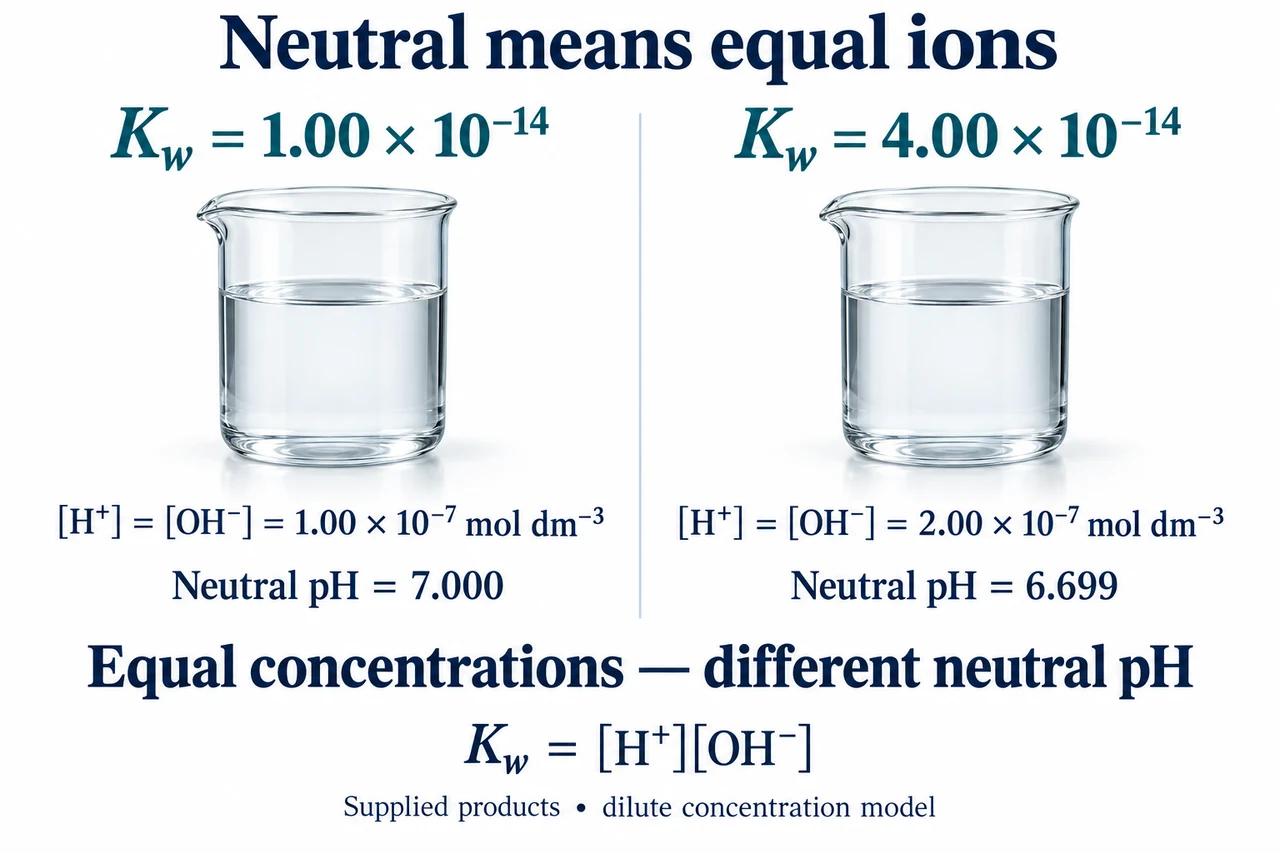
Water sets the temperature-dependent neutral point
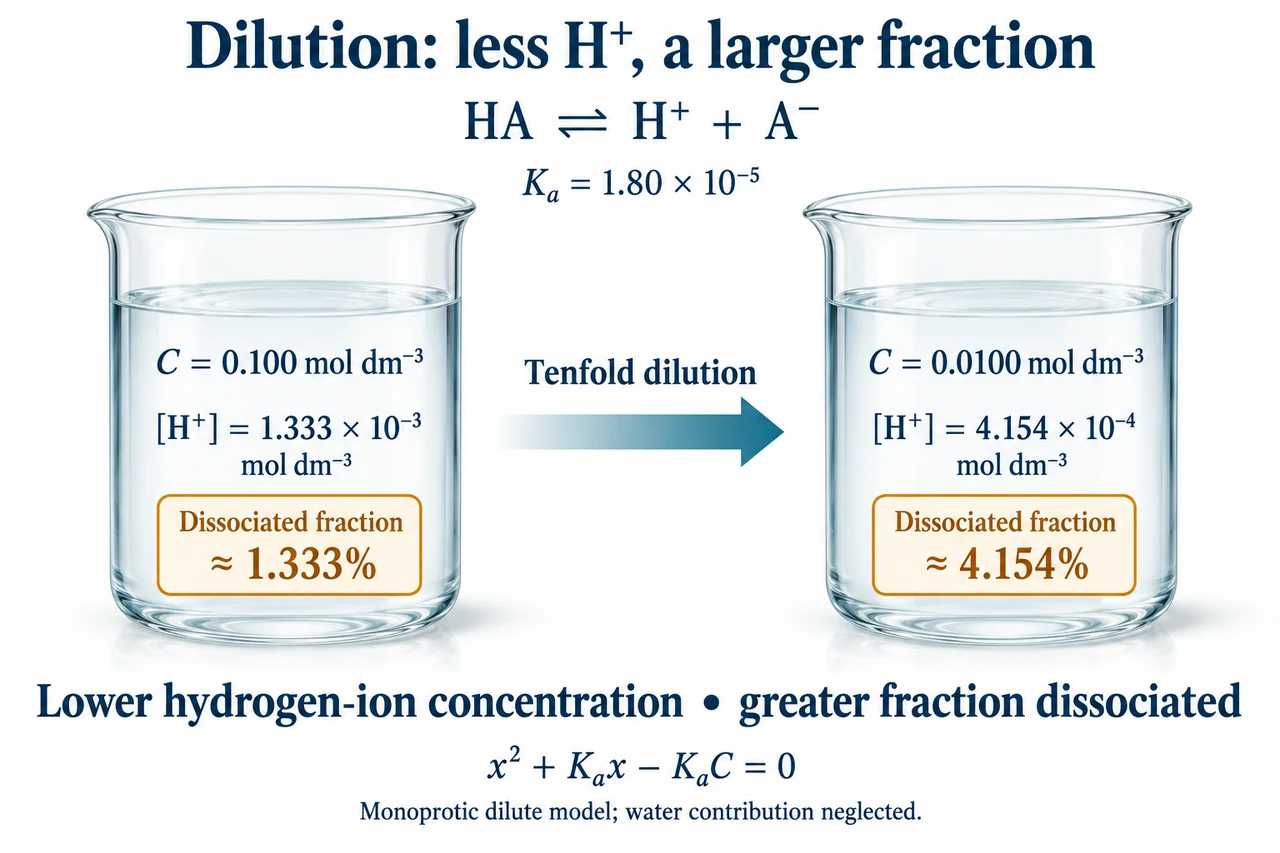
Weak-acid strength needs an equilibrium inventory
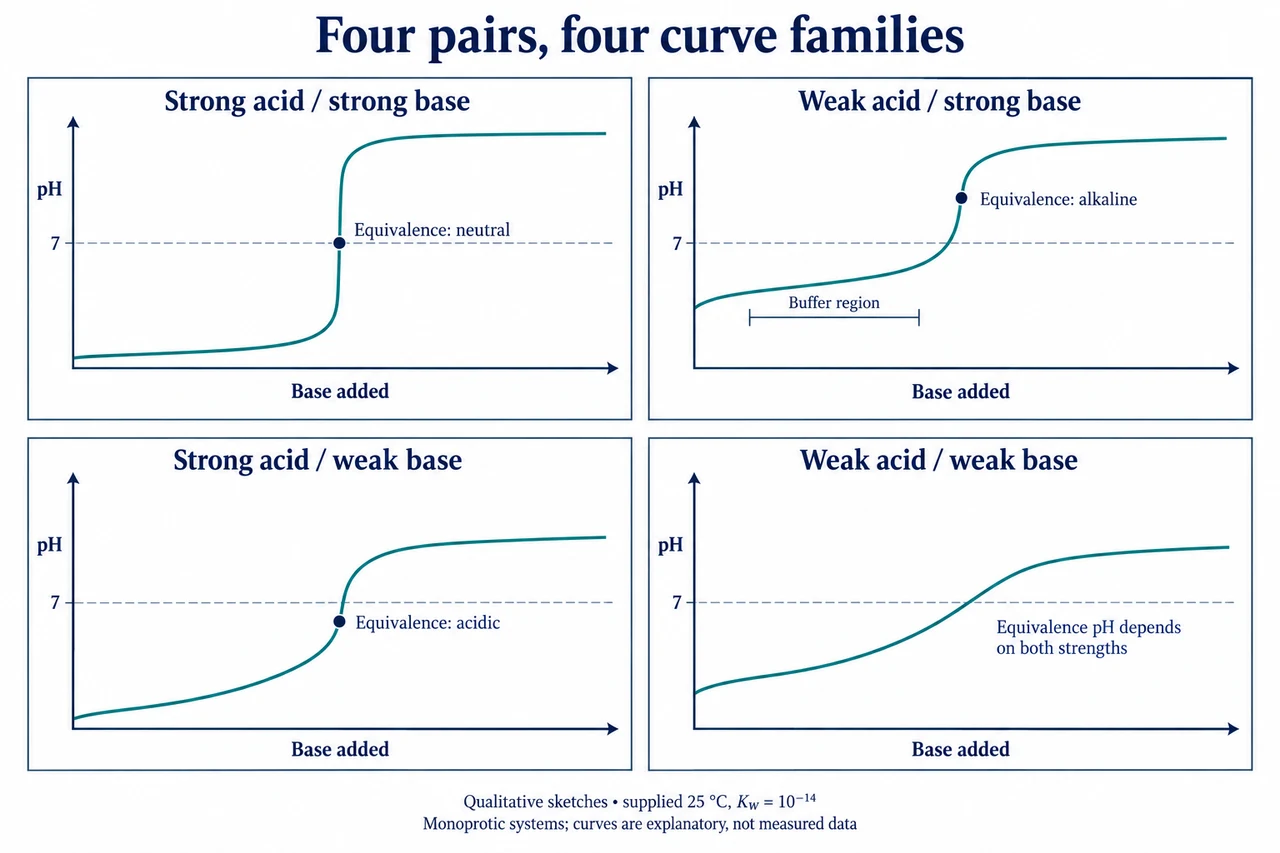
Read a titration curve from the matter balance
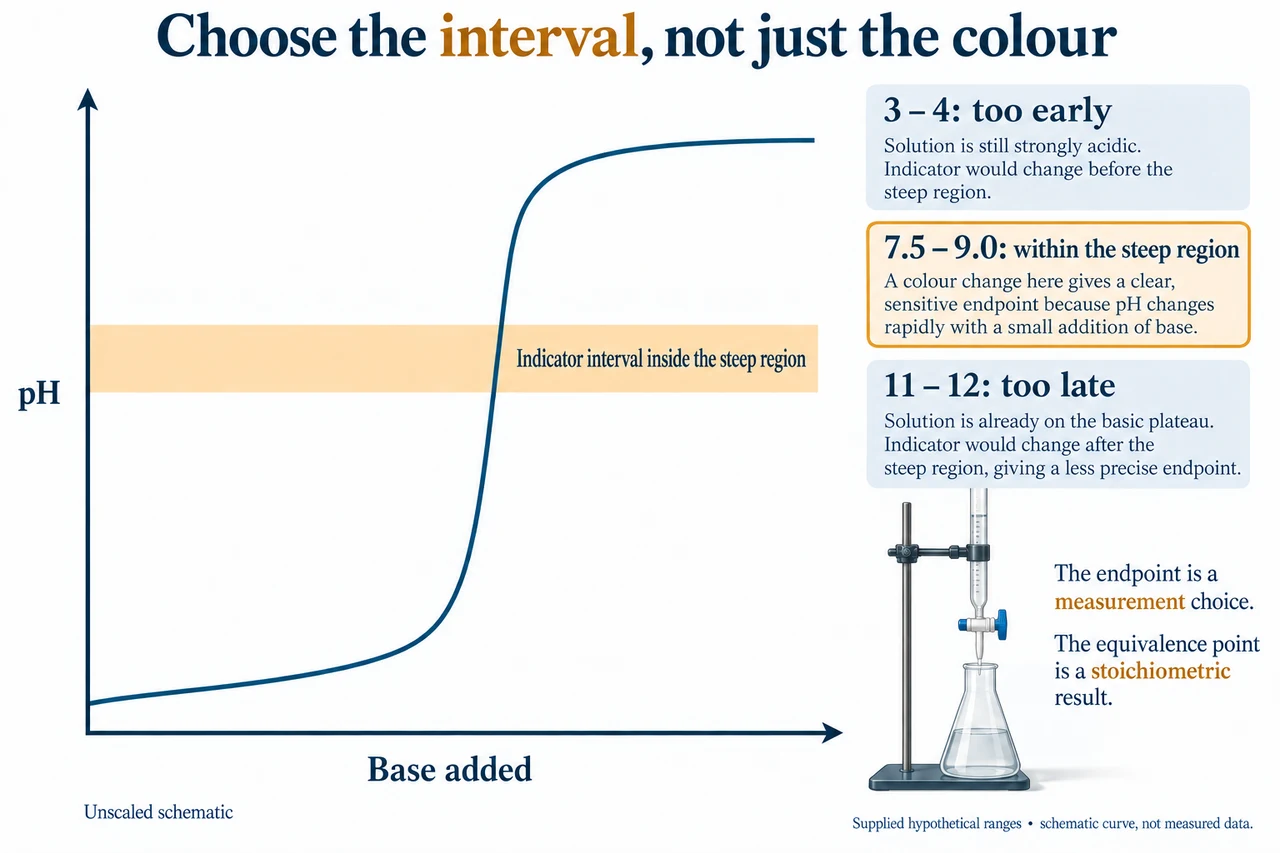
Separate the endpoint from equivalence
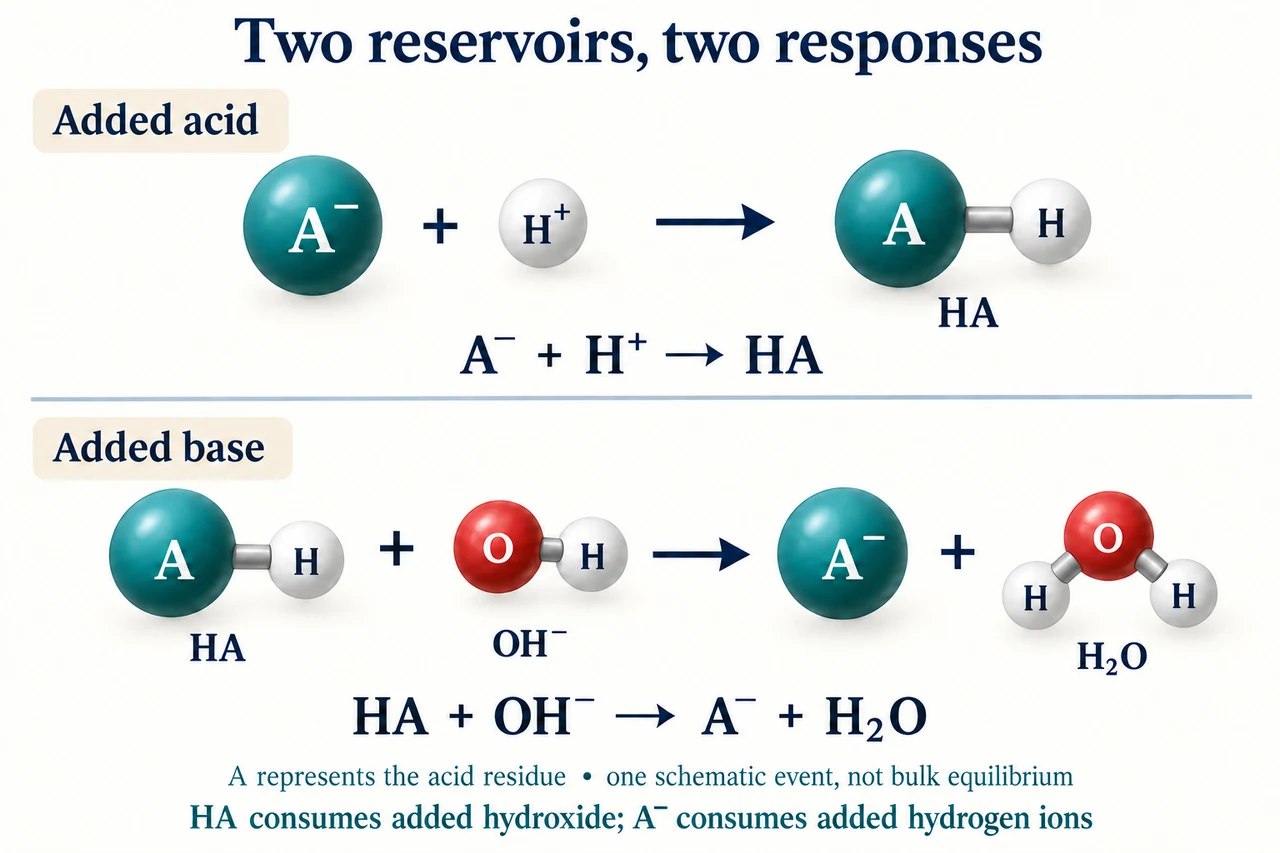
Why a buffer resists a small addition
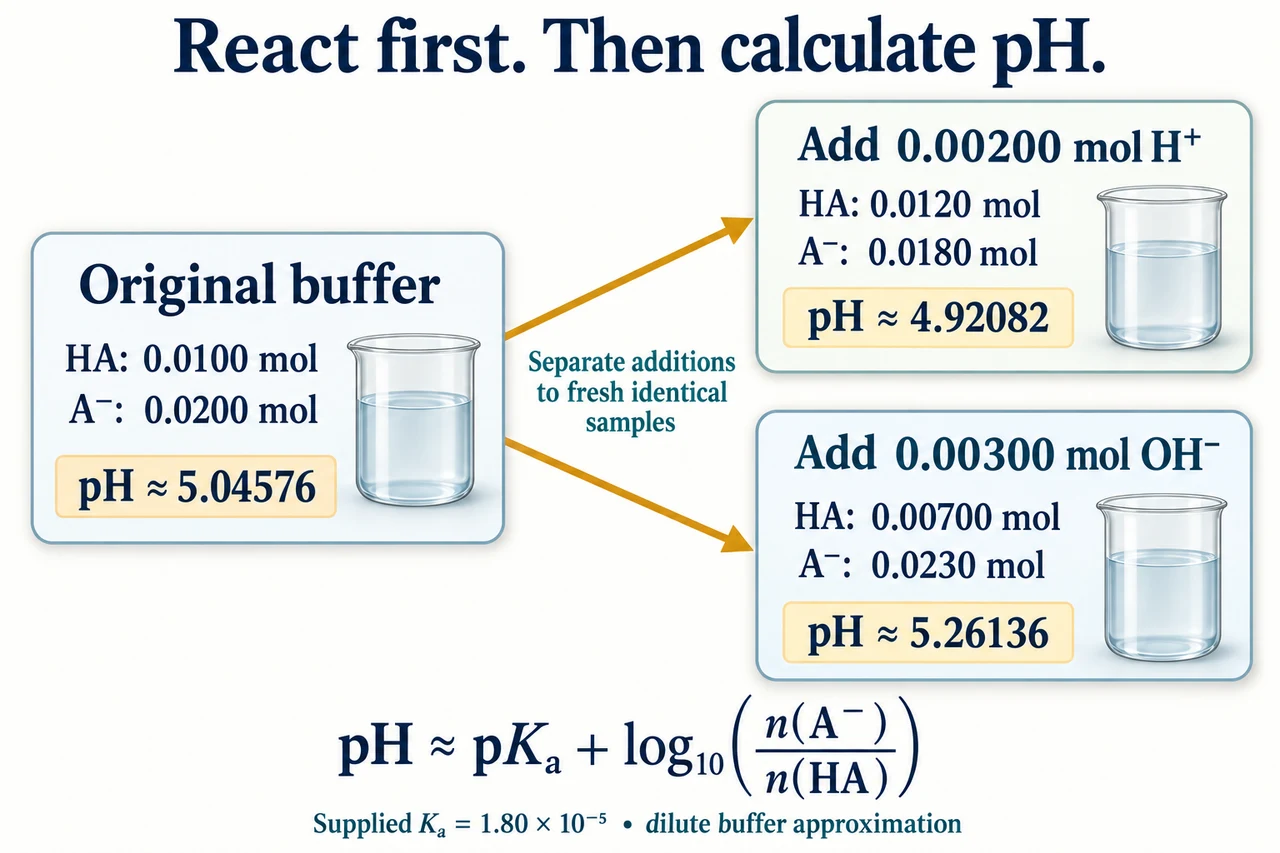
Calculate the buffer after the reaction