← Explore learning guidesIndependent learning guide
UK GCSE Physics · independent study
Independent myAudience subject study using references for England. Published readings cover selected topics; full curriculum, assessment and practical coverage are not verified. No awarding-body affiliation, endorsement, qualification or grade guarantee is offered. Check the source specification and your centre for the requirements of your chosen course.
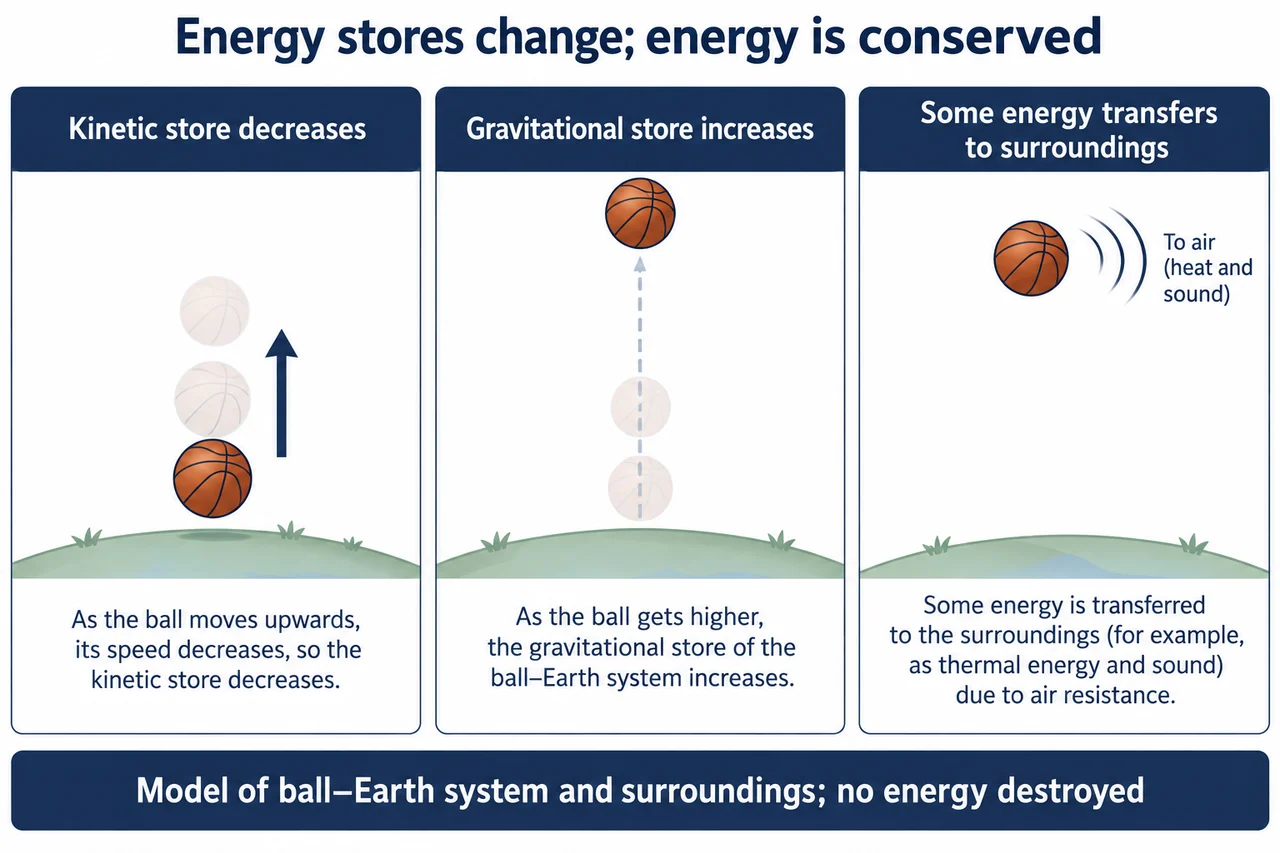
Choosing a system and tracking energy
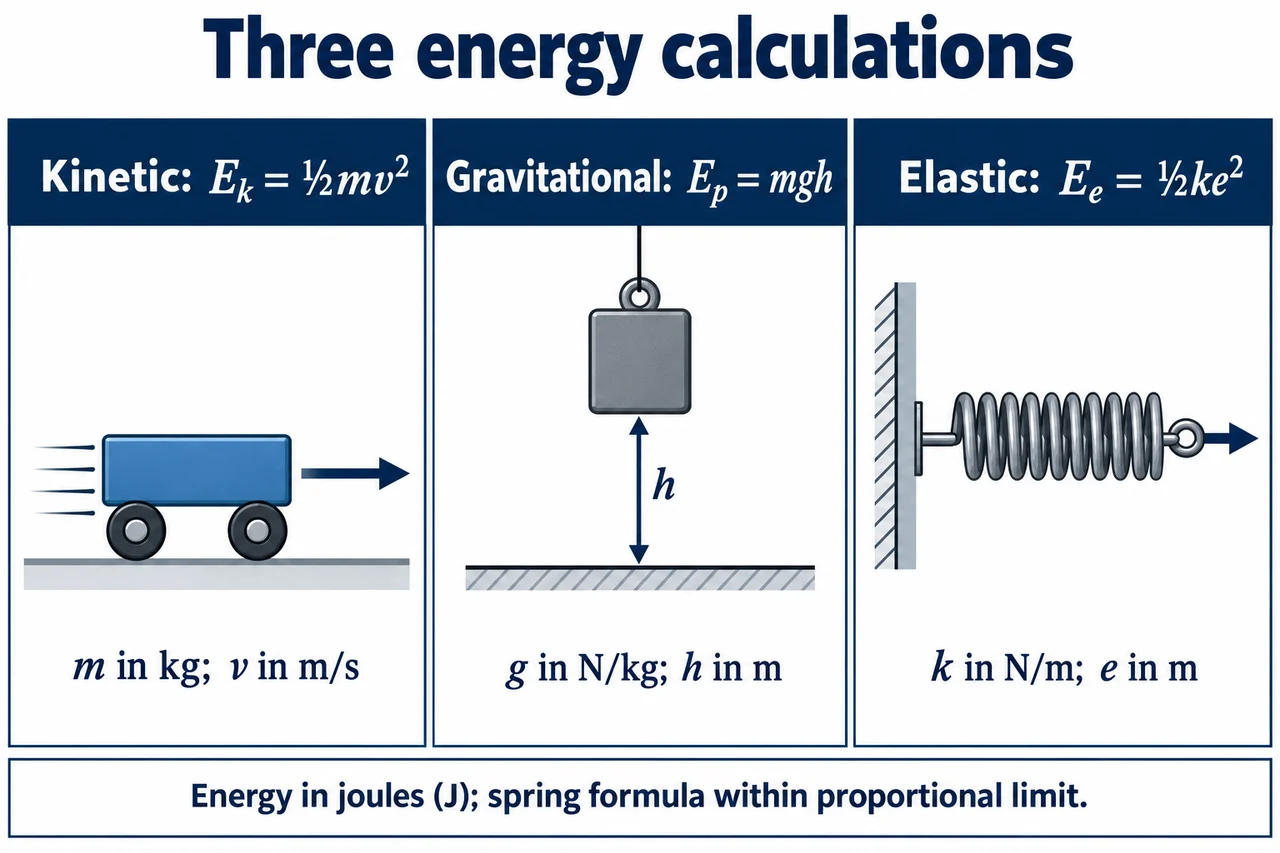
Calculating kinetic, gravitational and elastic changes
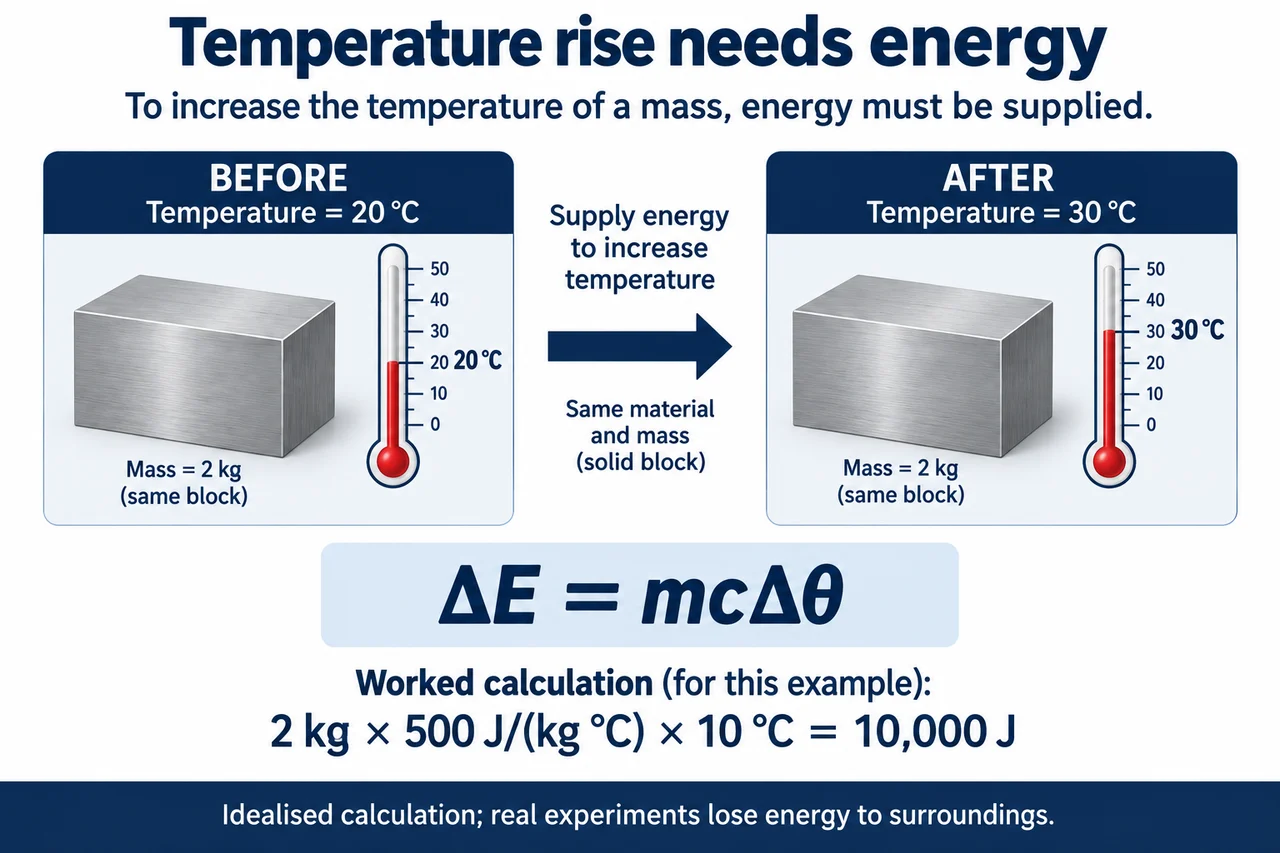
Specific heat capacity and a measured temperature rise
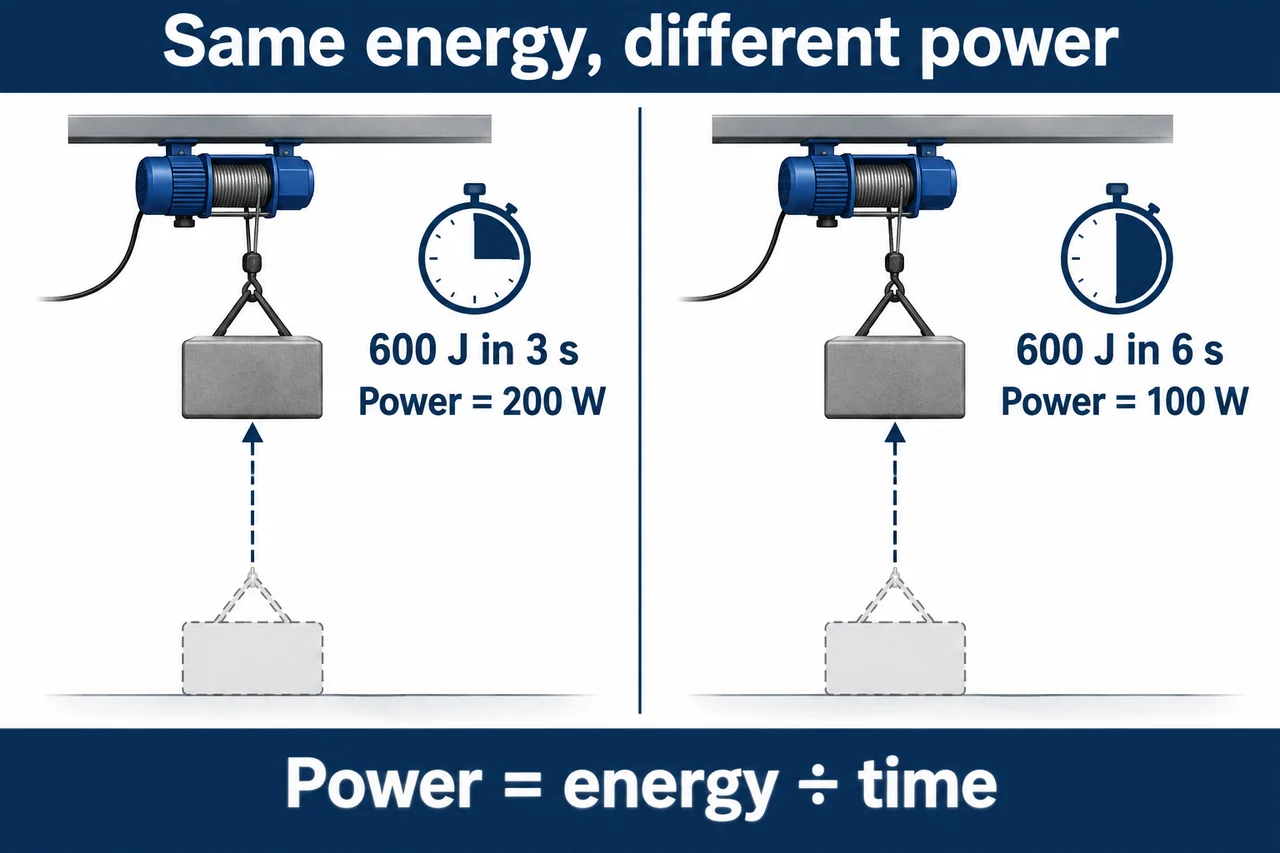
Power: how fast energy is transferred
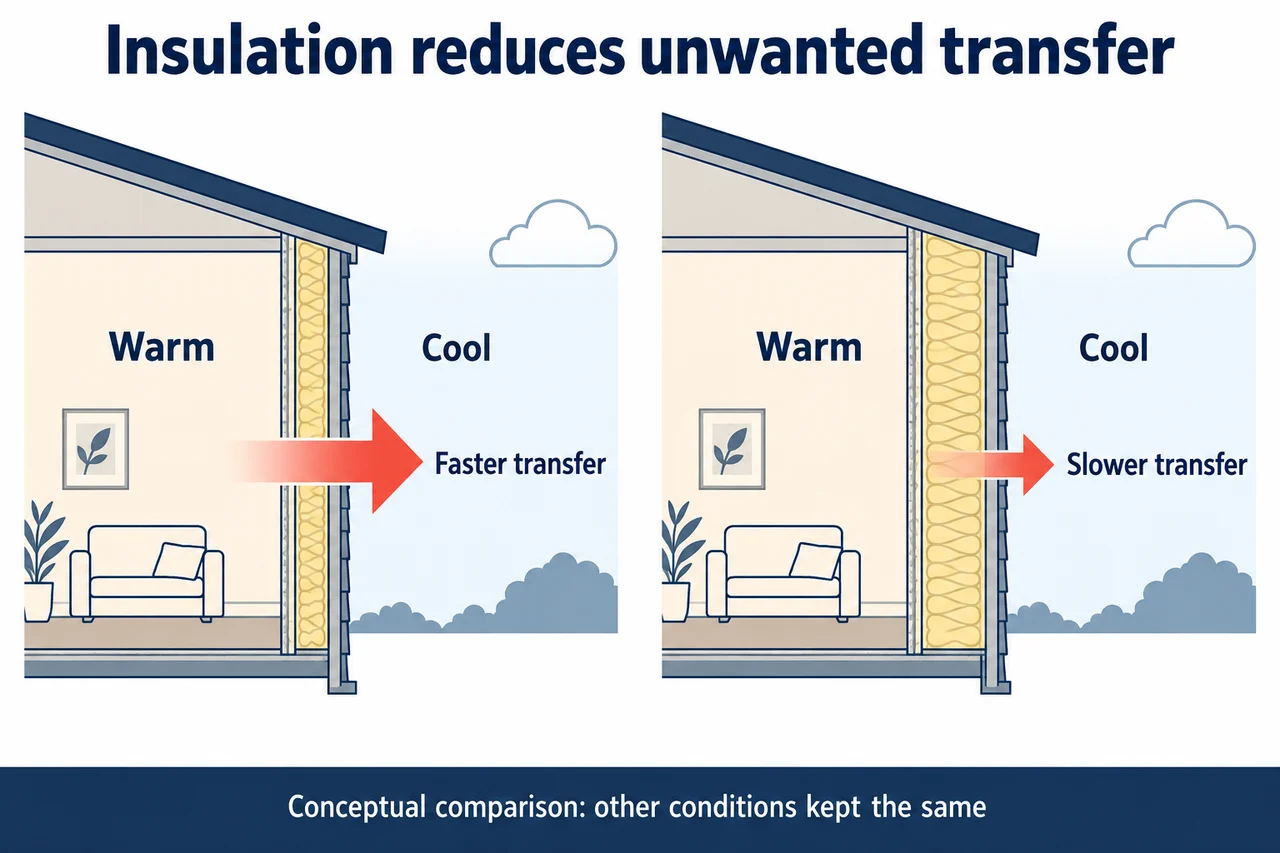
Conservation, dissipation and reducing unwanted transfers
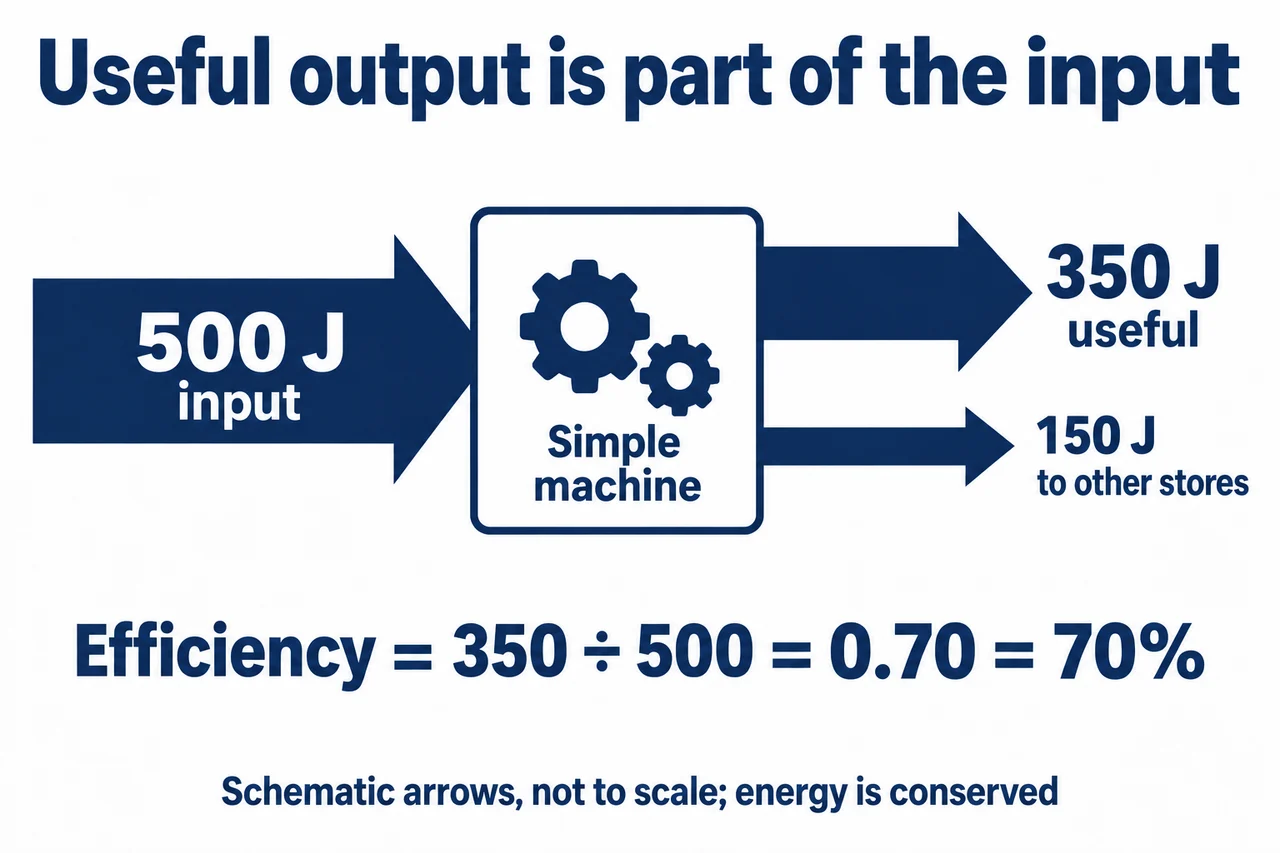
Efficiency and useful output
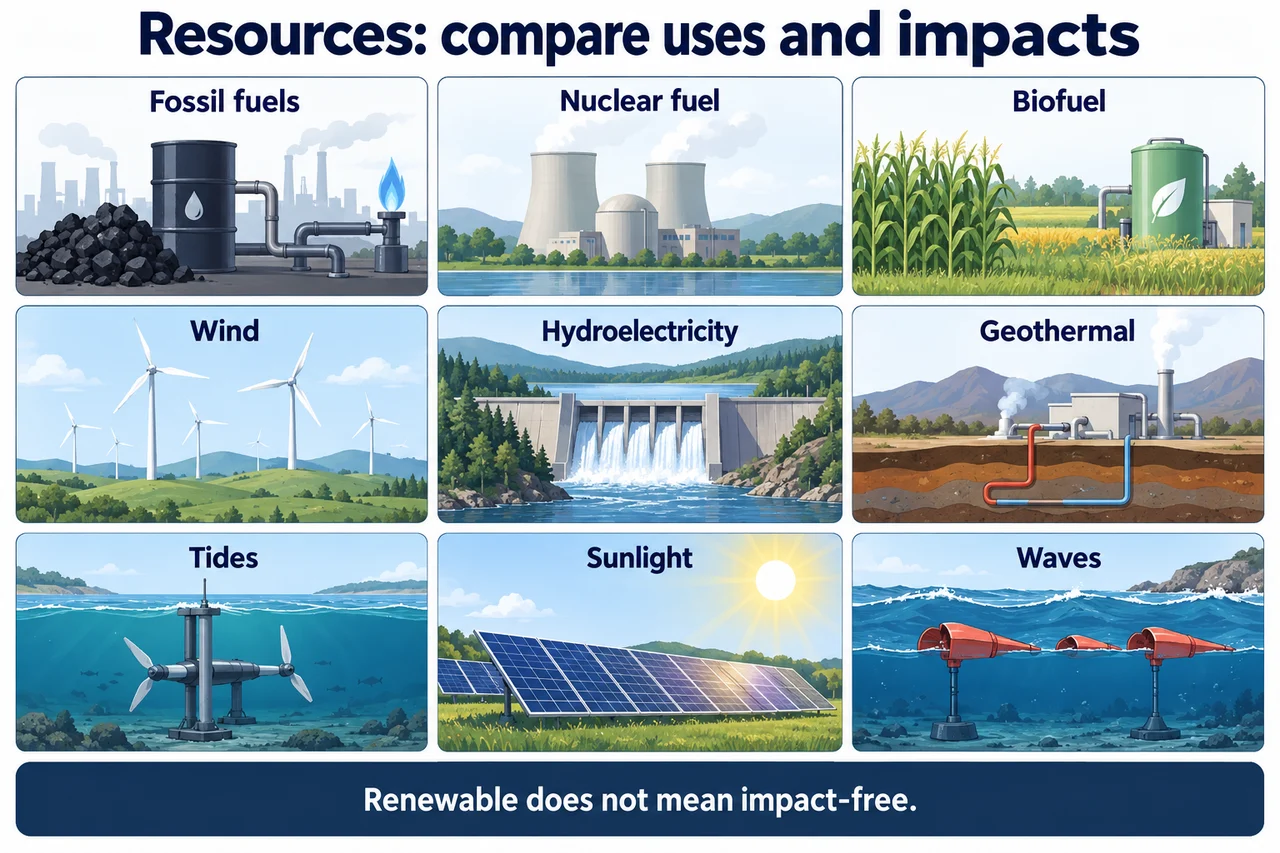
Comparing energy resources with evidence
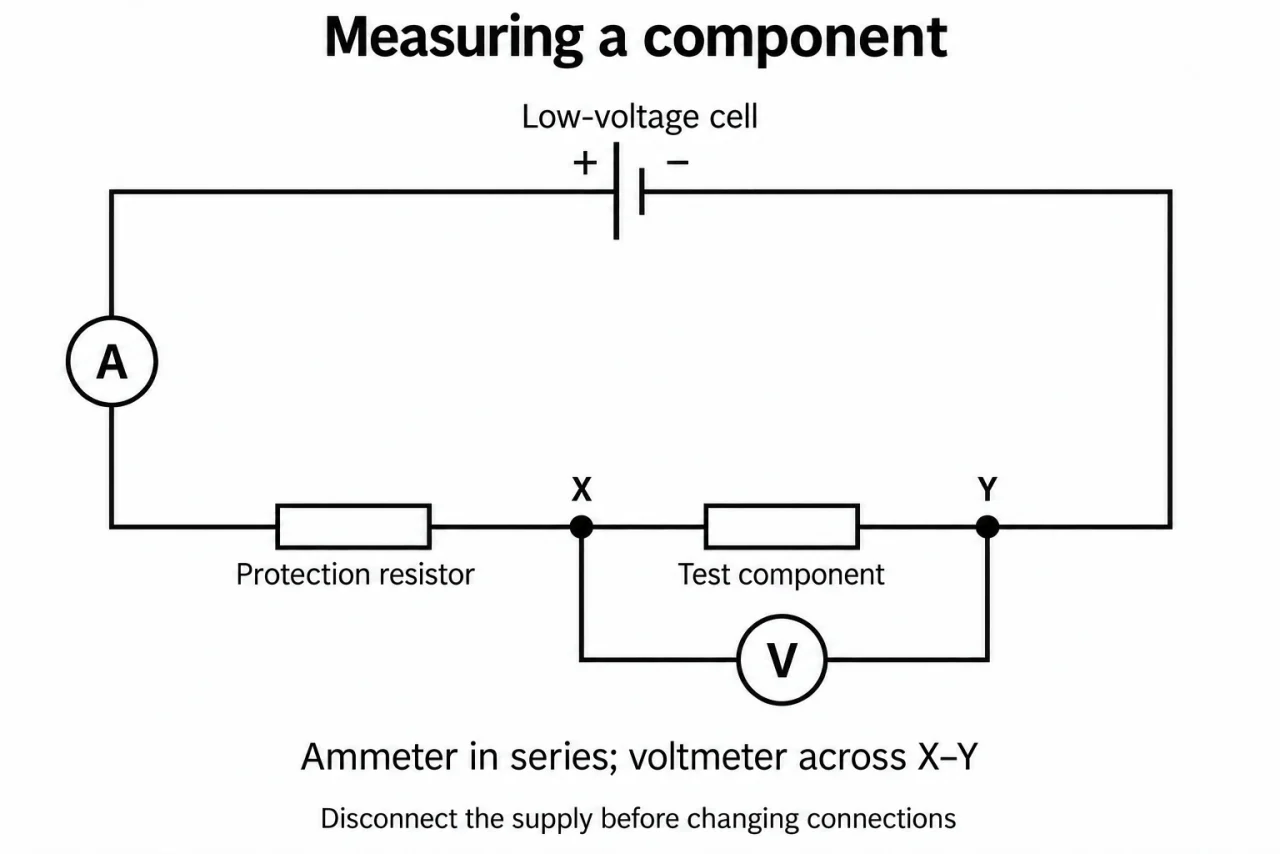
Reading and drawing a circuit
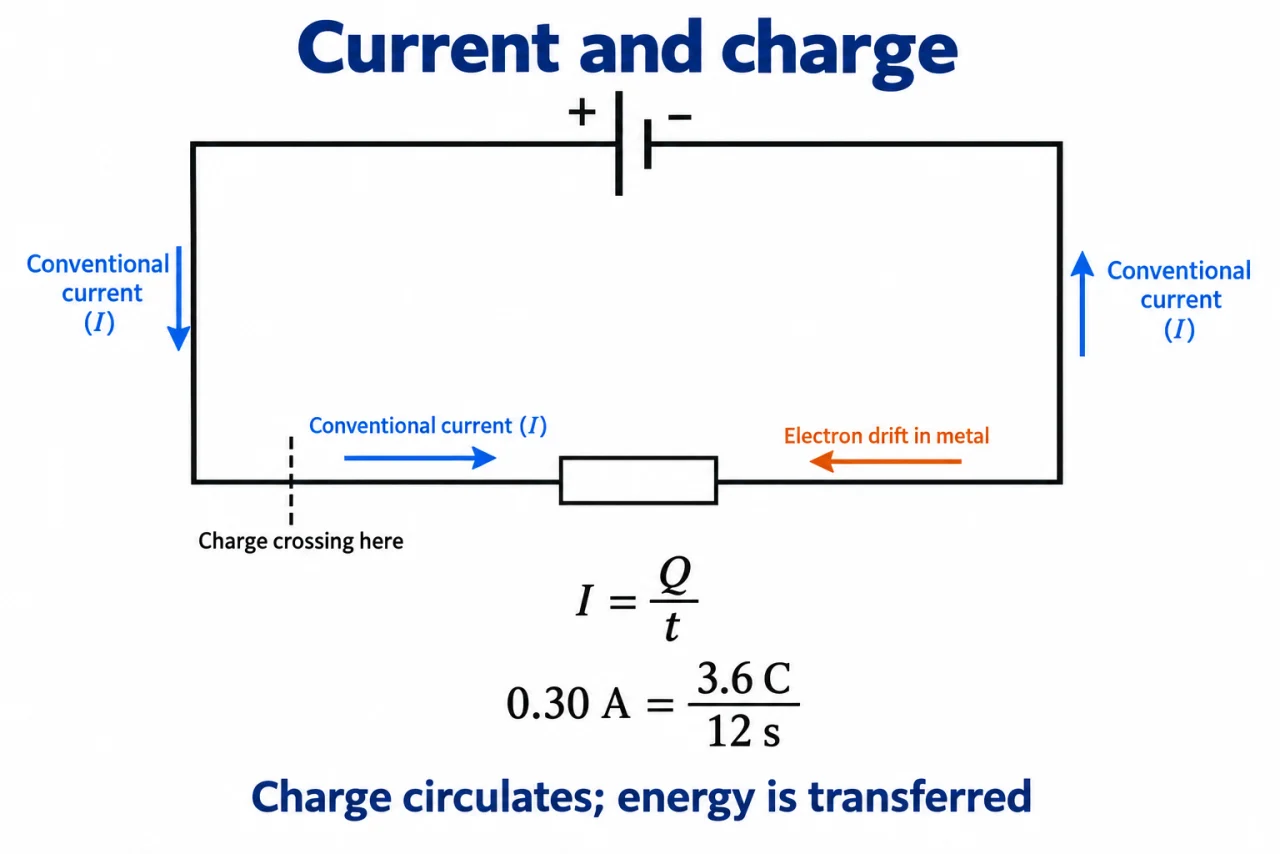
Current is a rate of charge flow
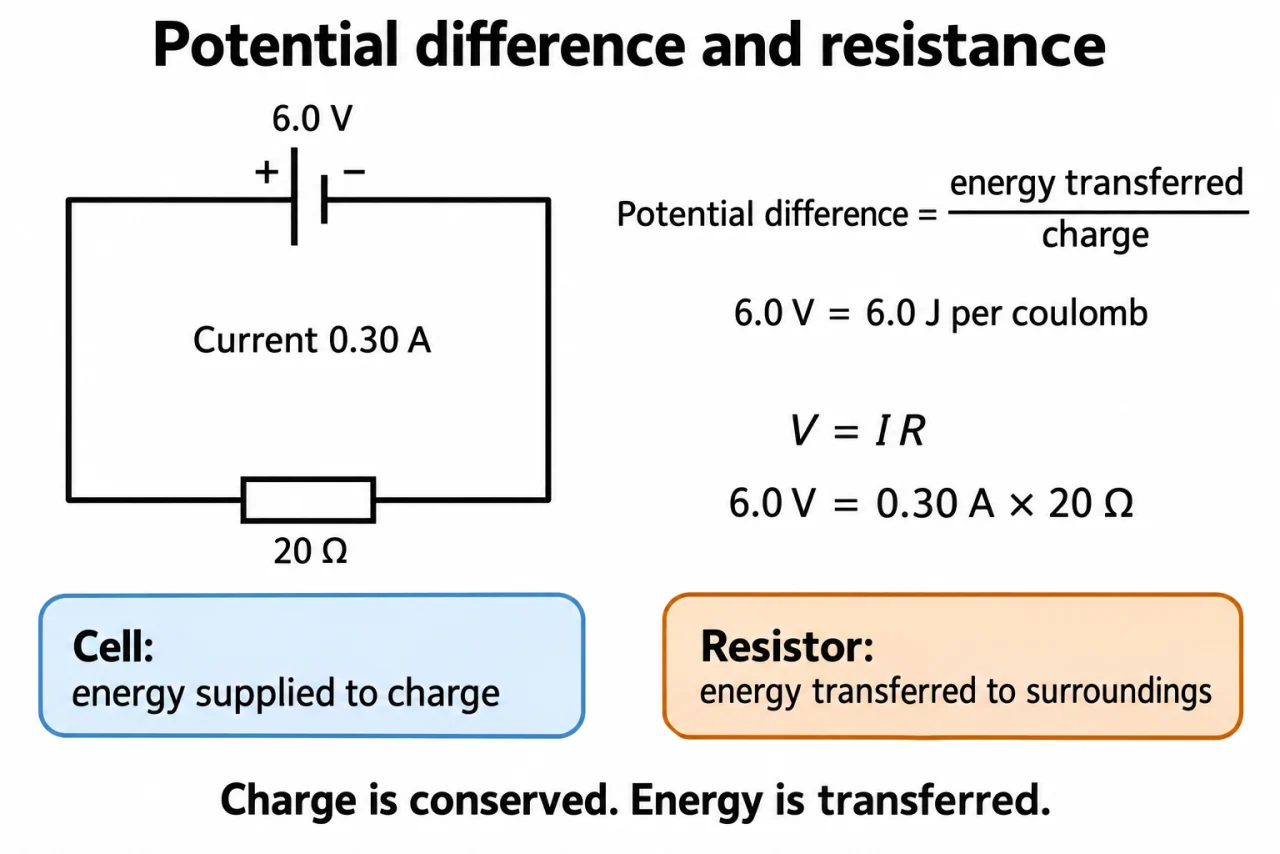
Potential difference and resistance
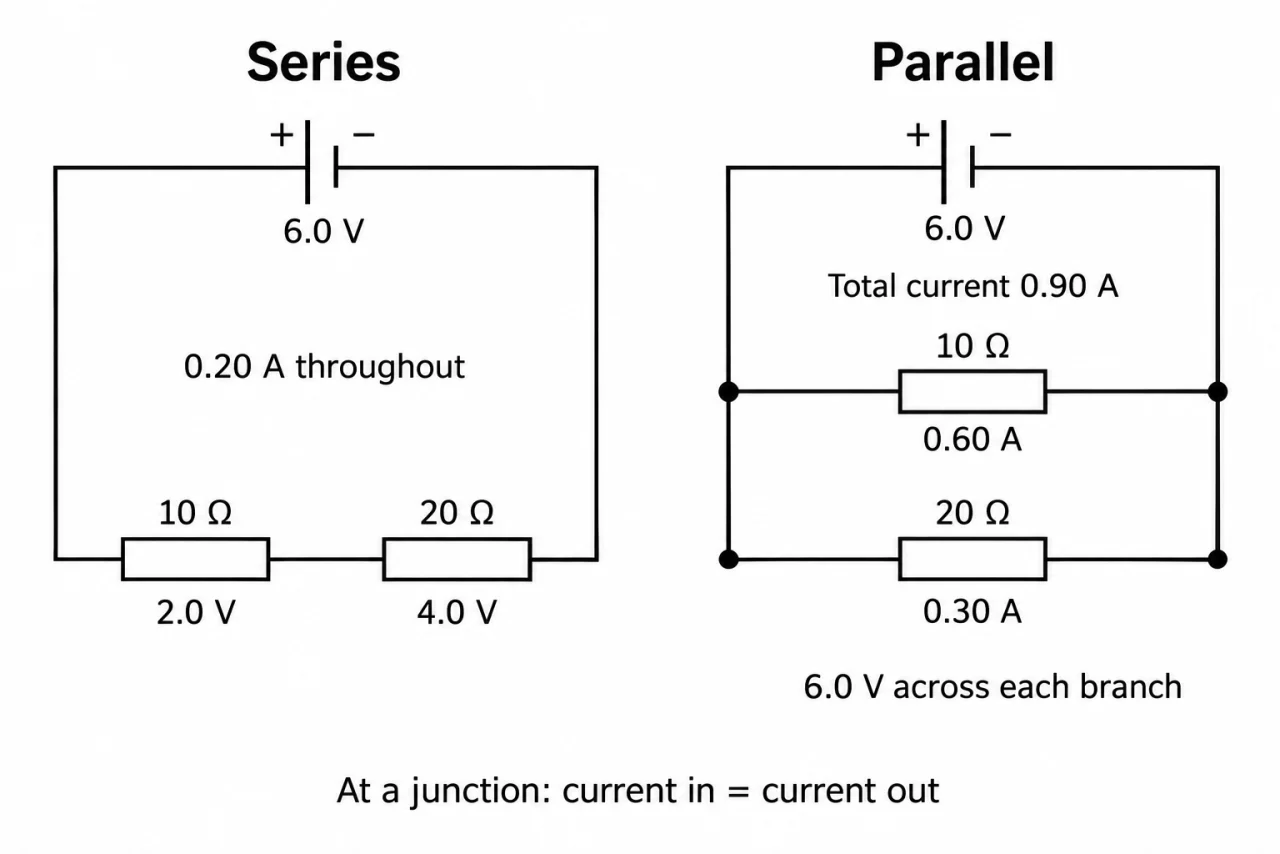
Solving a series circuit
Parallel branches and charge conservation
This practical study: resistance of a wire
This practical study: testing resistor combinations
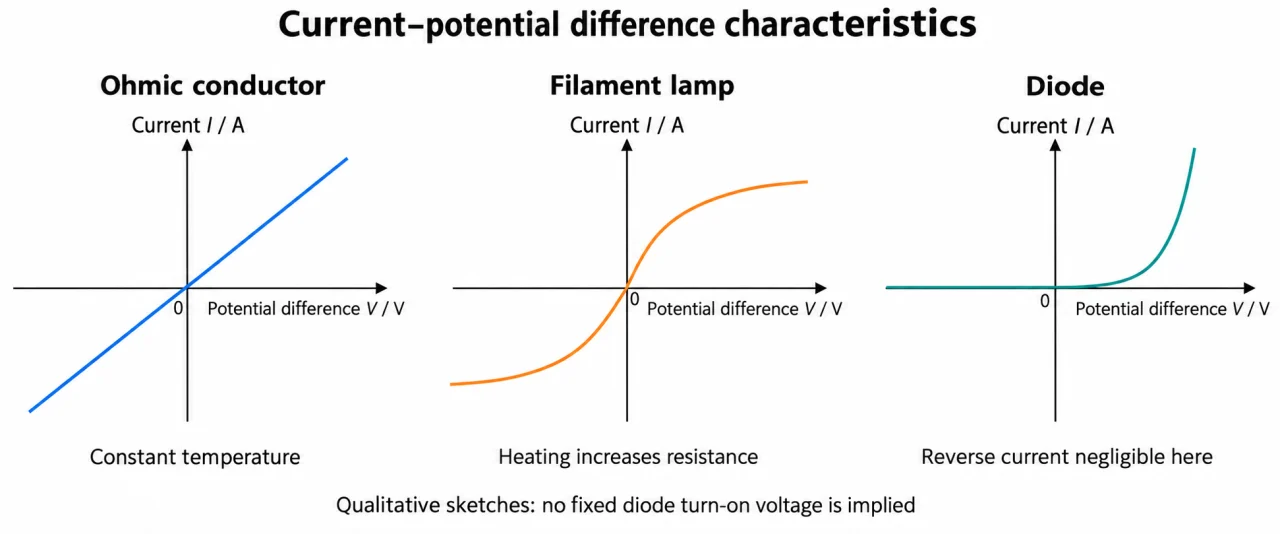
Why I–V graphs have different shapes
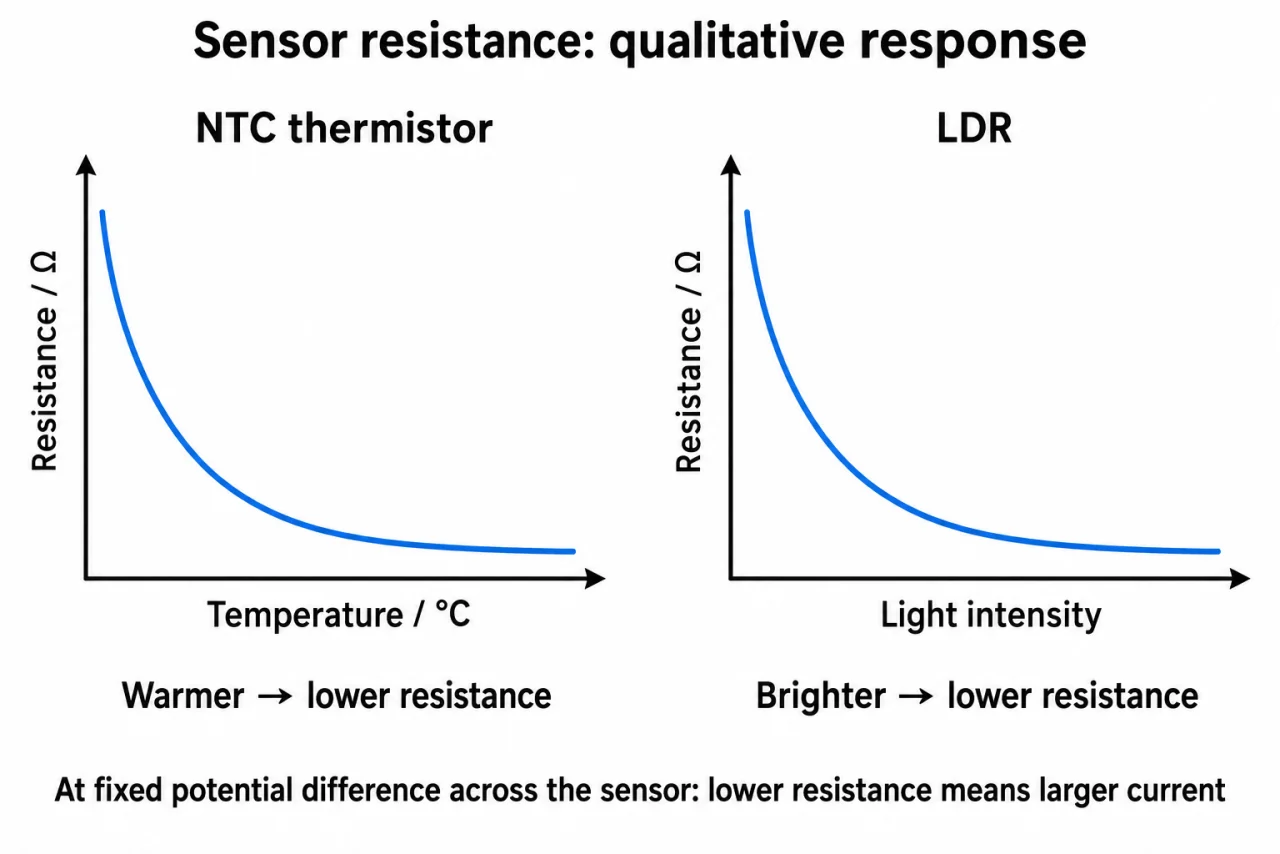
Thermistors and LDRs as sensors
This practical study: collecting I–V evidence
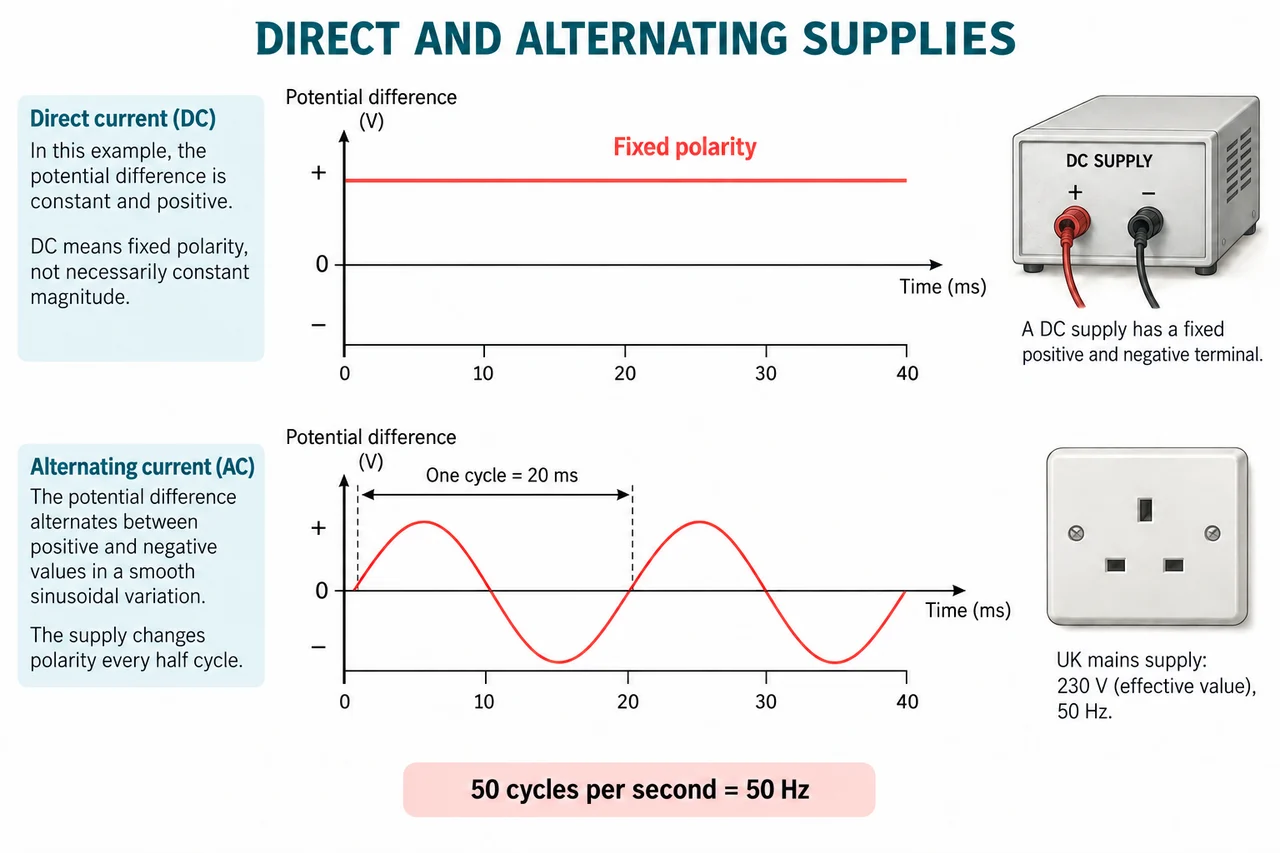
Direct and alternating supplies
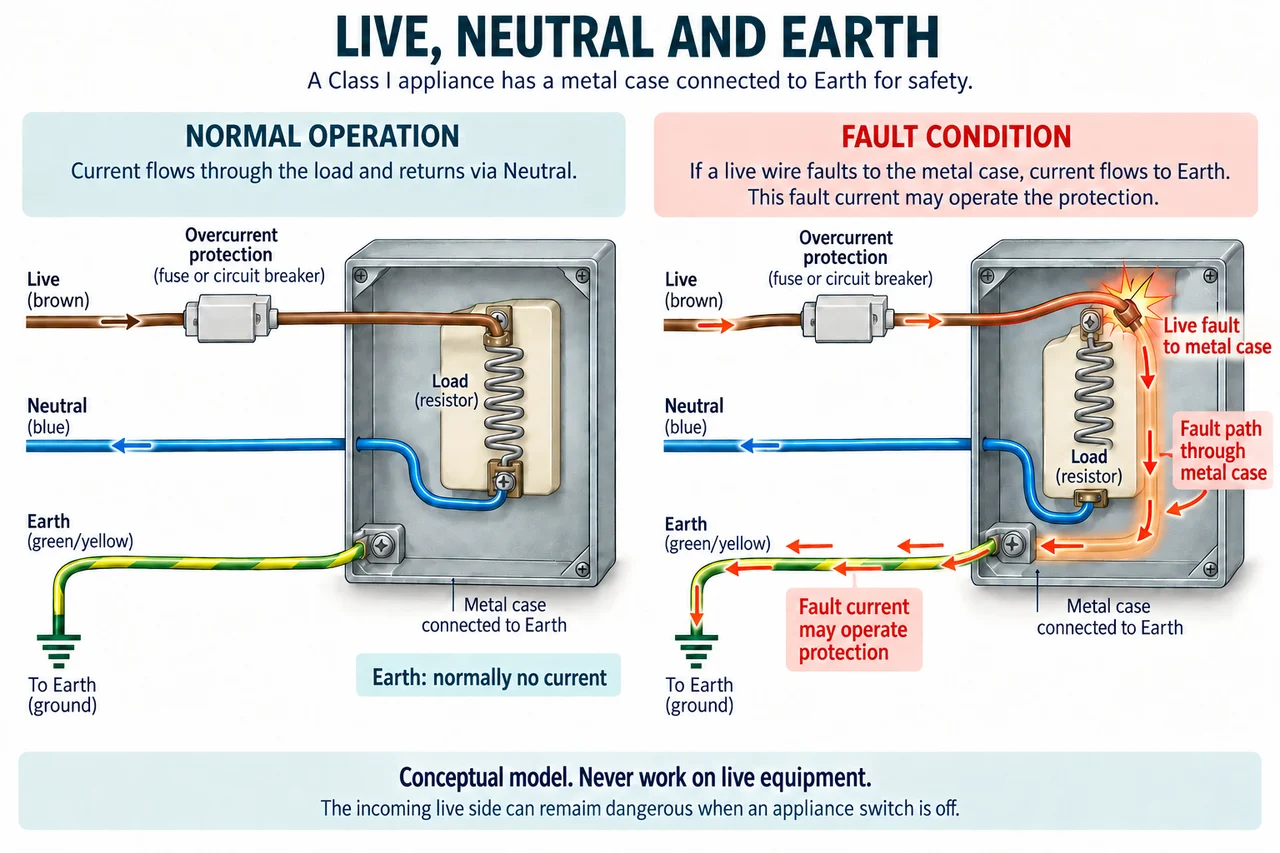
Live, neutral and earth: explaining mains hazards
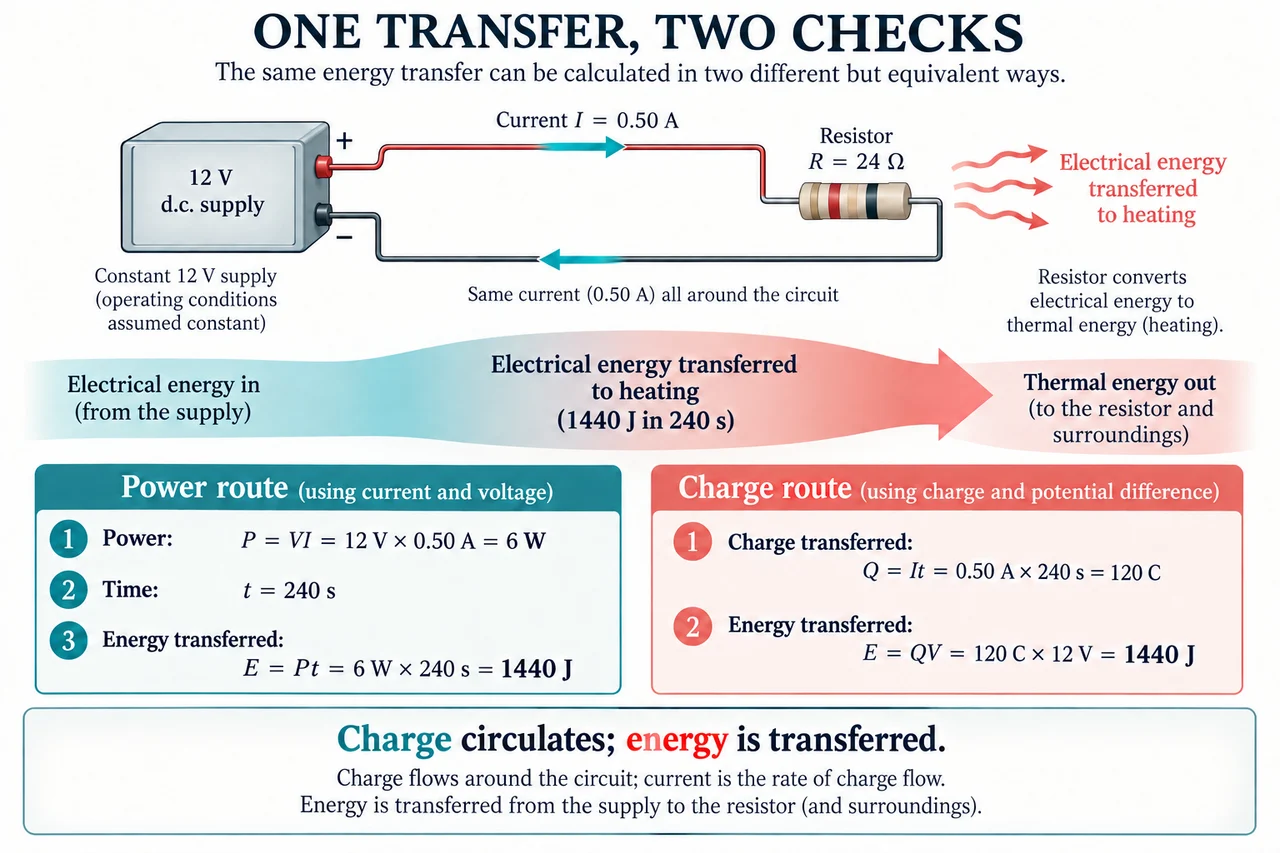
Electrical power, charge and appliance transfers
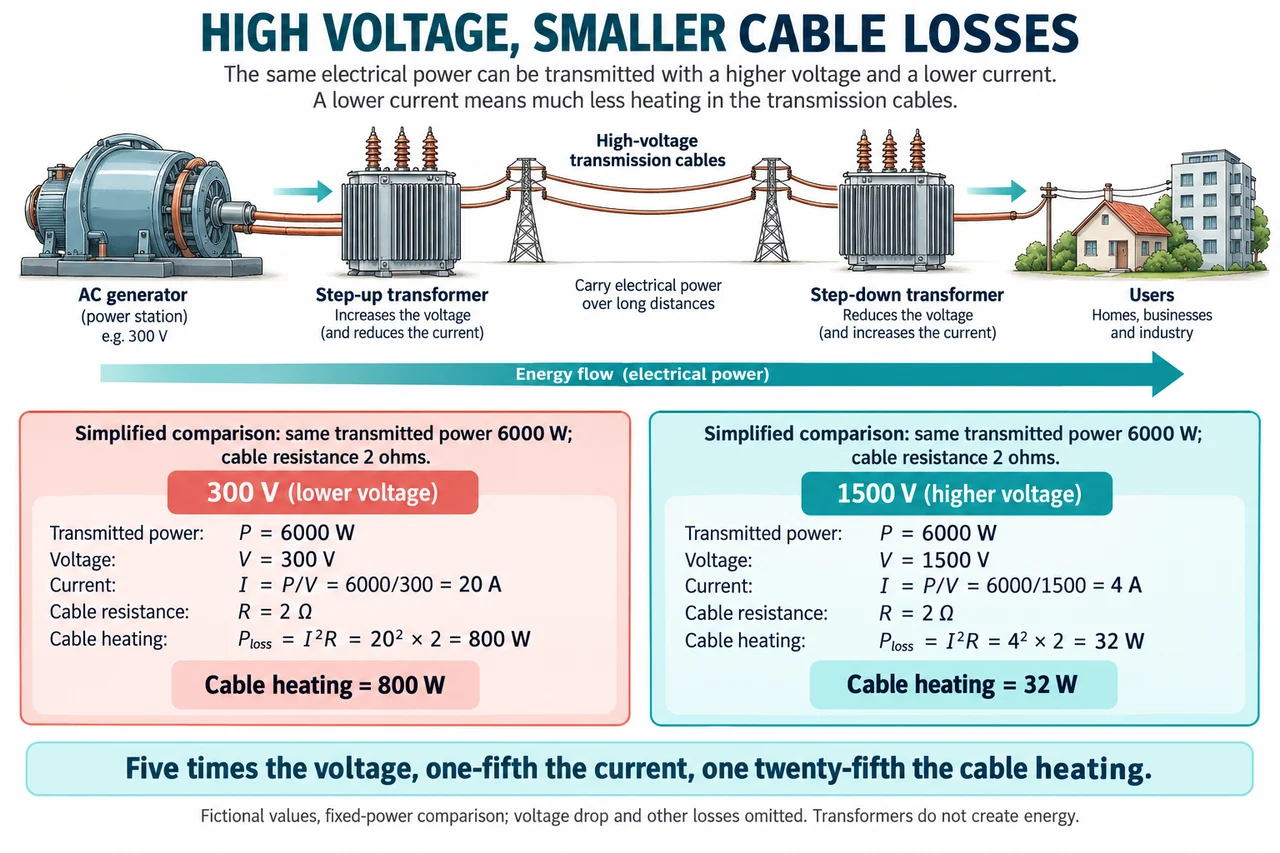
Why the National Grid uses high potential difference
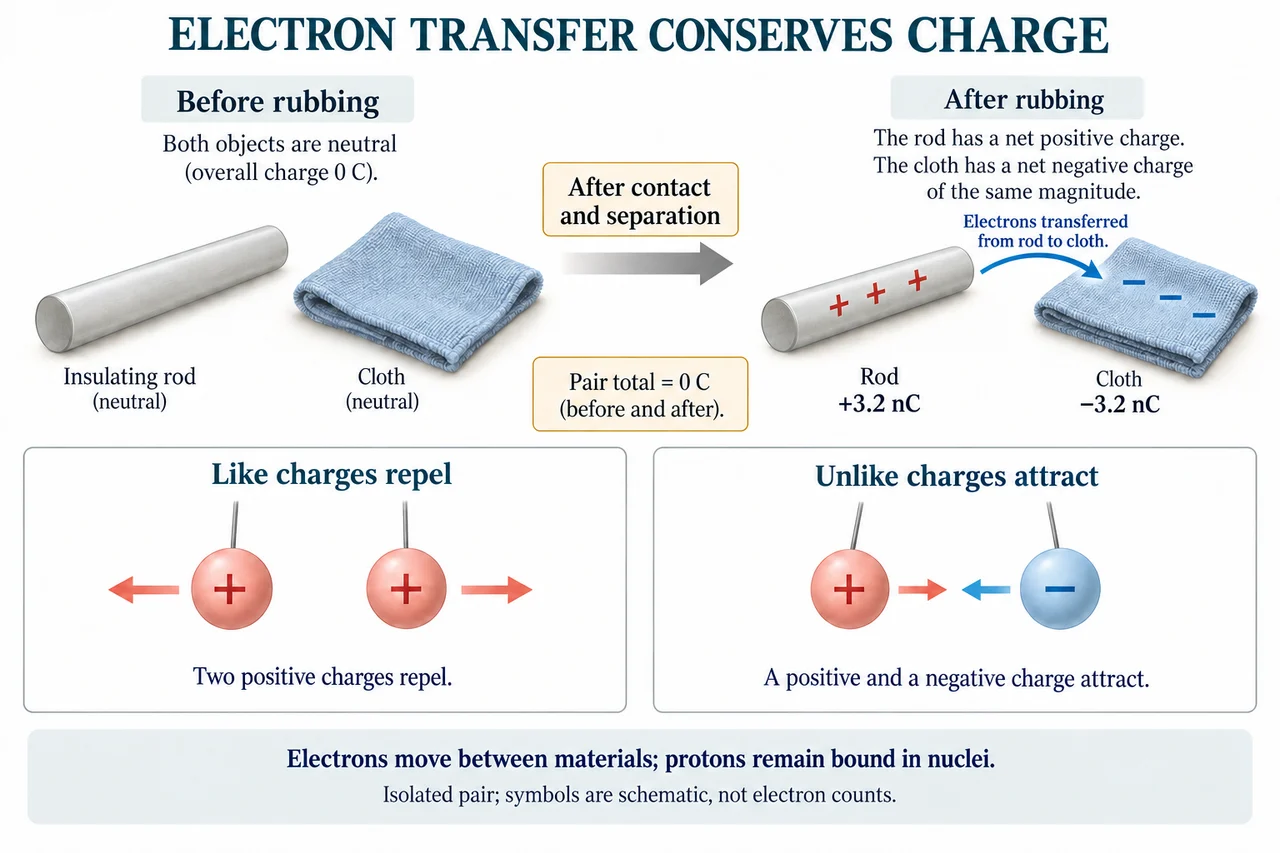
Static charge: electron transfer and forces
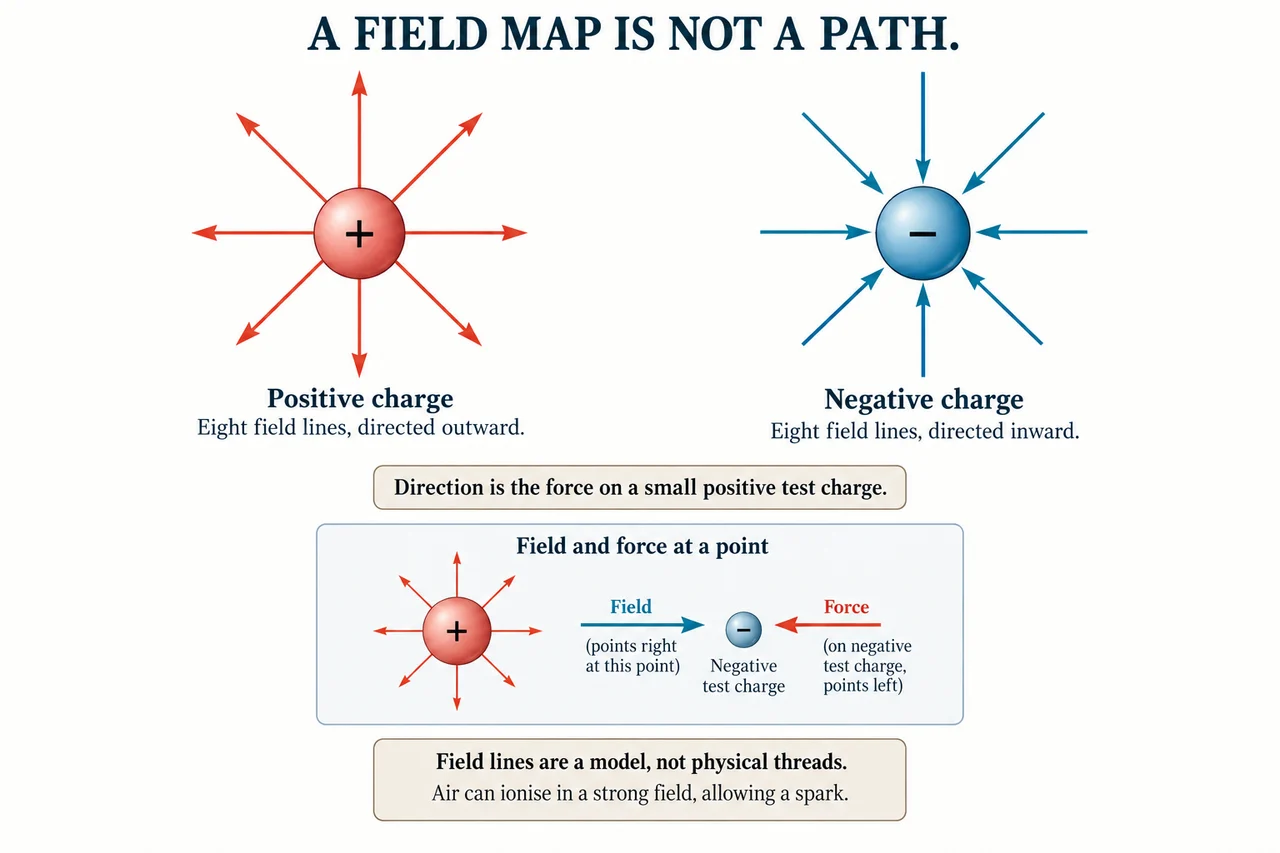
Electric fields and why air can spark
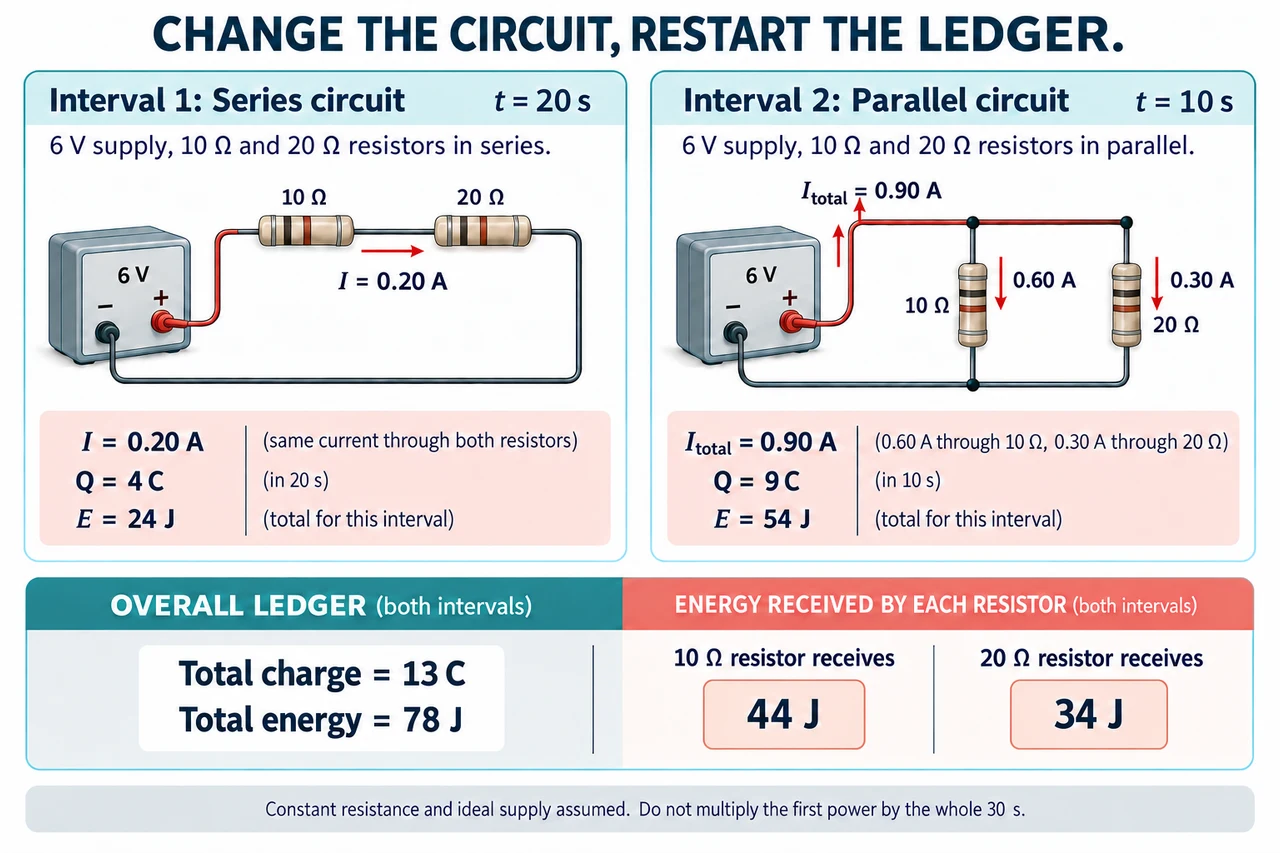
Auditing electrical transfers when operating conditions change
Testing a resistance claim with uncertainty and an intercept
Constructing and challenging component graphs
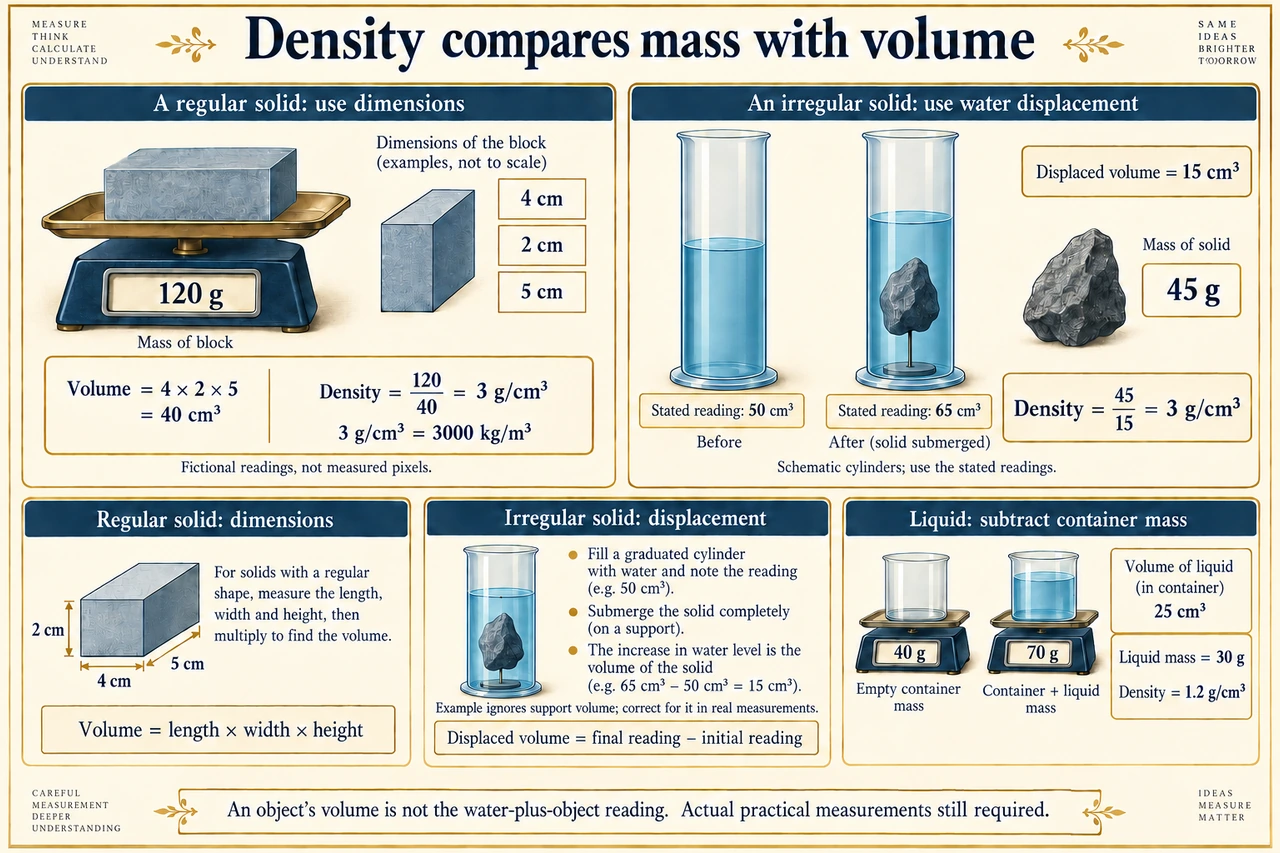
Density: choose a volume method, then test the result
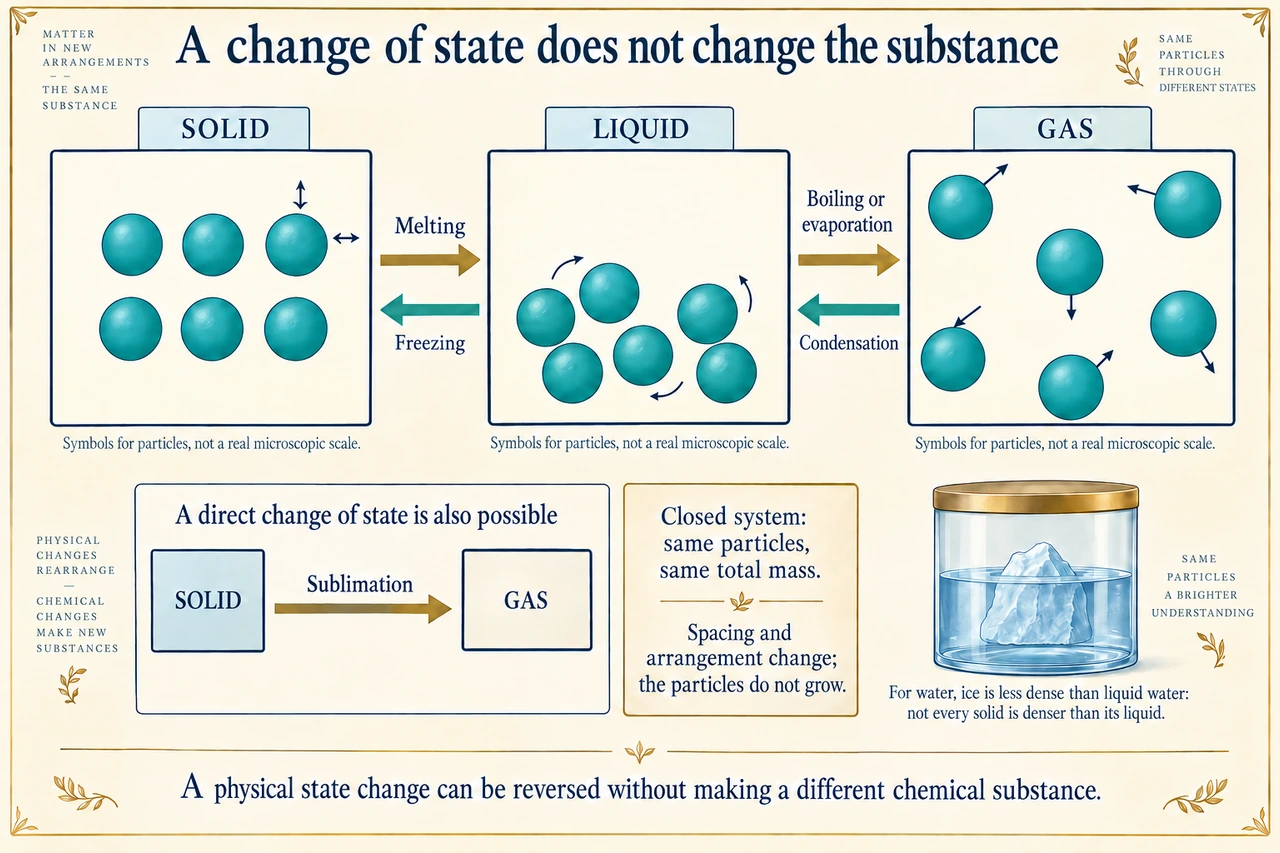
Changes of state: follow particles across a system boundary
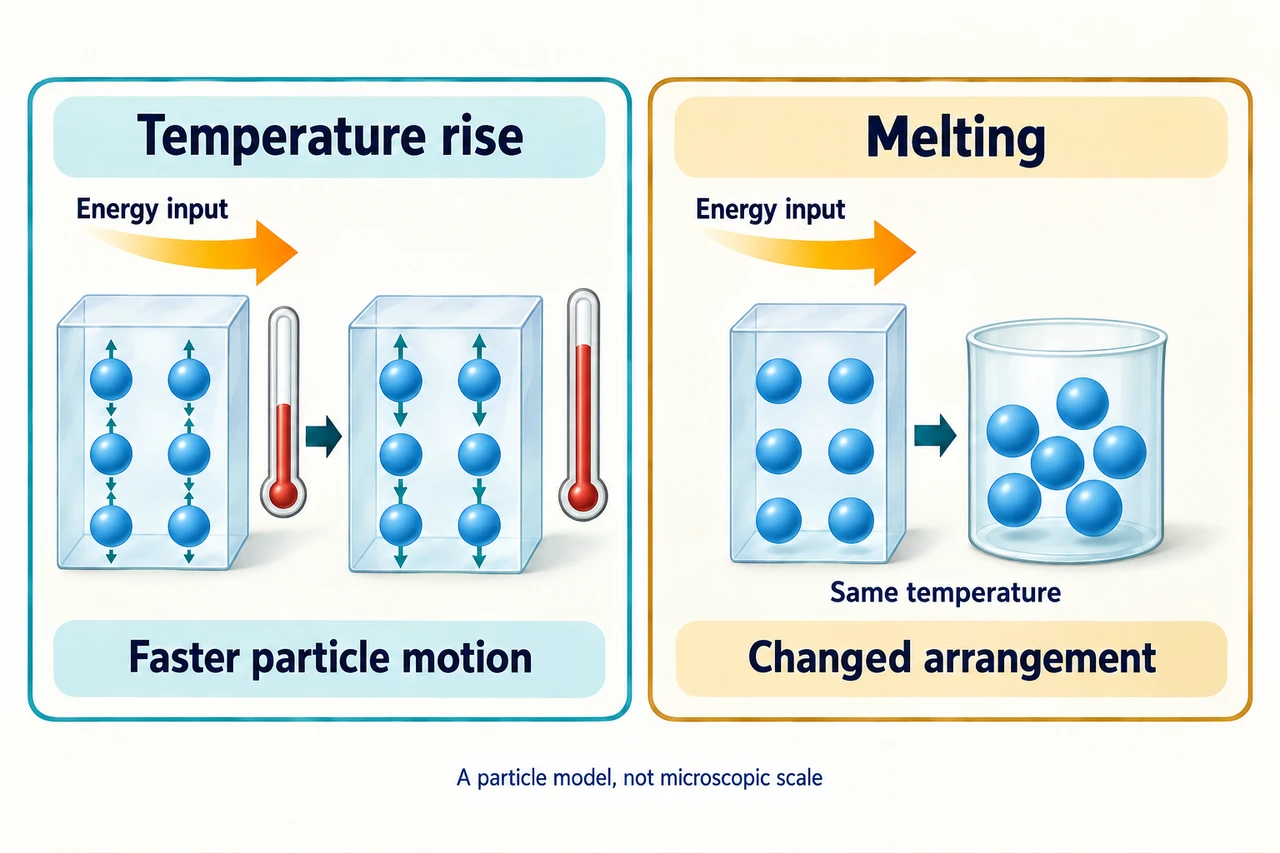
Energy inside matter
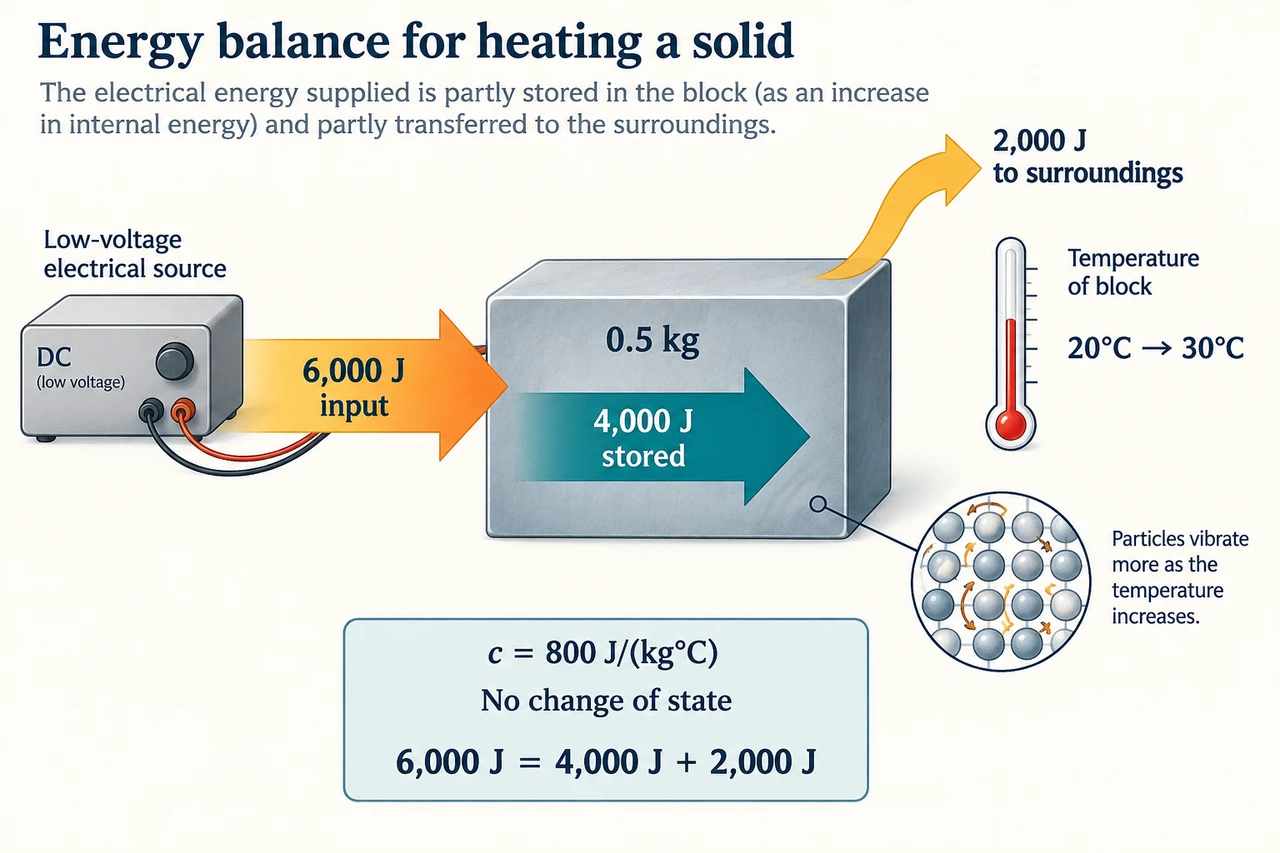
Temperature rise after accounting for loss
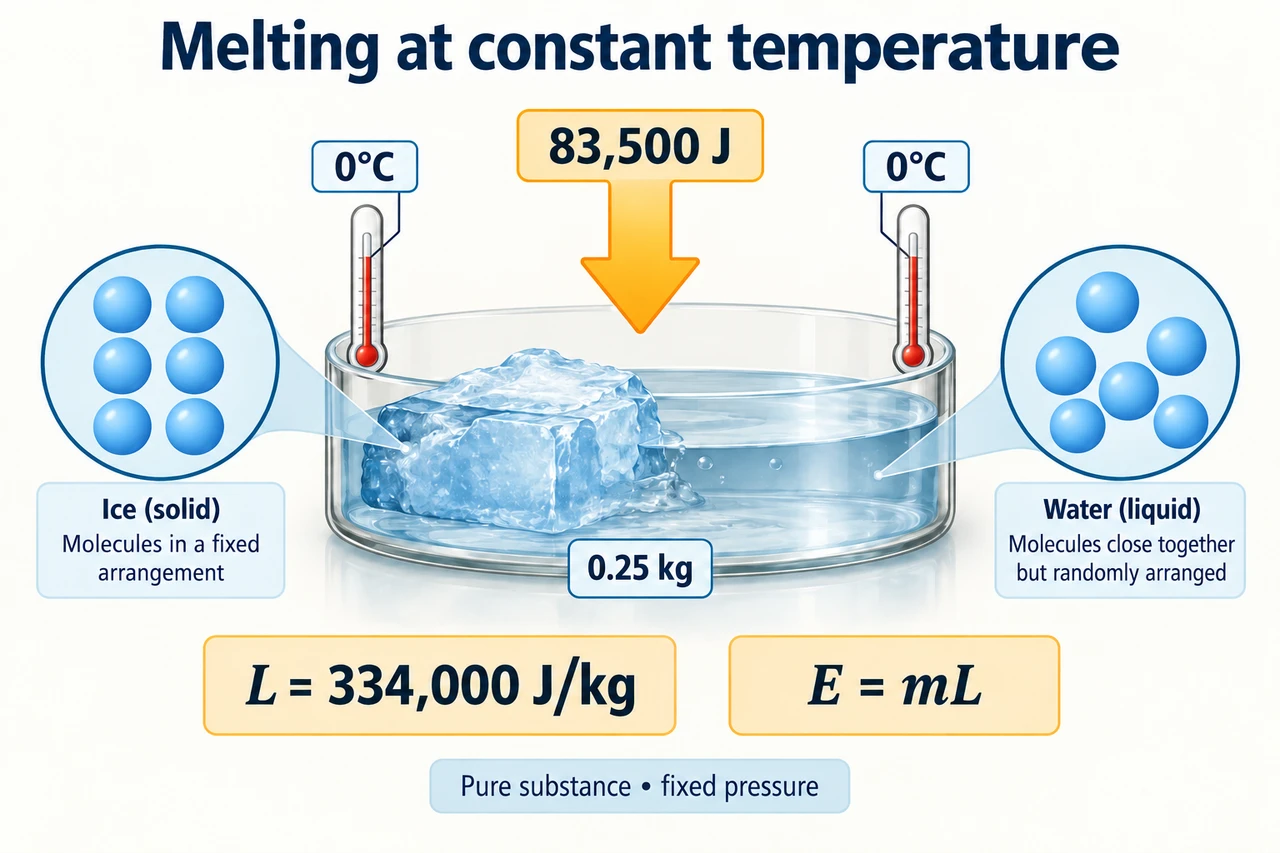
Energy changes during melting and boiling
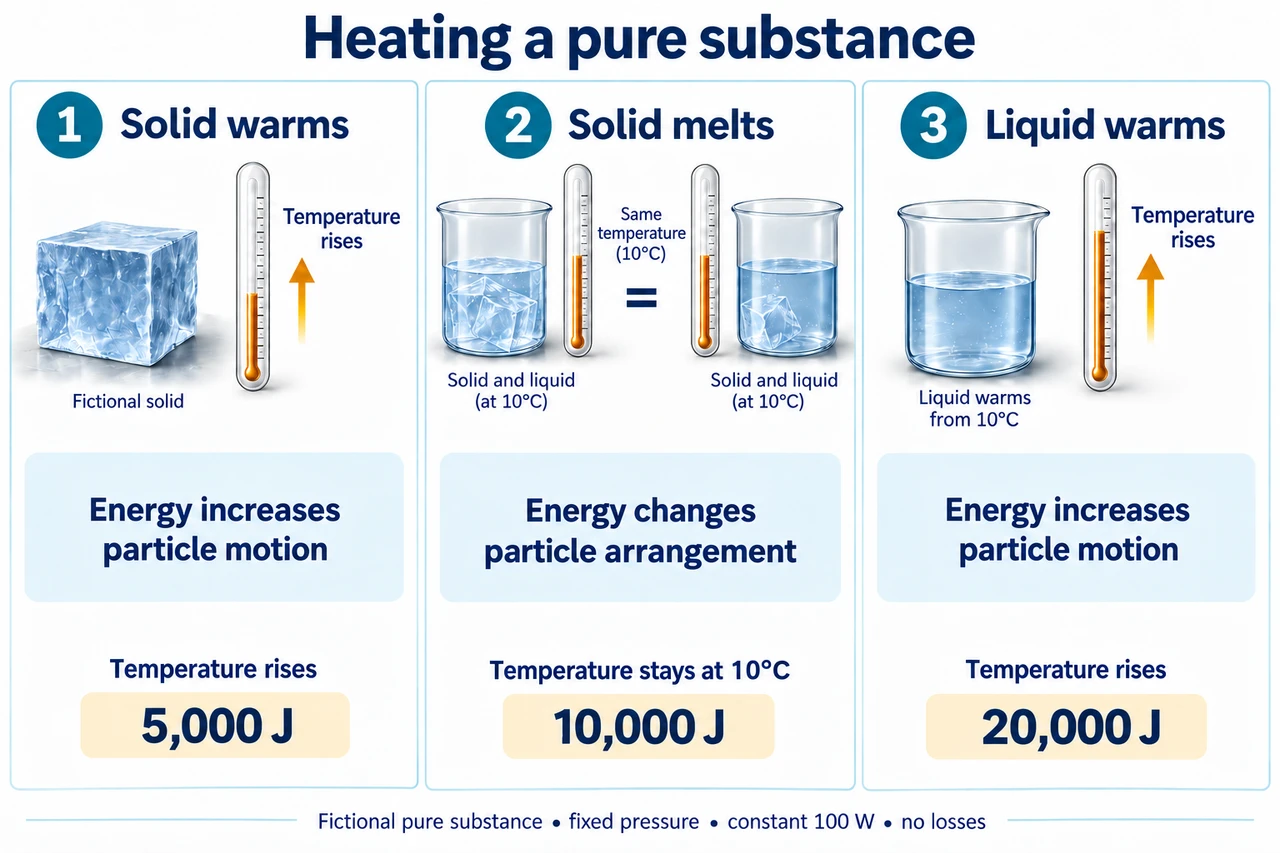
Reading a heating curve as an energy account
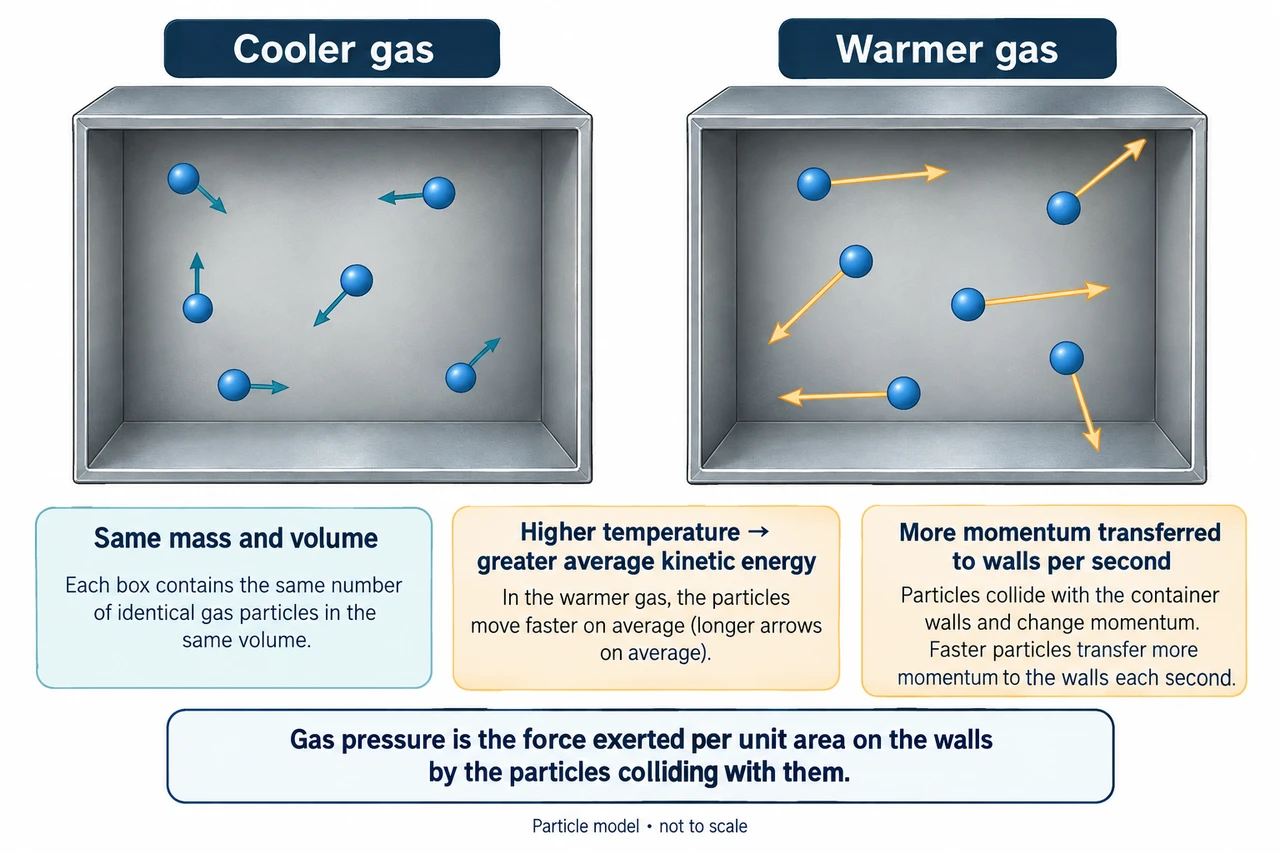
Random motion and pressure at fixed volume
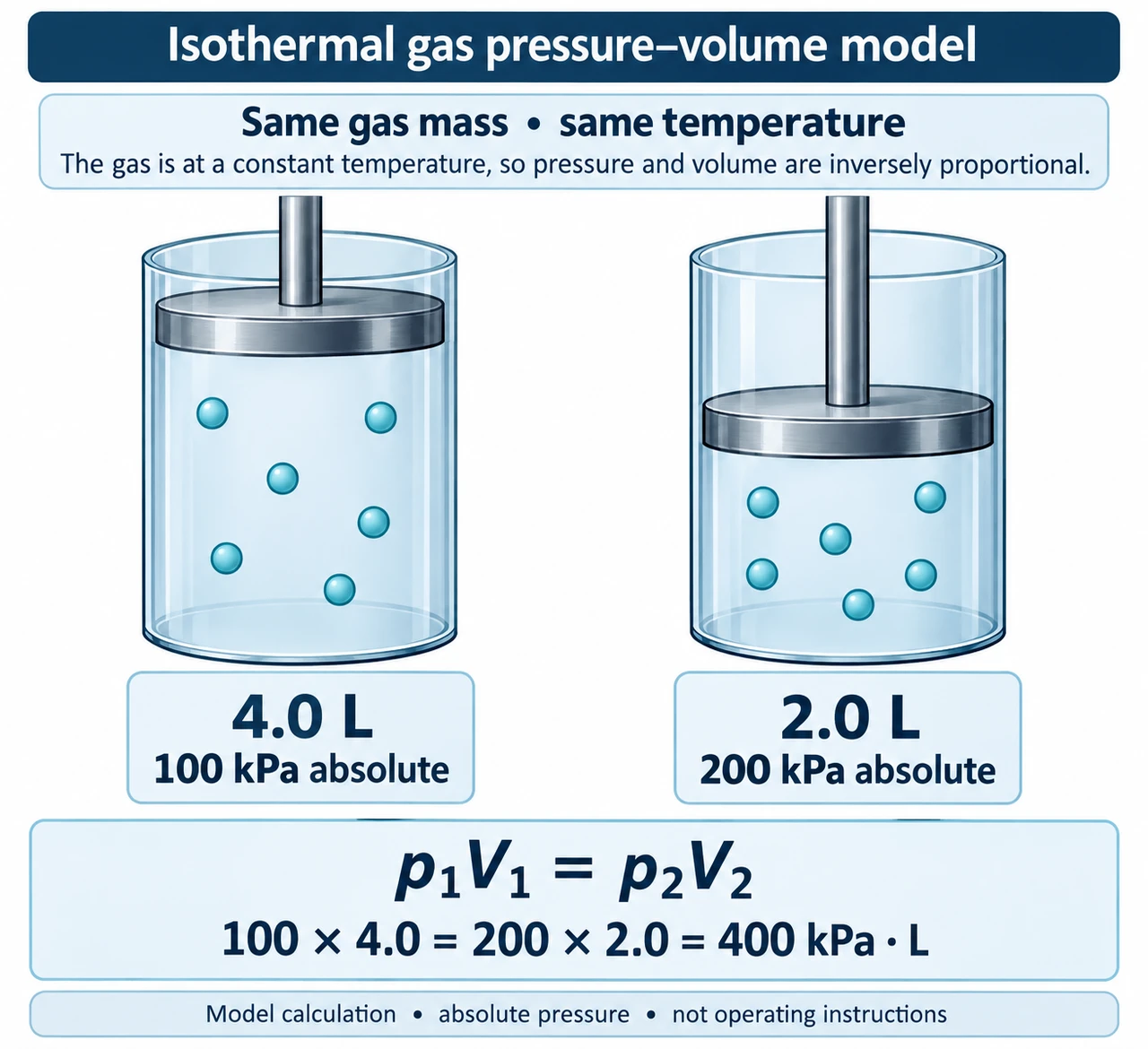
Changing volume at a controlled temperature
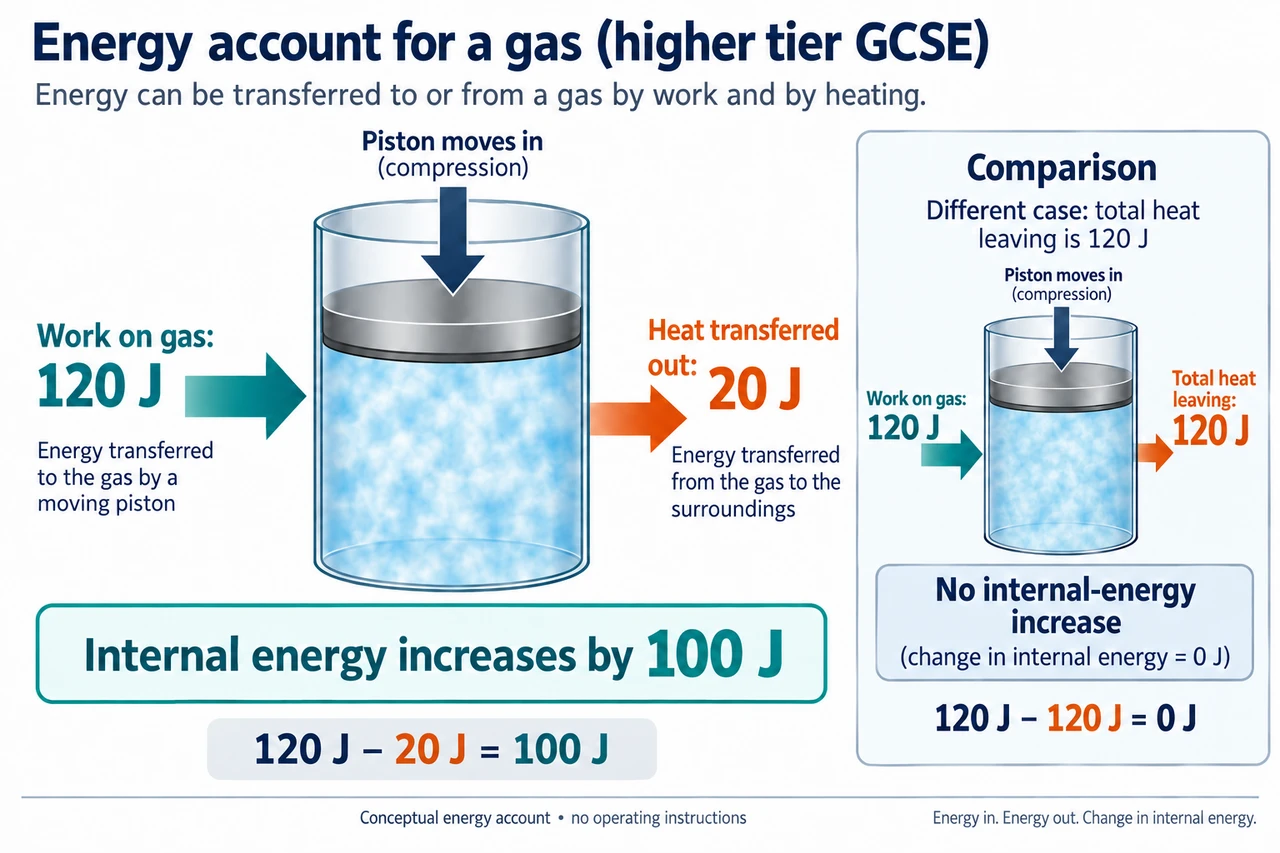
Compression work and internal energy
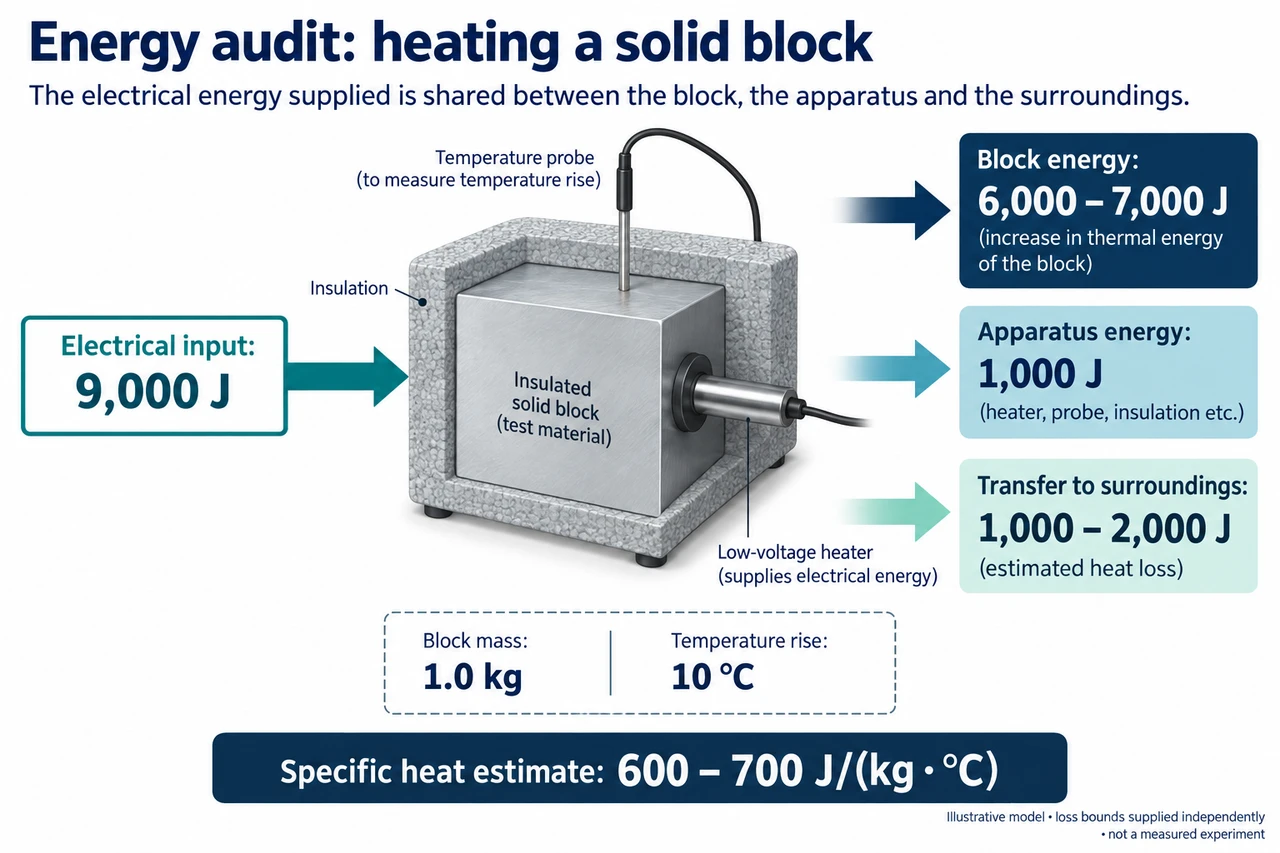
Testing a specific-heat estimate against its energy boundary
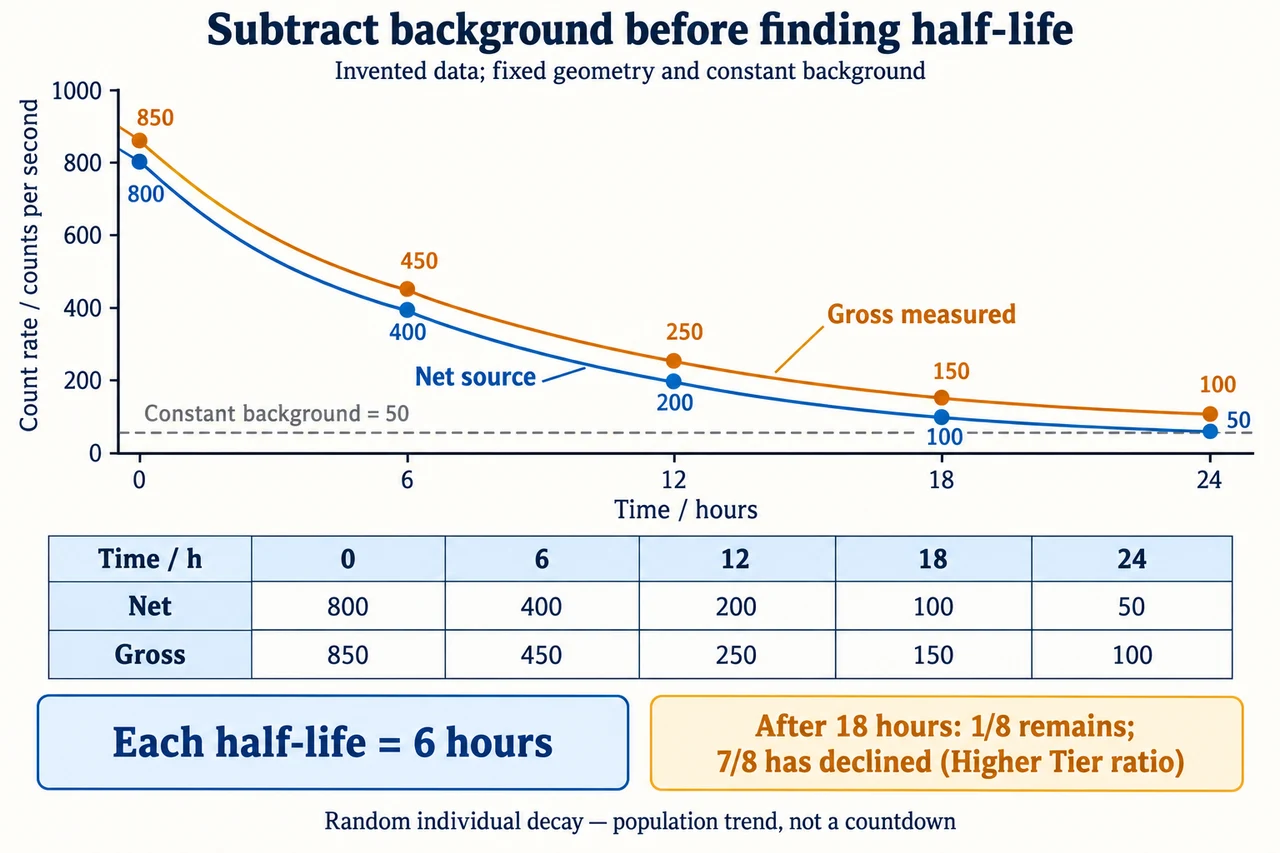
Half-life describes a population, not a countdown