← Explore the libraryPublic reading pack
UK A Level Biology · independent study · myAudience
Independent myAudience subject study using references for England. Published readings cover selected topics; full curriculum, assessment and practical coverage are not verified. No awarding-body affiliation, endorsement, qualification or grade guarantee is offered. Check the source specification and your centre for the requirements of your chosen course.
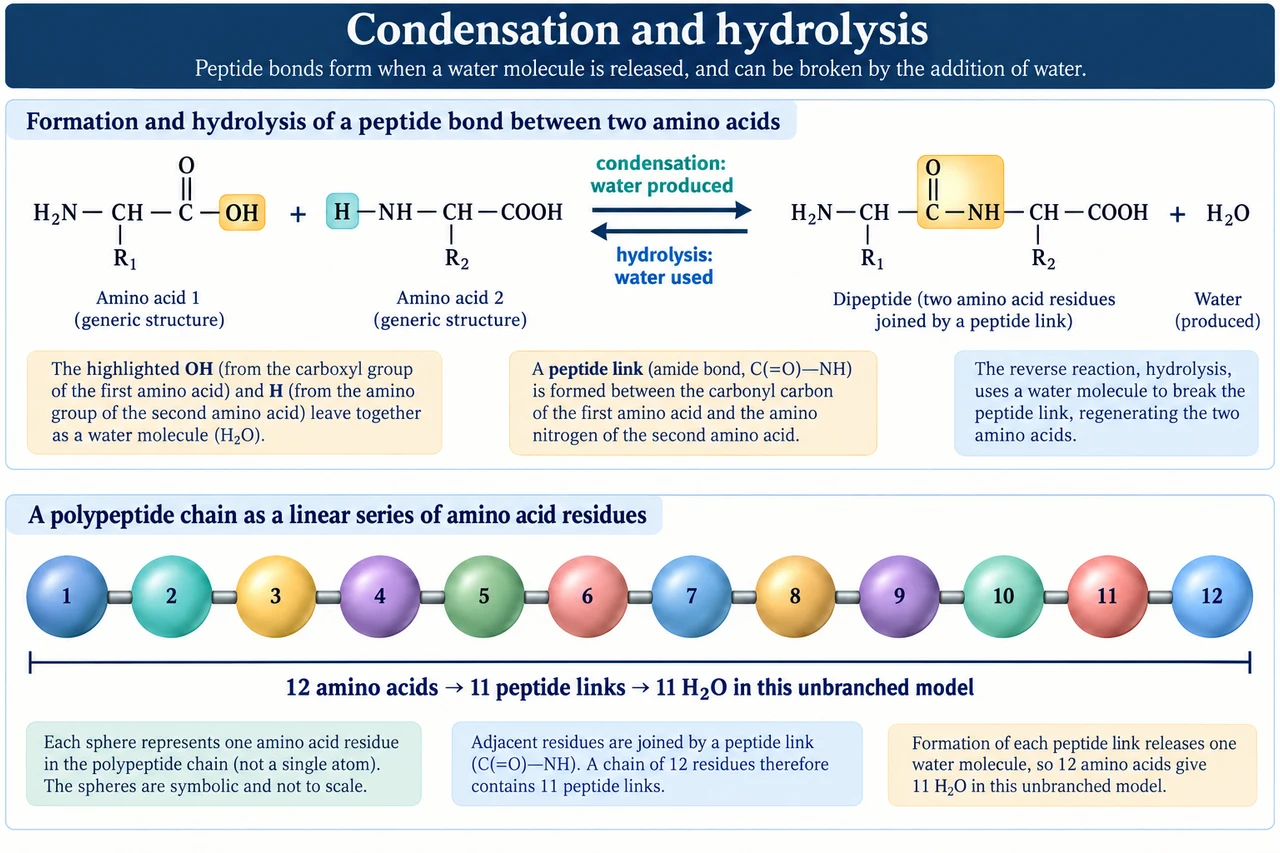
Building and breaking biological chains
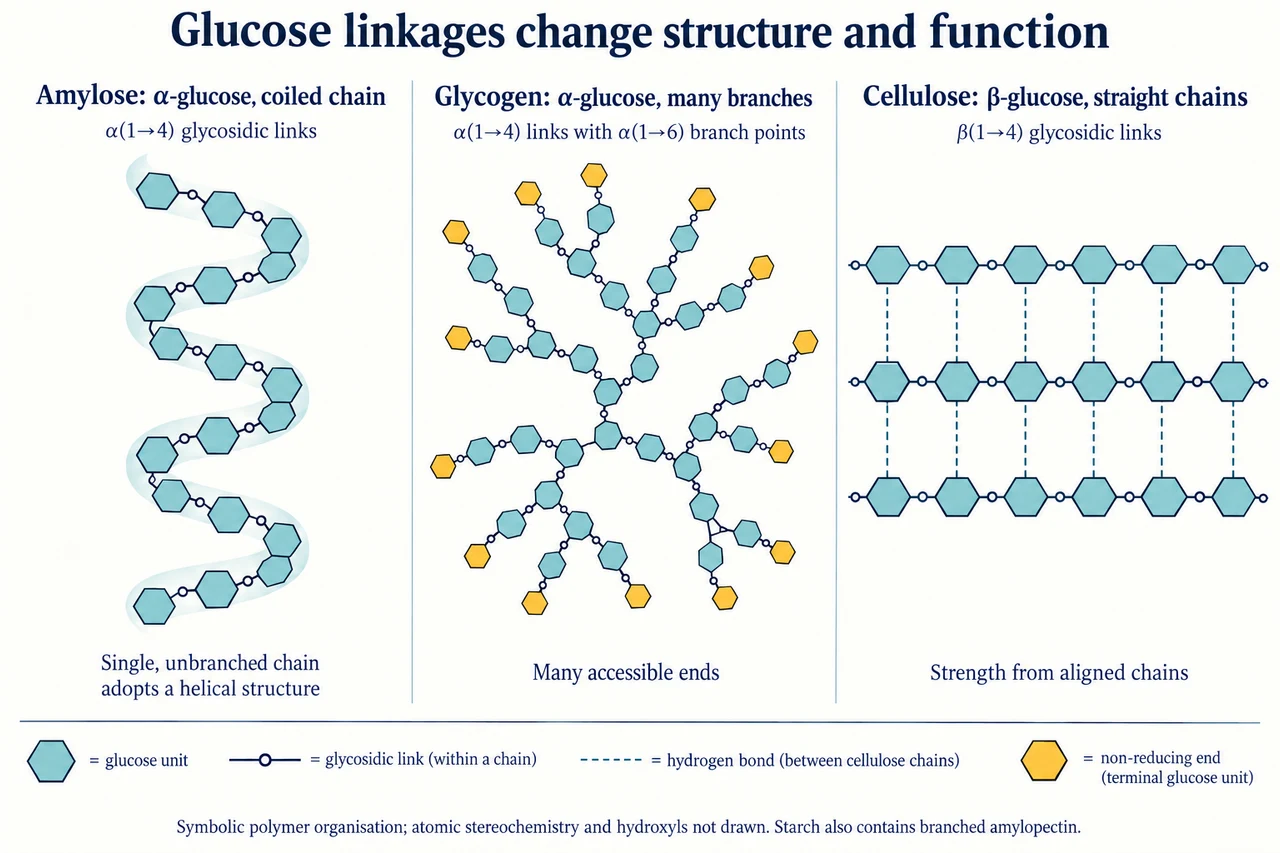
Why carbohydrate structure matters
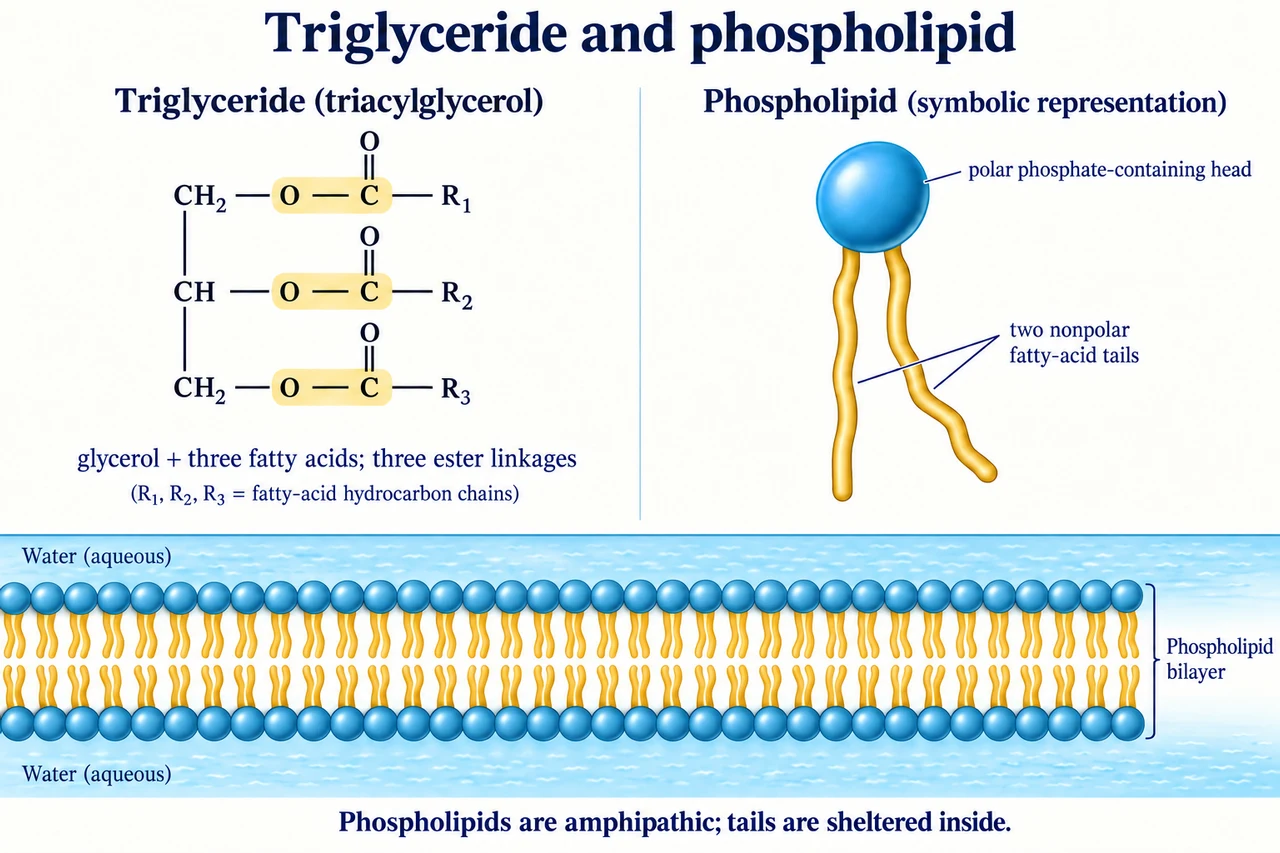
Two lipid structures, different jobs
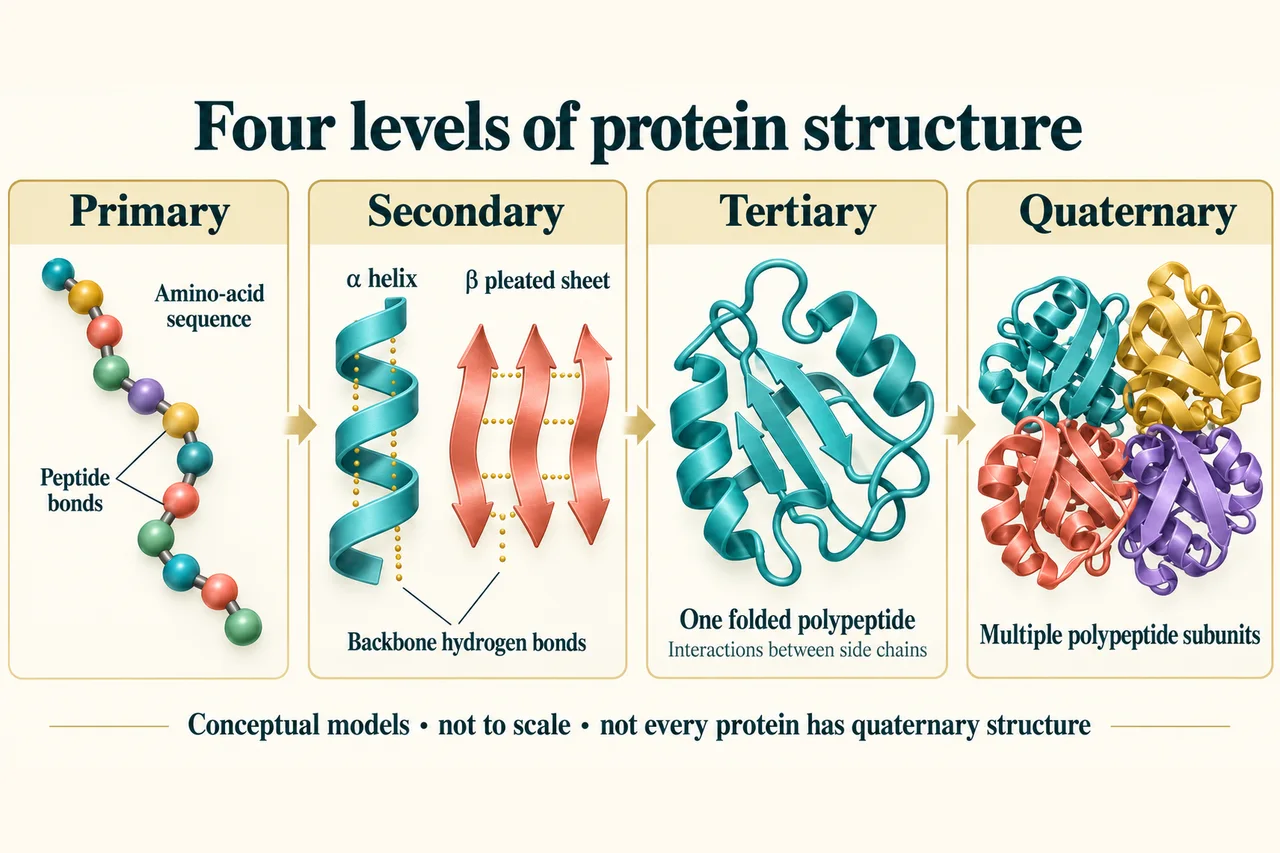
From amino-acid sequence to protein shape
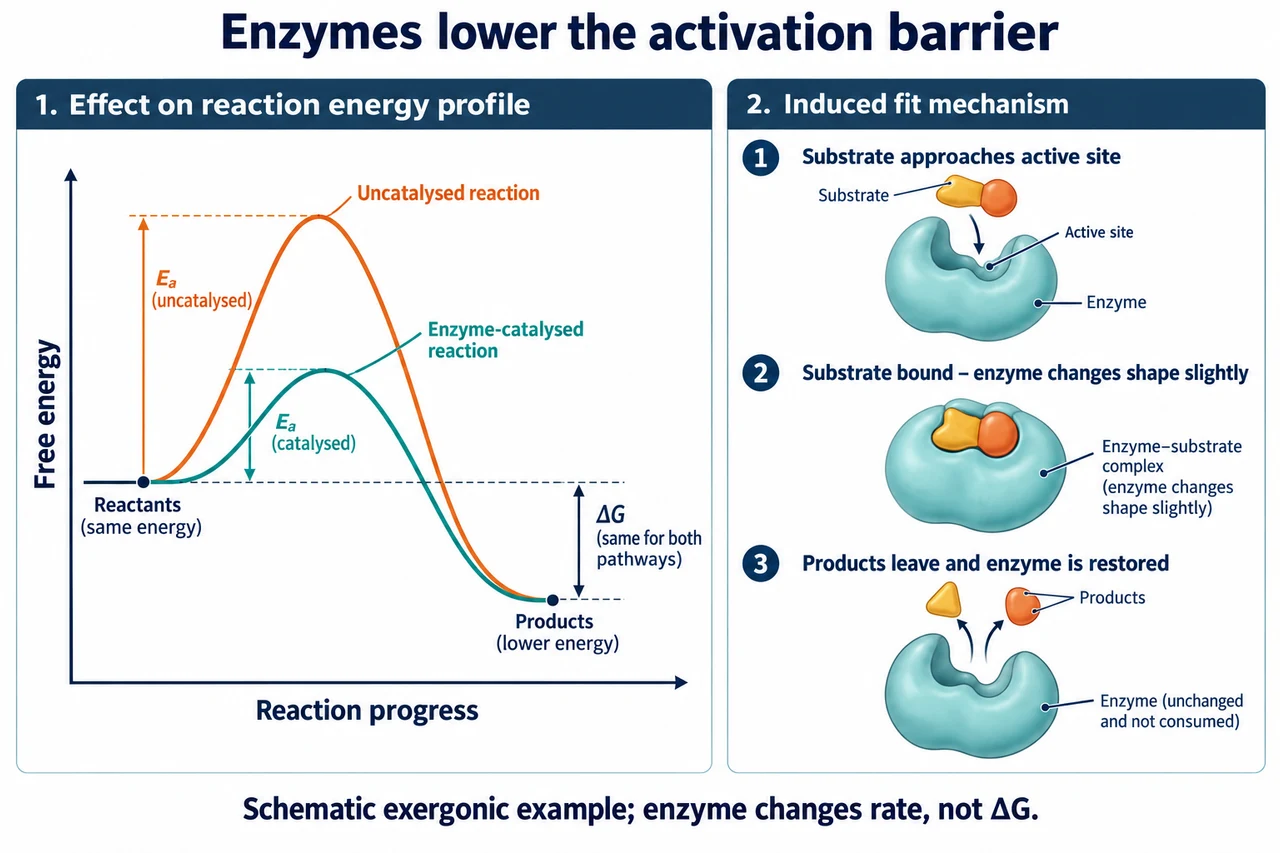
Enzymes change reaction rates
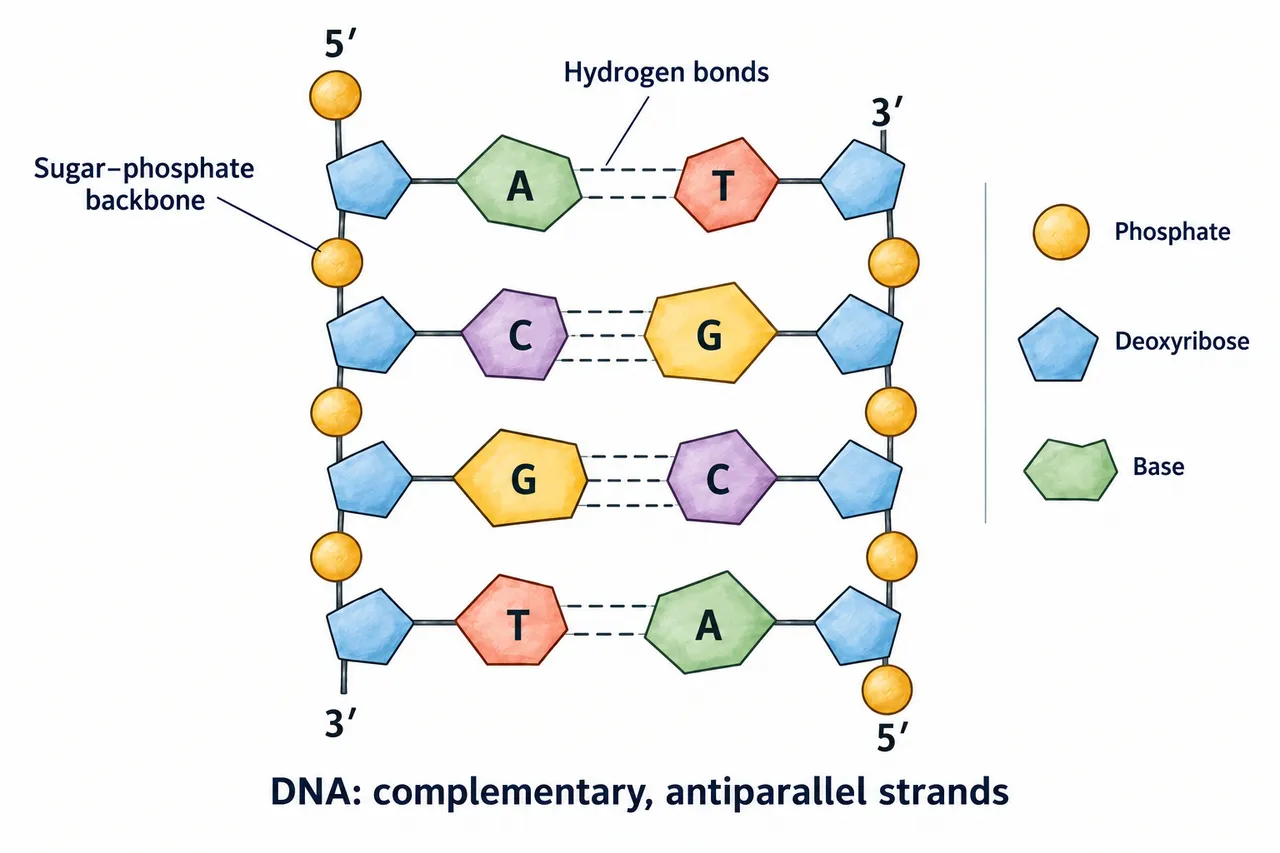
Reading DNA and RNA structures
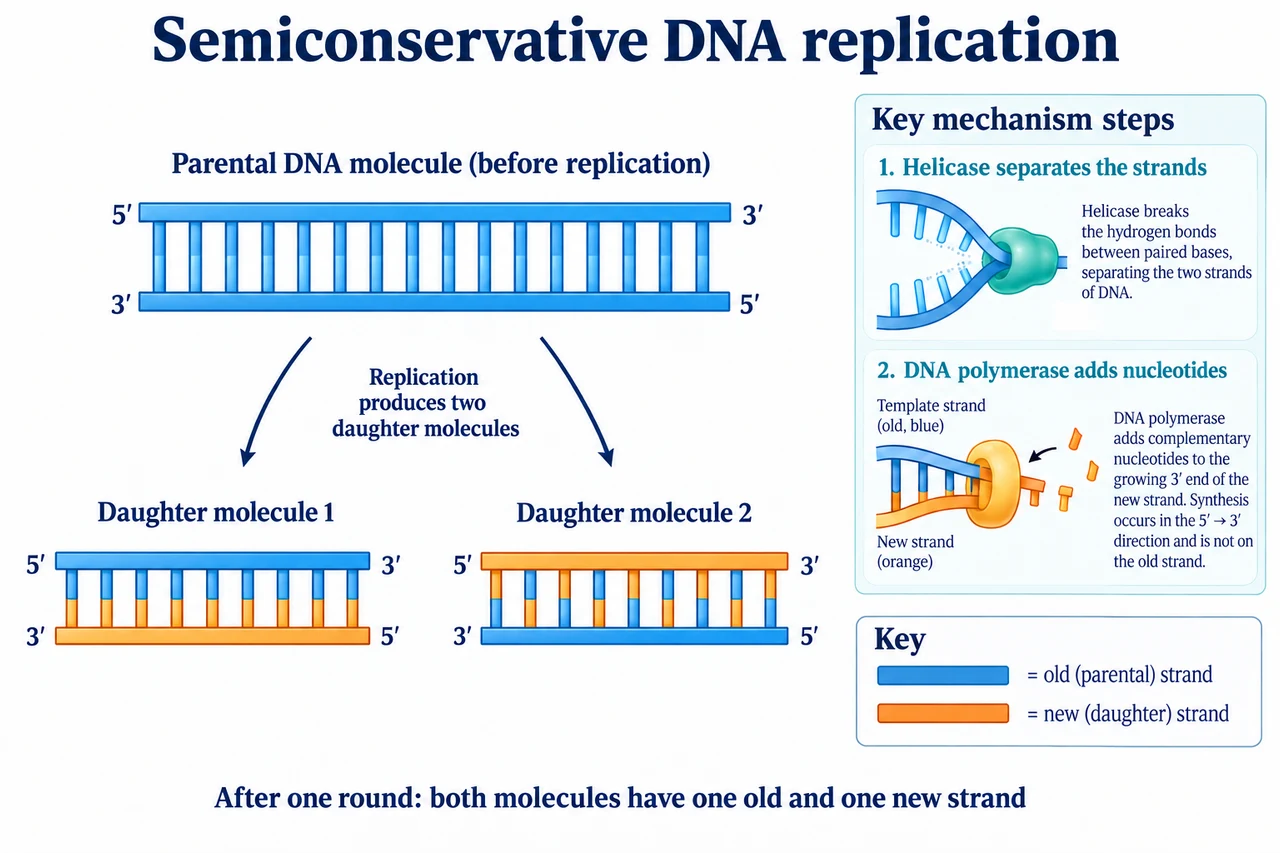
Copying DNA with templates
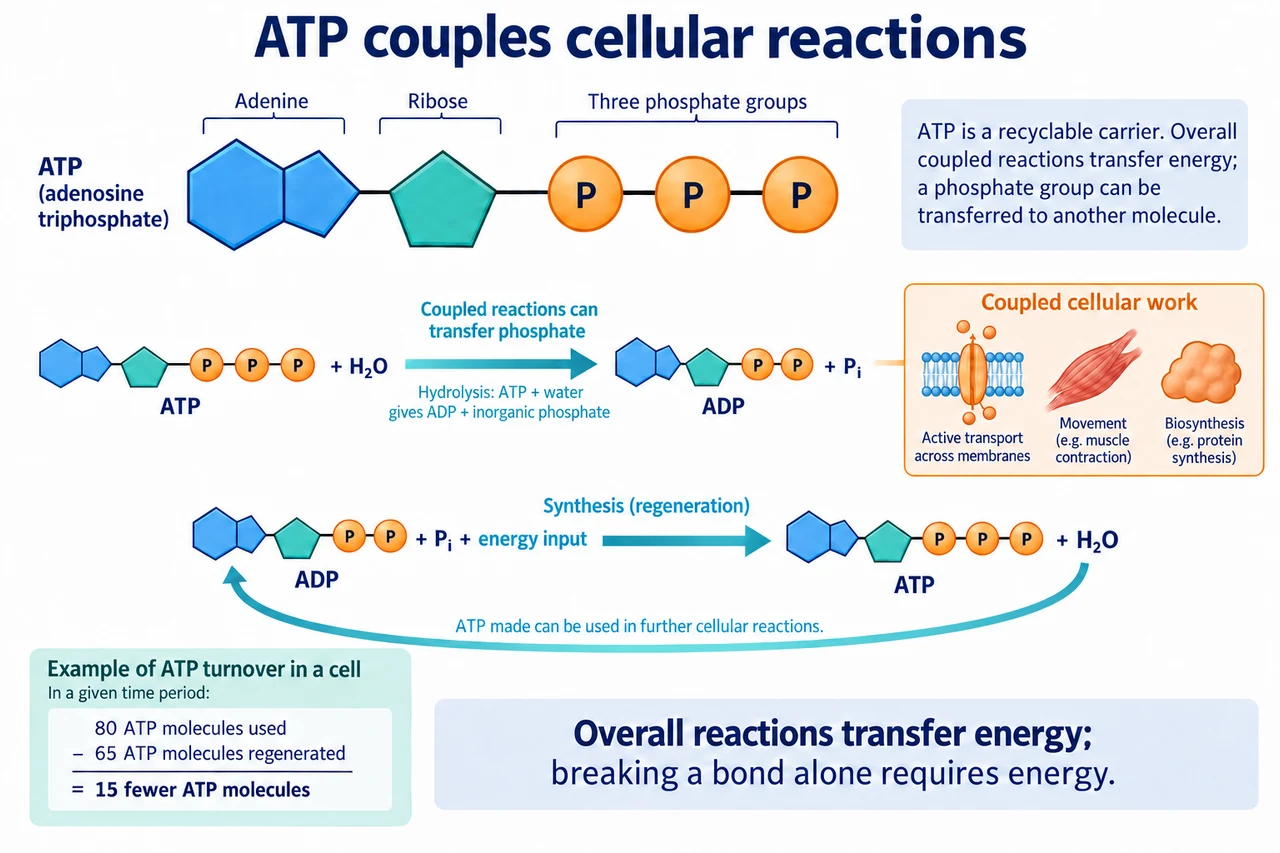
ATP couples cellular reactions
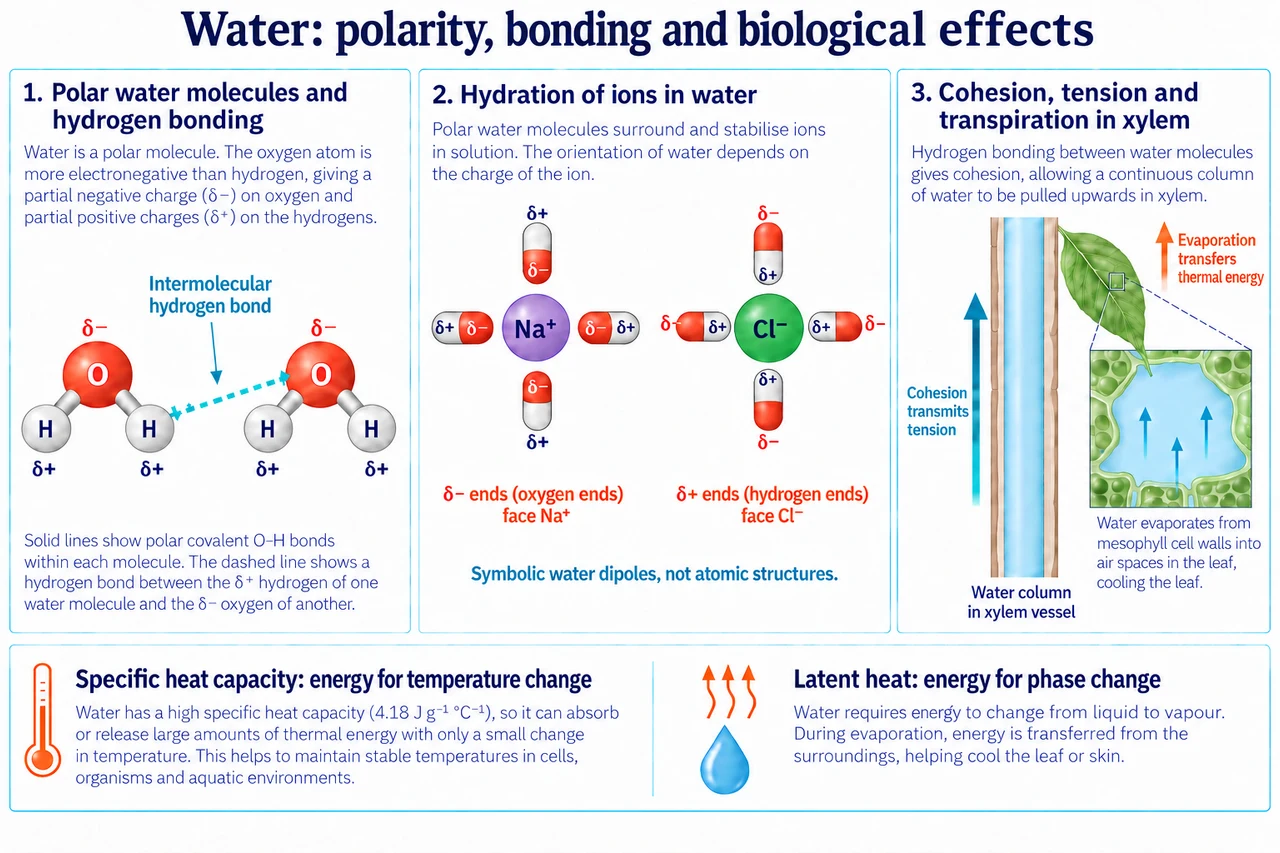
Water makes a biological environment
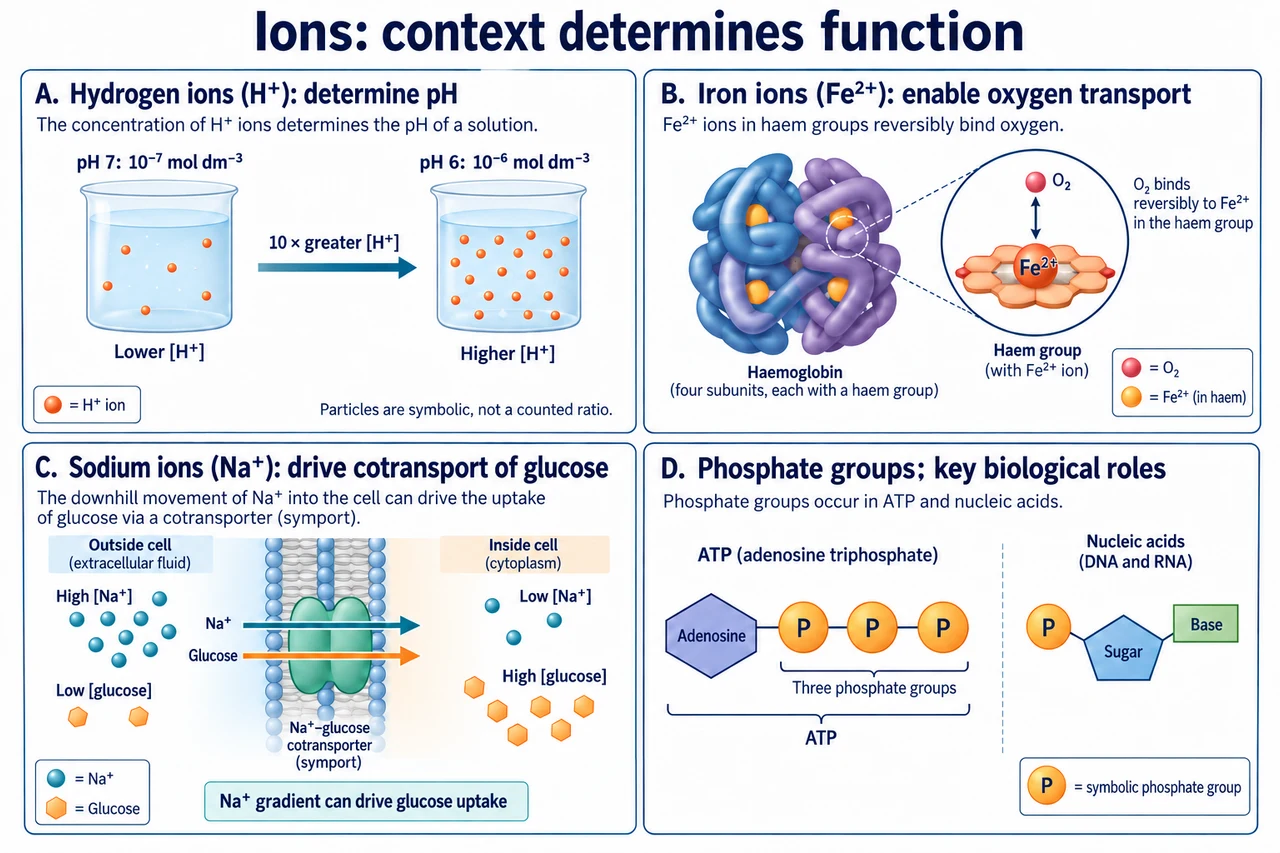
Ions have specific cellular roles
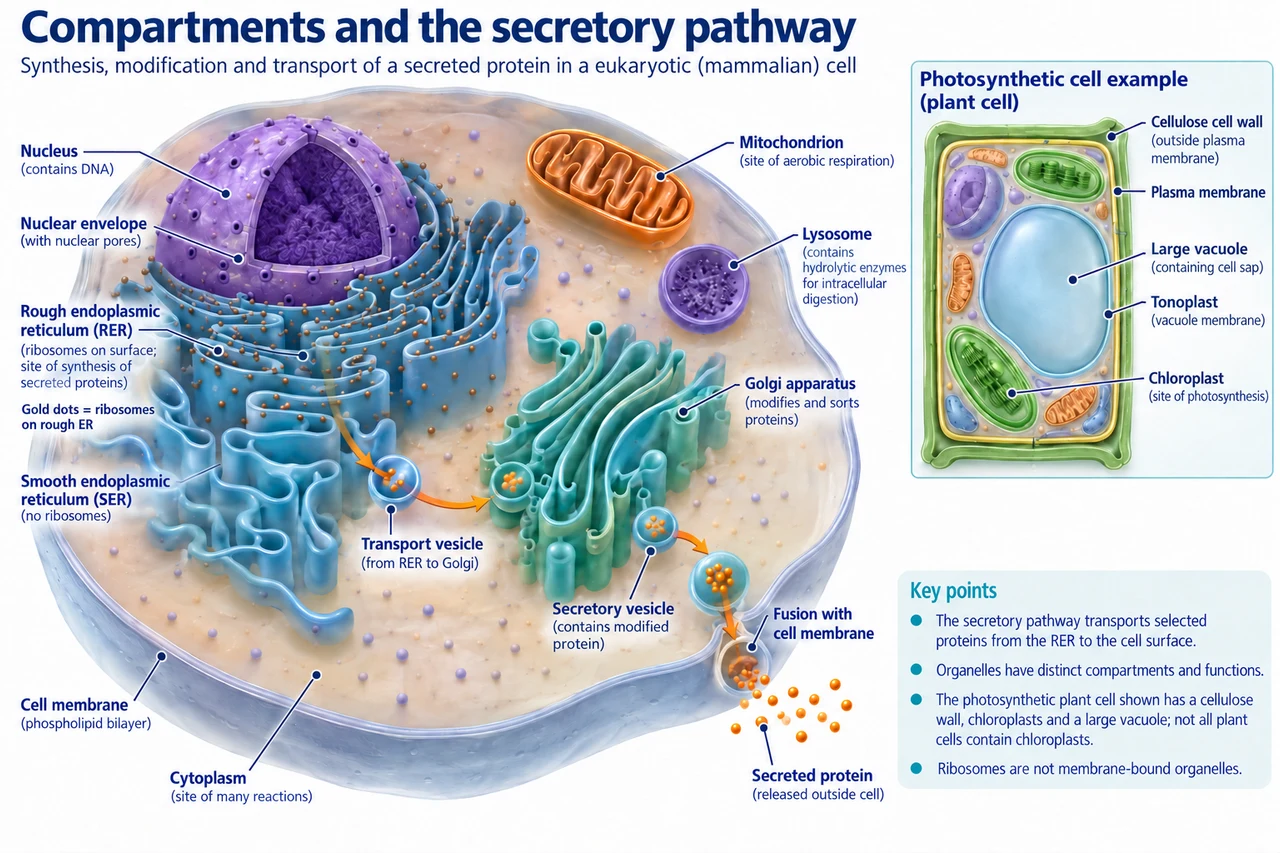
Cell compartments divide the work
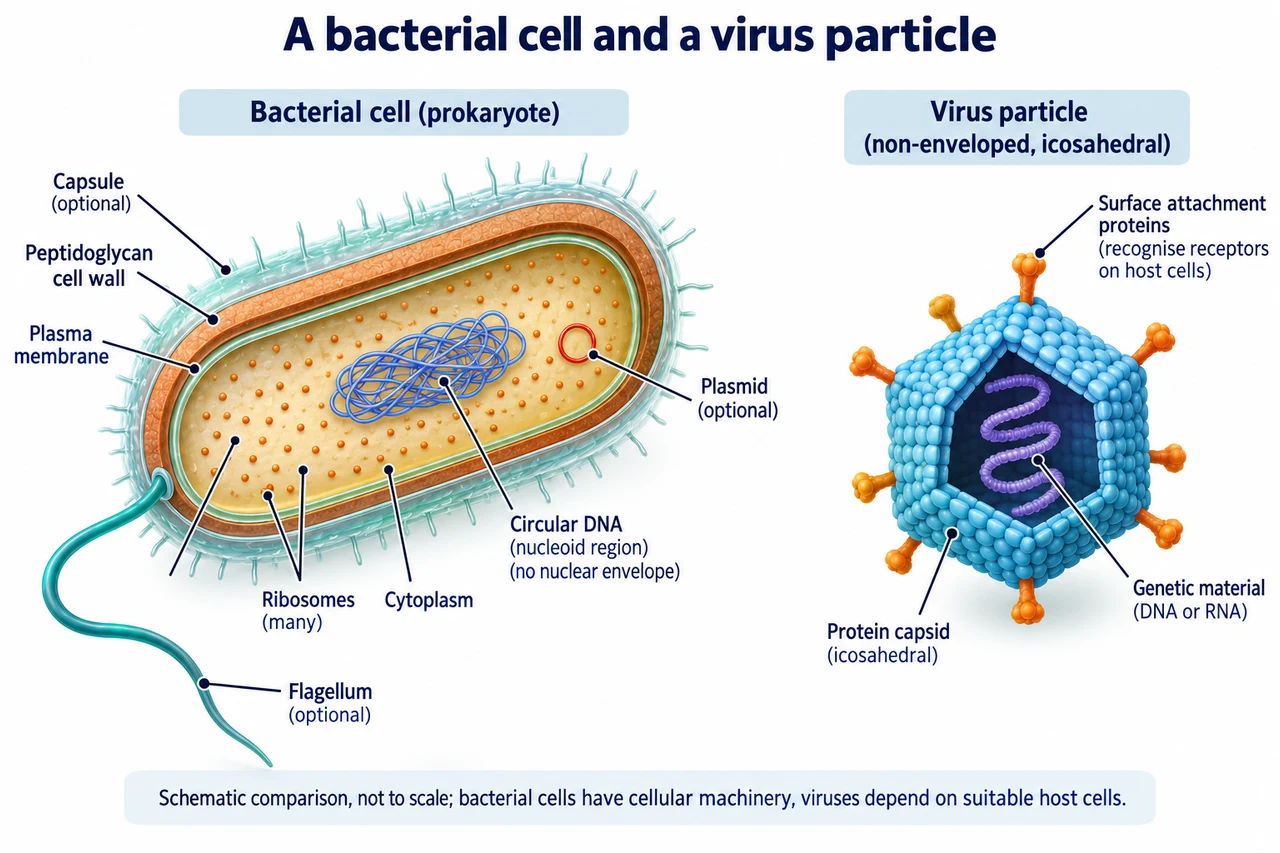
Bacteria are cells; viruses are particles
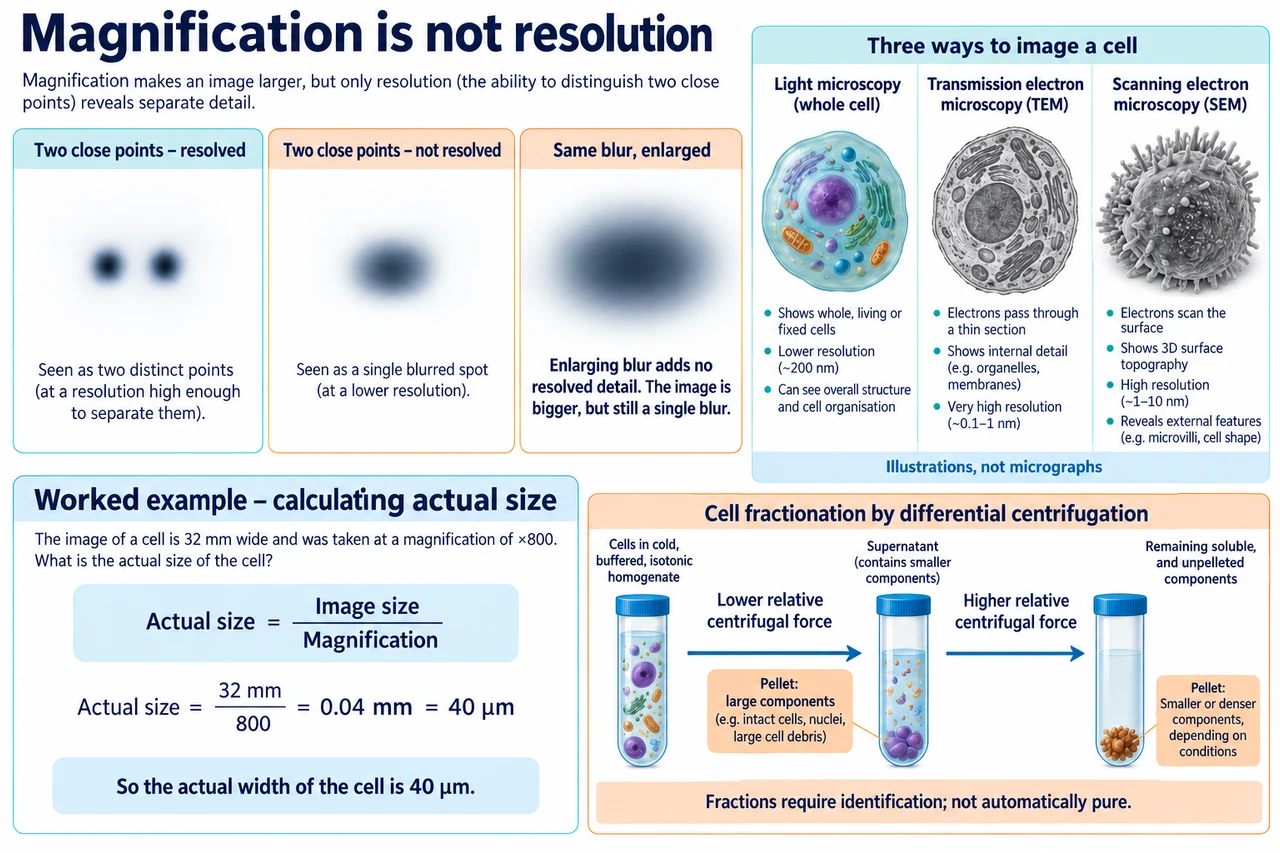
Microscopes reveal different kinds of detail
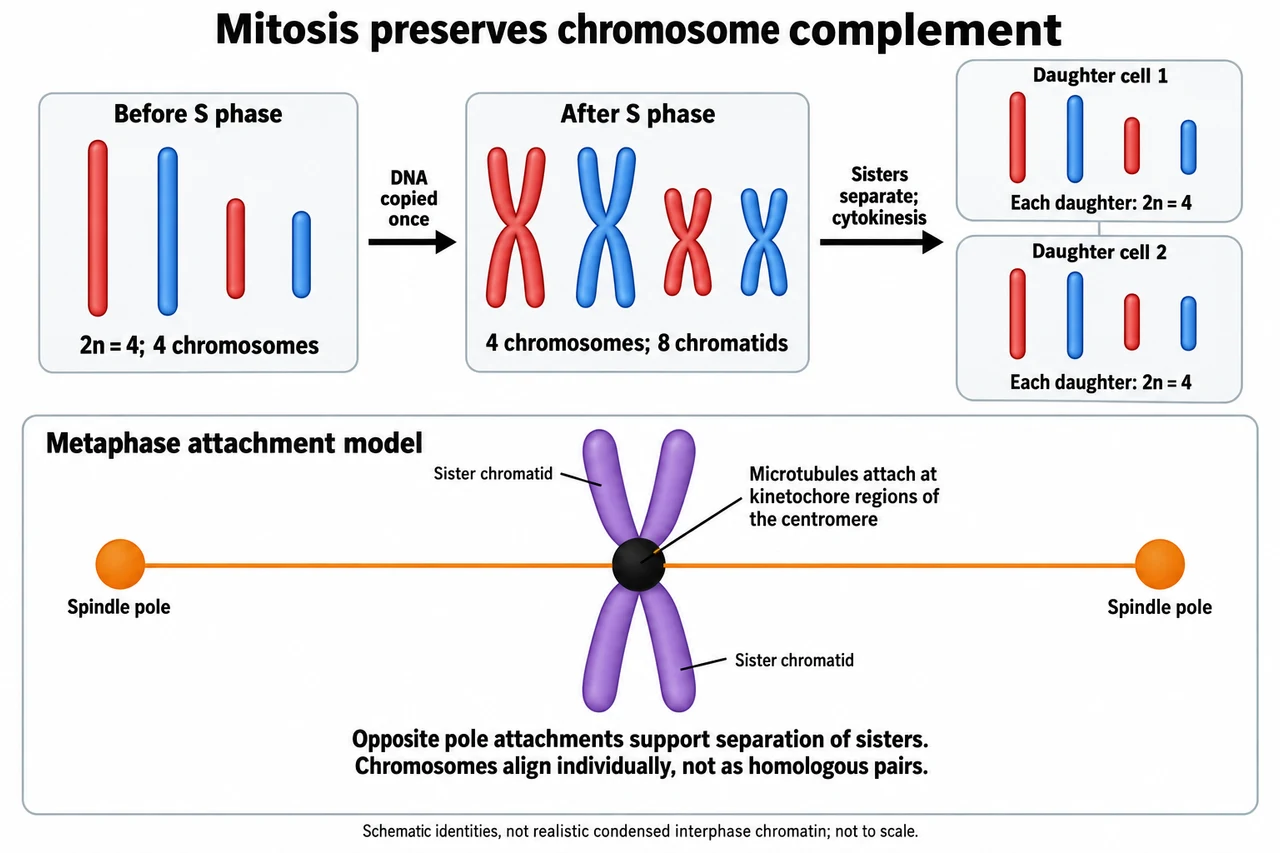
Making cells without changing the chromosome count
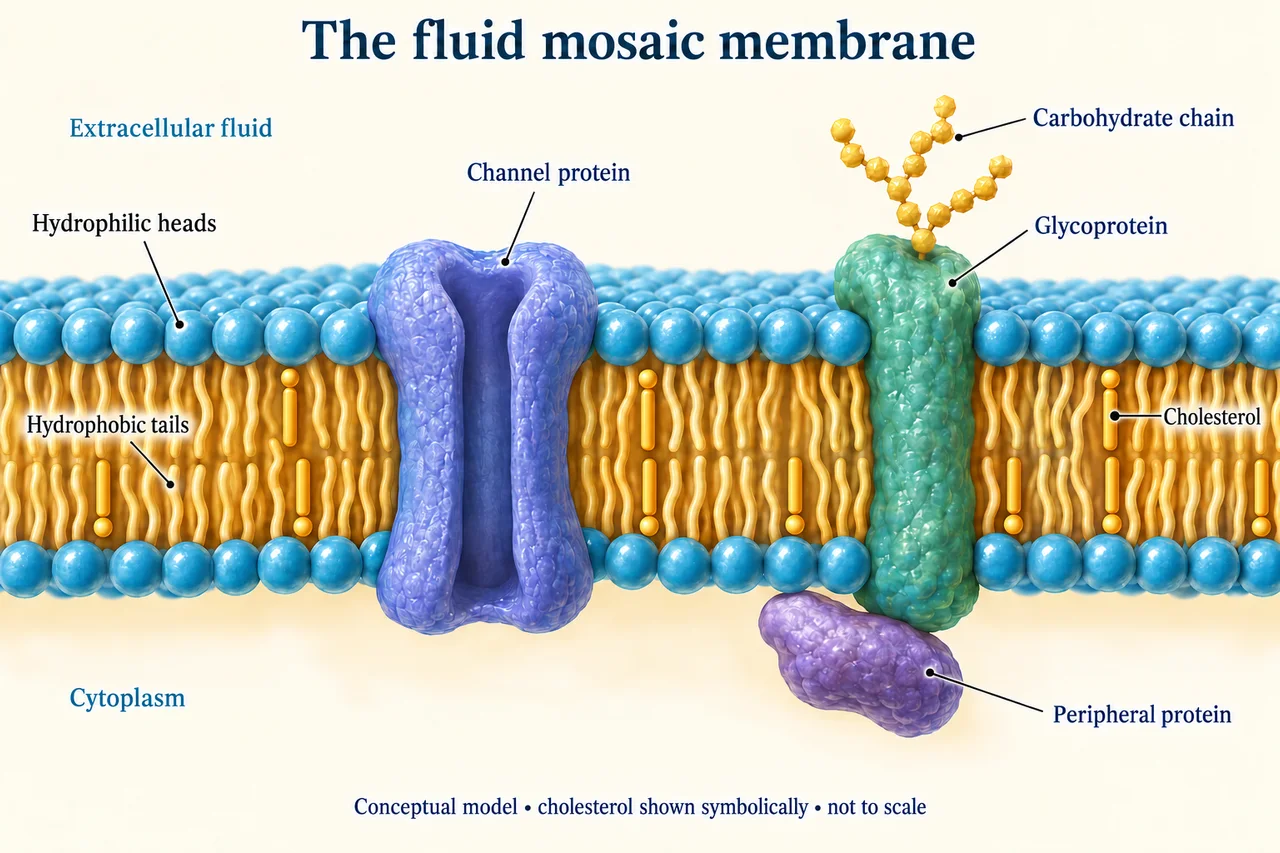
Membranes control traffic
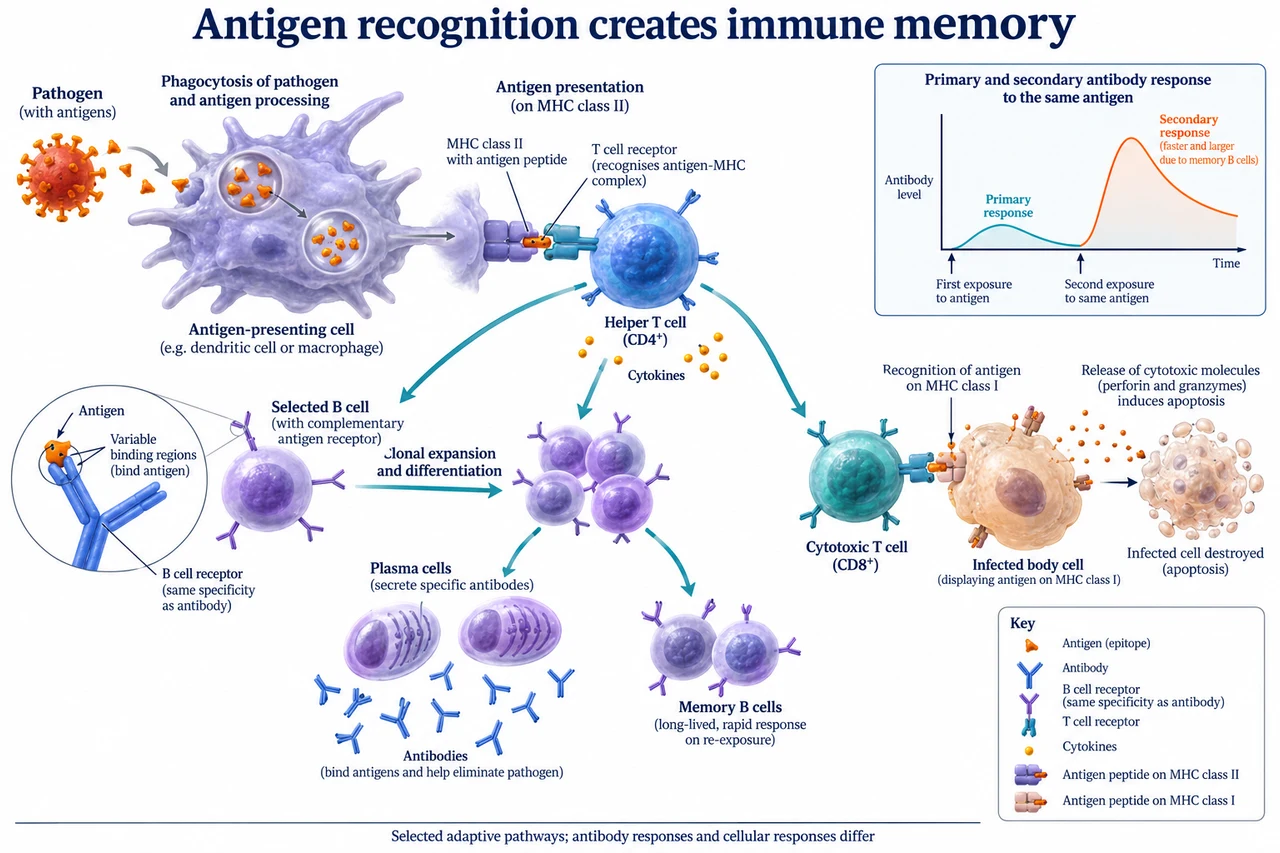
Recognition, defence and immune memory
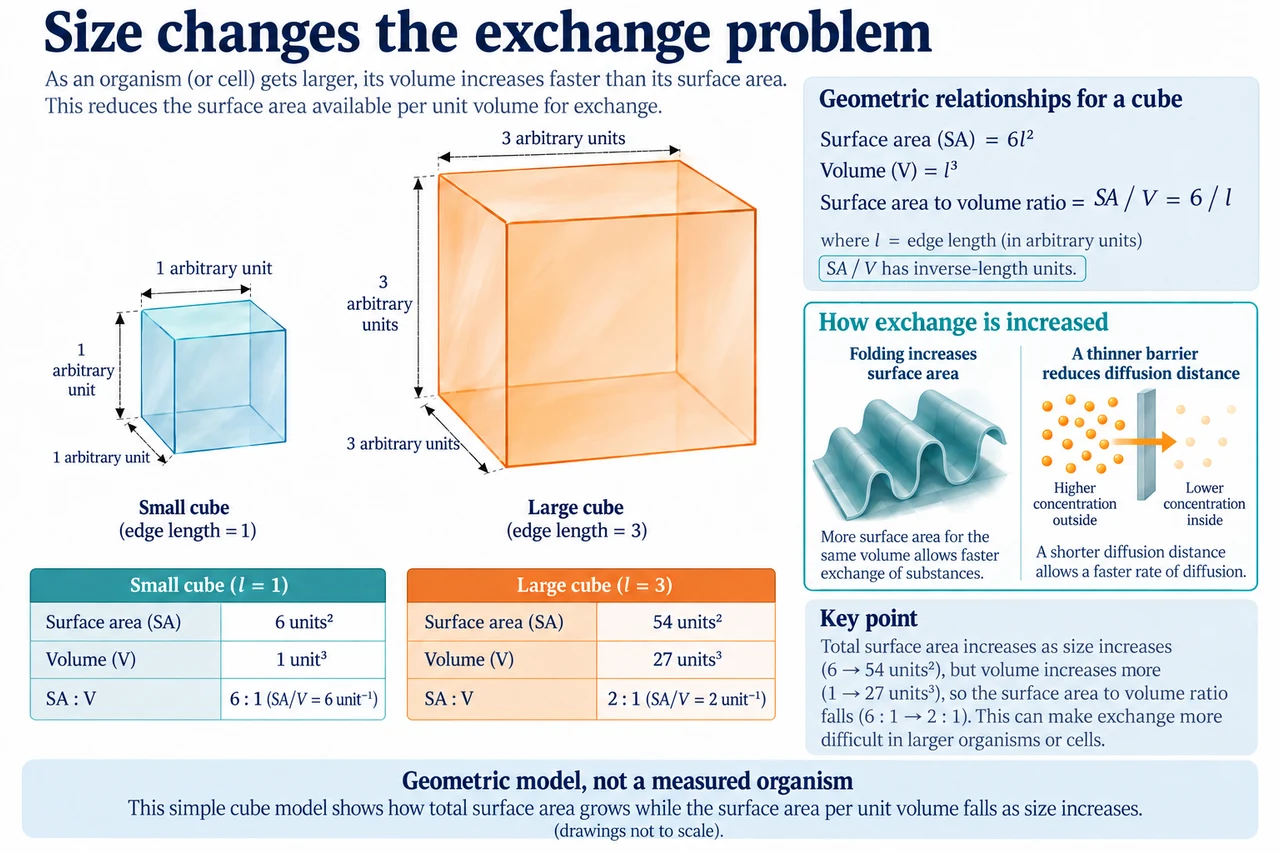
Size changes the exchange problem
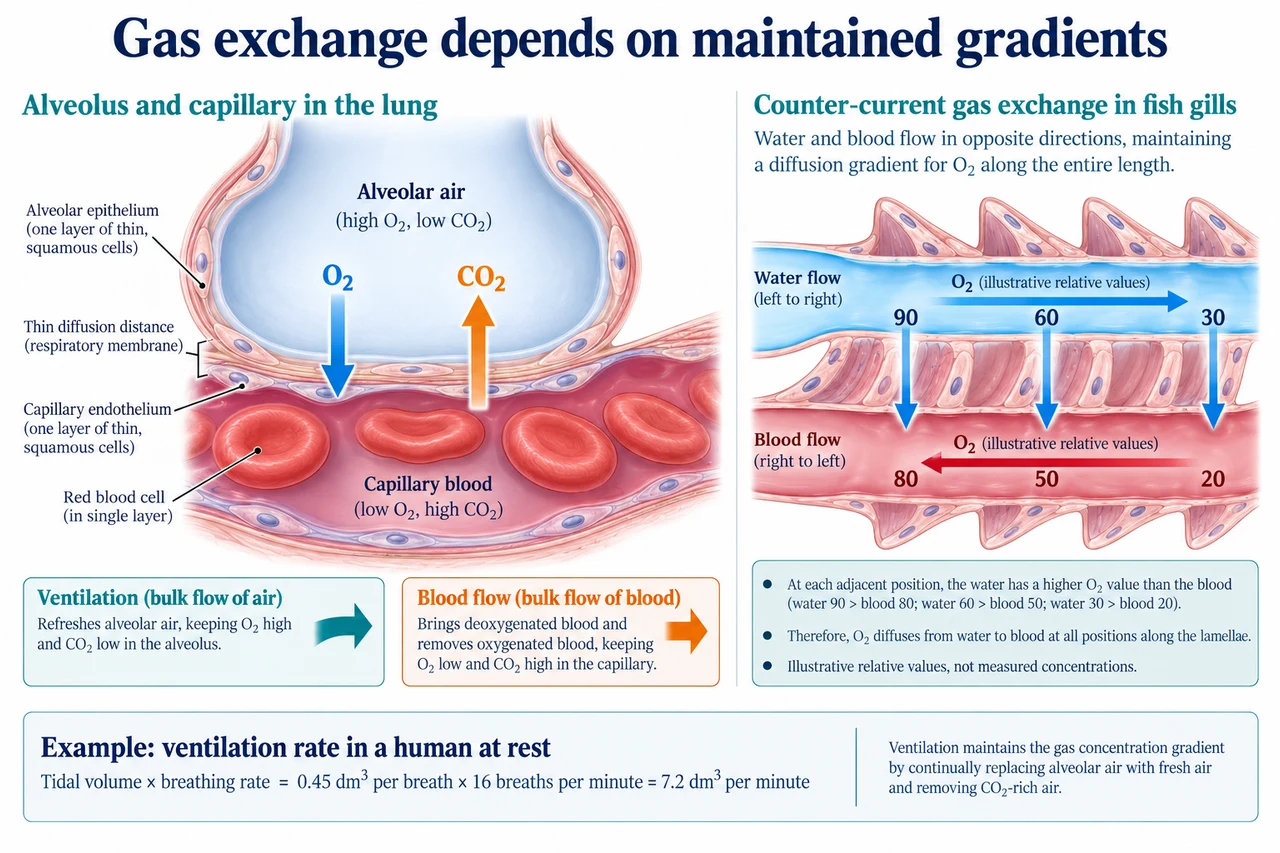
Keeping respiratory gases moving
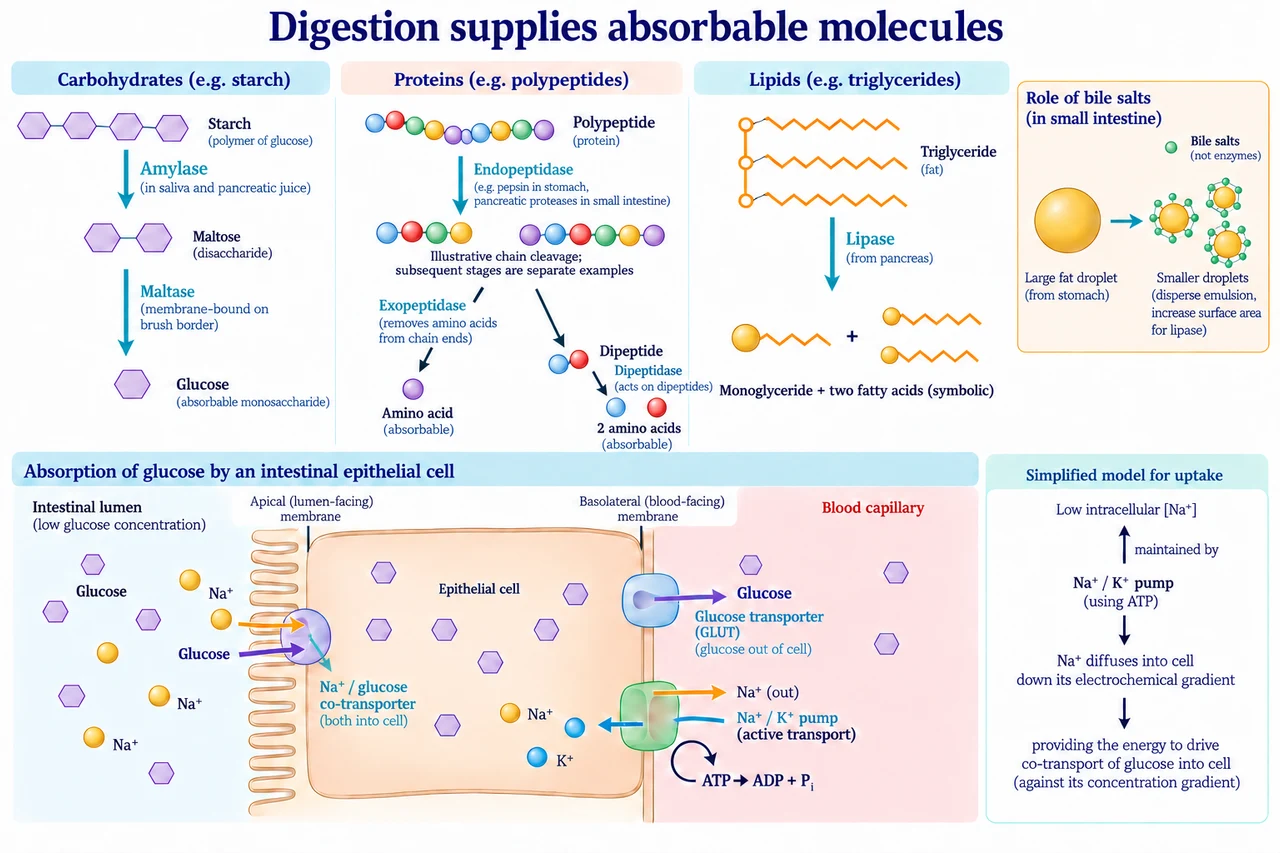
Digestion prepares molecules for absorption
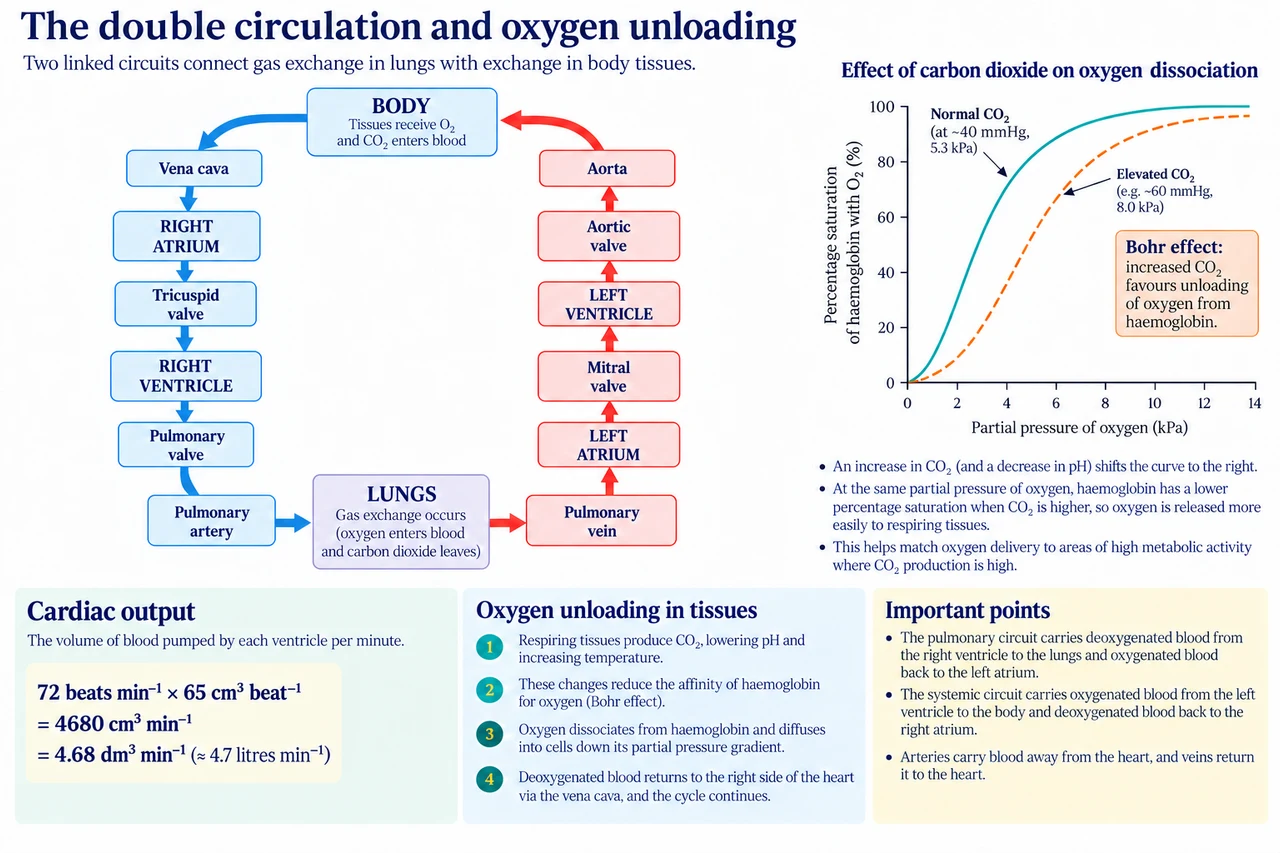
Blood transport links distant tissues
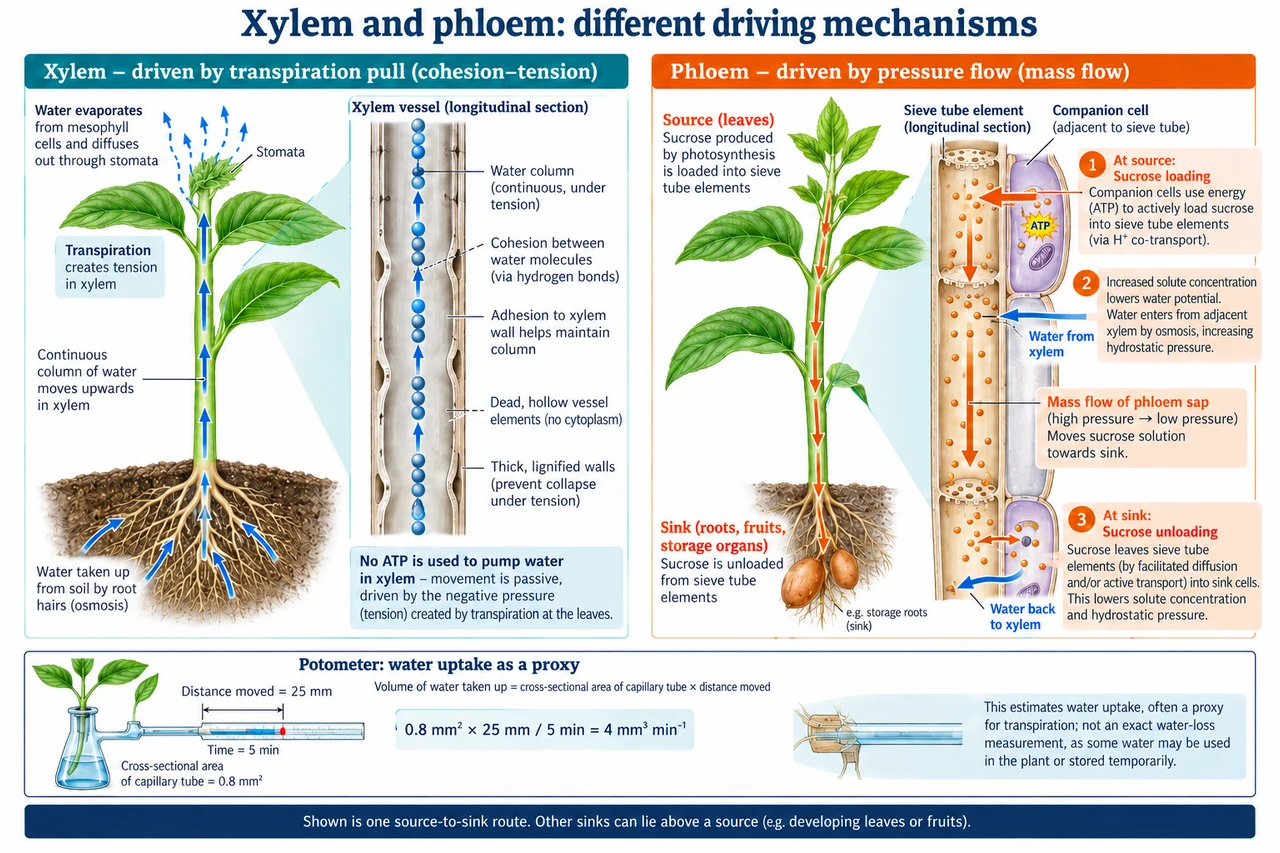
Plants move water and assimilates differently
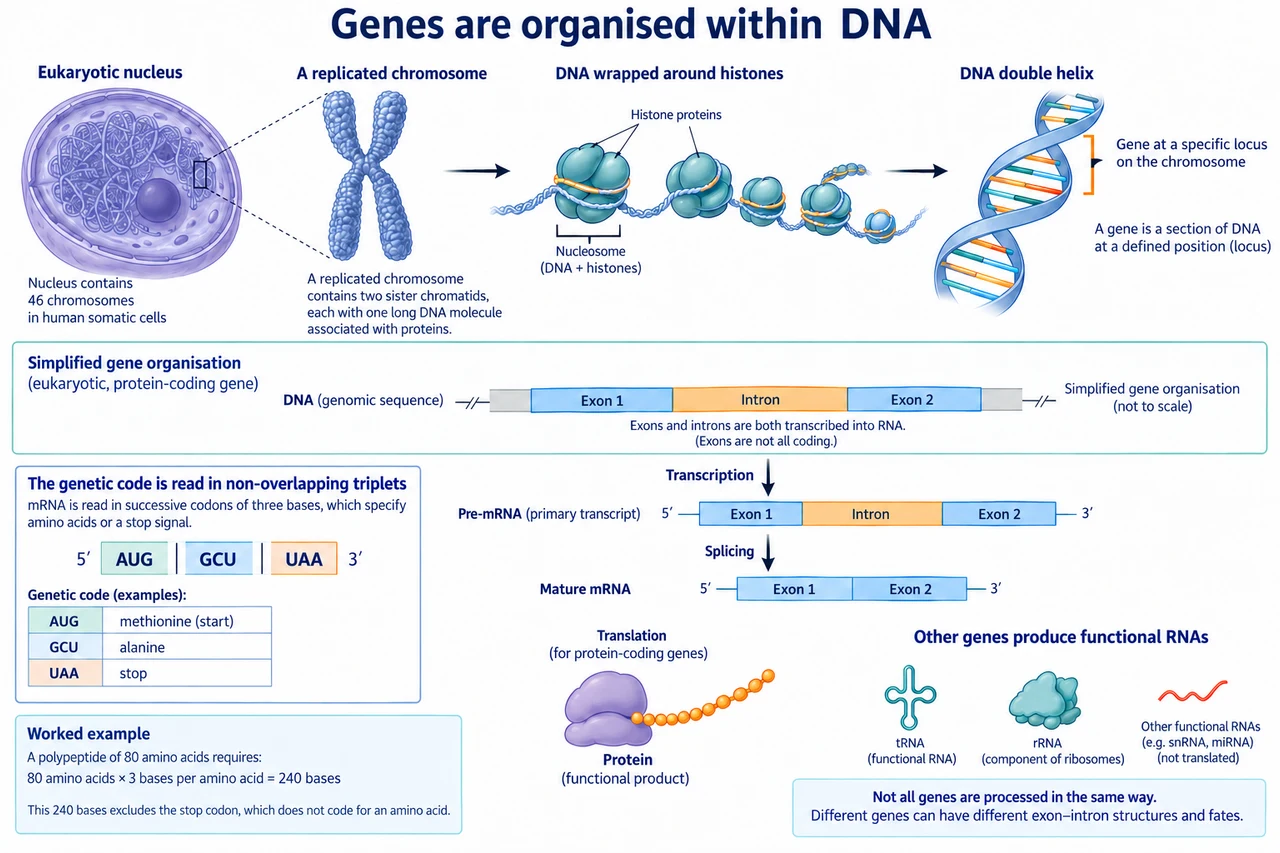
Genes are instructions within organised DNA
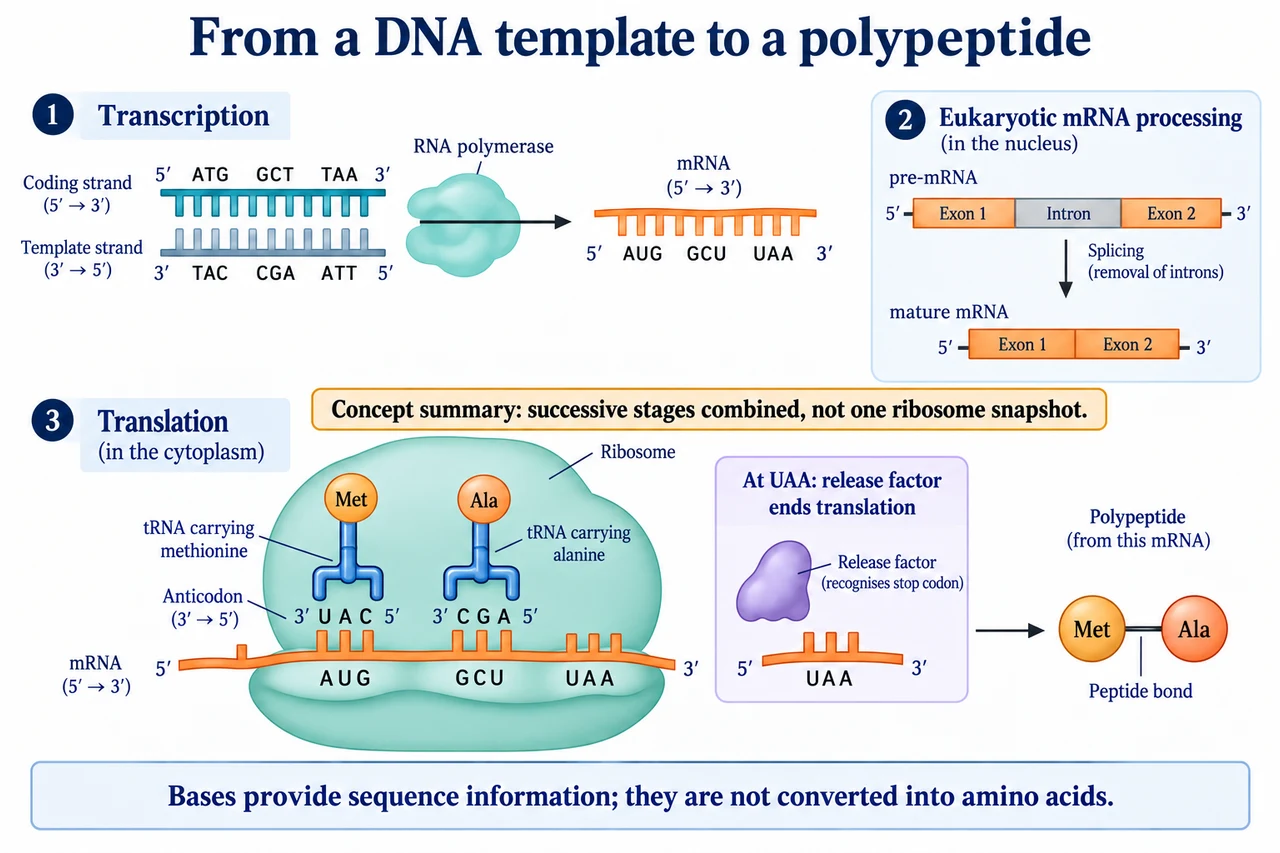
From DNA instructions to a protein
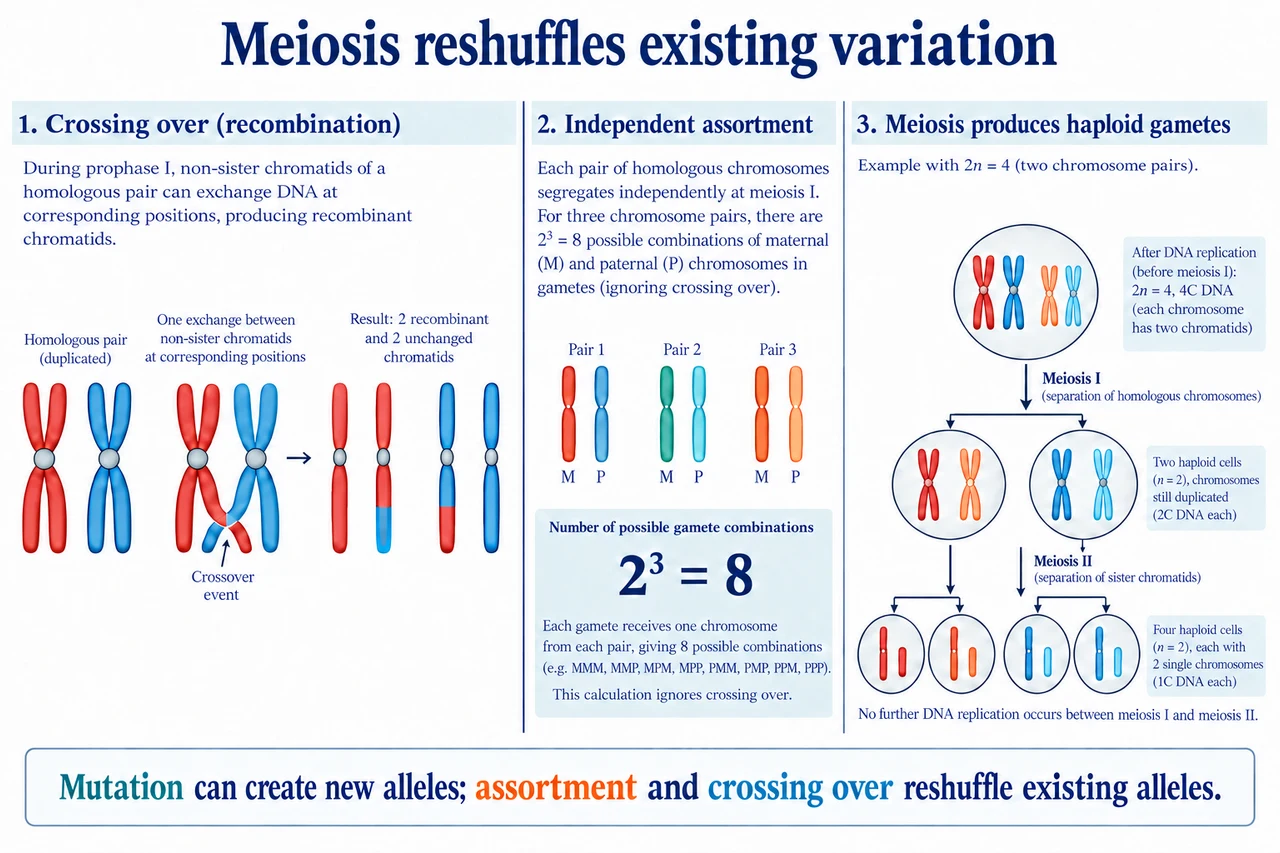
Why offspring inherit different combinations
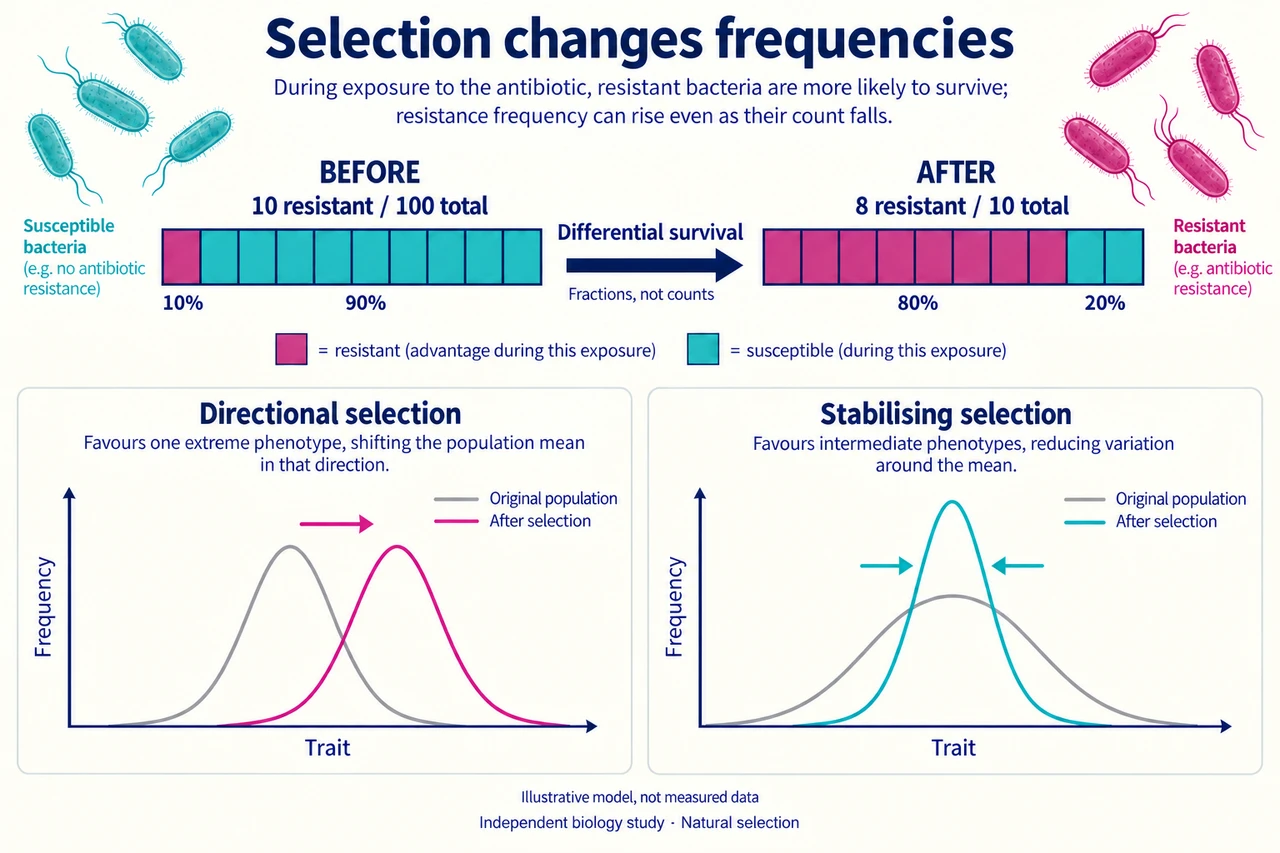
Selection changes populations over generations
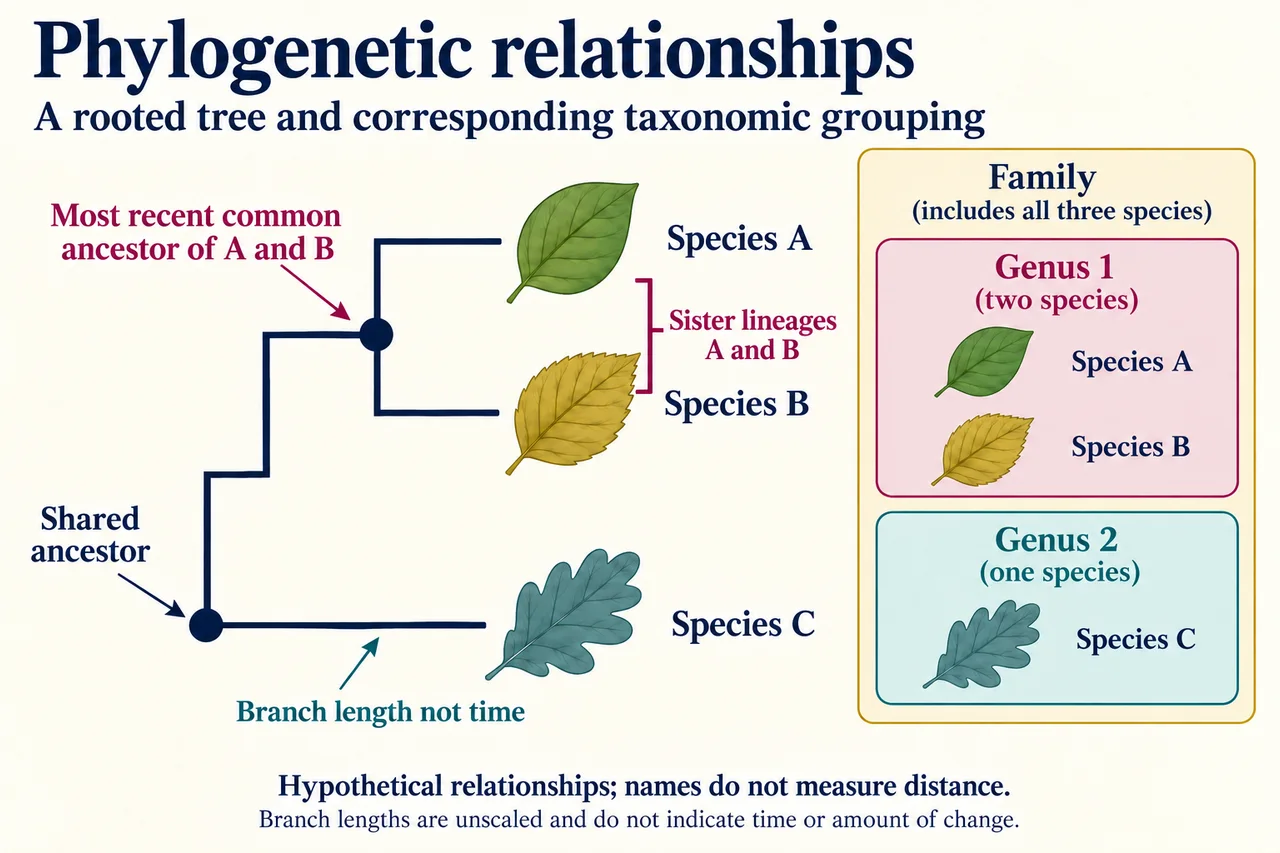
Classification is a testable account of relationships
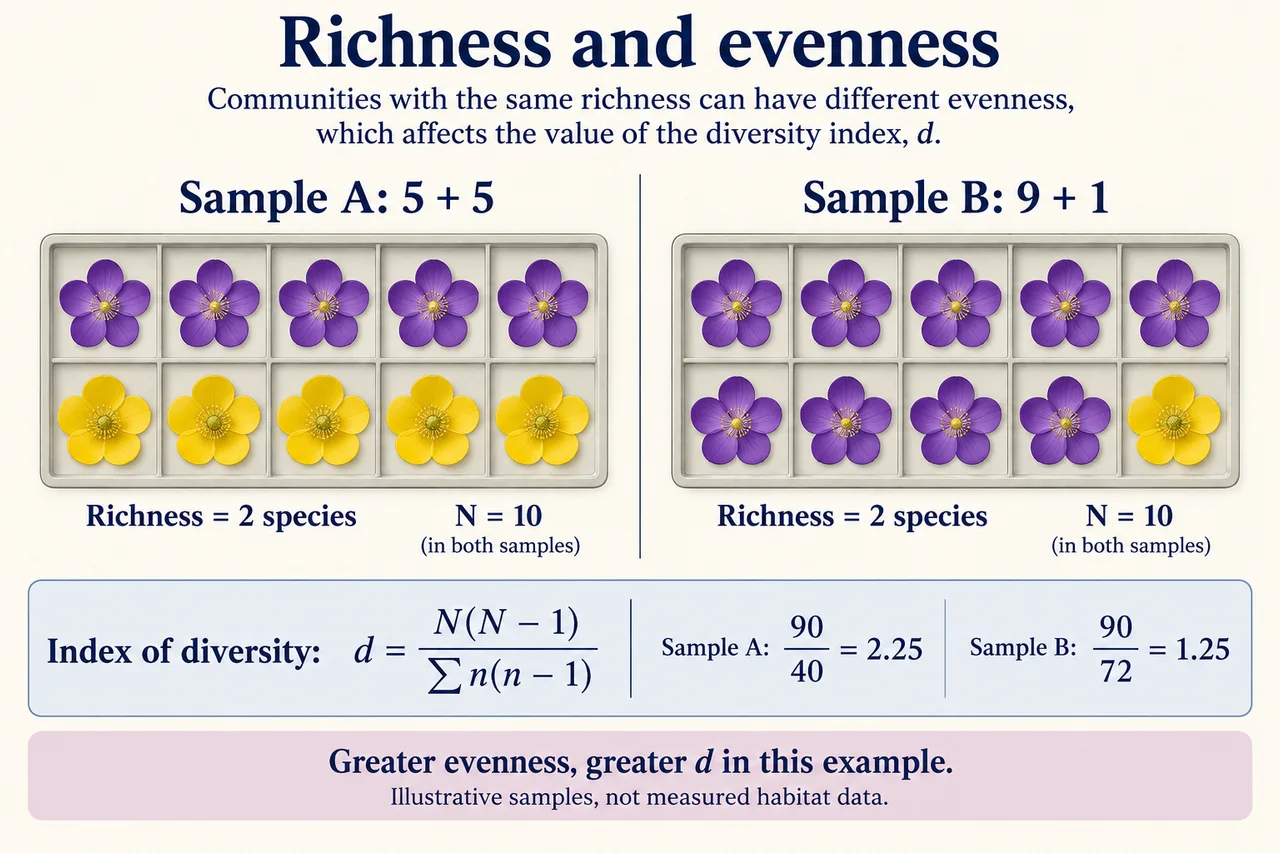
Biodiversity includes abundance as well as richness
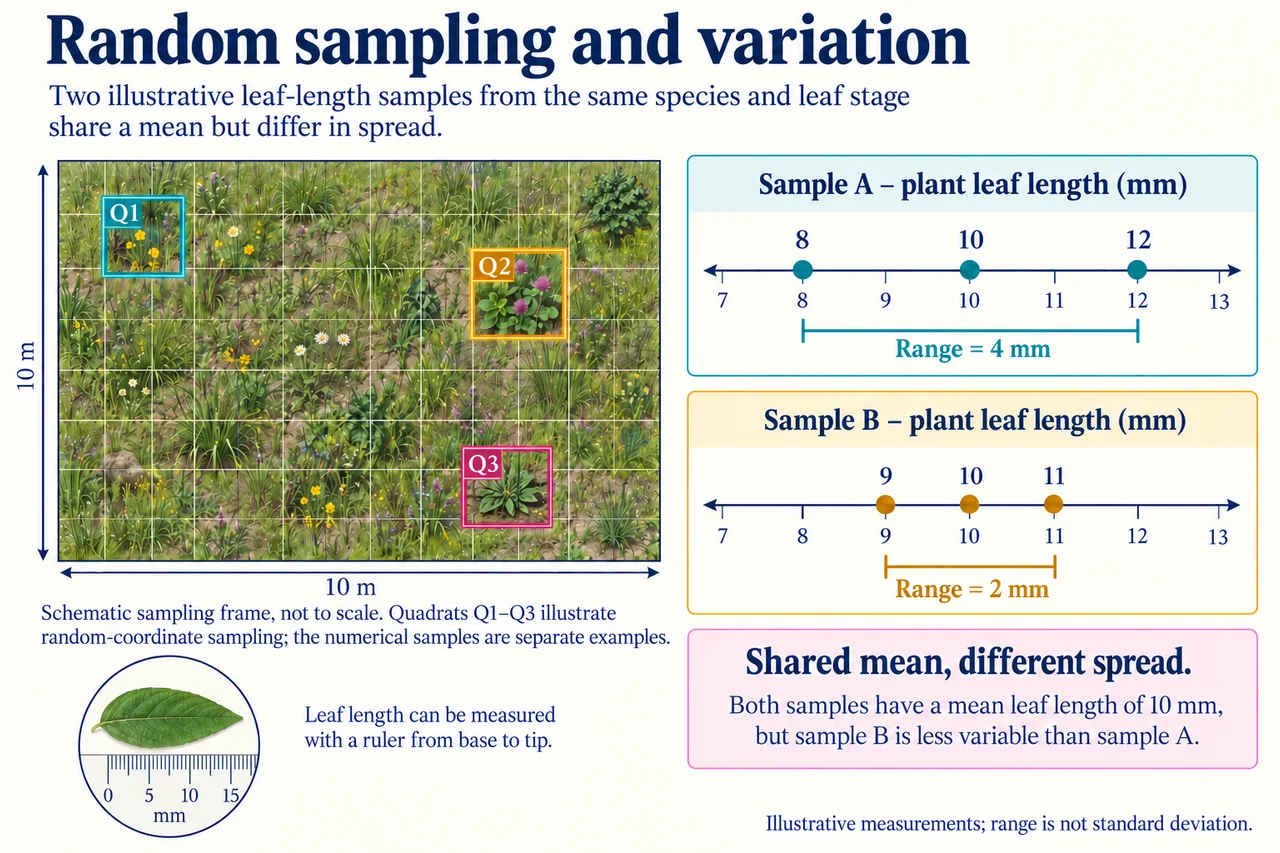
Compare variation with fair sampling
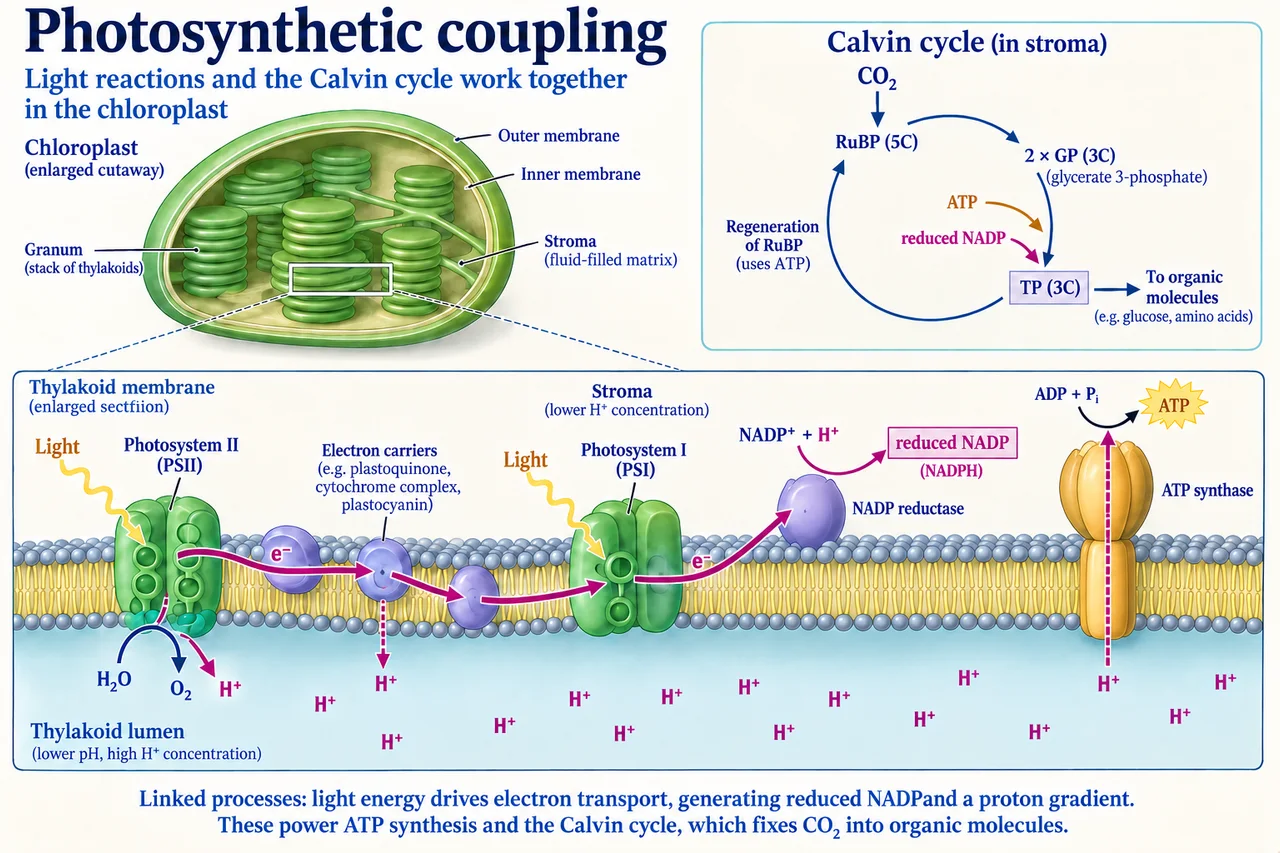
Photosynthesis links light reactions to carbon fixation
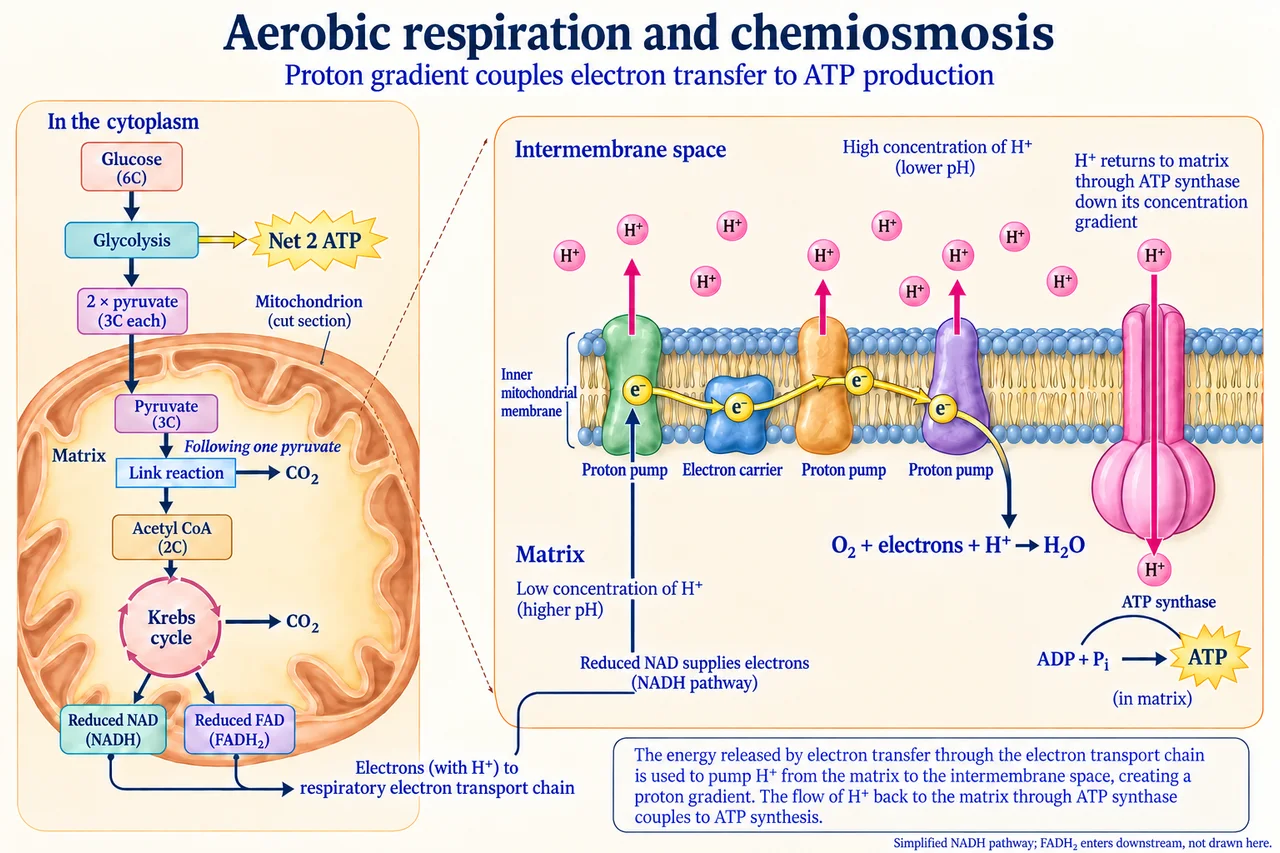
Respiration transfers energy through linked reactions
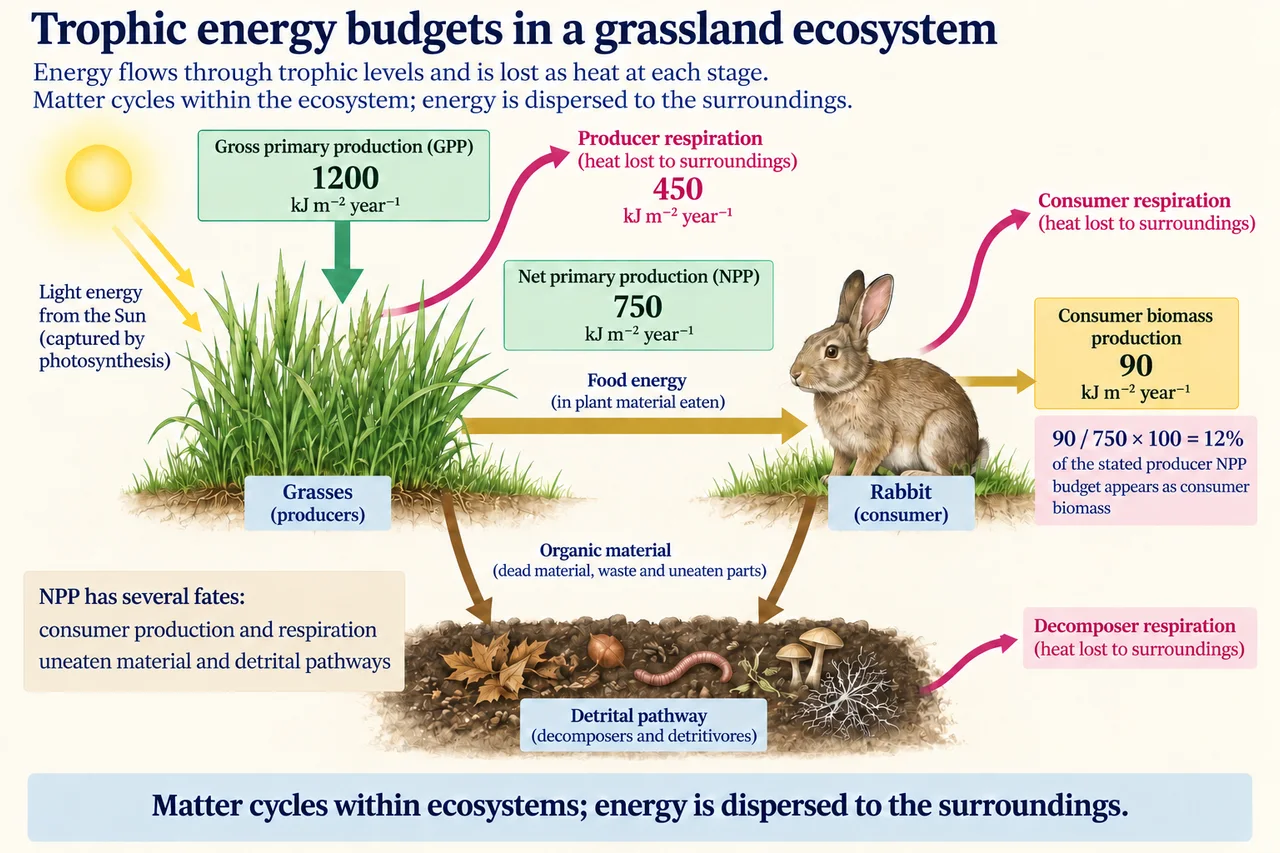
Energy budgets explain trophic transfer
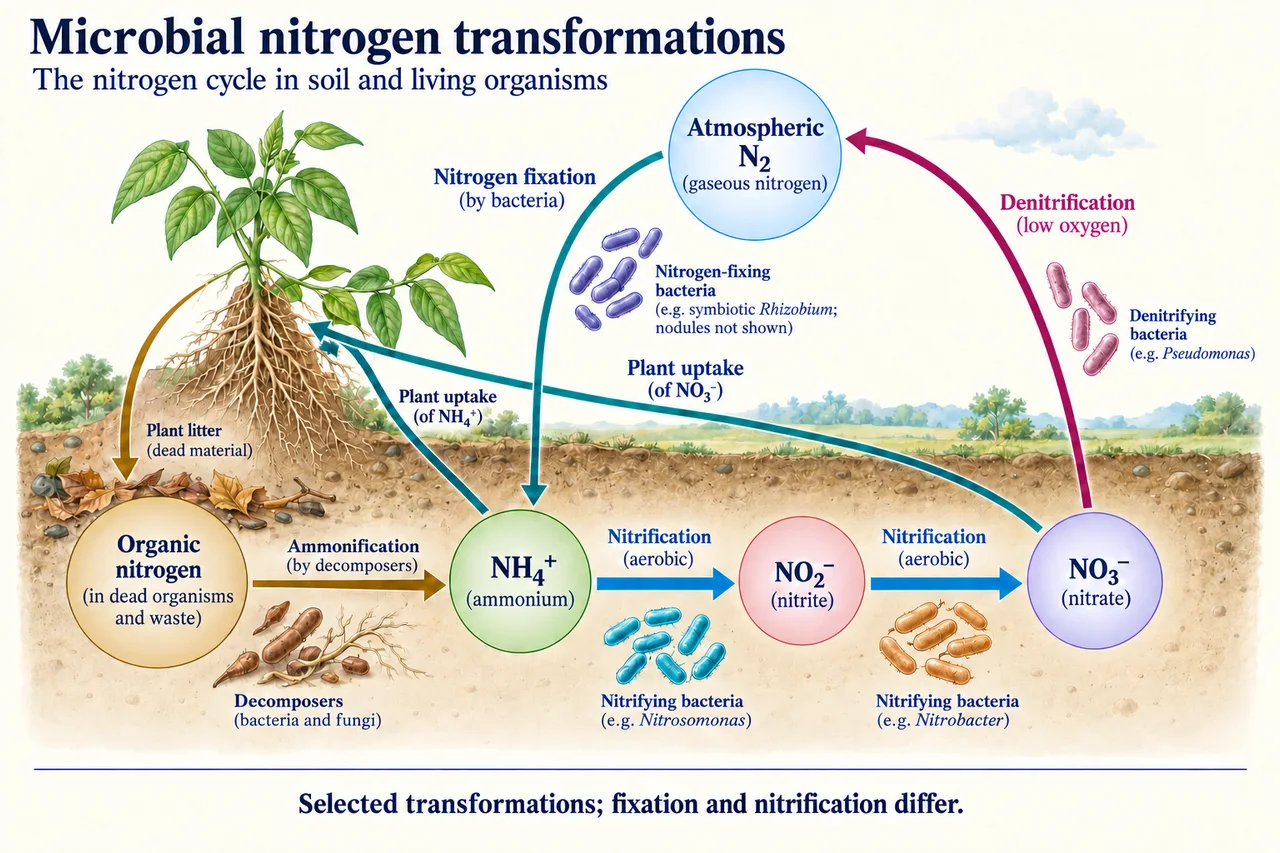
Microorganisms help recycle nutrients
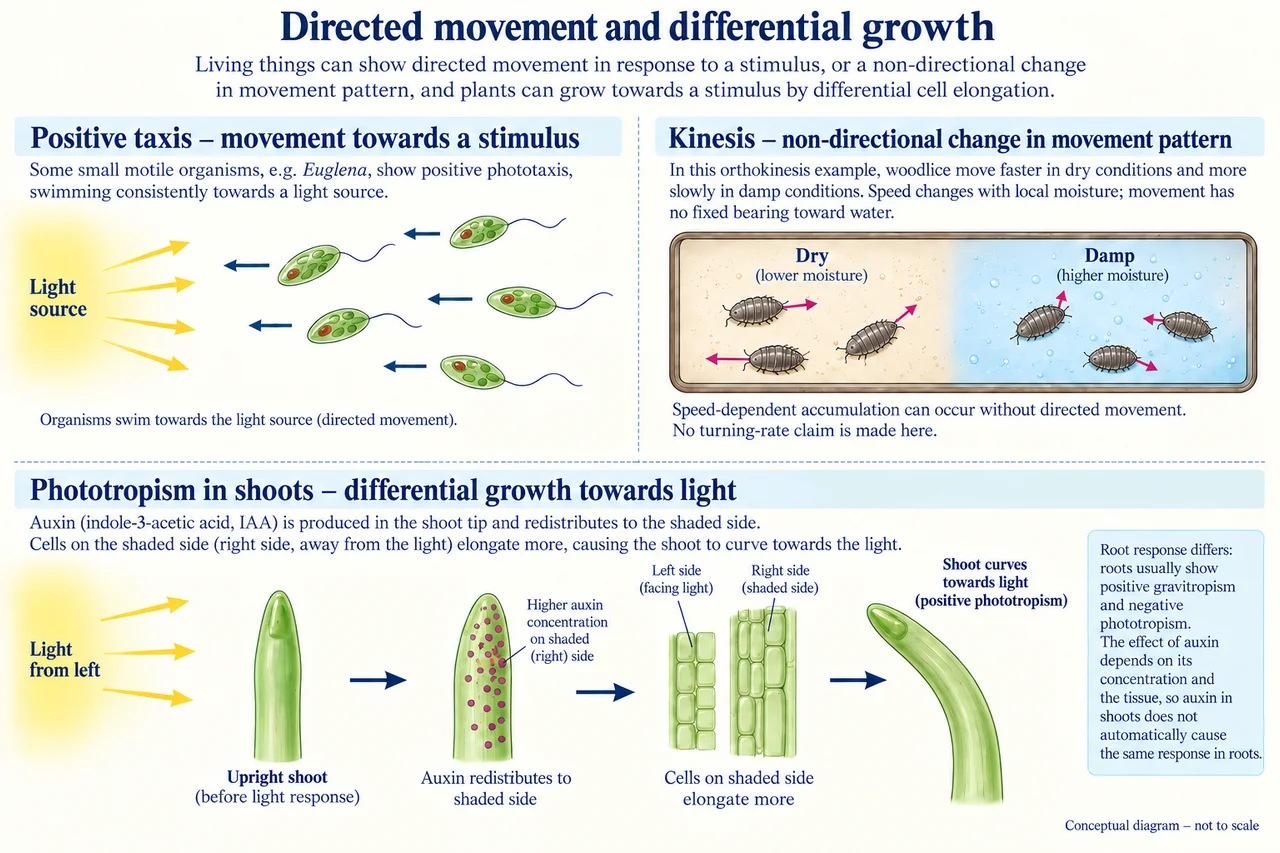
Responses connect a stimulus to survival
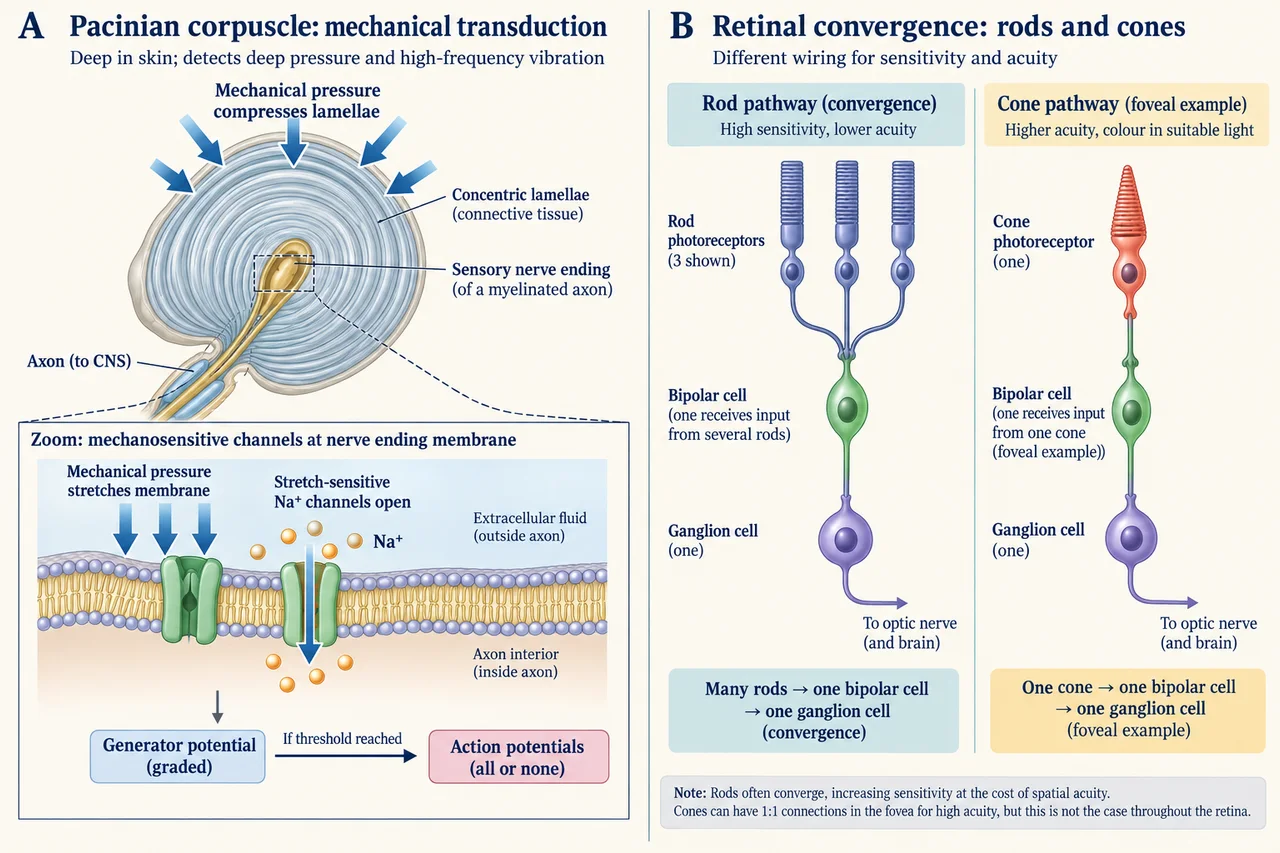
Receptors convert changes into signals
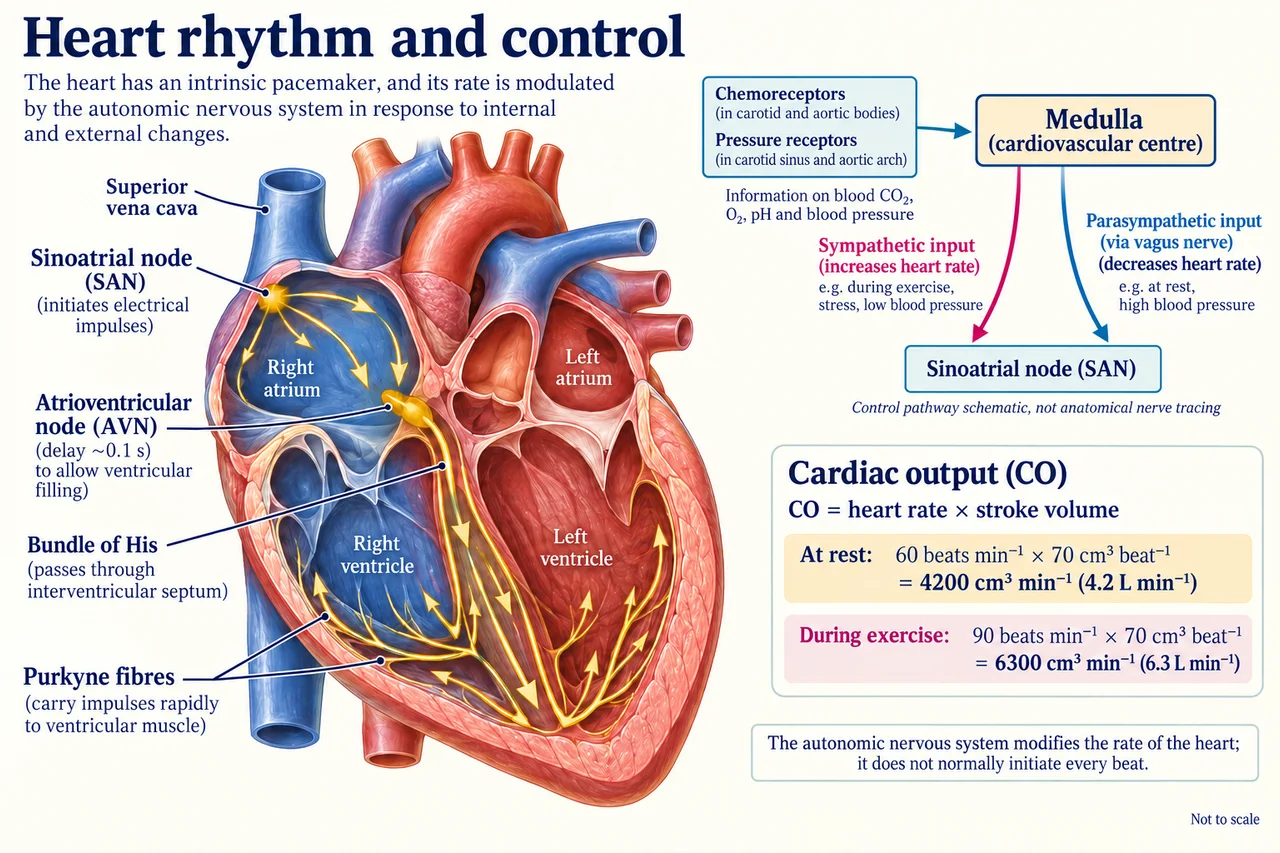
The heart has a rhythm that can be adjusted
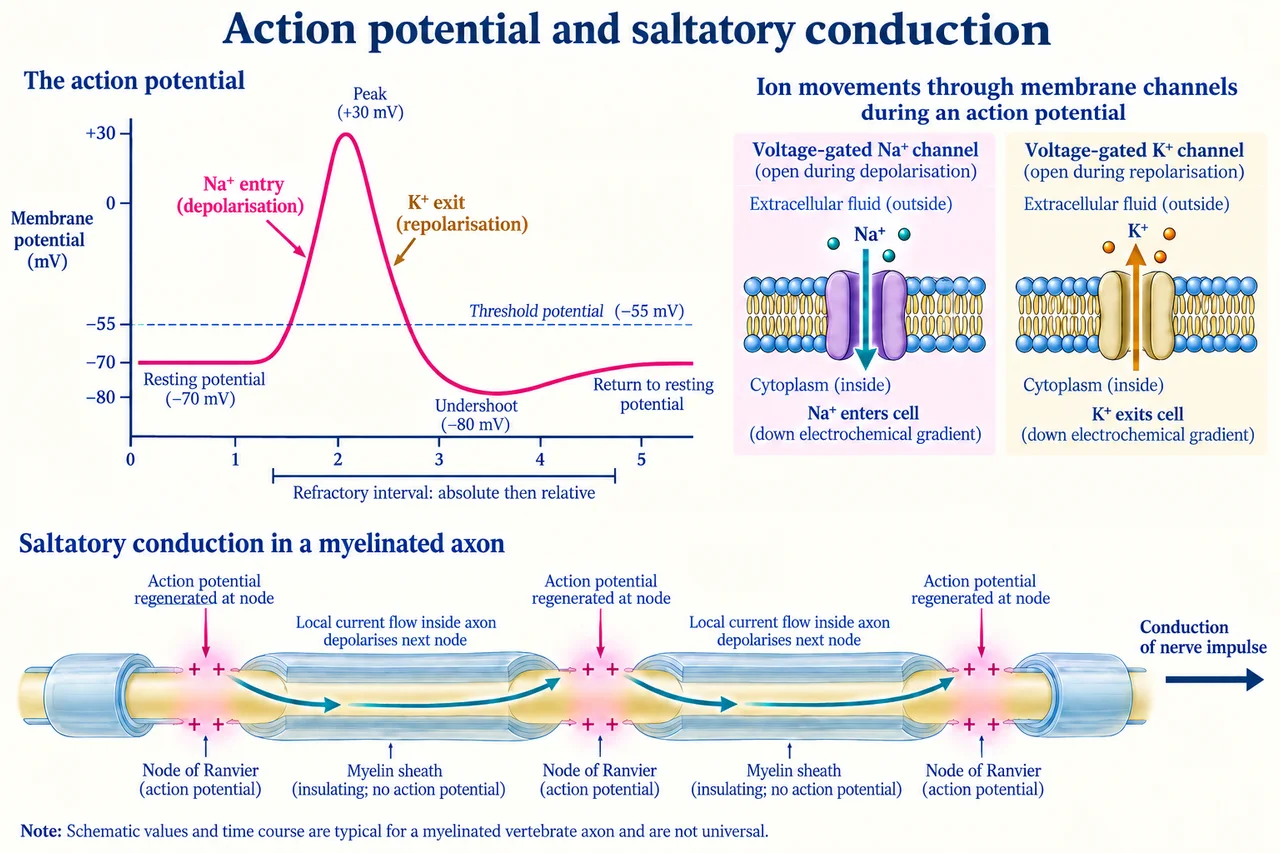
An action potential is a travelling membrane change
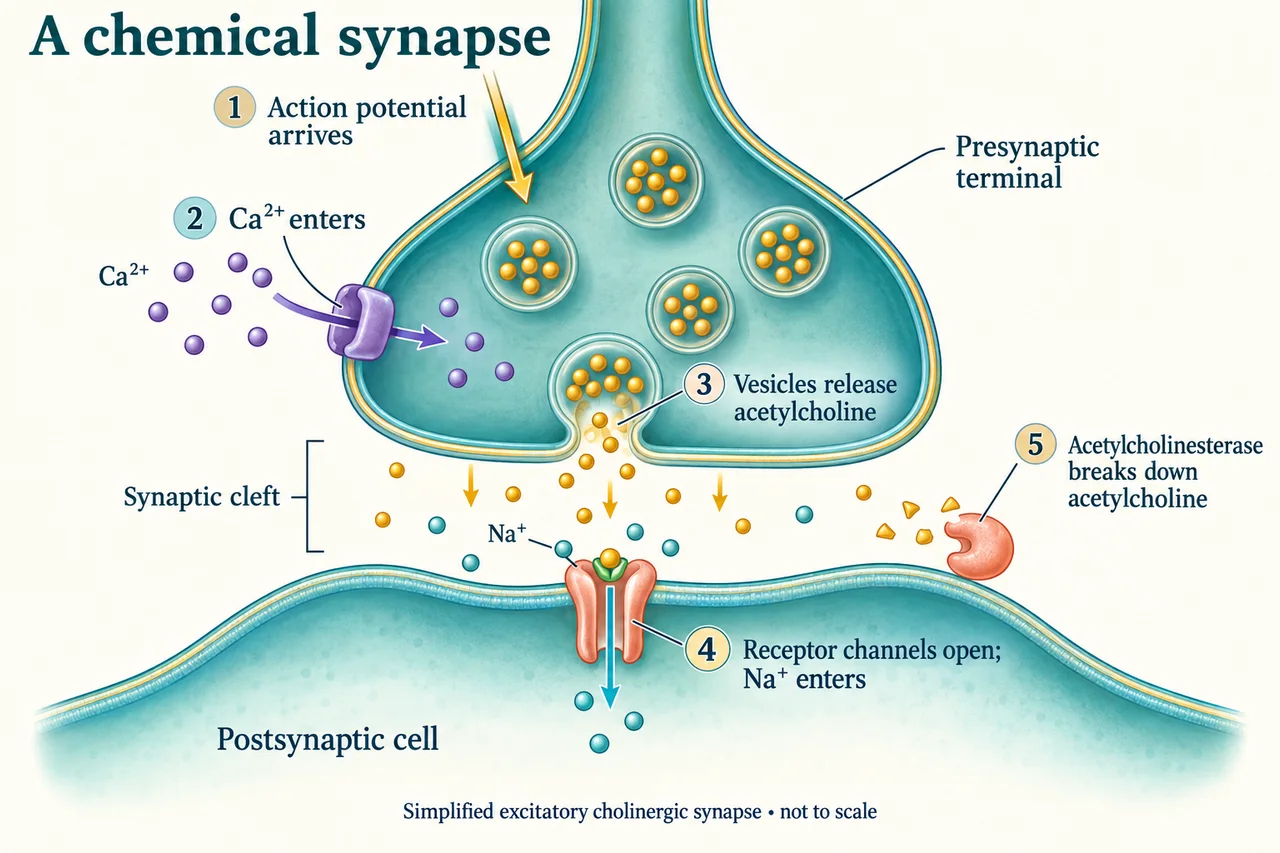
Synapses transform one signal into another
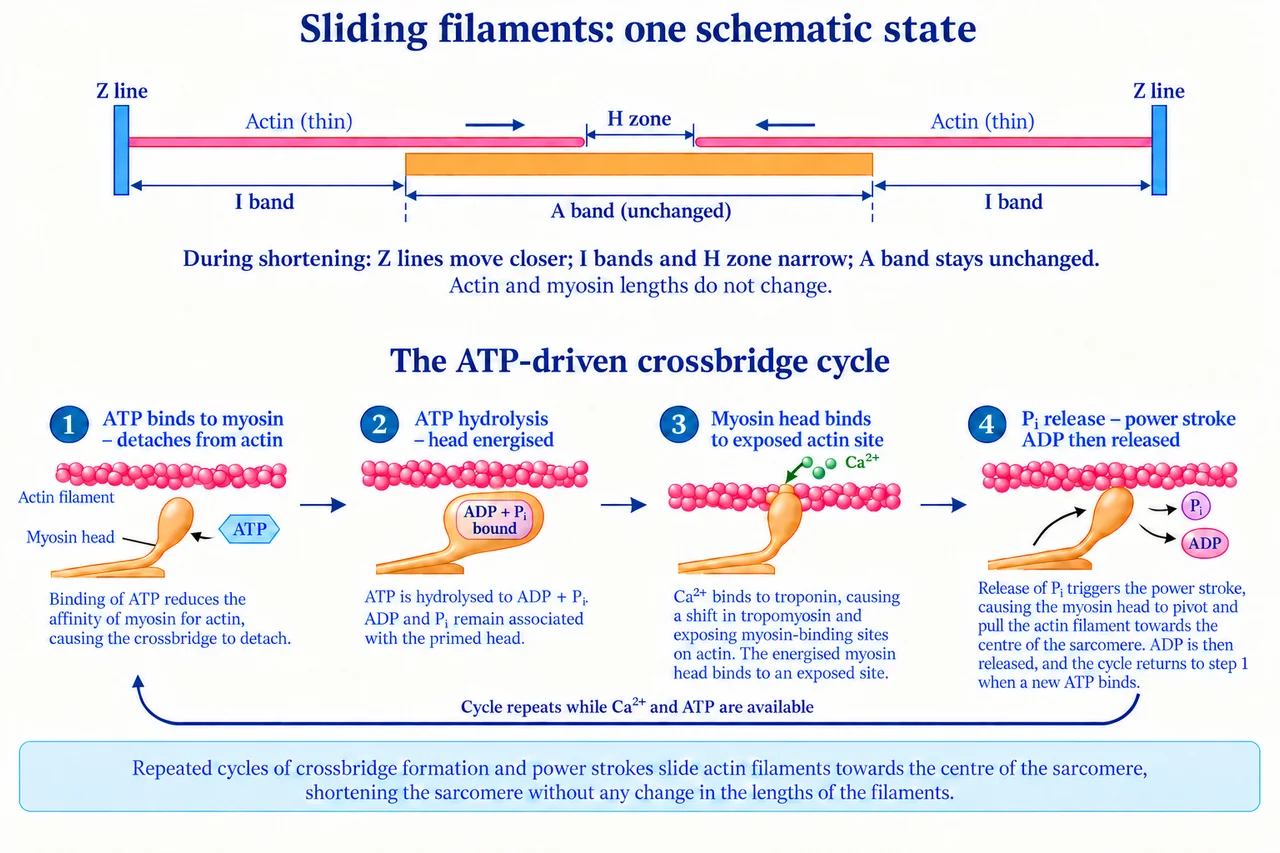
Muscles contract by sliding filaments
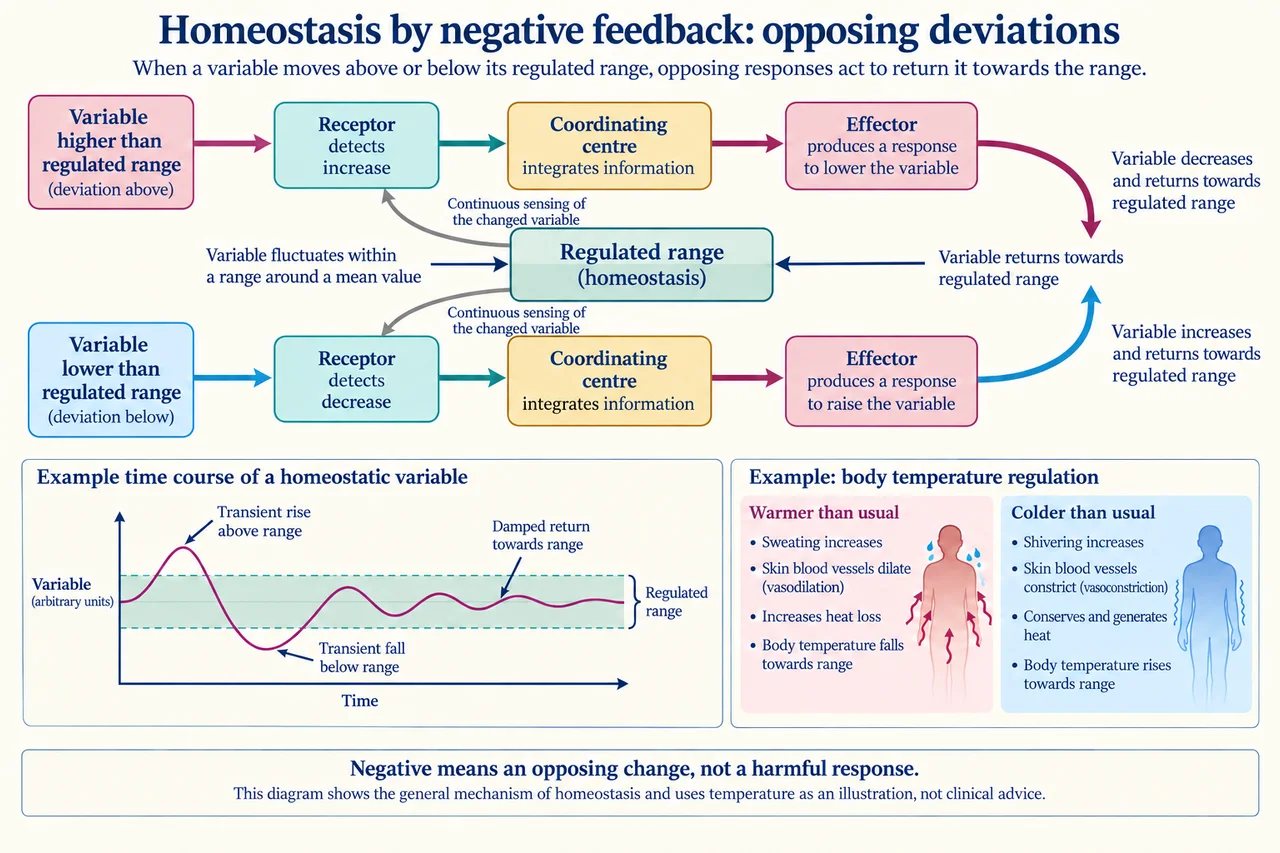
Negative feedback stabilises internal conditions
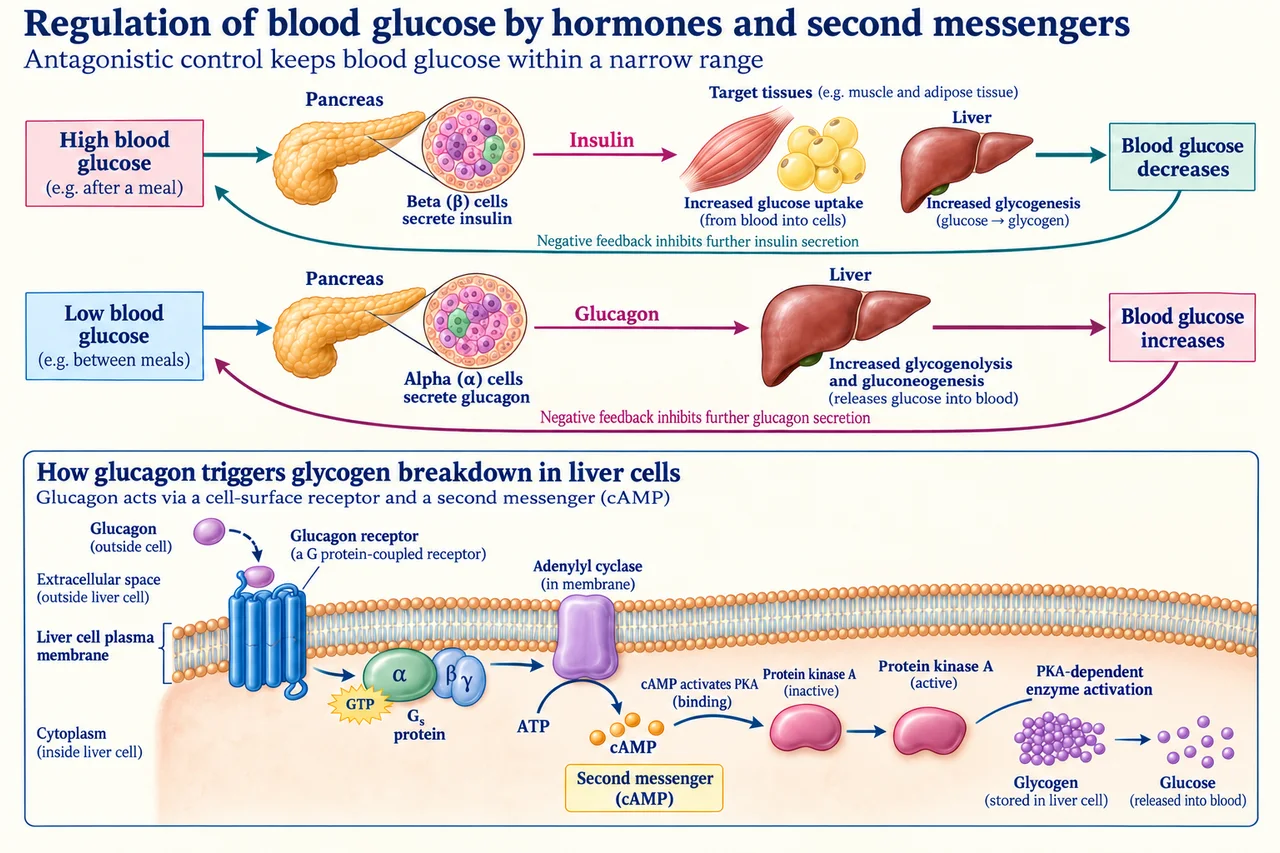
Hormones coordinate blood-glucose regulation
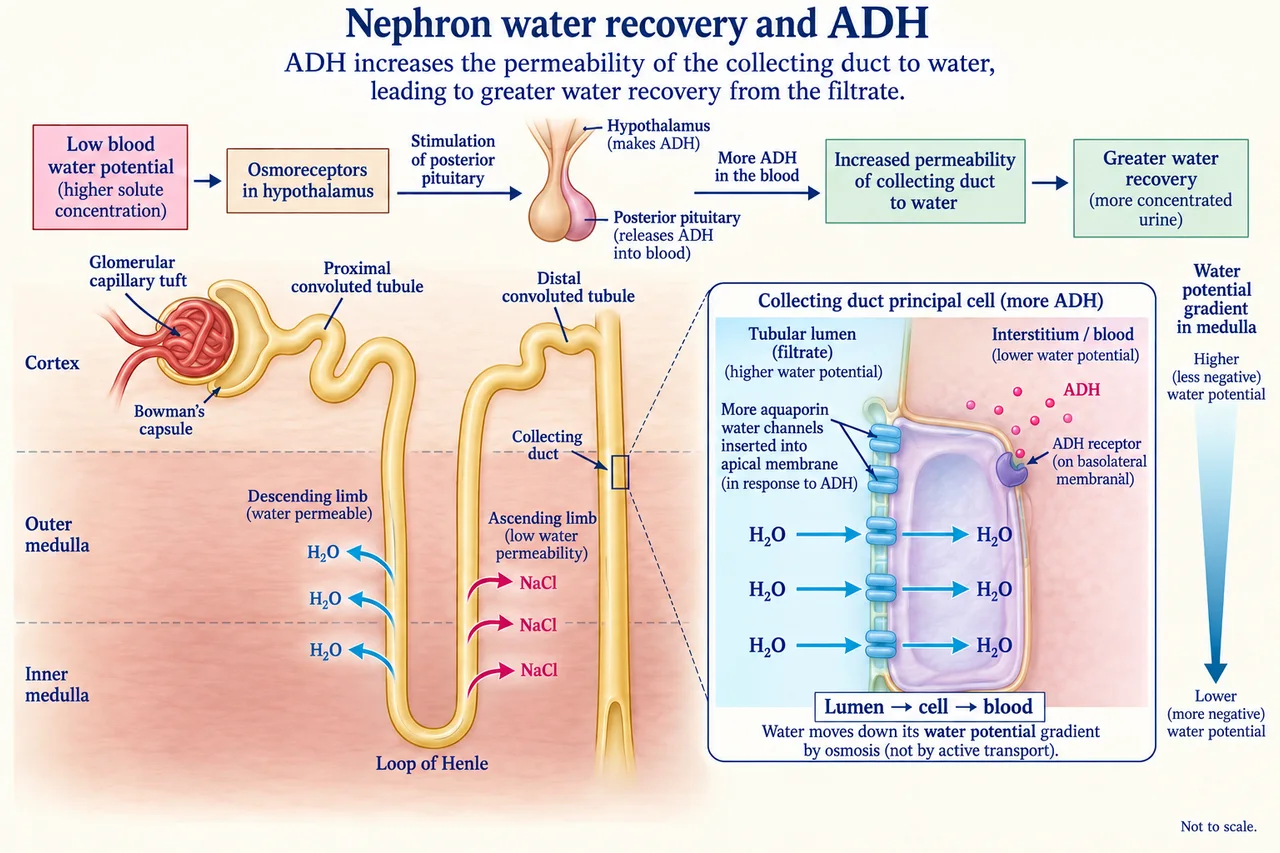
Kidneys balance water and dissolved substances
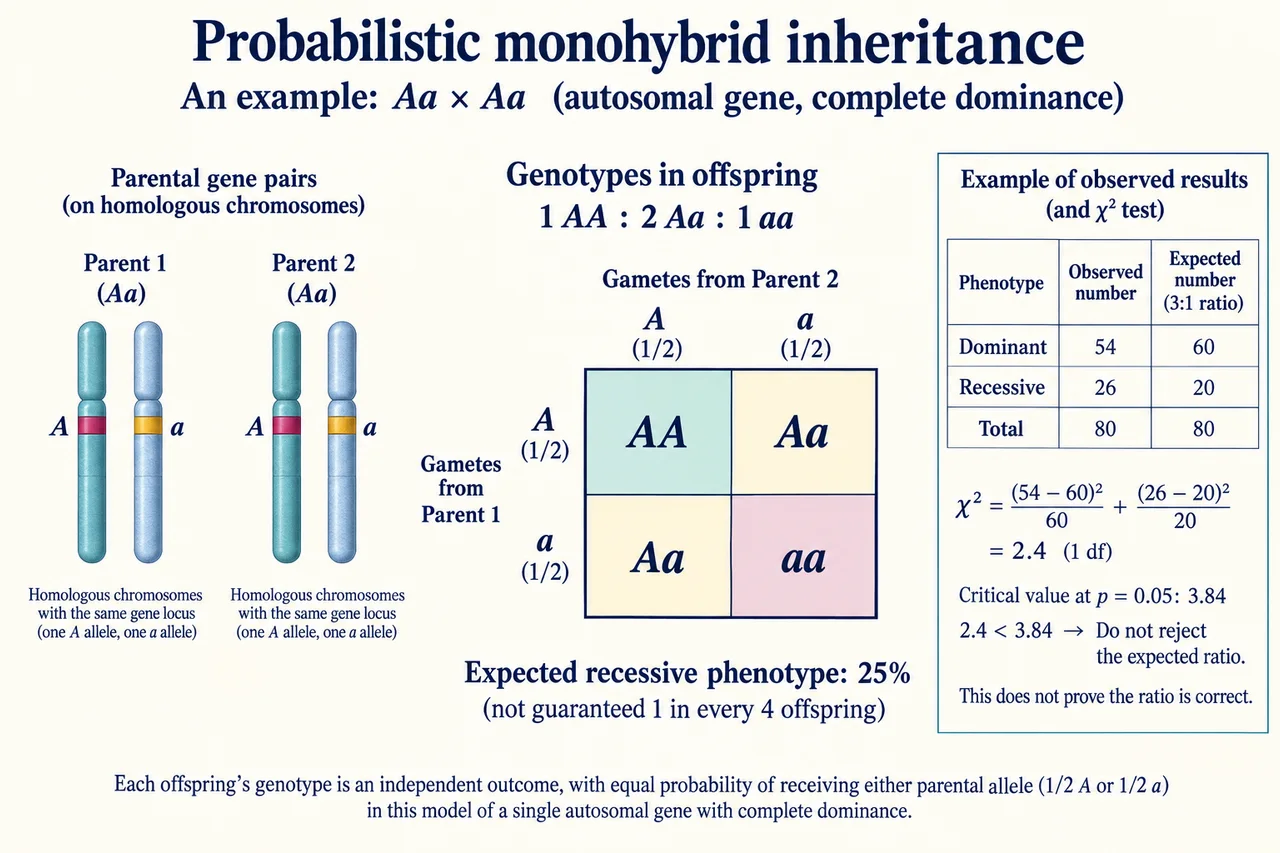
Inheritance models predict probabilities
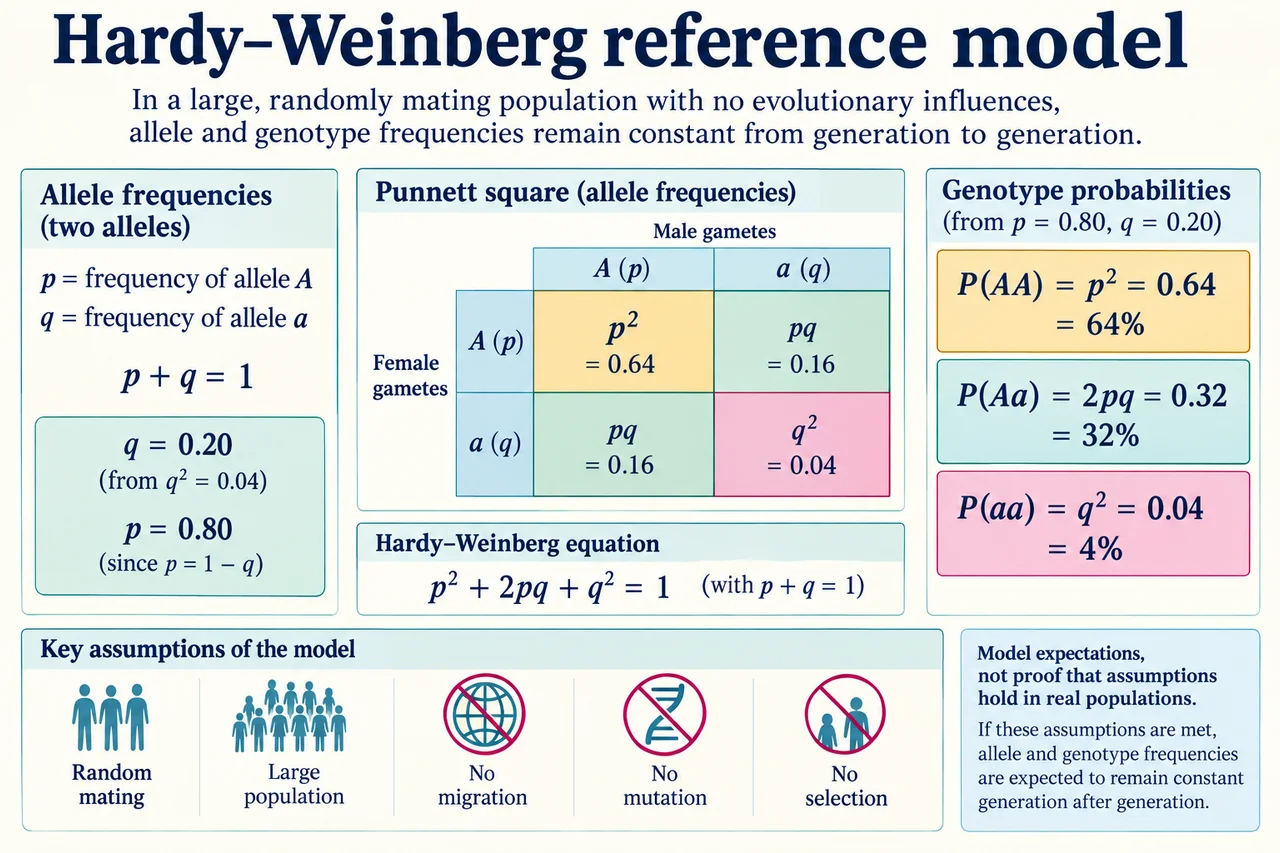
Allele frequencies describe populations
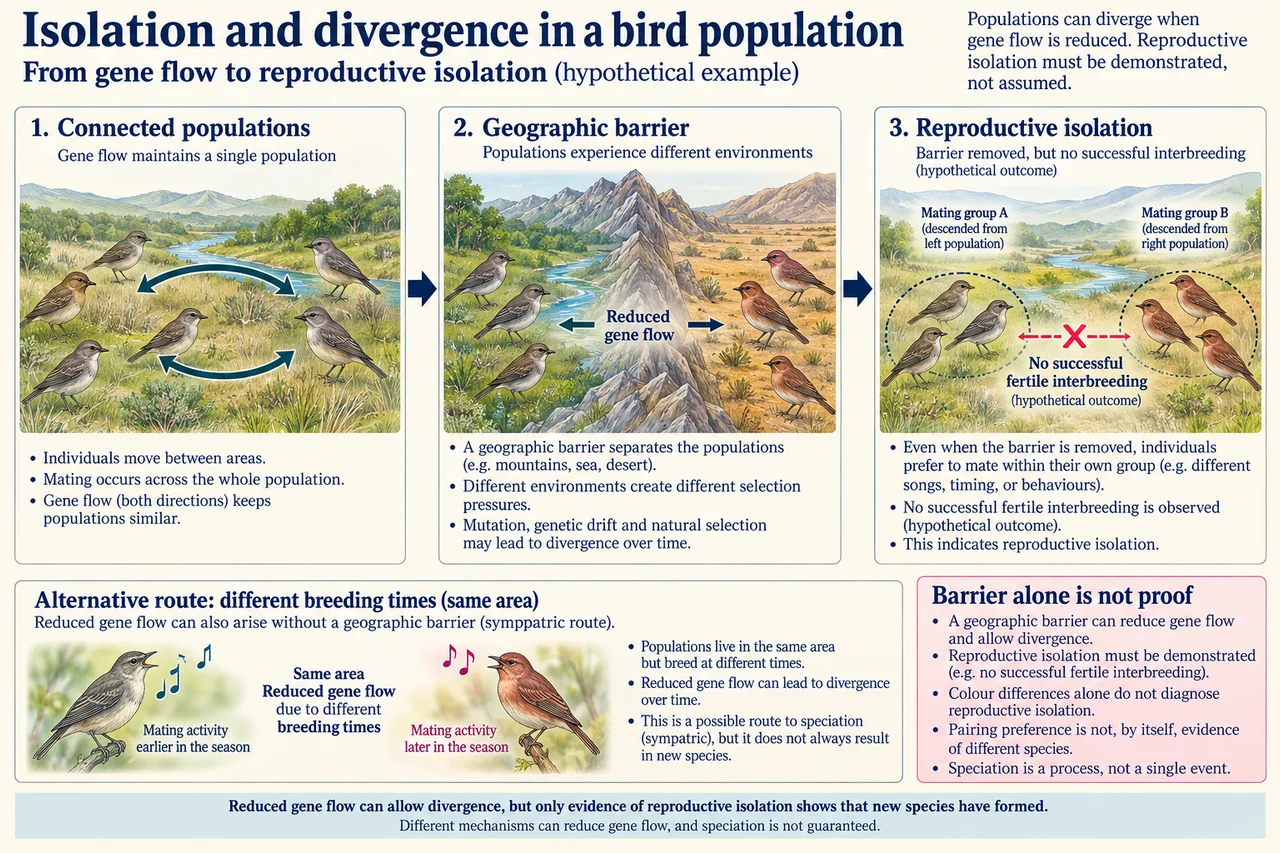
Reproductive isolation can lead to speciation
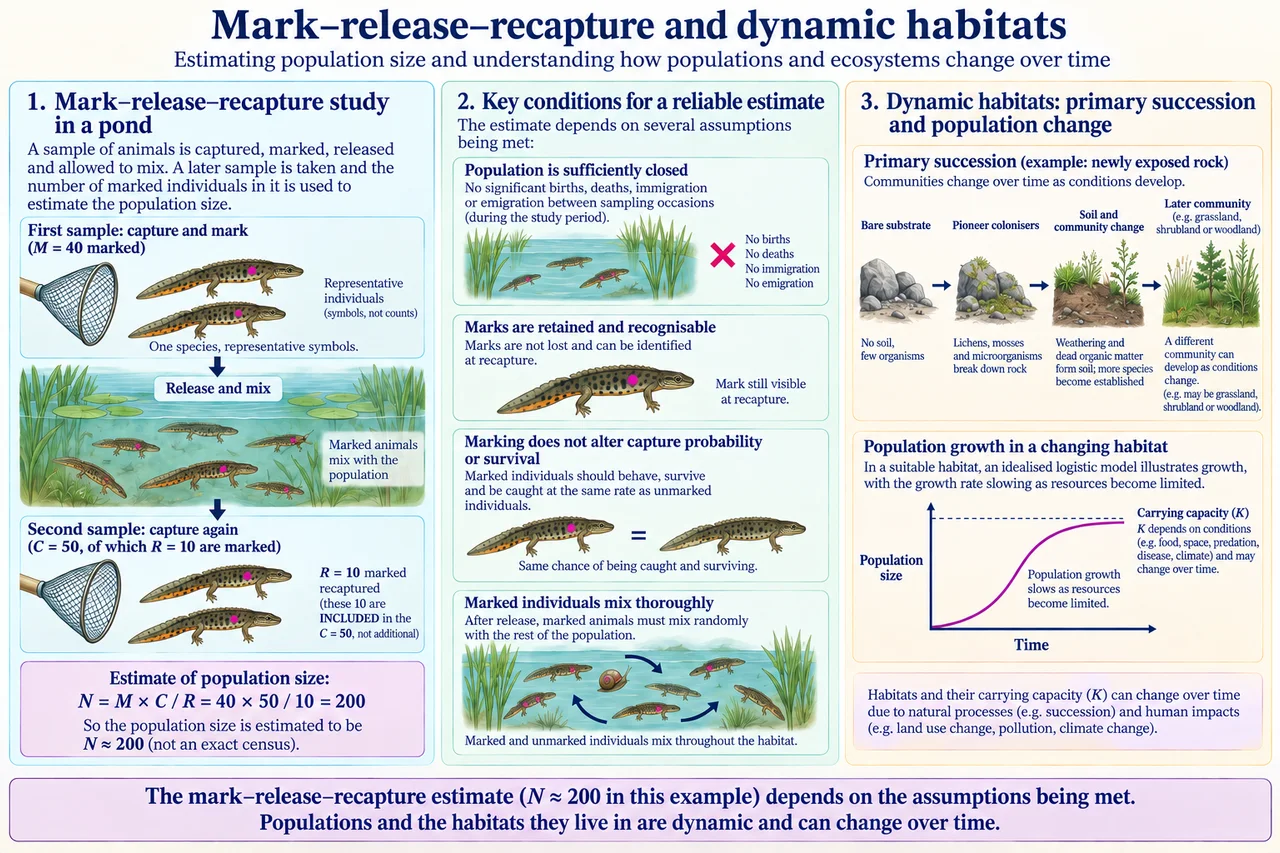
Populations change within interacting habitats
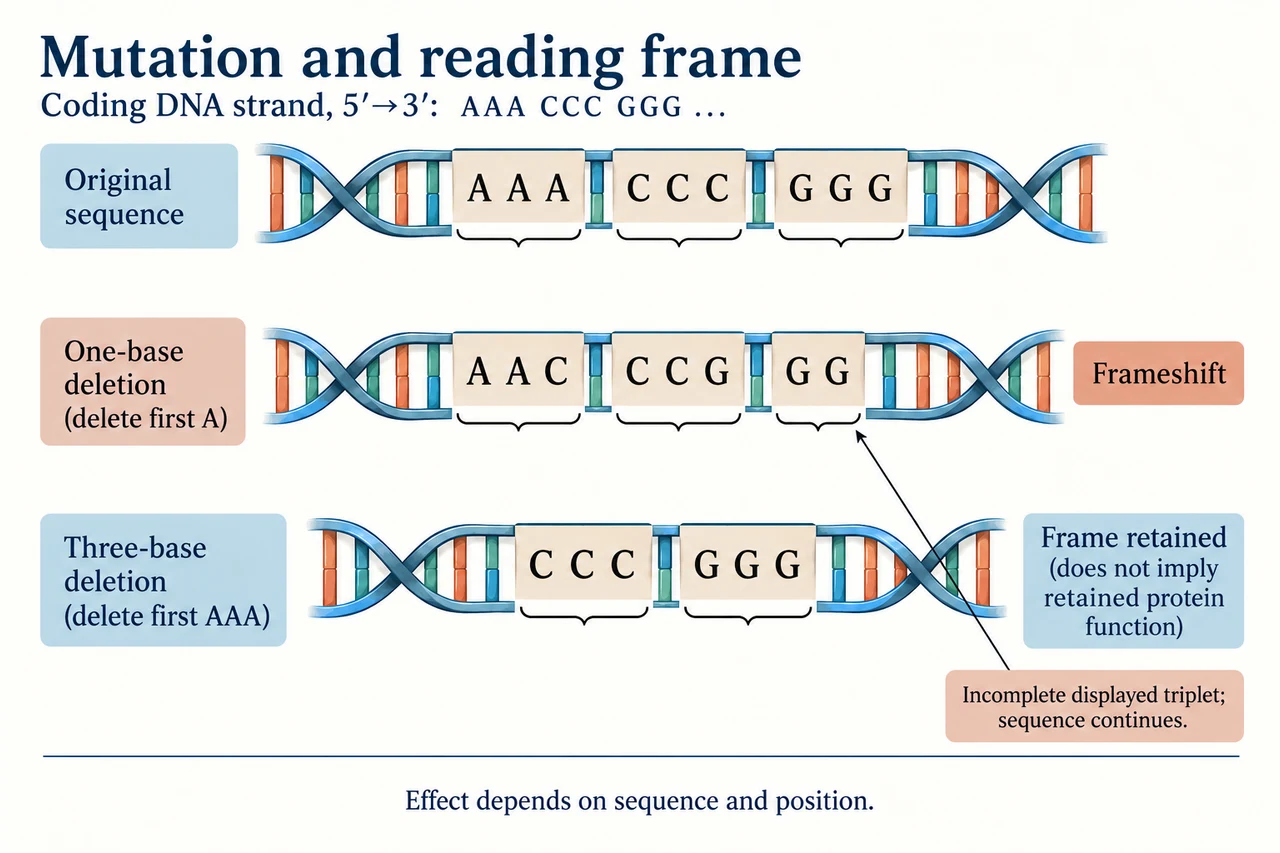
Mutations have different consequences
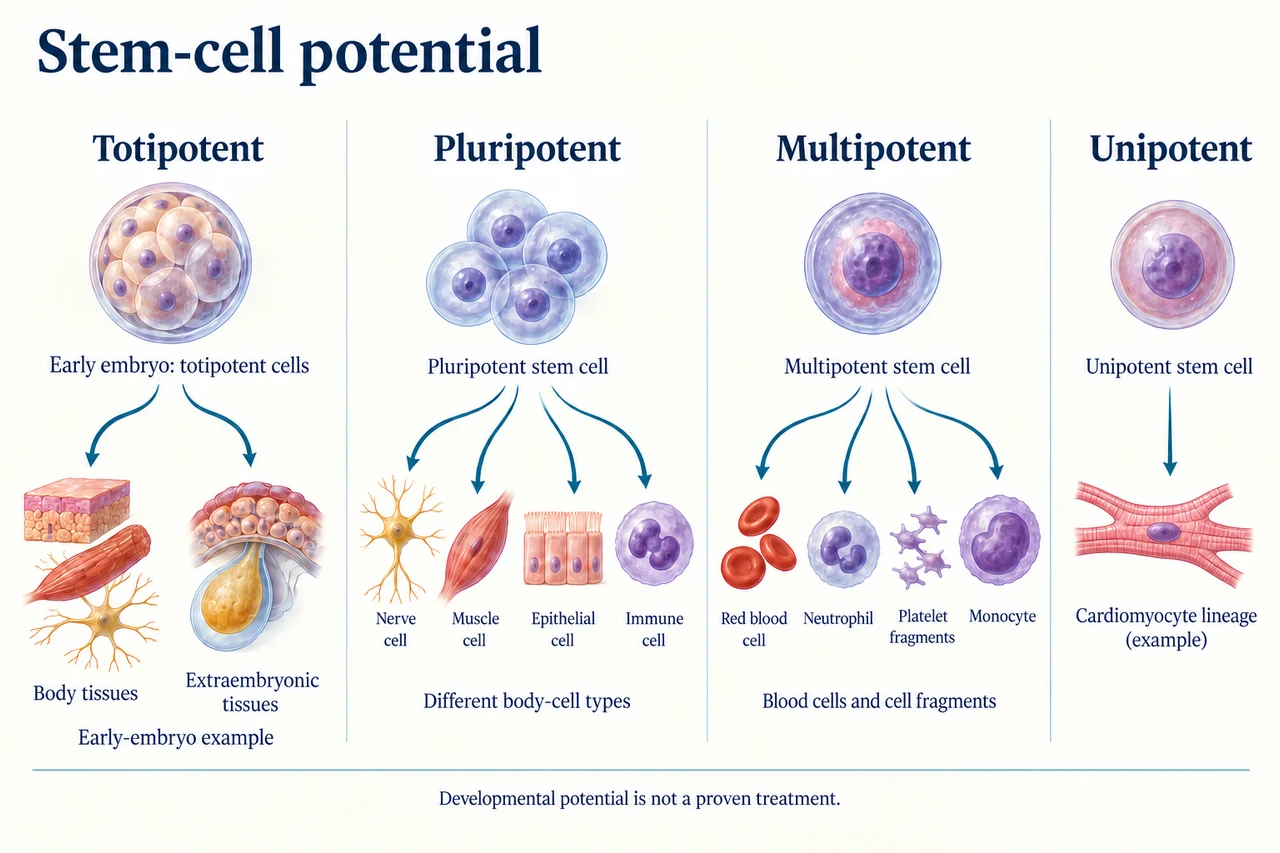
Stem-cell potential changes during differentiation
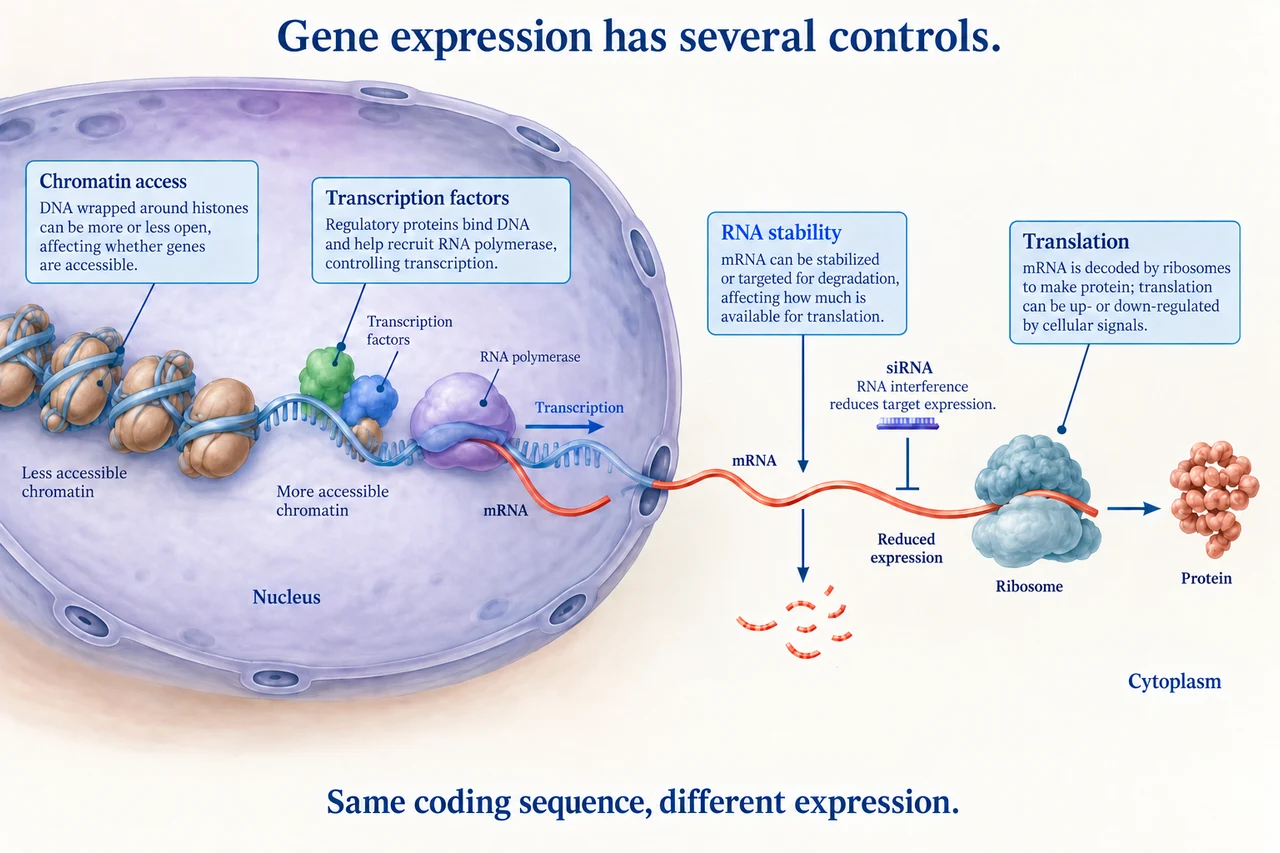
Gene expression is controlled at several stages
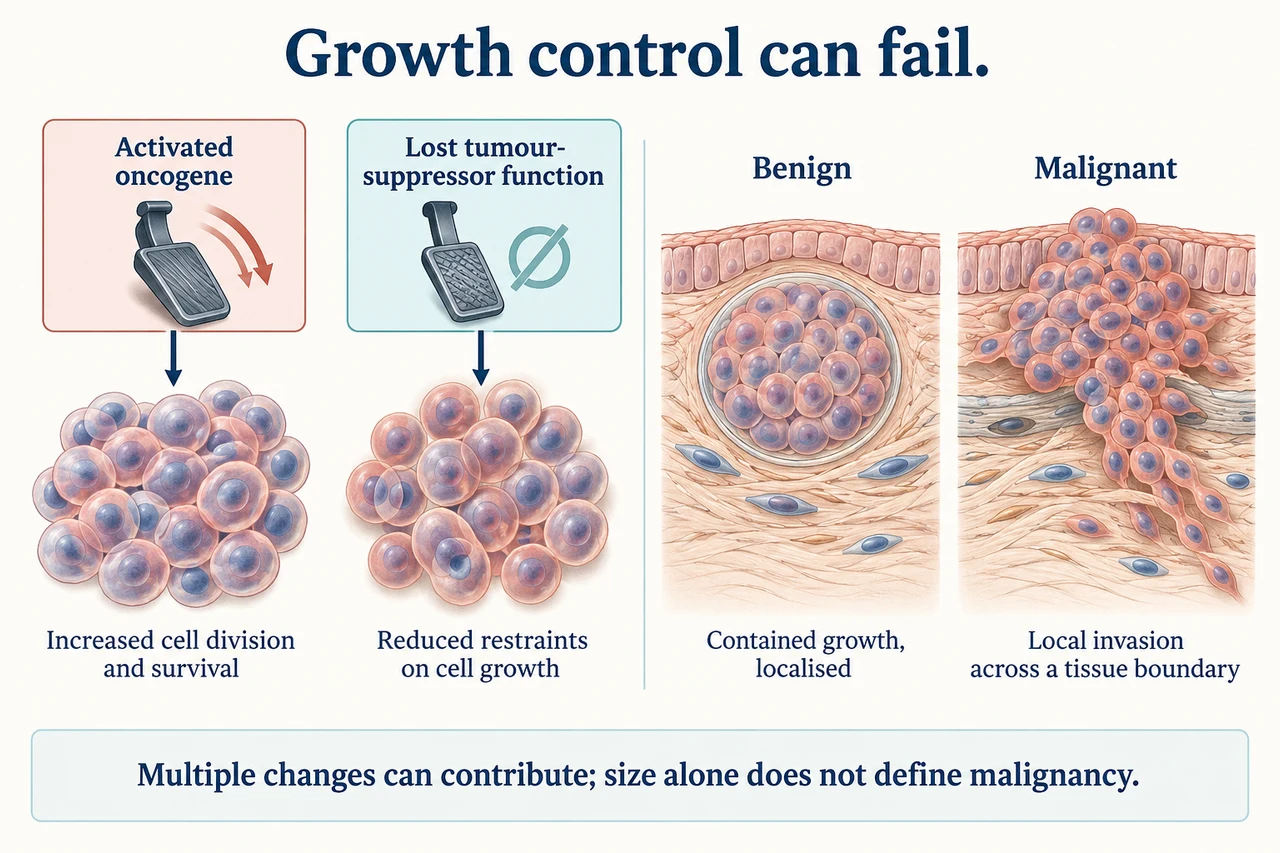
Disrupted growth regulation can contribute to cancer
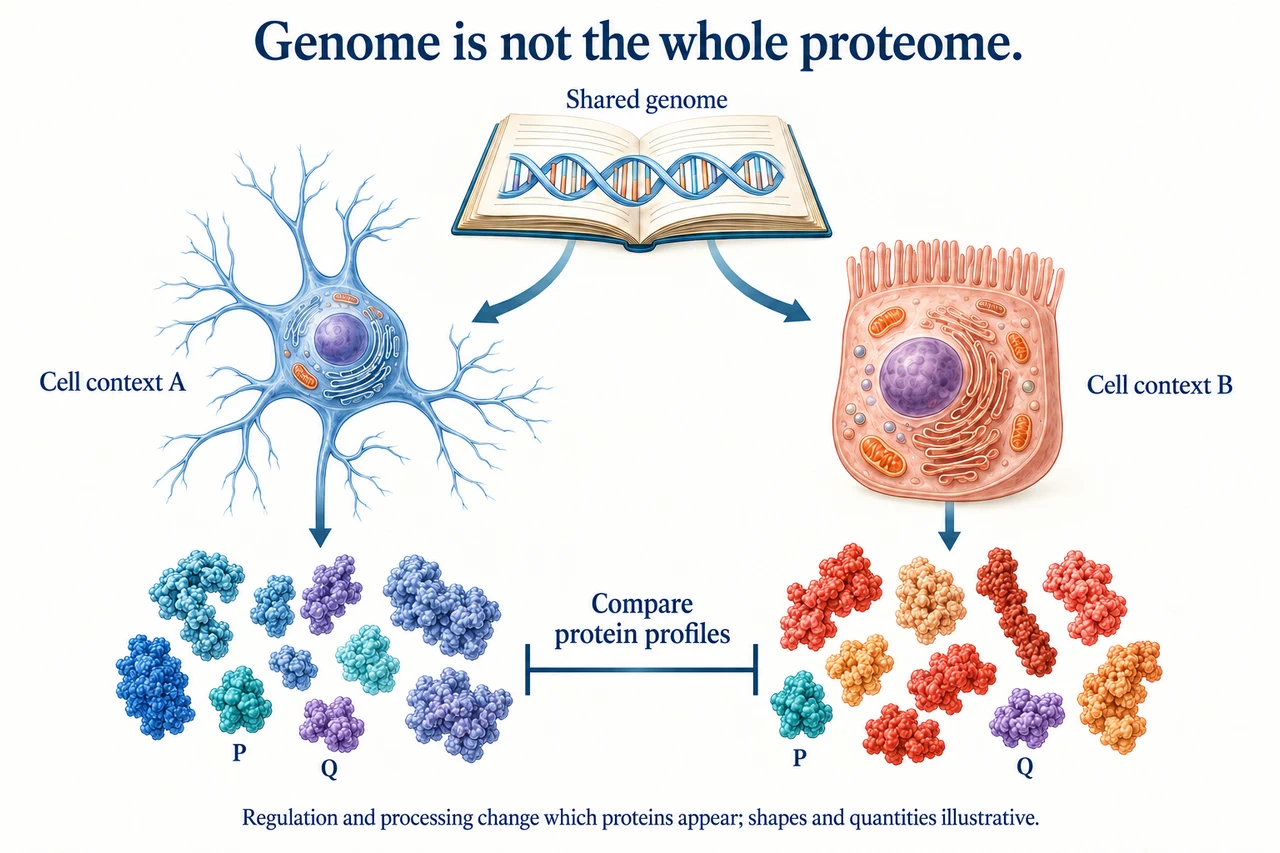
A genome sequence is a starting point
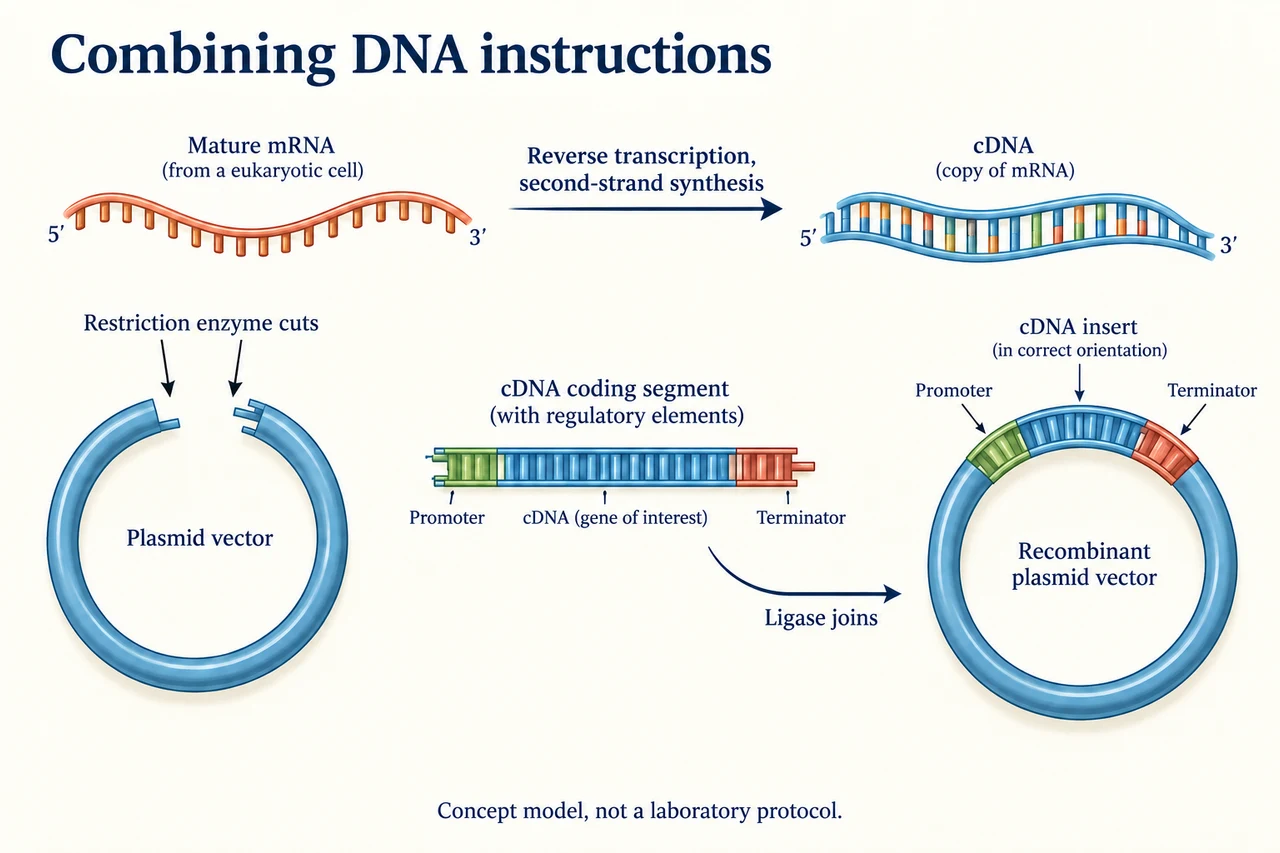
Recombinant DNA combines biological instructions
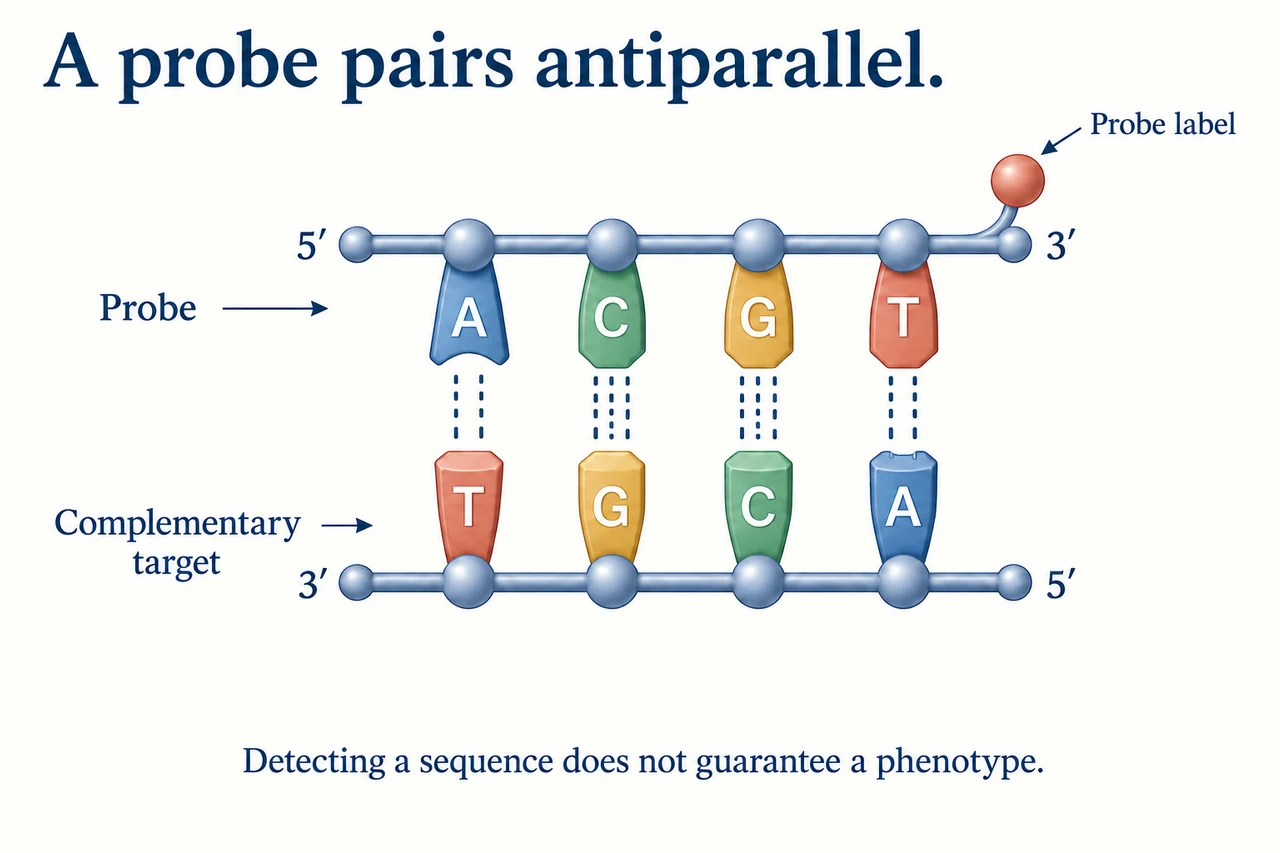
DNA probes detect complementary sequences
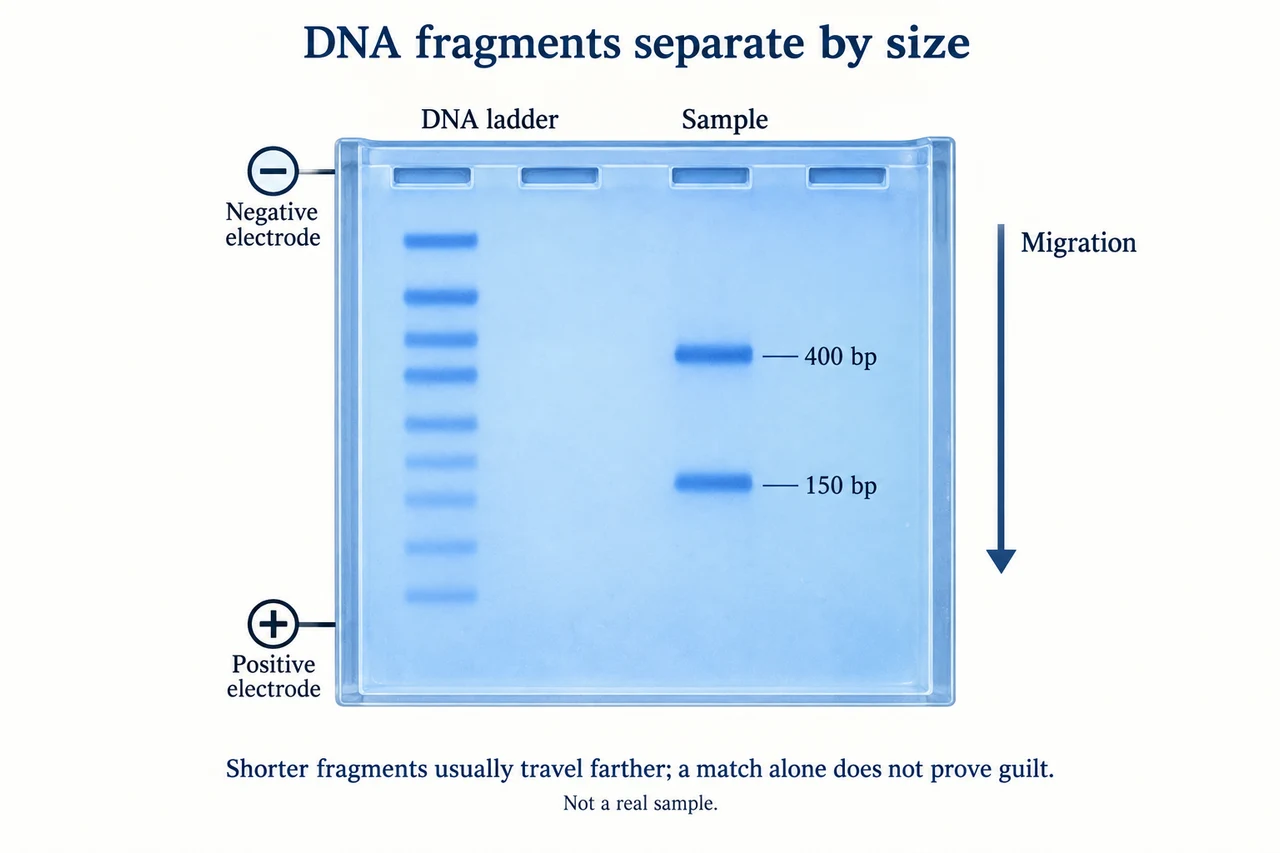
DNA profiles compare variable regions
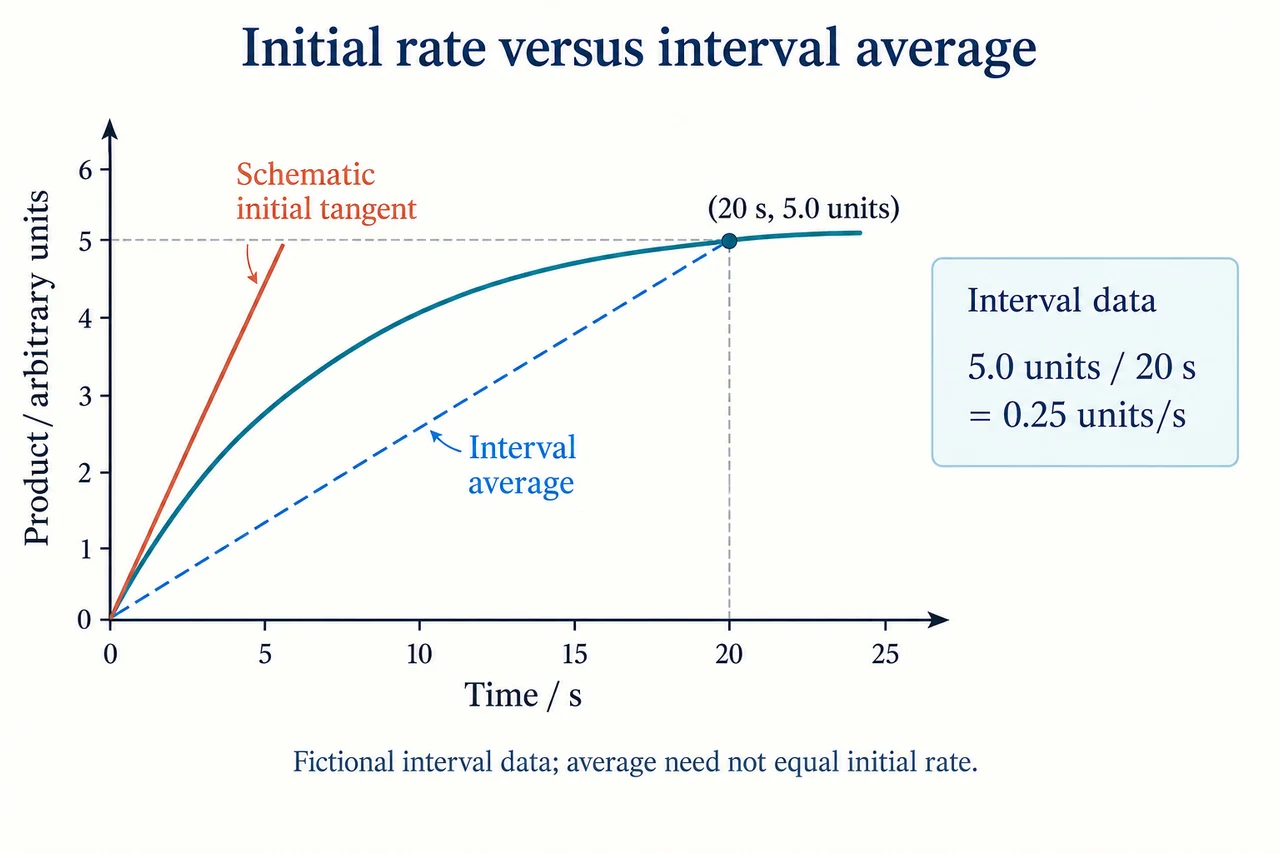
Distinguishing initial rate from average rate
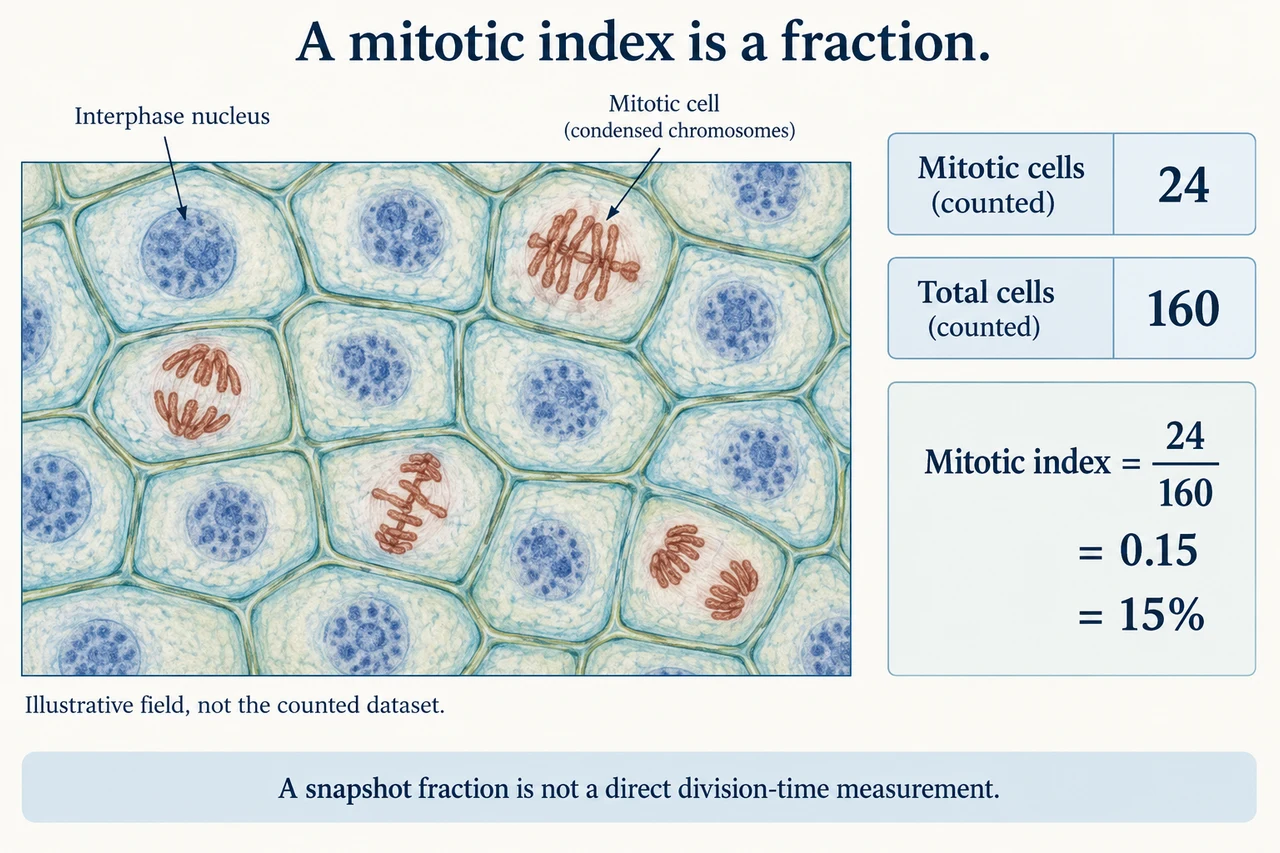
Using a mitotic index with clear counting rules
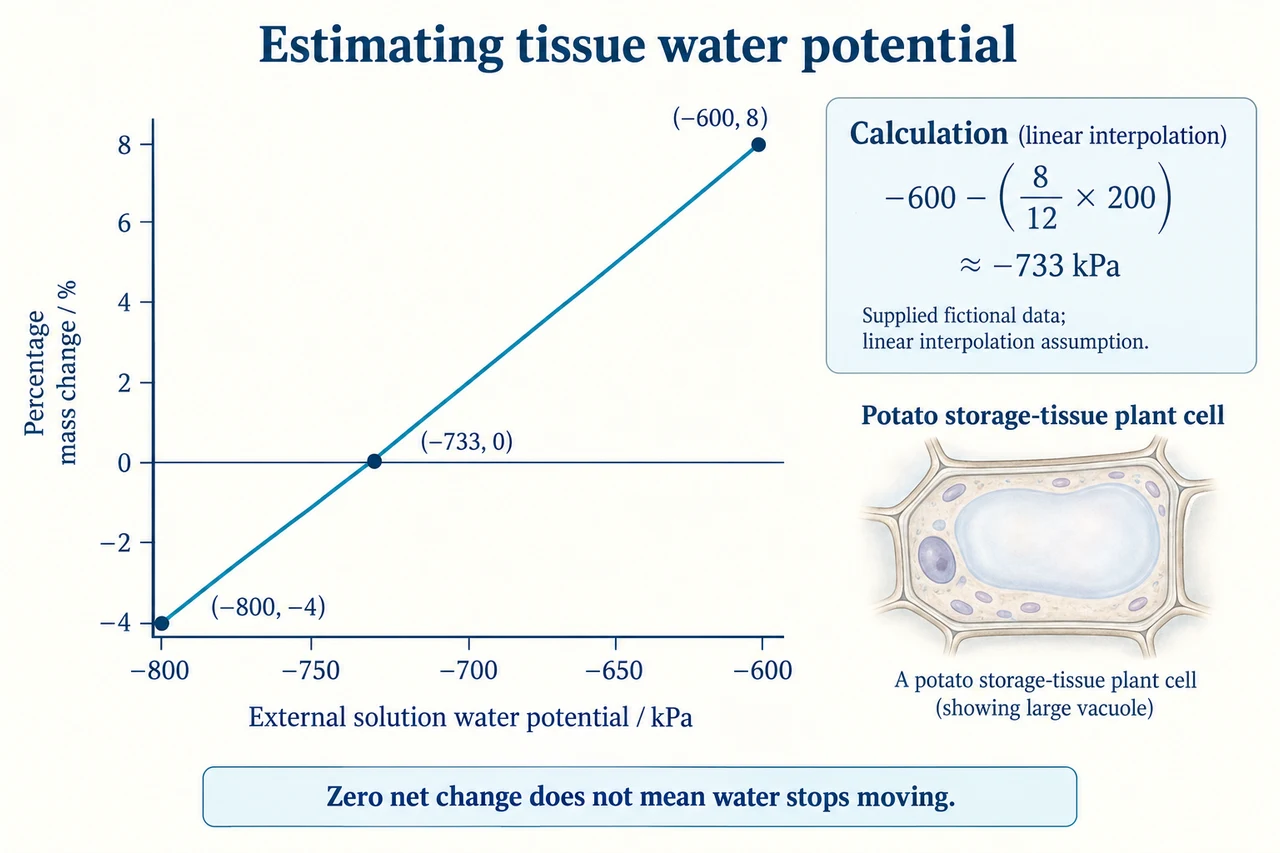
Estimating tissue water potential from calibration data
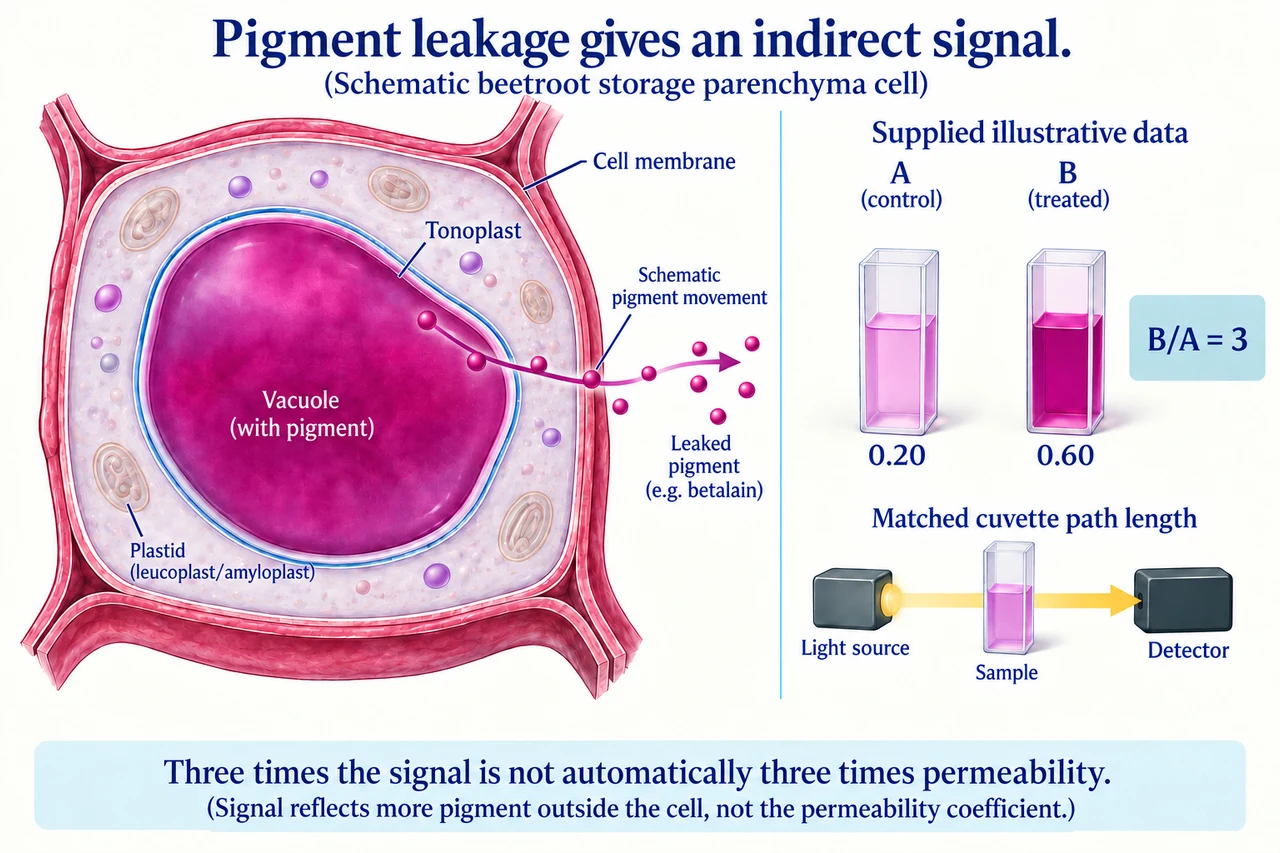
Interpreting pigment leakage through membranes
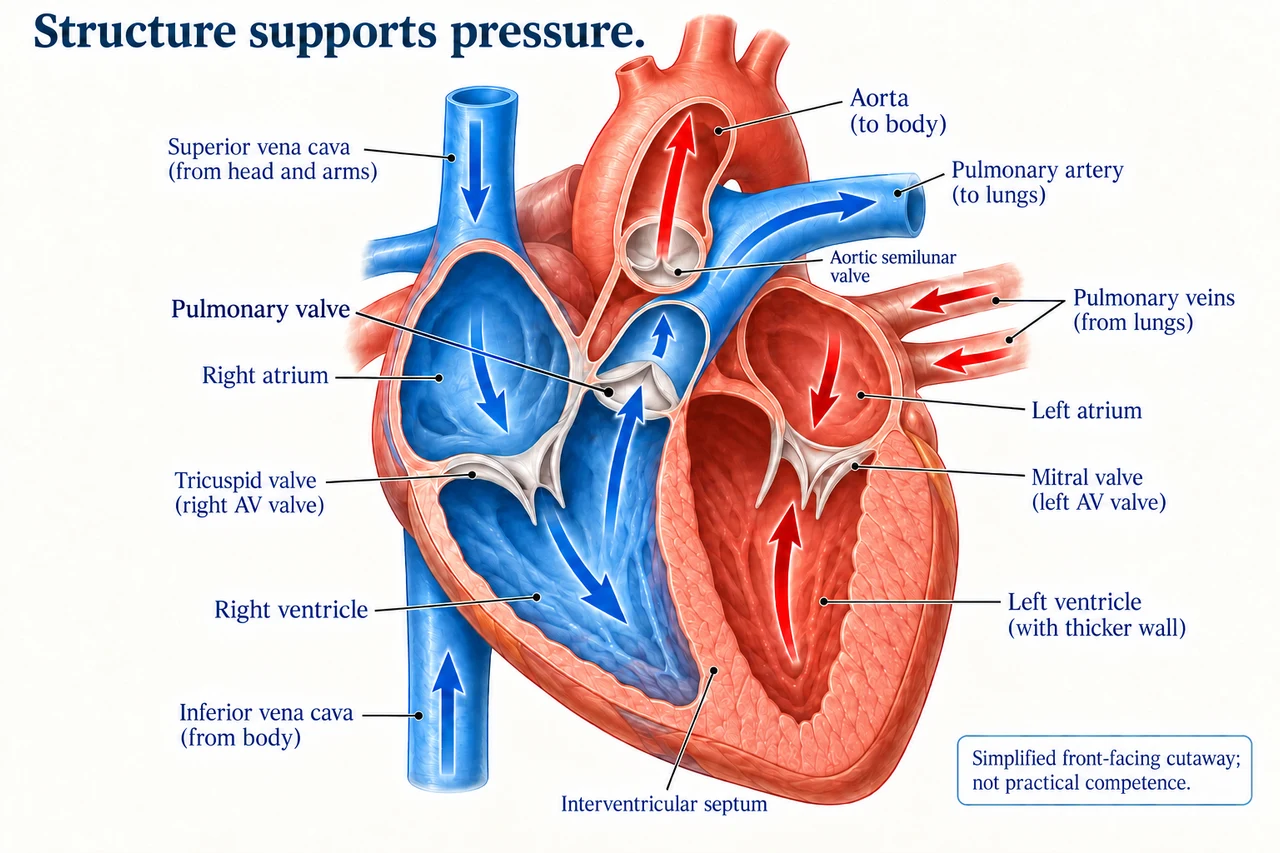
Connecting observed organ structure with function
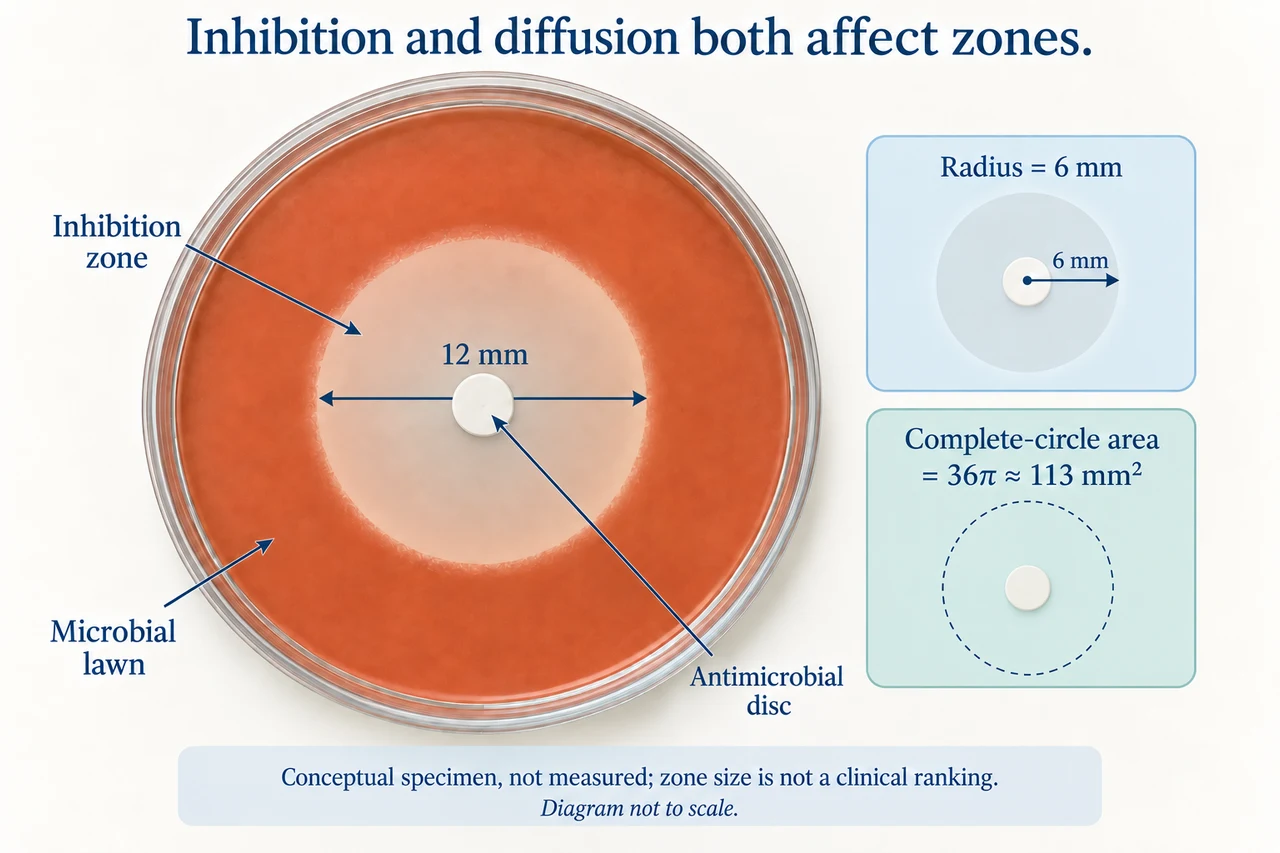
Separating antimicrobial effect from diffusion
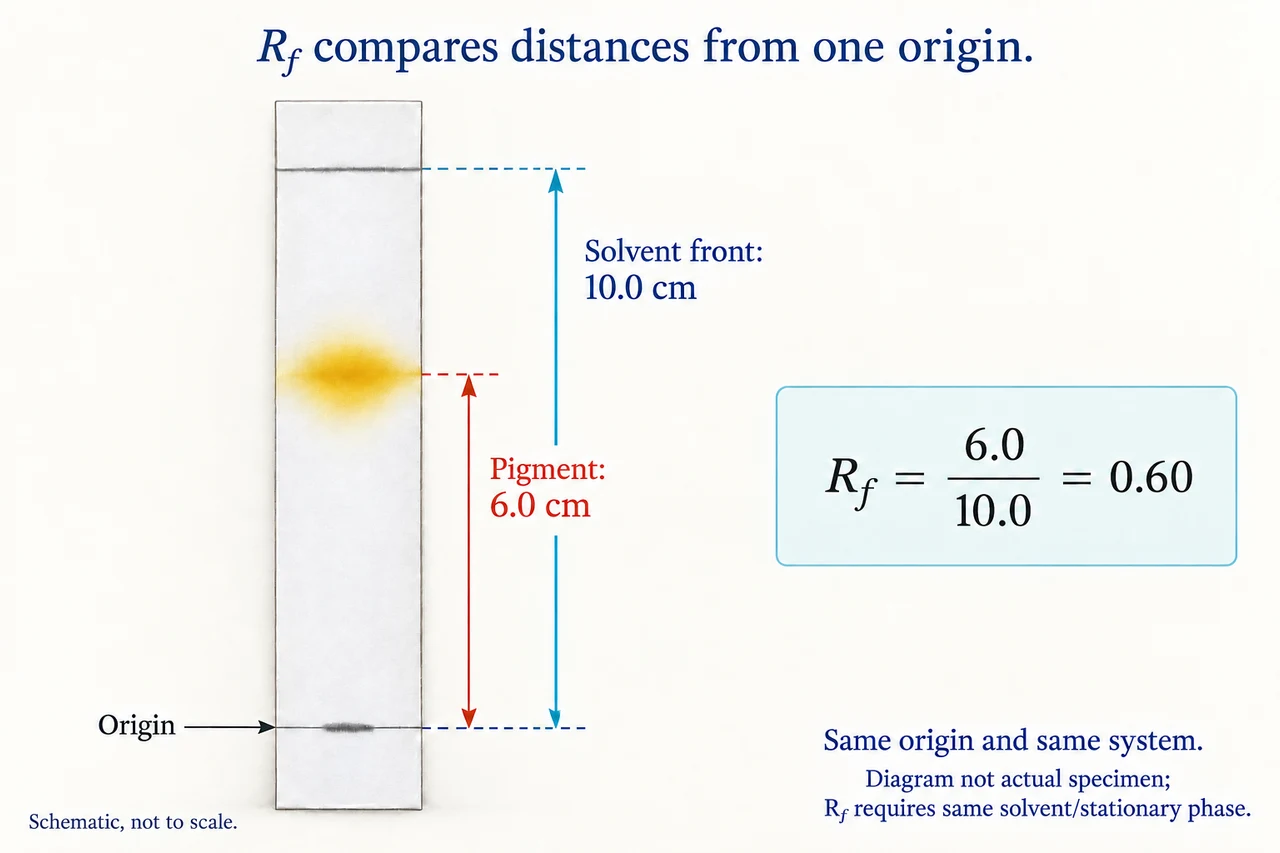
Comparing pigments with chromatography
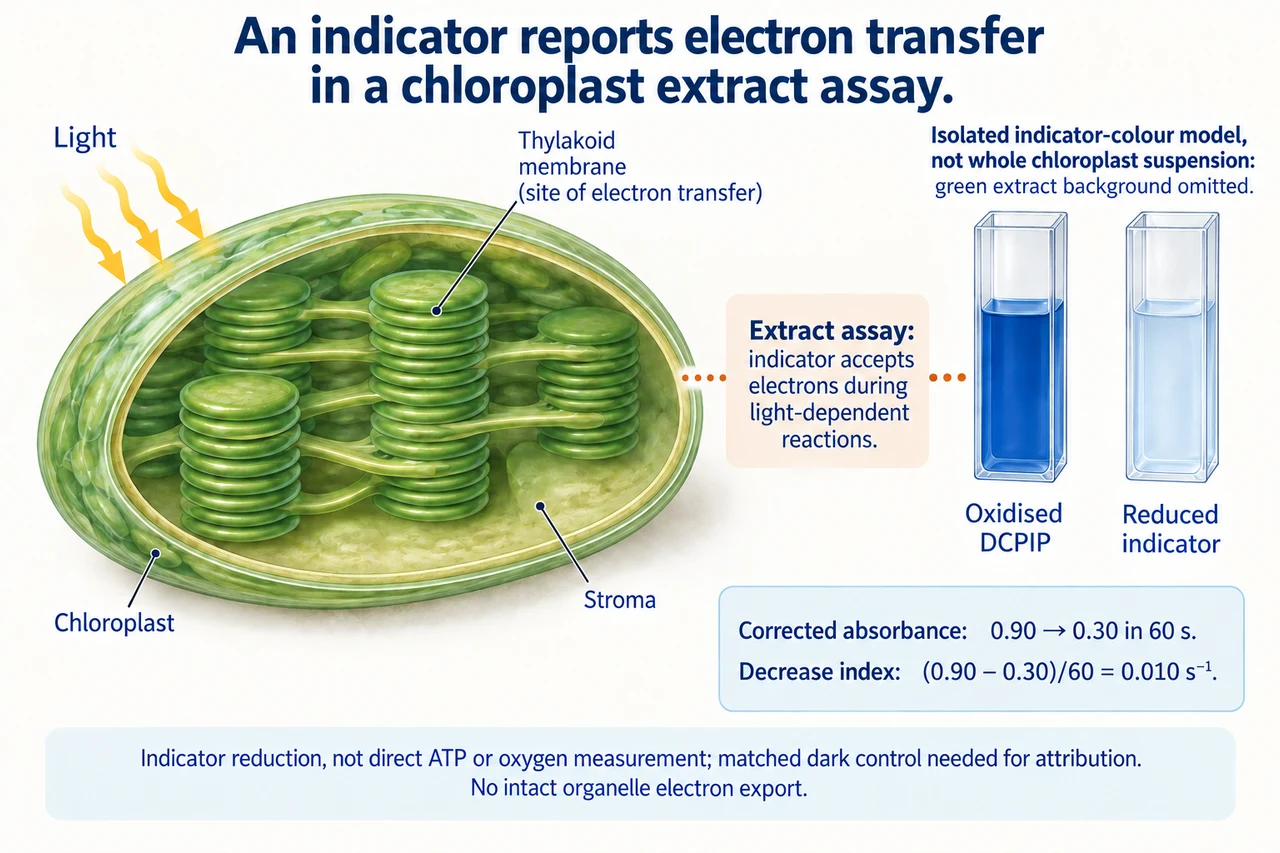
Using an indicator to compare chloroplast activity
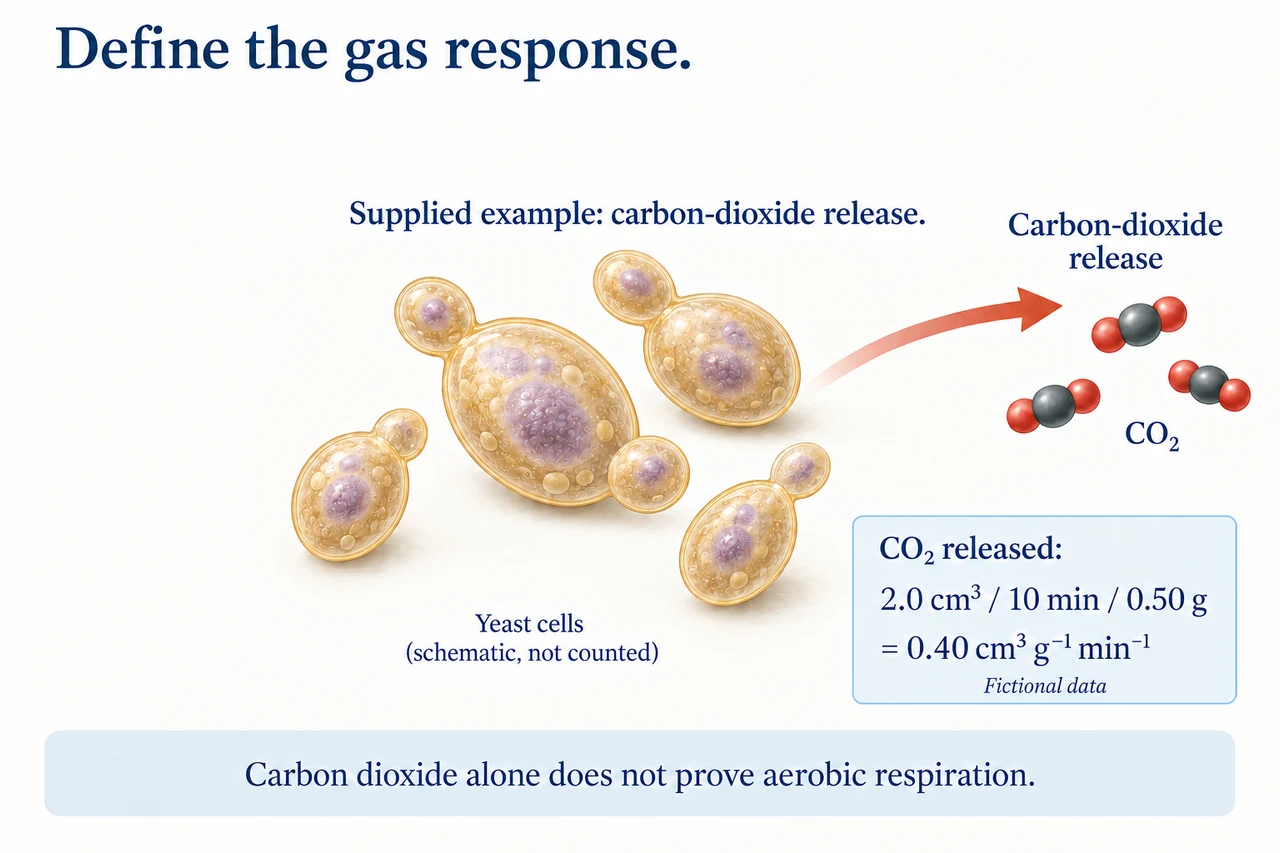
Defining what a respiration assay measures
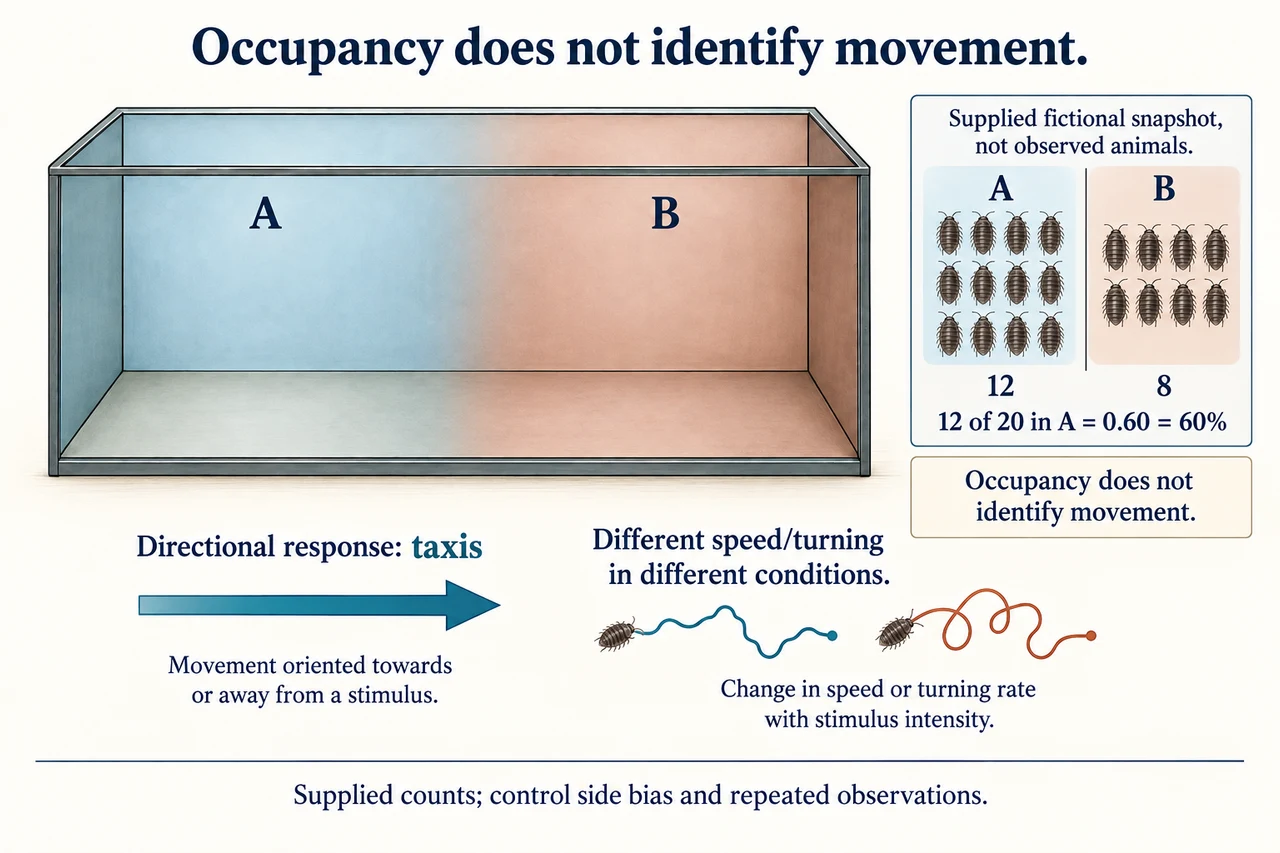
Interpreting an animal movement comparison
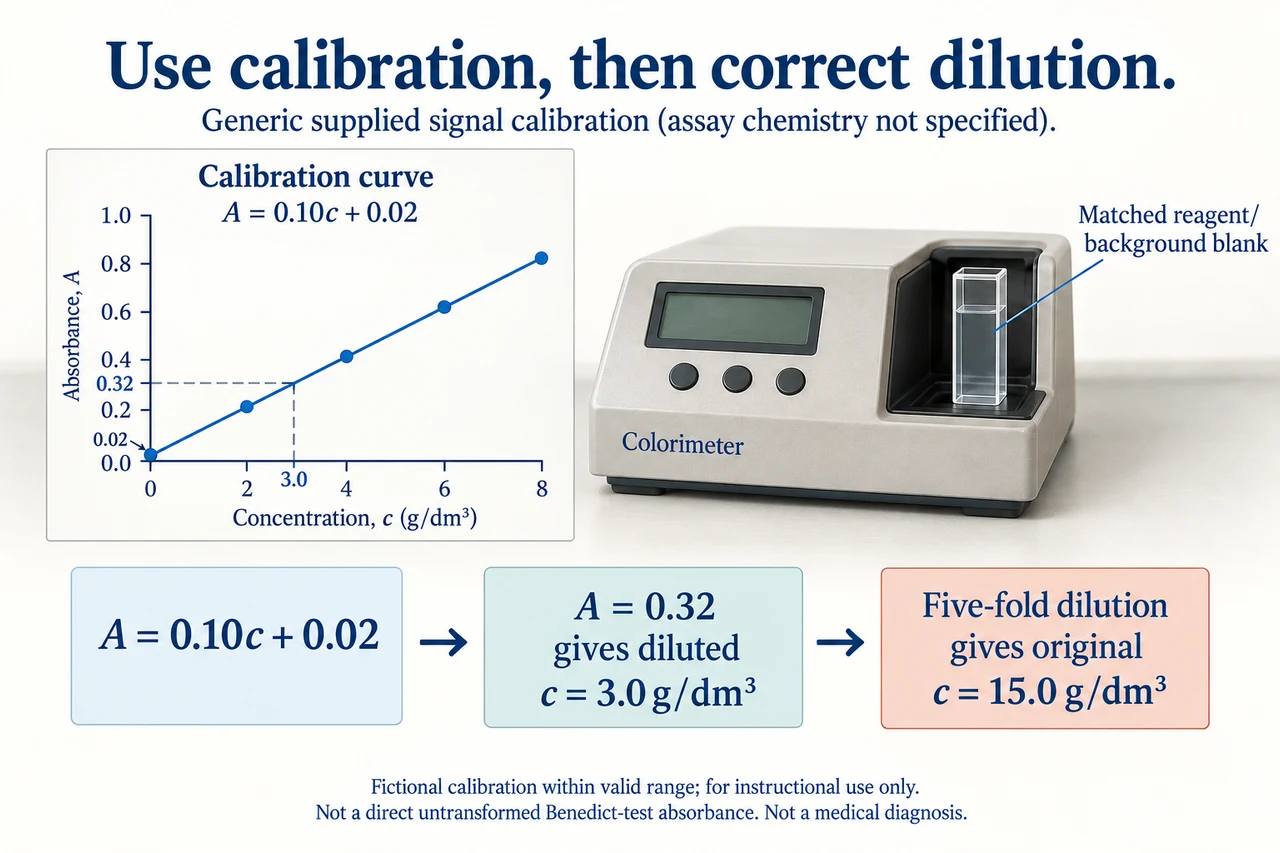
Reading a glucose calibration with dilution
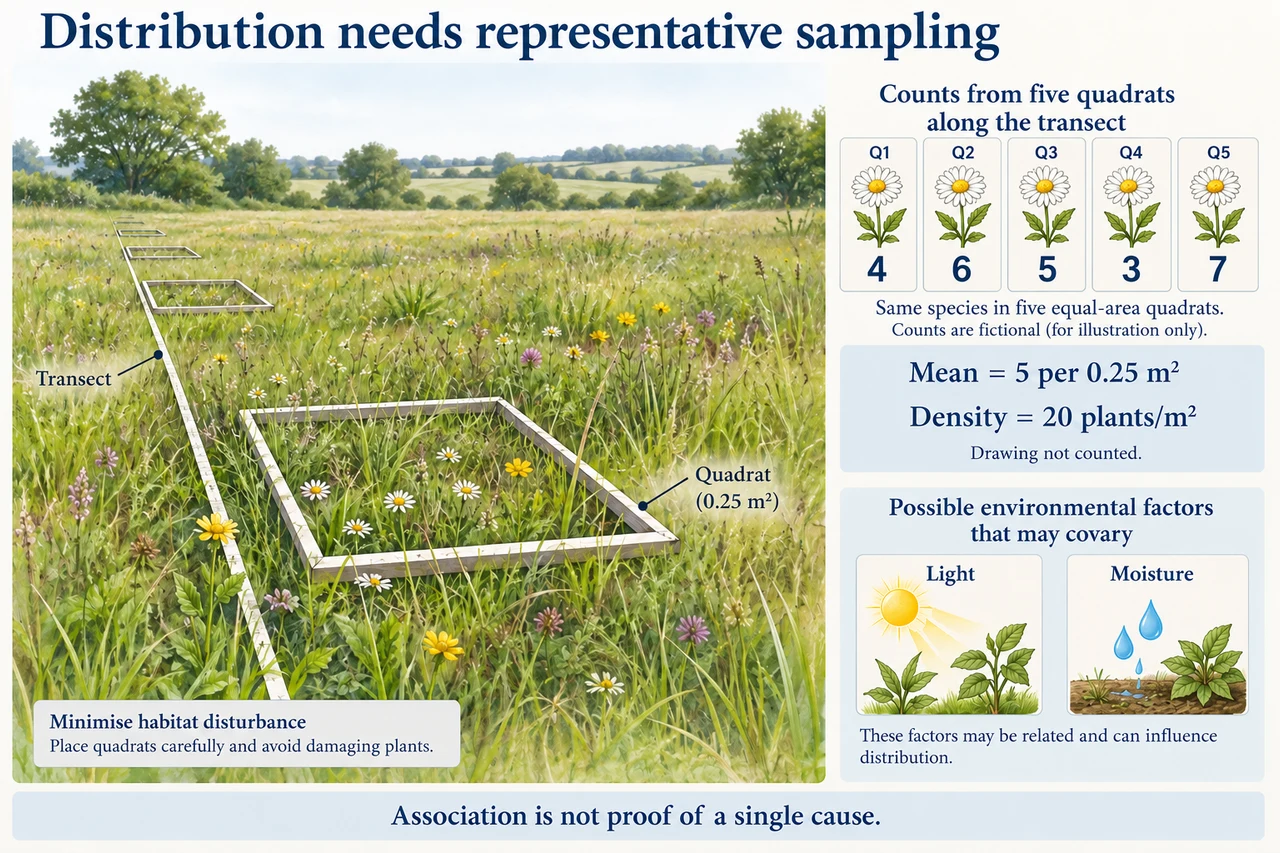
Relating species distribution to a measured gradient