← Explore the libraryPublic reading pack
UK GCSE Biology · independent study · myAudience
Independent myAudience subject study using references for England. Published readings cover selected topics; full curriculum, assessment and practical coverage are not verified. No awarding-body affiliation, endorsement, qualification or grade guarantee is offered. Check the source specification and your centre for the requirements of your chosen course.
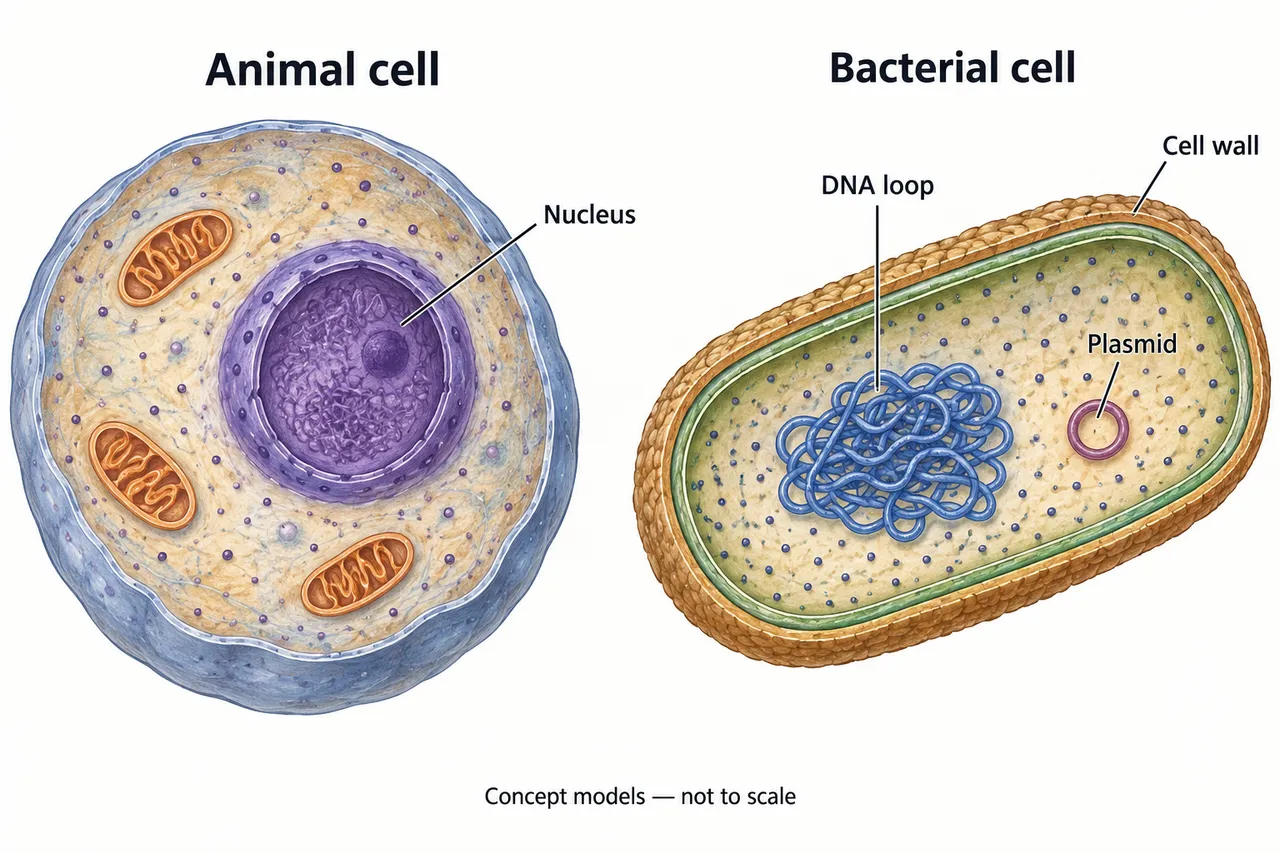
Cells with and without nuclei
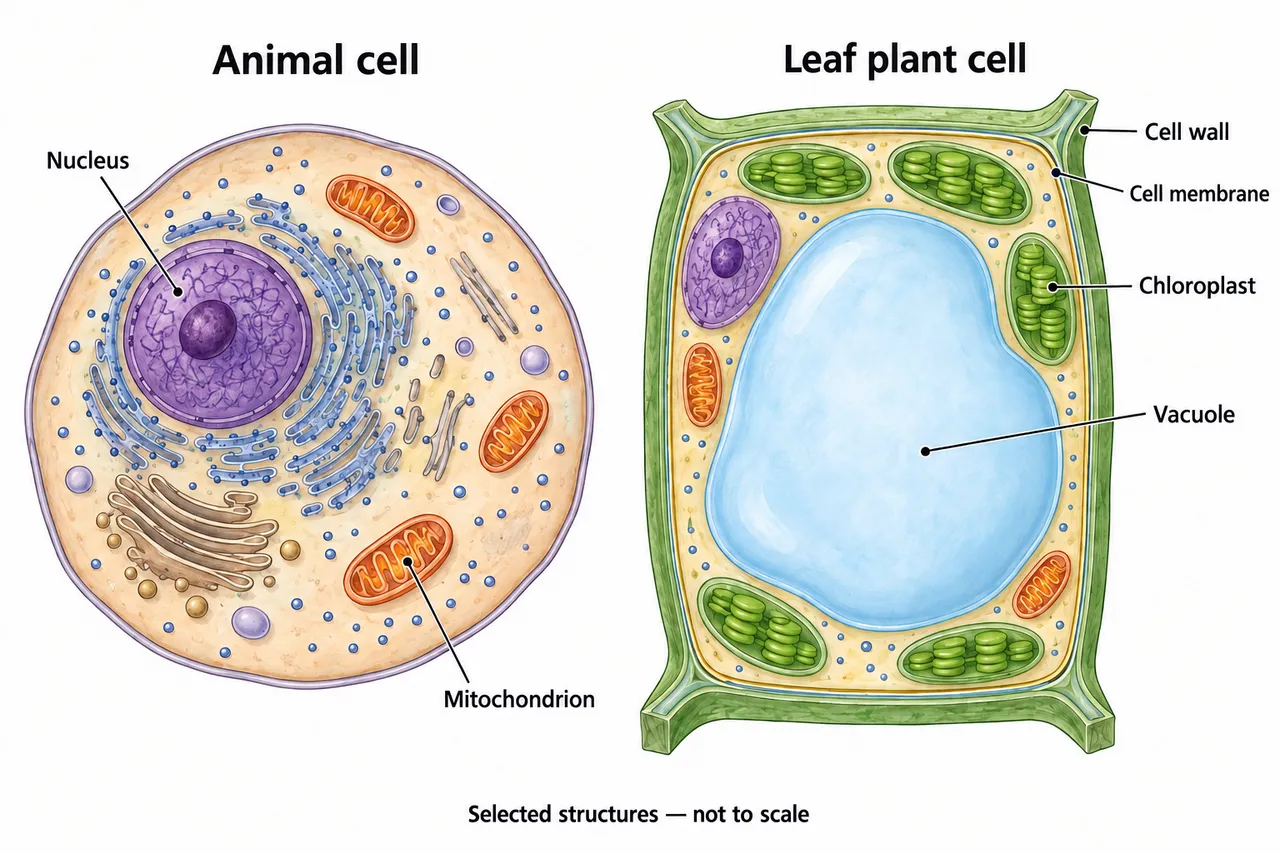
Structures inside living cells
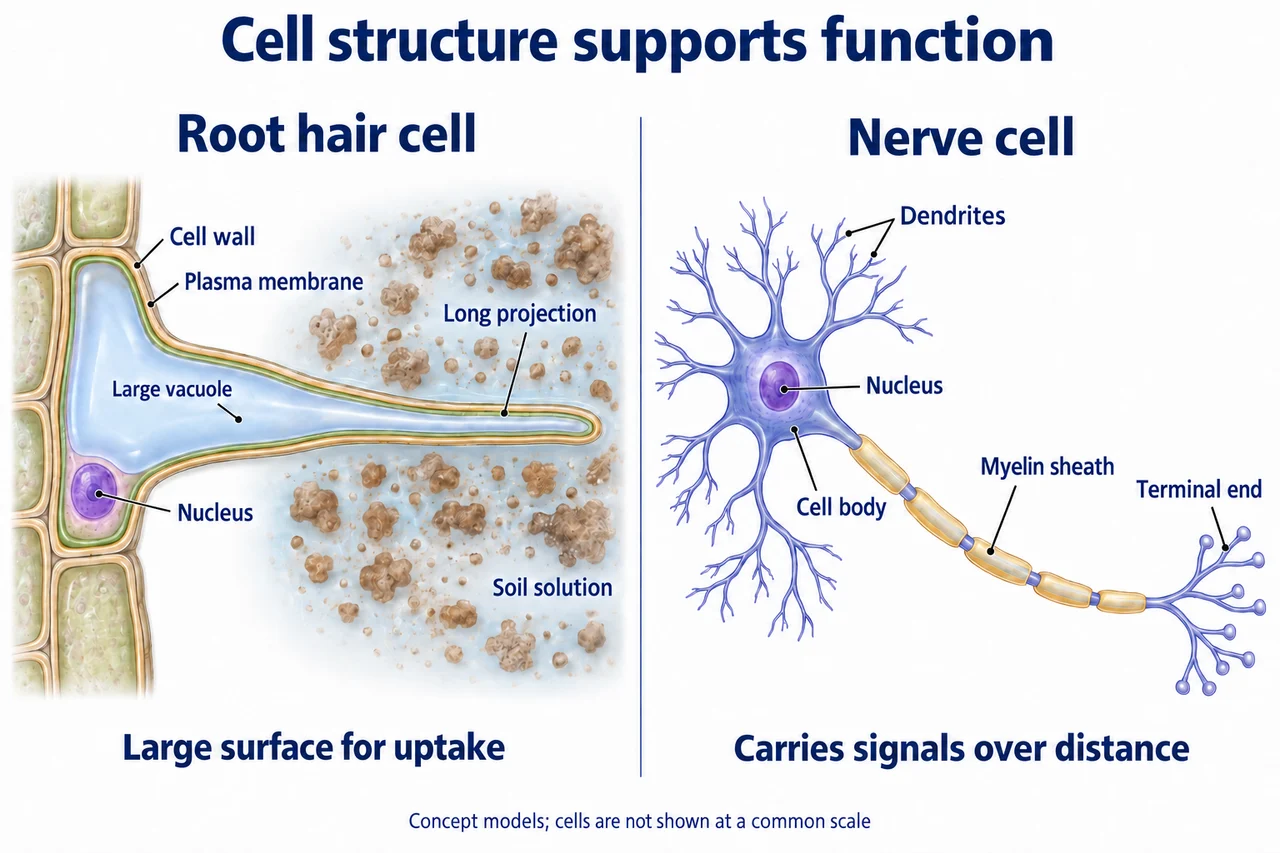
Cells adapted for jobs
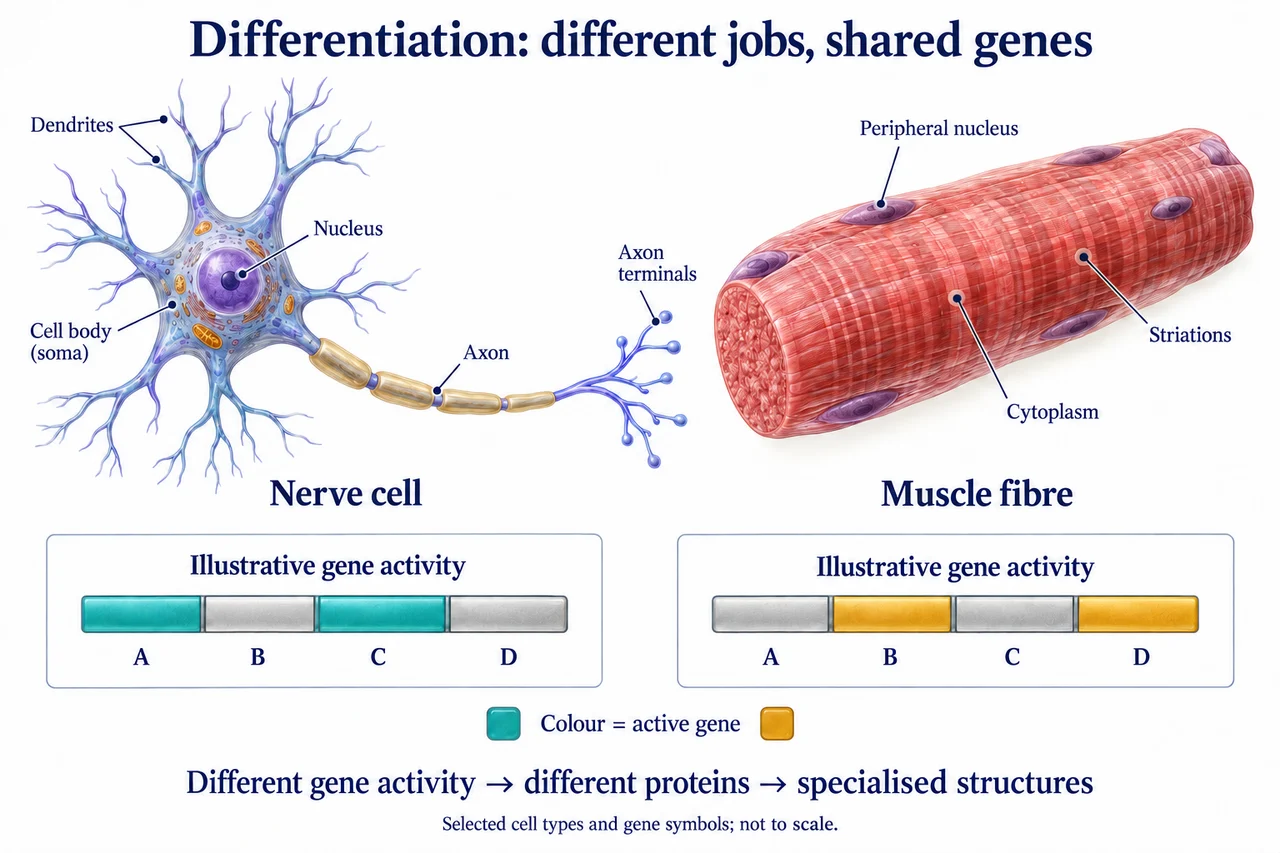
How cells acquire roles
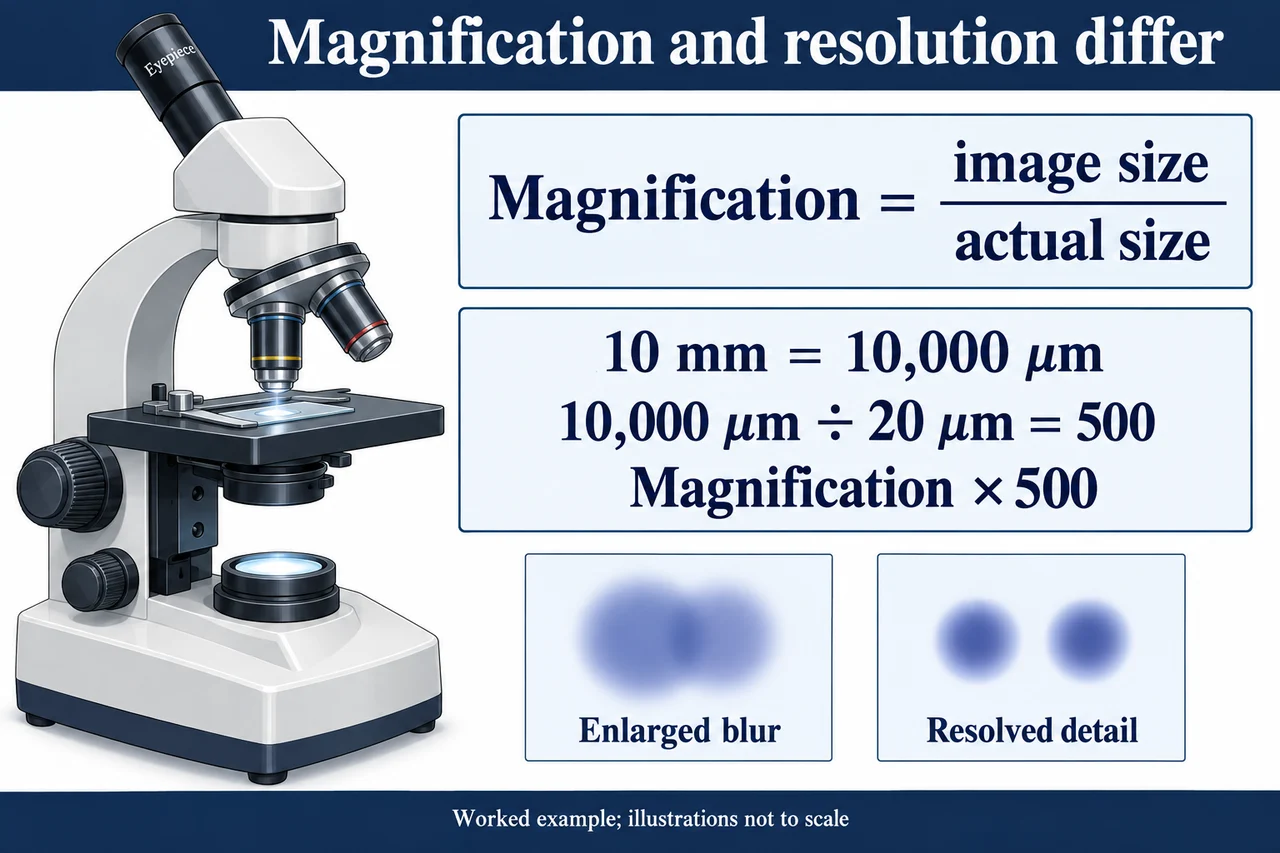
Seeing beyond unaided eyesight
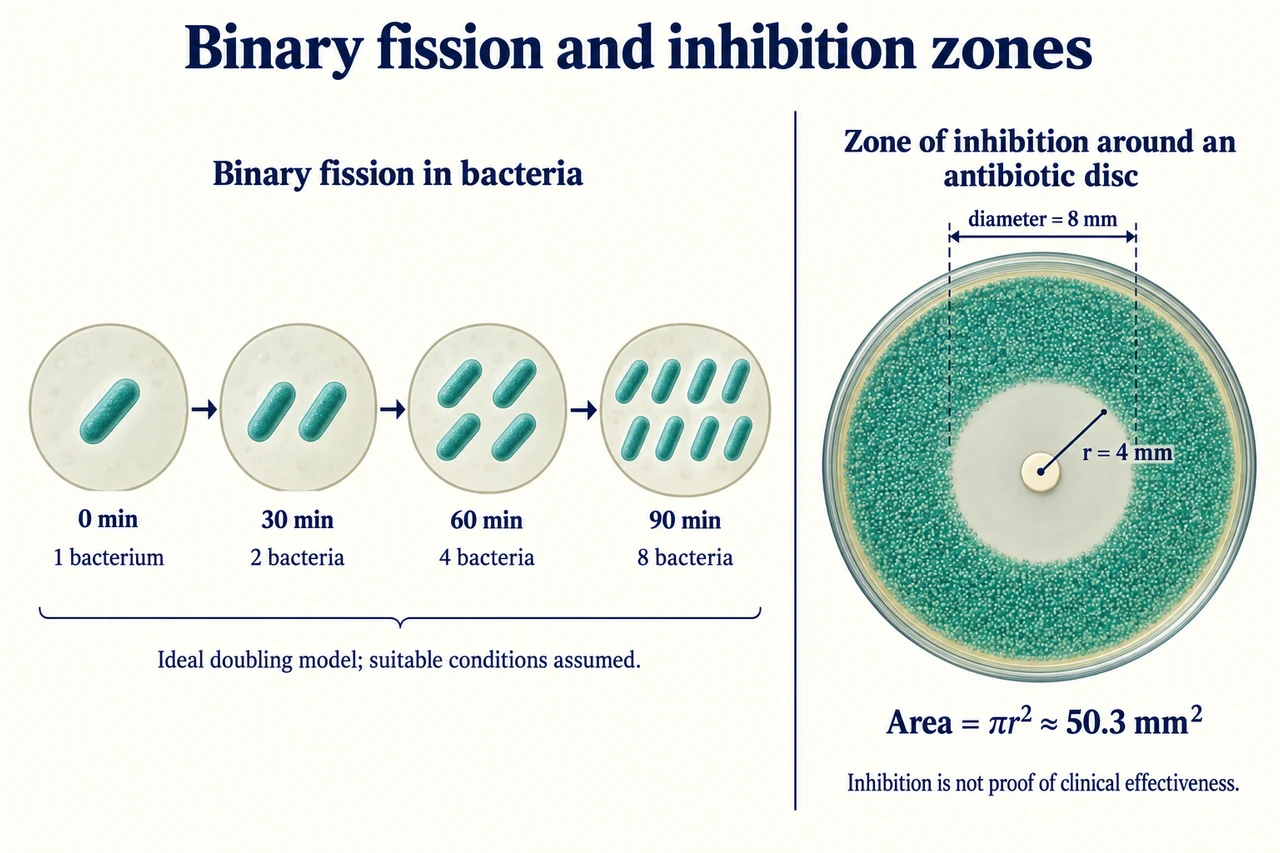
Growing microbes safely
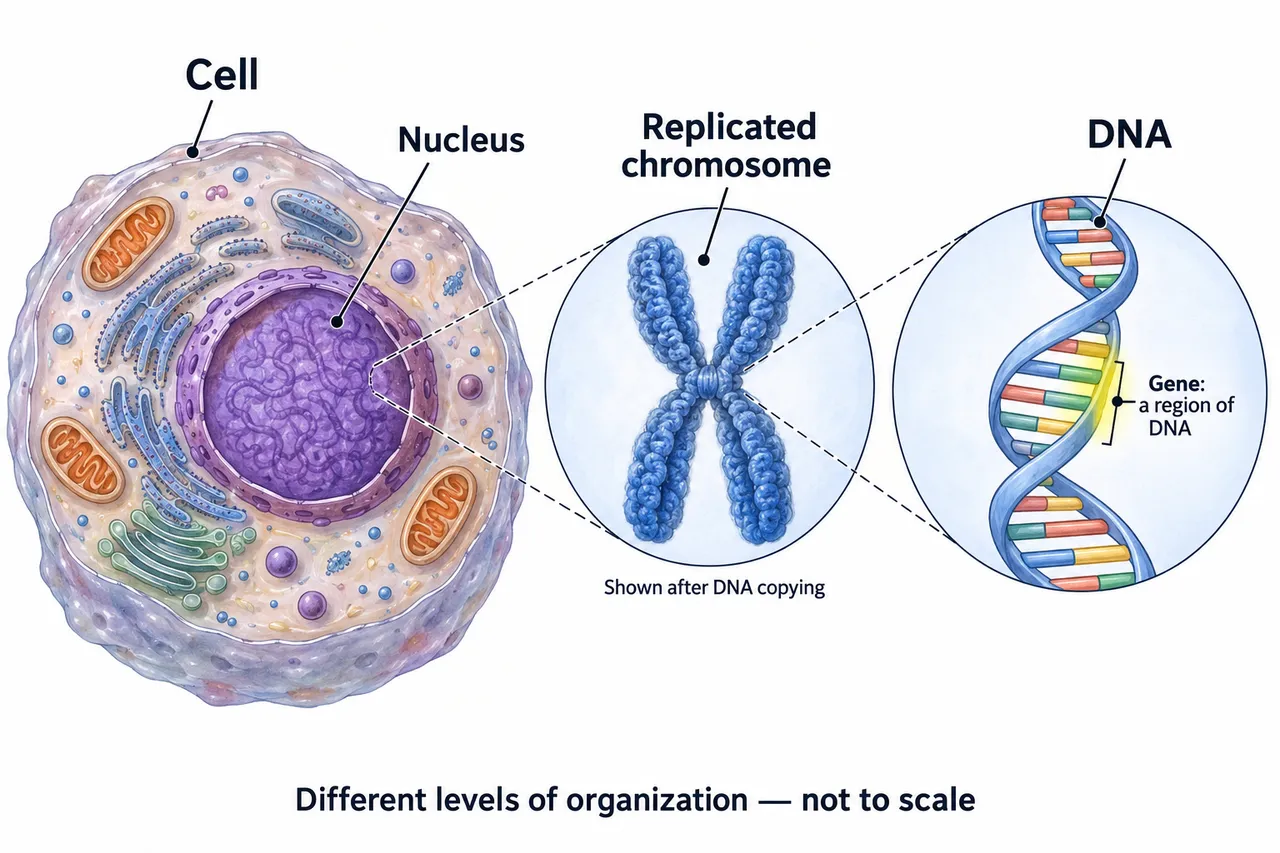
Packaging inherited information
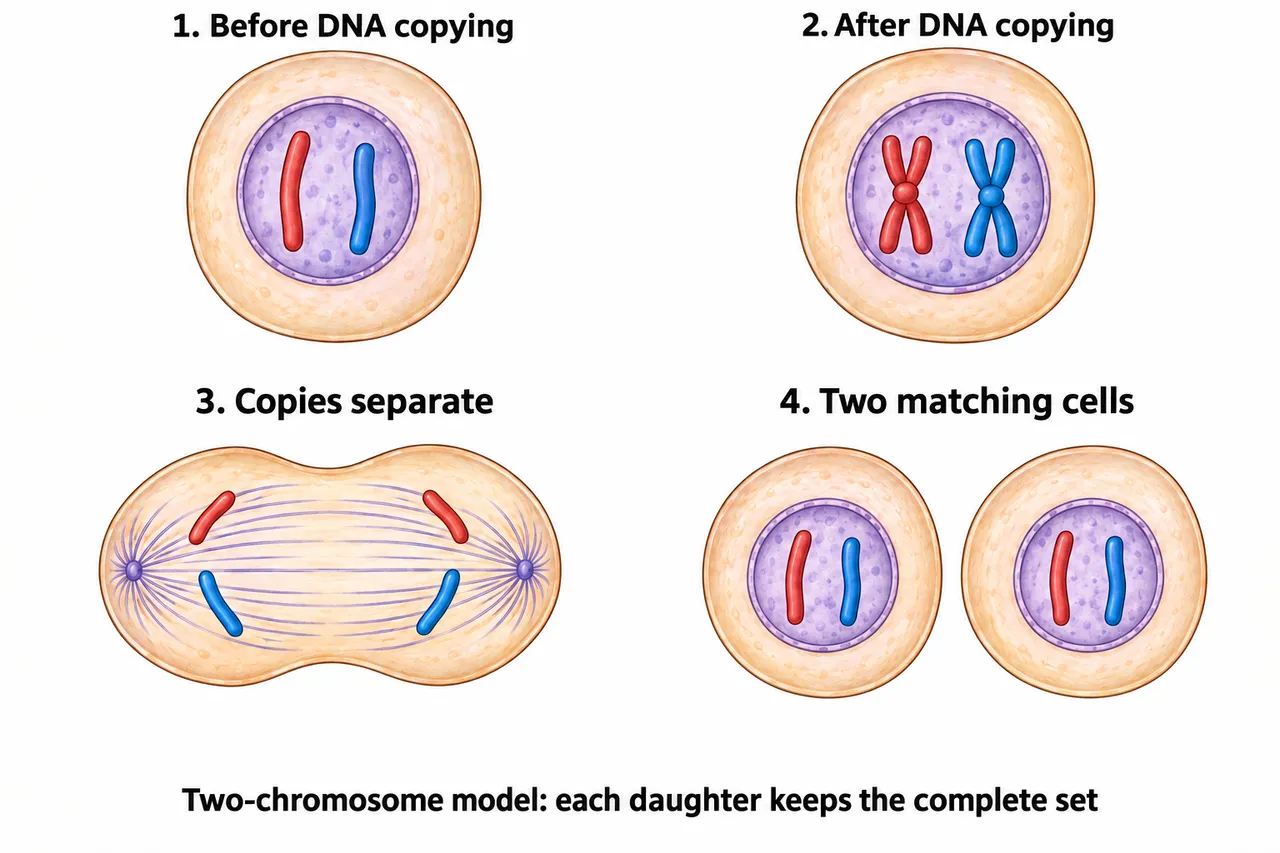
Making matching body cells
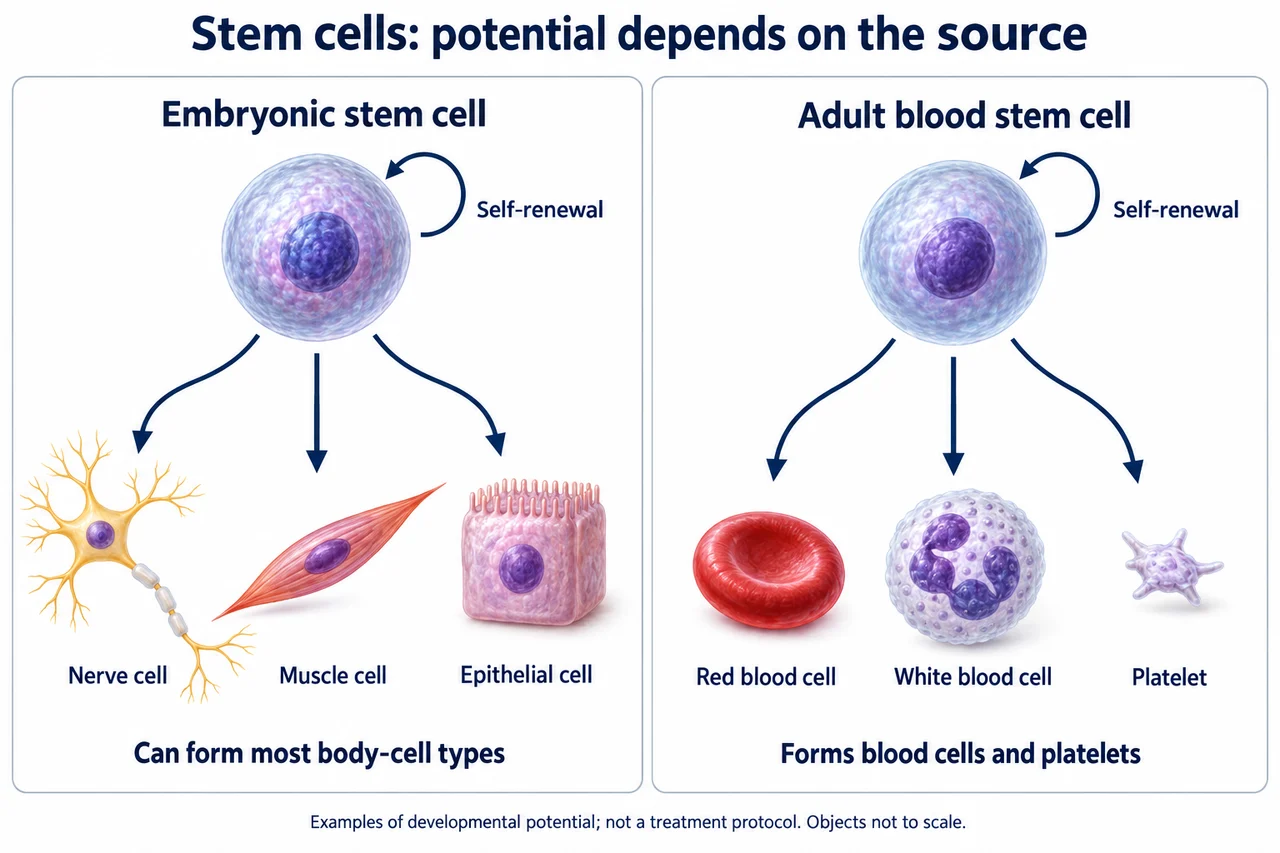
Cells with developmental potential
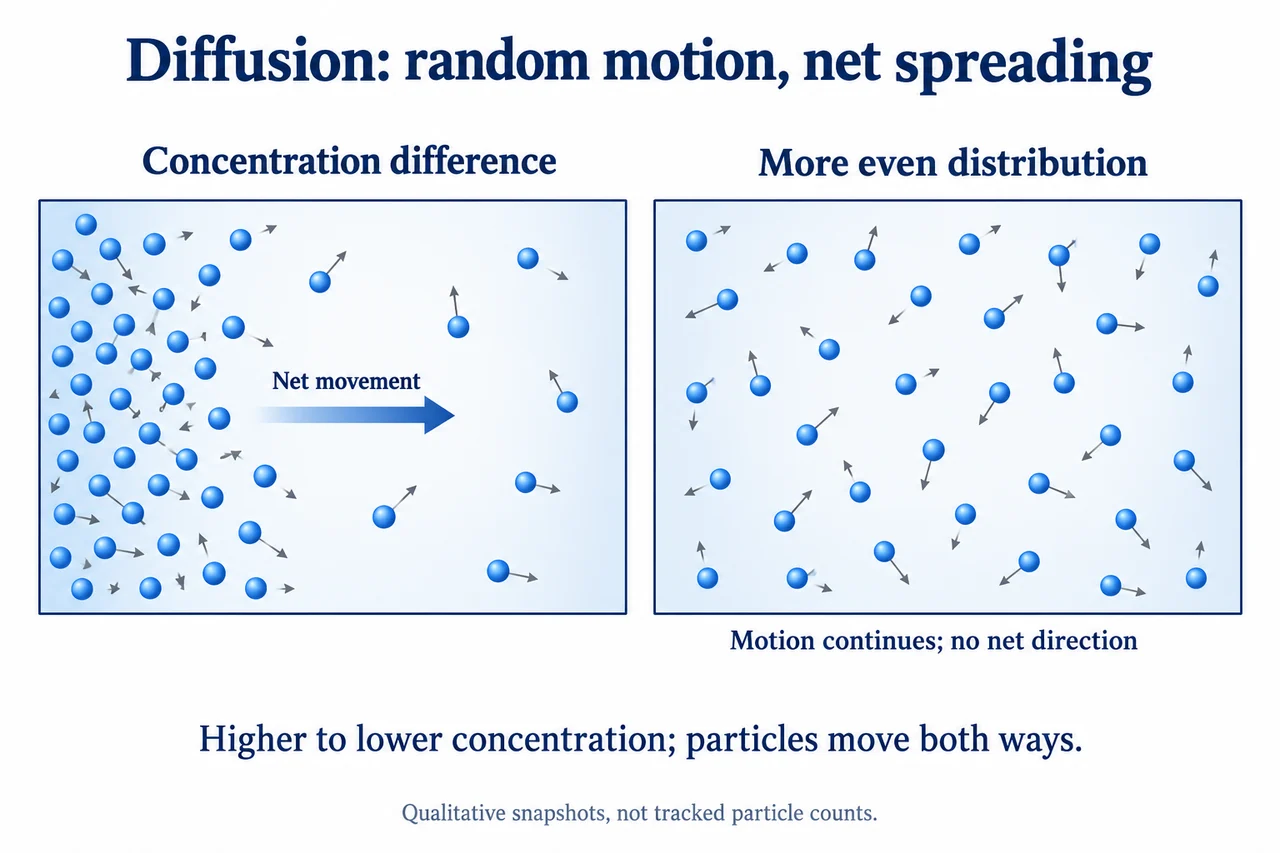
Particles spreading across gradients
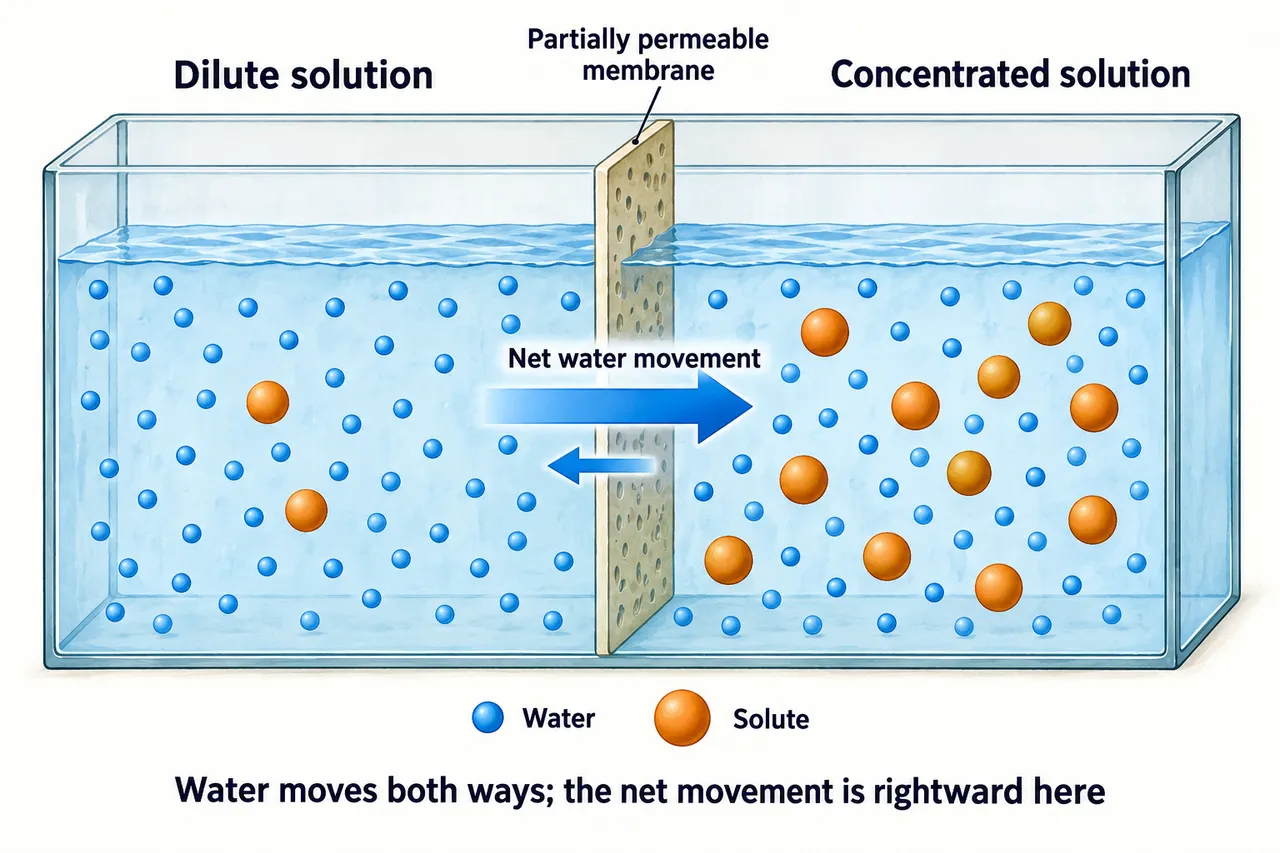
Water crossing selective membranes
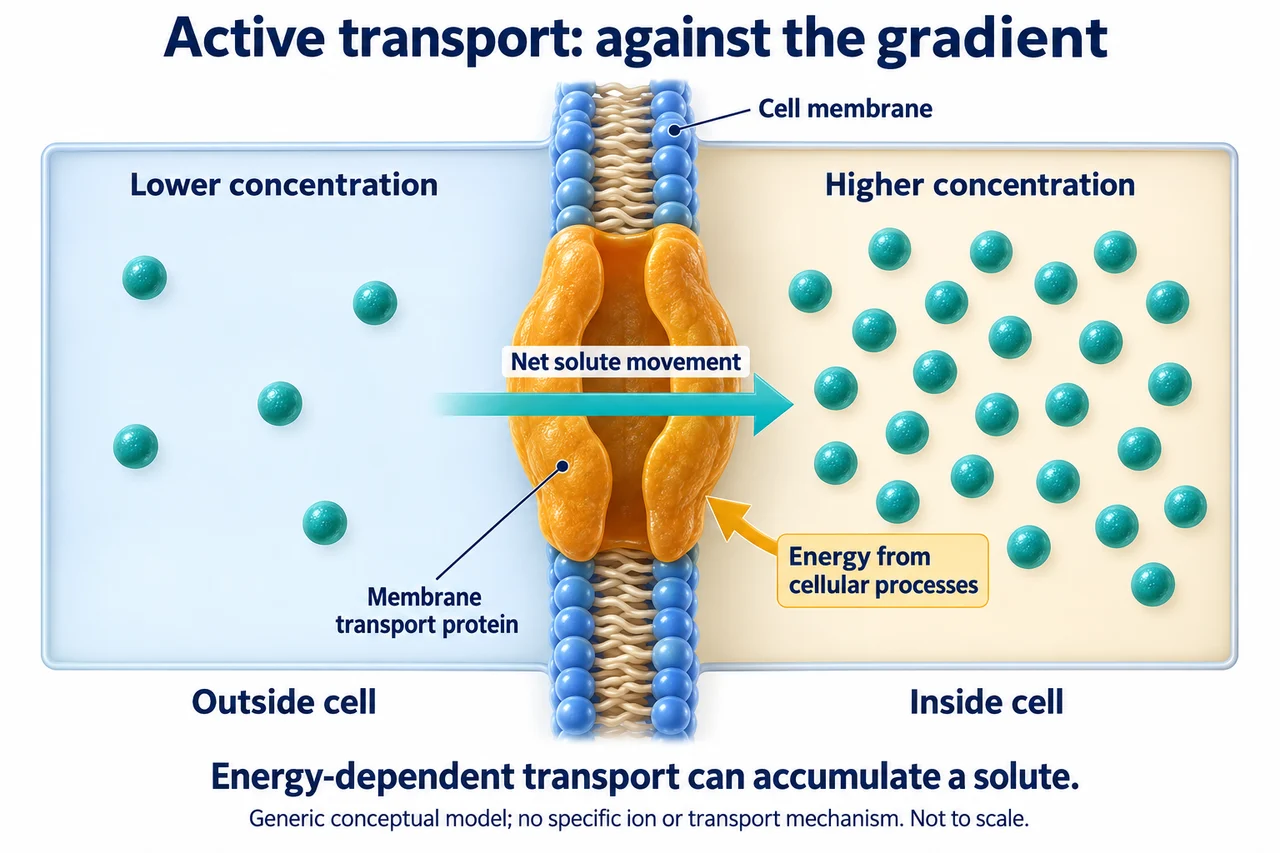
Transport requiring cellular energy
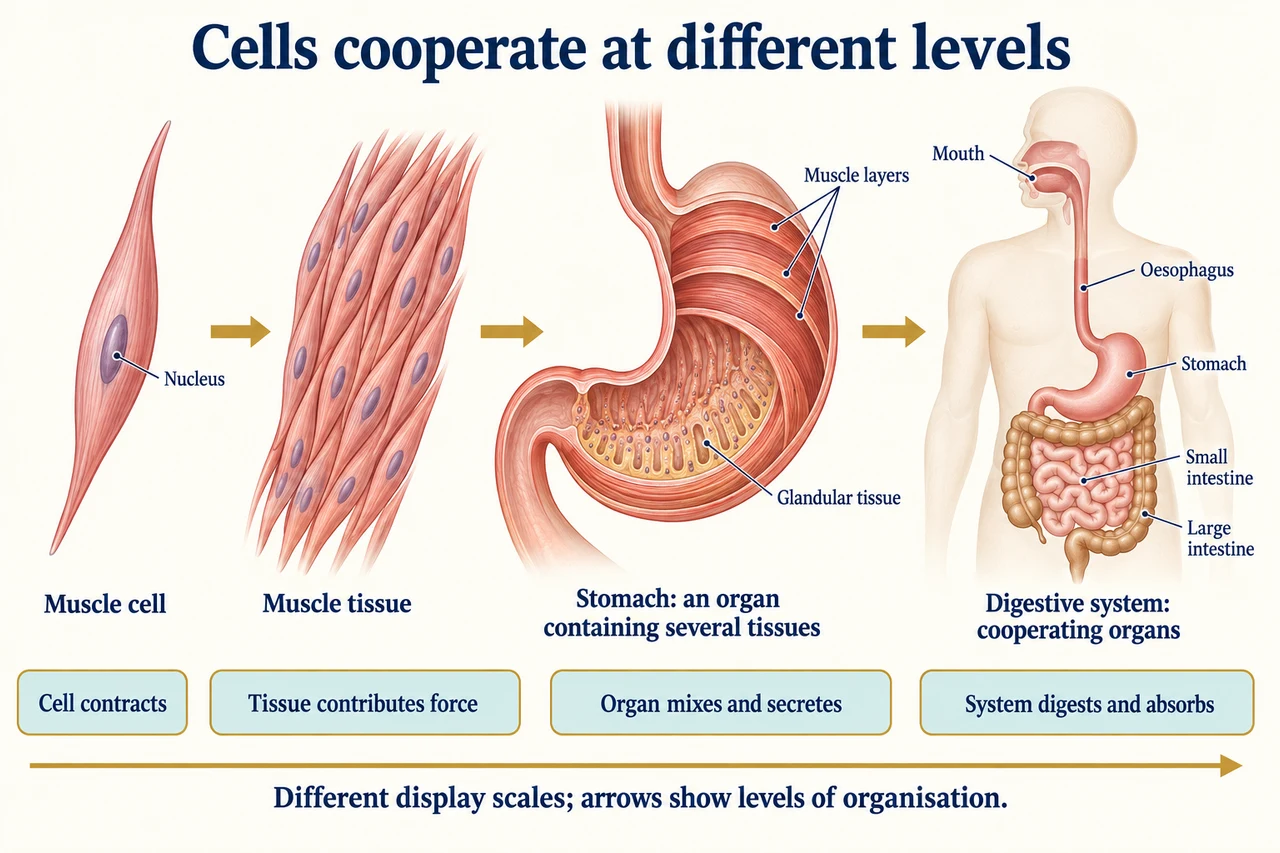
From cells to organisms
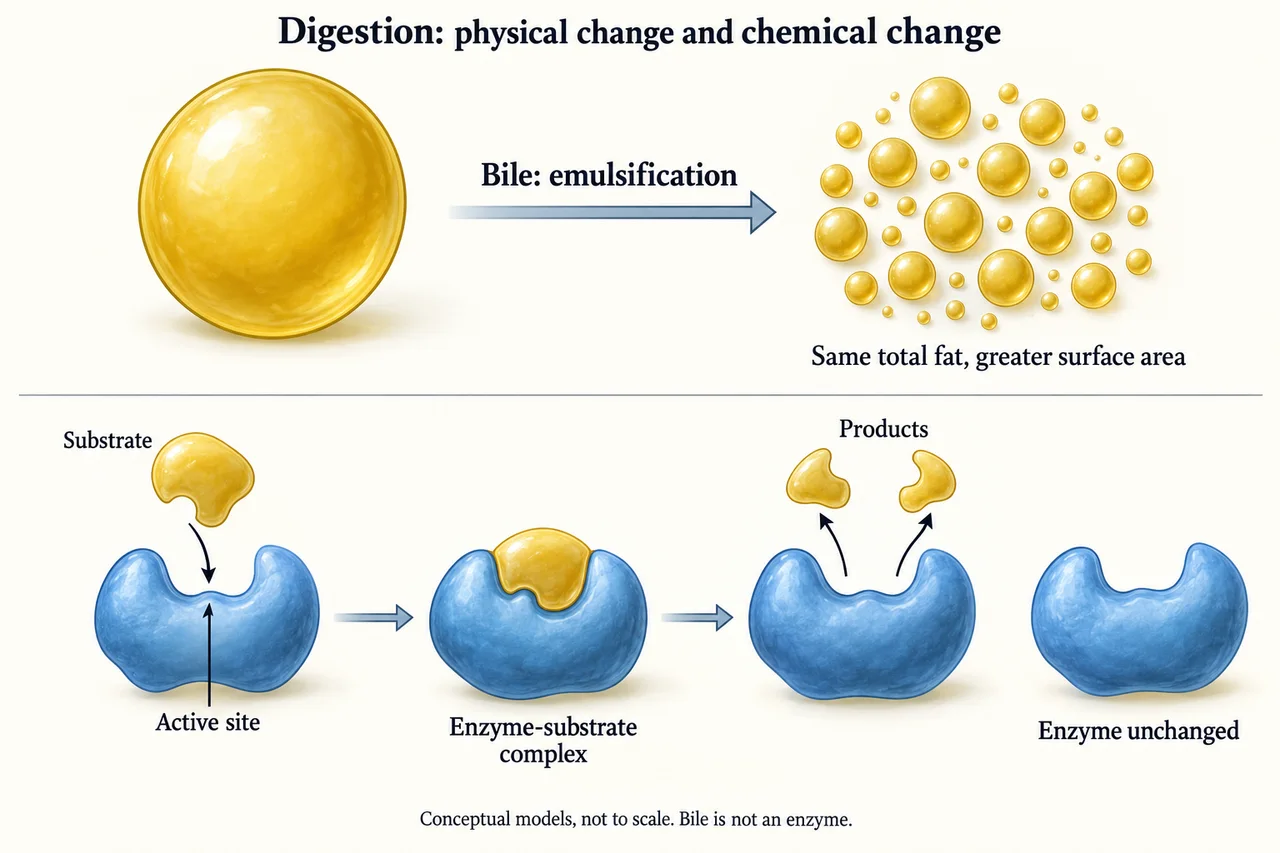
Breaking down food
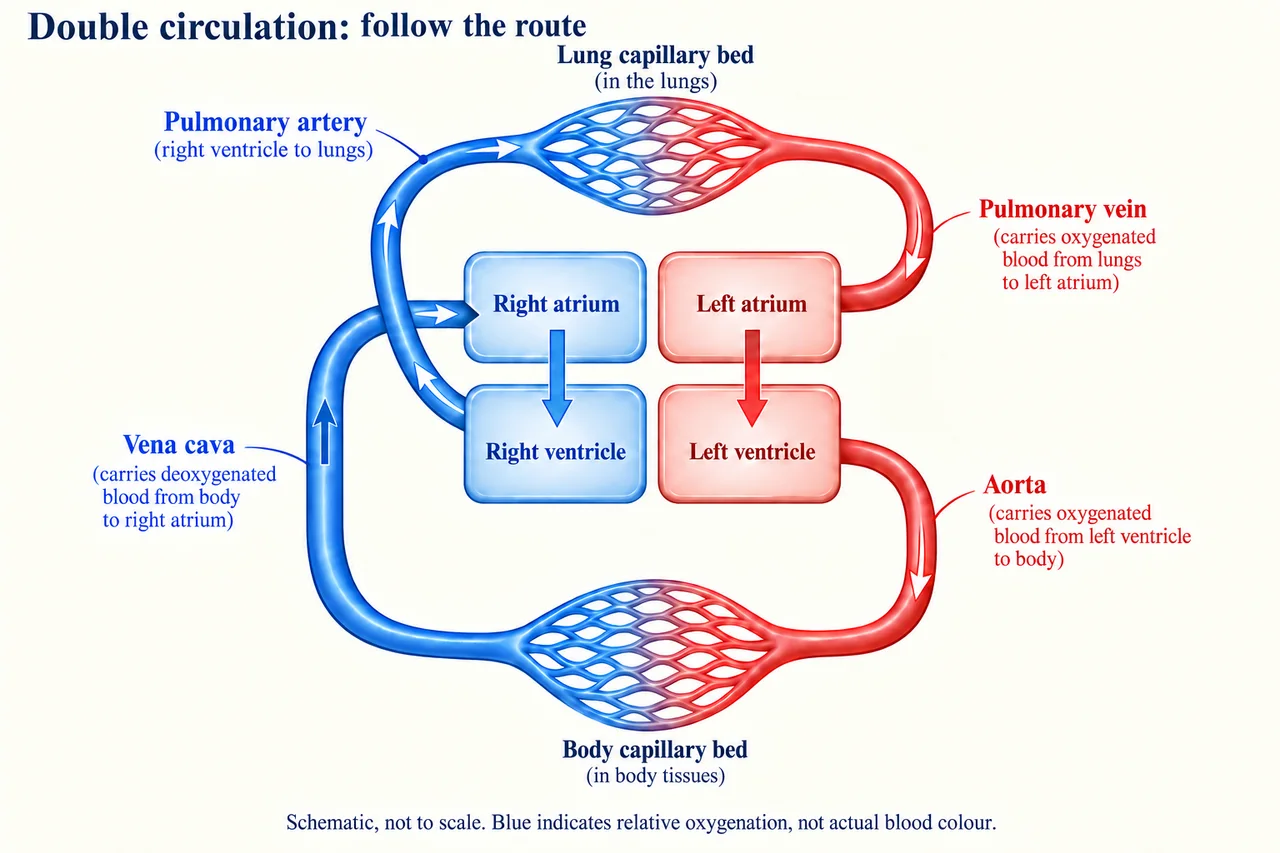
Pumping and distributing blood
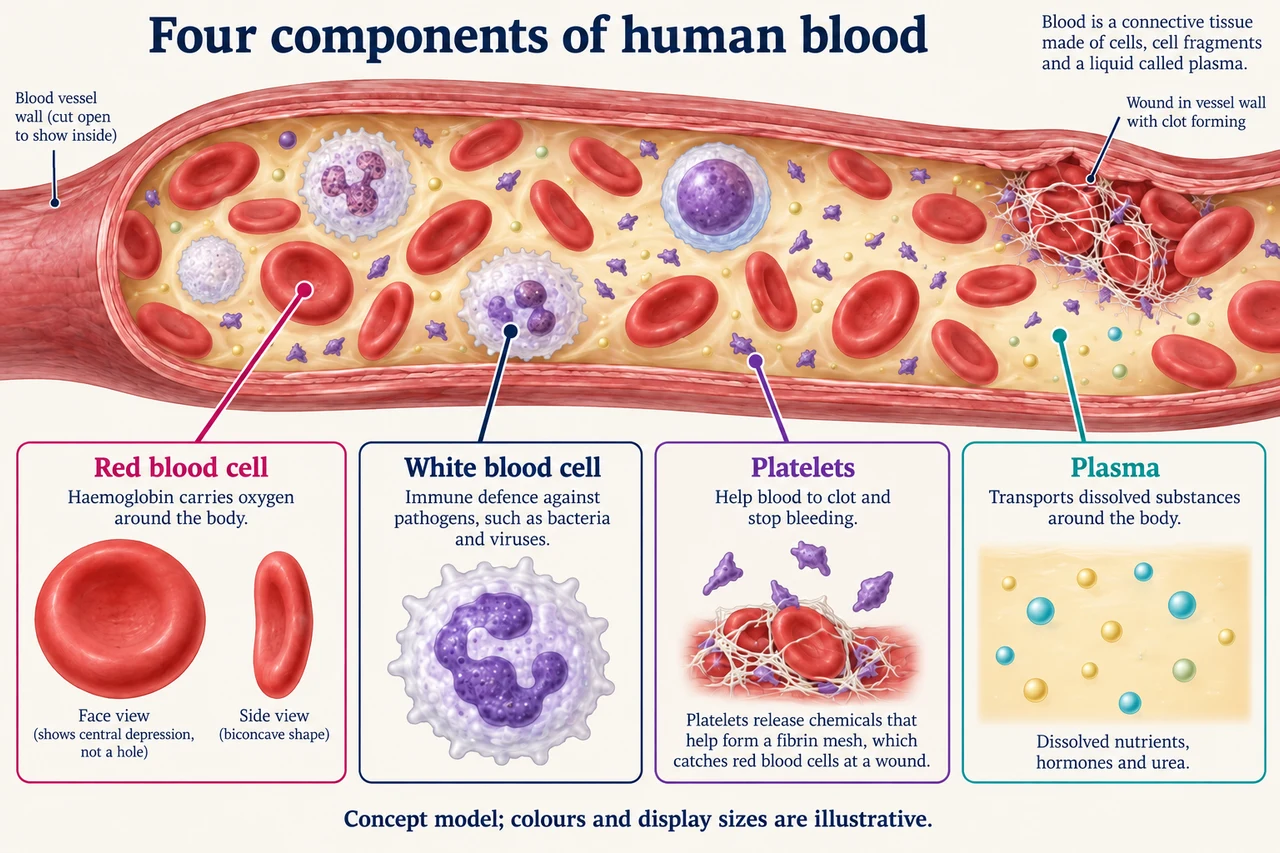
Blood components and jobs
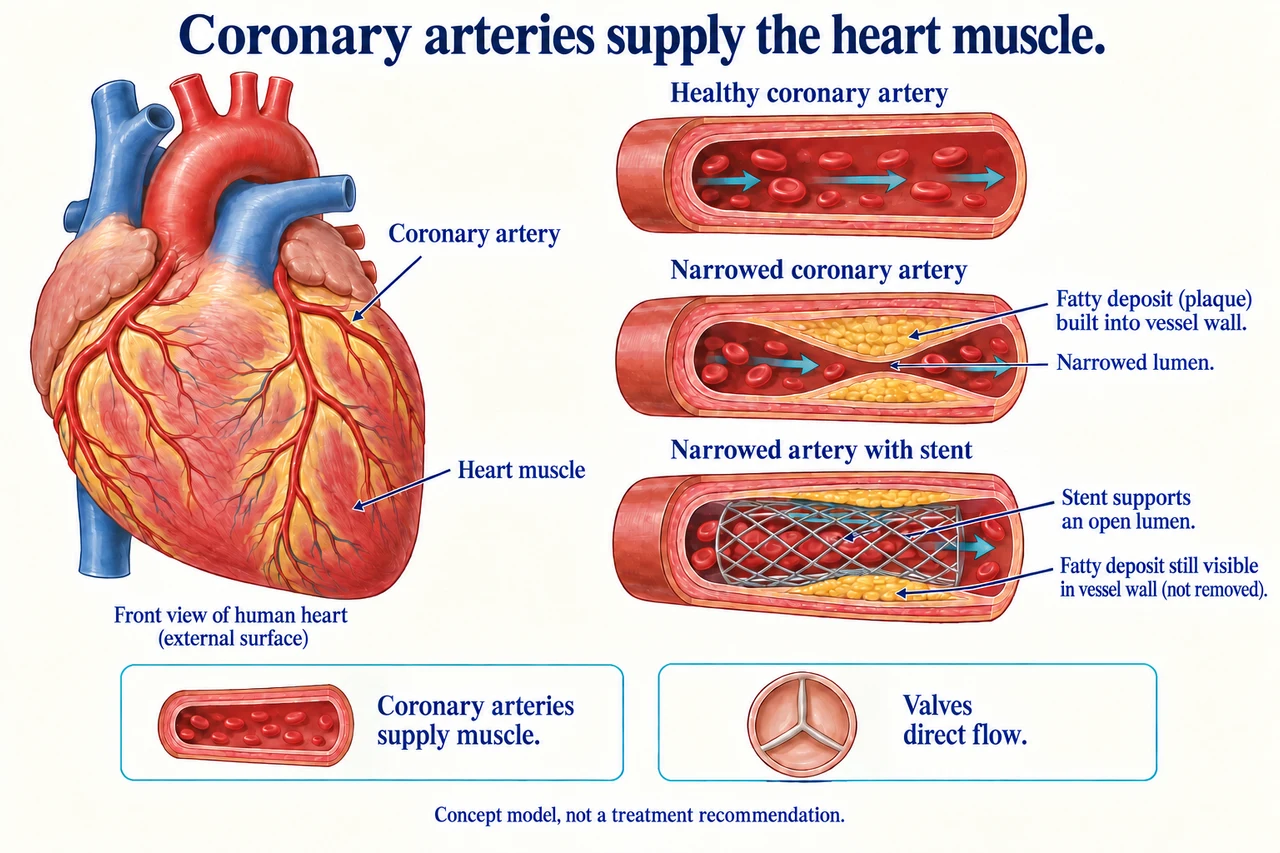
When coronary vessels narrow
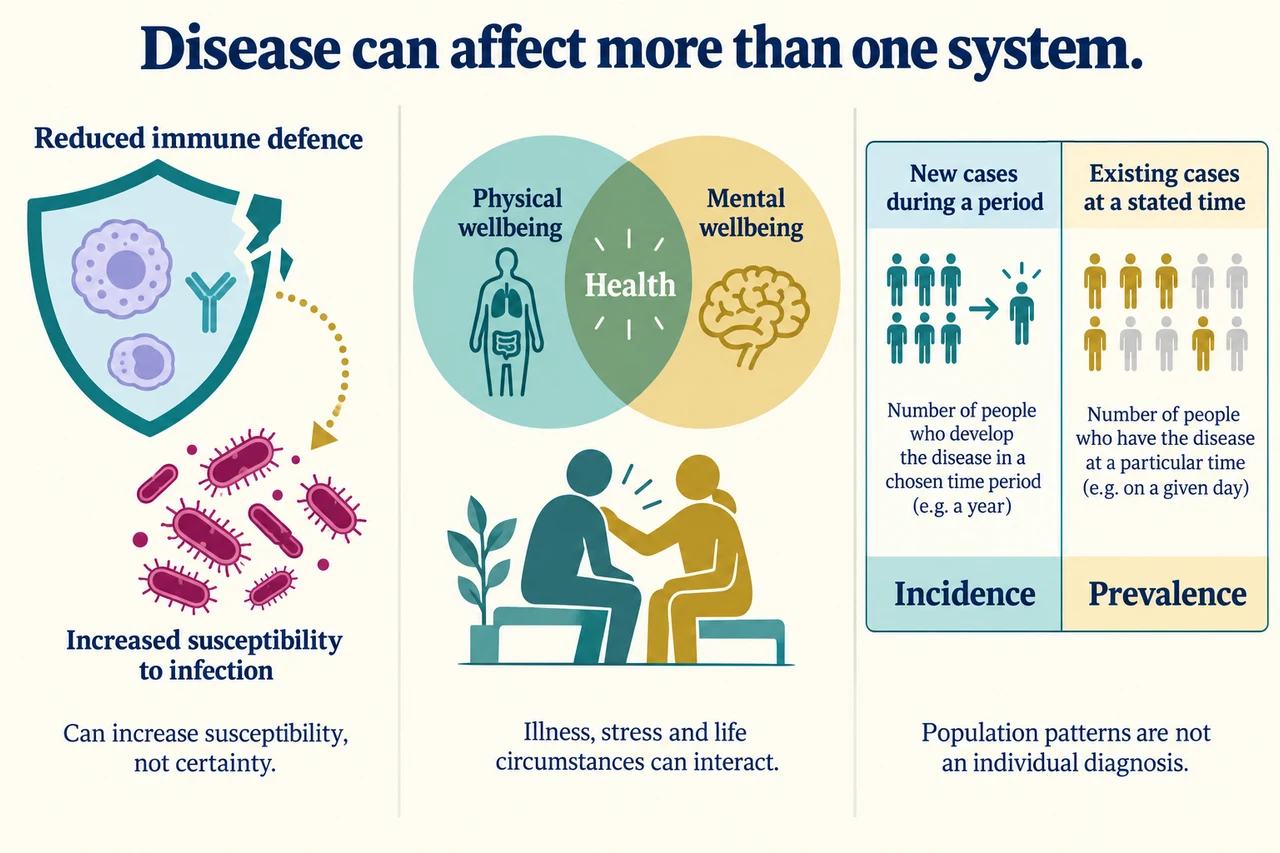
Understanding illness and wellbeing
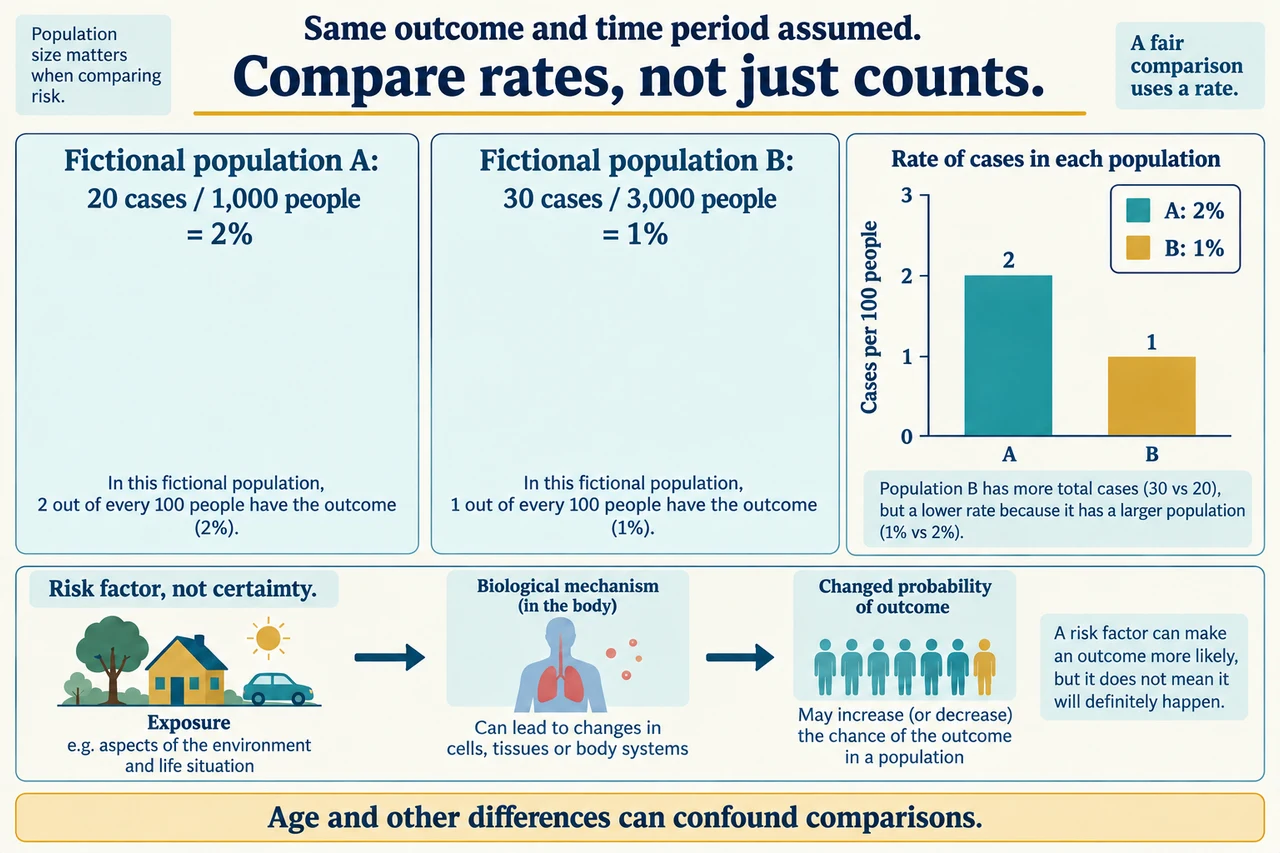
Lifestyle and chronic illness
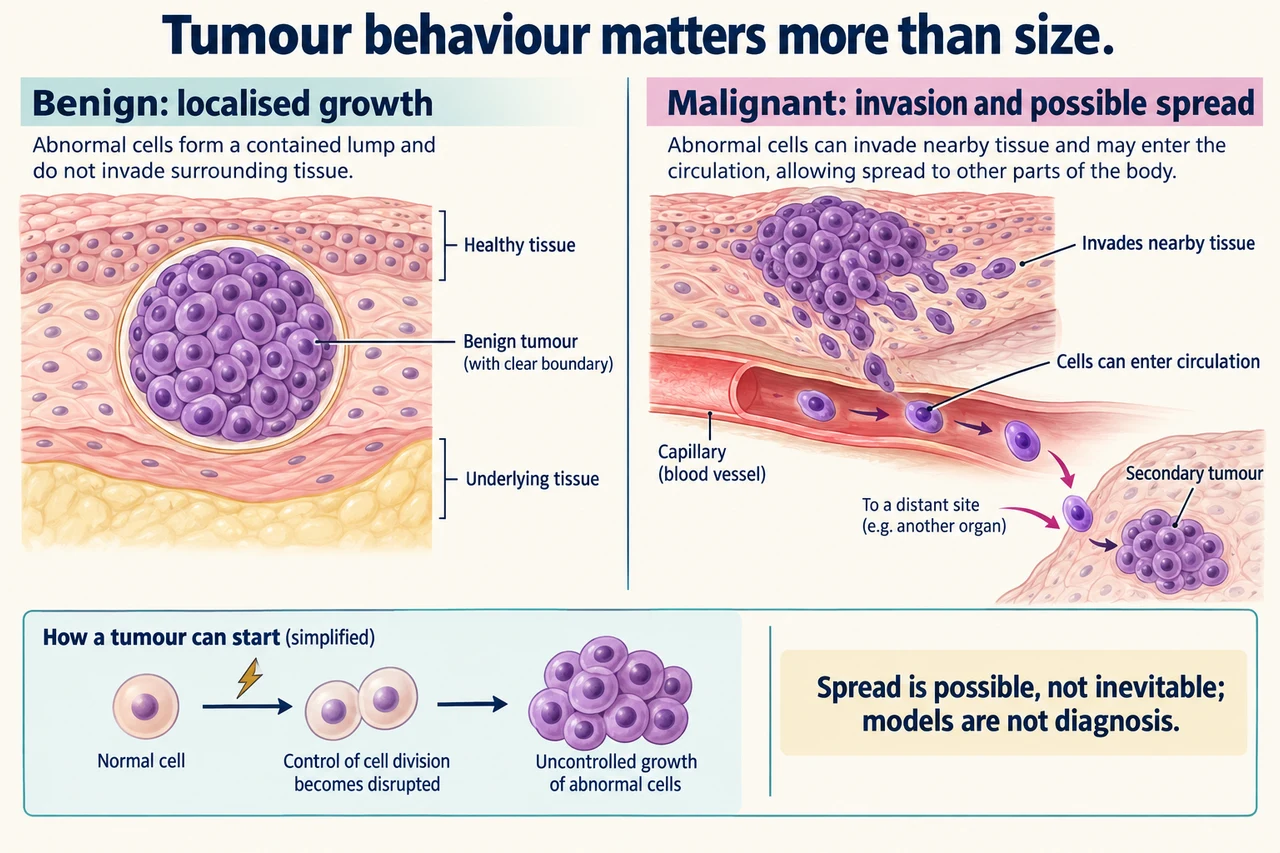
Uncontrolled growth of cells
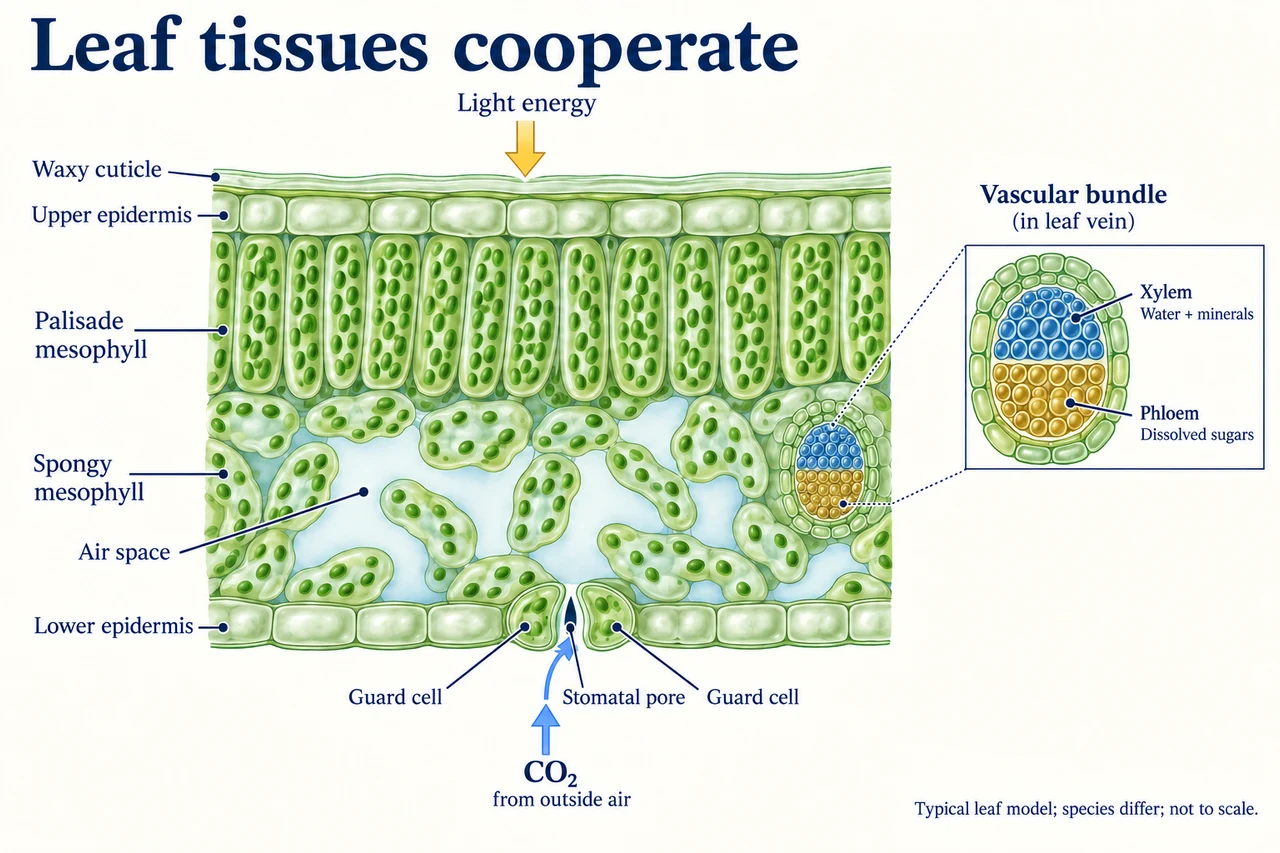
Different tissues in plants
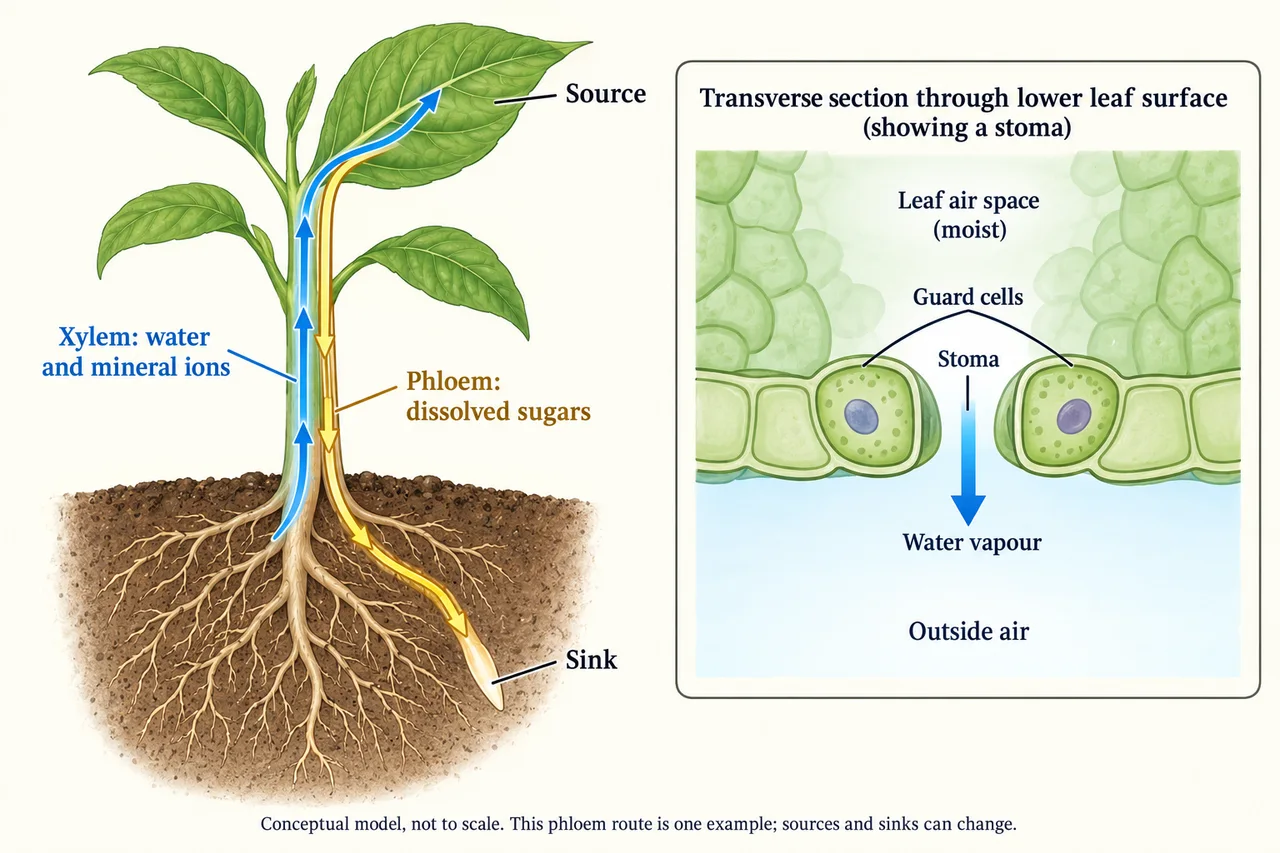
Moving substances through plants
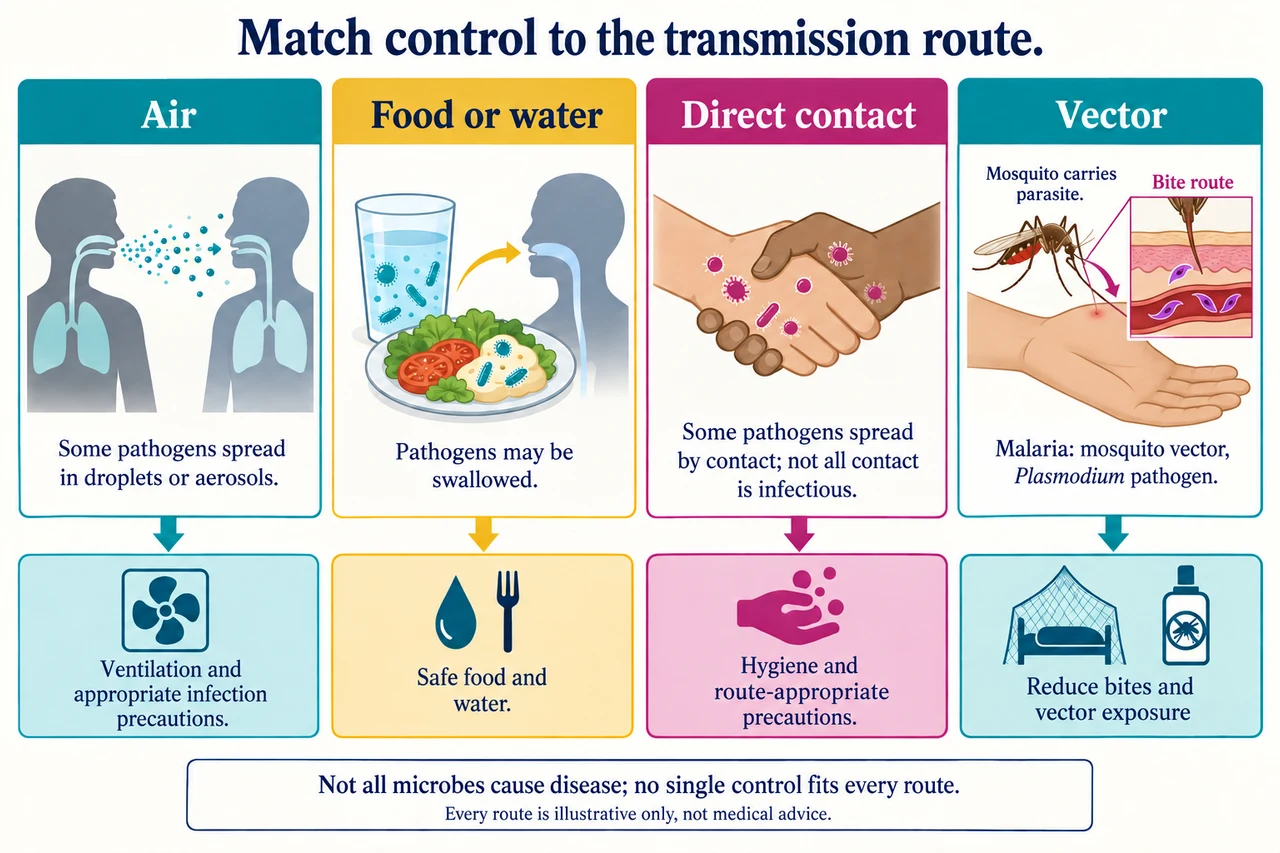
How infections spread
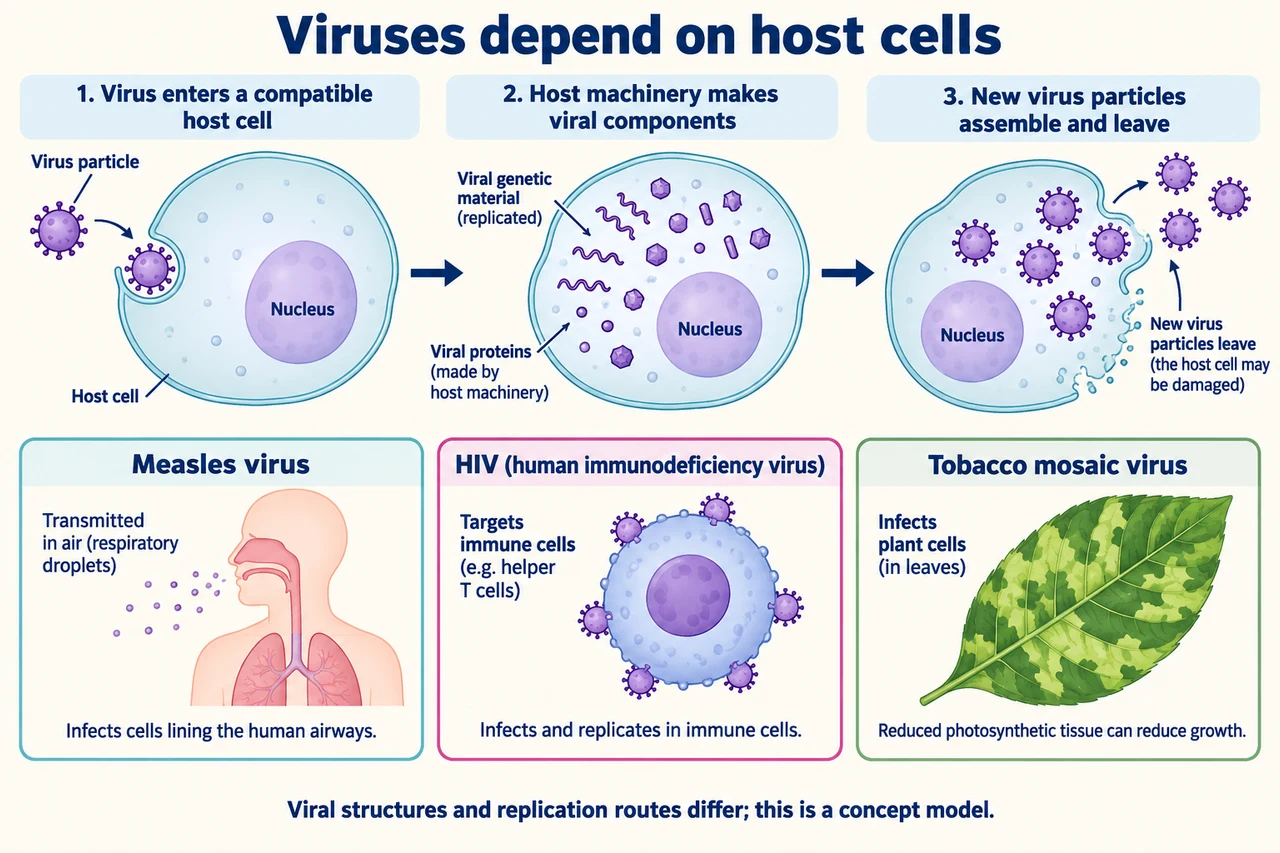
Illness caused by viruses
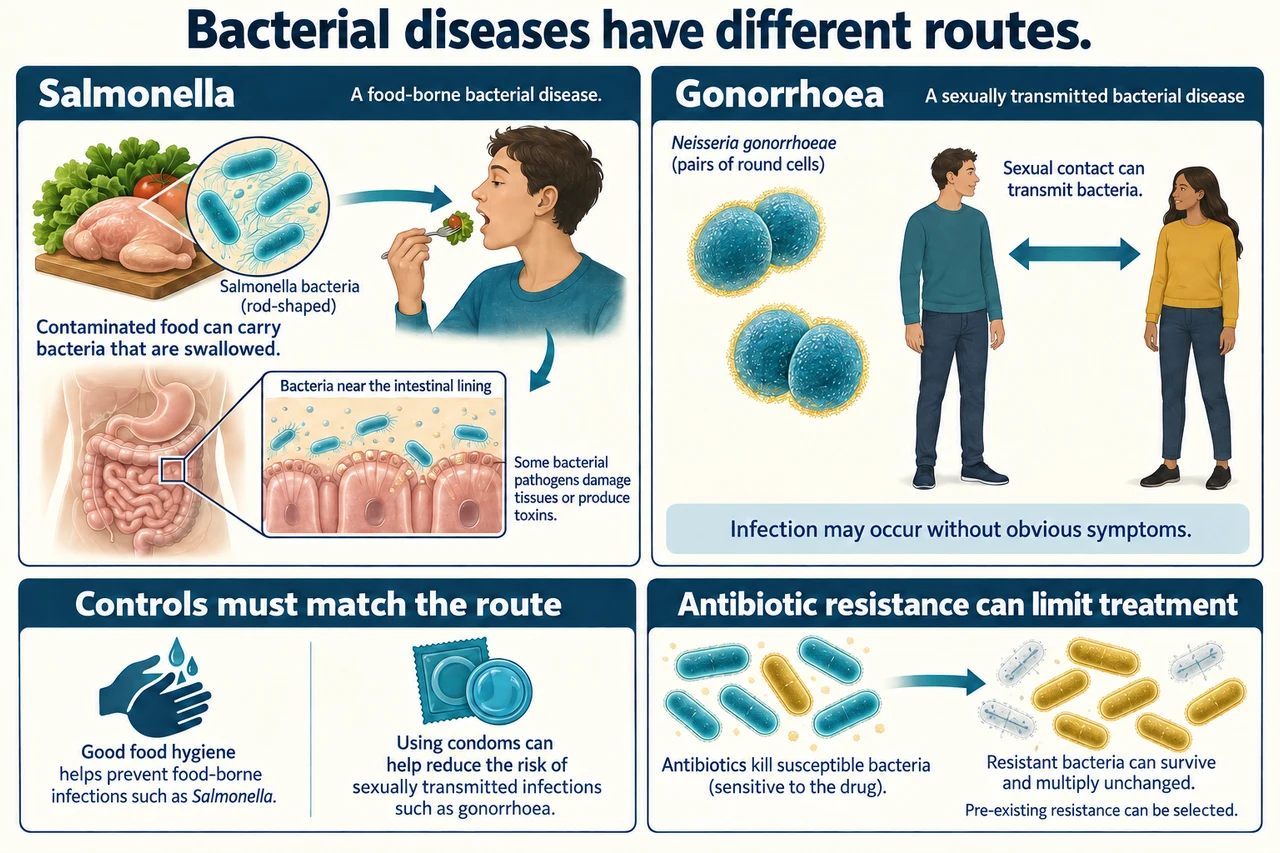
Illness caused by bacteria
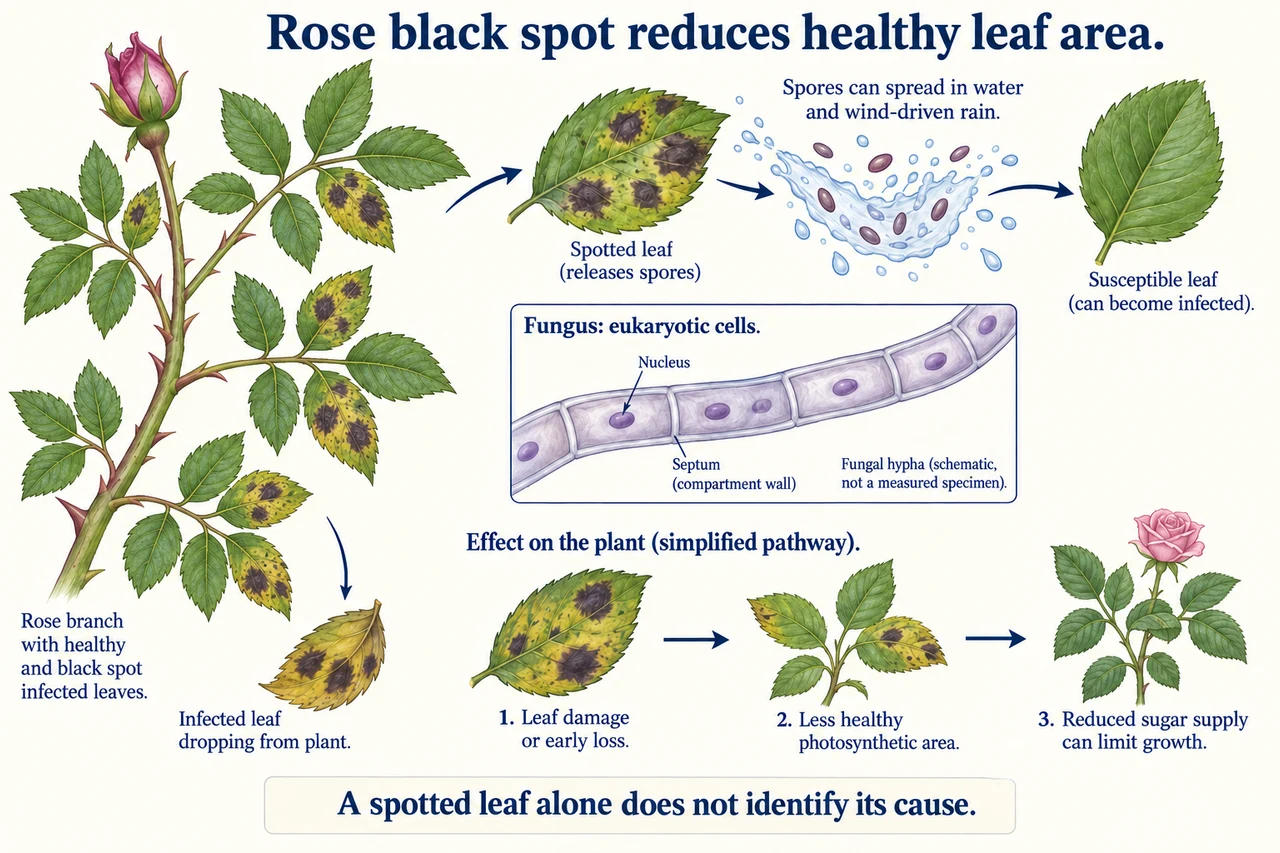
Illness caused by fungi
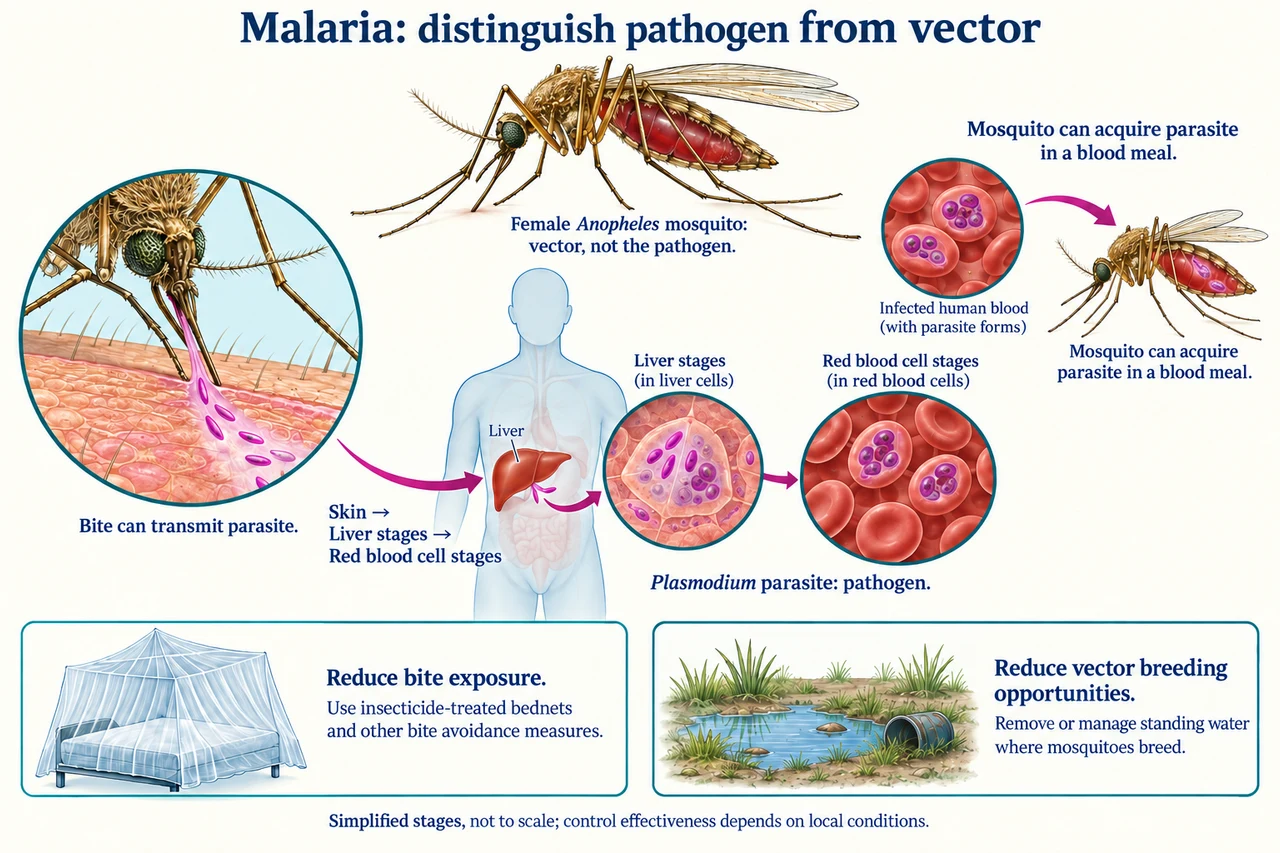
Illness caused by protists
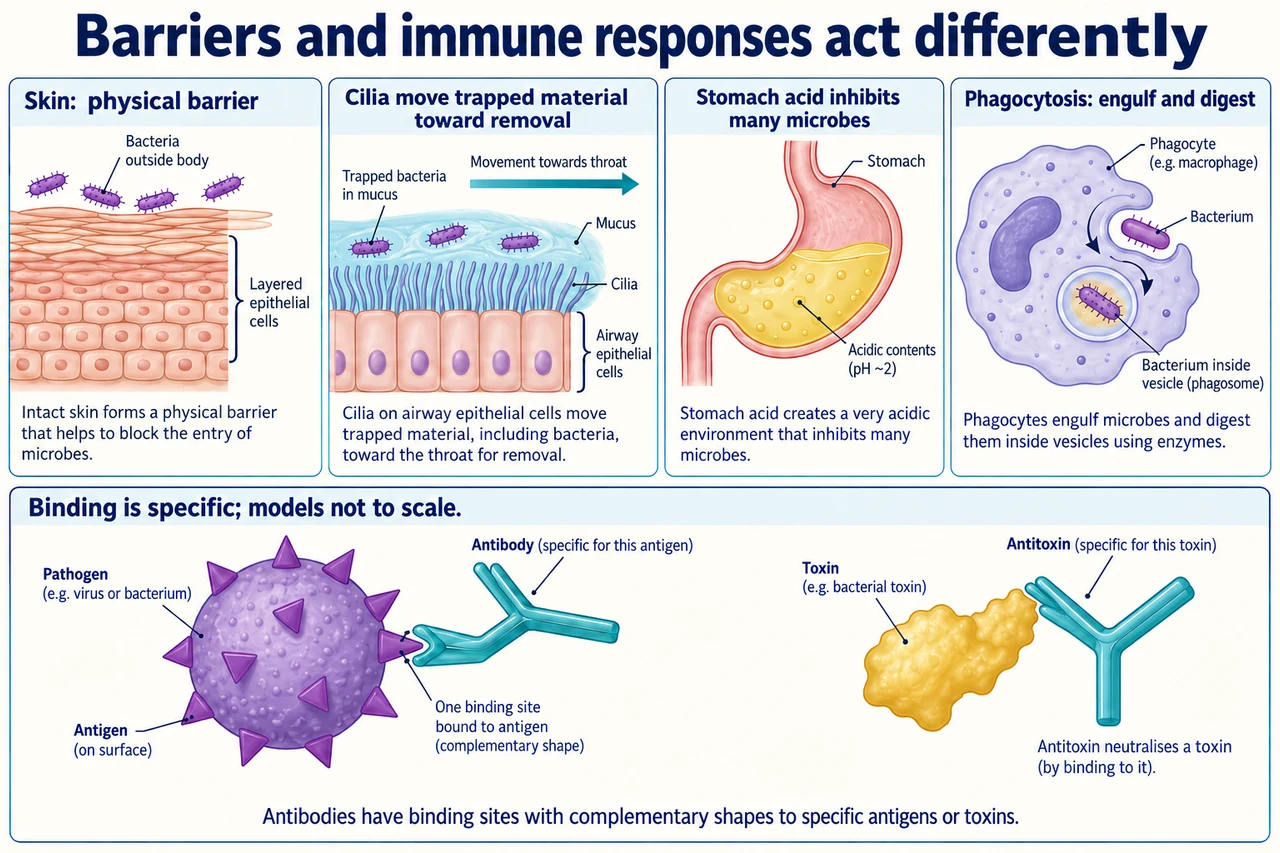
Barriers and immune protection
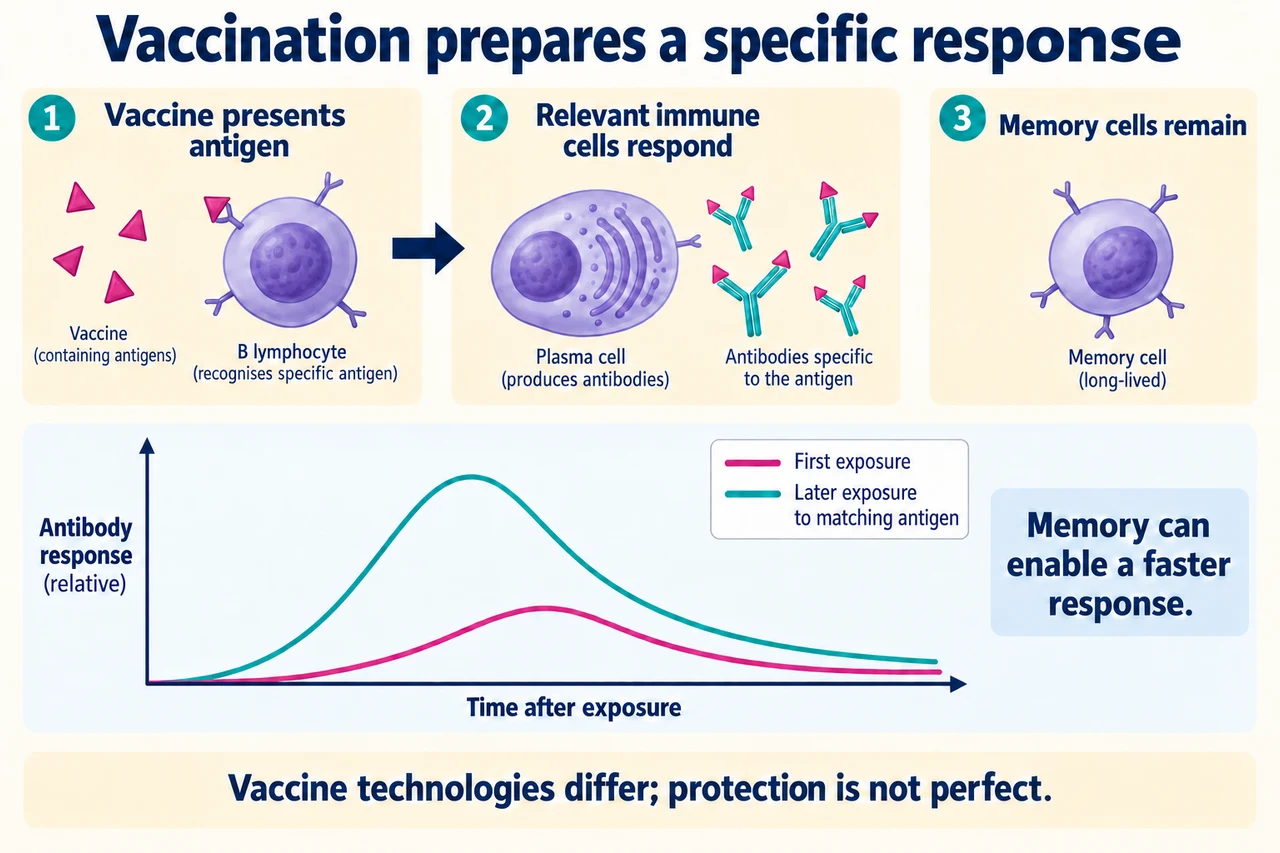
Preparing immunity through vaccines
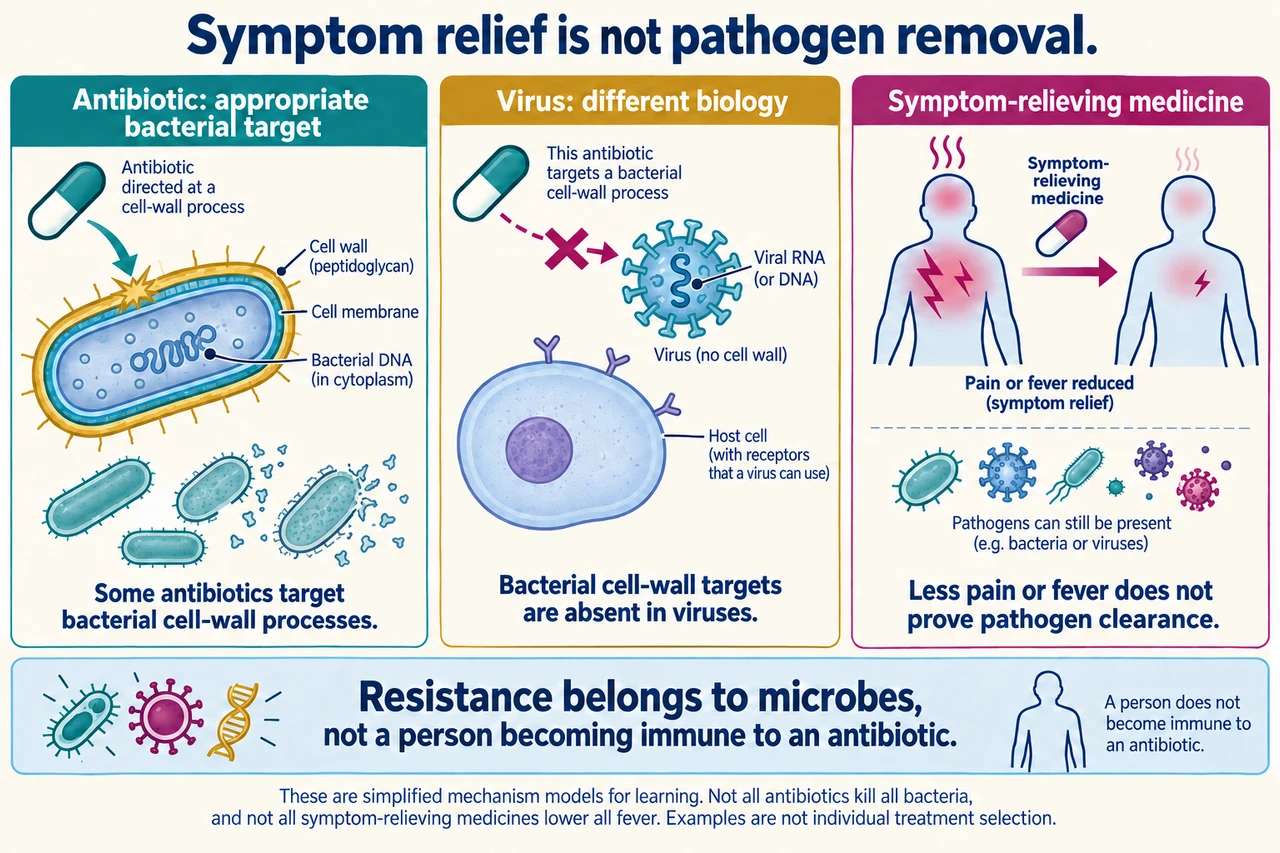
Treating infection and symptoms
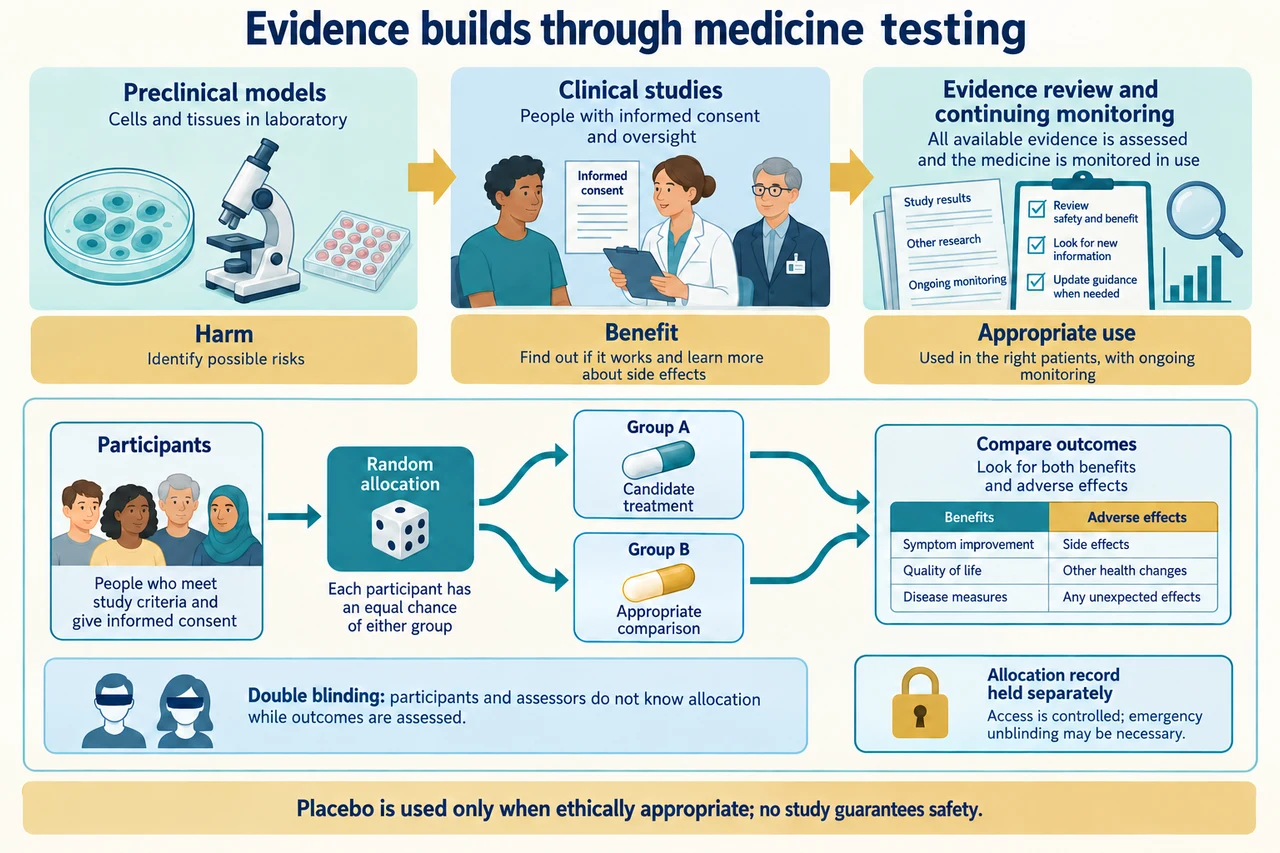
Testing medicines before use
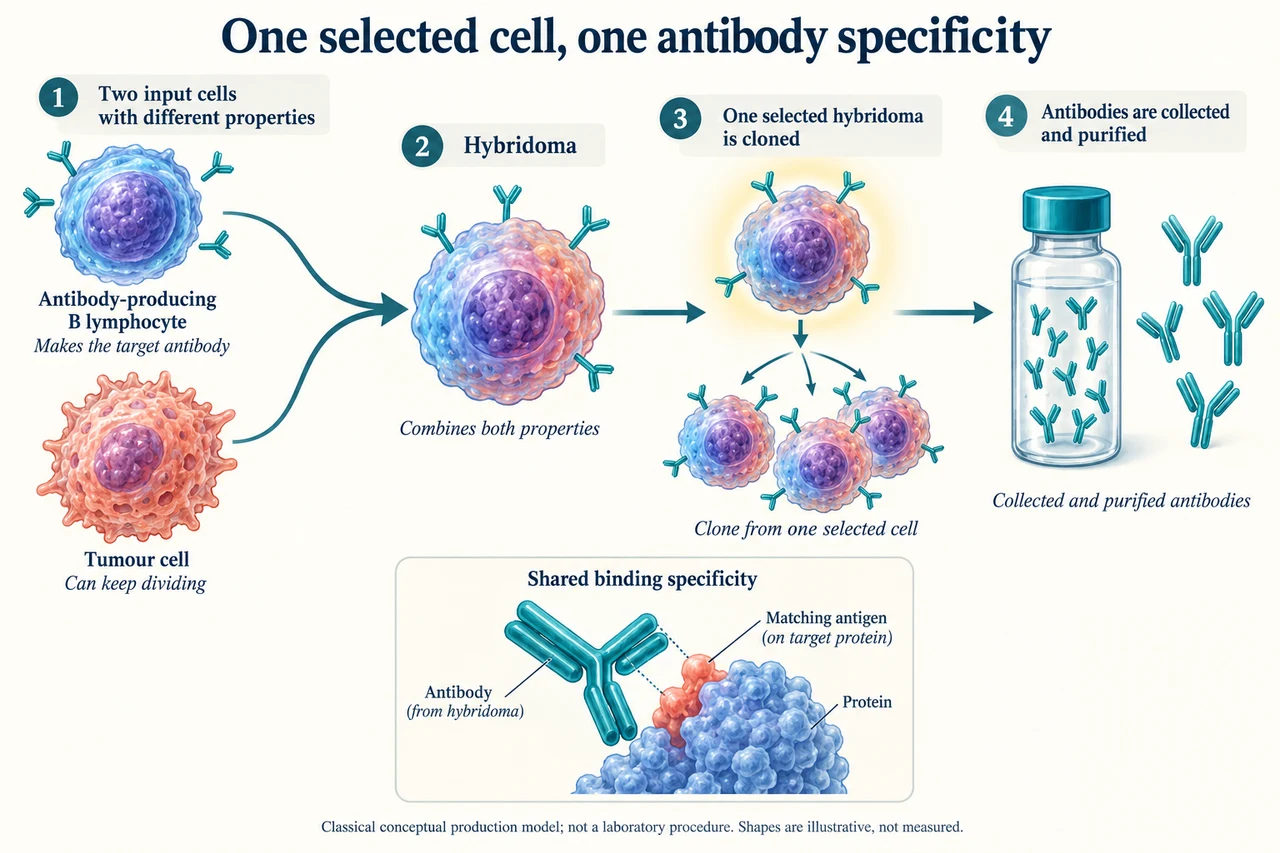
Making targeted antibody tools
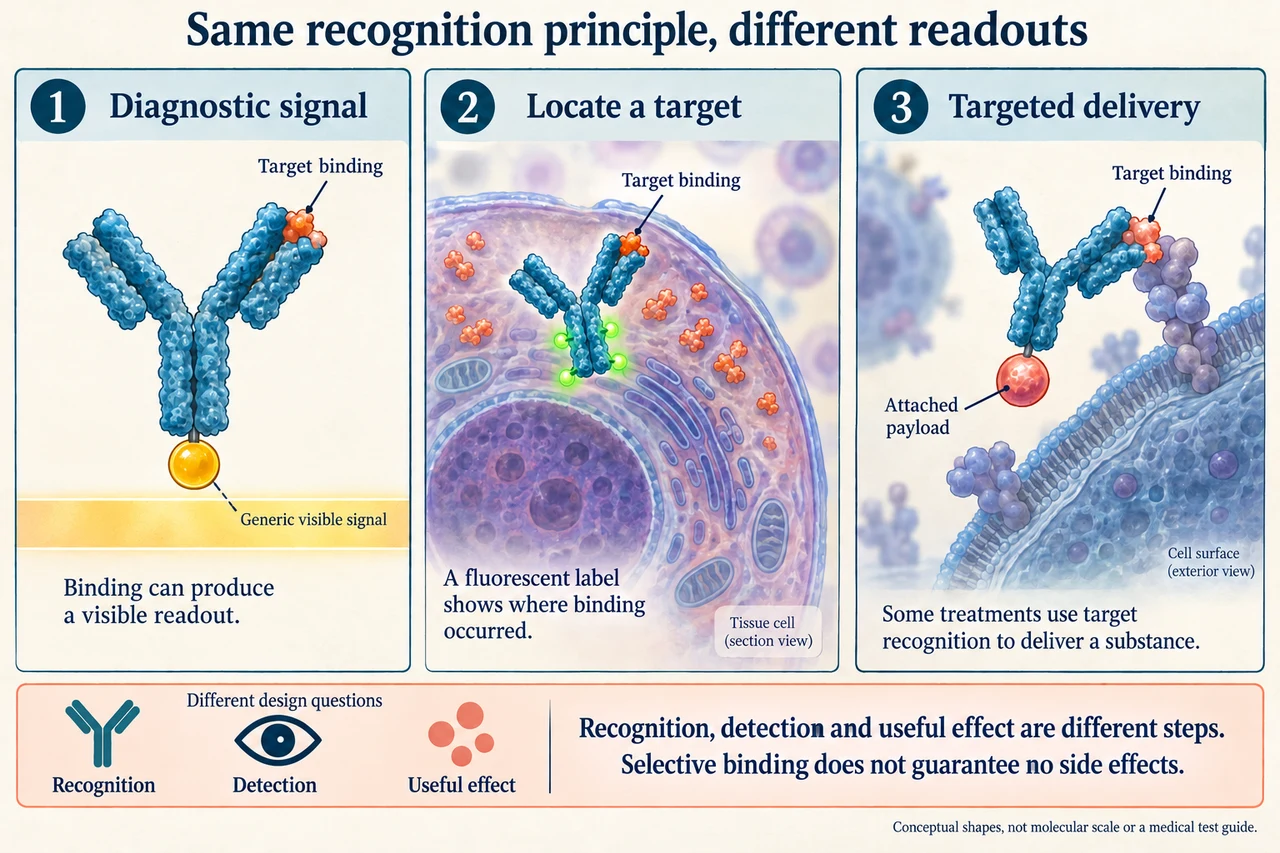
Applications of targeted antibodies
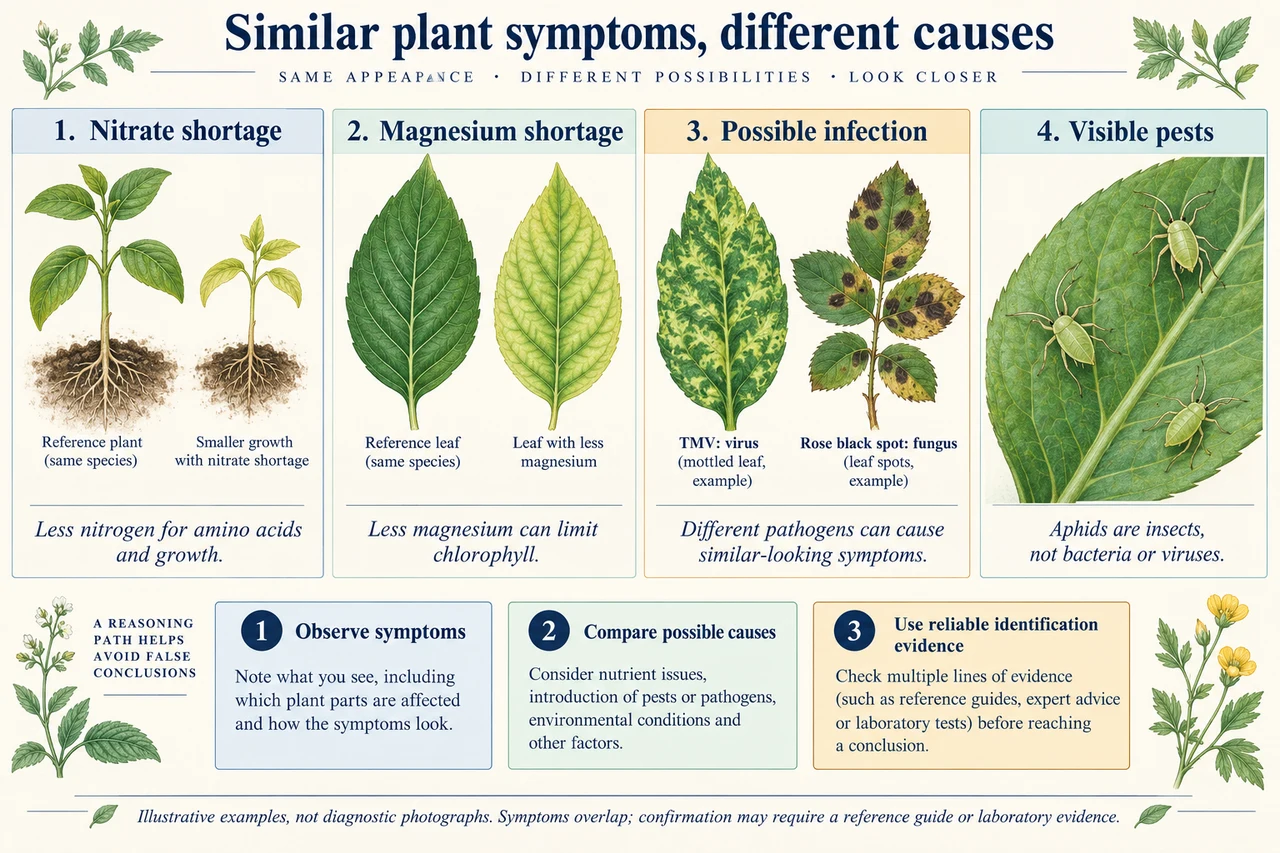
Recognising illness in plants
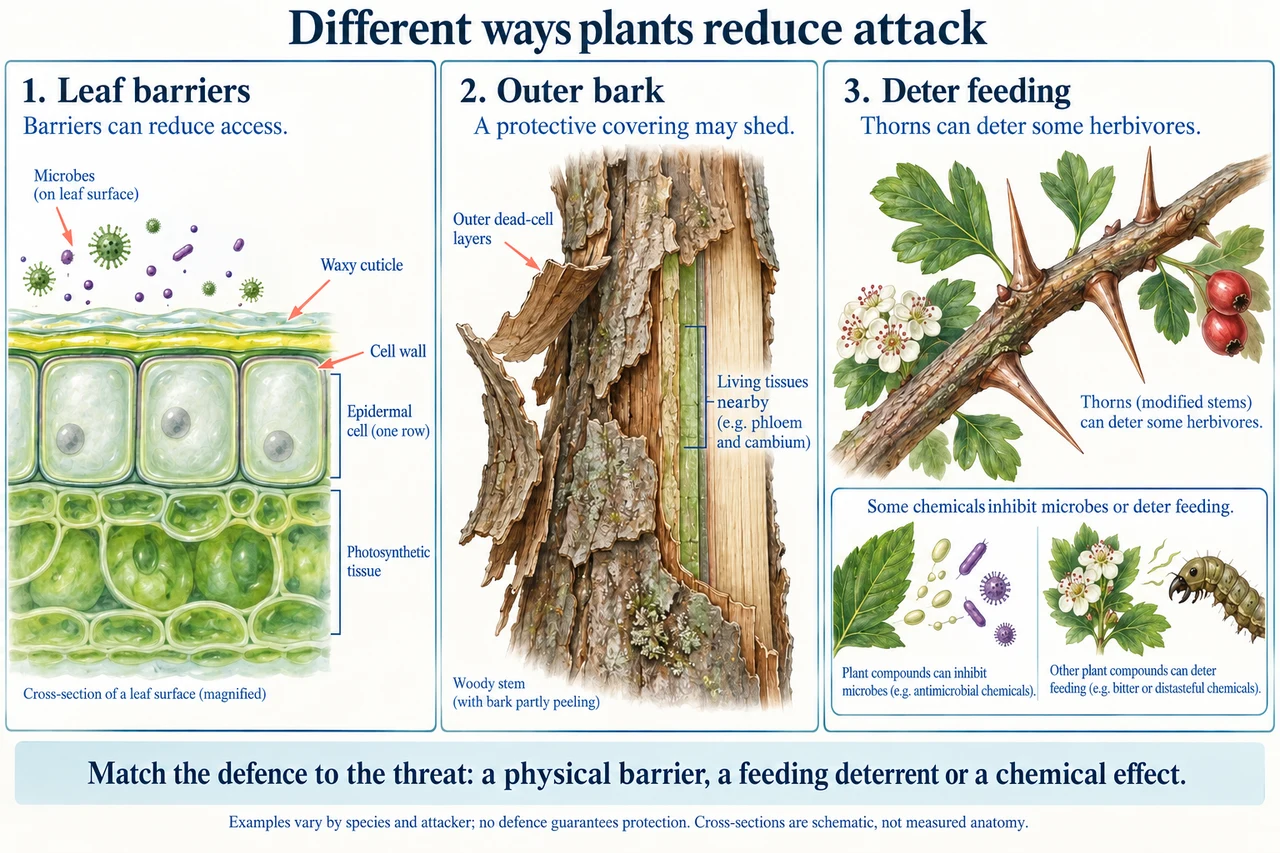
How plants resist attack
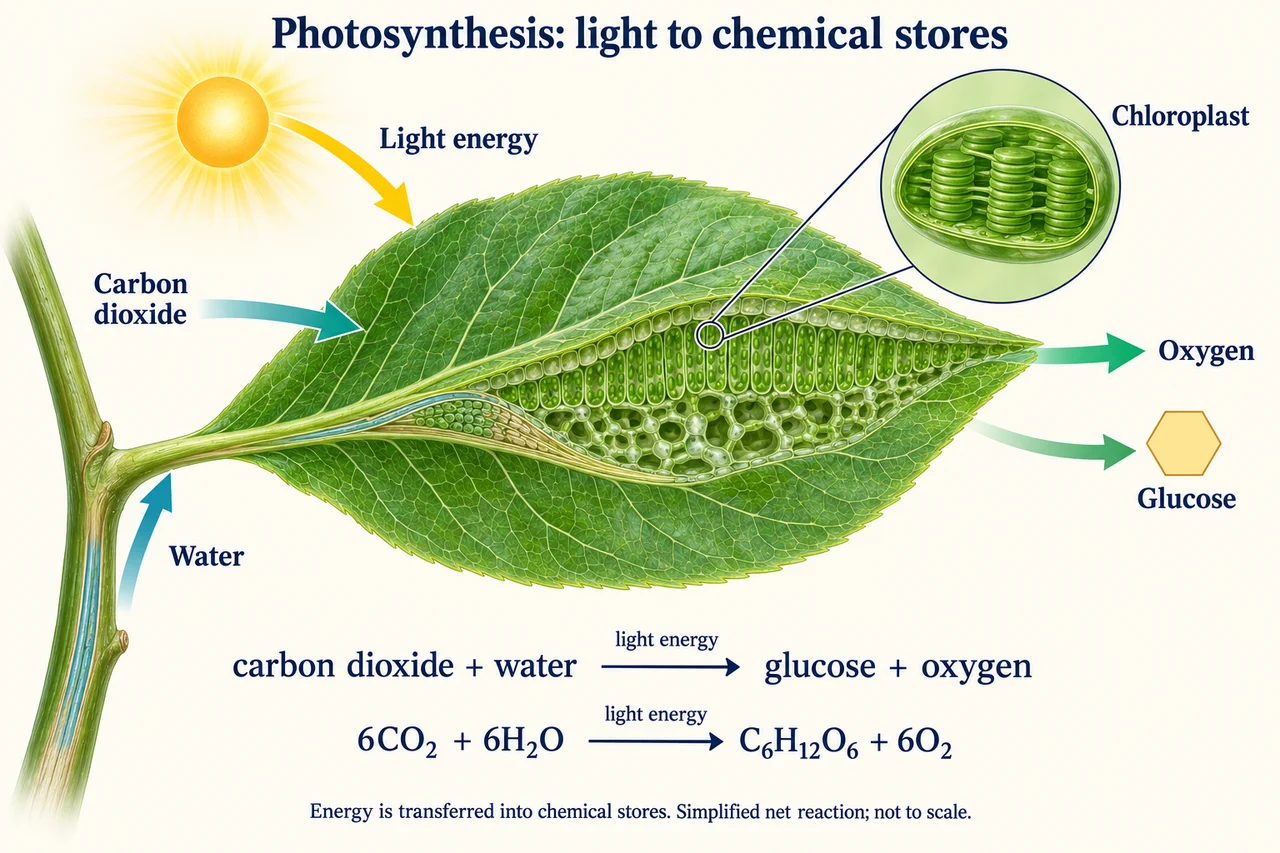
Turning light into chemical stores
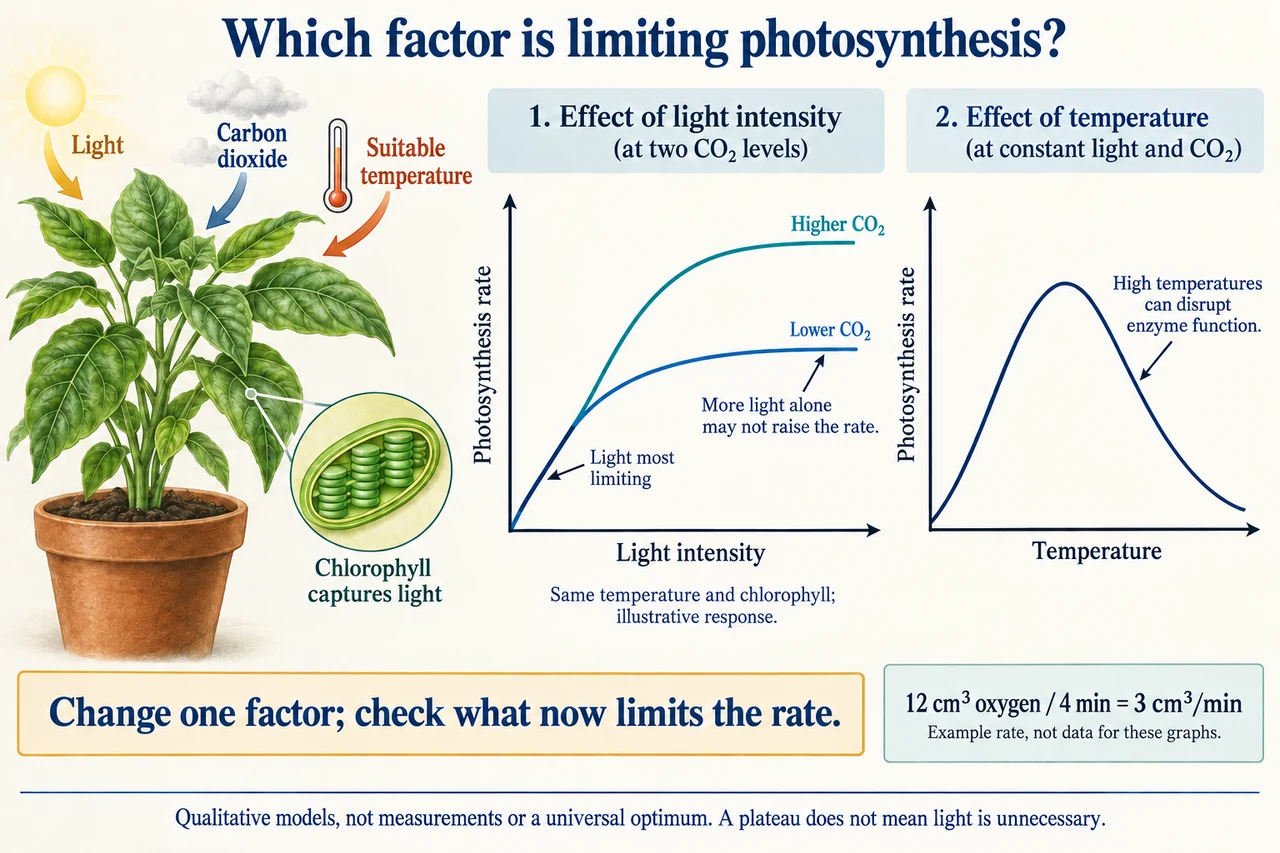
What limits photosynthetic speed
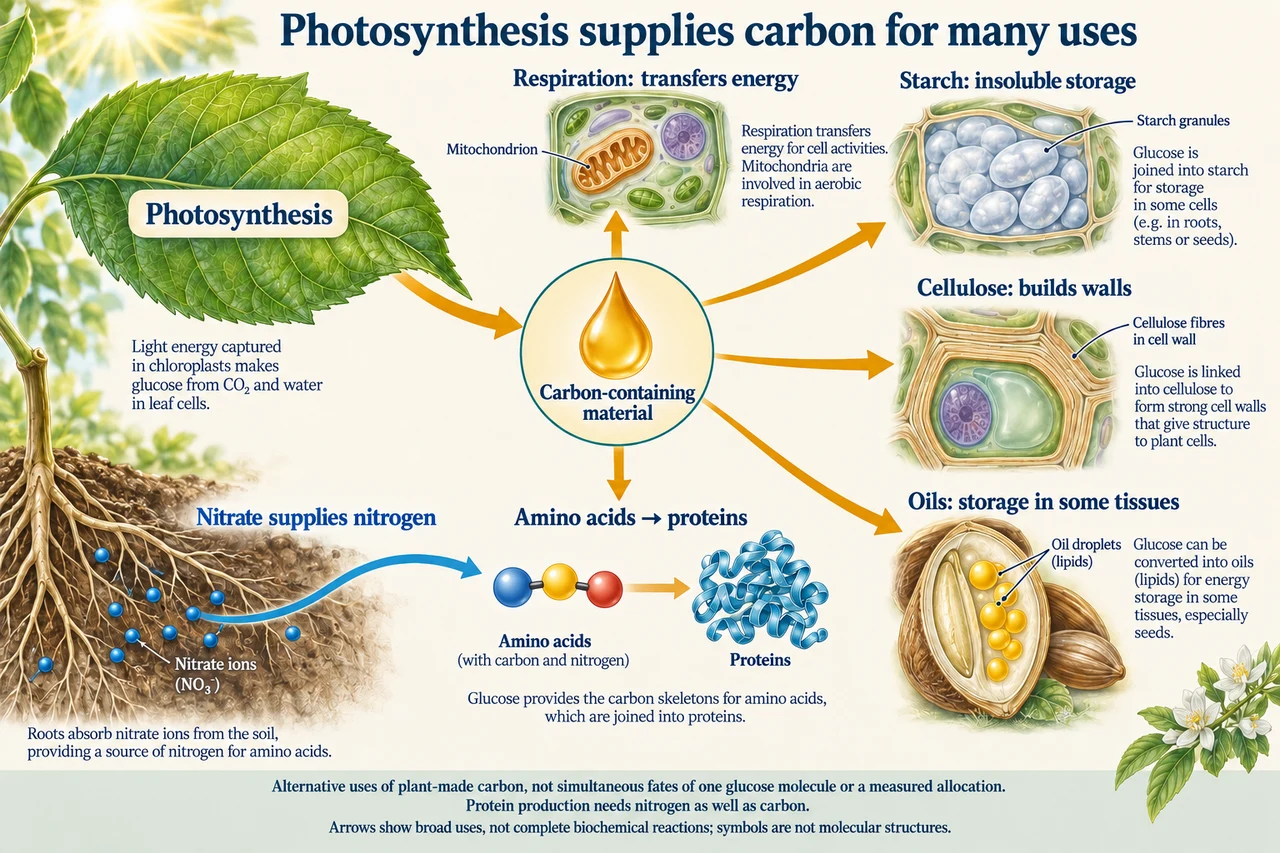
Where plant sugars go
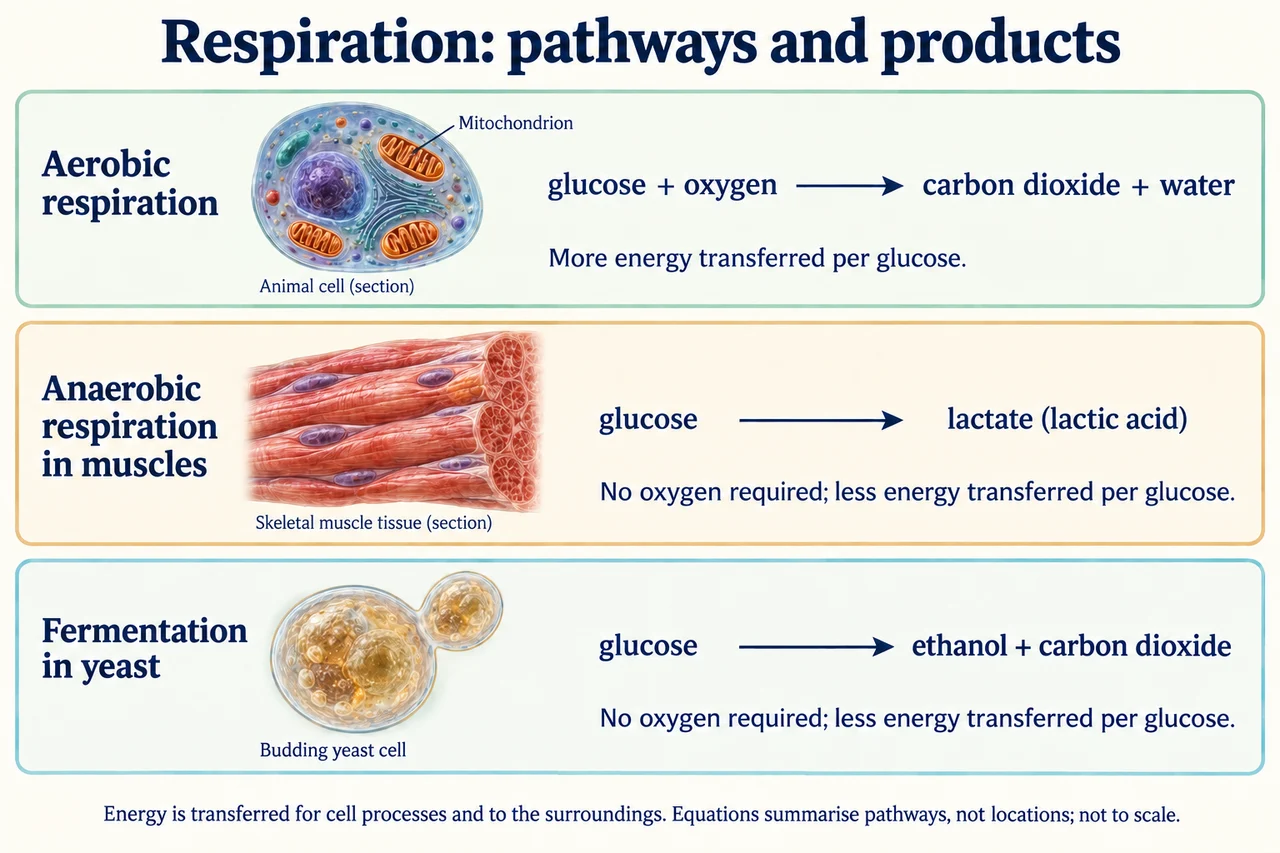
Releasing energy with and without oxygen
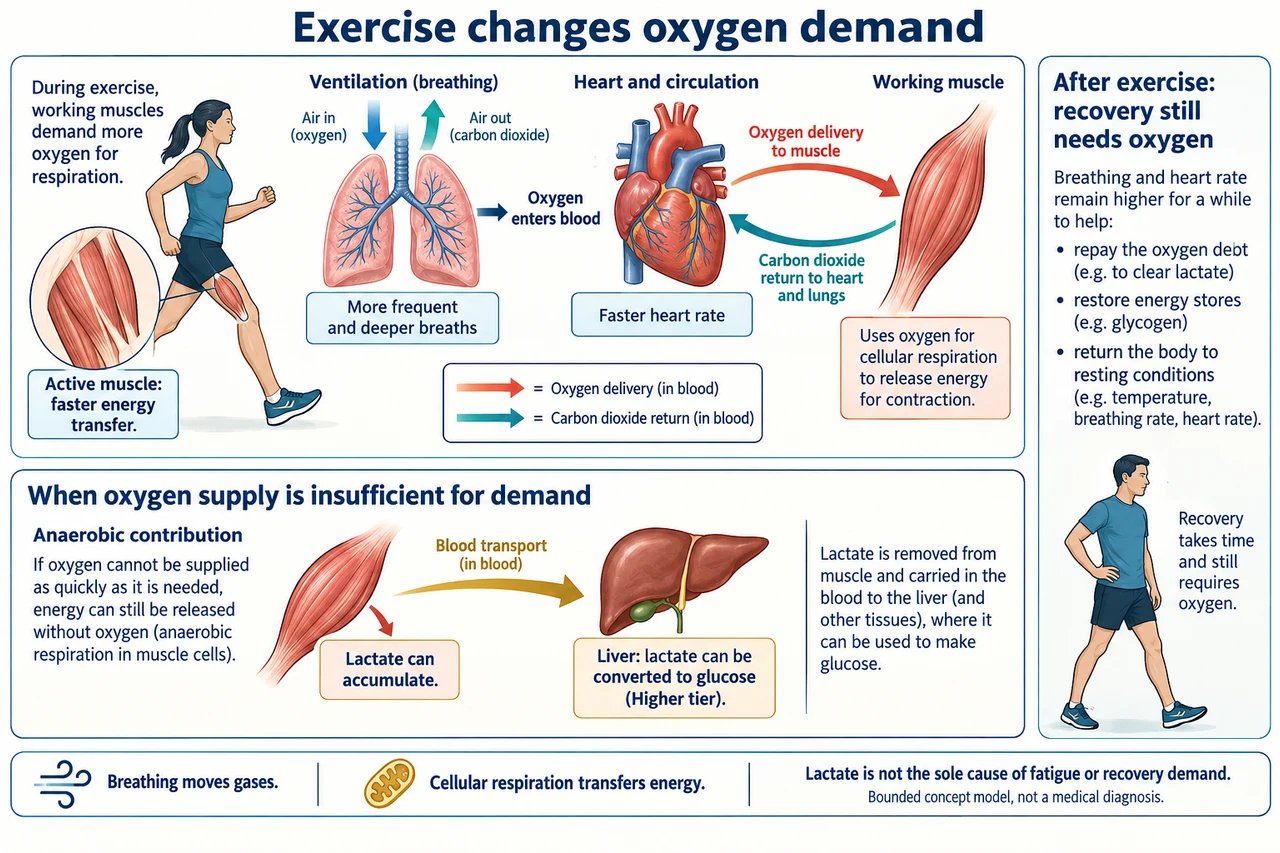
Biology of physical exertion
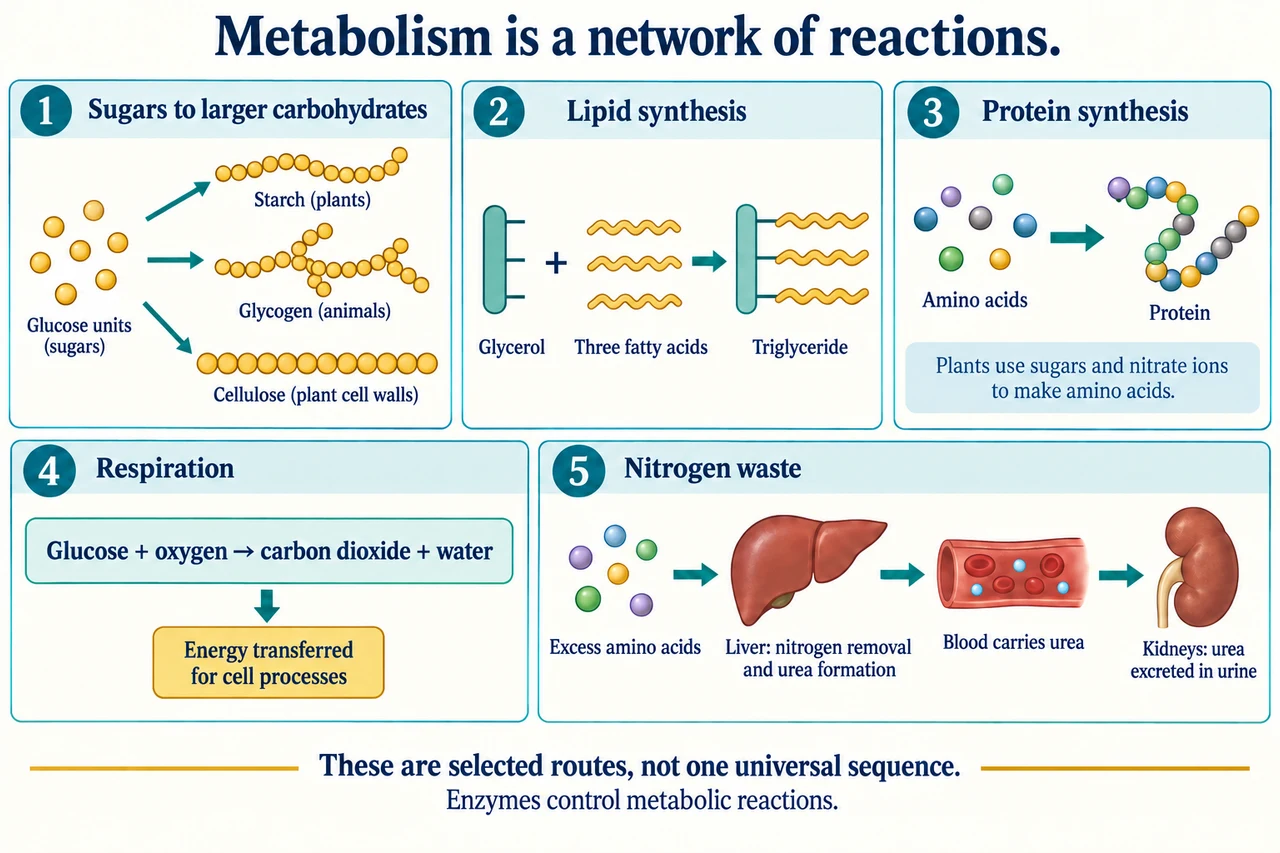
Linked chemical reactions in organisms
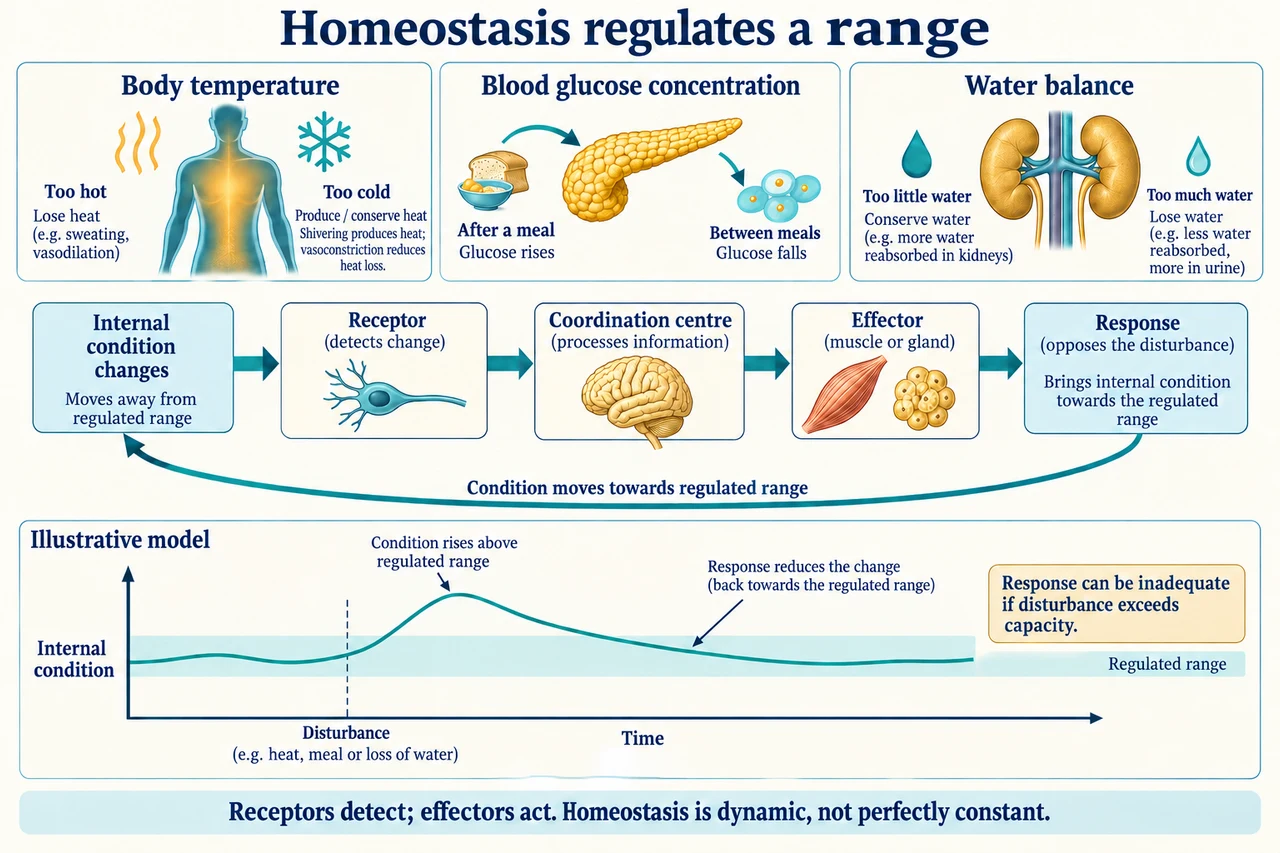
Keeping internal conditions steady
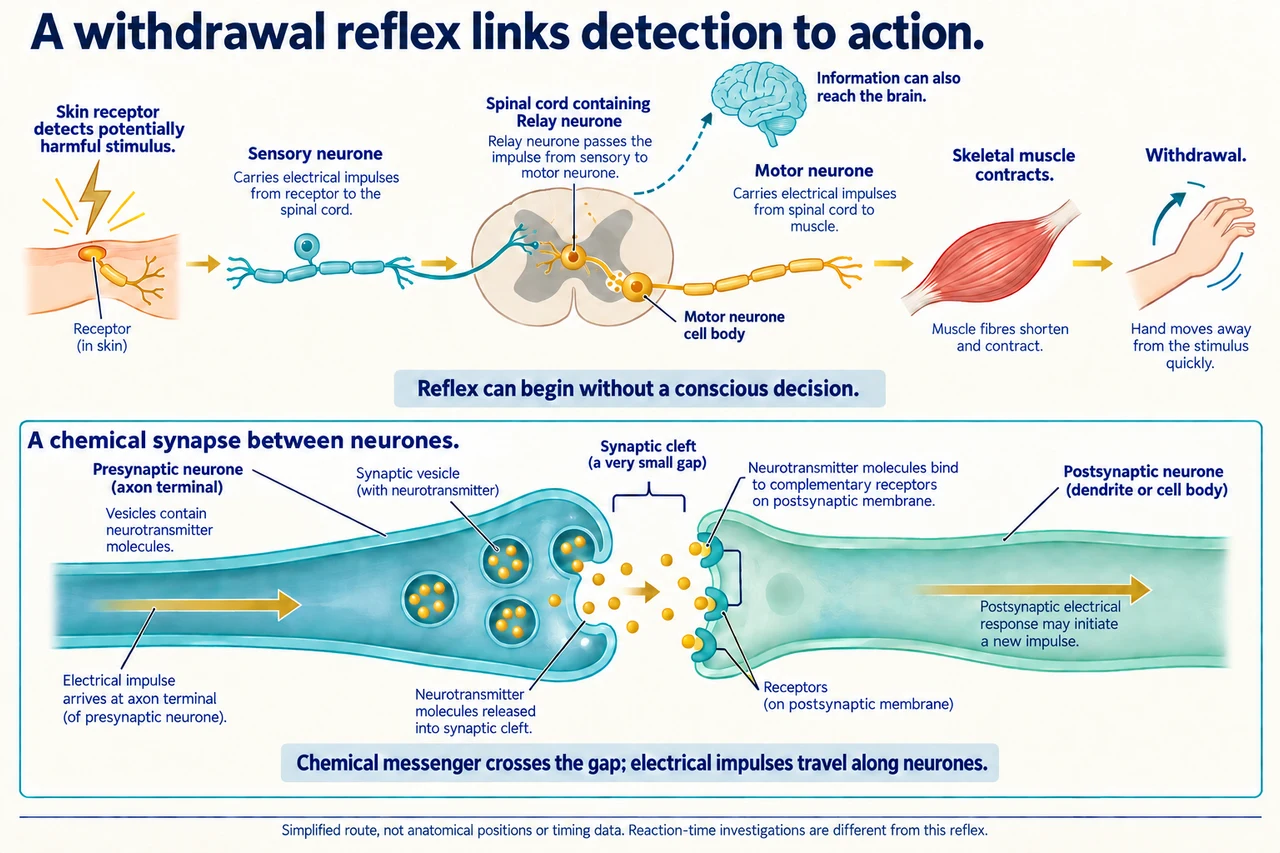
Communication through nerves
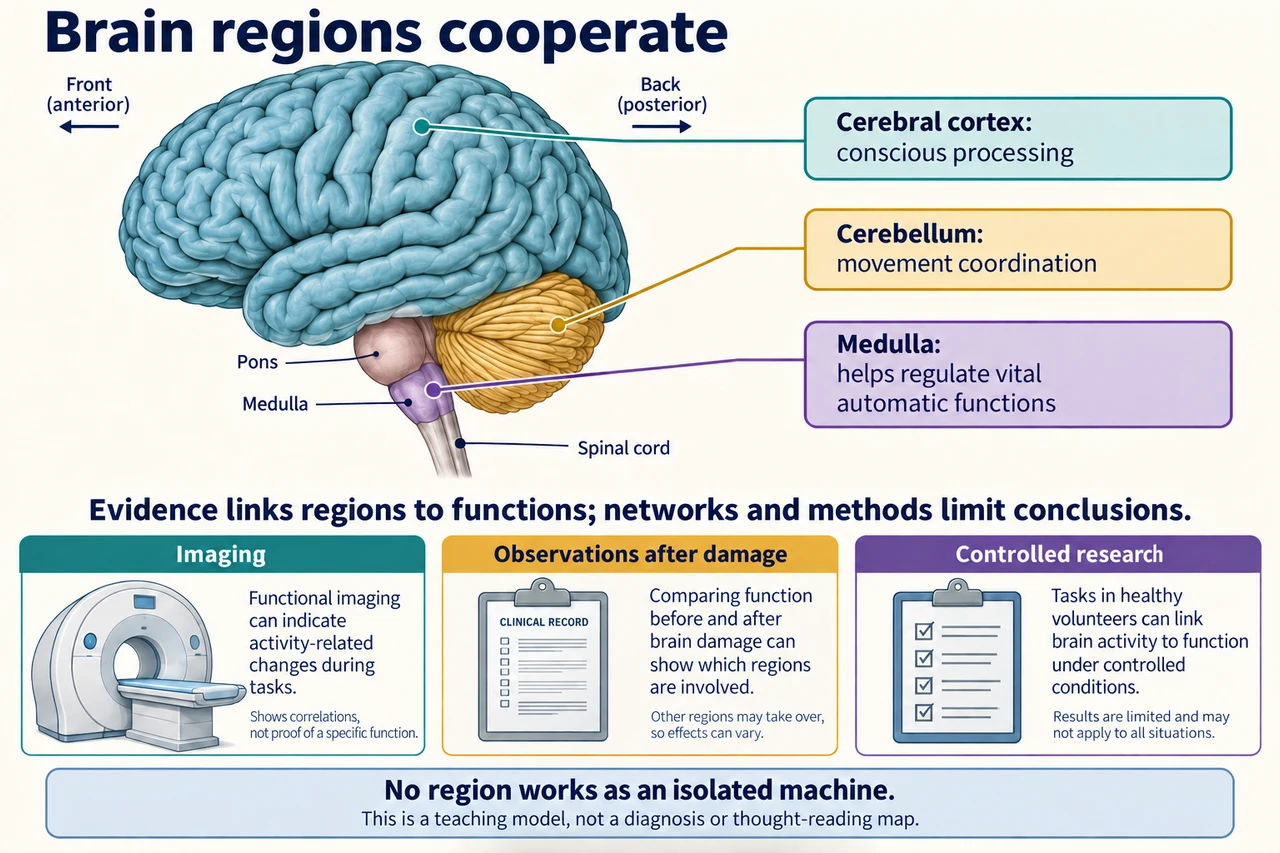
Investigating the control centre
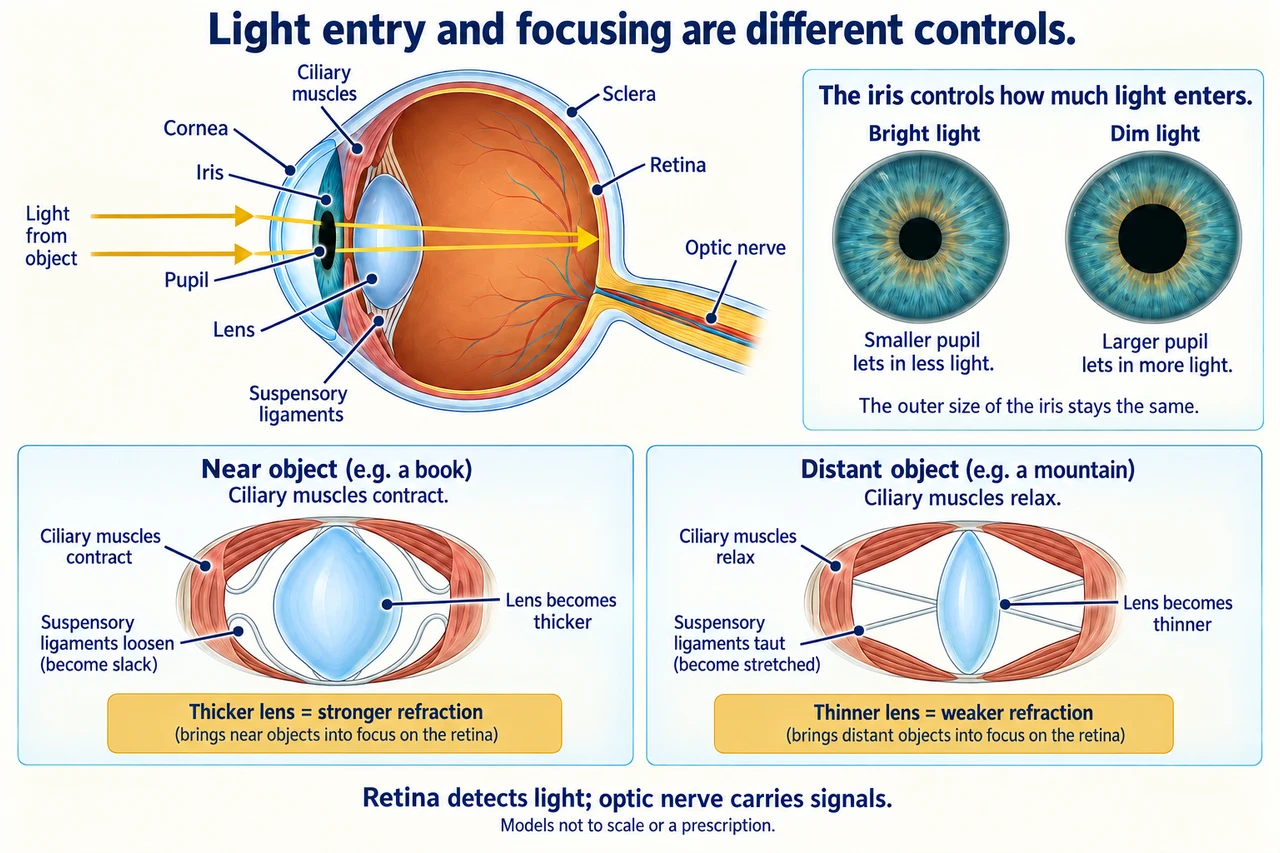
How vision works
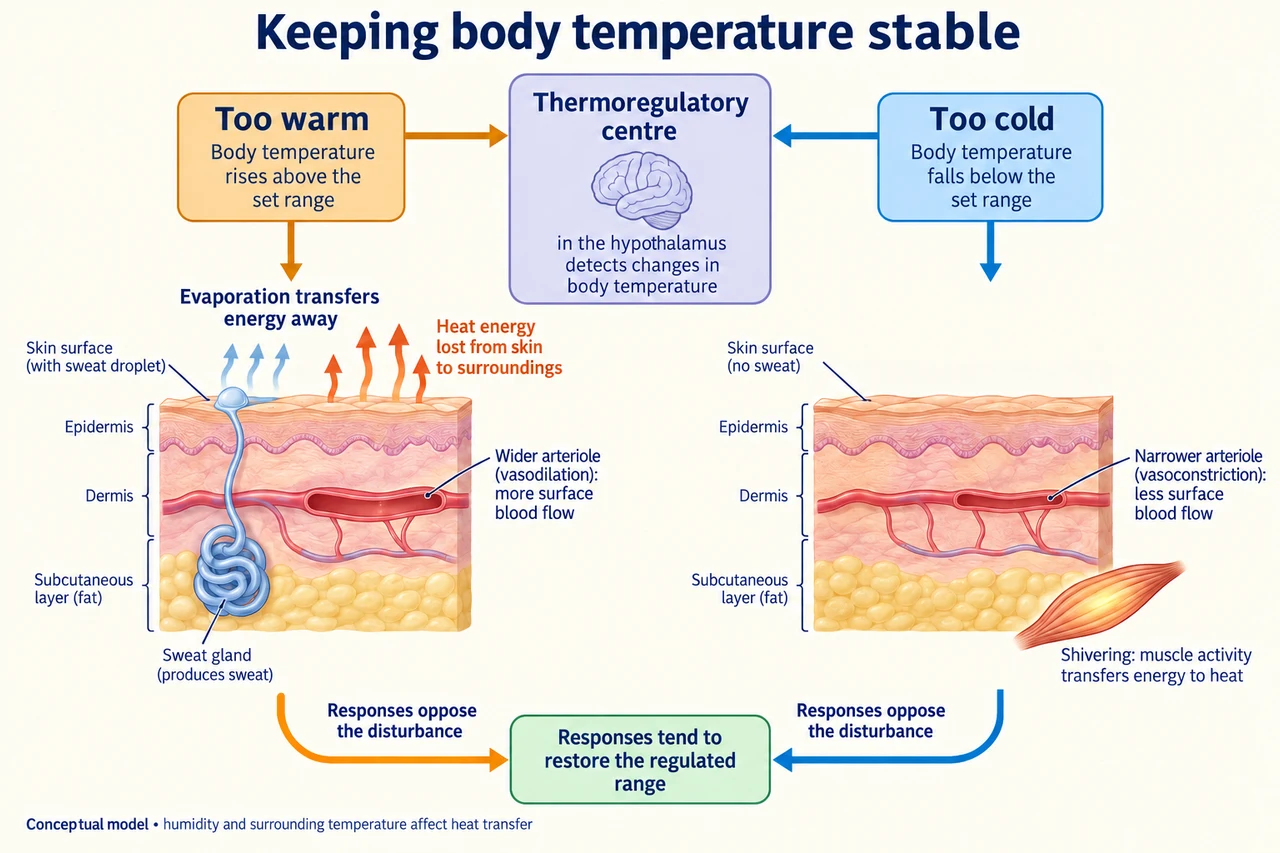
Keeping body temperature stable
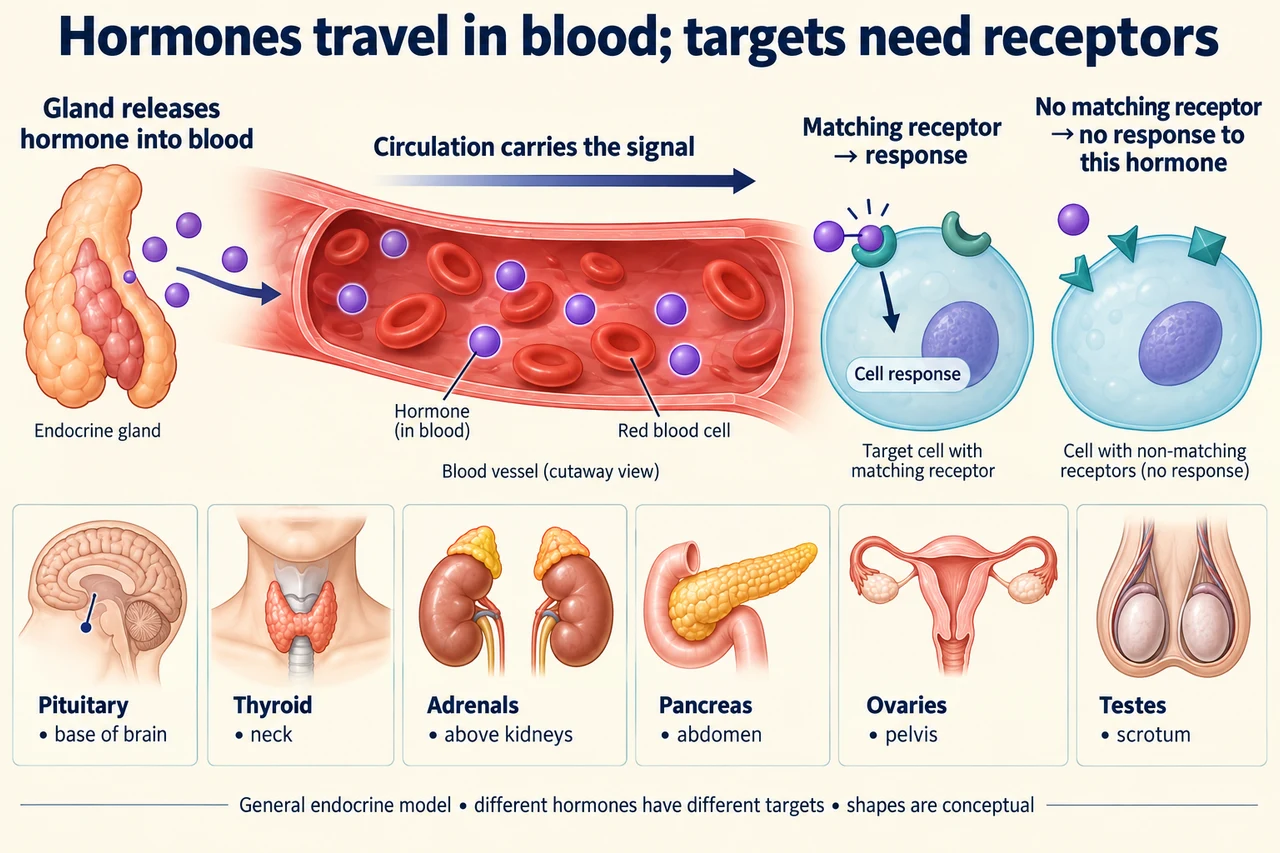
Chemical signals in circulation
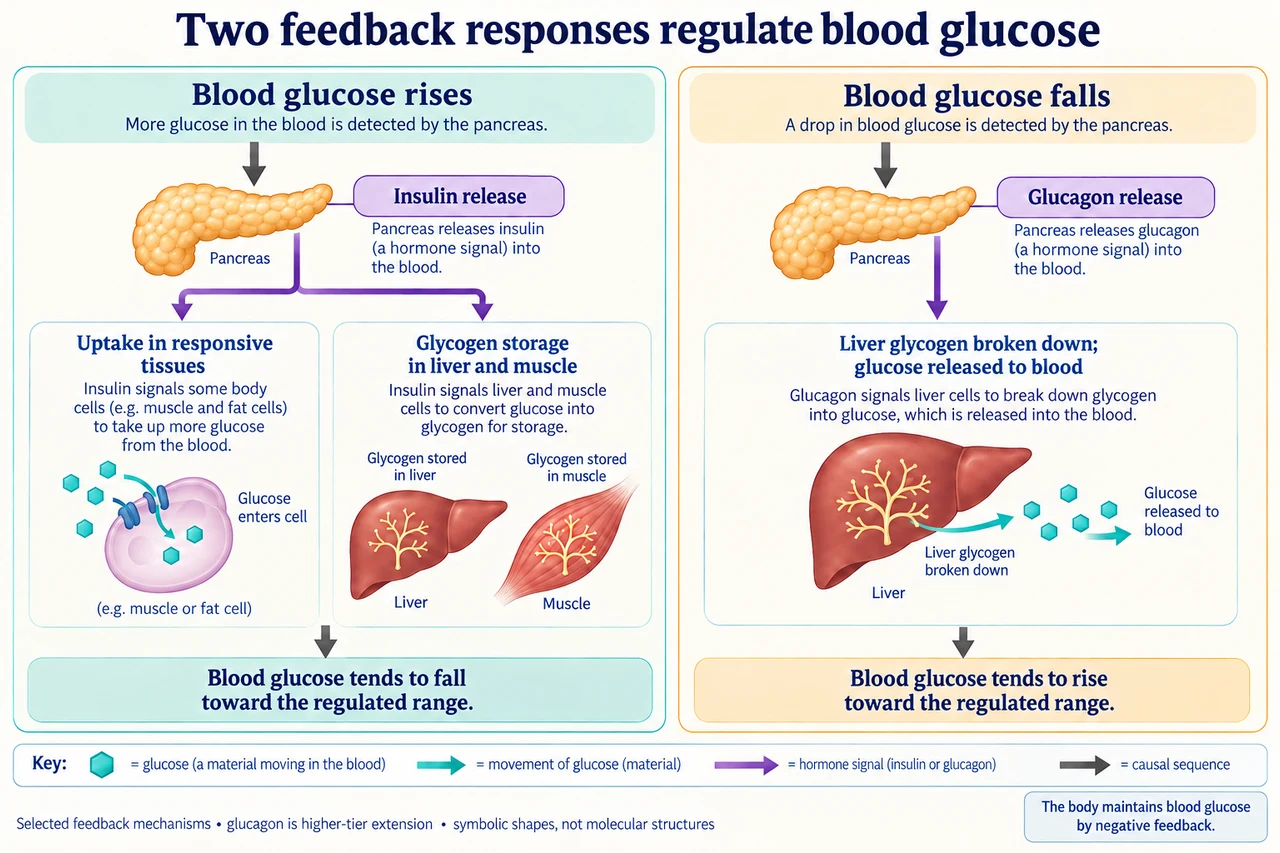
Regulating sugar in blood
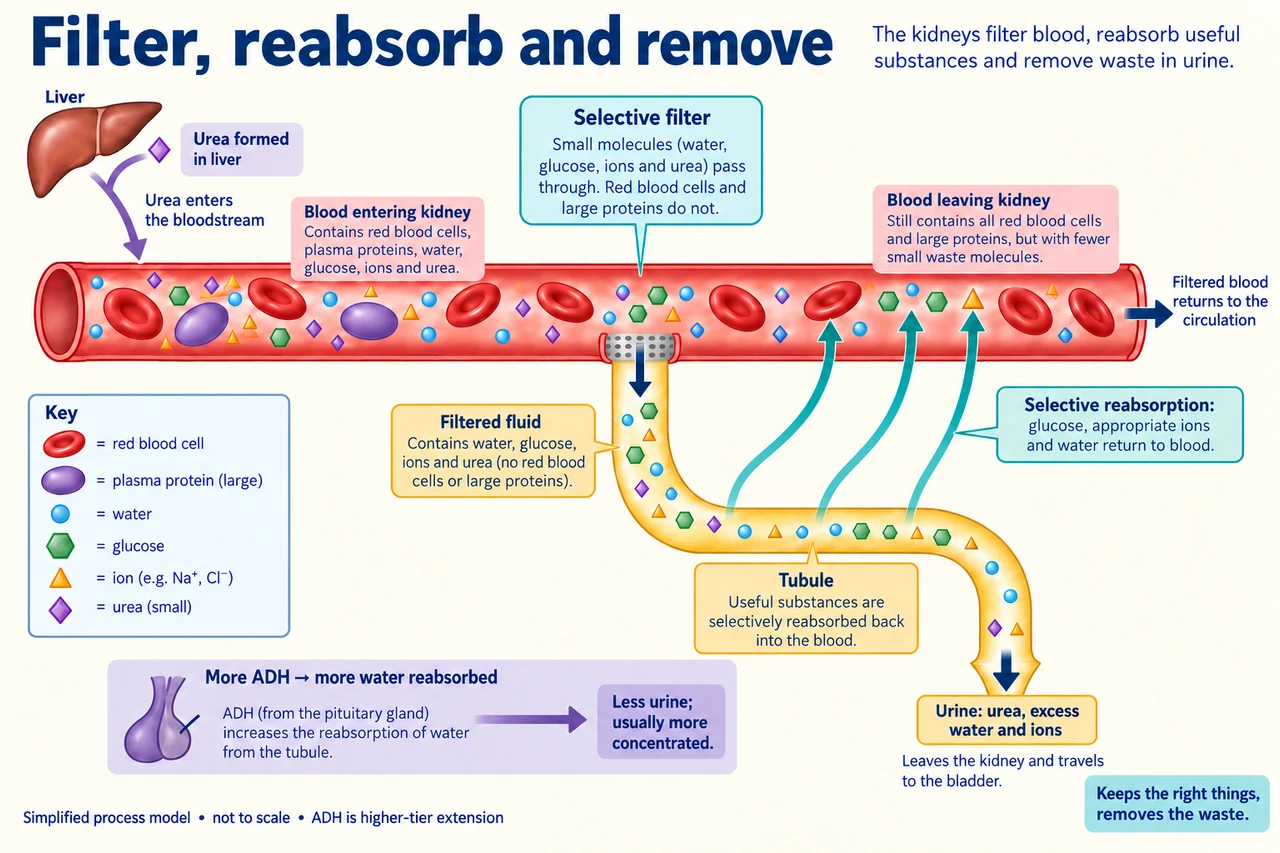
Managing water and nitrogen waste
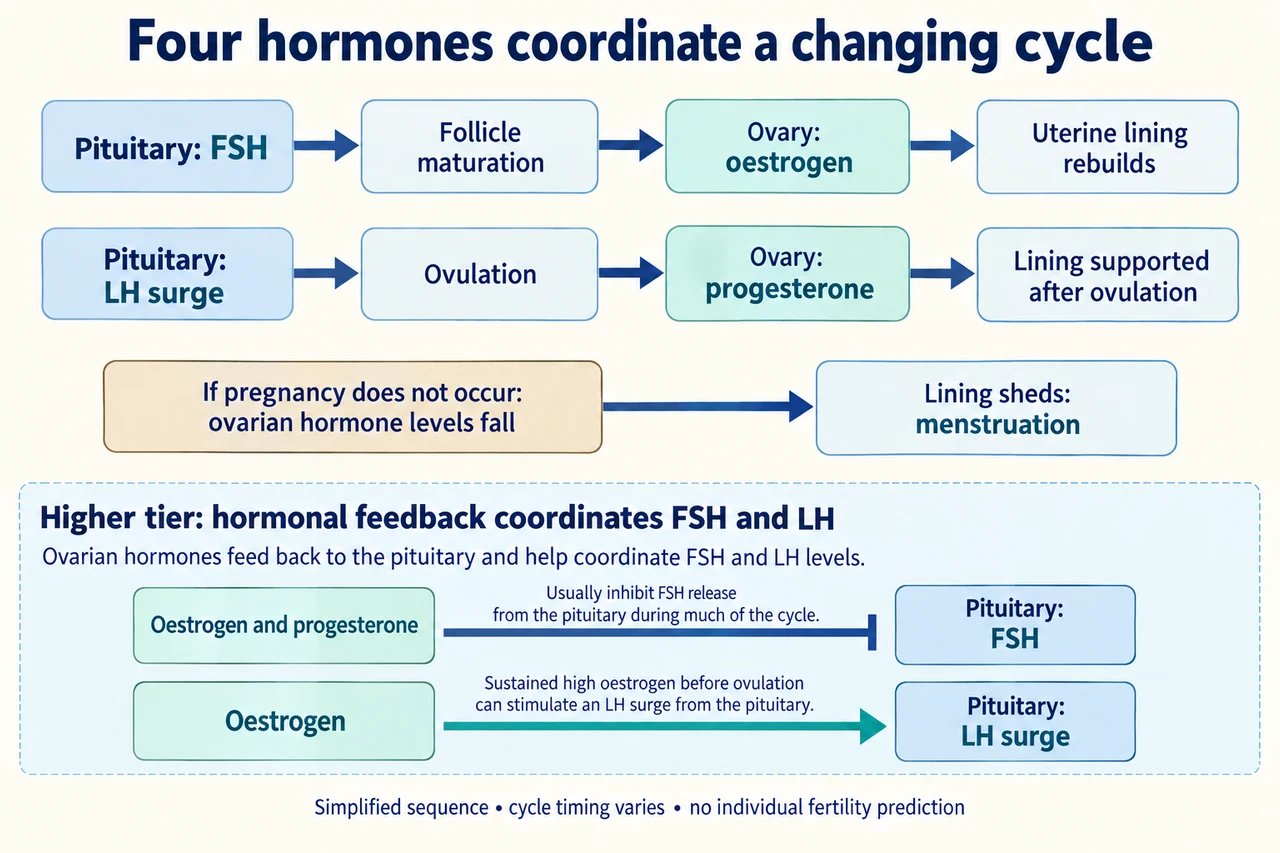
Chemical control of reproduction
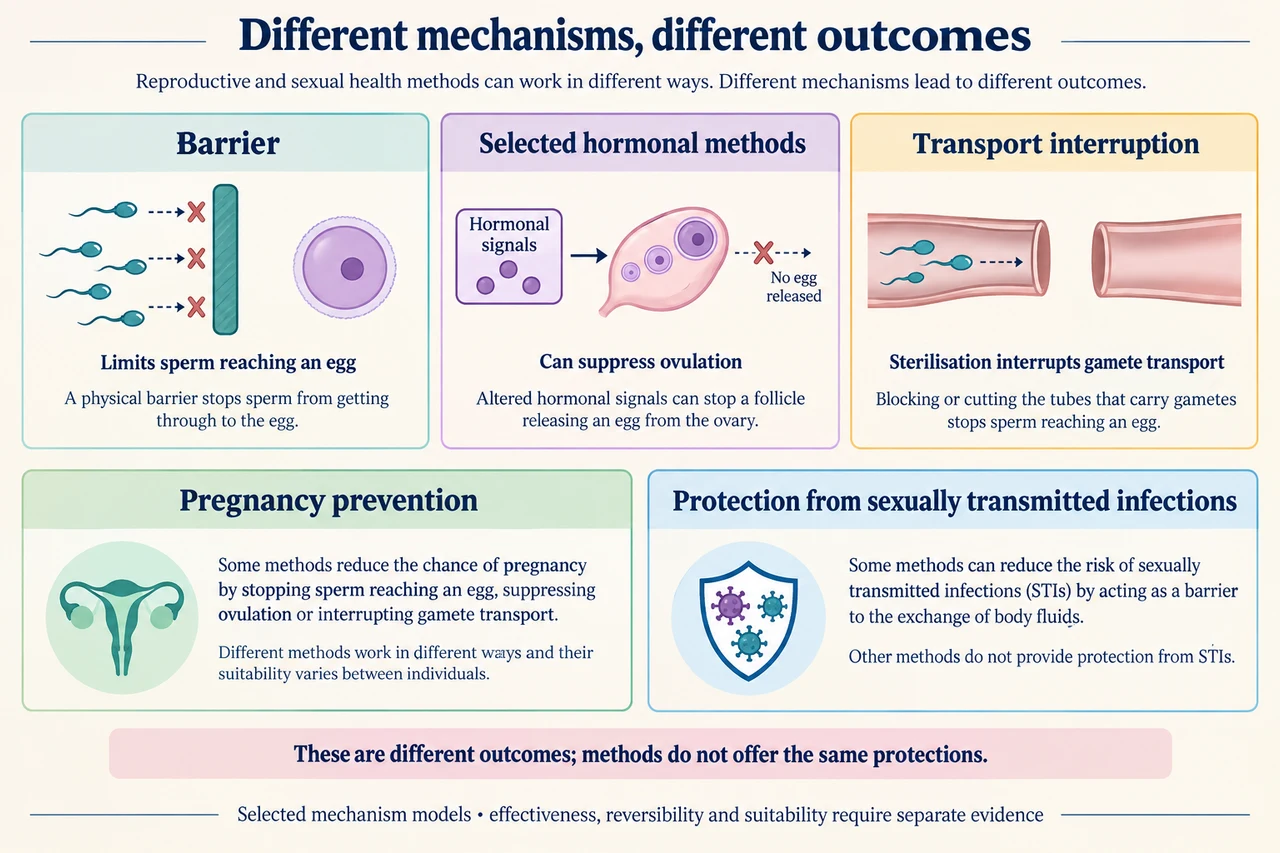
Preventing pregnancy through different approaches
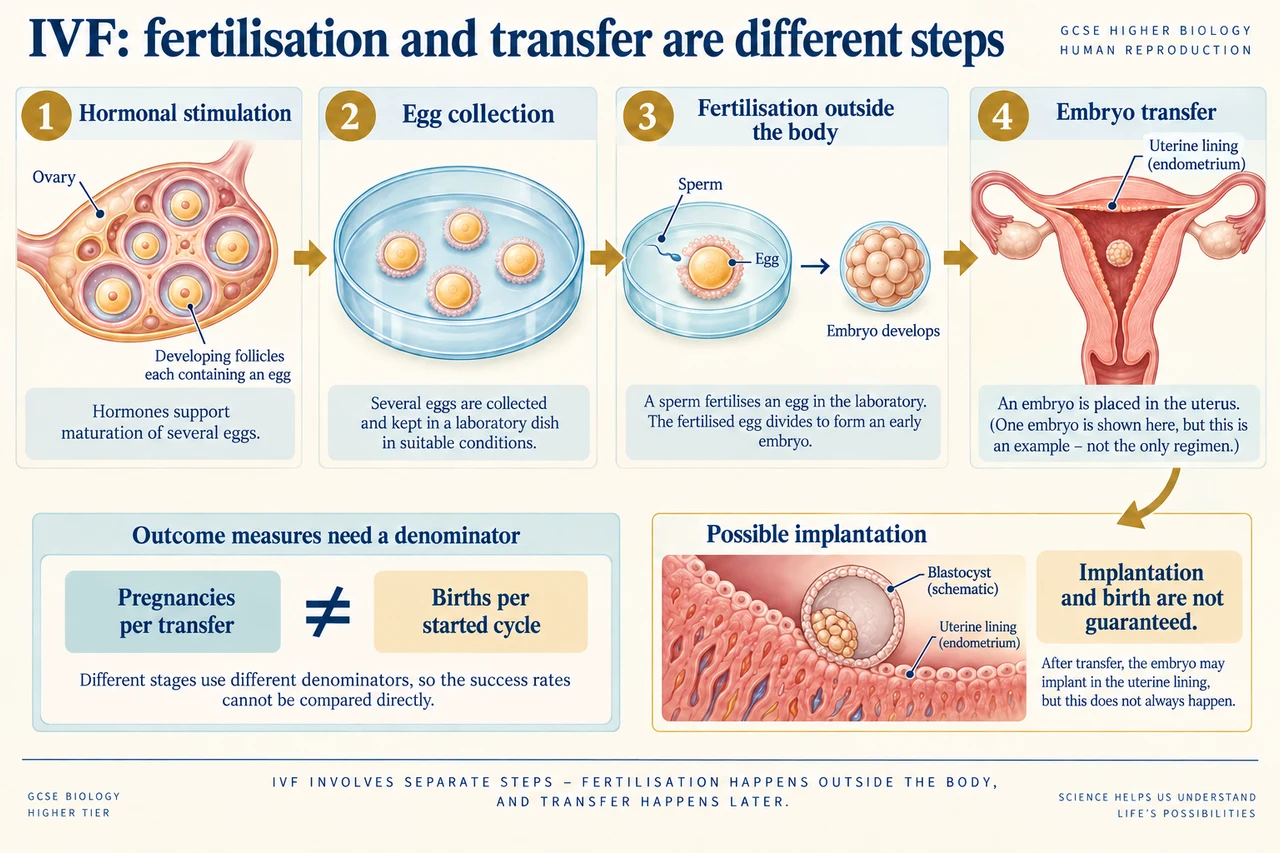
Hormonal support for fertility
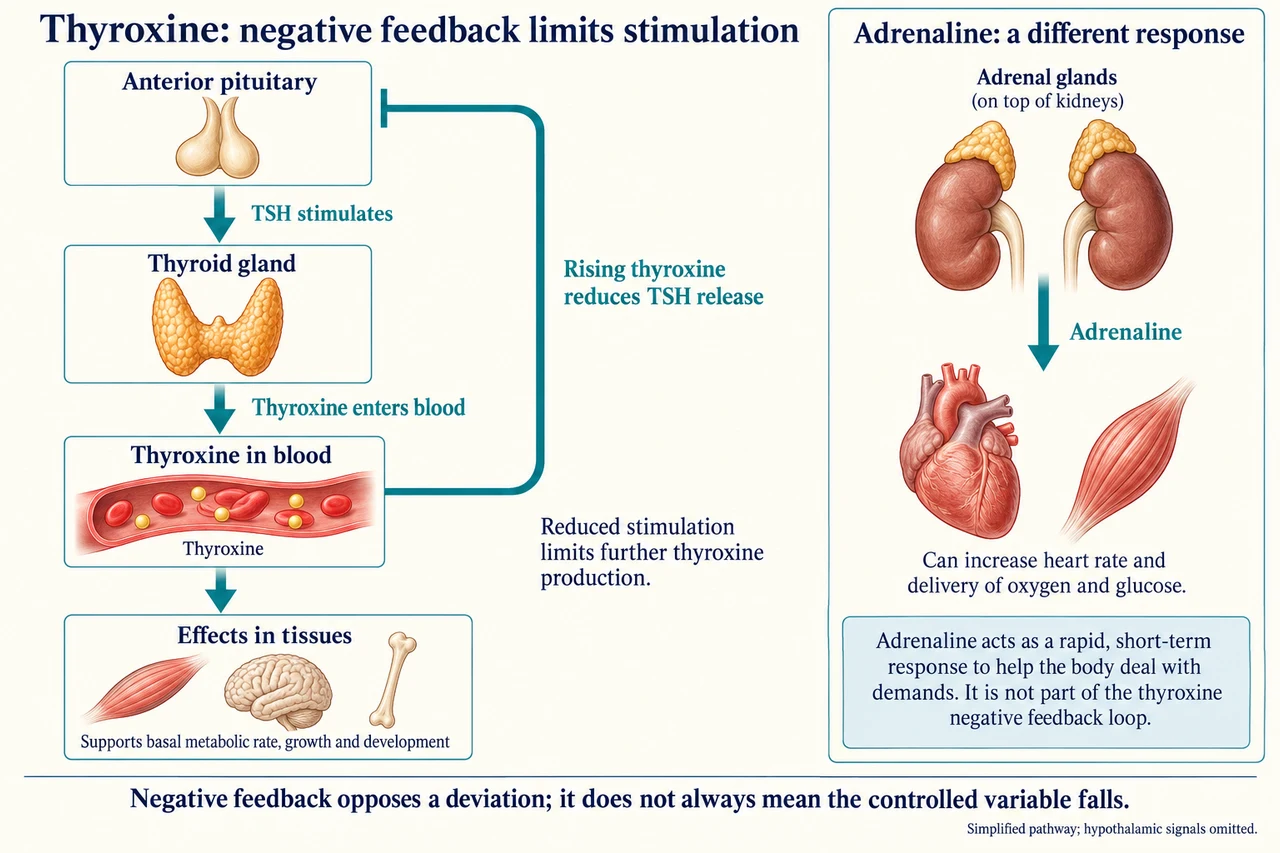
Control through negative feedback
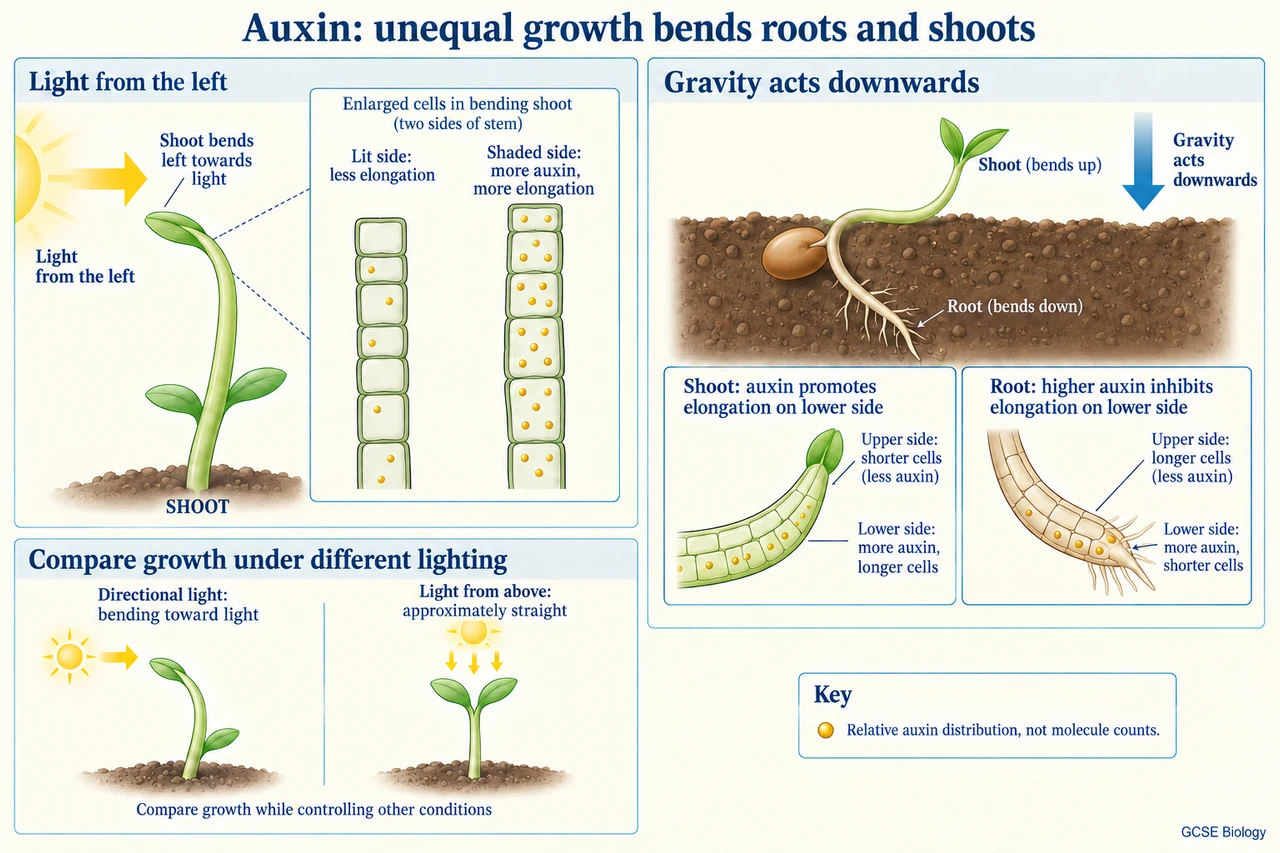
Chemical coordination in plants
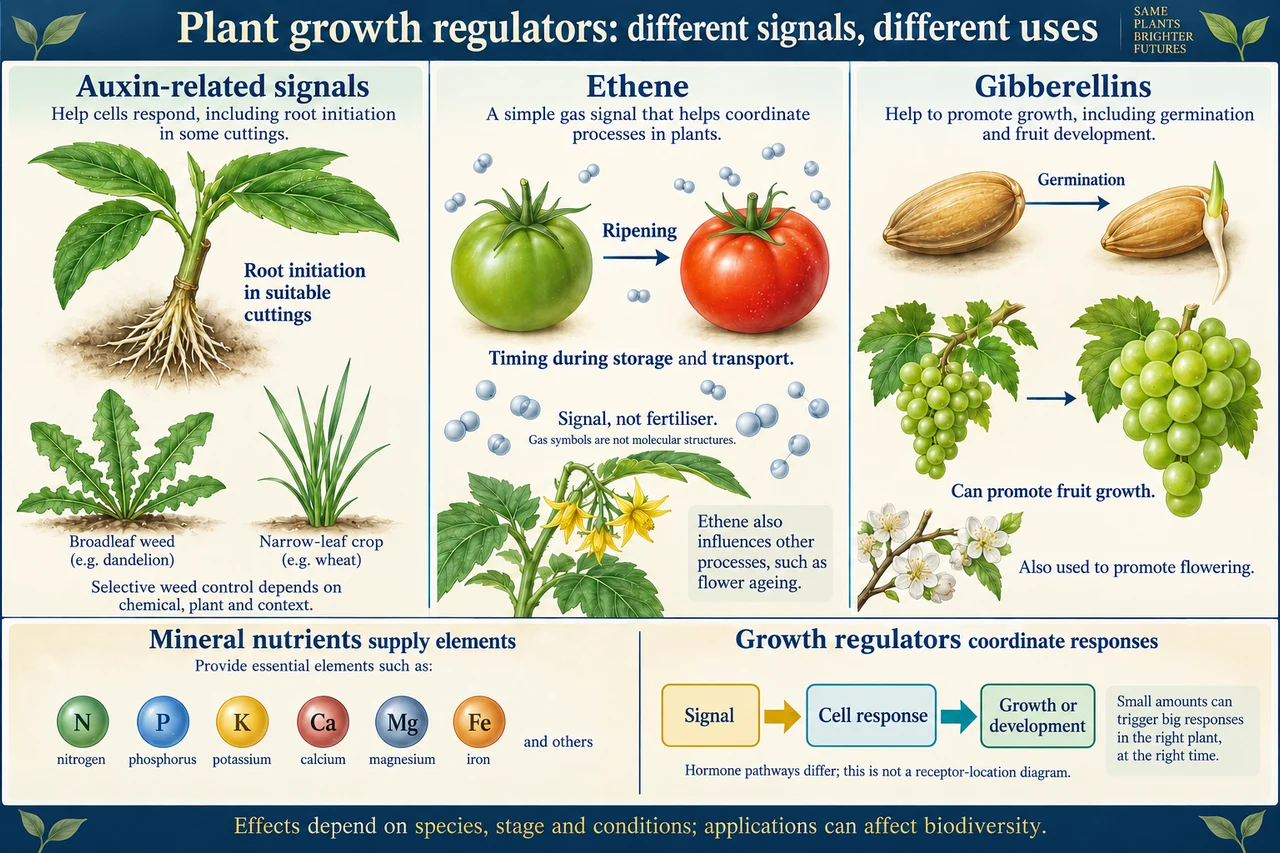
Applying plant growth signals
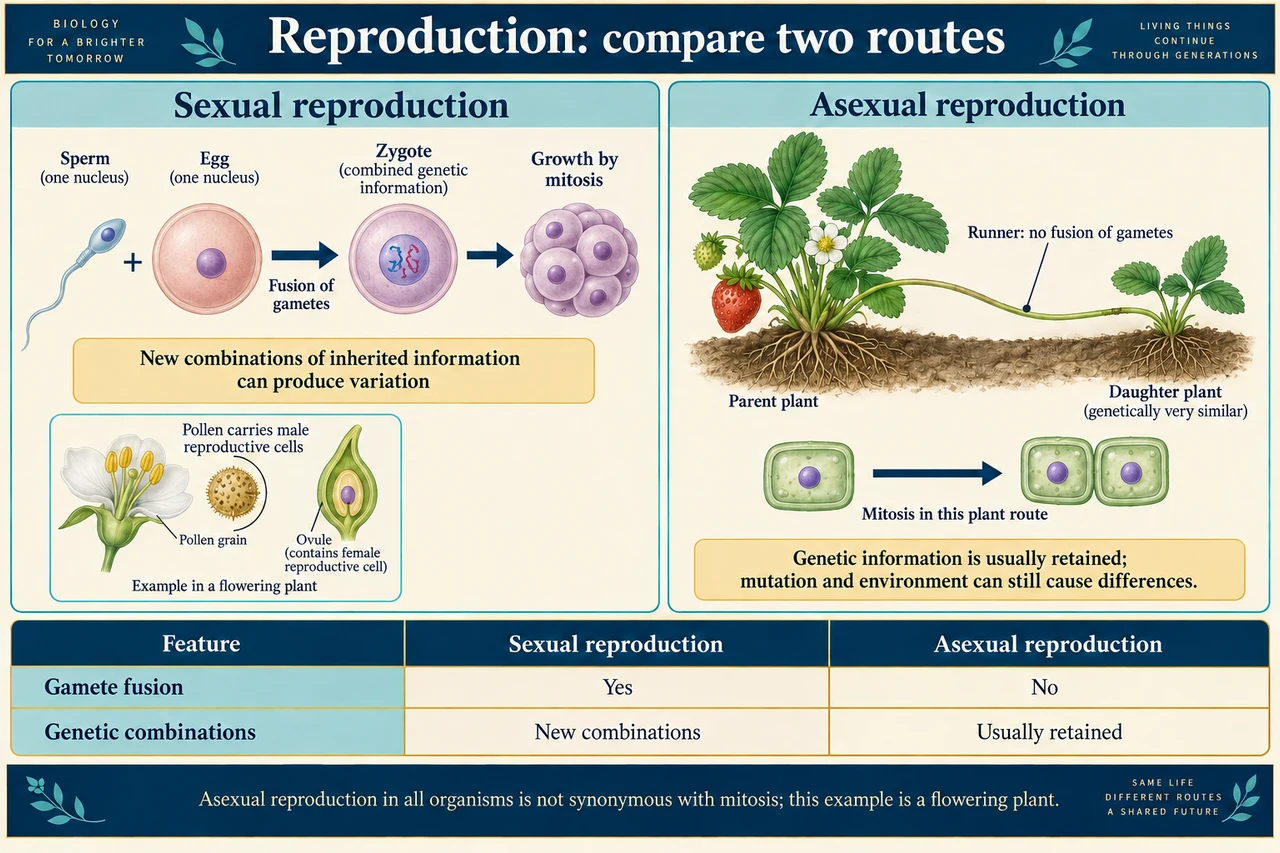
Reproduction with and without gametes
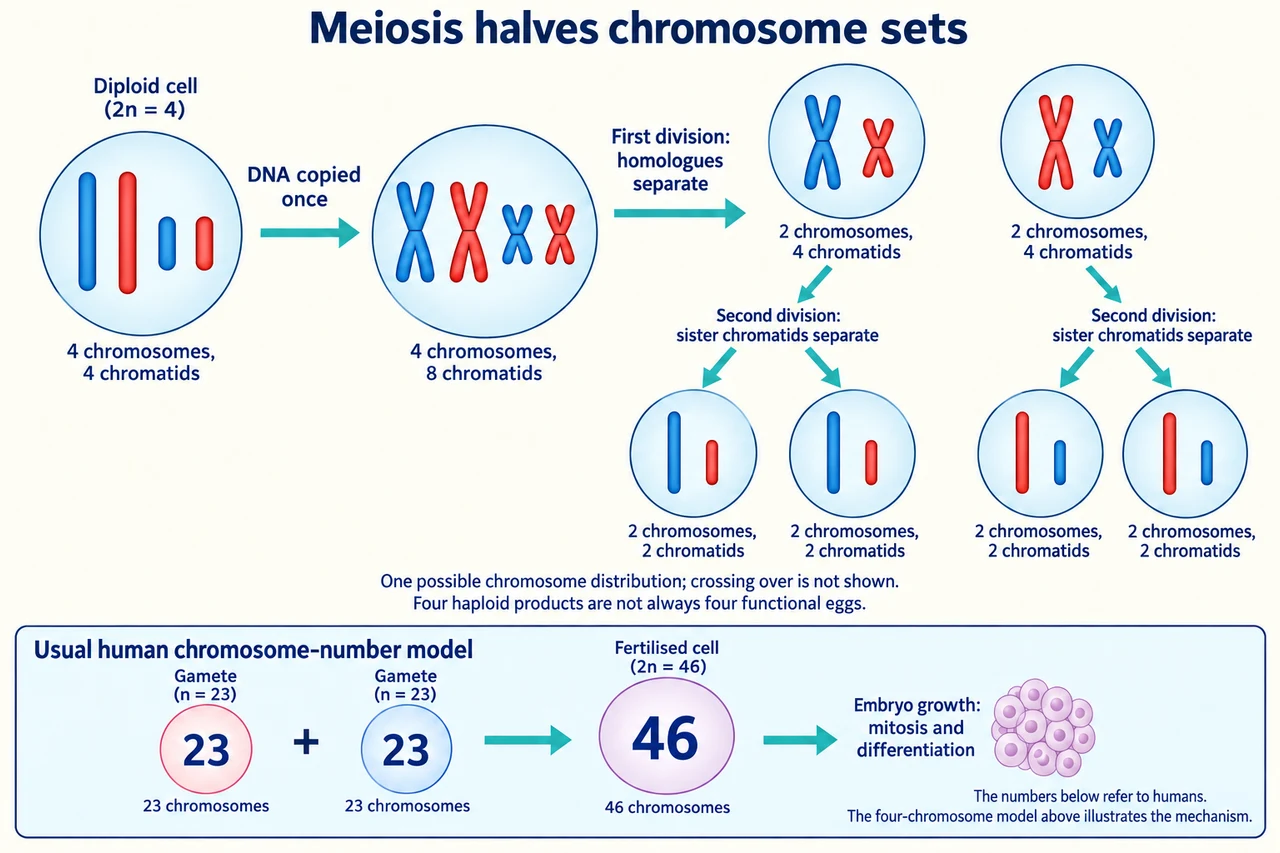
Making genetically varied gametes
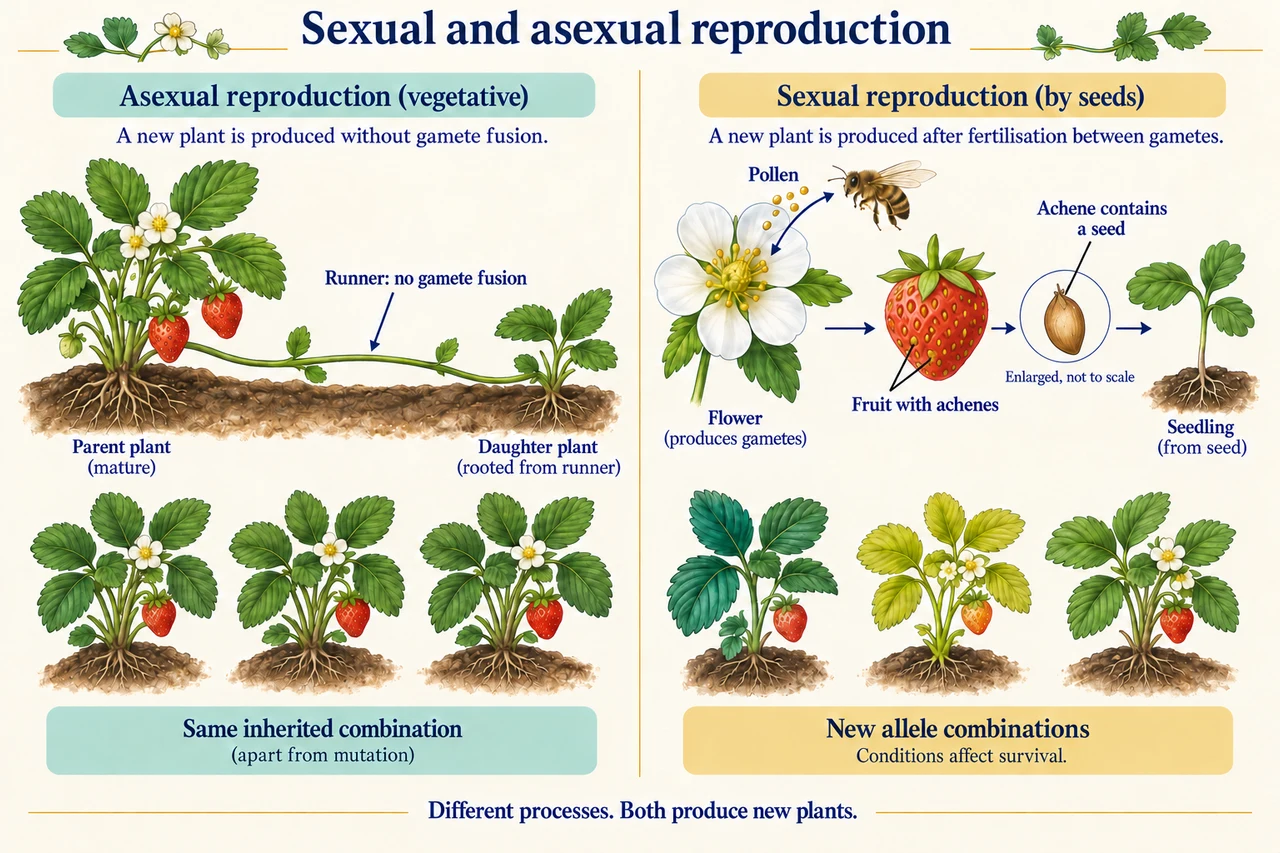
Comparing reproductive strategies
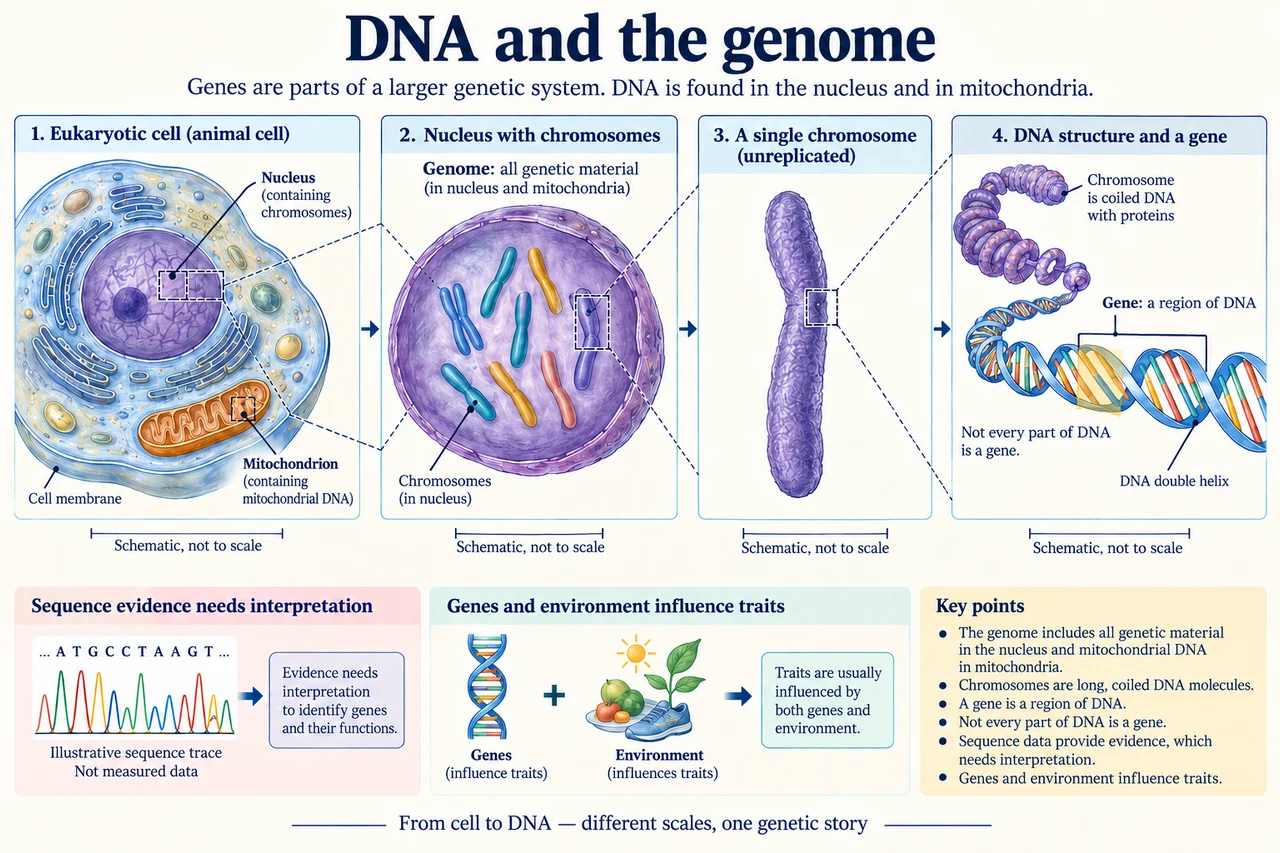
Reading the genetic library
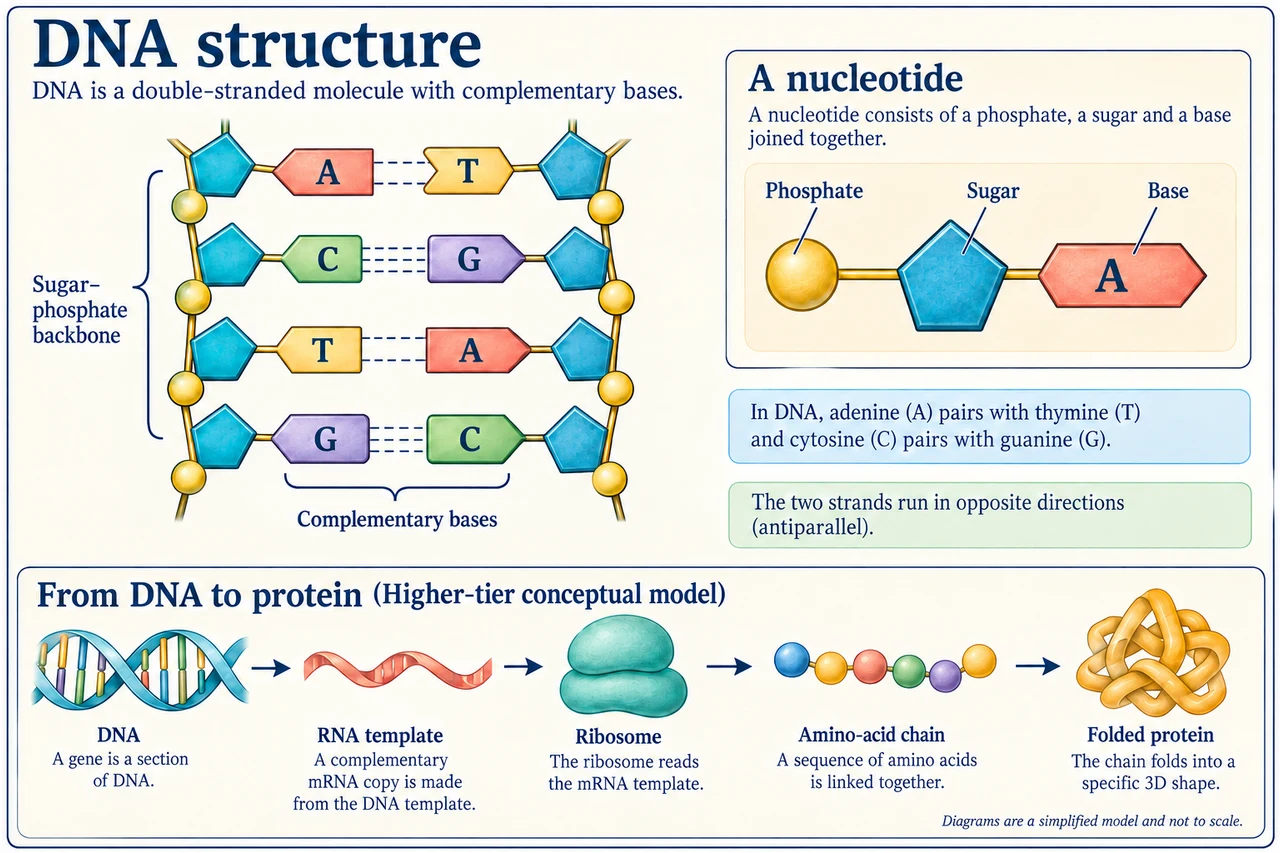
How hereditary molecules are organised
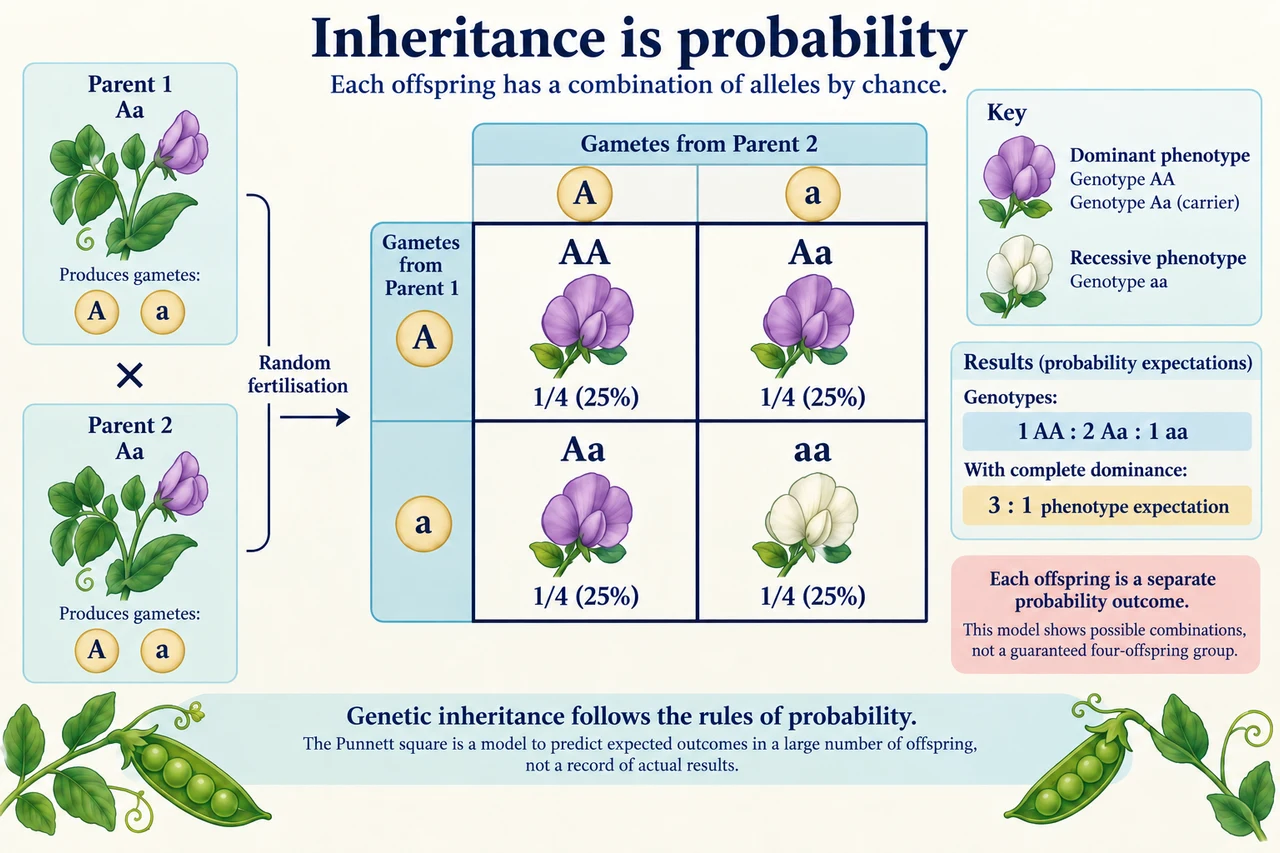
Predicting inherited traits
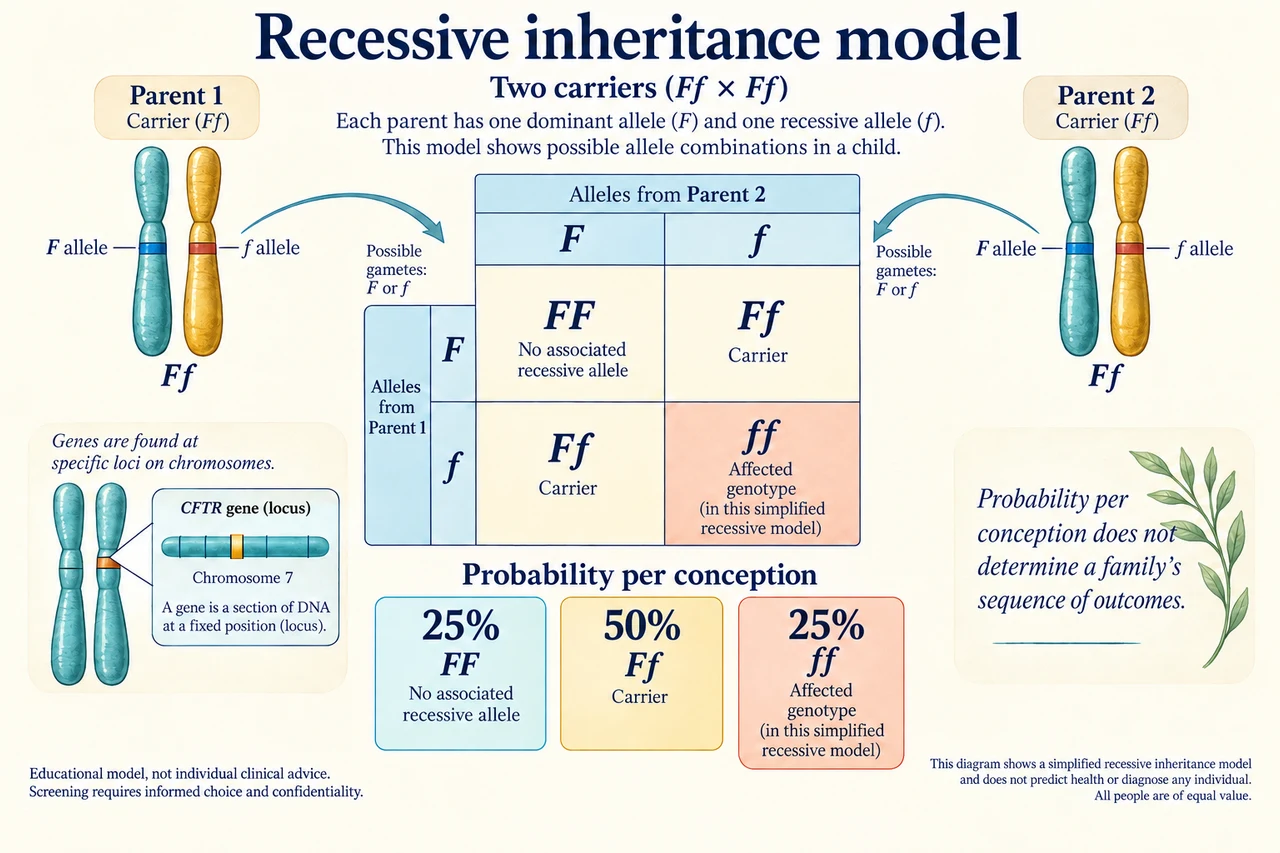
Conditions passed through genes
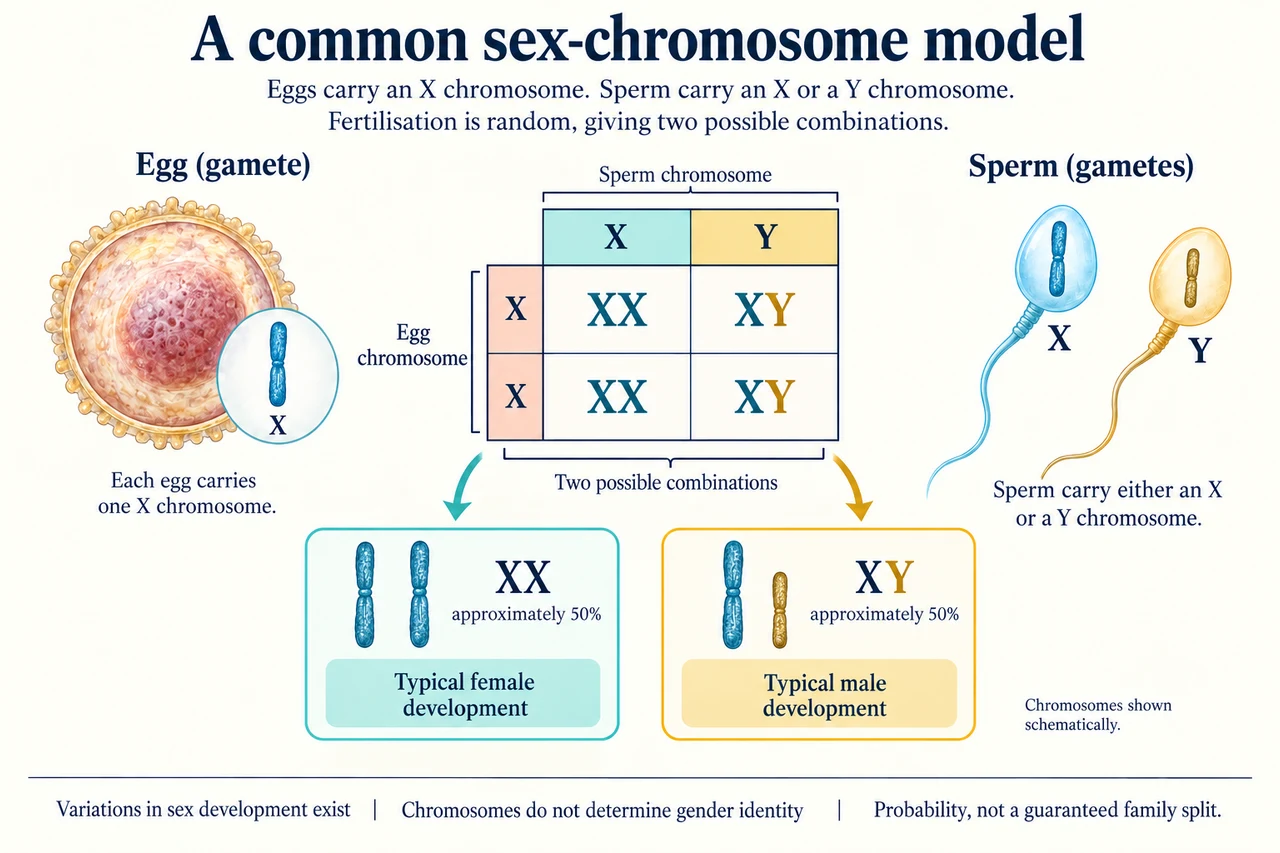
Inheritance of biological sex
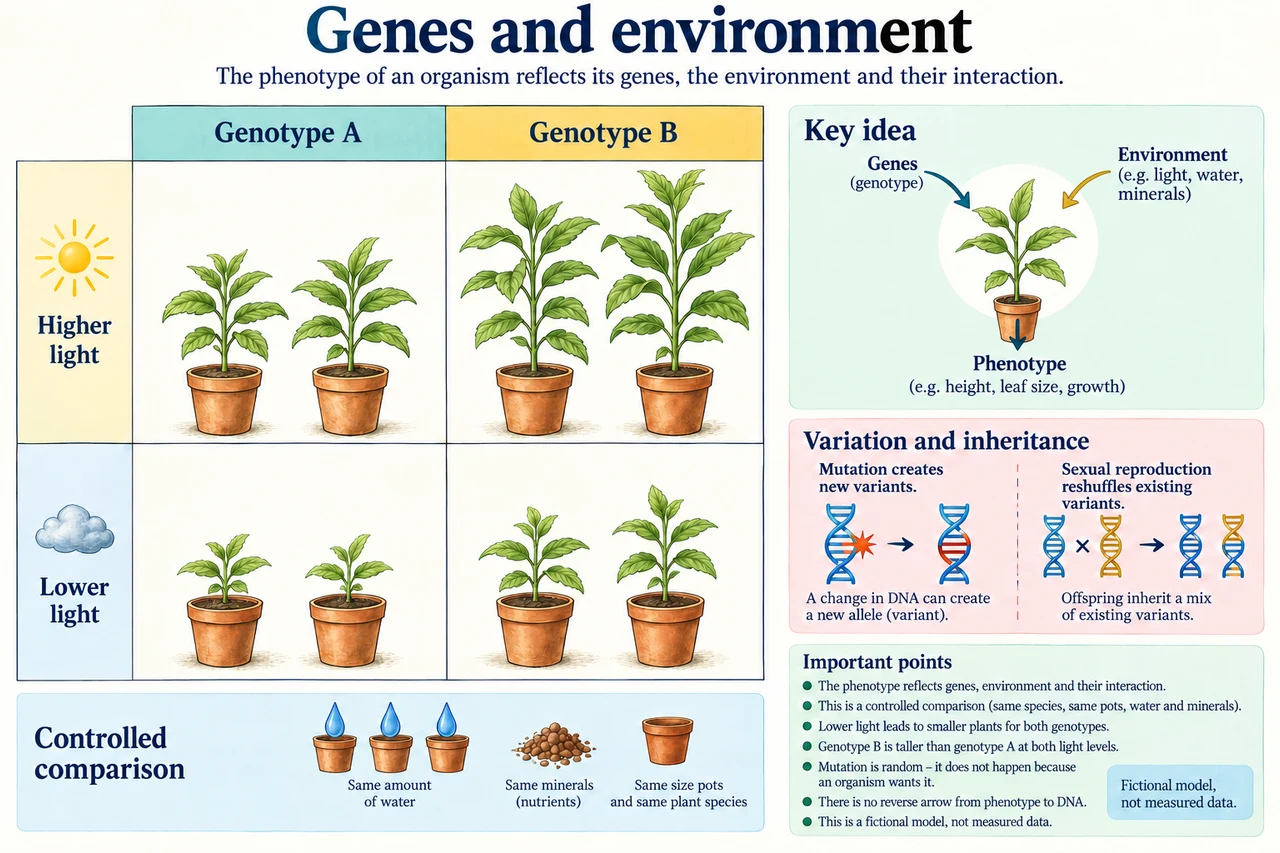
Why individuals differ
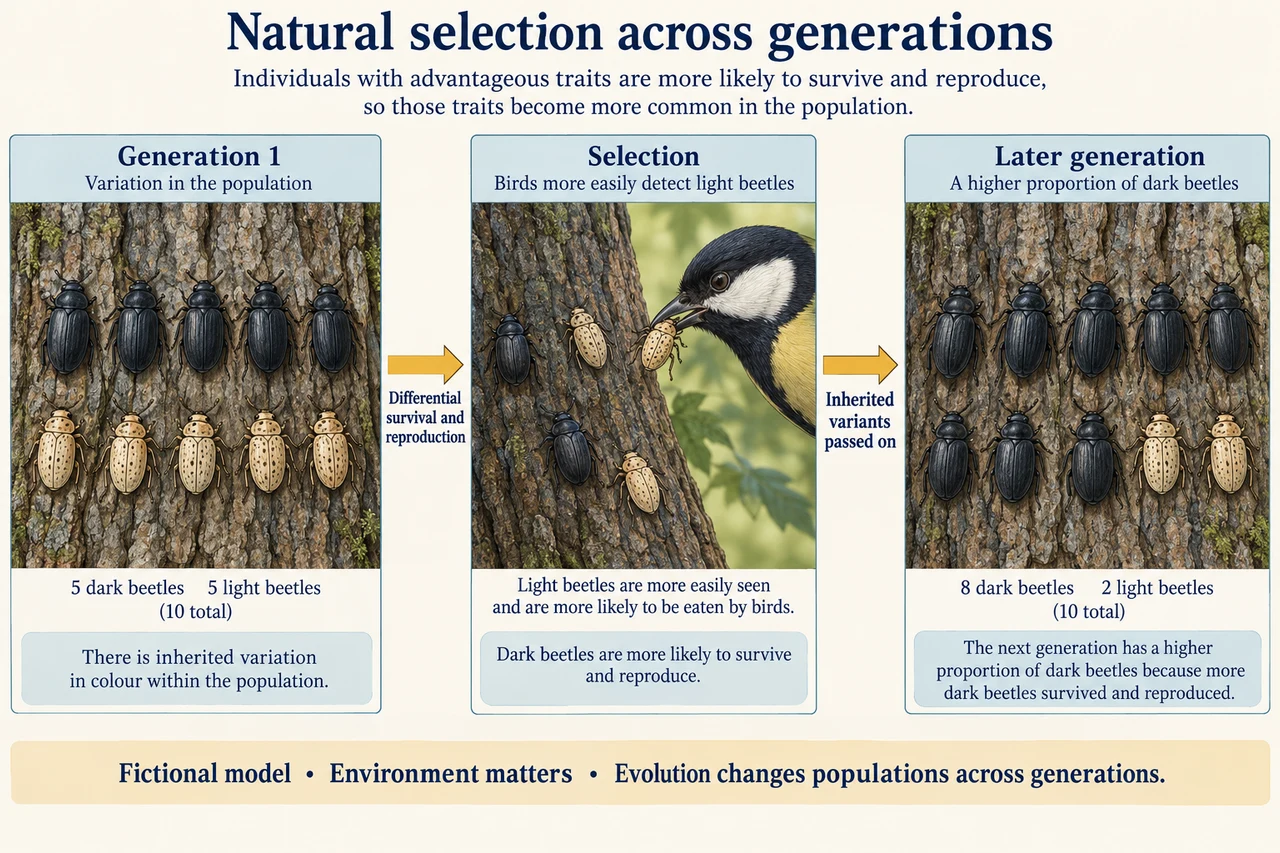
Changing populations across generations
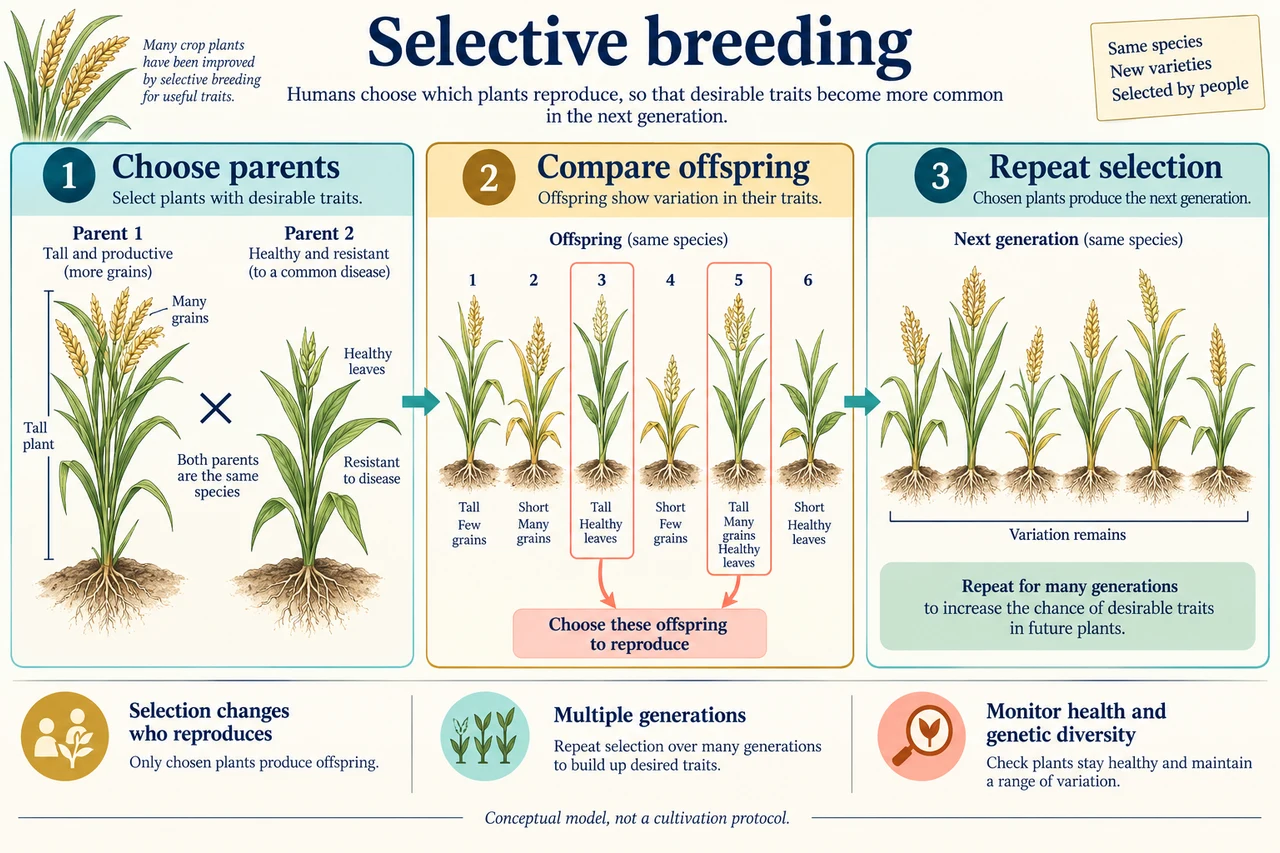
Breeding for chosen traits
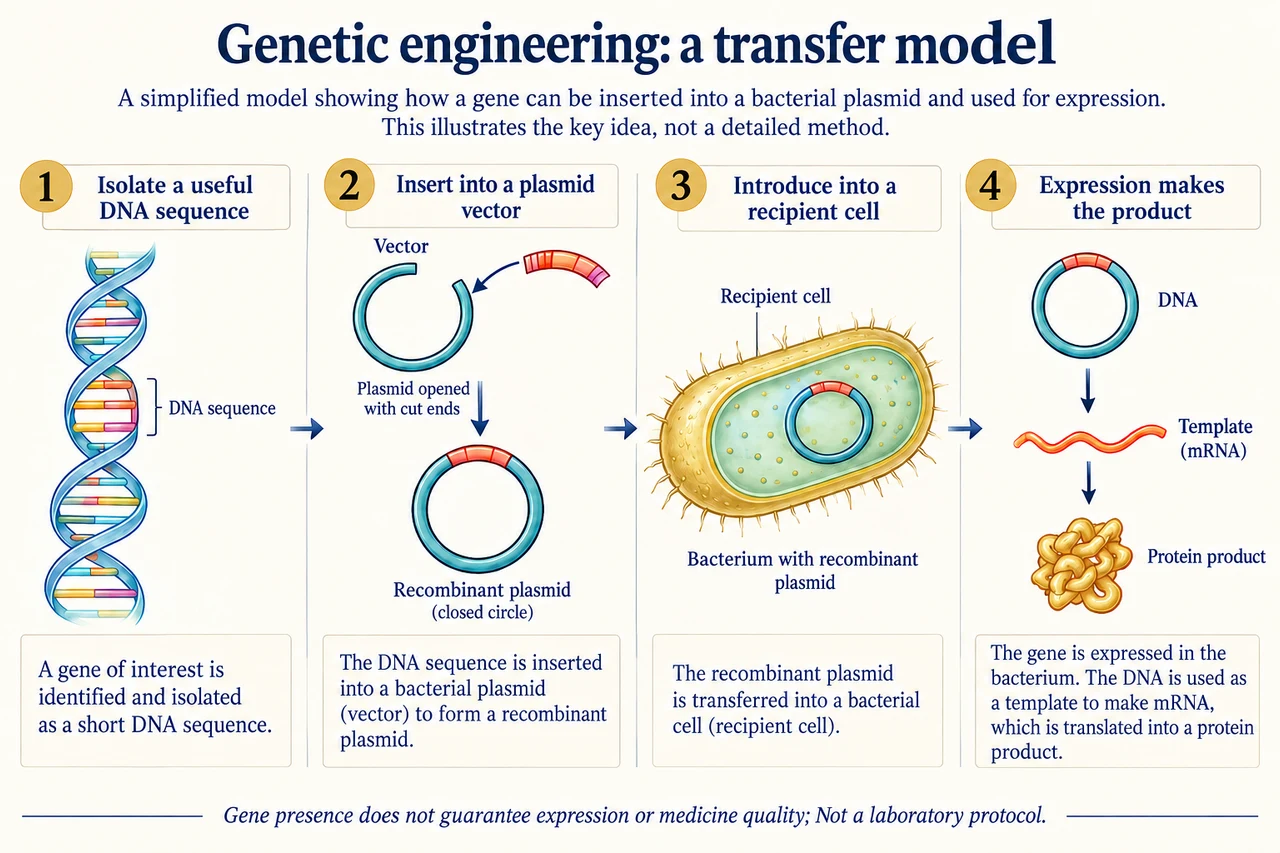
Changing genes deliberately
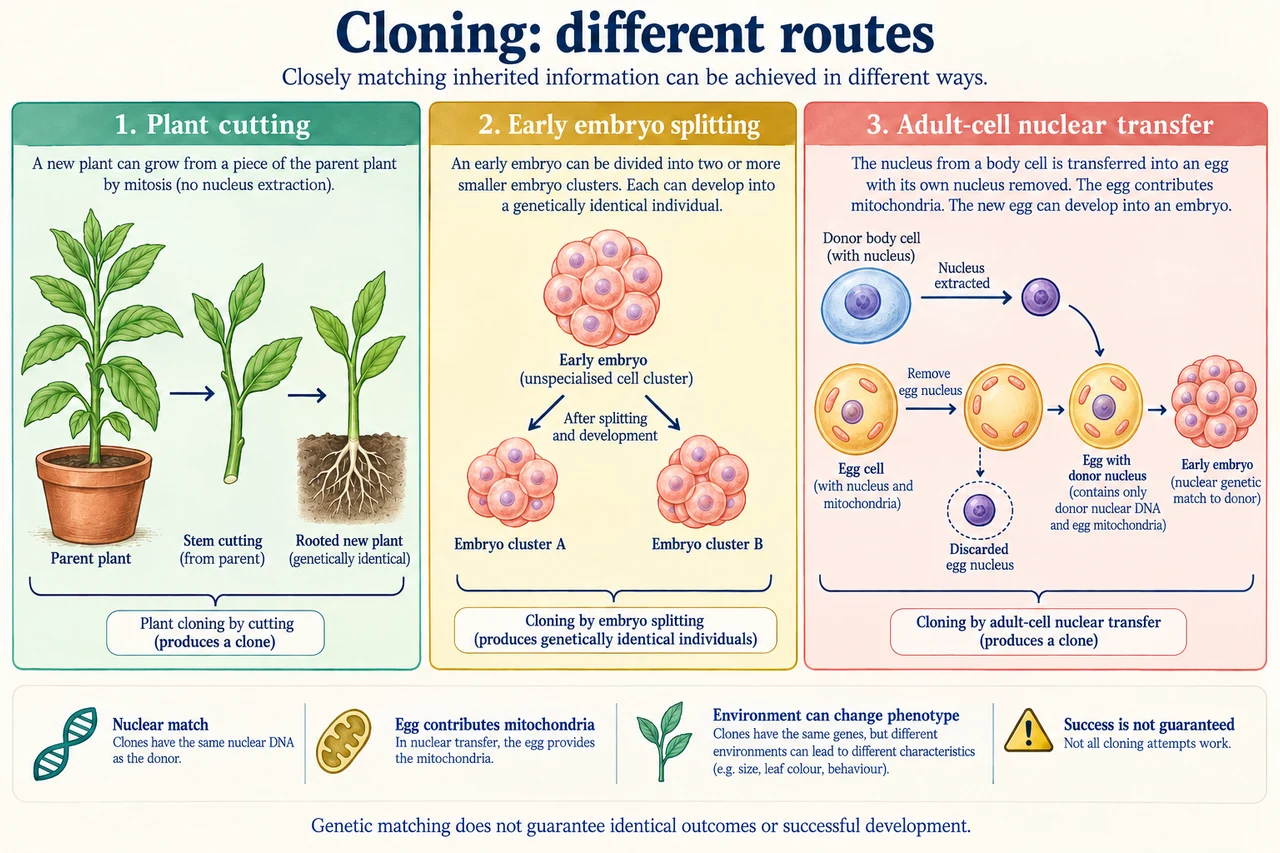
Producing genetically matching organisms
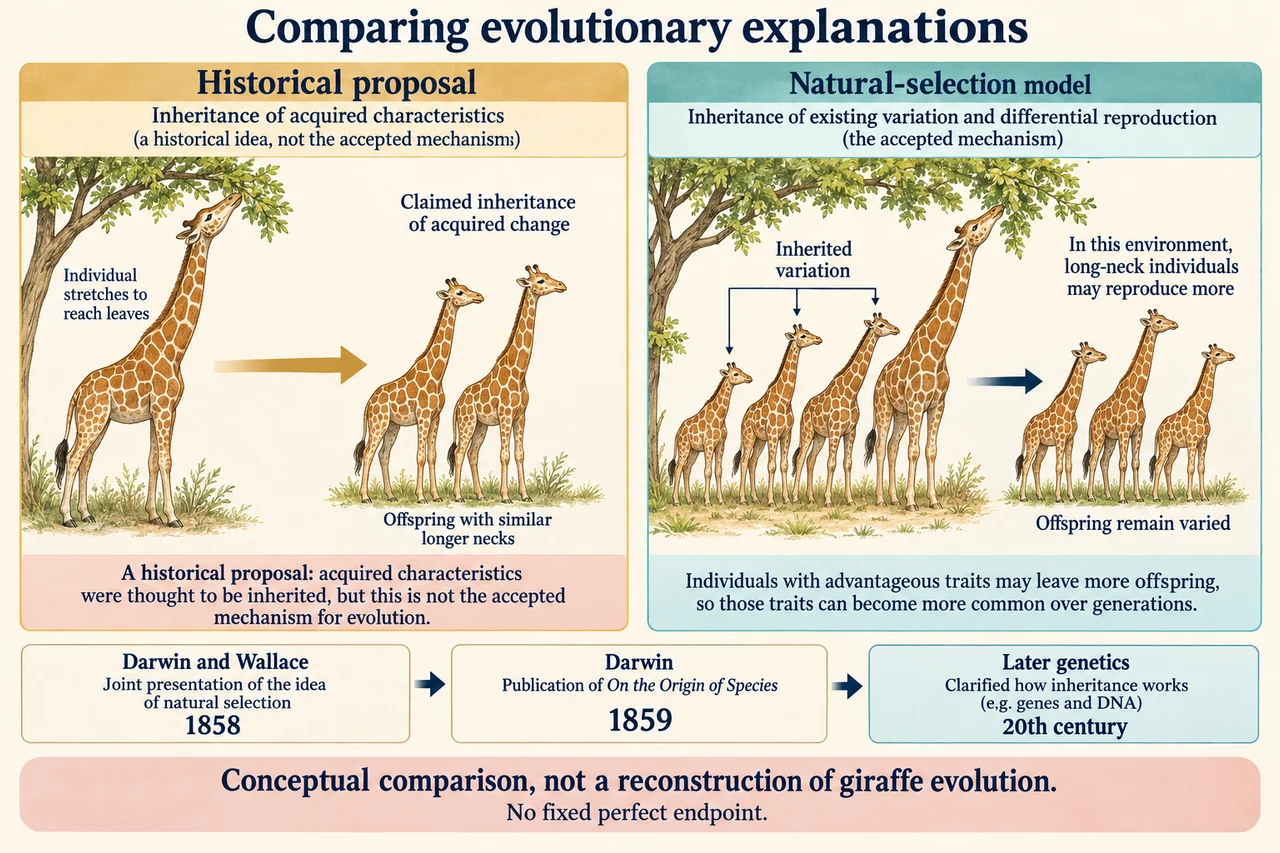
How evolutionary explanations developed
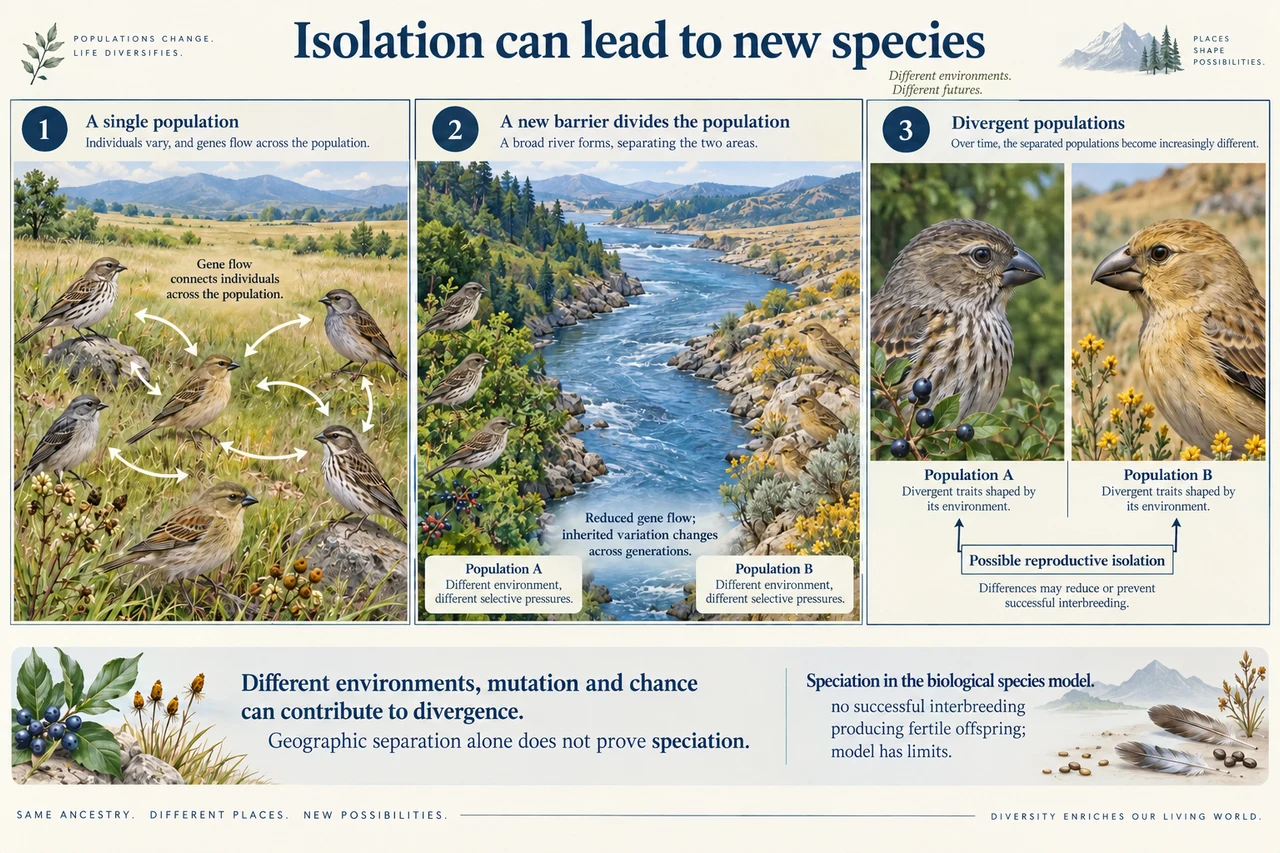
How new species arise
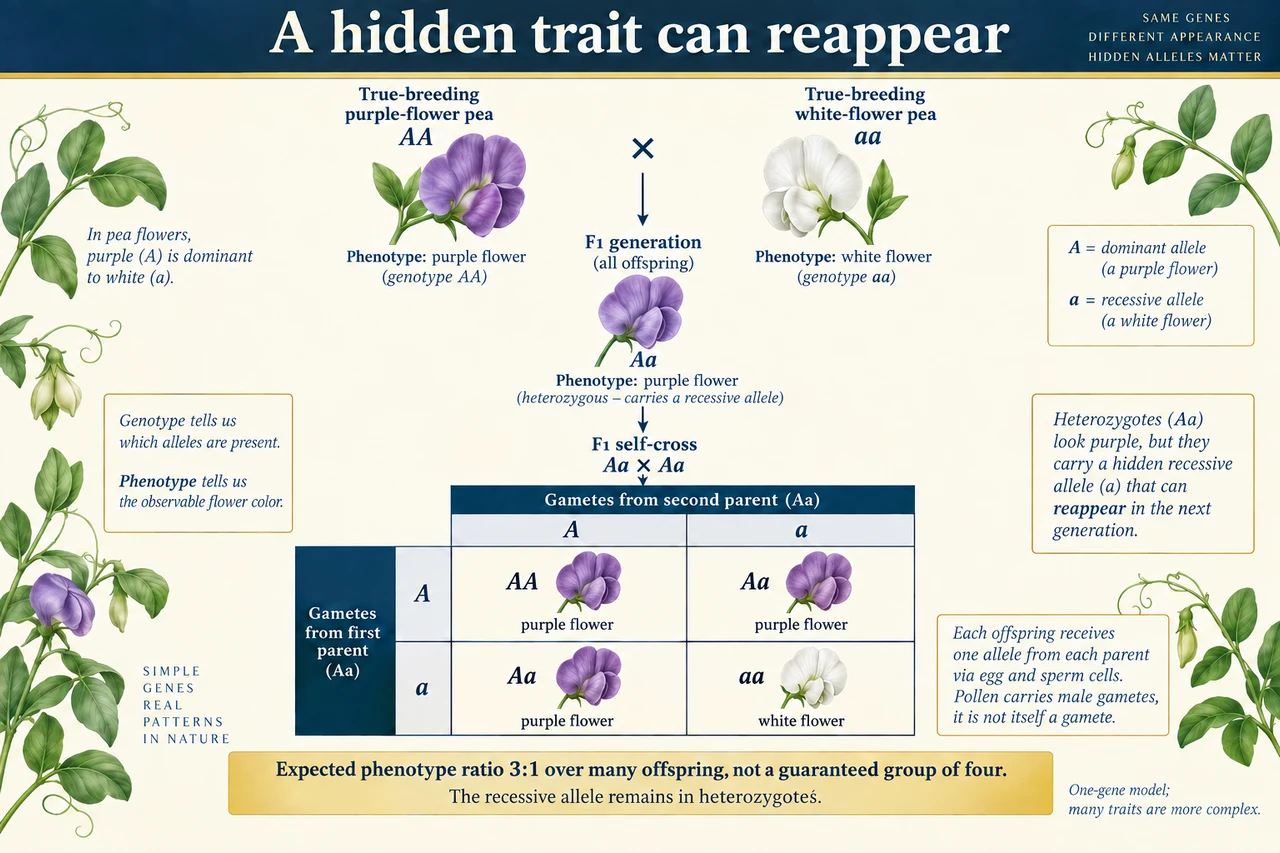
Building explanations of inheritance
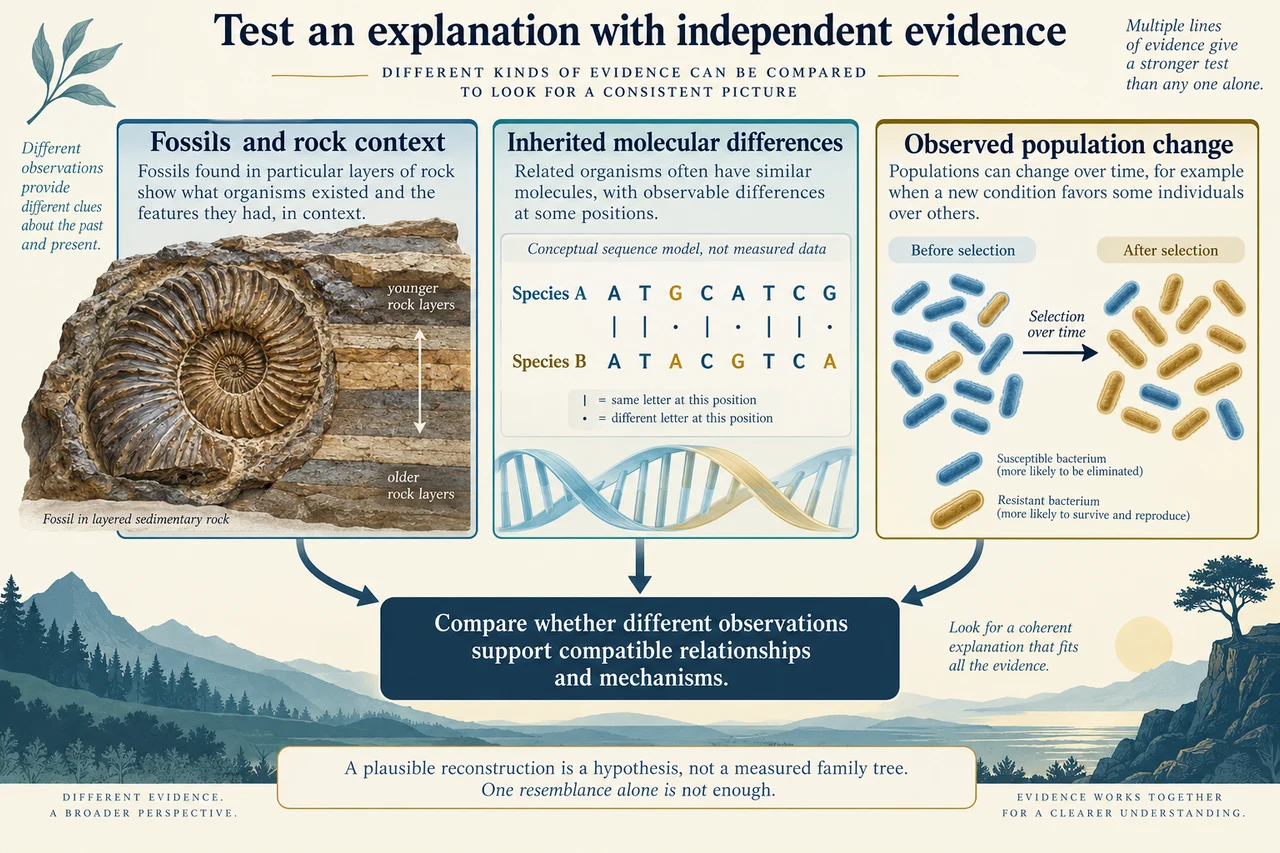
Testing evolutionary explanations
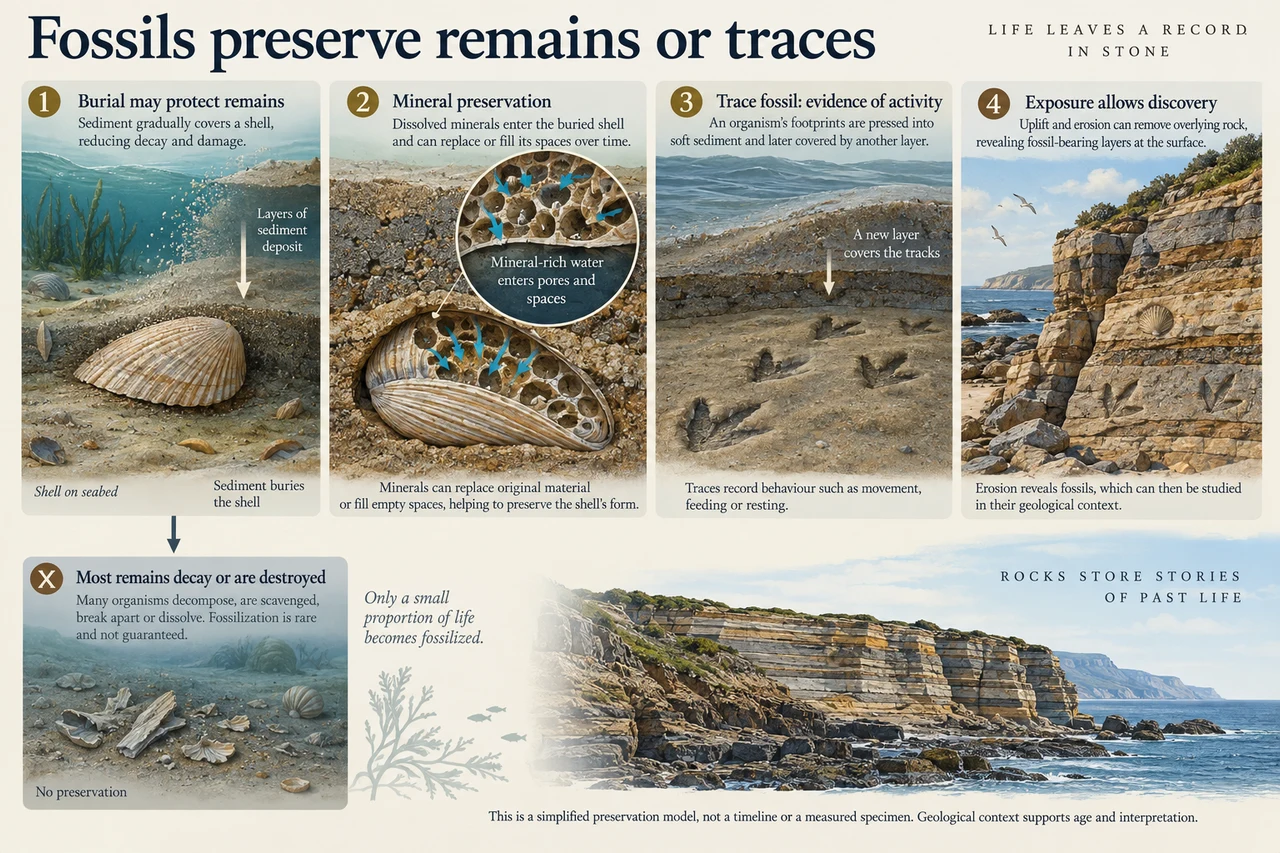
Traces of past organisms
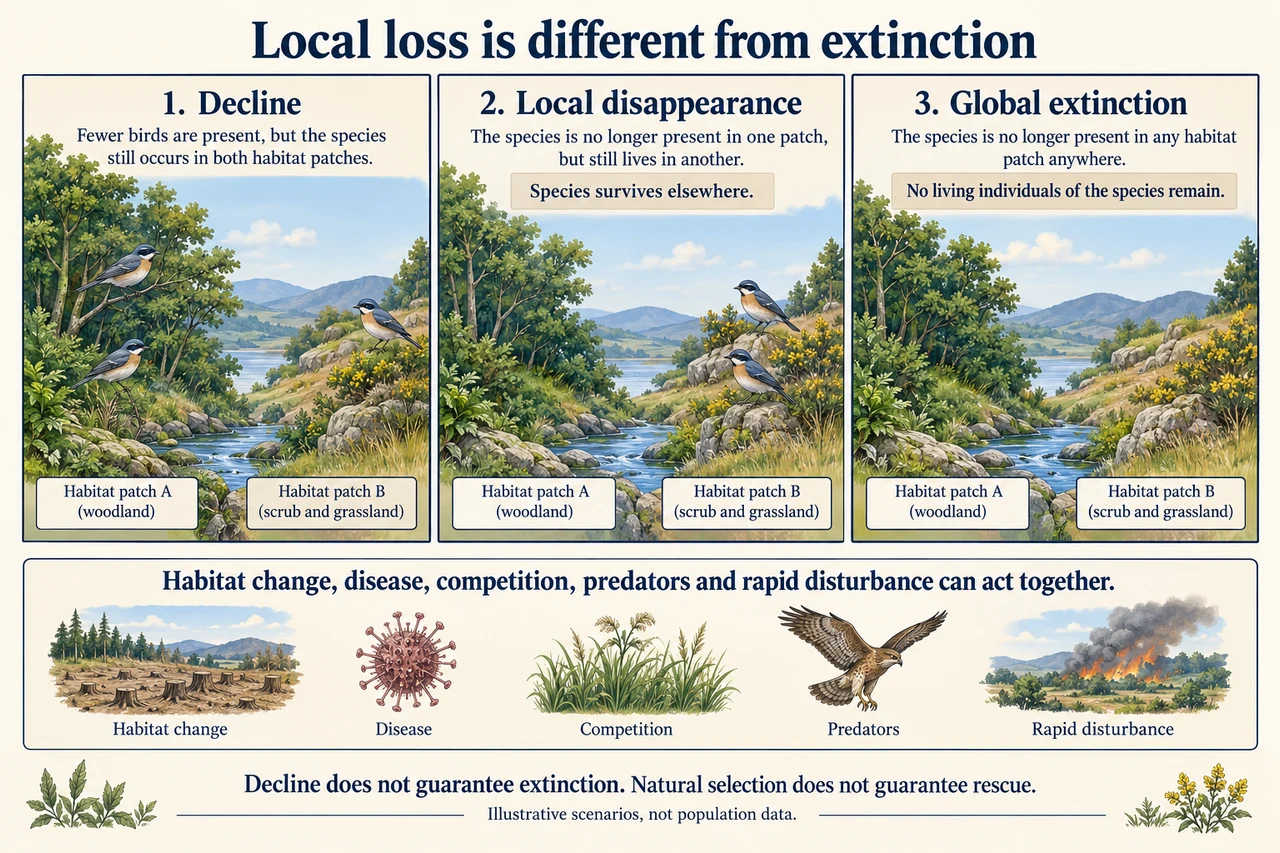
When species disappear
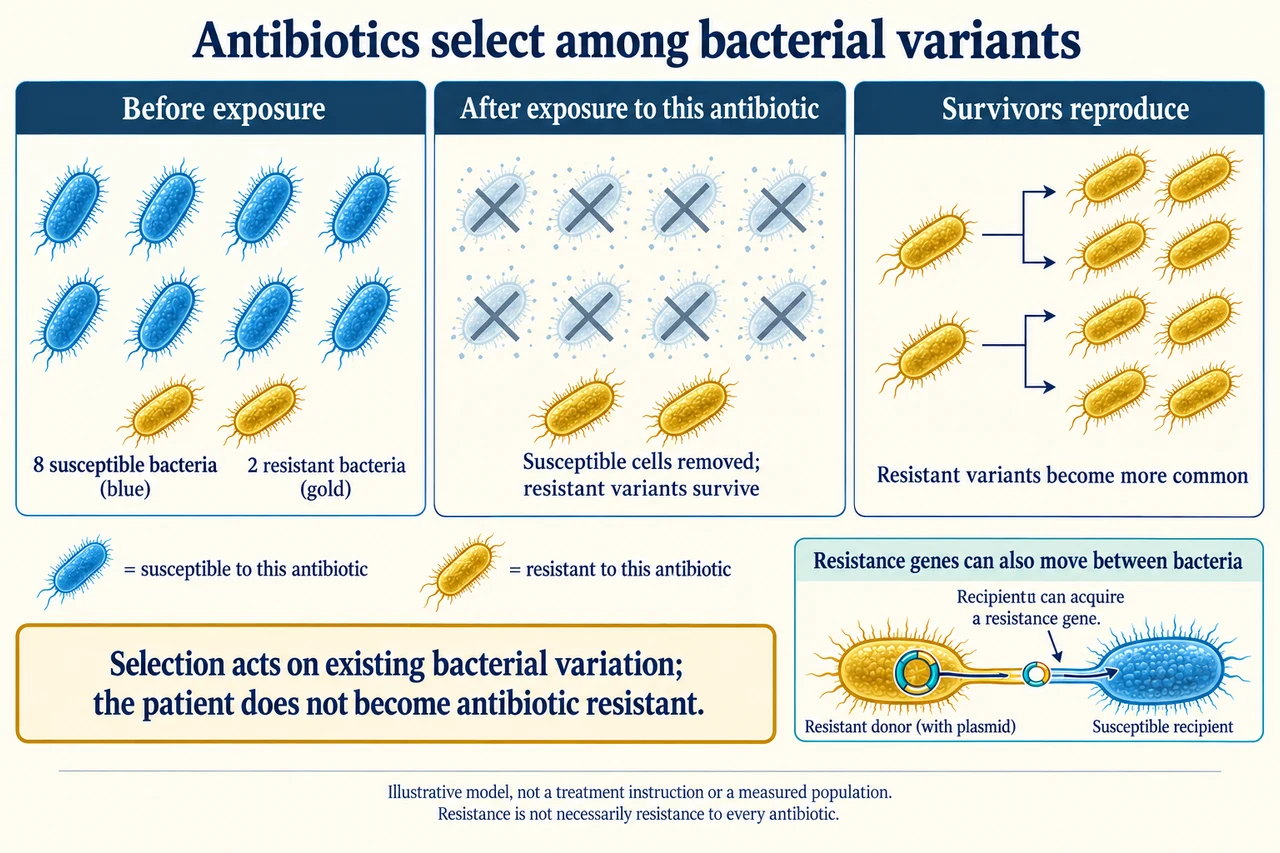
Bacteria surviving antibiotic exposure
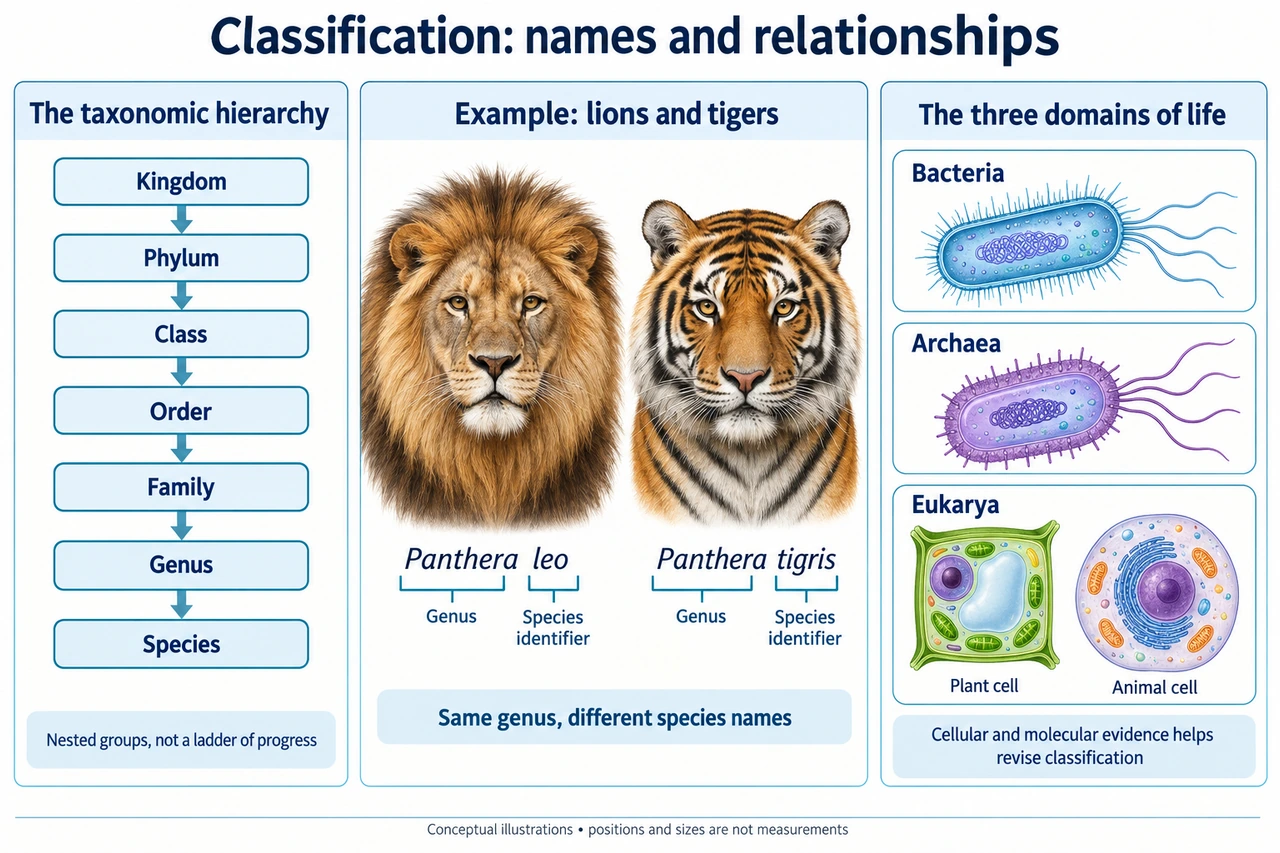
Organising life's diversity
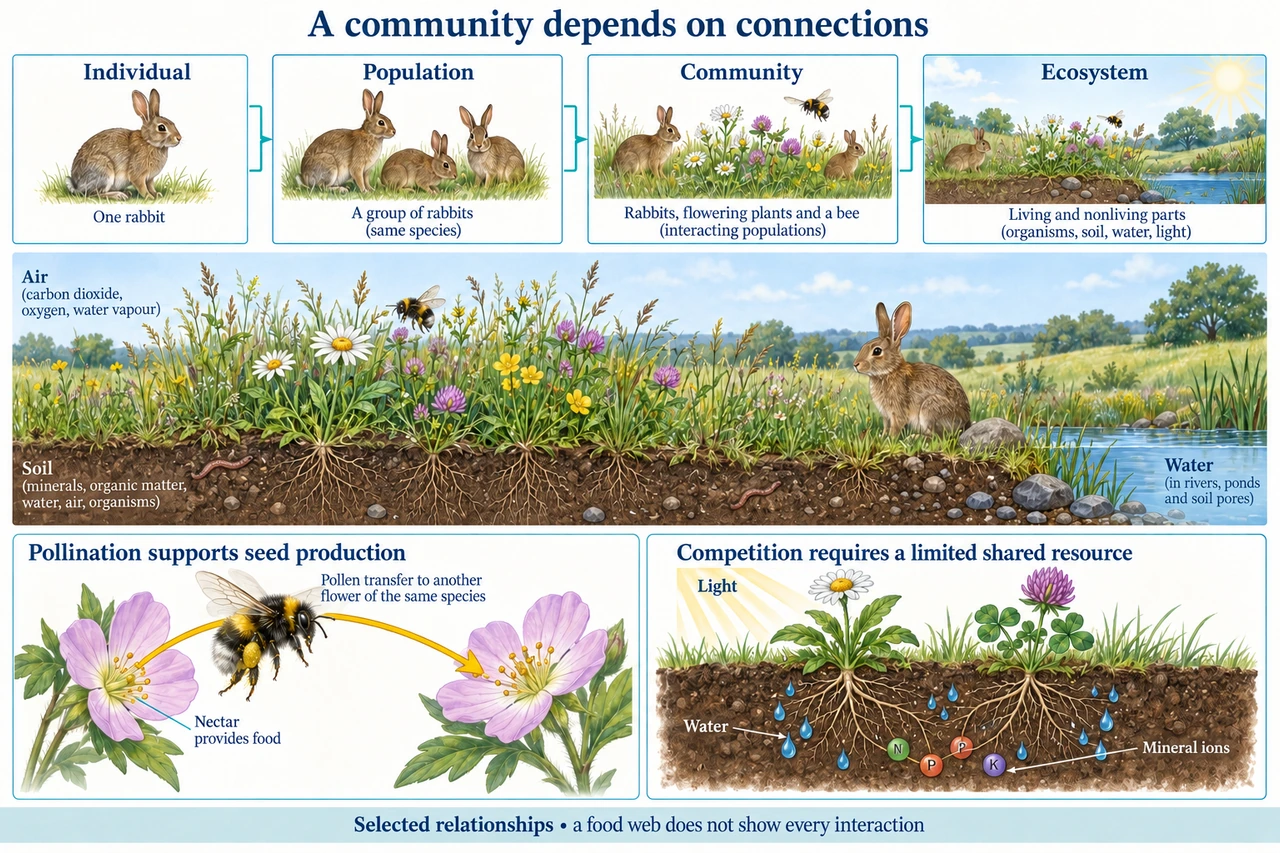
Networks of living populations
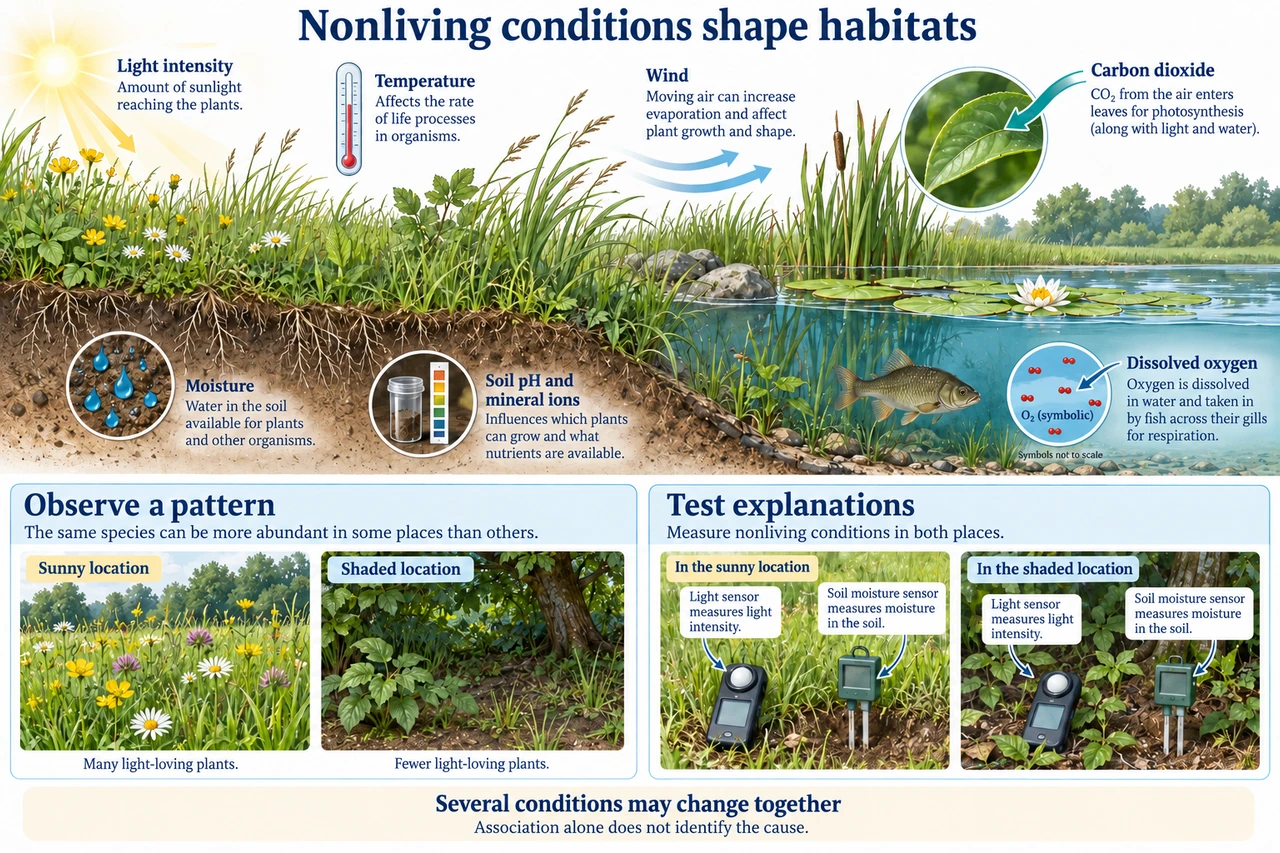
Nonliving influences on ecosystems
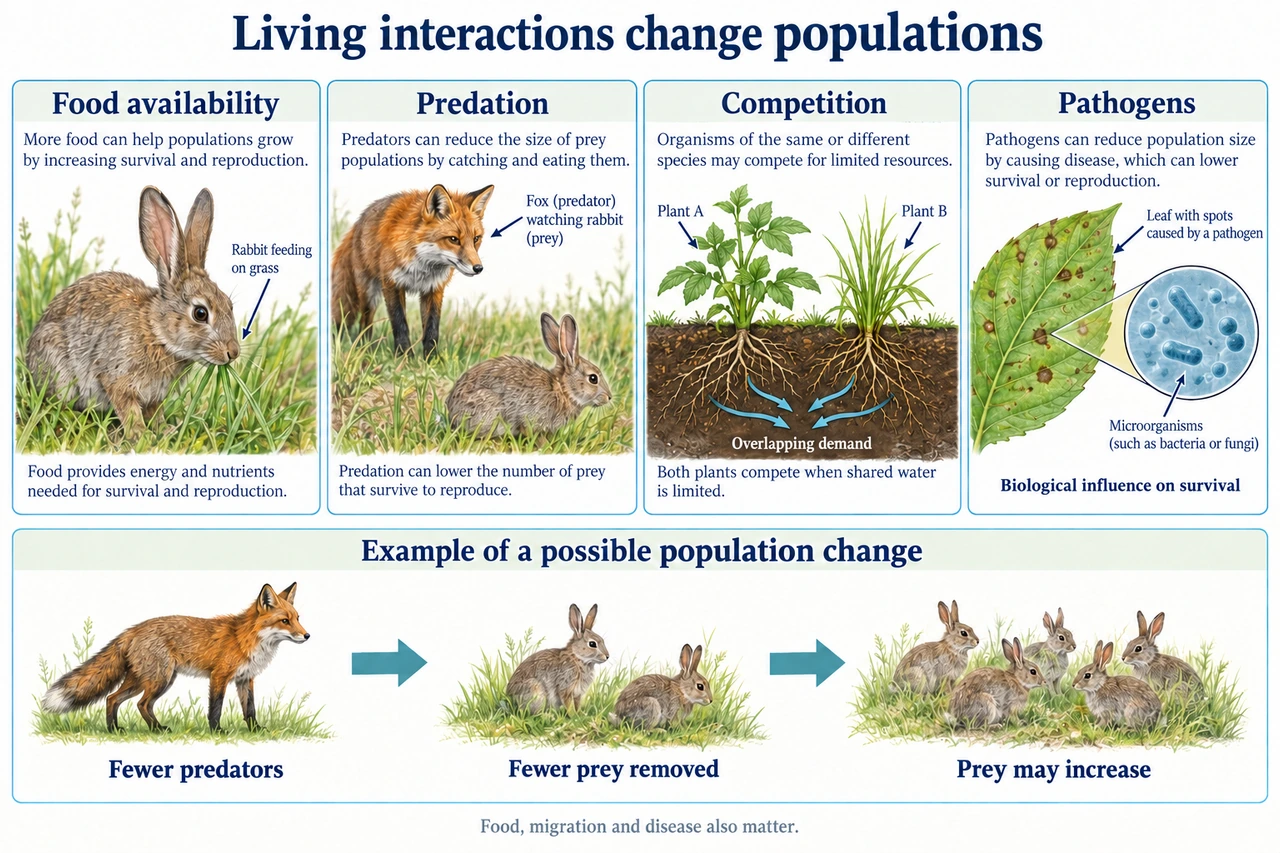
Living influences on ecosystems
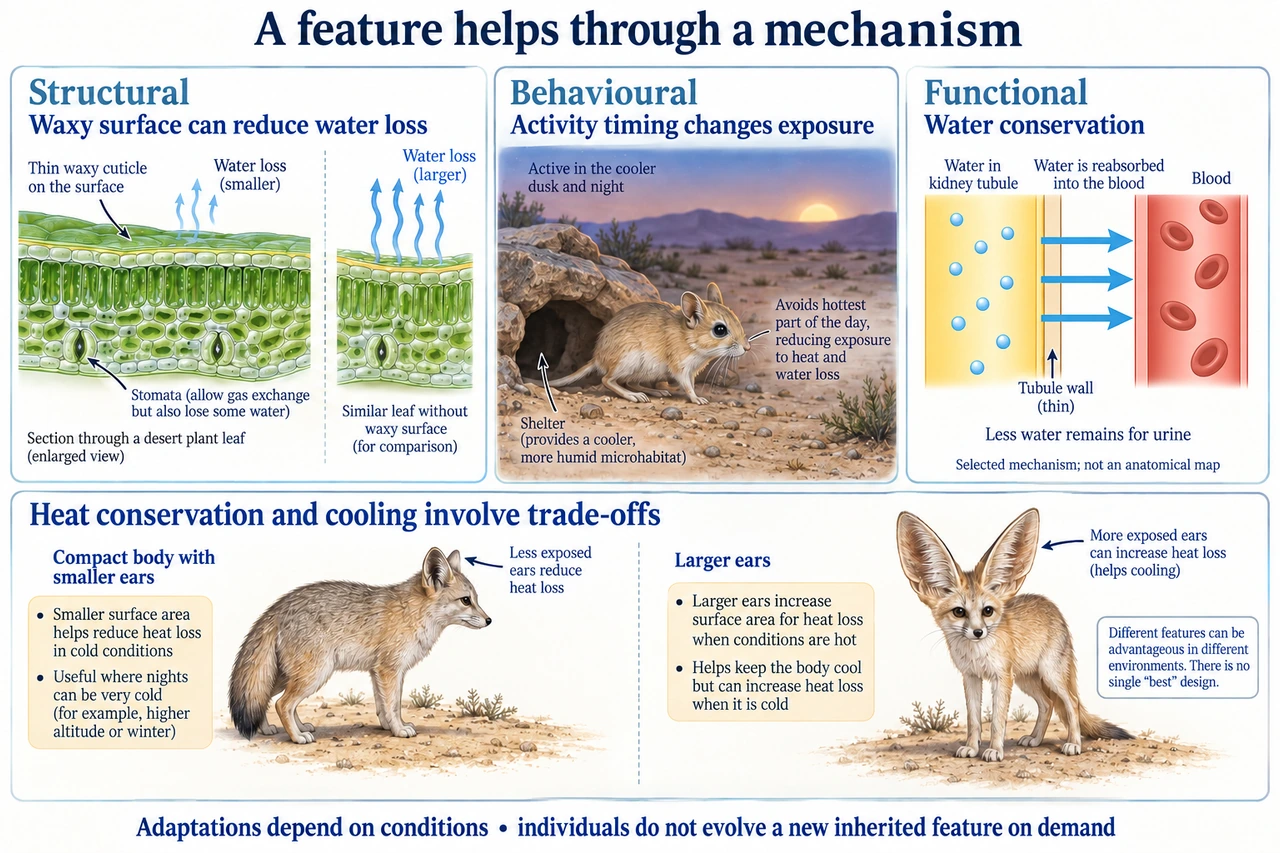
Features aiding survival
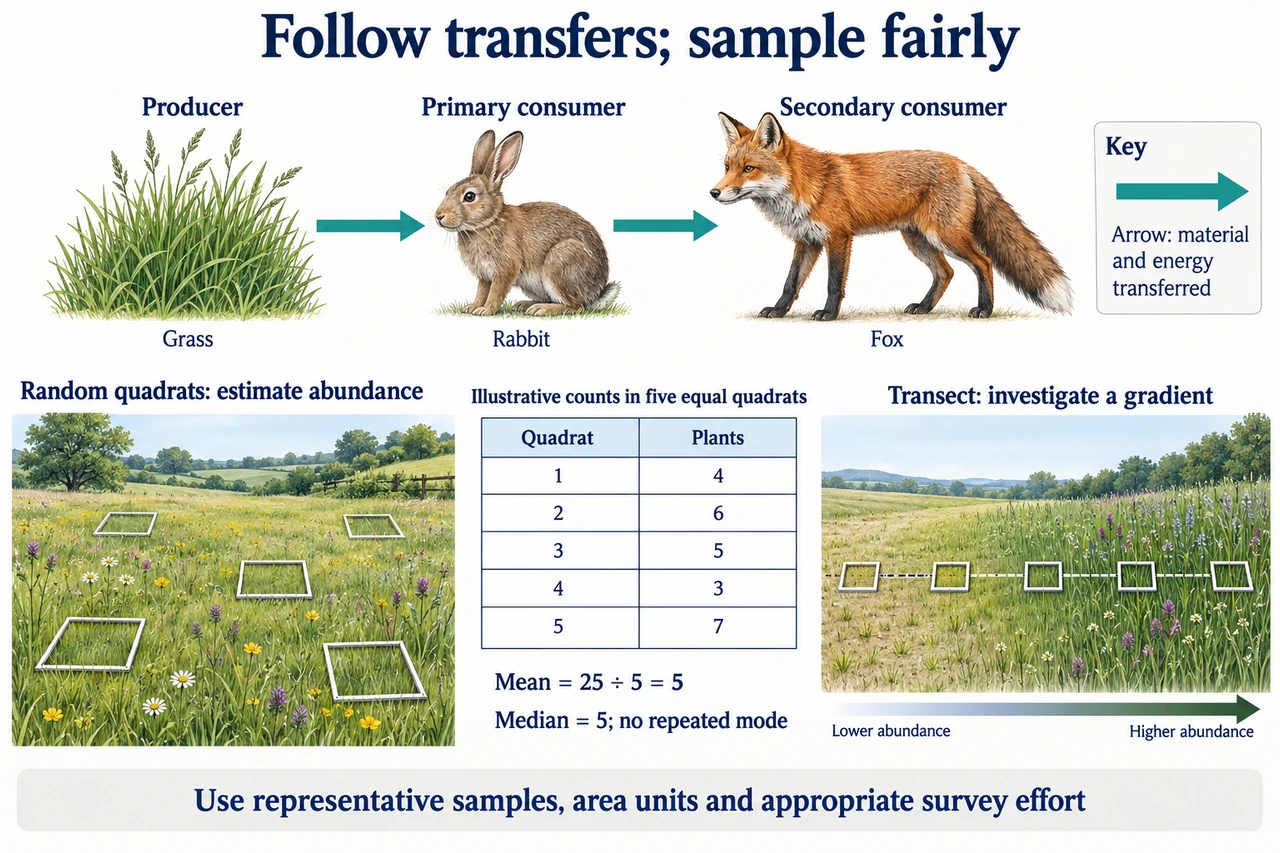
Linking organisms across ecosystems
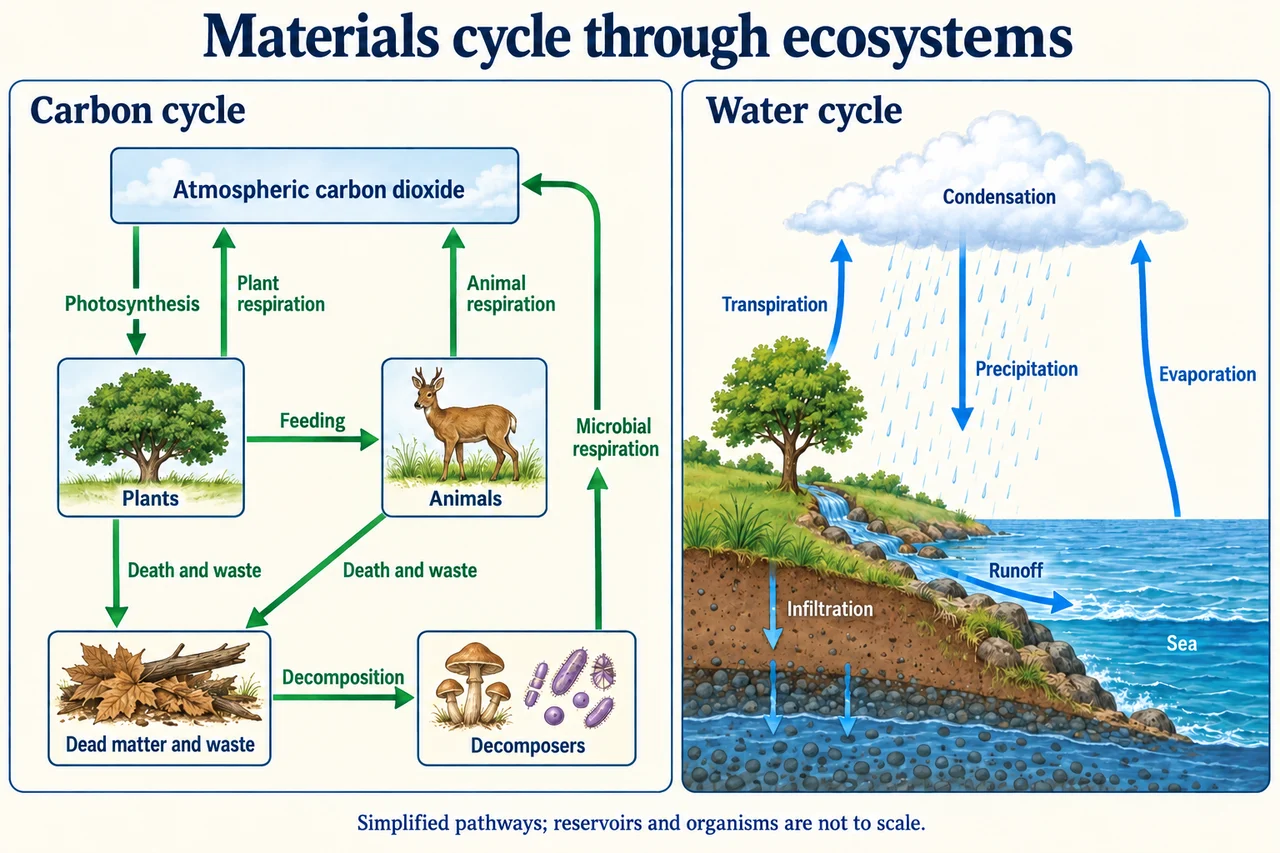
Recycling substances through nature
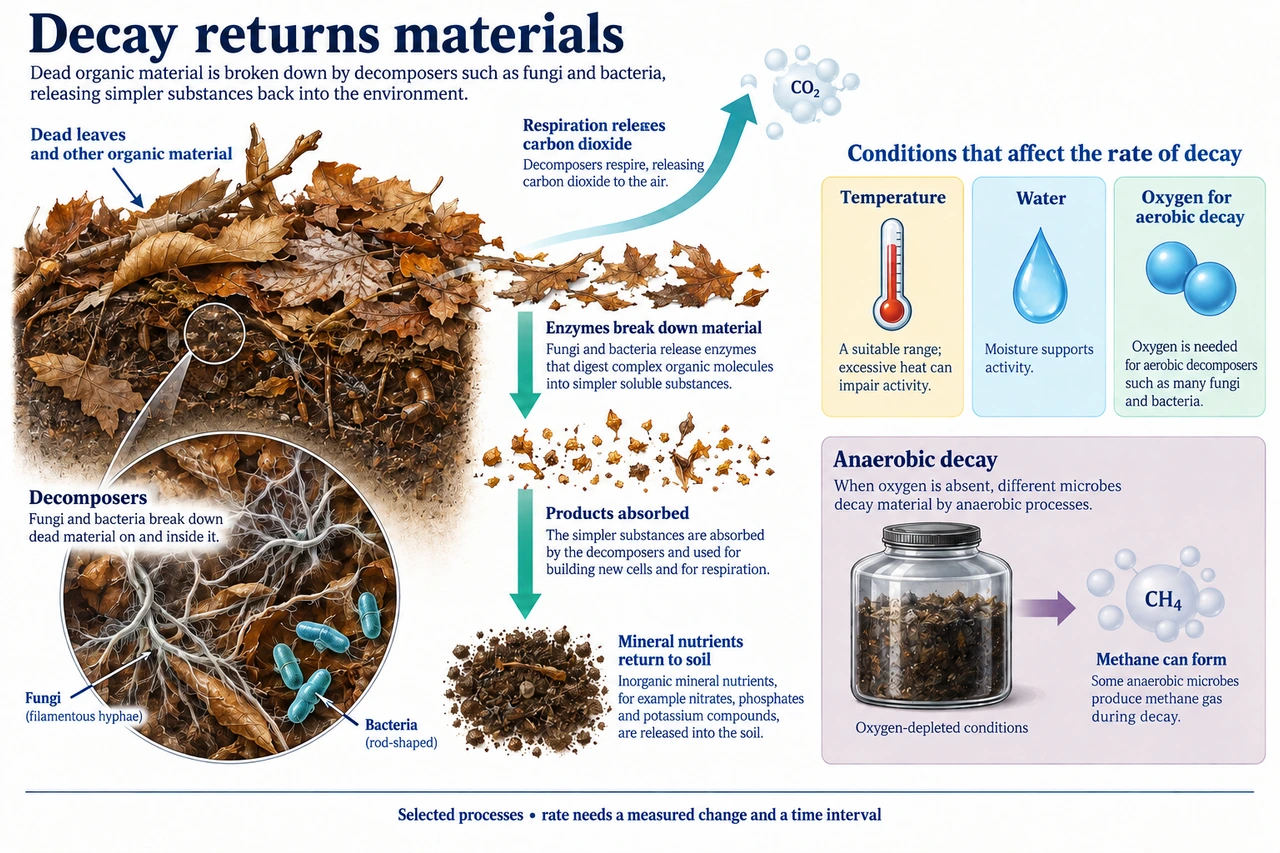
Breaking down organic remains
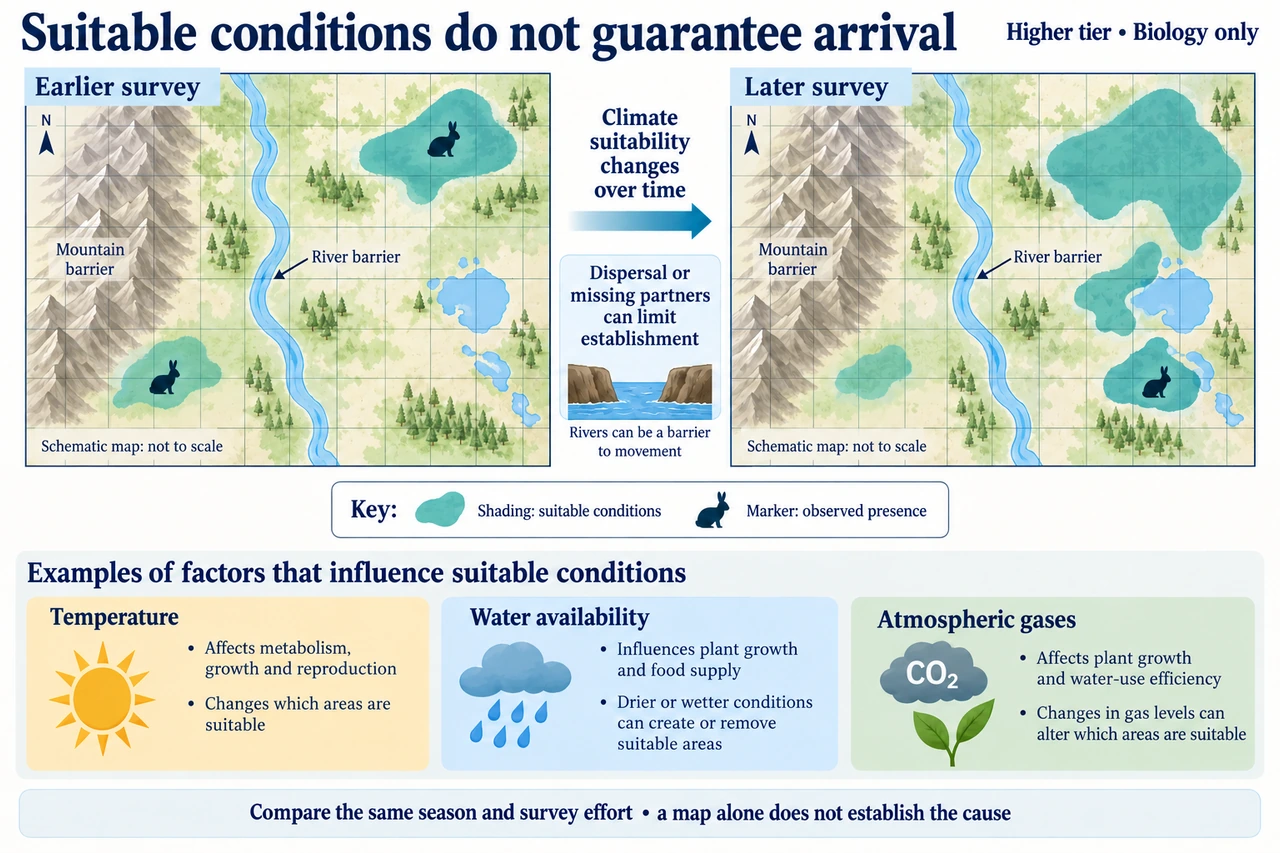
Ecosystems under changing conditions
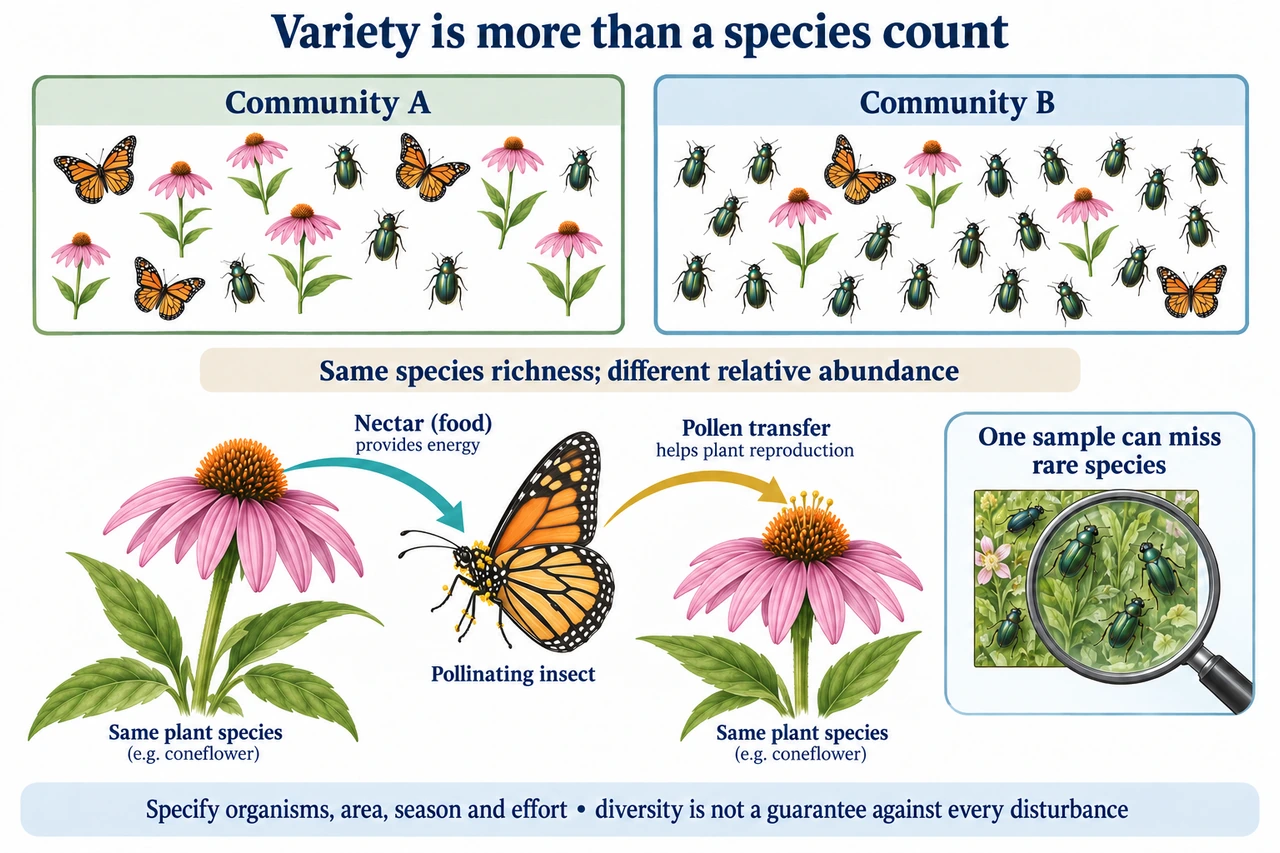
Variety of living organisms
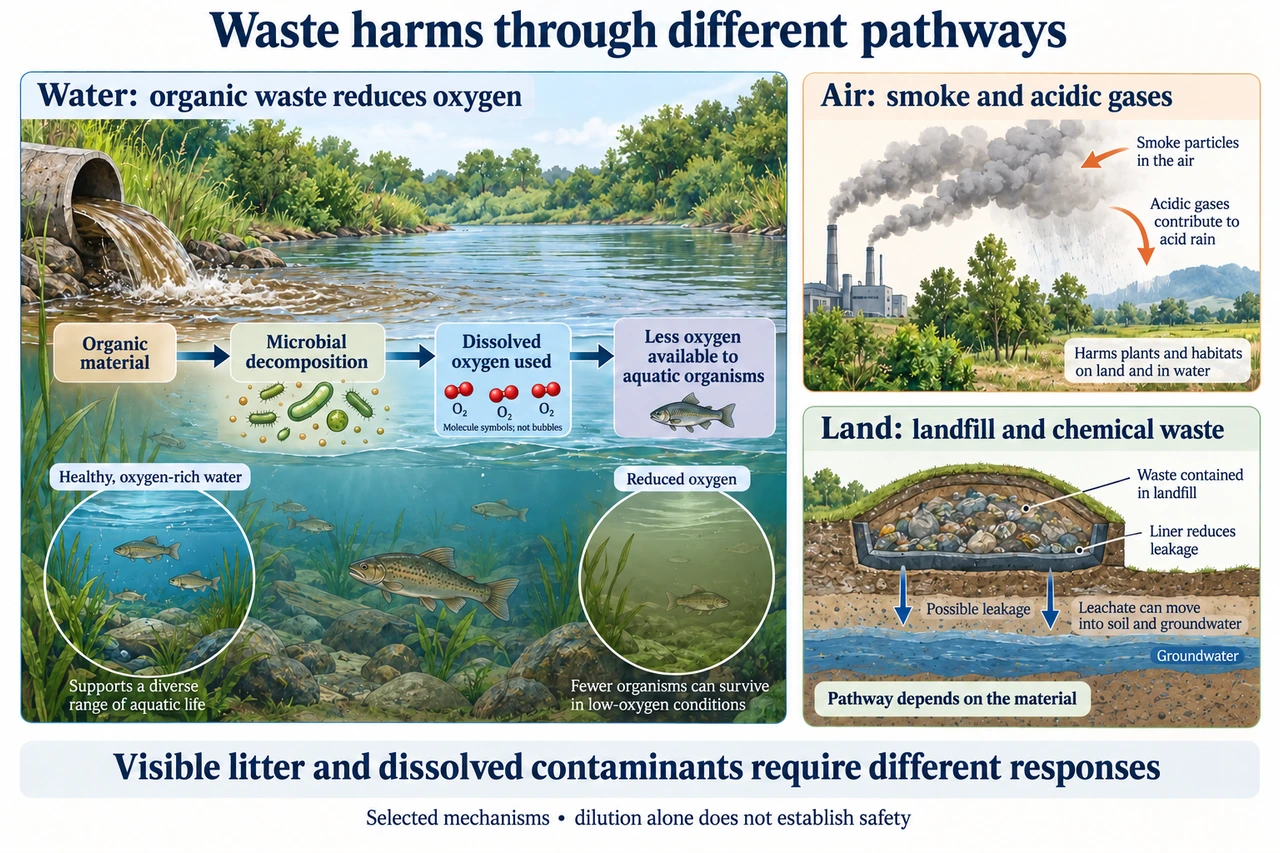
Handling human waste
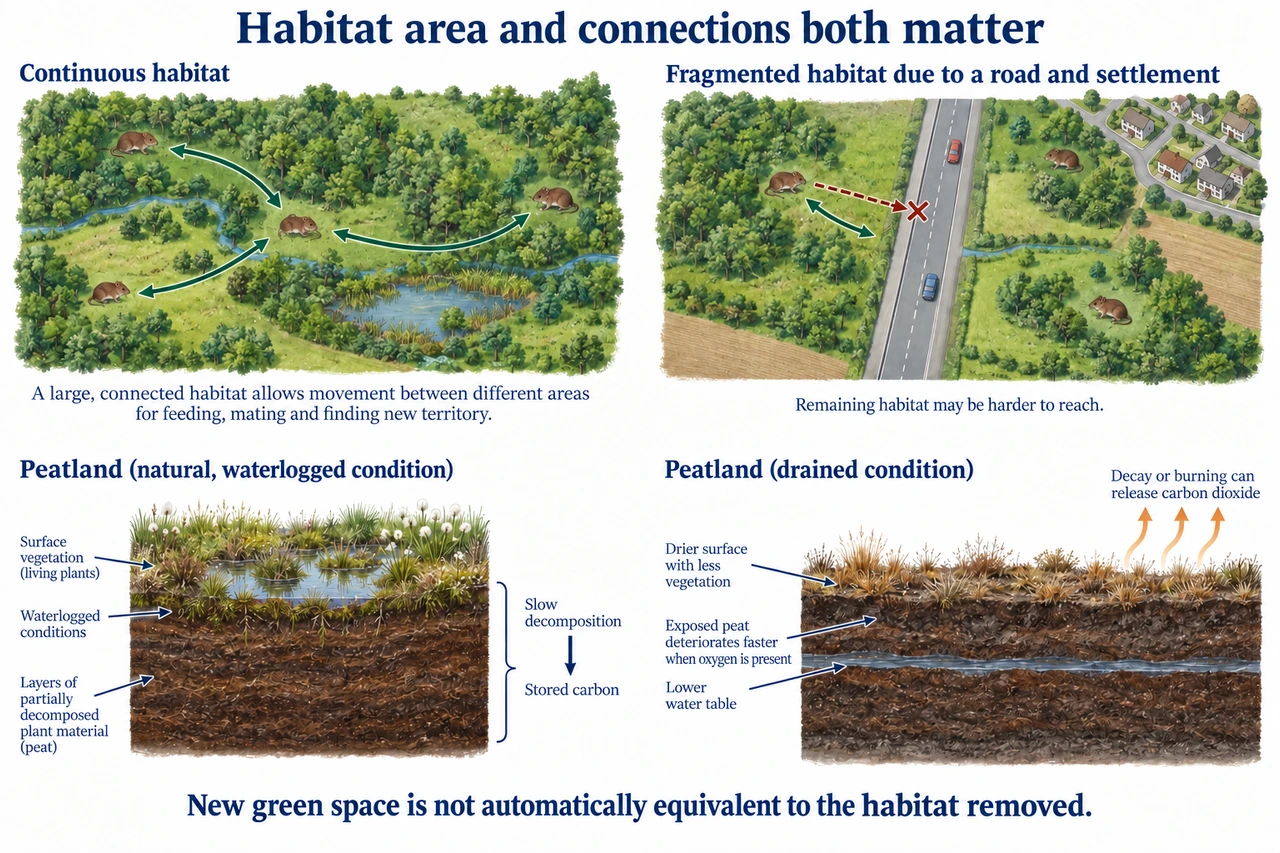
Human choices about landscapes
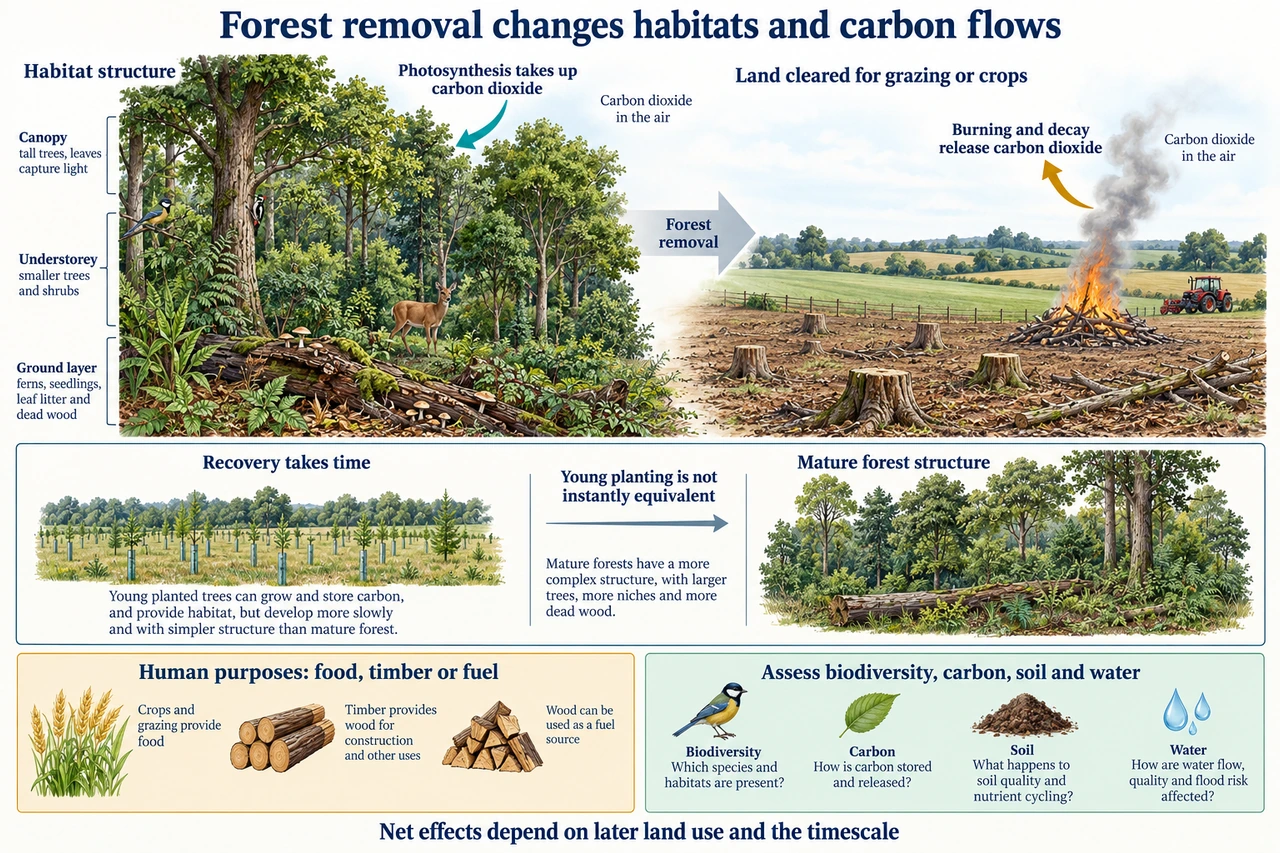
Consequences of forest removal
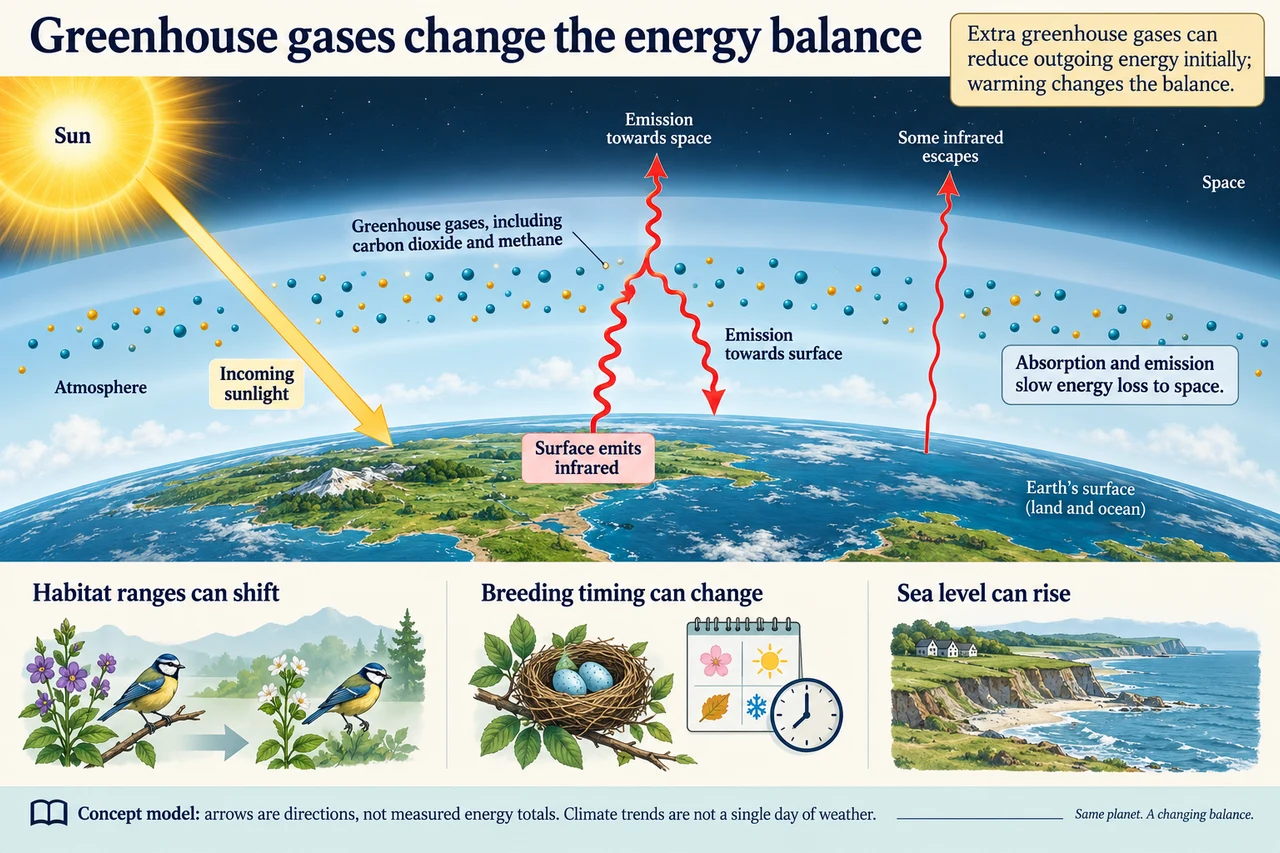
Rising global temperatures
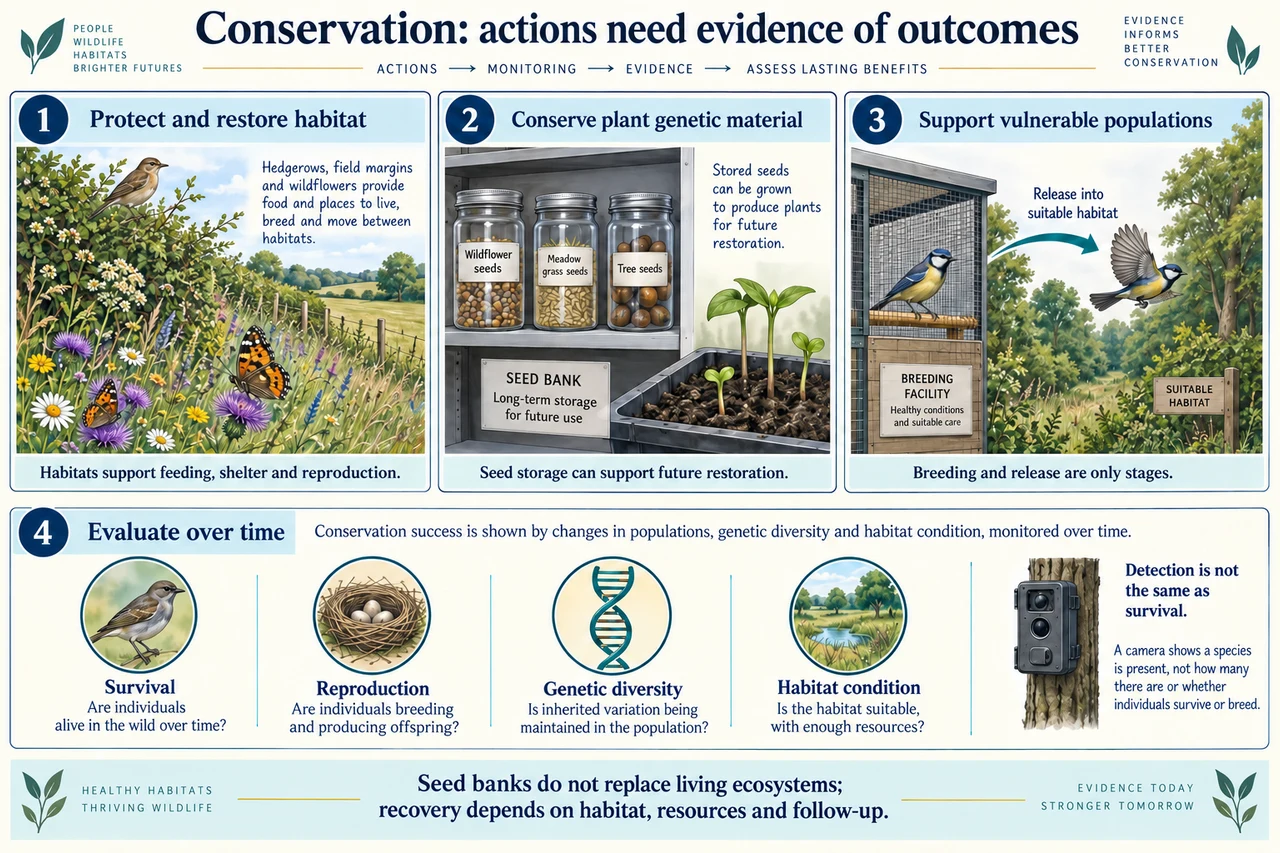
Protecting life's variety
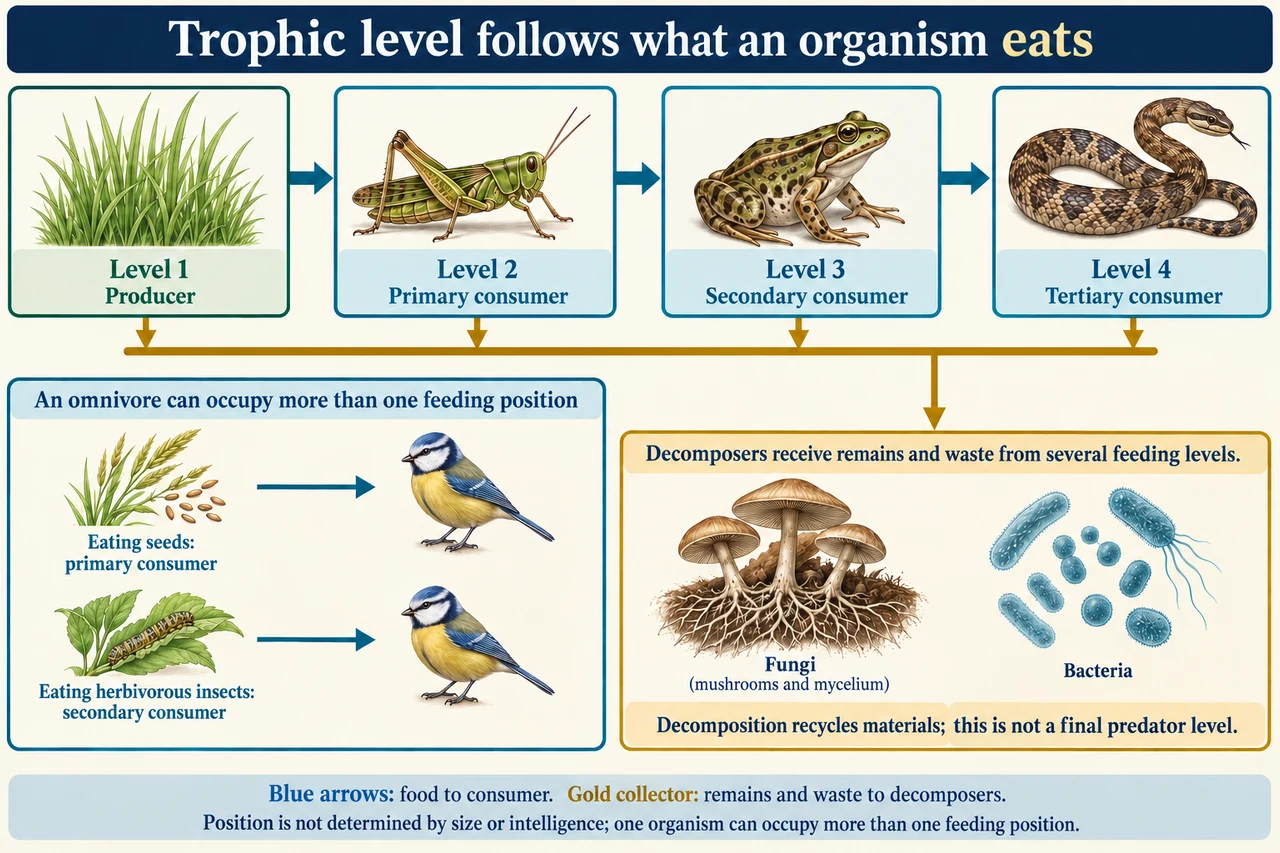
Feeding positions in ecosystems
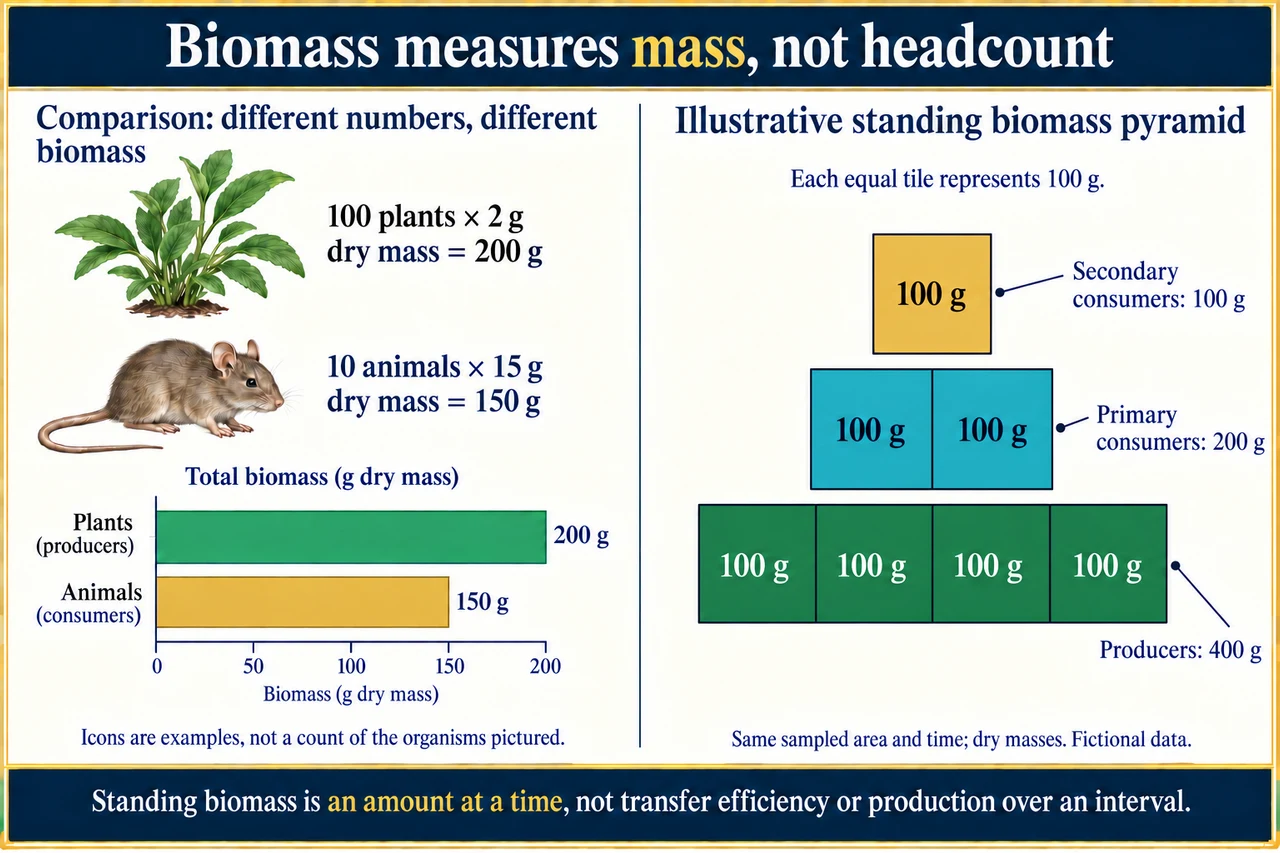
Comparing biomass across feeding positions
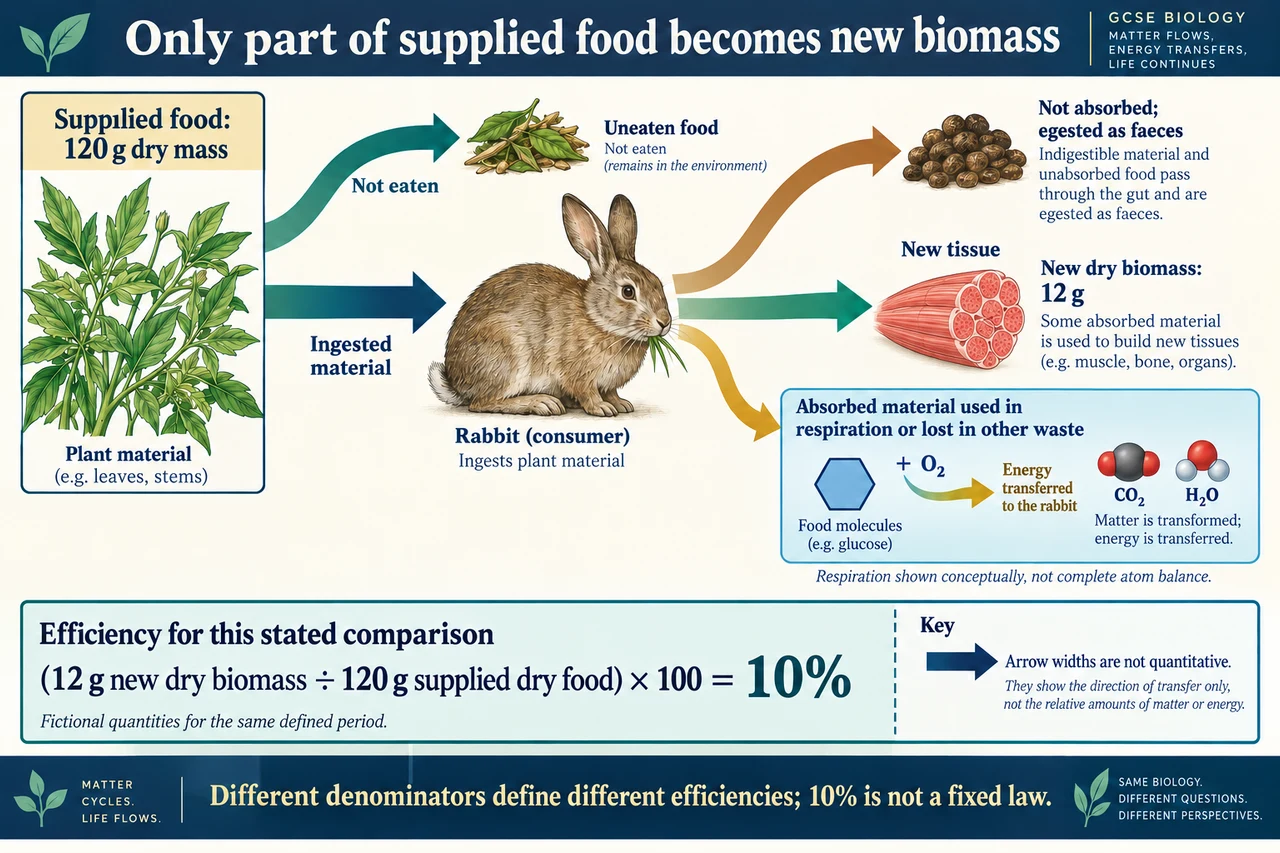
Following biomass between organisms
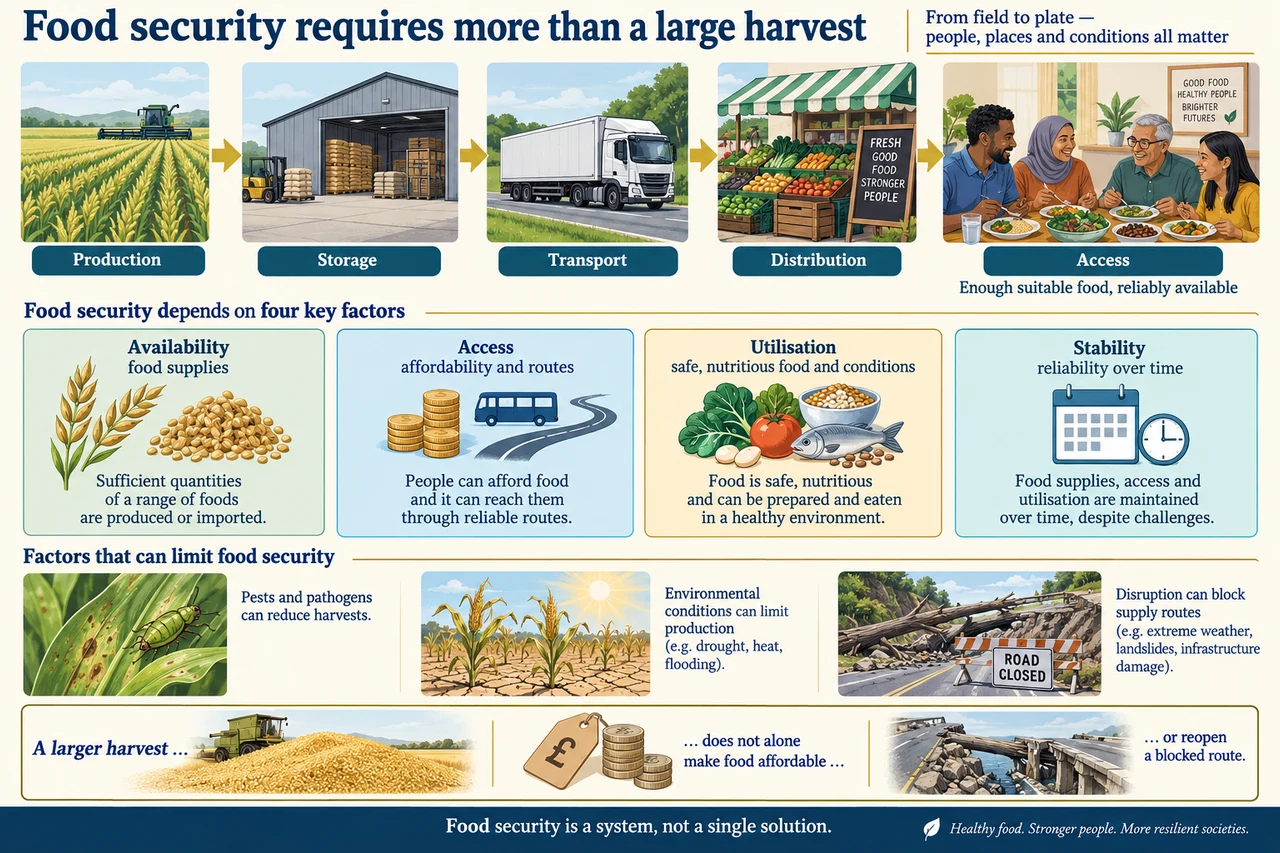
Reliable access to food
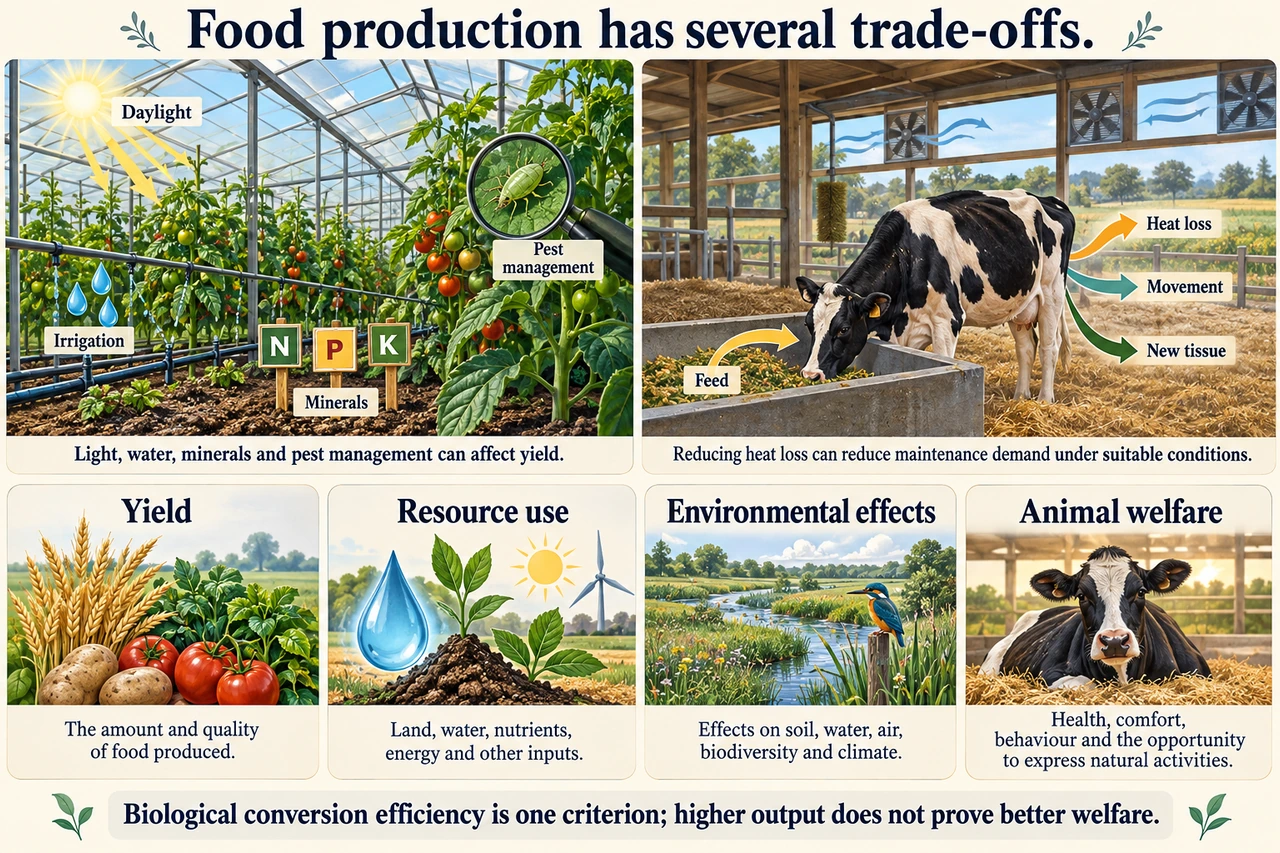
Methods of agricultural production
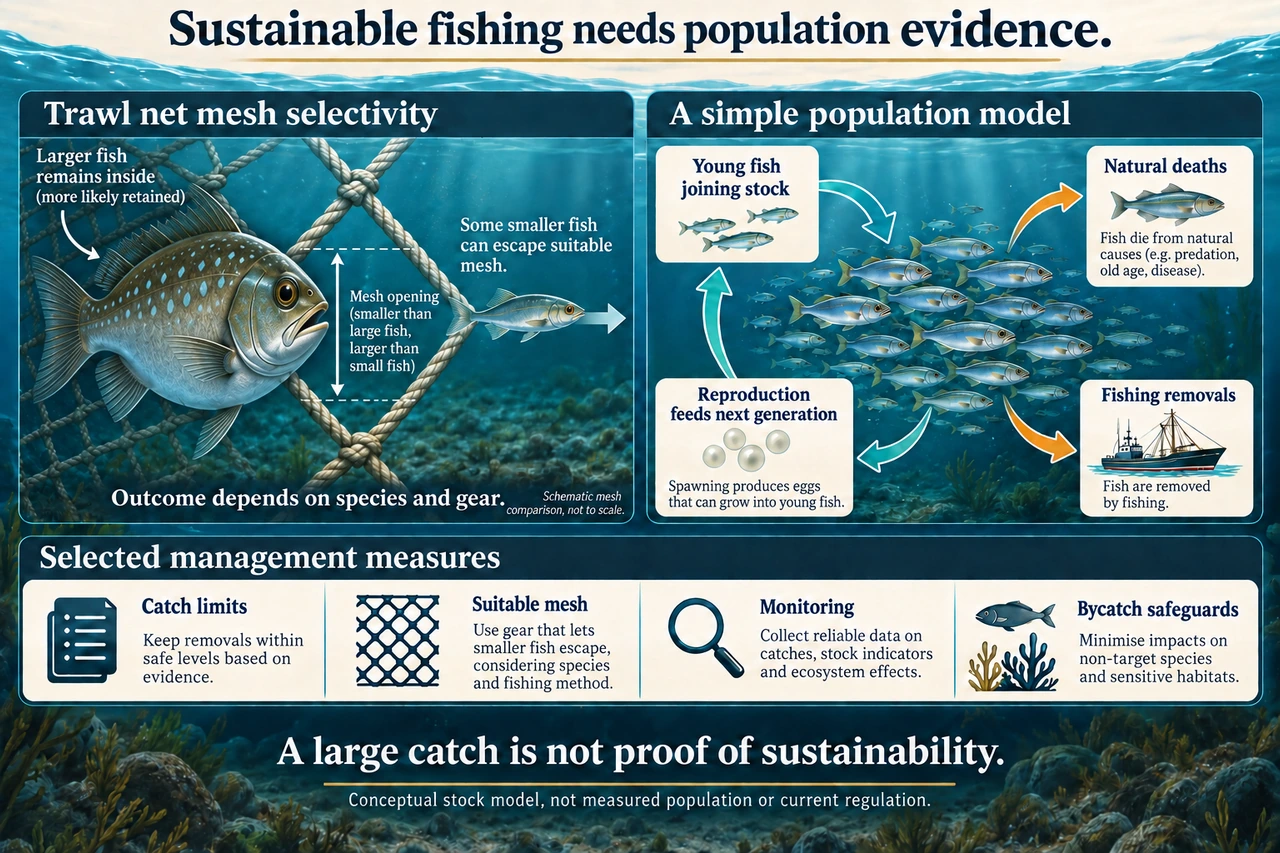
Managing catches for the future
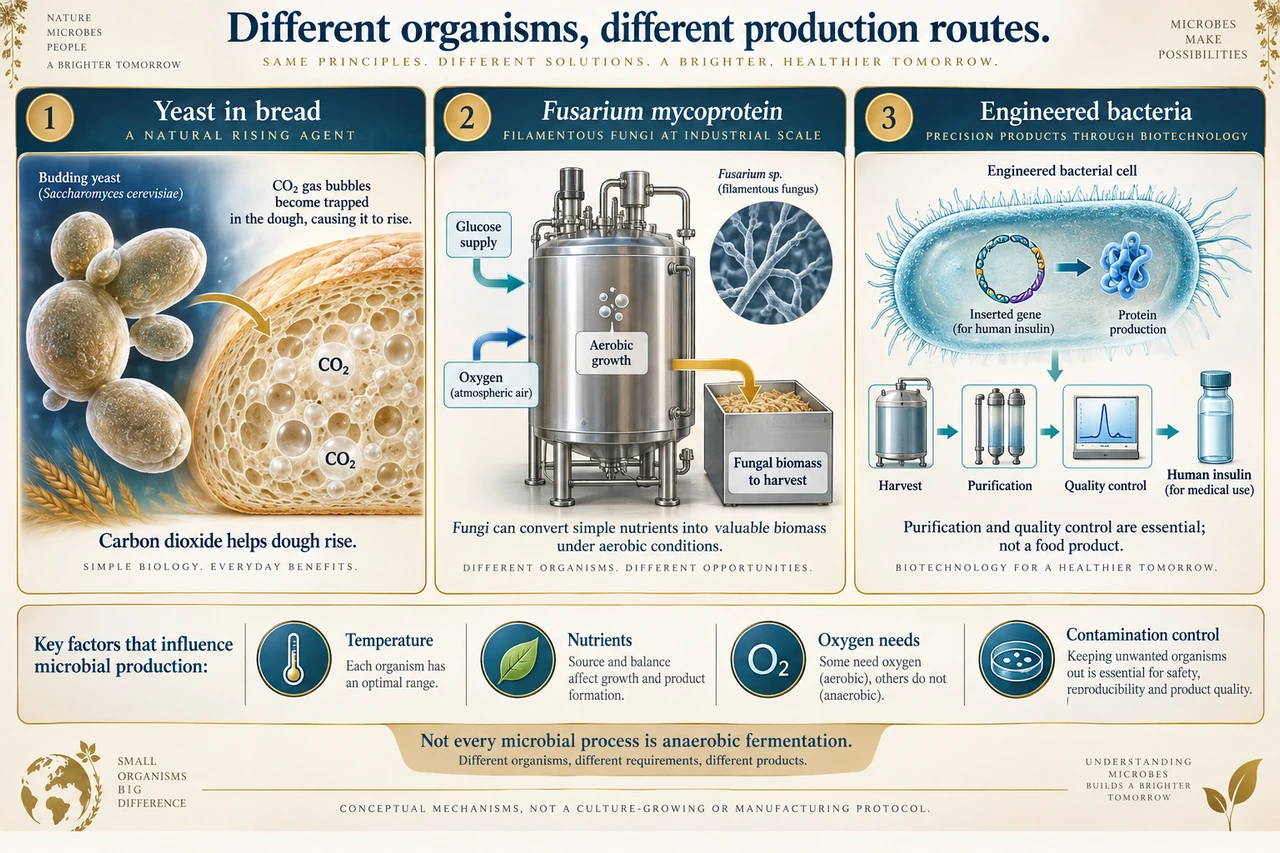
Using organisms in food production
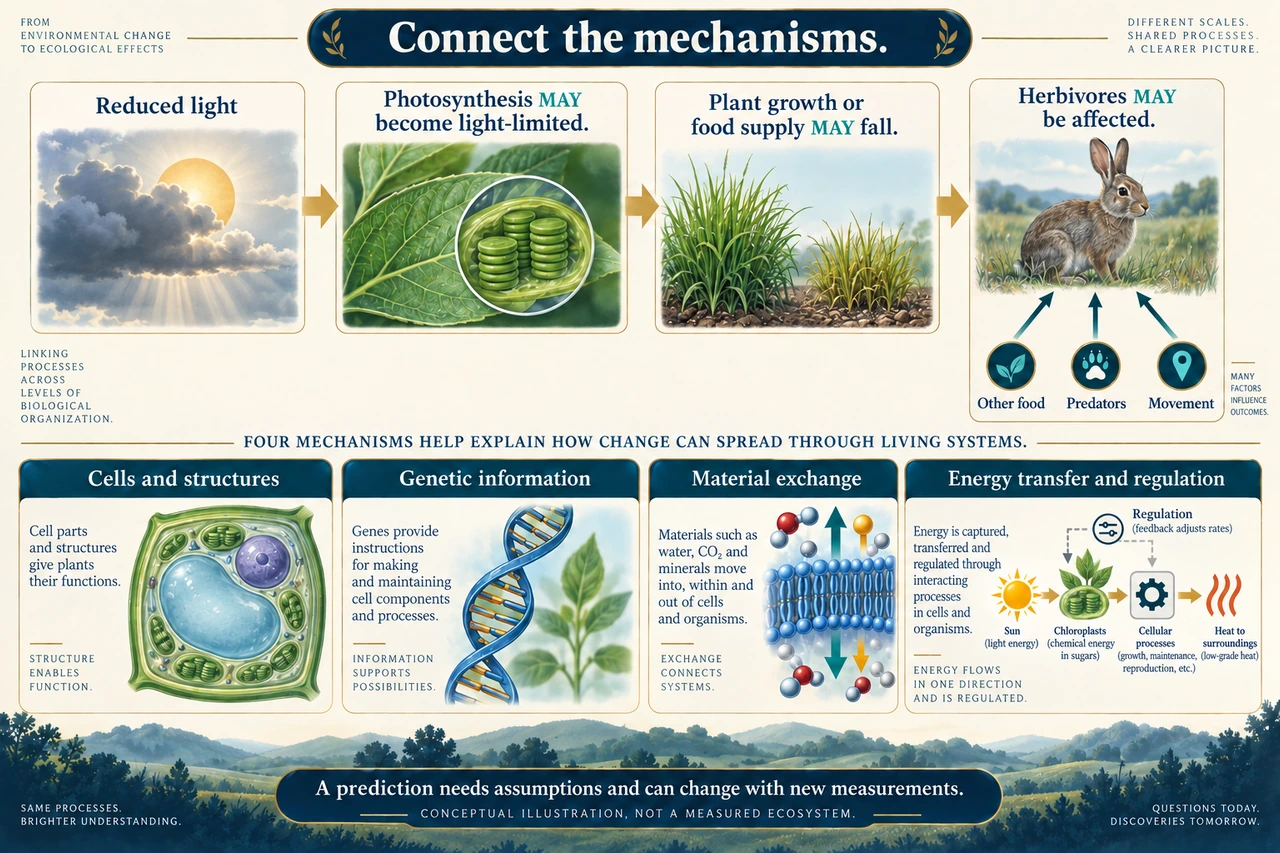
Connecting core biological principles
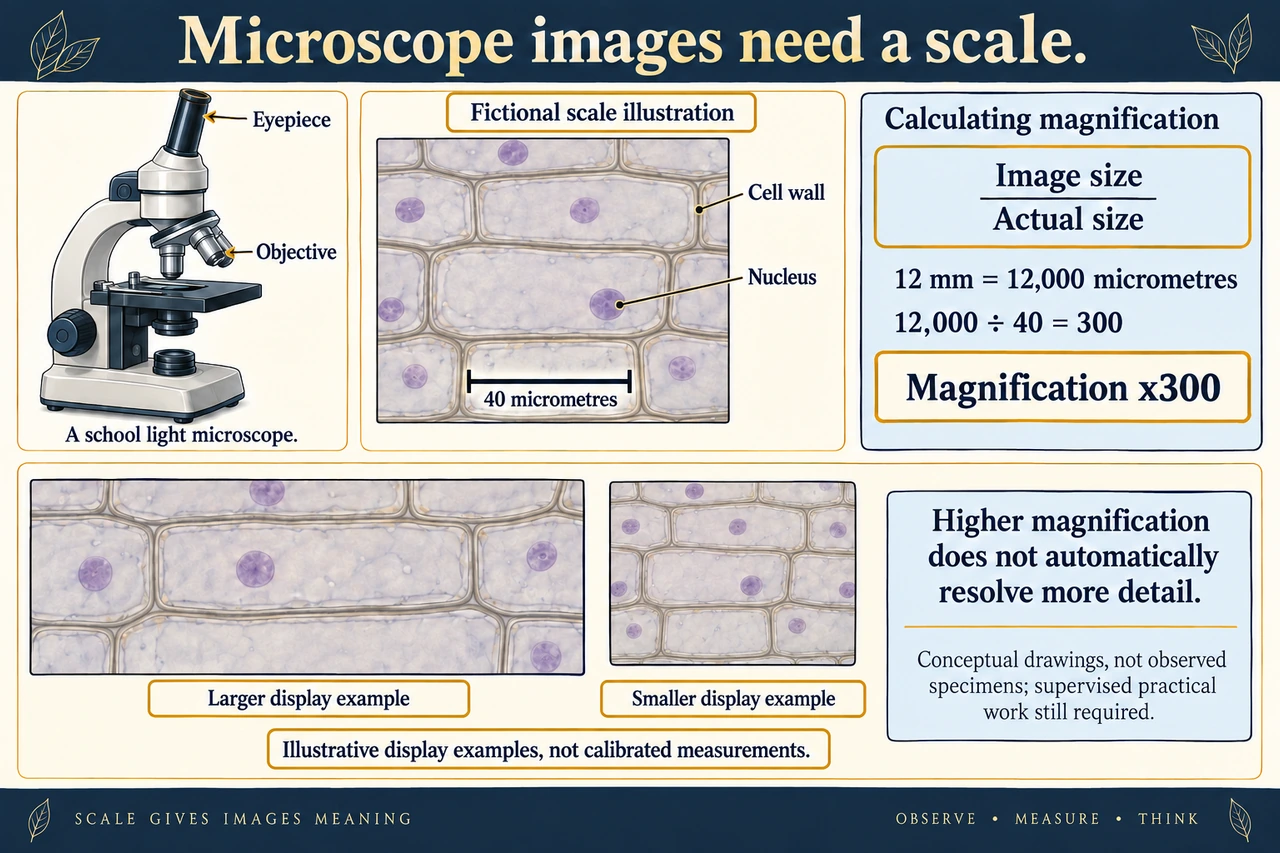
Reading and scaling microscope observations
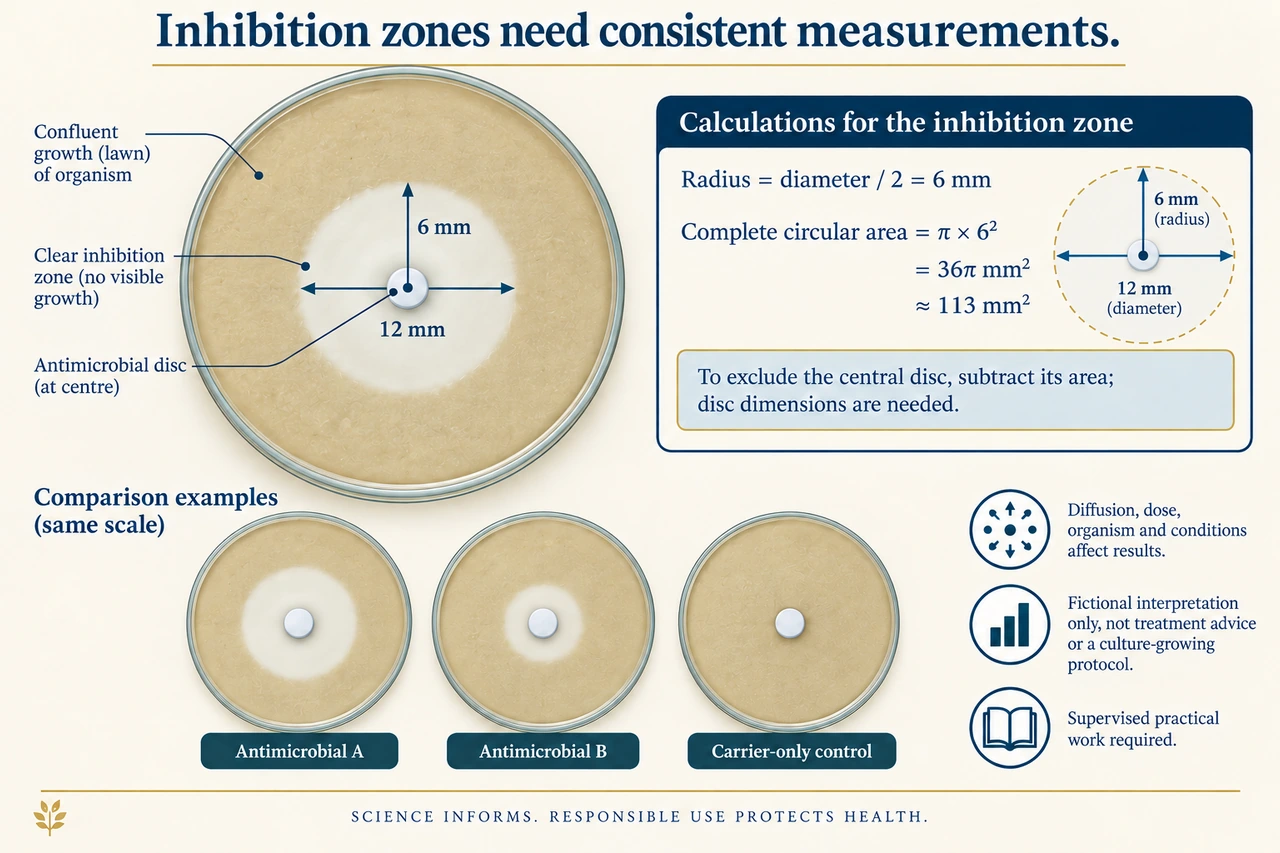
Interpreting bacterial inhibition zones
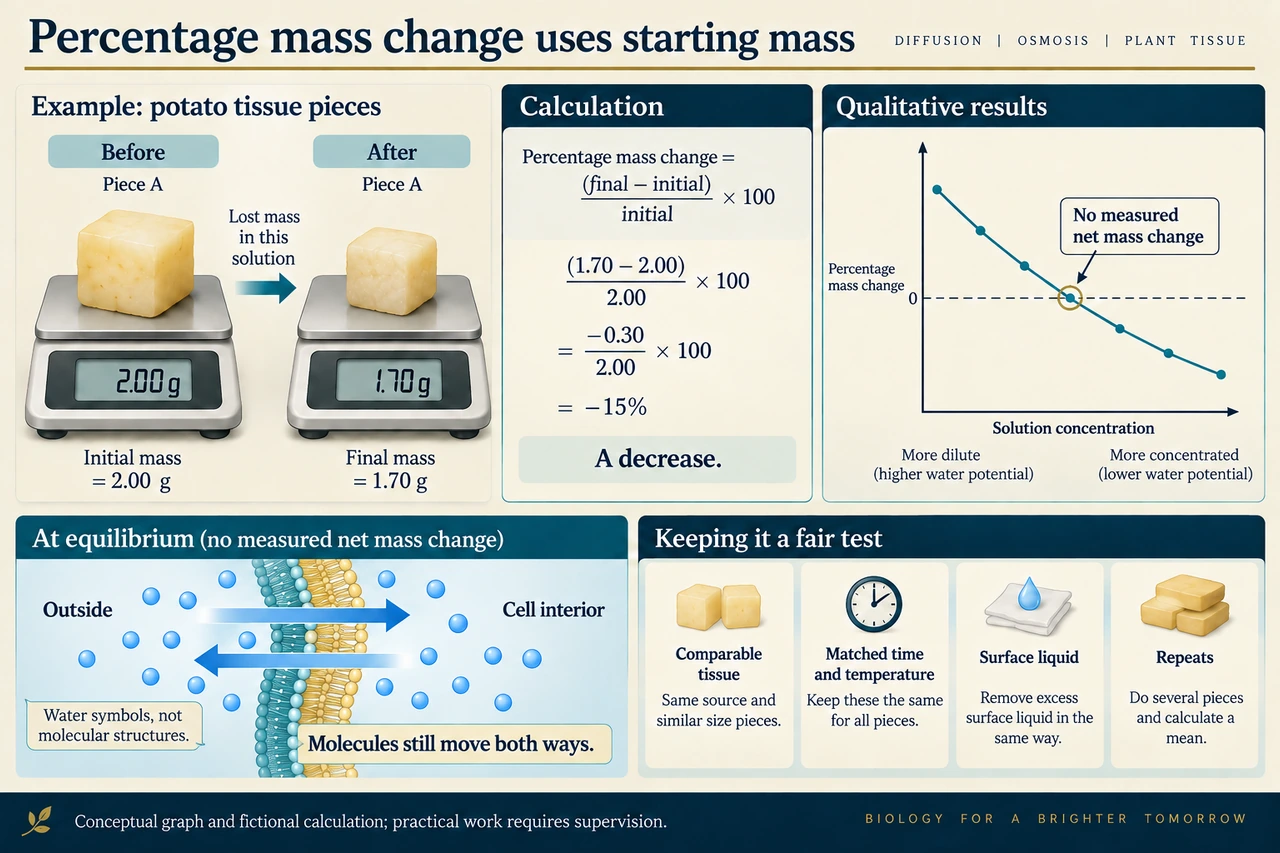
Analysing tissue mass changes by osmosis
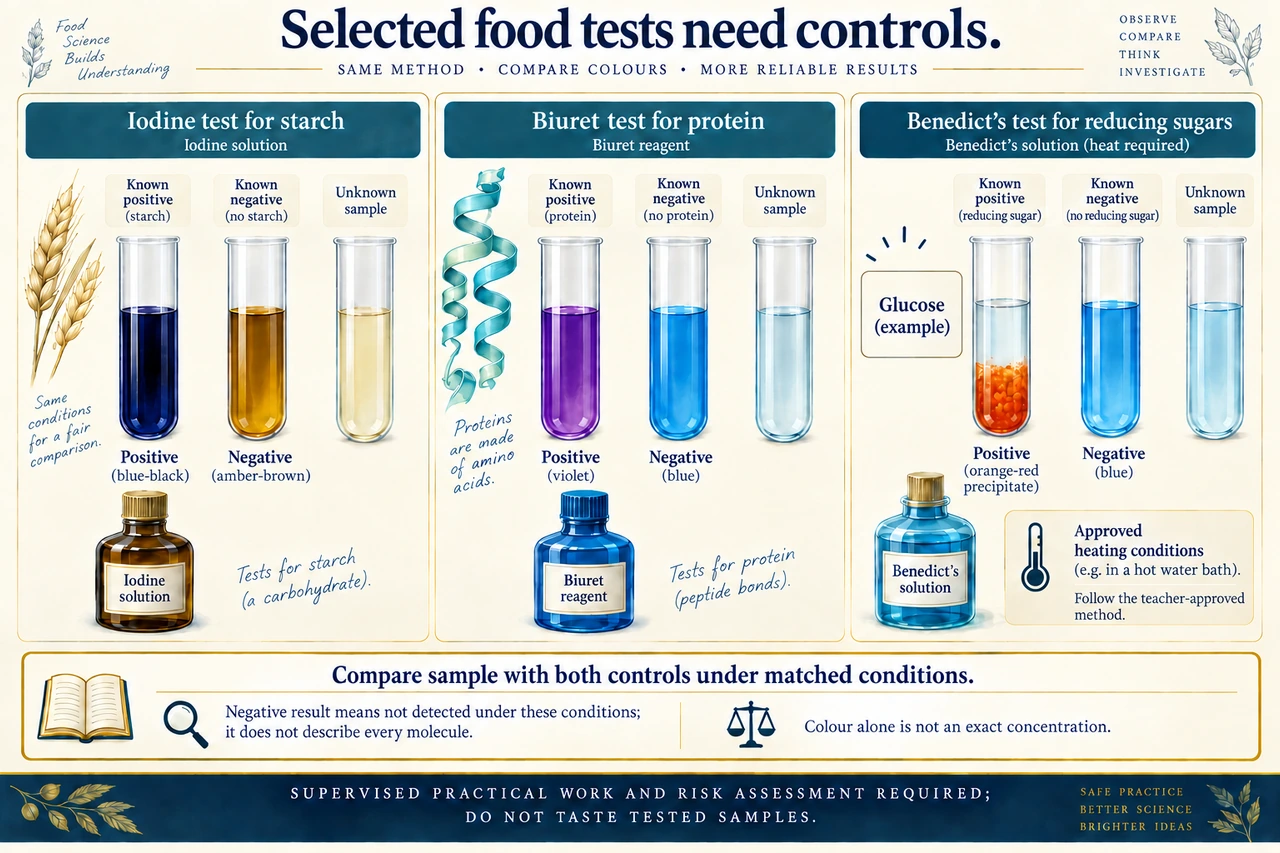
Using controls to interpret food tests
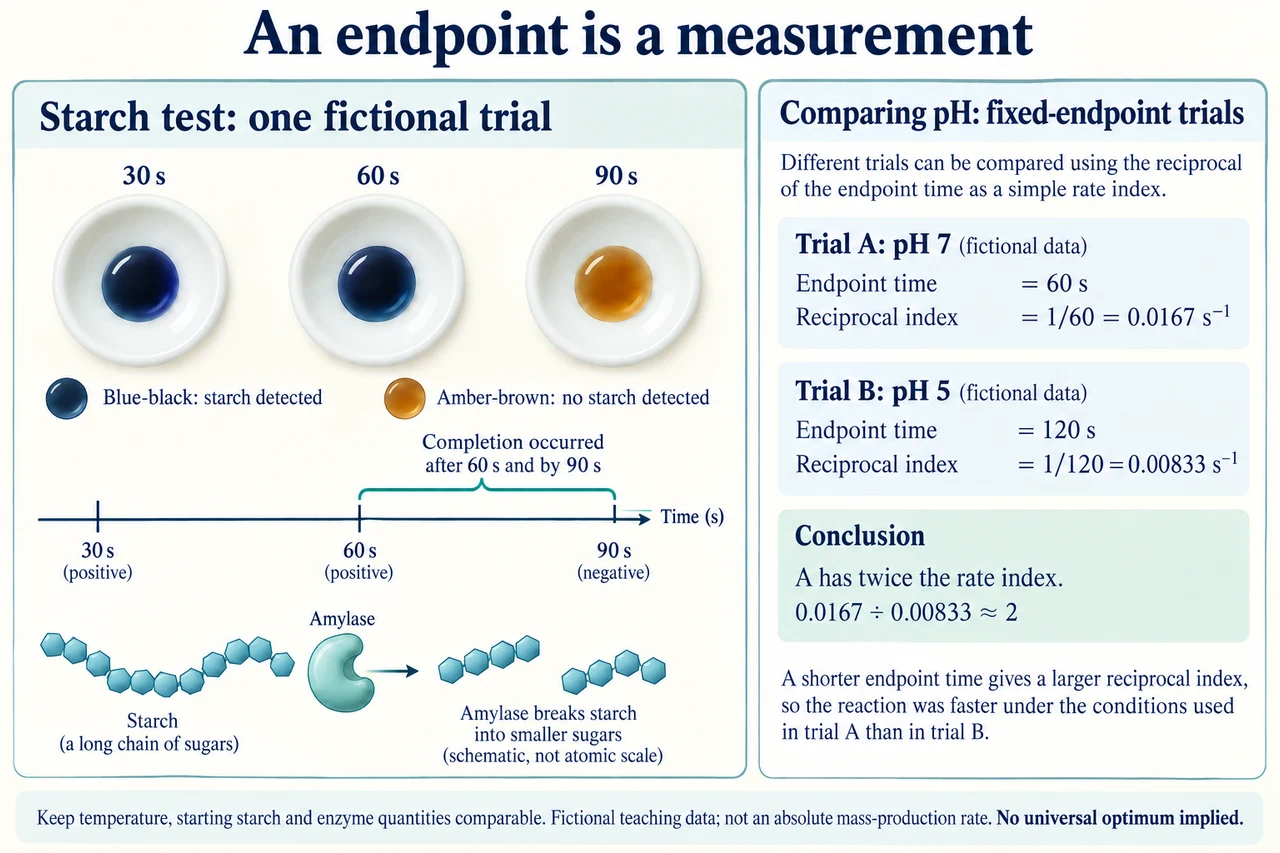
Comparing amylase activity across pH
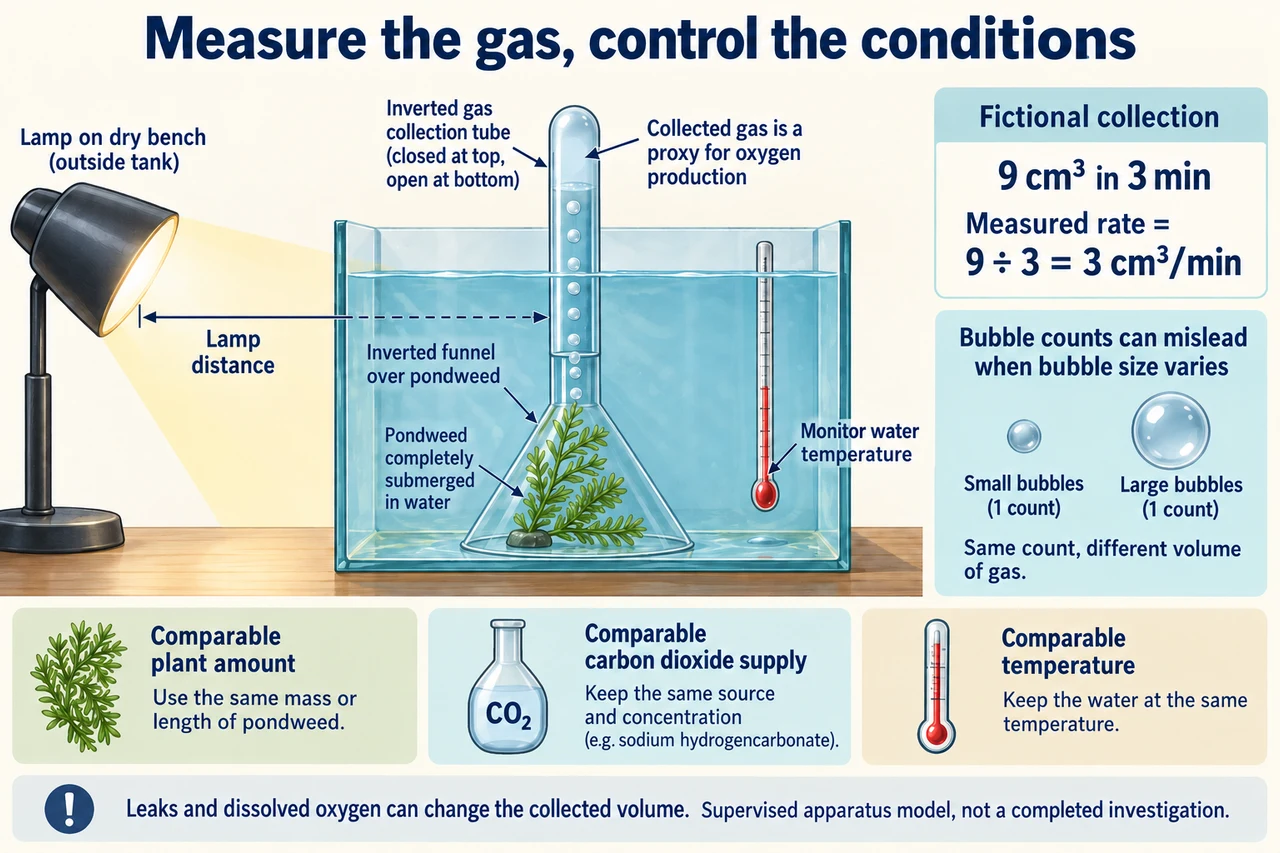
Measuring photosynthetic rate under changing light
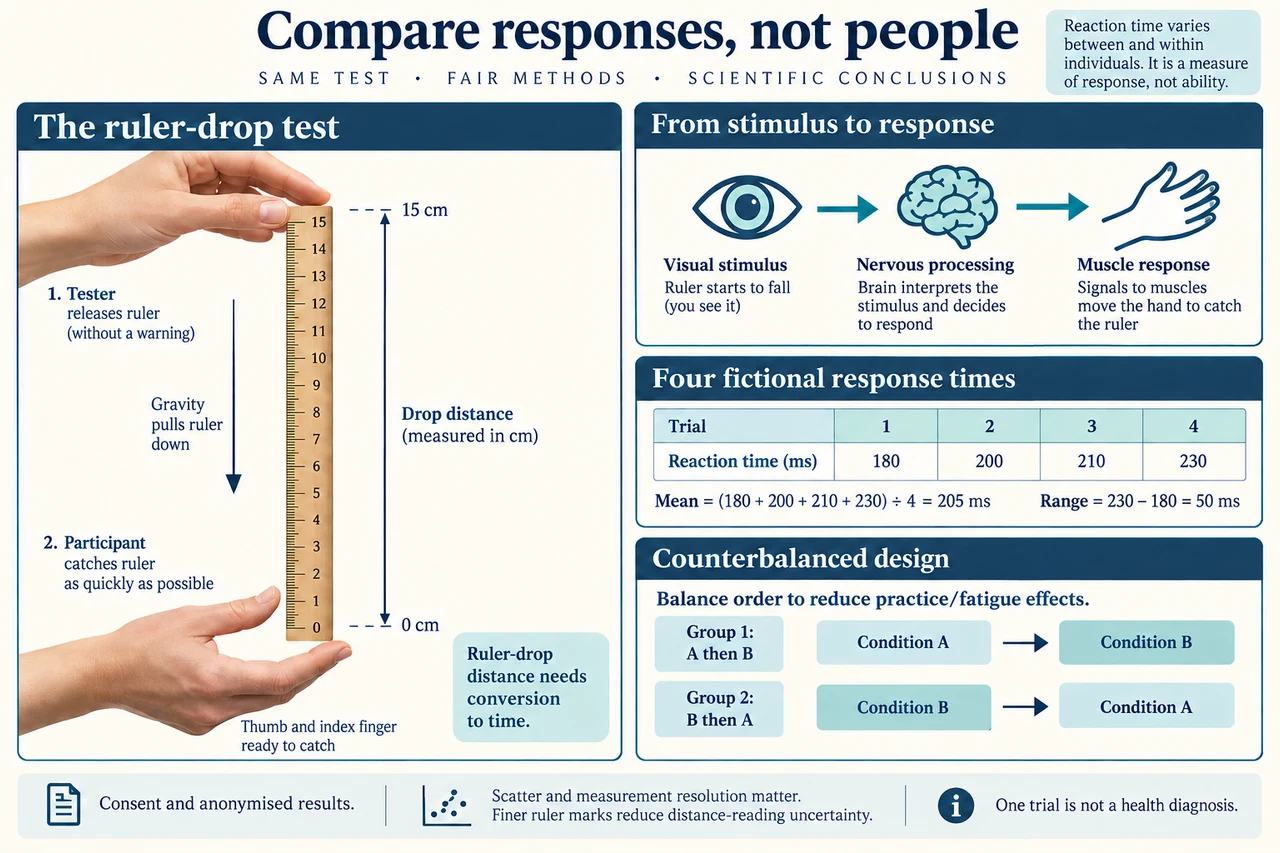
Evaluating a human reaction-time comparison
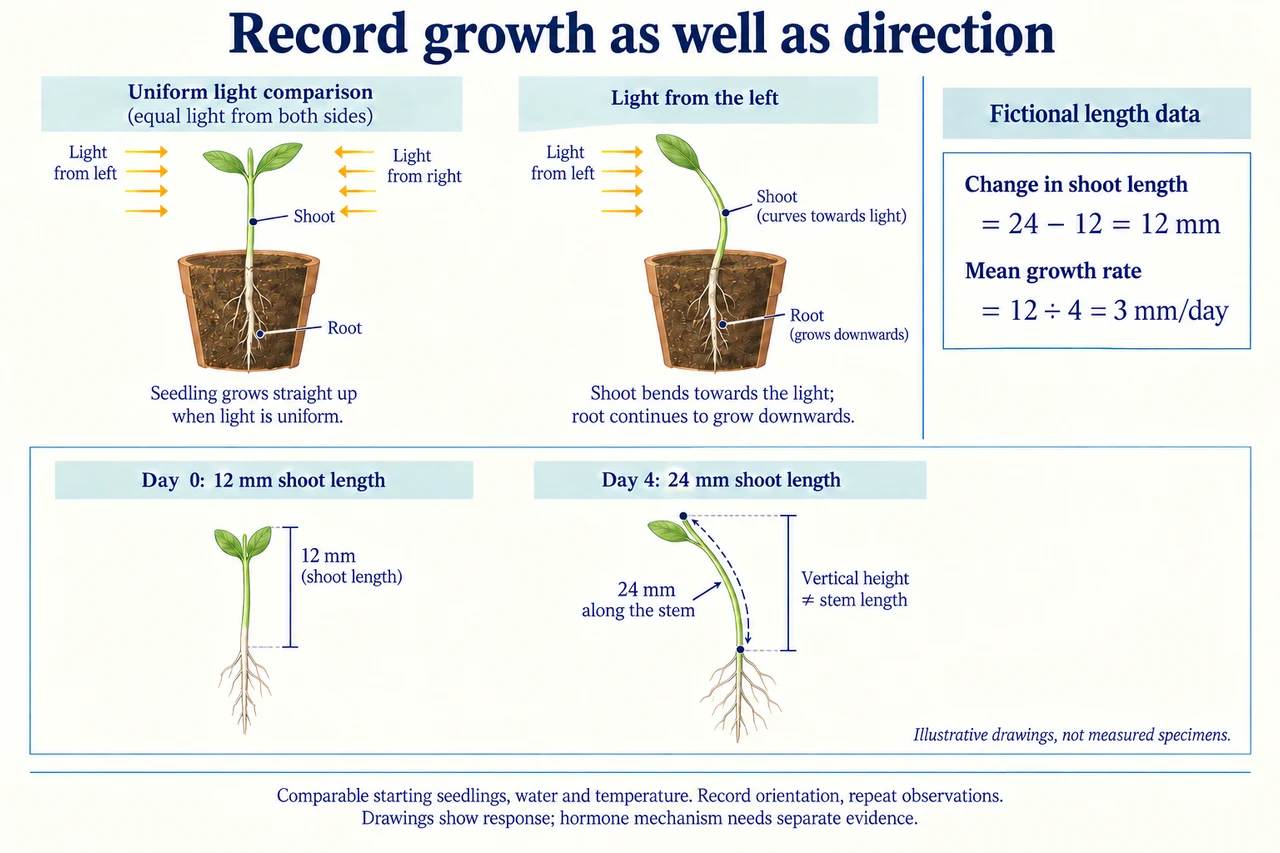
Following seedling growth responses over time
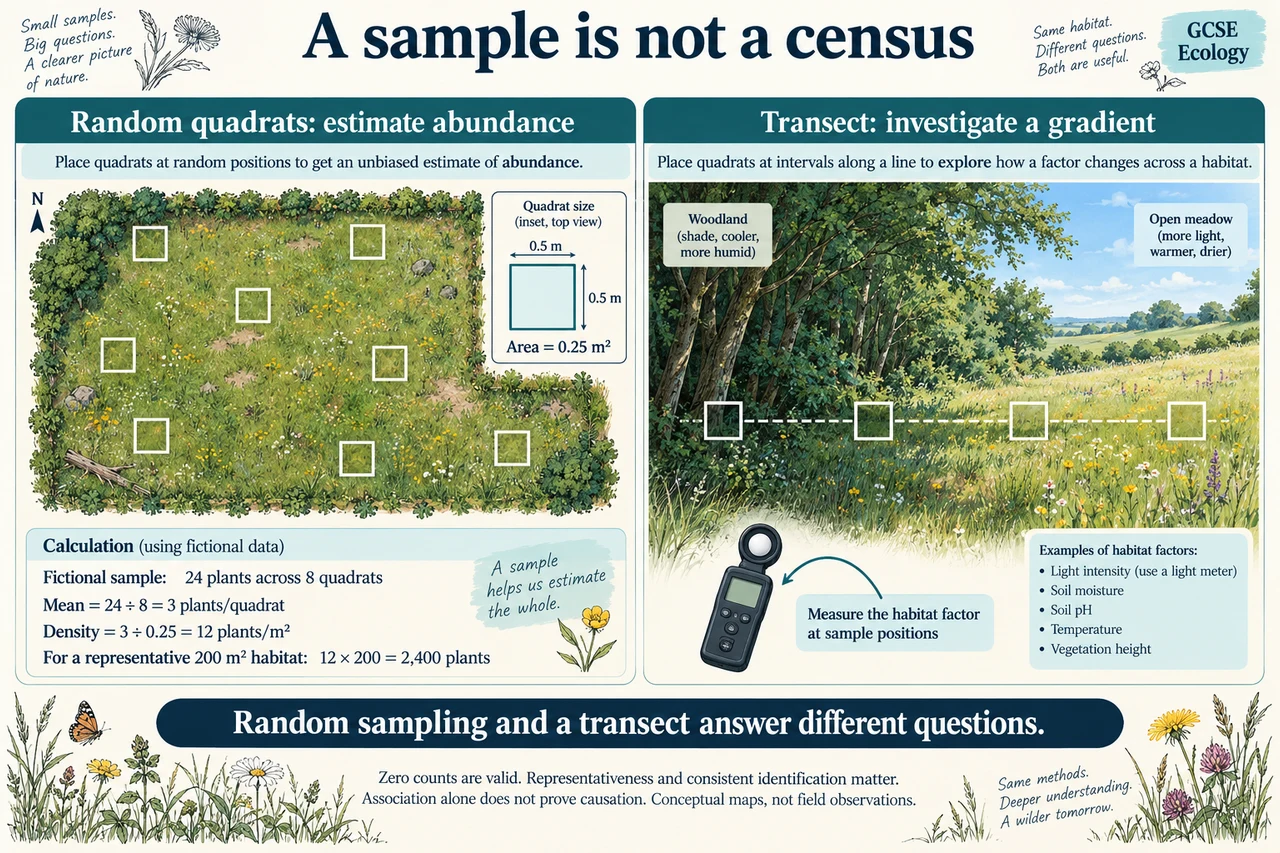
Estimating abundance and testing a habitat gradient
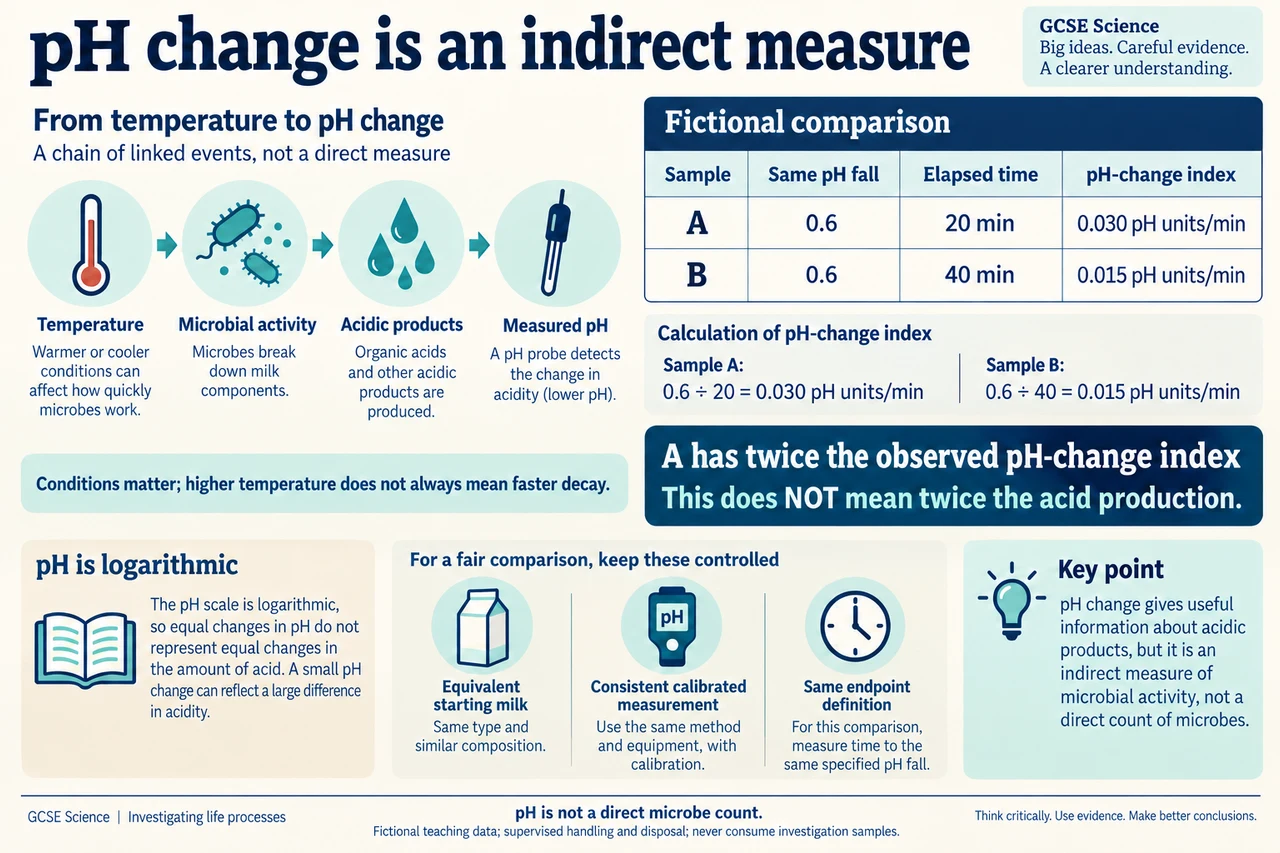
Interpreting temperature effects on milk decay