← Explore the libraryPublic reading pack
Independent myAudience learning pathway. No qualification or certificate is offered; full pathway coverage is not verified.
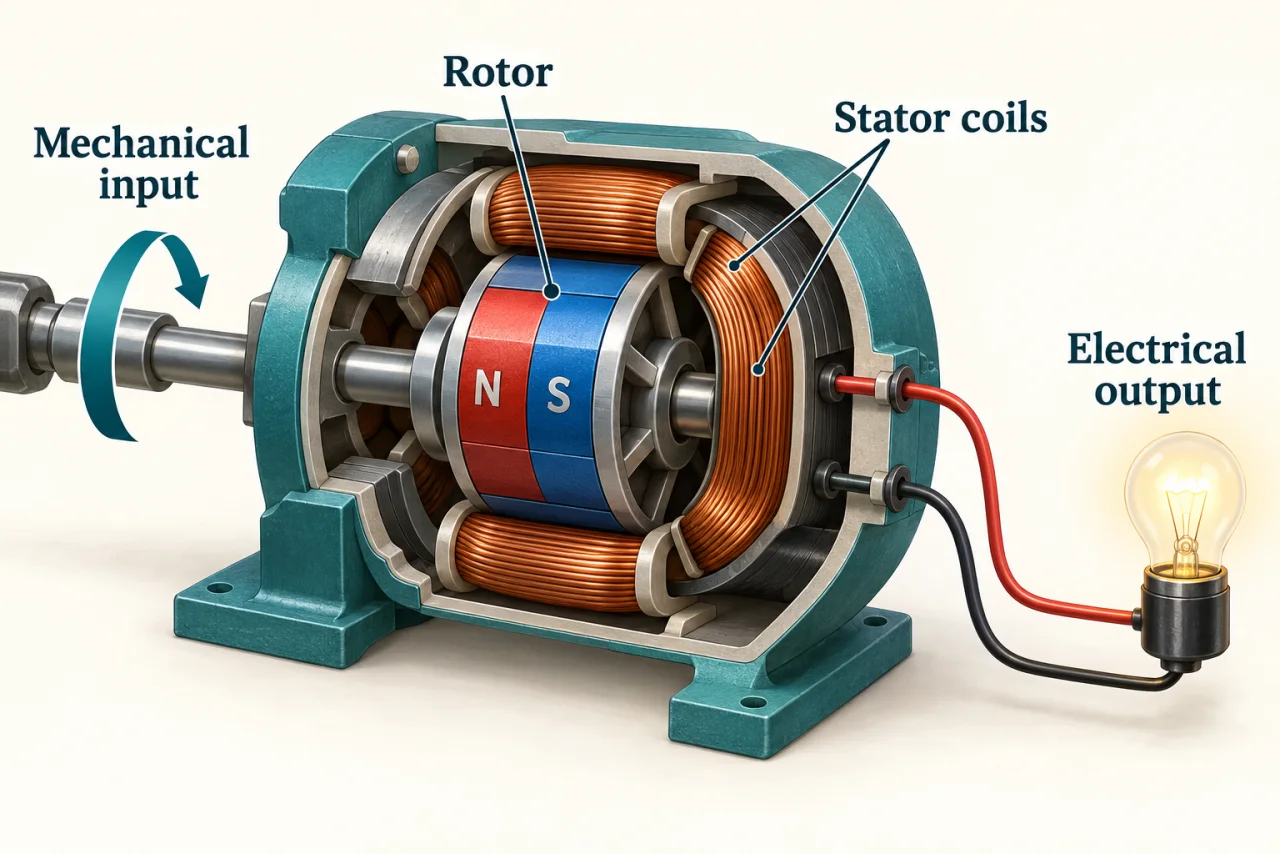
Where electricity begins
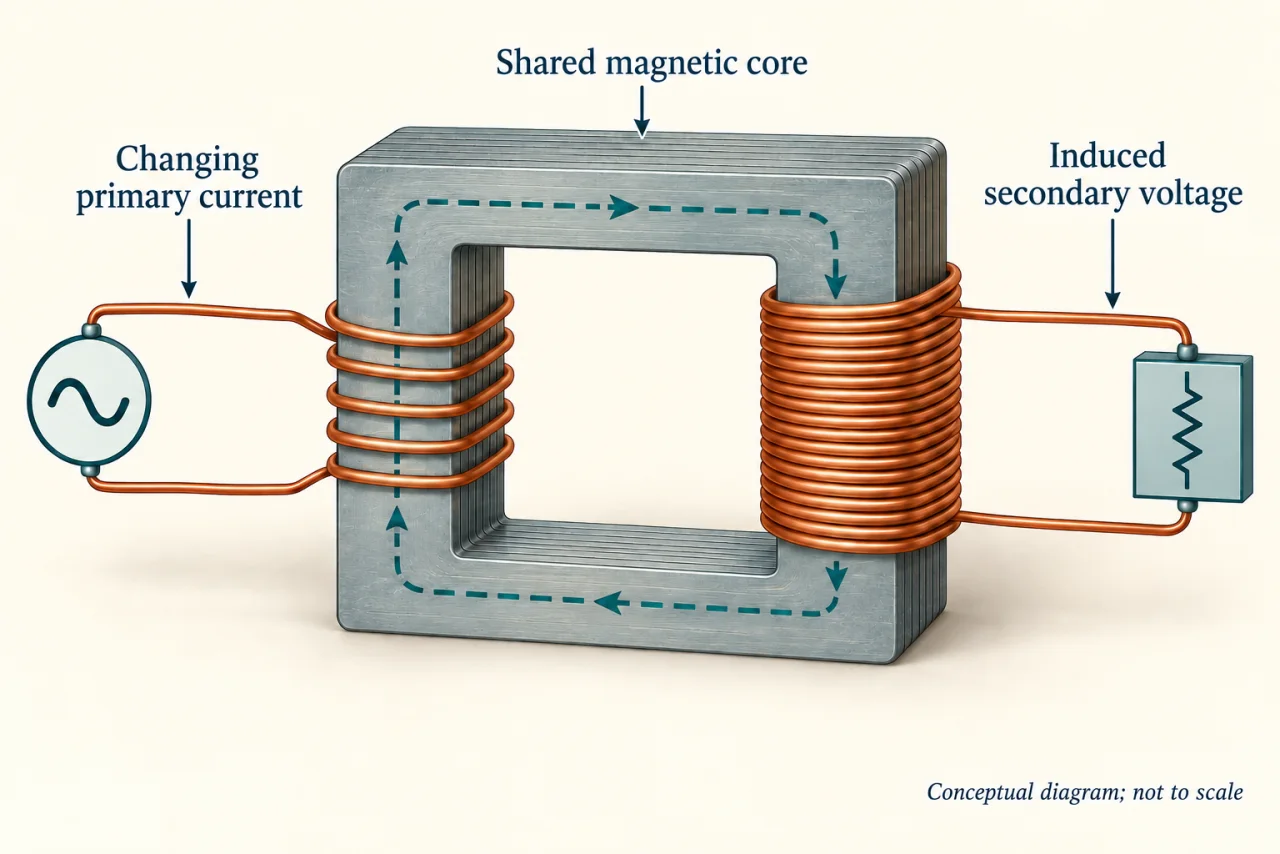
Changing voltage without connecting the coils
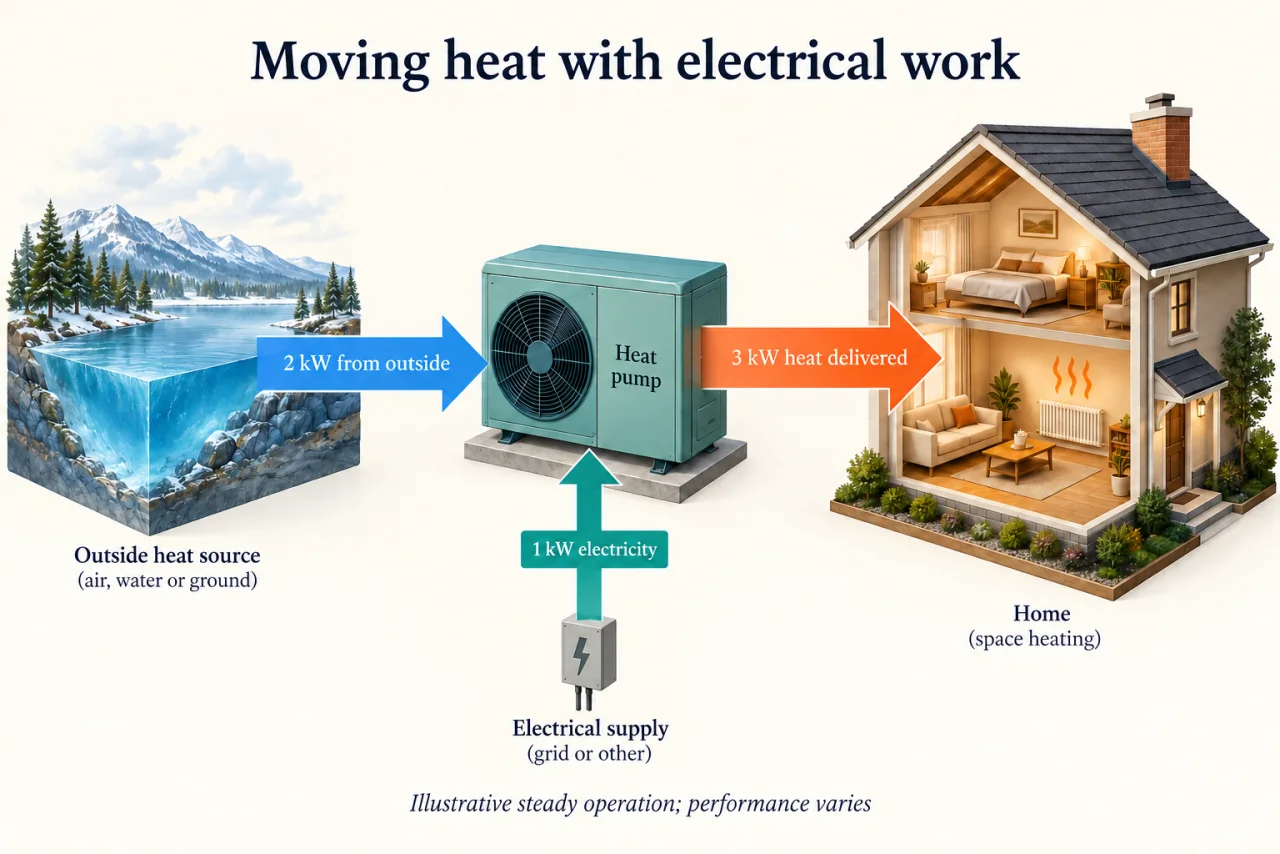
More heat delivered than electricity used
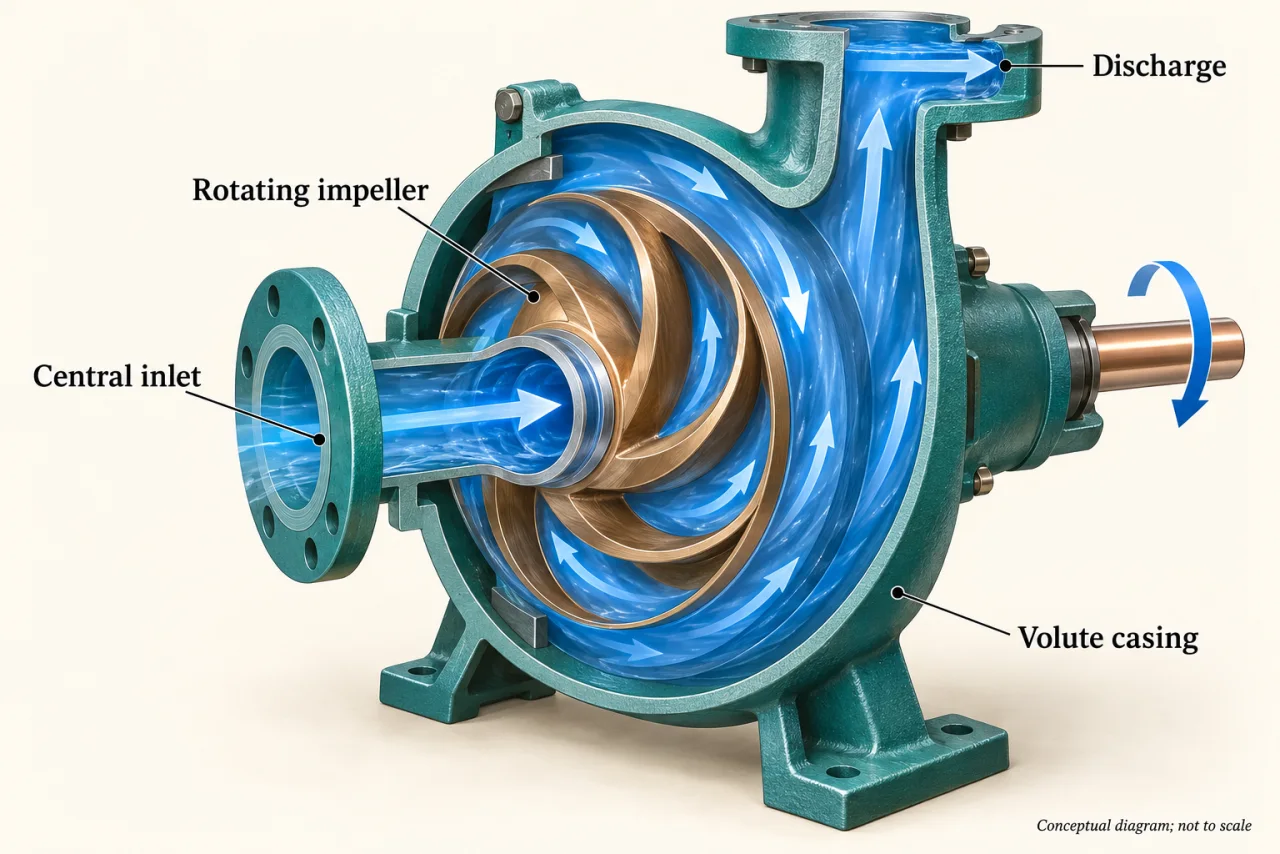
Moving water takes a whole system
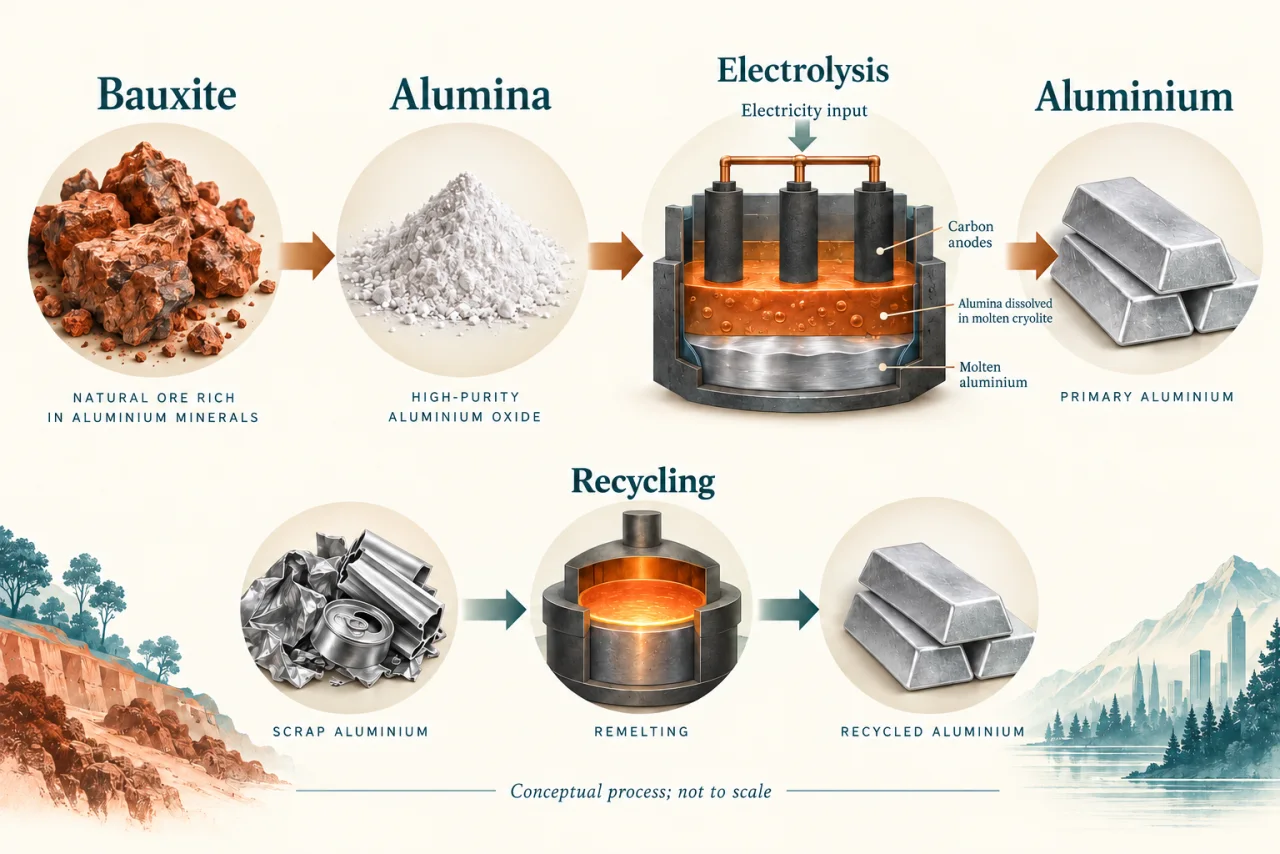
From rock to metal: two different jobs
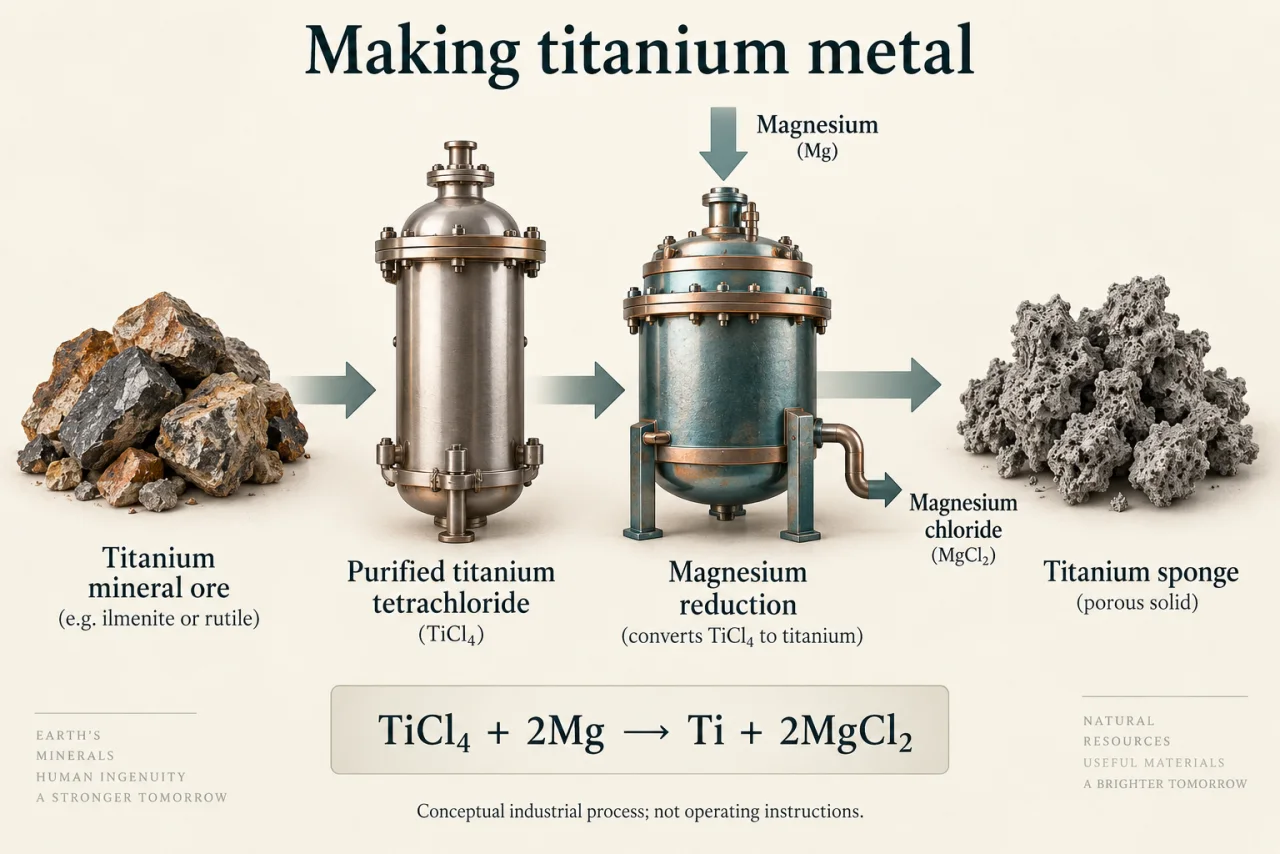
Why titanium metal needs careful processing
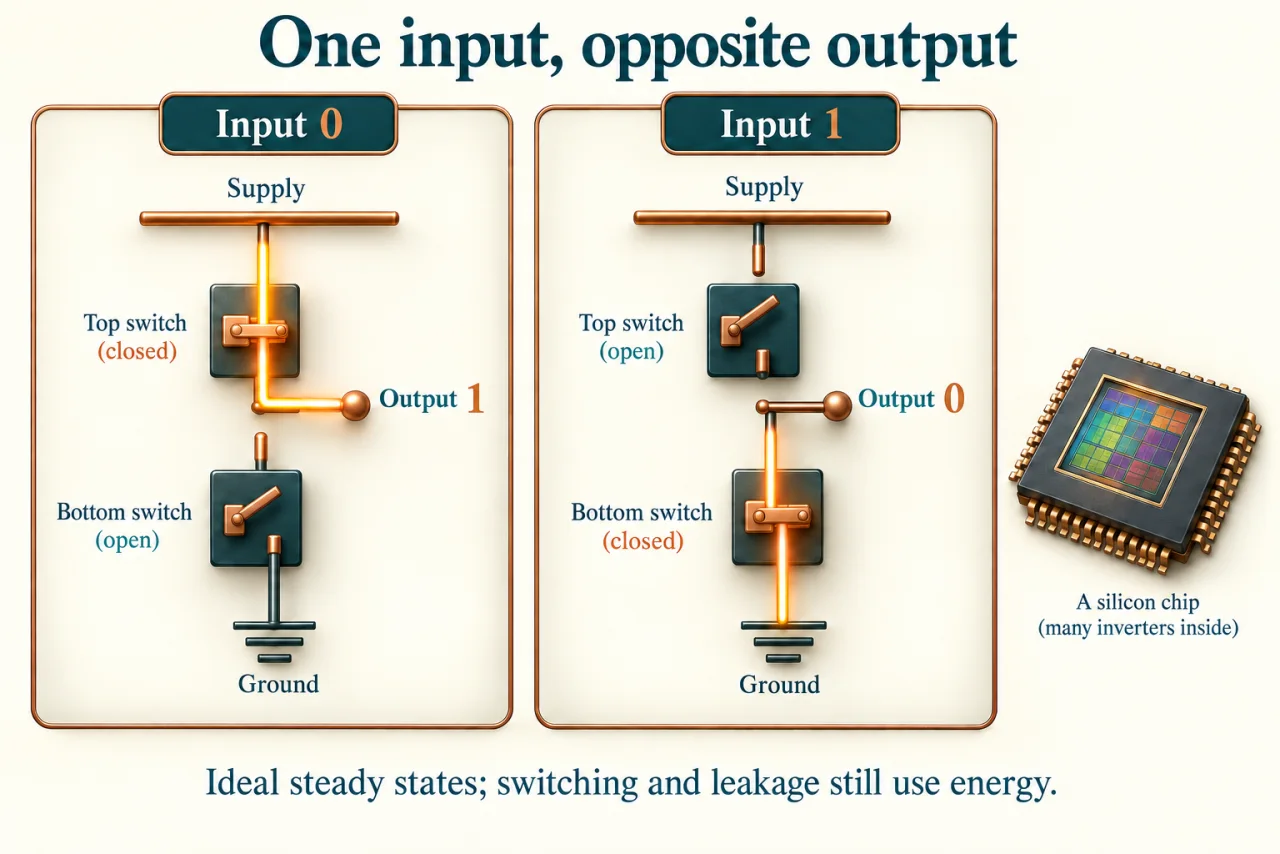
From a switch to CMOS logic
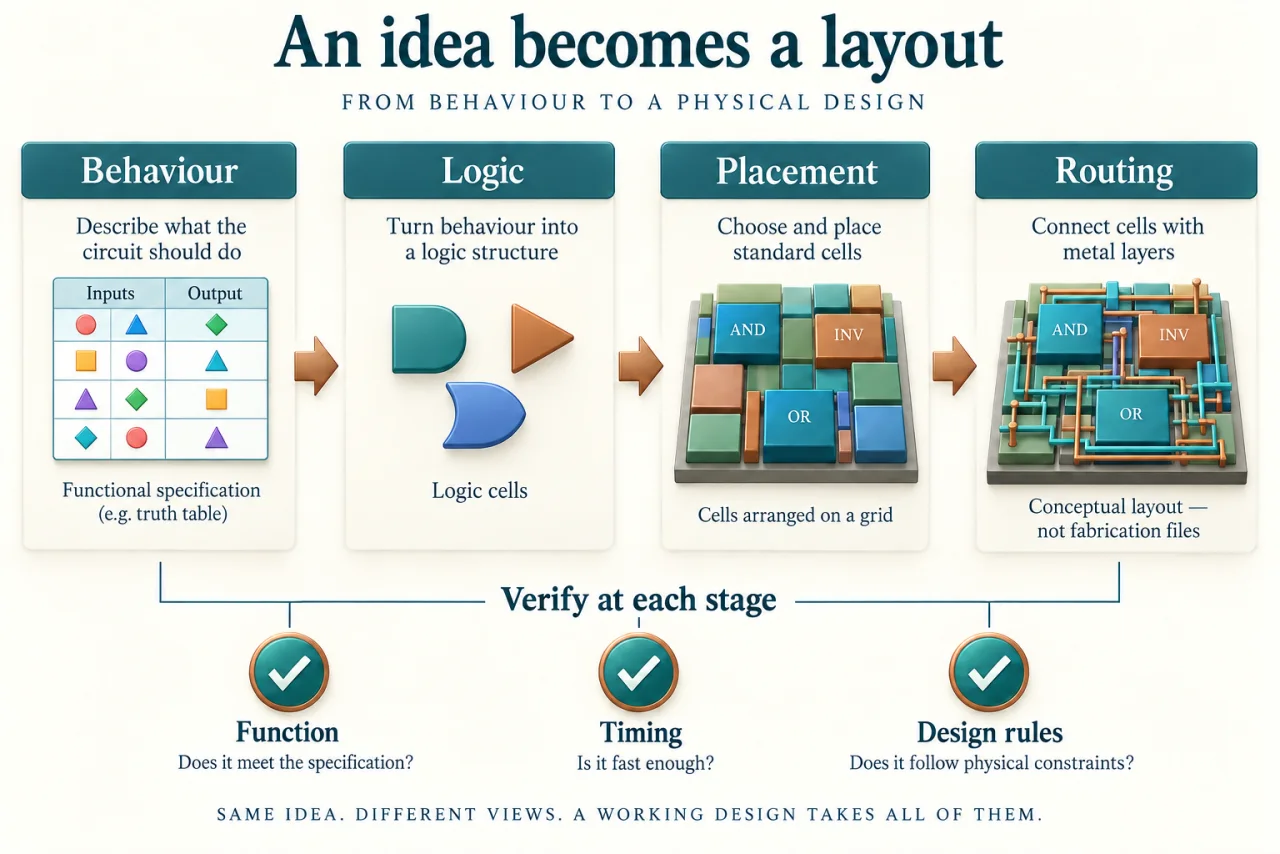
From an idea to a chip layout
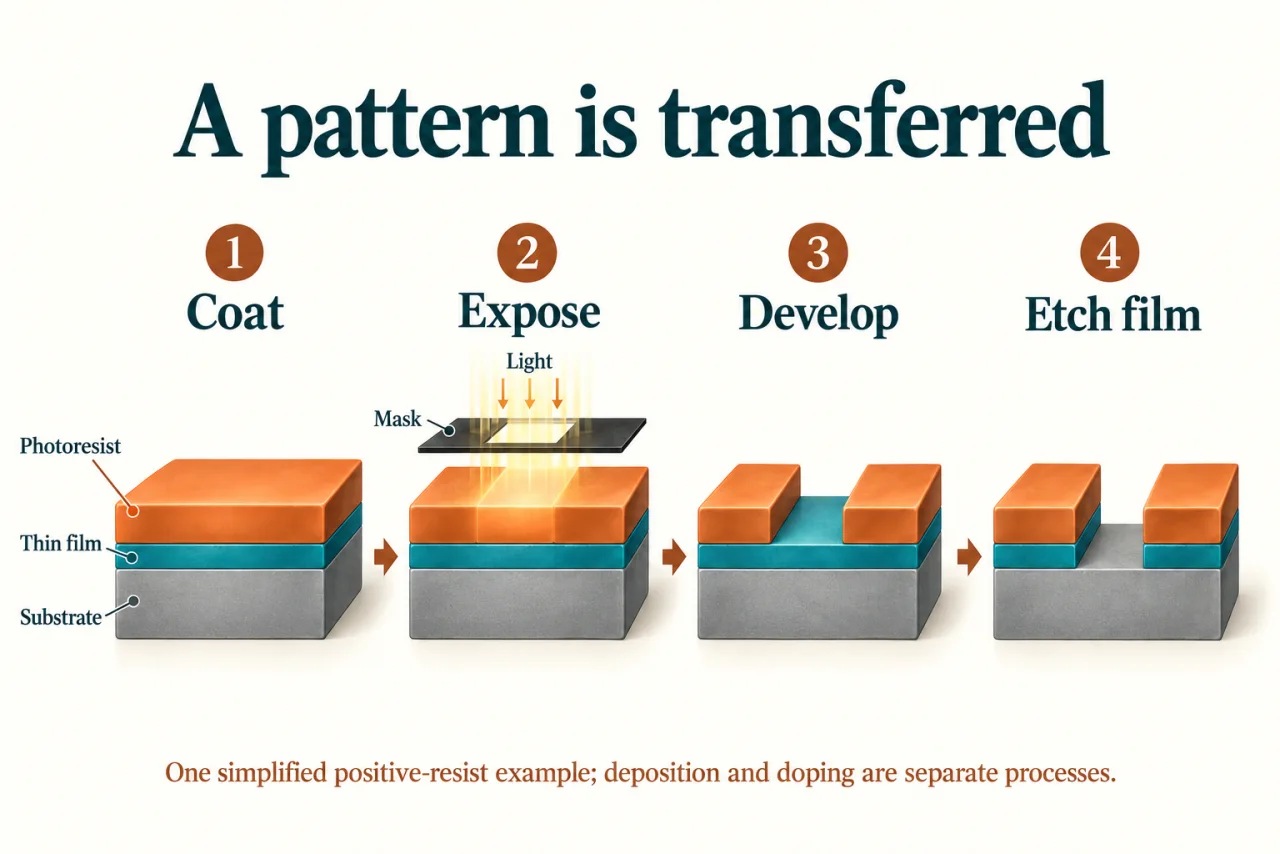
How a wafer receives patterns

Why inspection and packaging matter
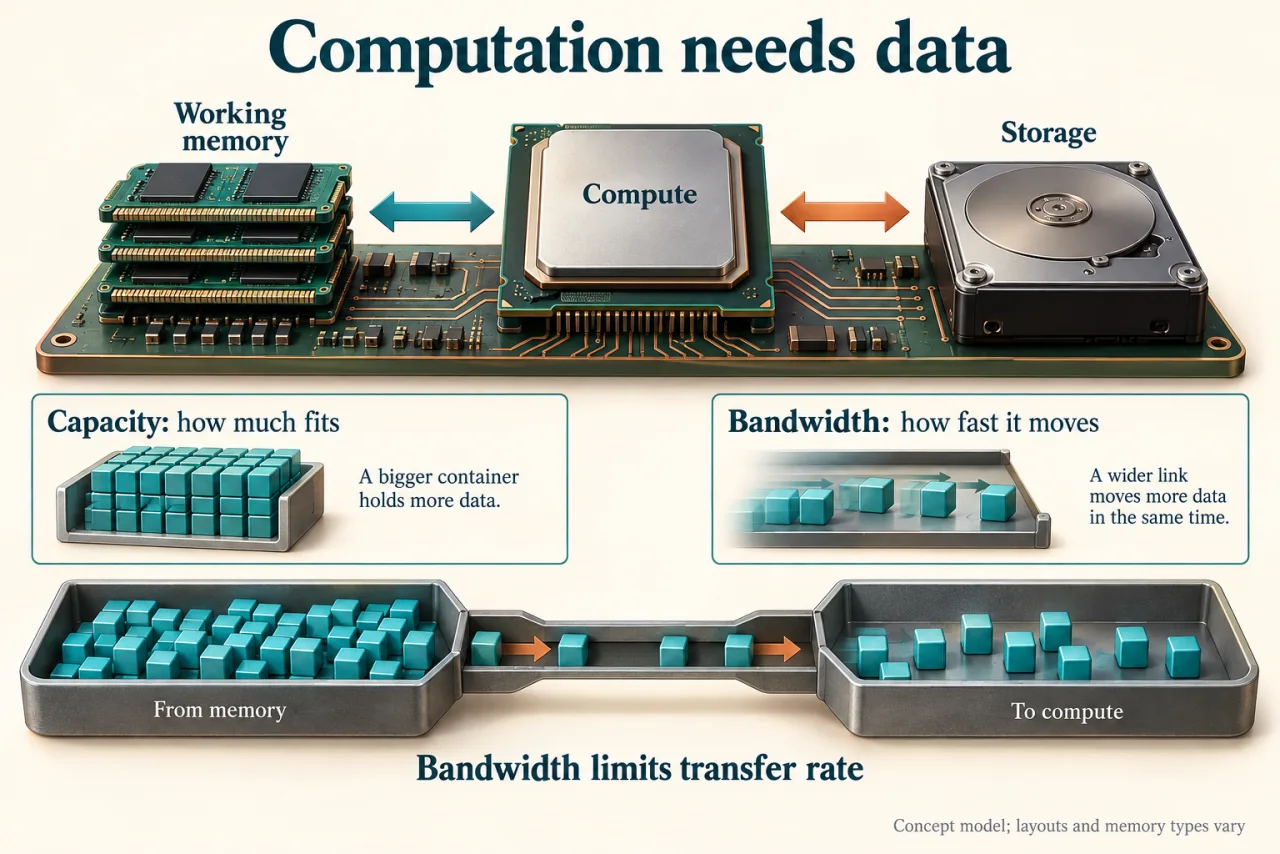
Where AI computation moves its data
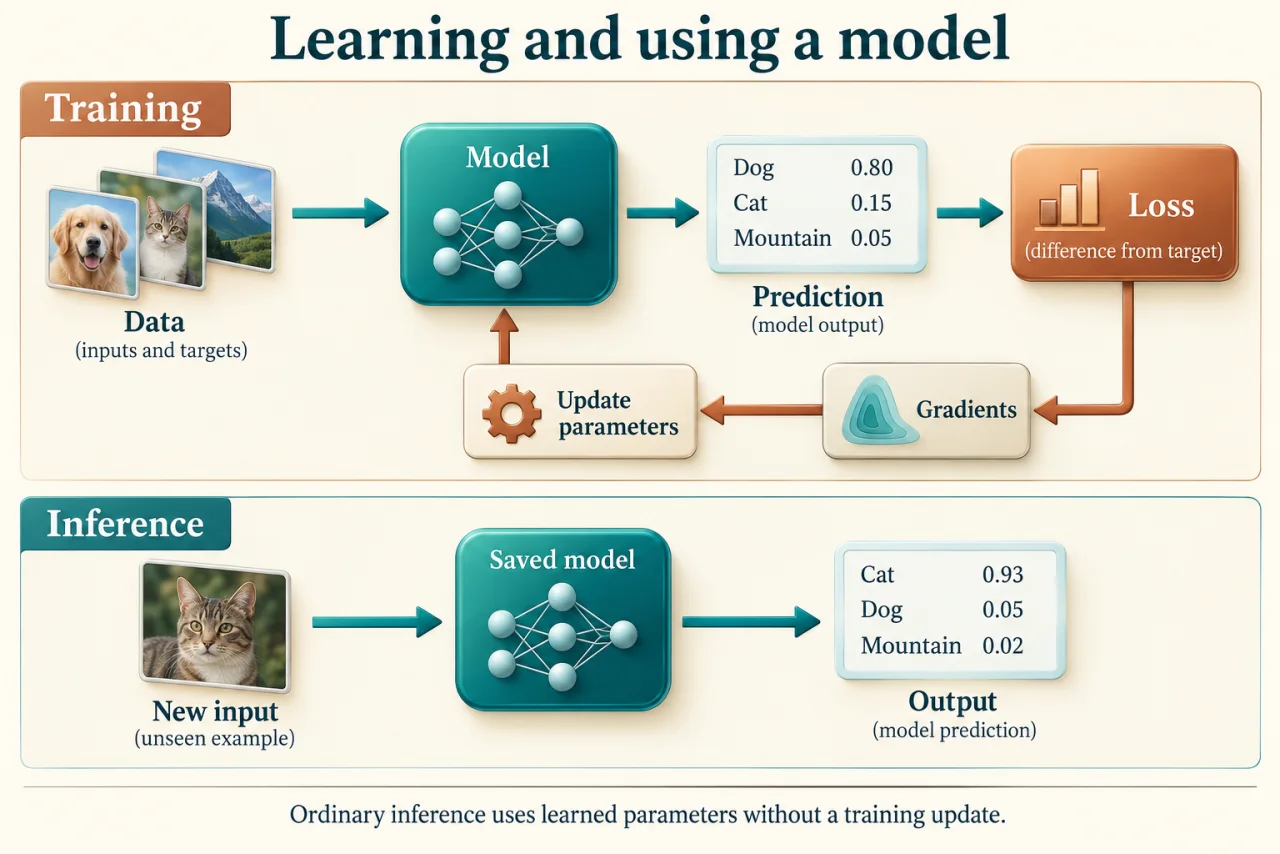
Training and inference are different jobs
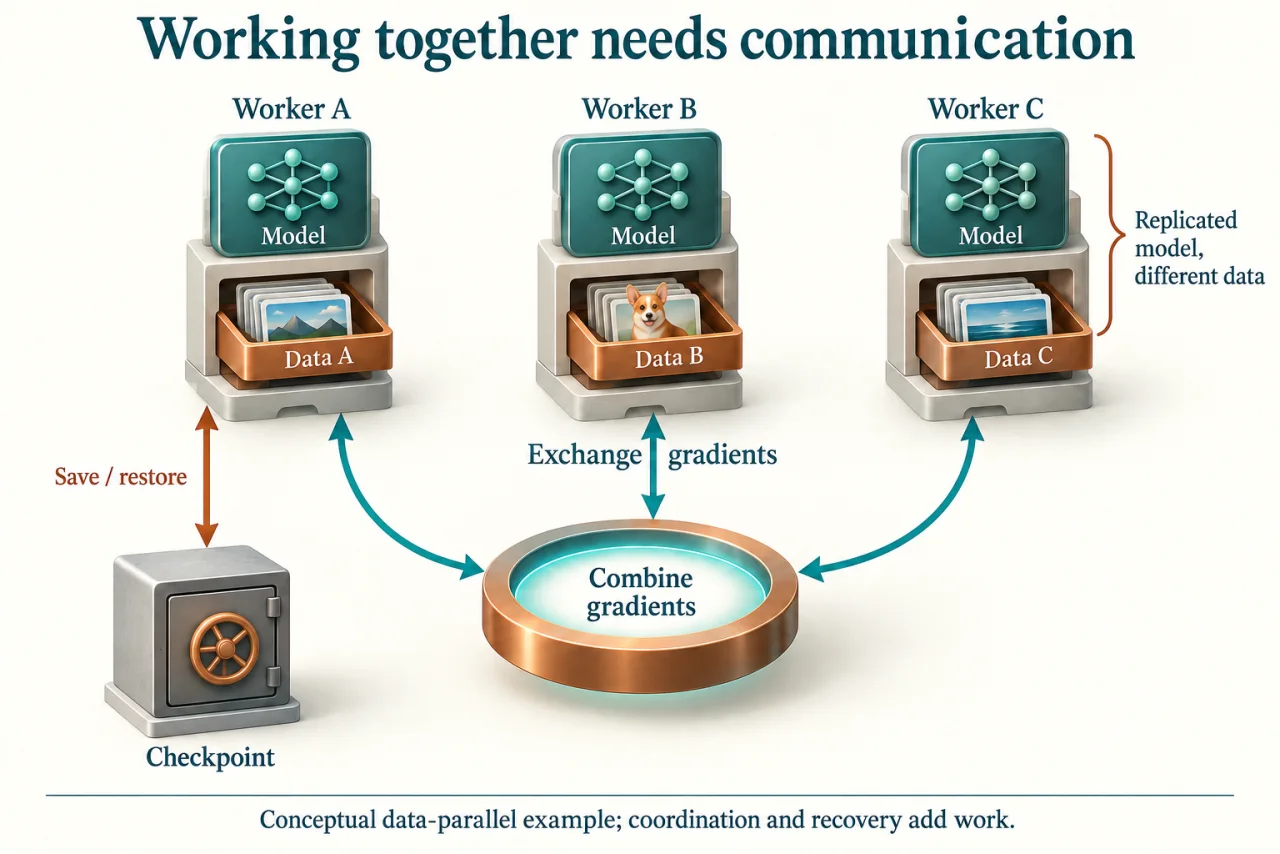
Why many computers need coordination
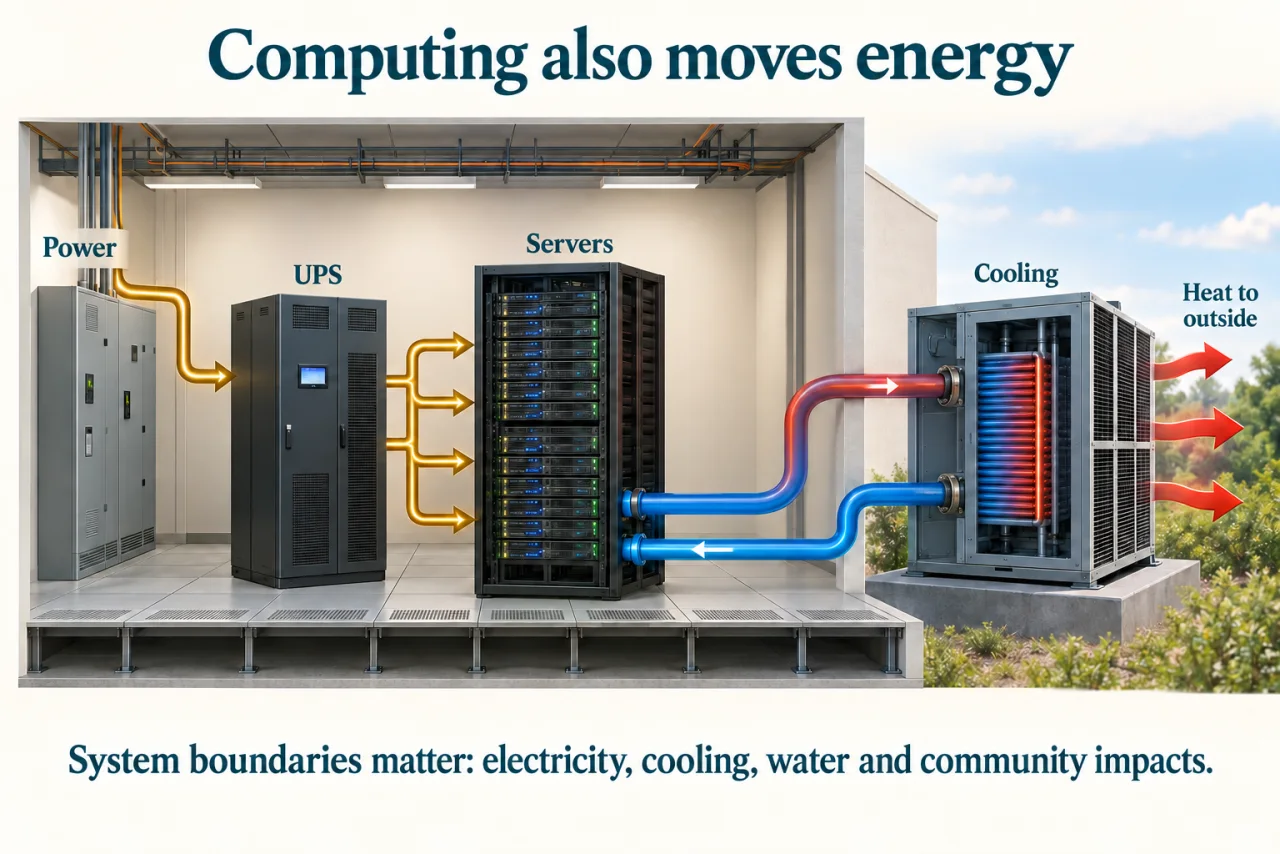
Power, heat and responsibility behind AI
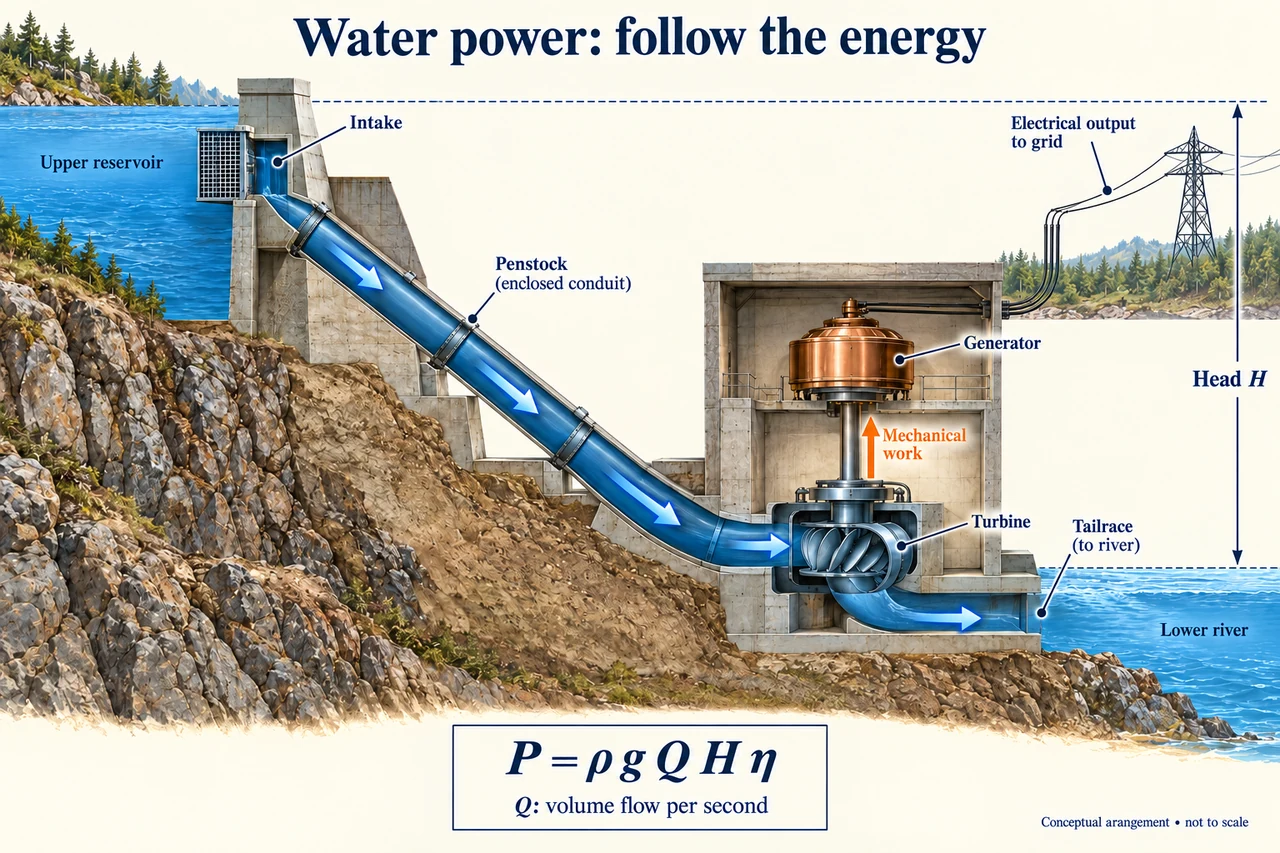
Water power: head, flow and the whole river
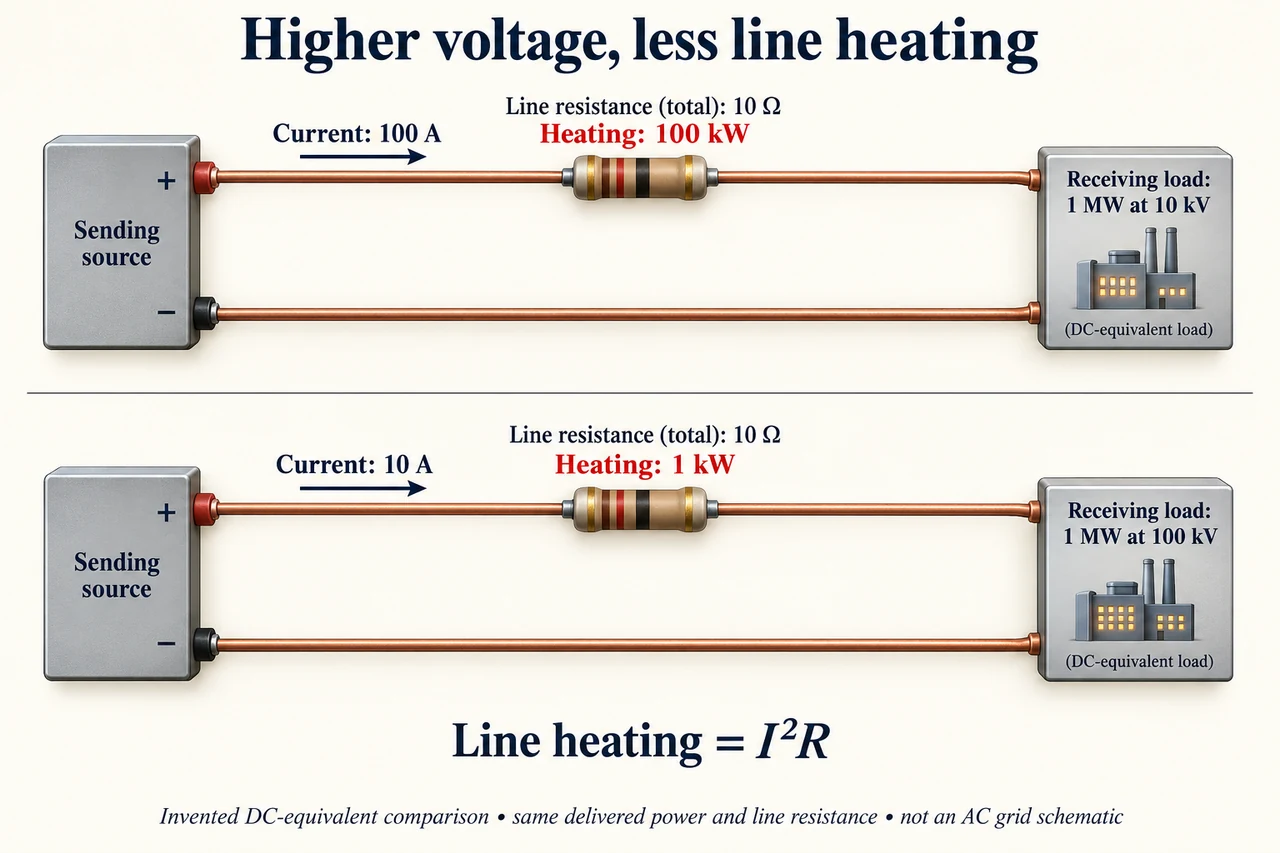
High voltage: a smaller current for the same transfer
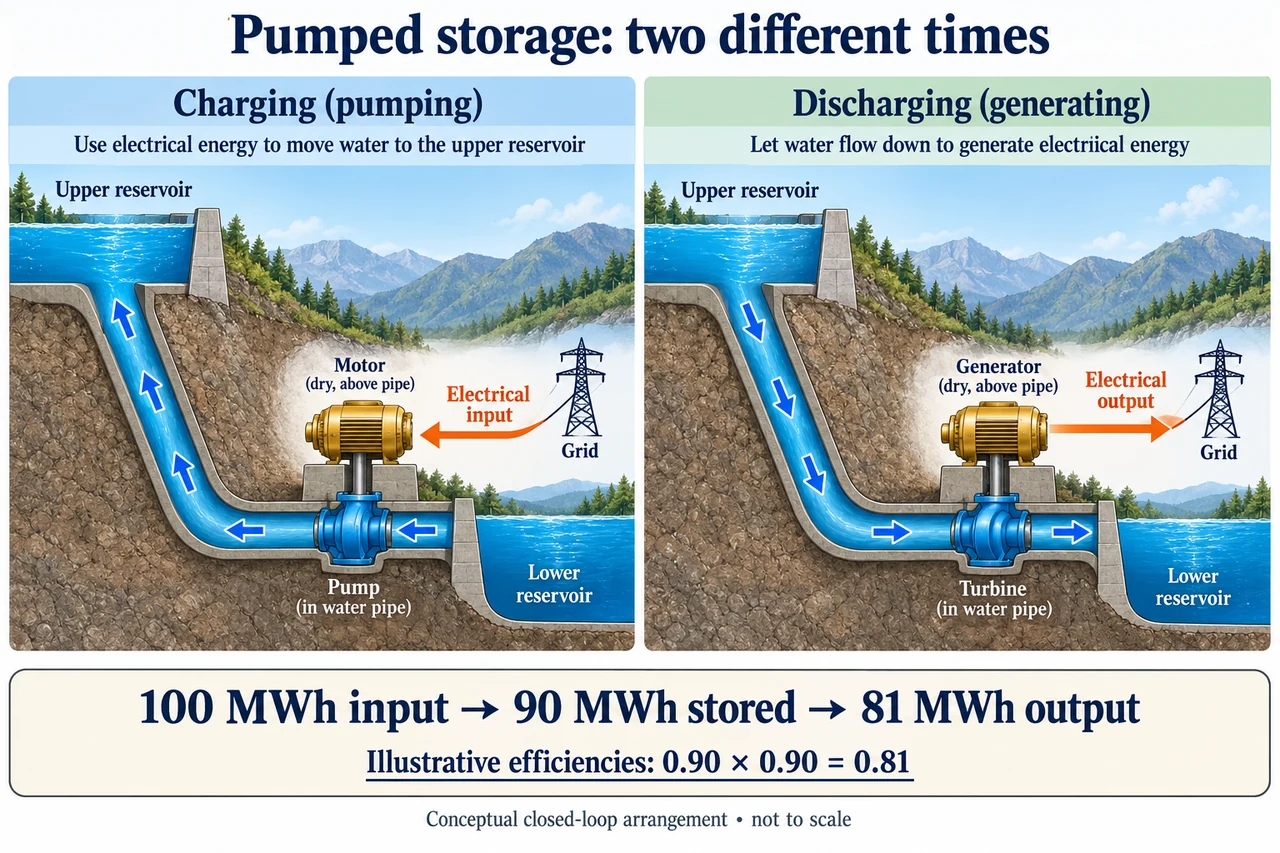
Pumped storage: time-shifting energy, not making it
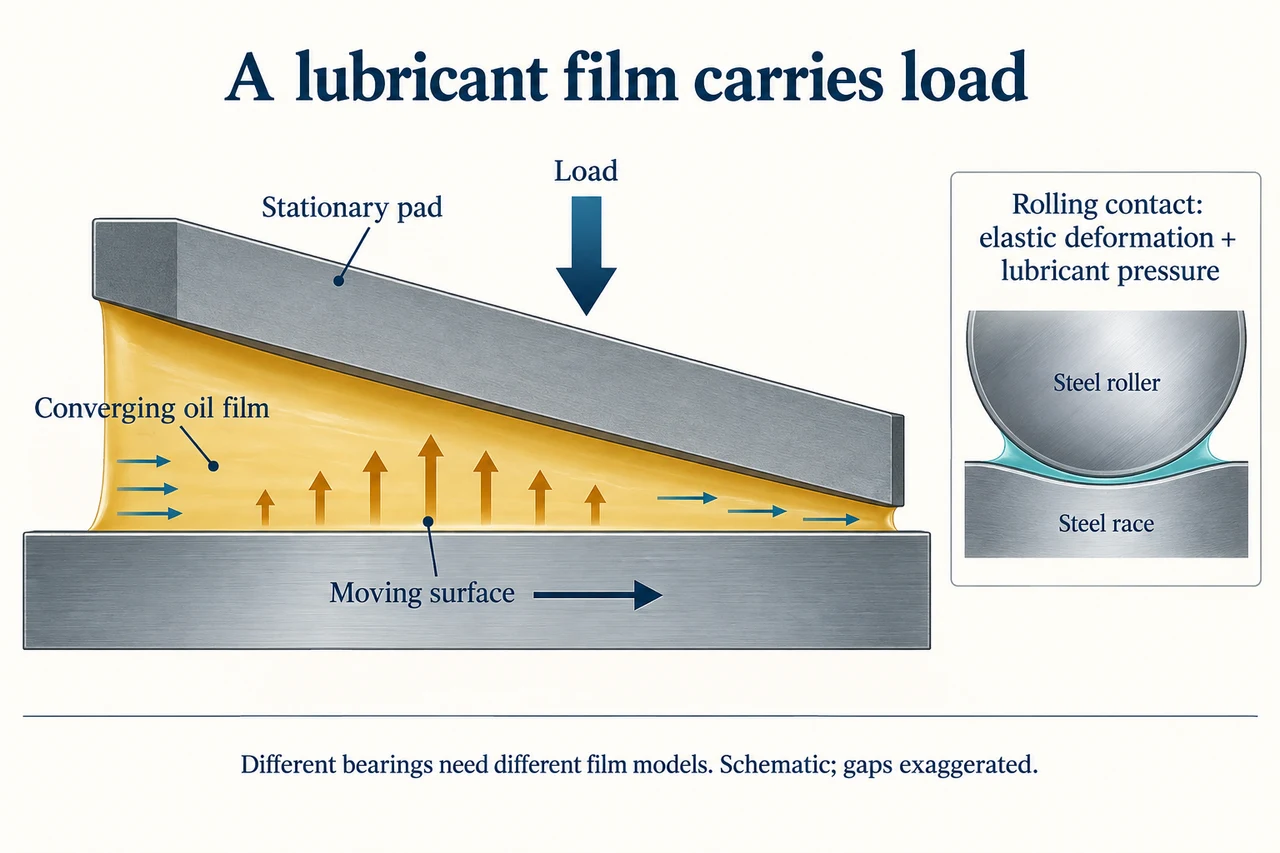
The thin film that carries a machine
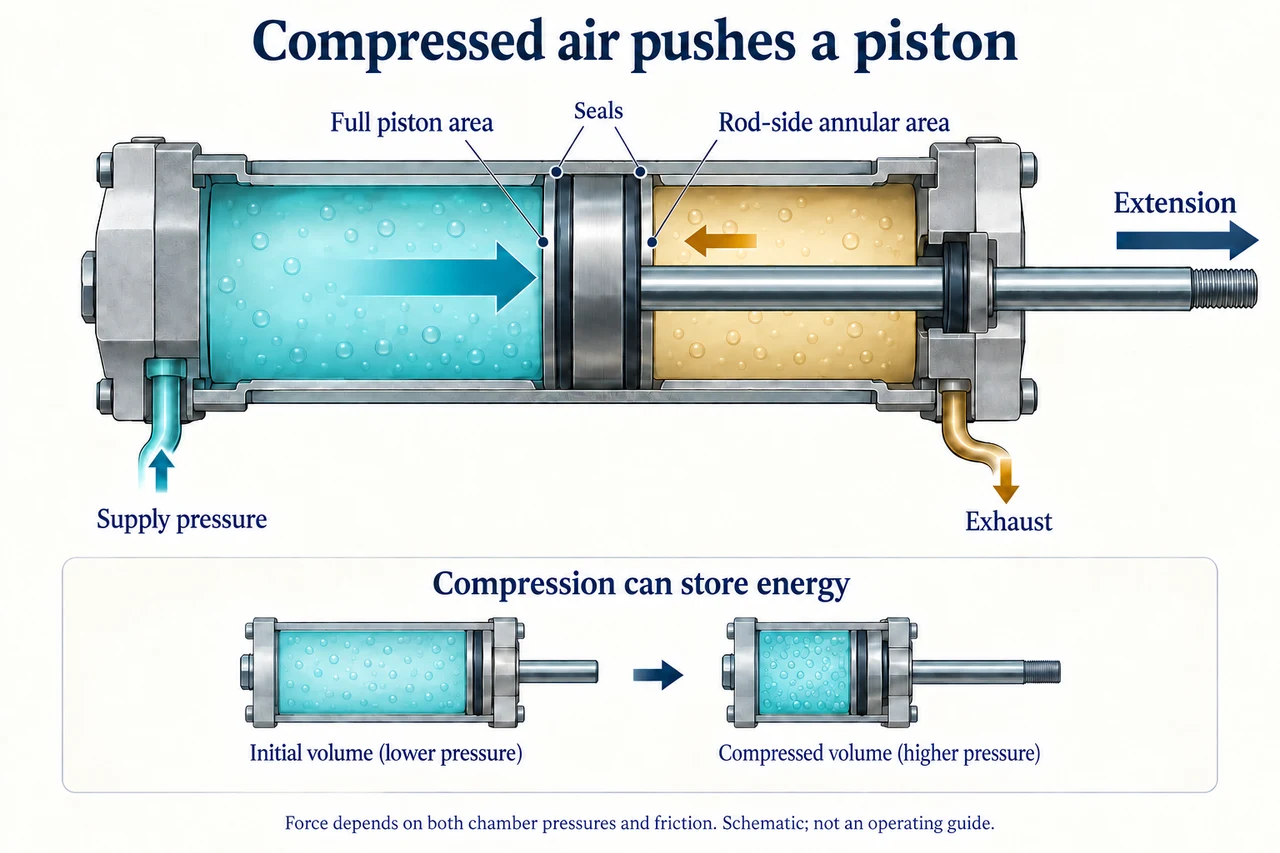
Compressed air is a spring as well as a supply
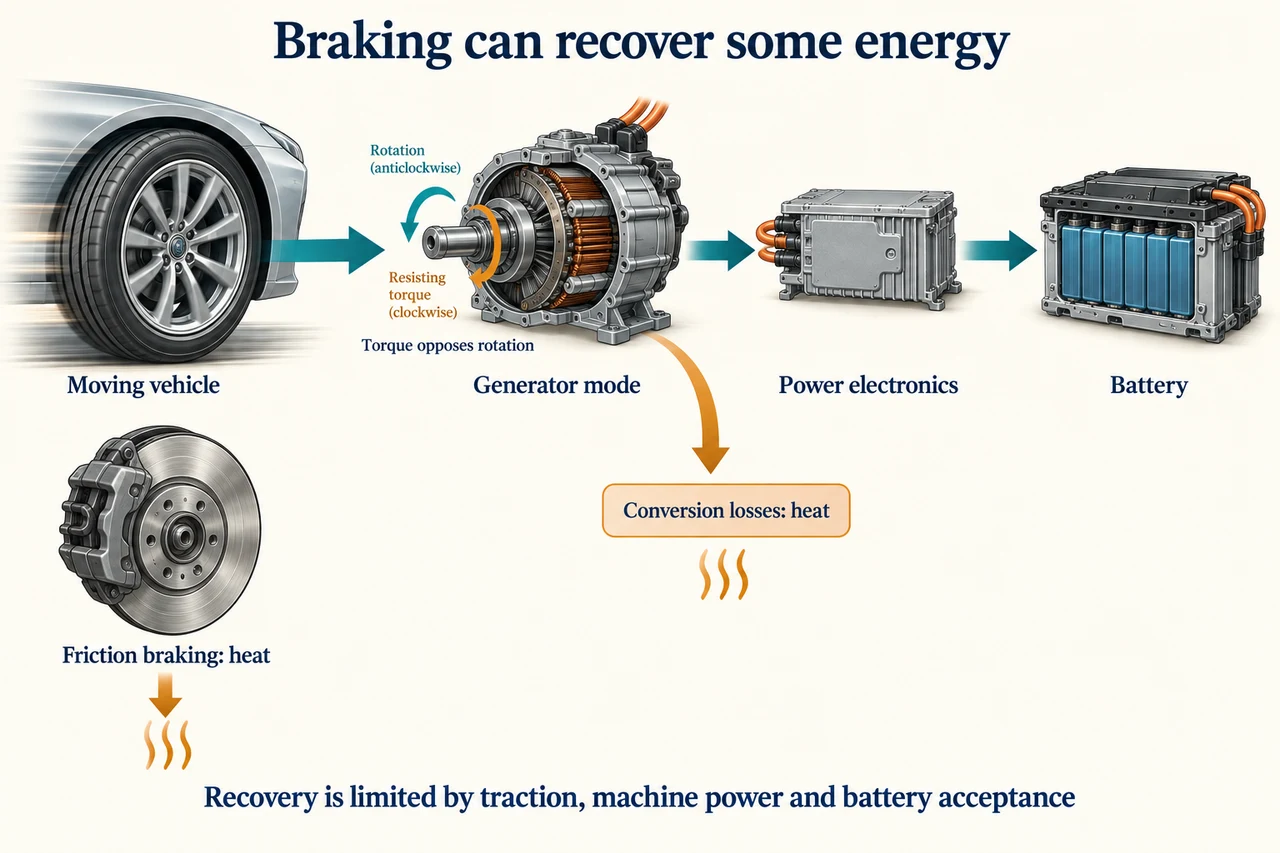
Recovering motion without creating energy
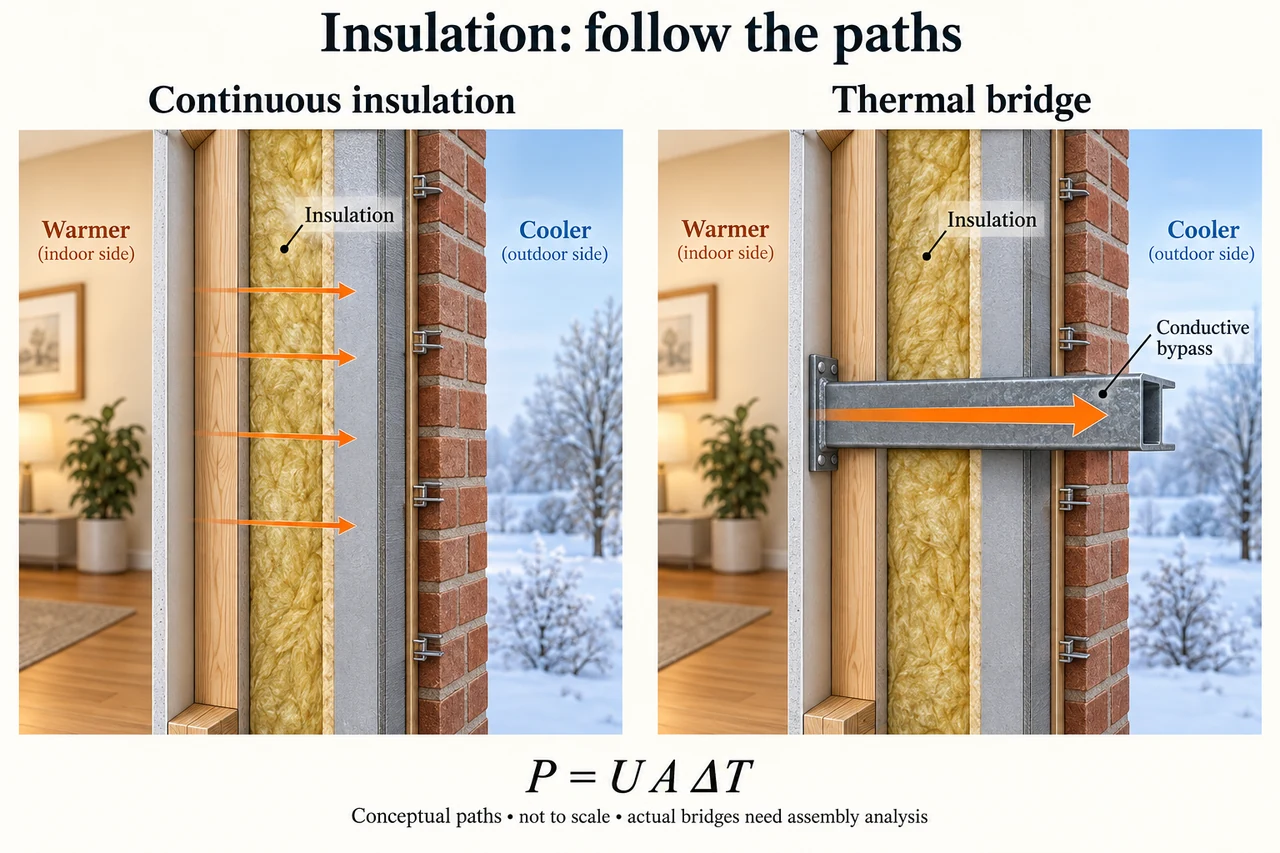
Insulation: follow every path heat can take
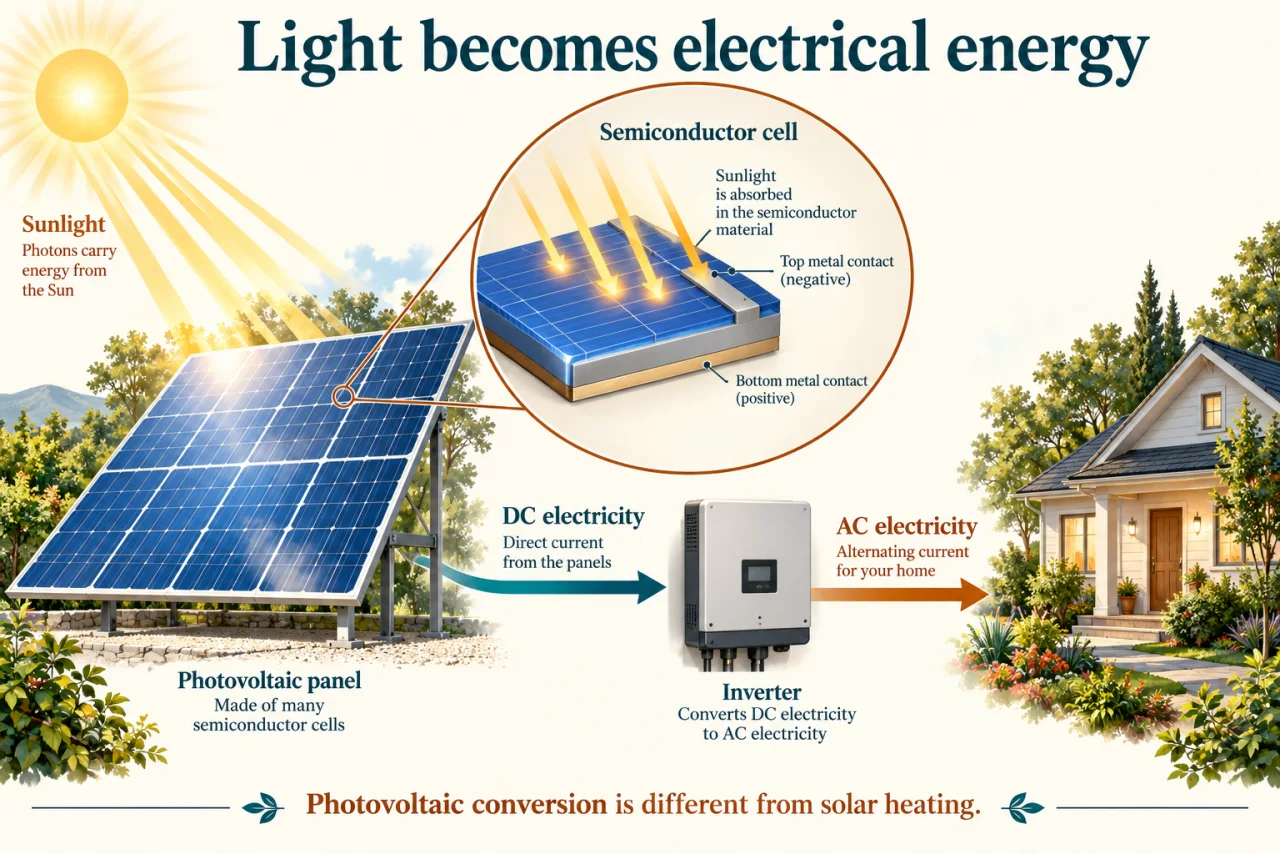
From sunlight to useful electricity
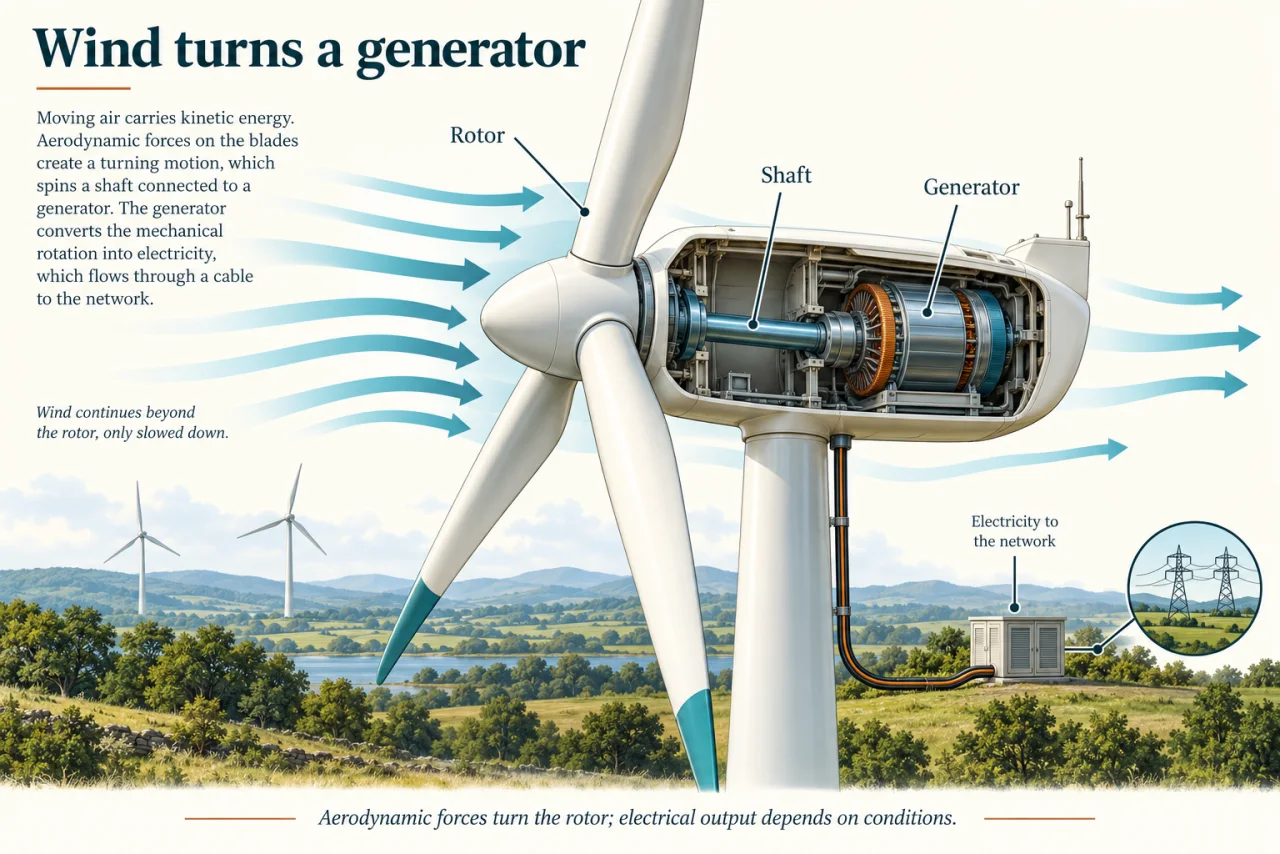
Why moving air can turn a generator
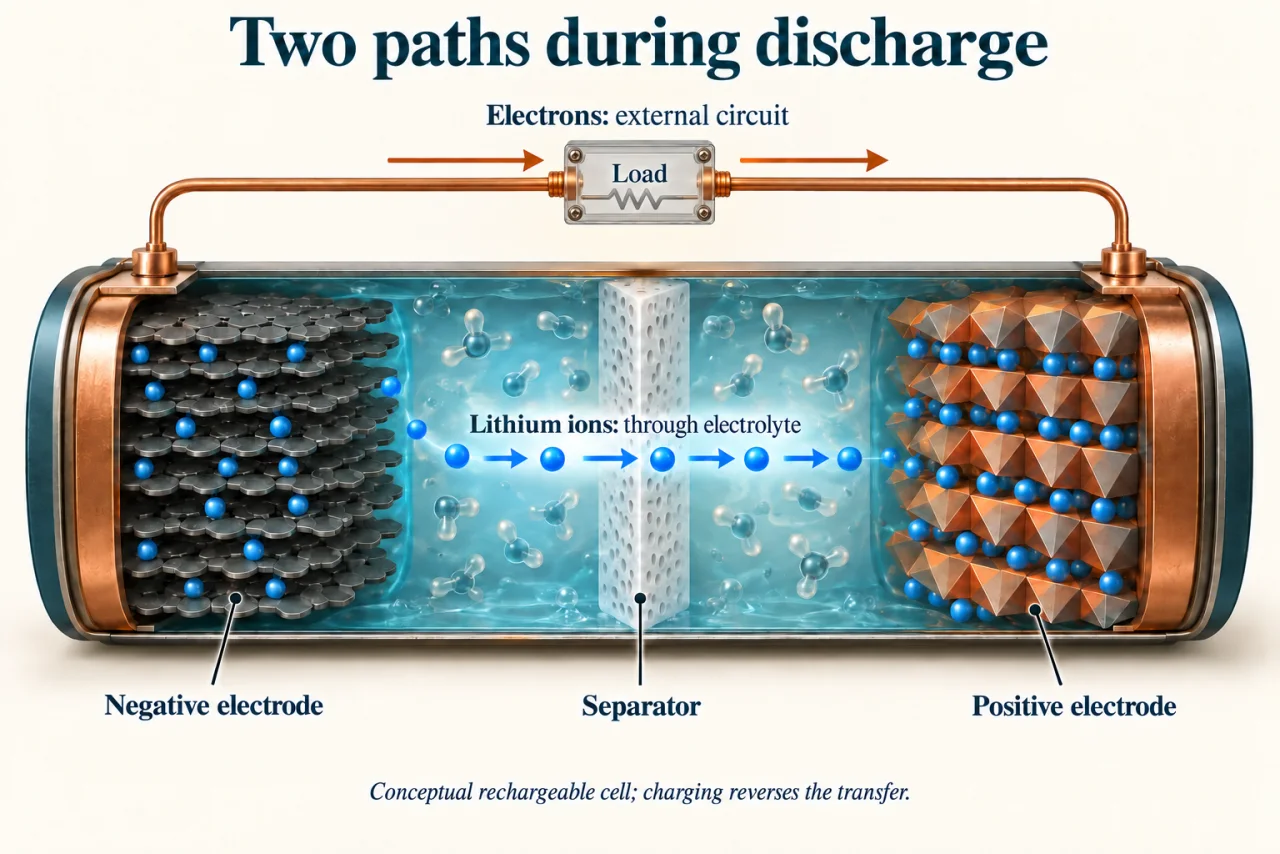
A battery needs two different paths
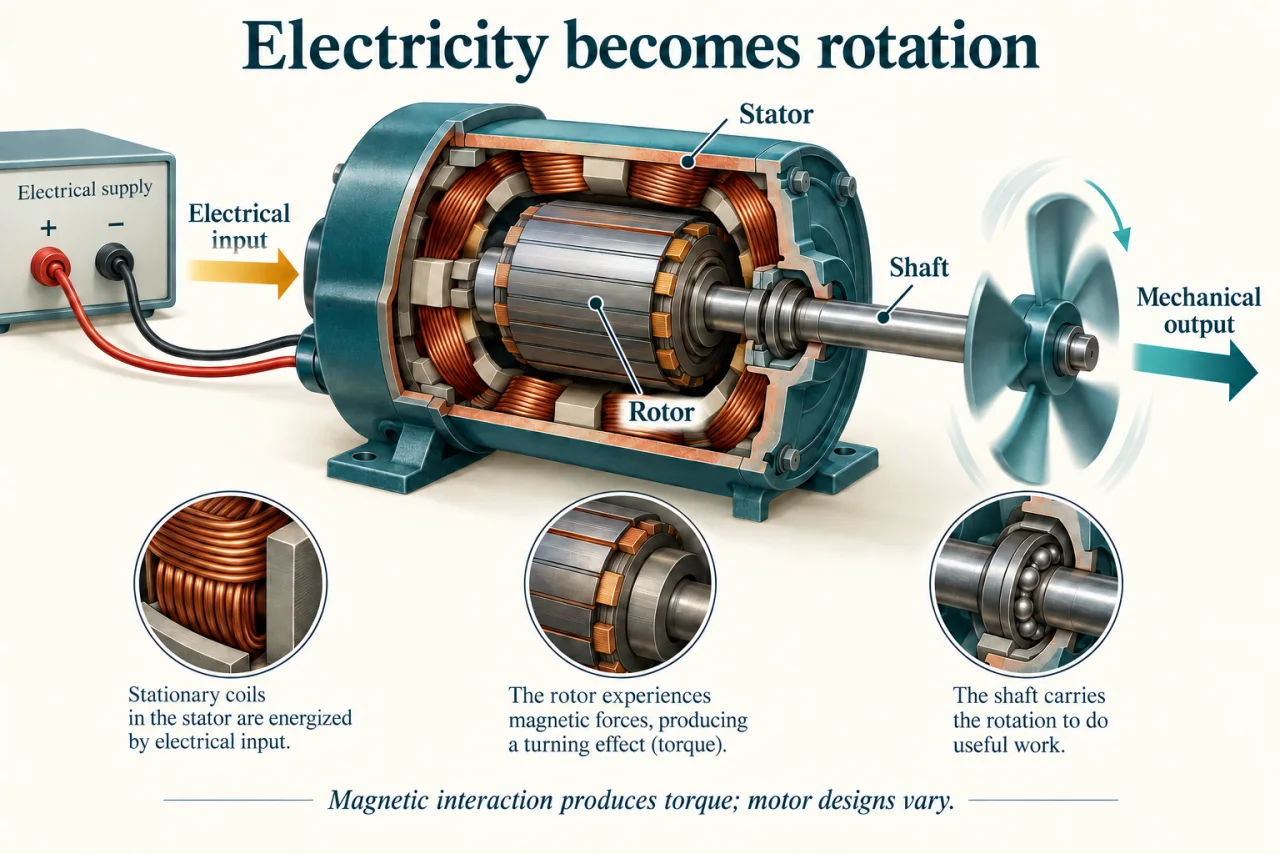
How an electric motor produces torque
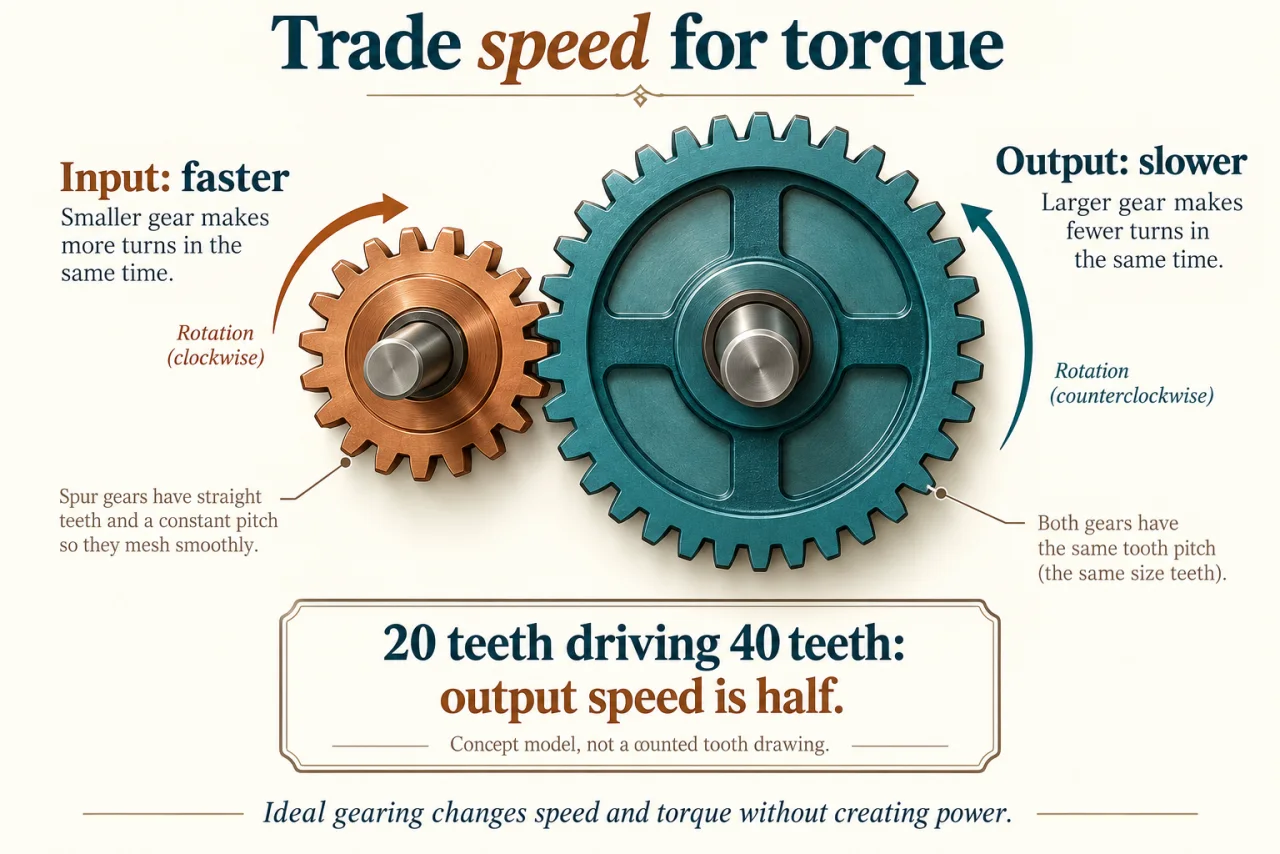
Gears exchange speed for torque
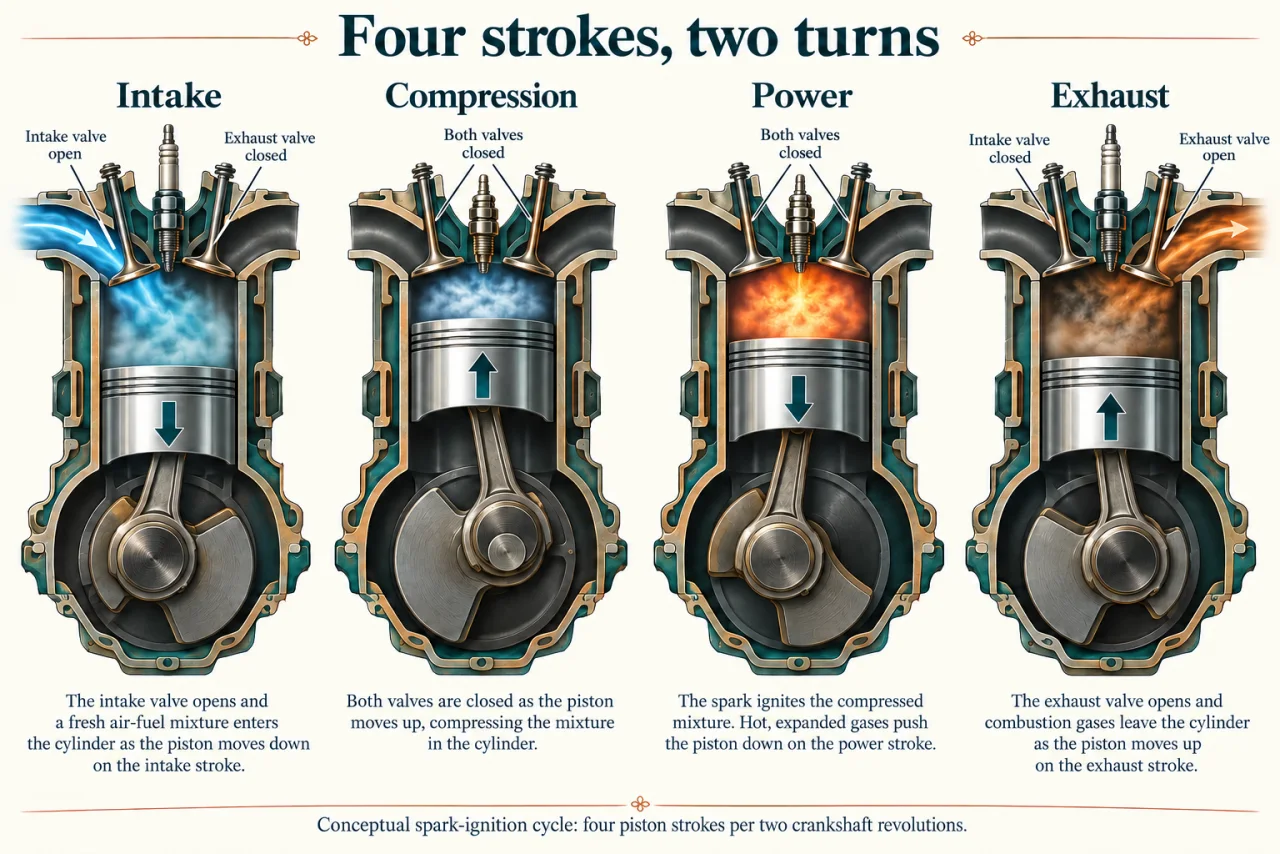
Four piston strokes make one engine cycle
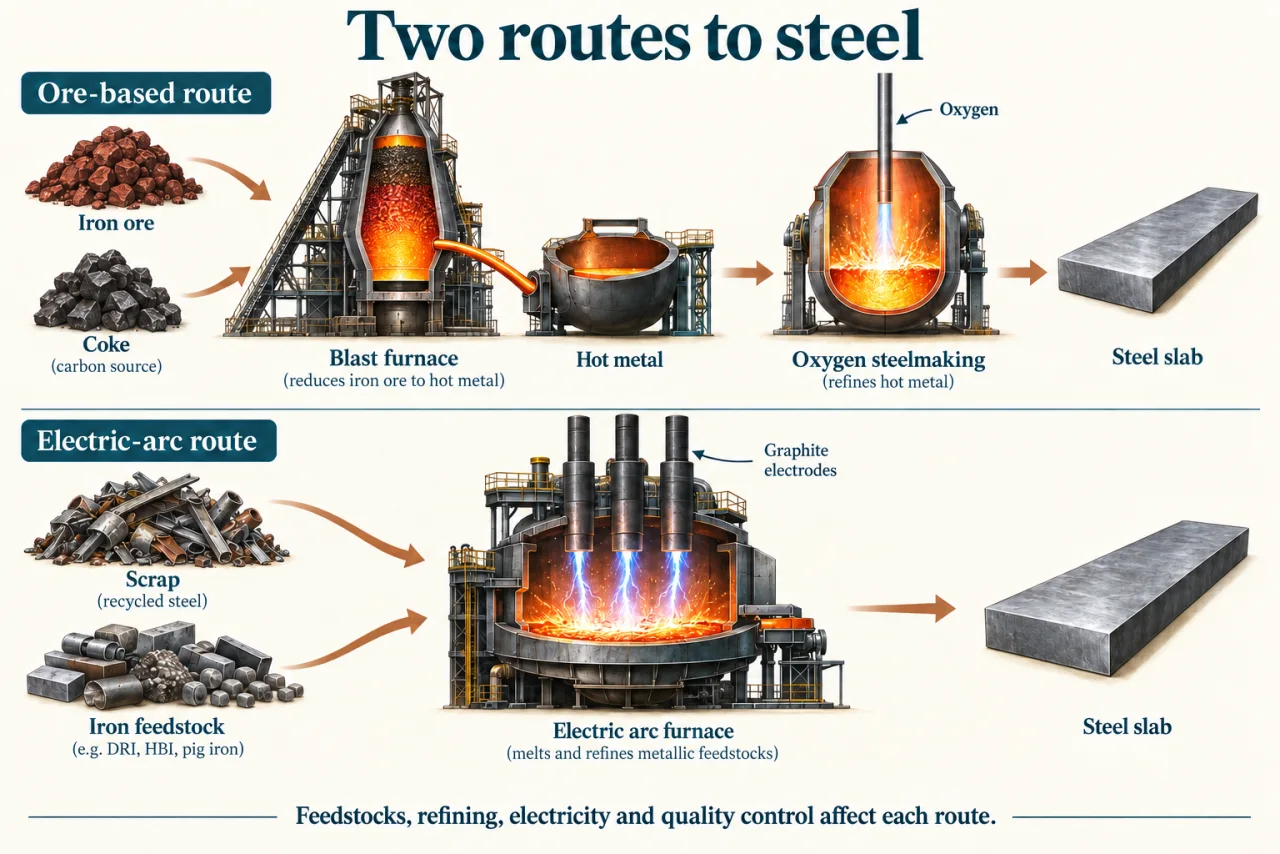
From iron-bearing feedstocks to useful steel
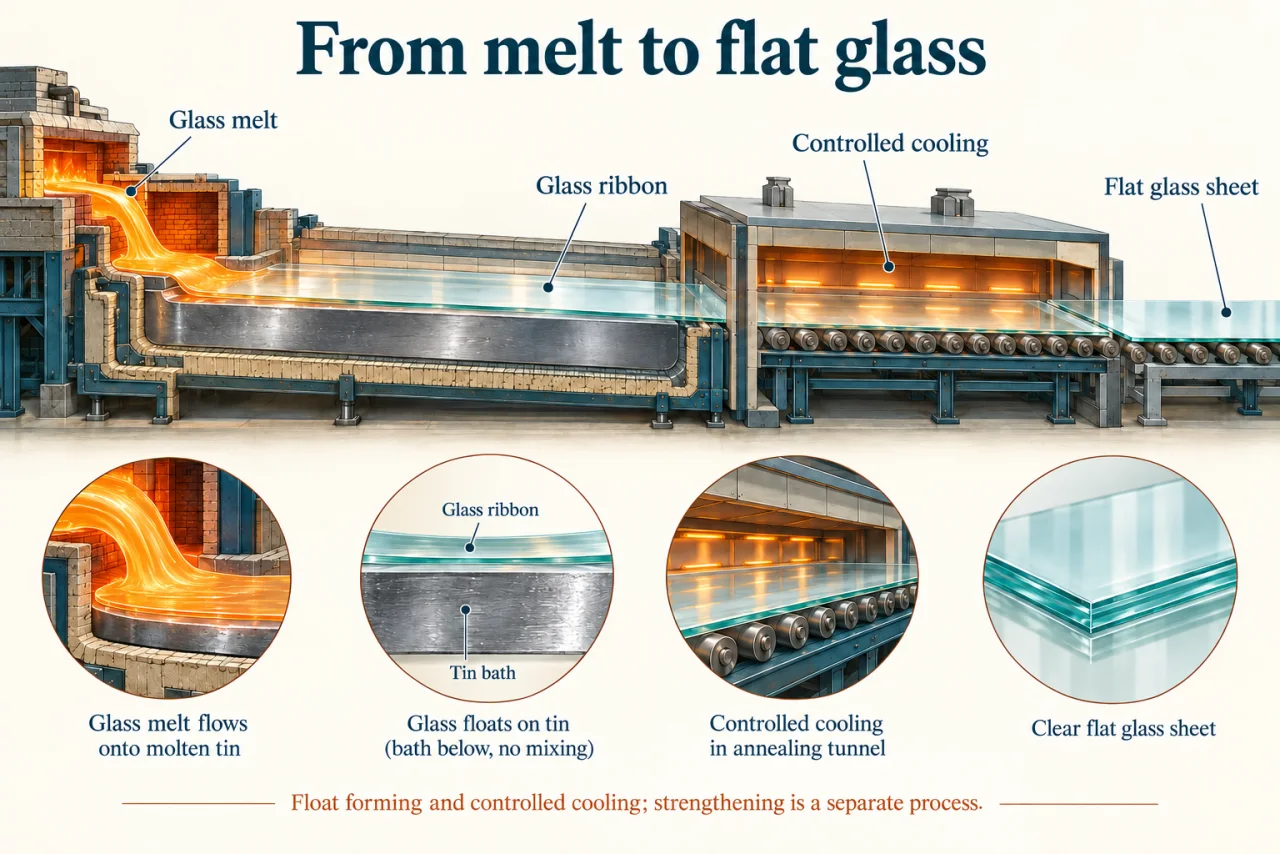
Making flat glass and controlling its stress
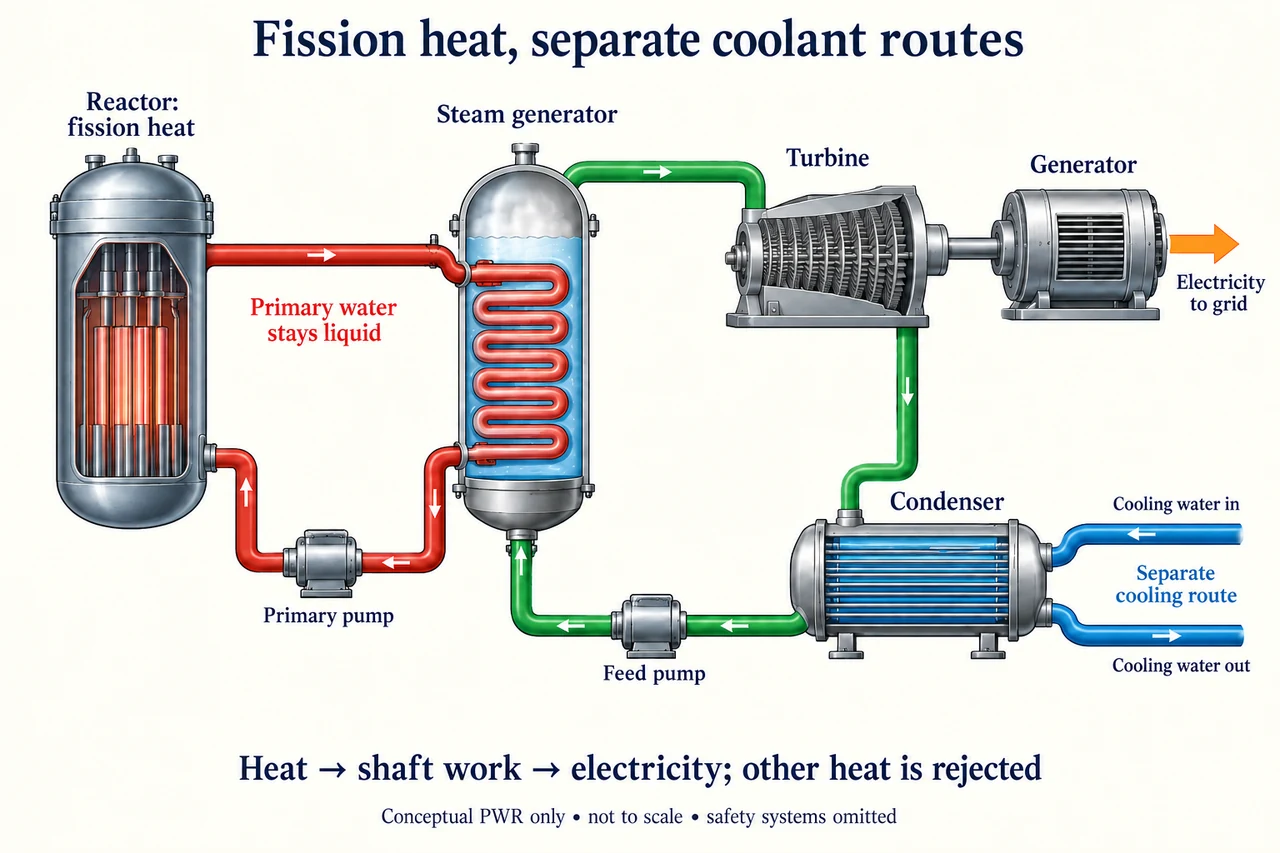
Nuclear electricity: fission heat and three separate routes
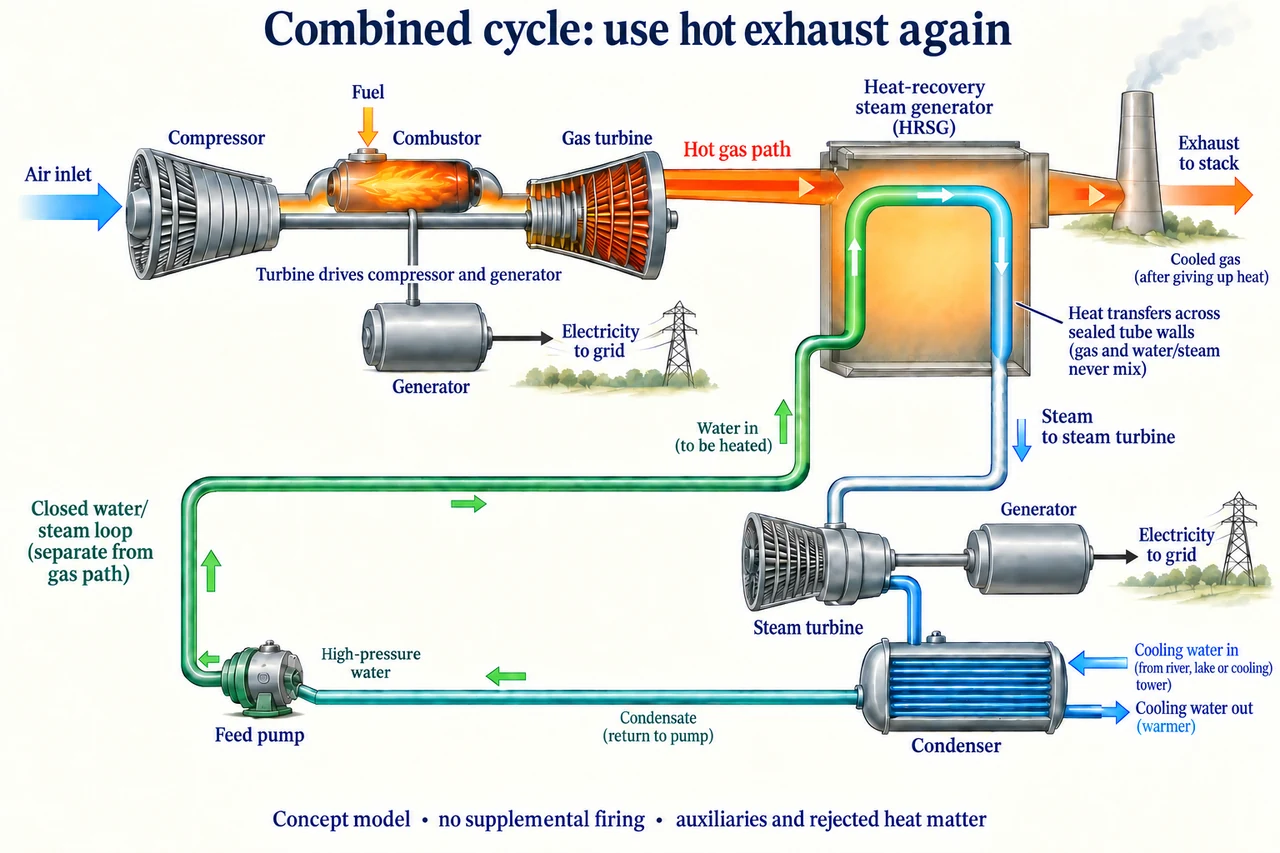
Combined-cycle turbines: useful exhaust, counted once
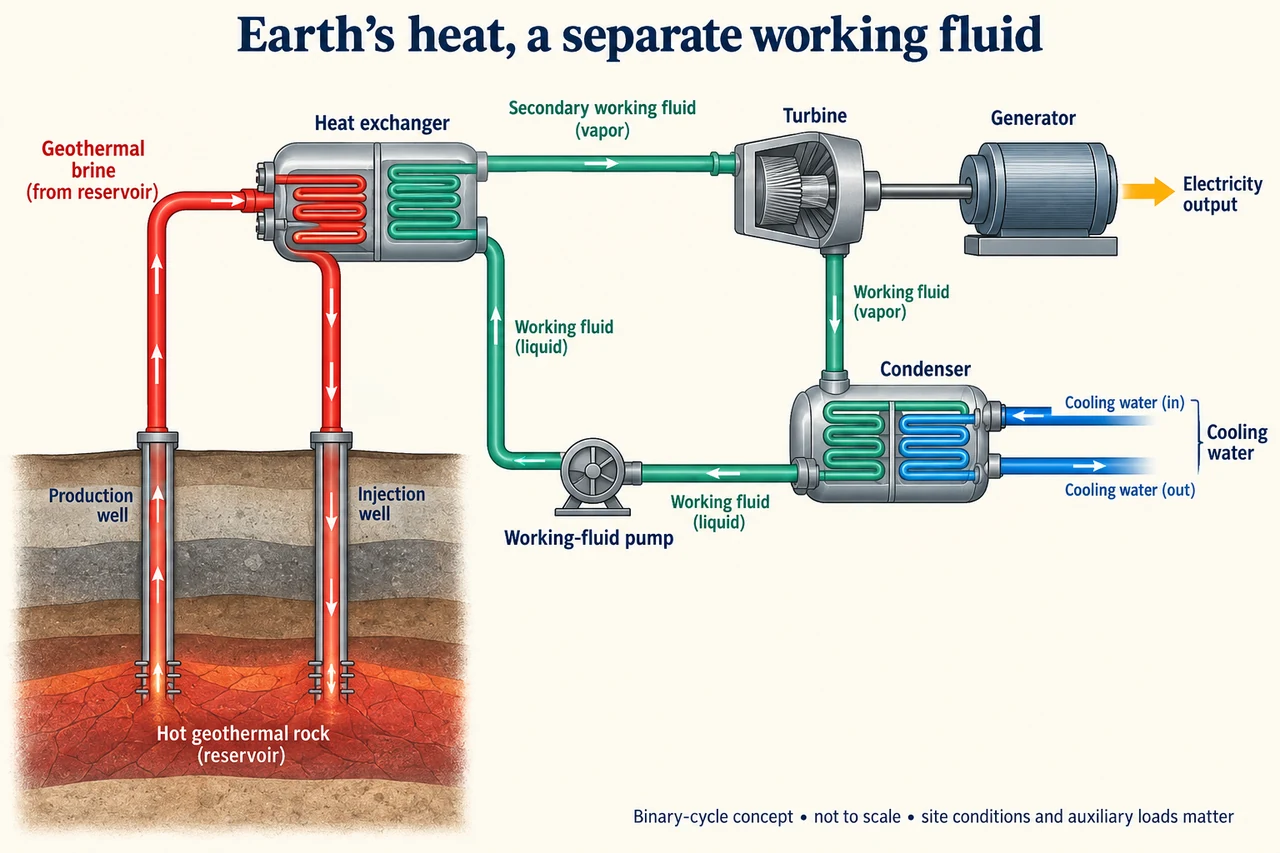
Geothermal power: heat flow, working fluid and net output
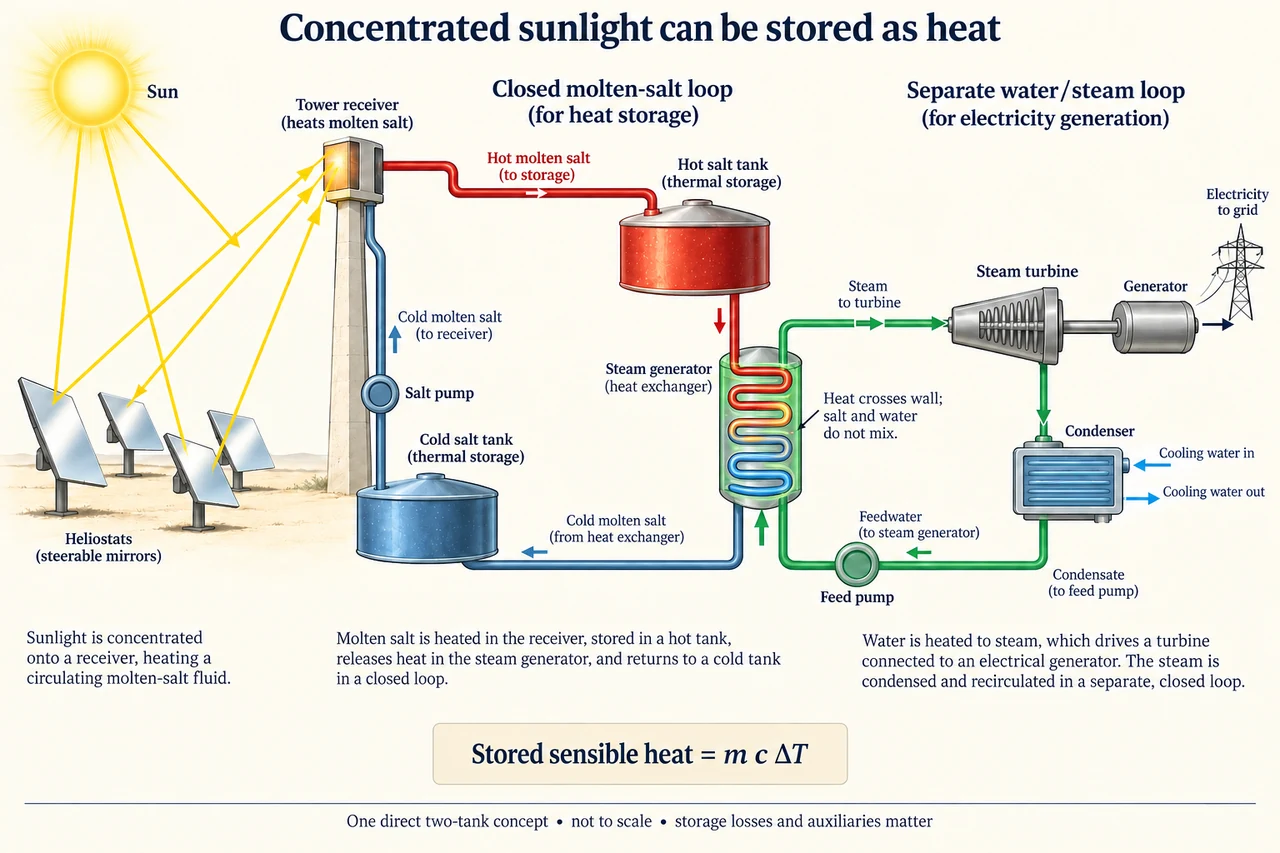
Concentrating solar thermal: collect heat, then choose when to use it
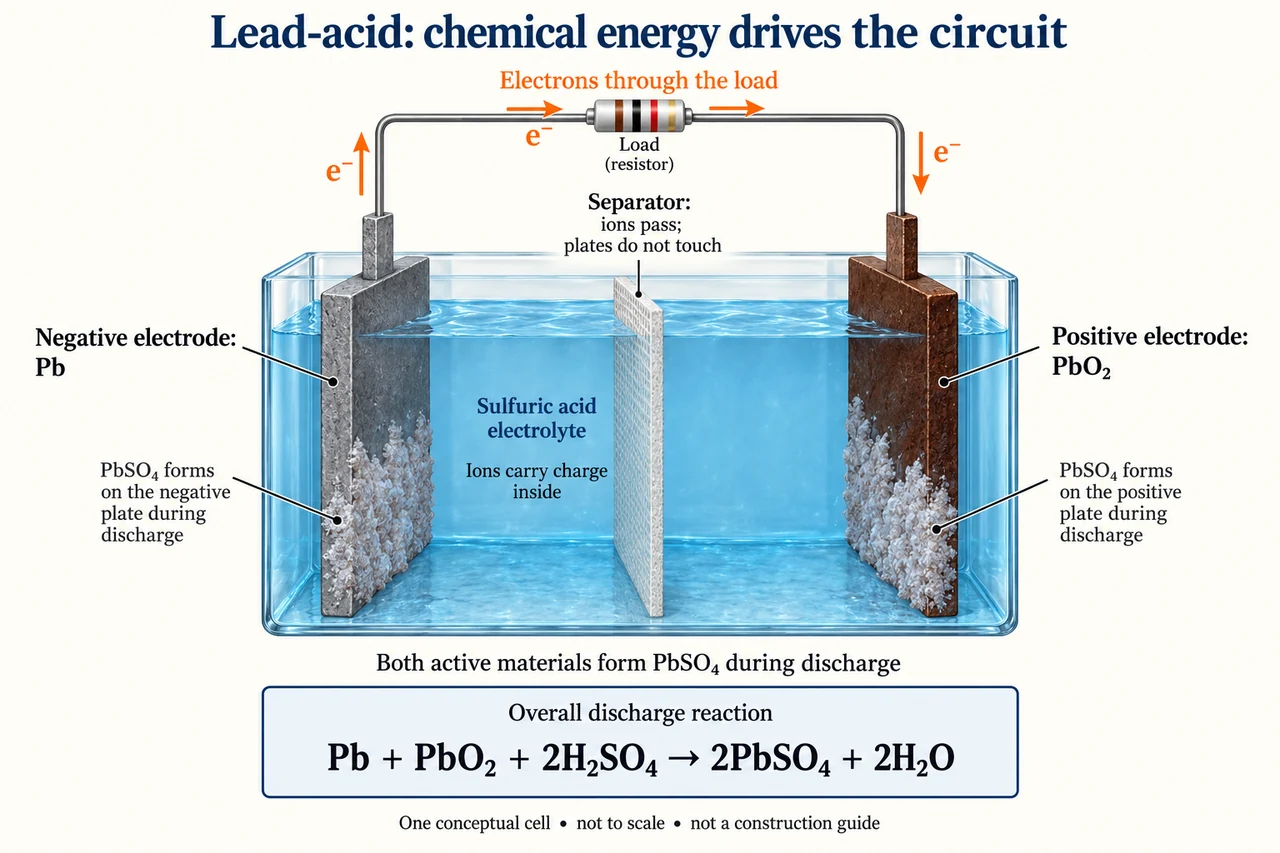
Lead-acid batteries: charge, chemistry and the load
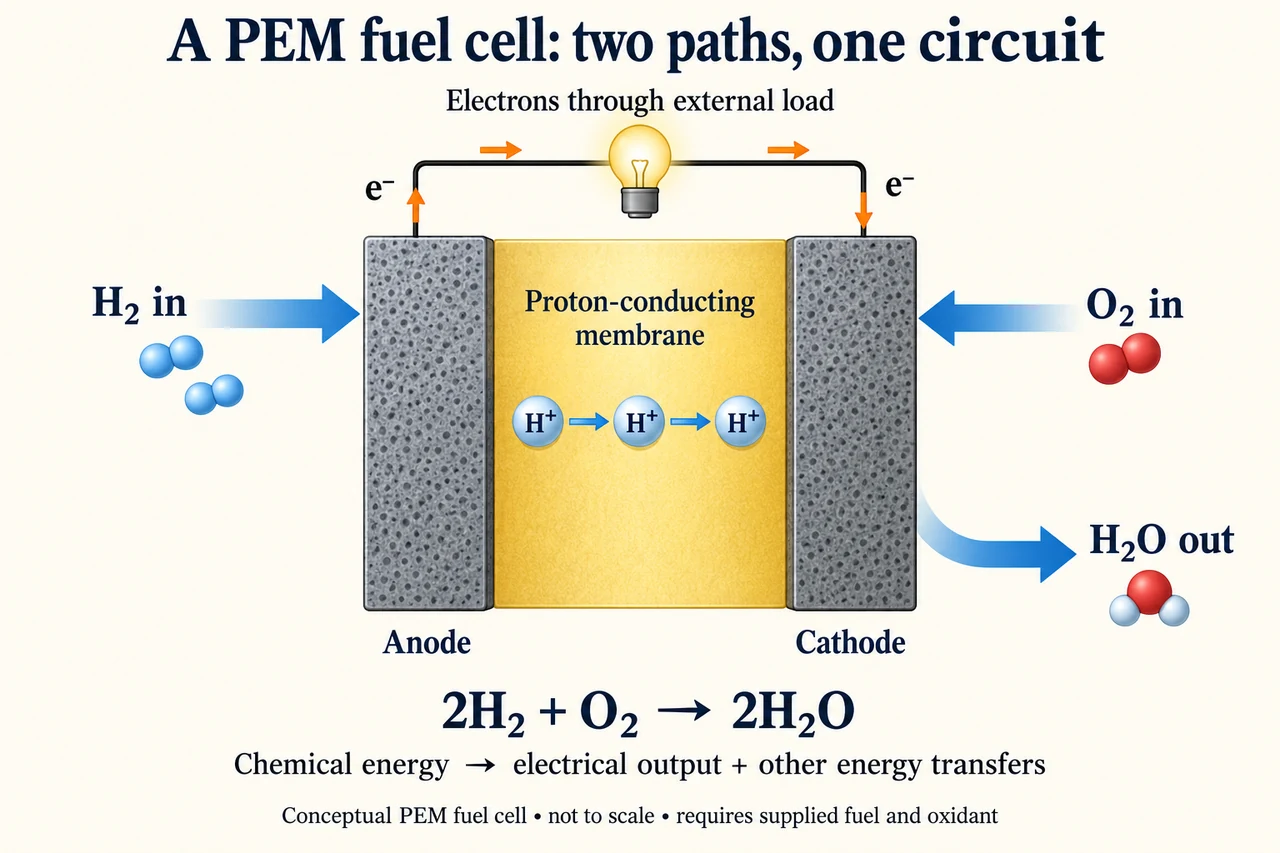
Hydrogen: separate electrons from the ionic route
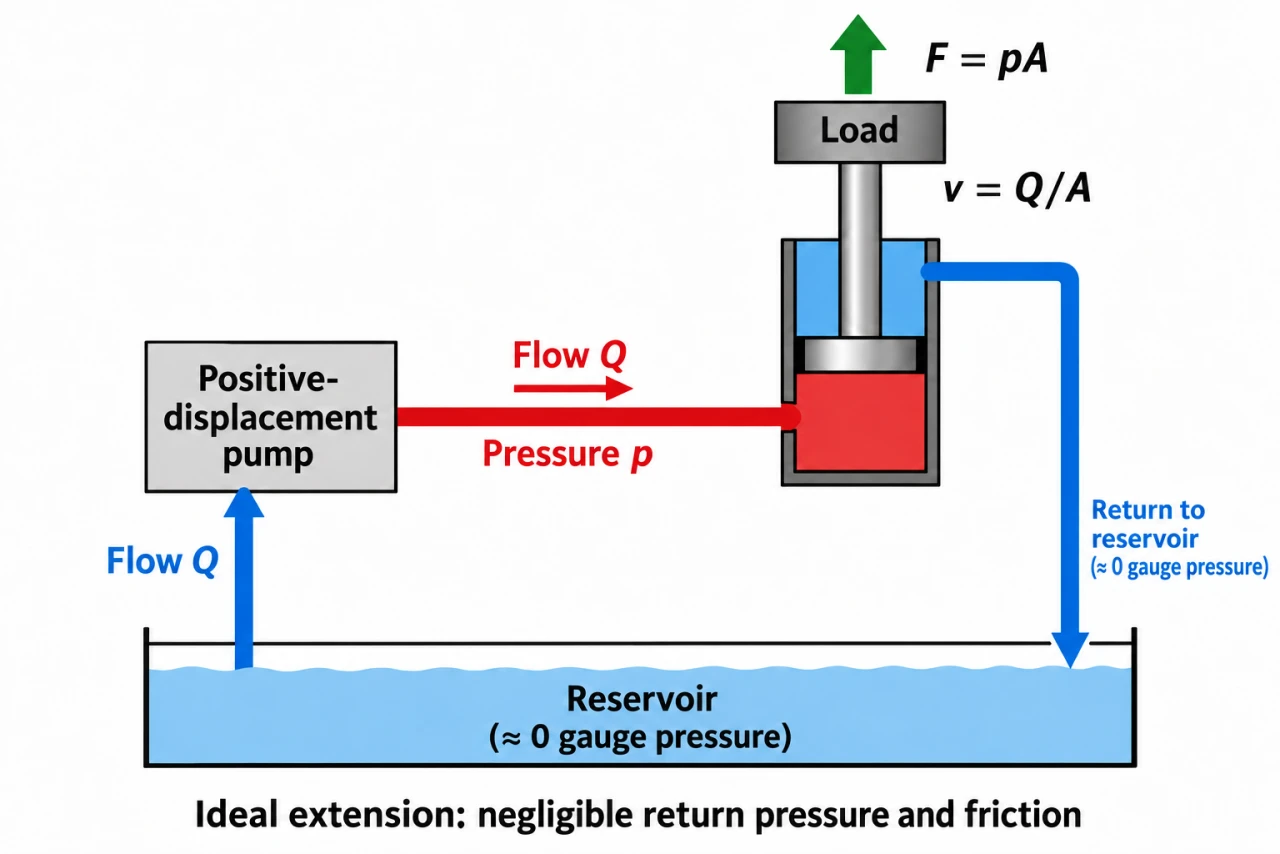
Hydraulic actuators: force, flow and the pump behind them
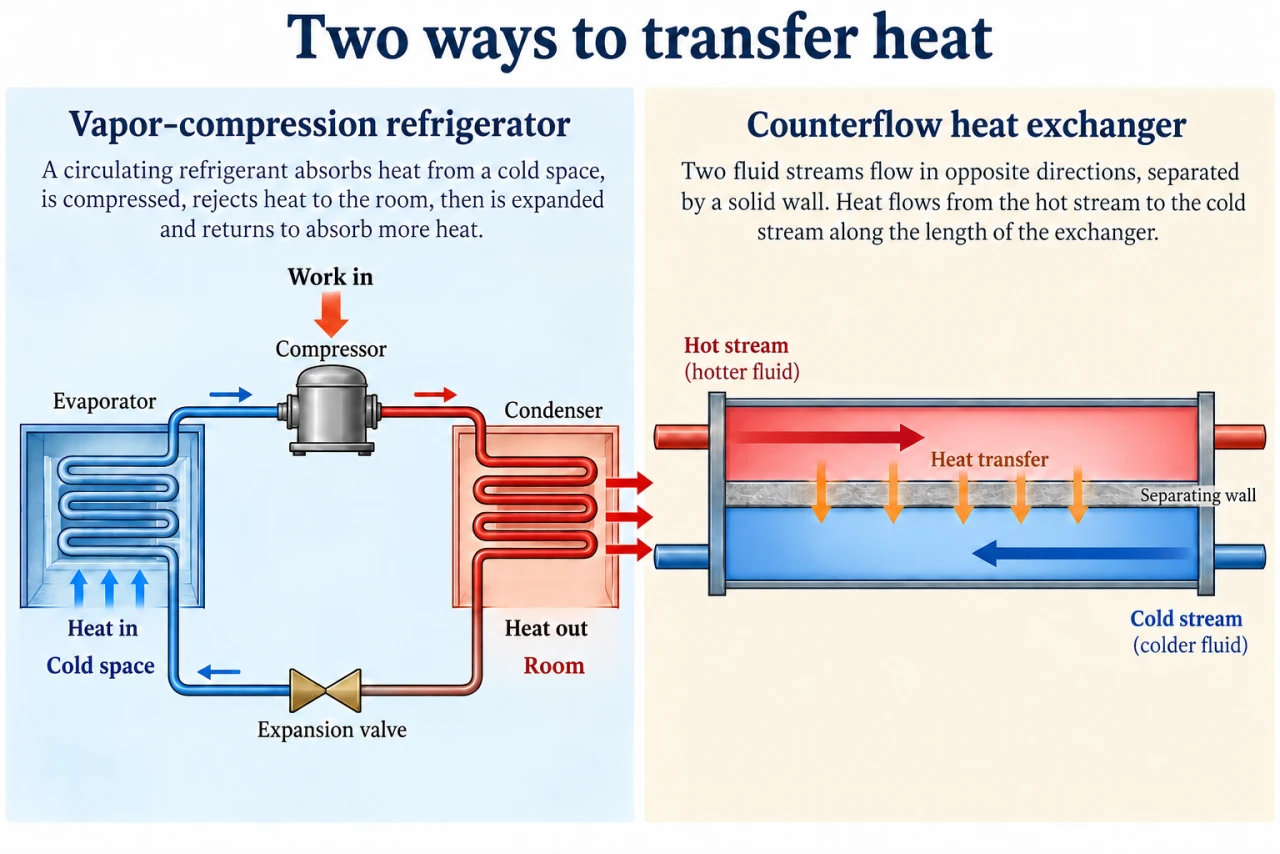
Refrigerators: moving heat through a cycle
Heat exchangers: recovering heat without mixing streams
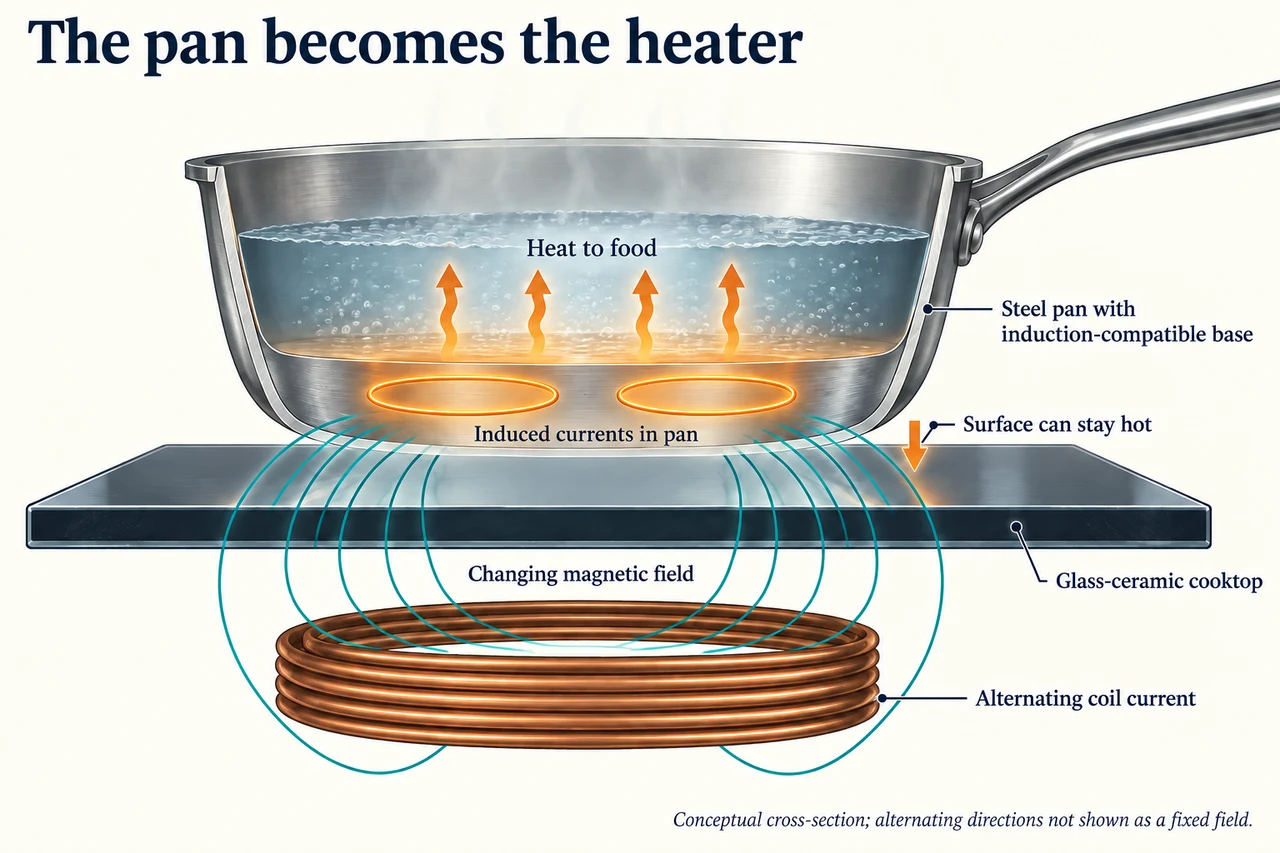
The pan becomes the heater
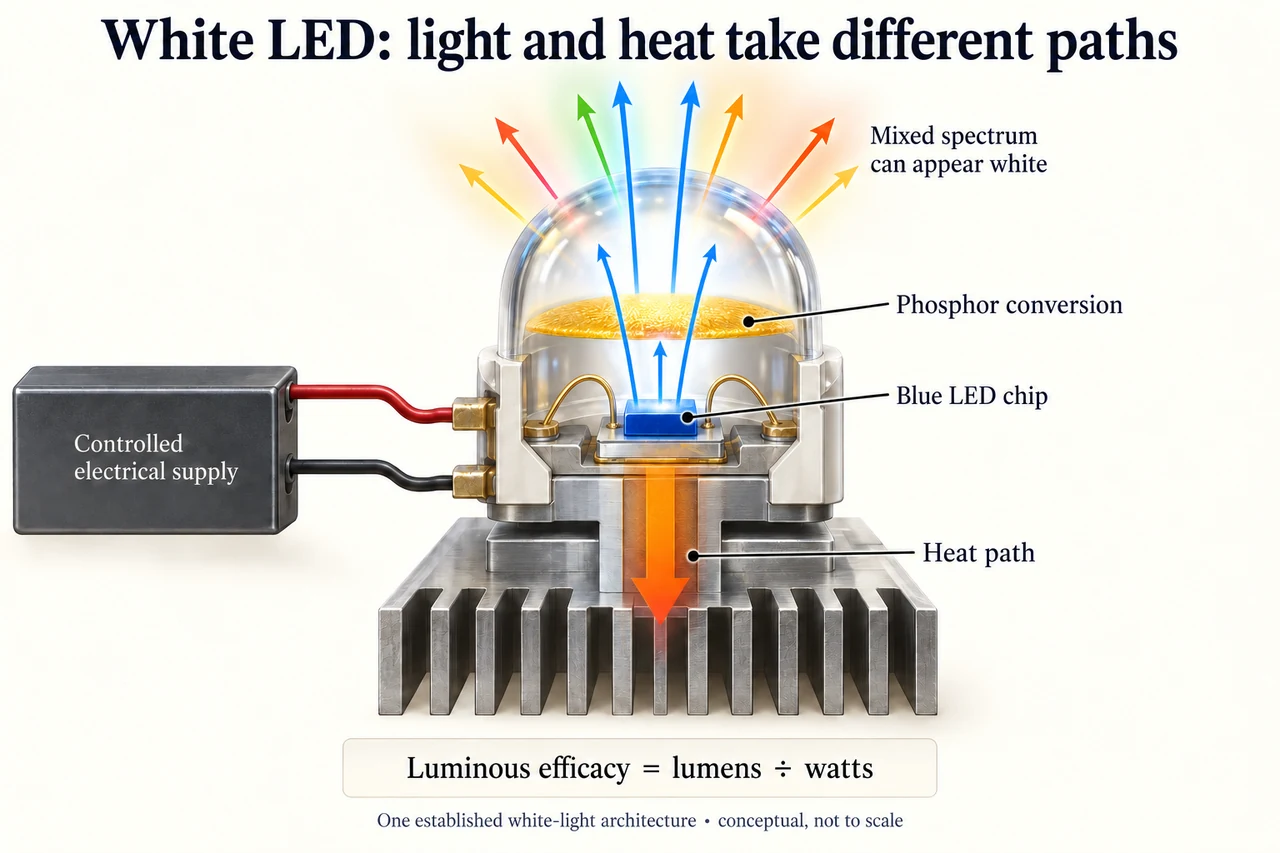
LED light: recombination, colour and the complete lamp
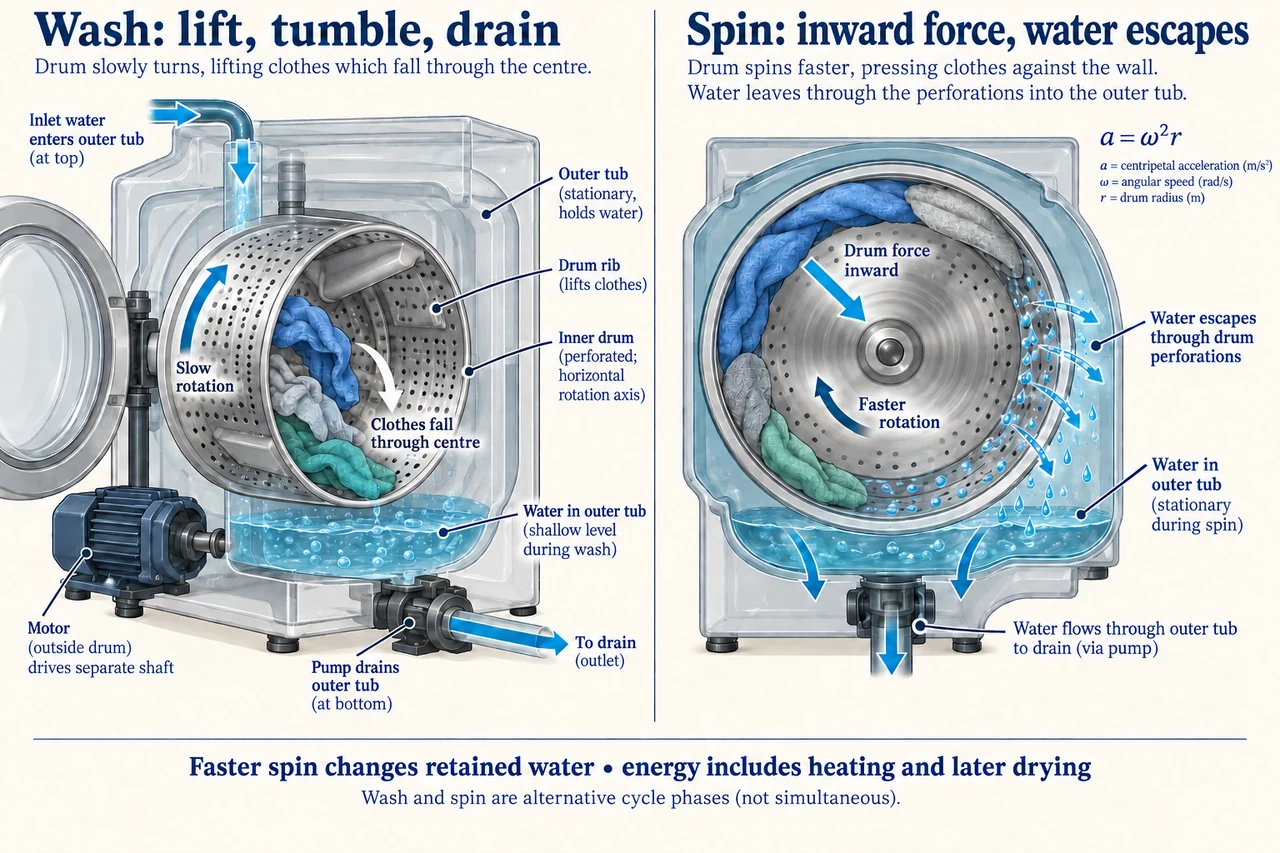
Washing machines: cleaning motion, spin and the next appliance
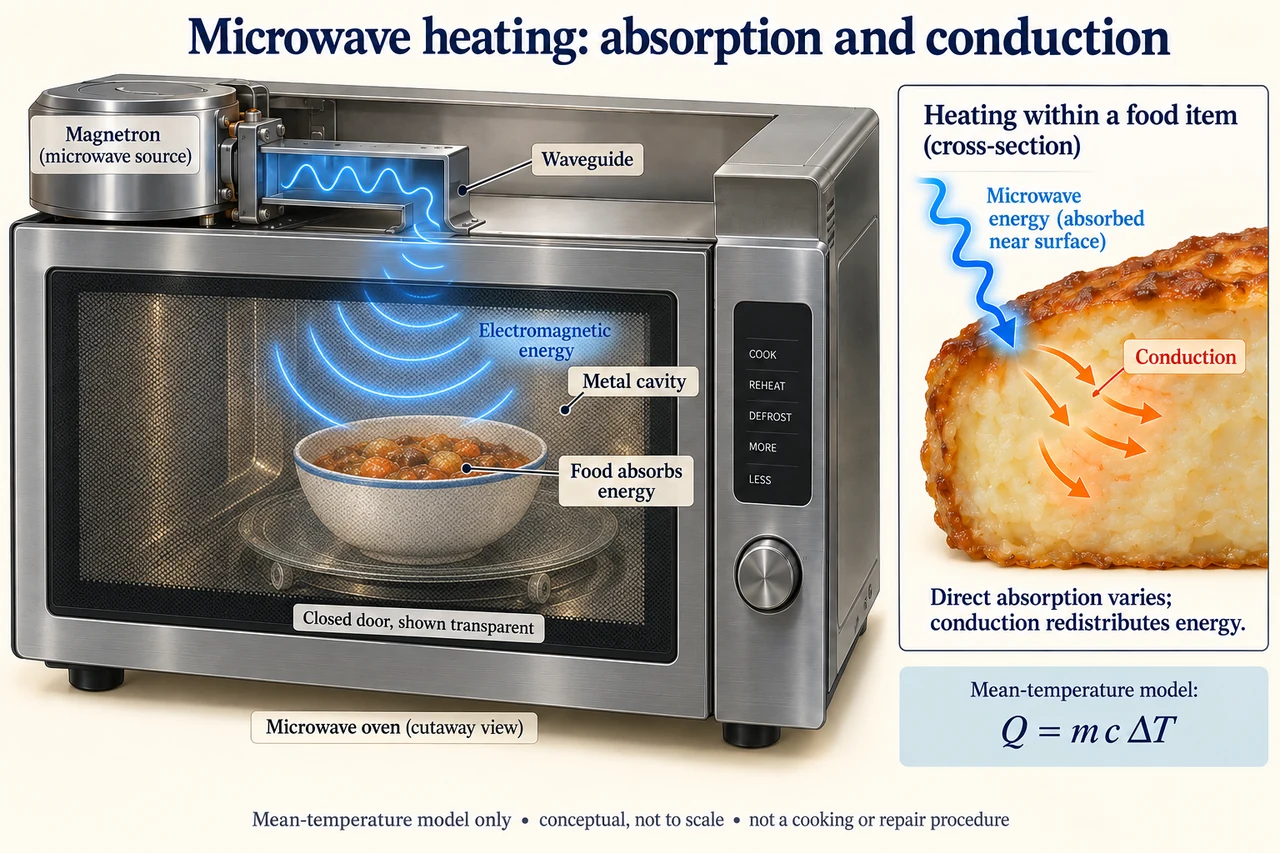
Microwave heating: absorption is not inside-out cooking
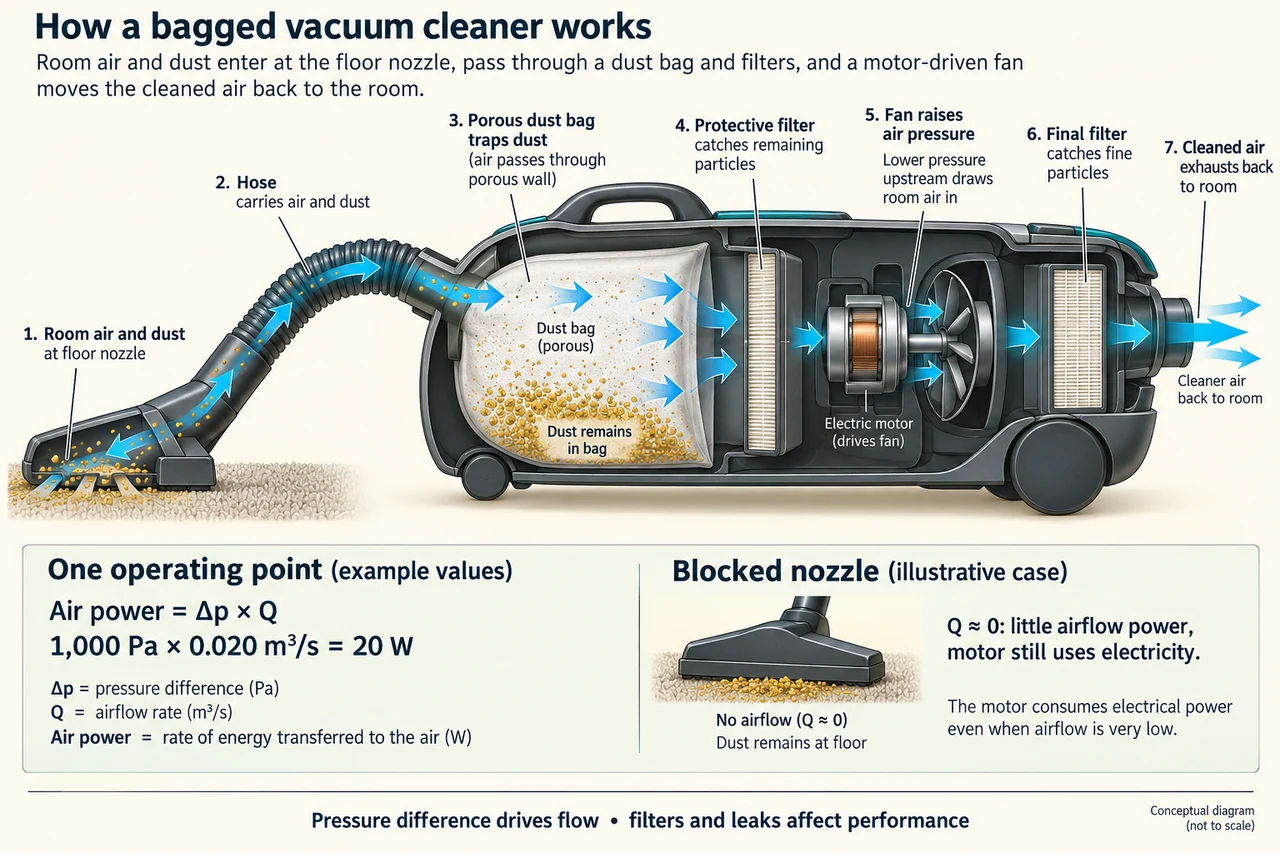
Vacuum cleaners: pressure, flow and particle capture
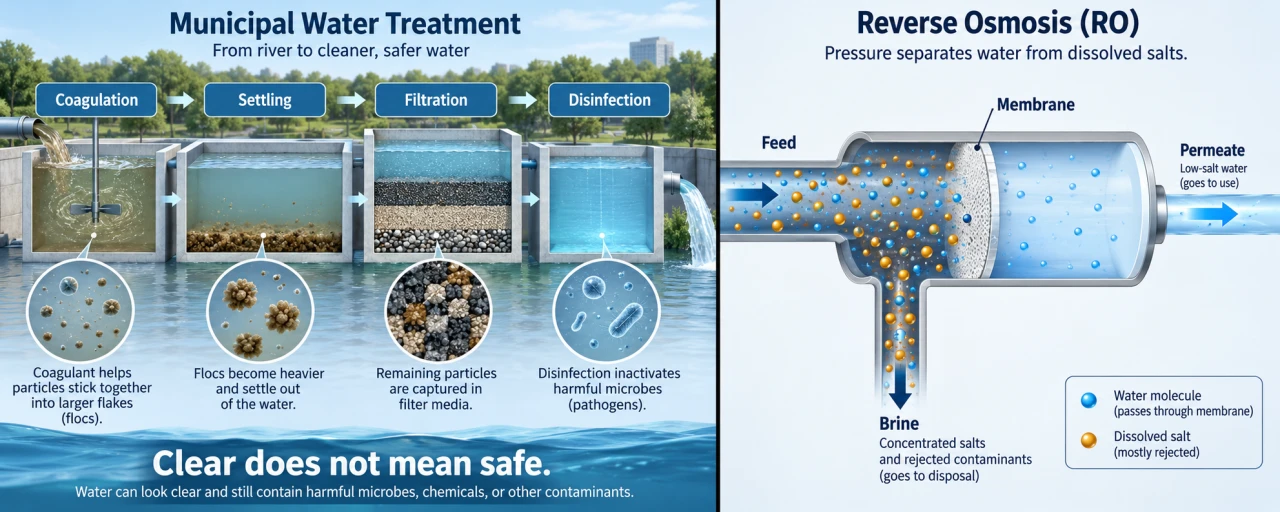
Water purification: barriers remove different things
Reverse osmosis: separating water and concentrating a remainder
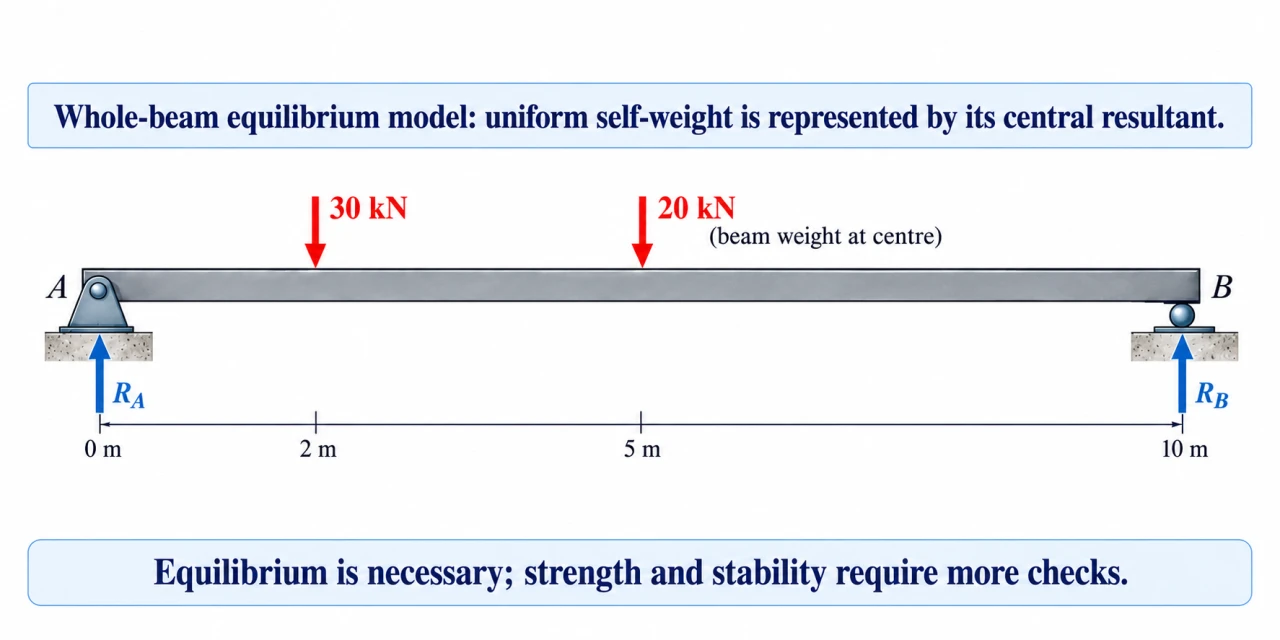
Bridges: trace forces before judging strength
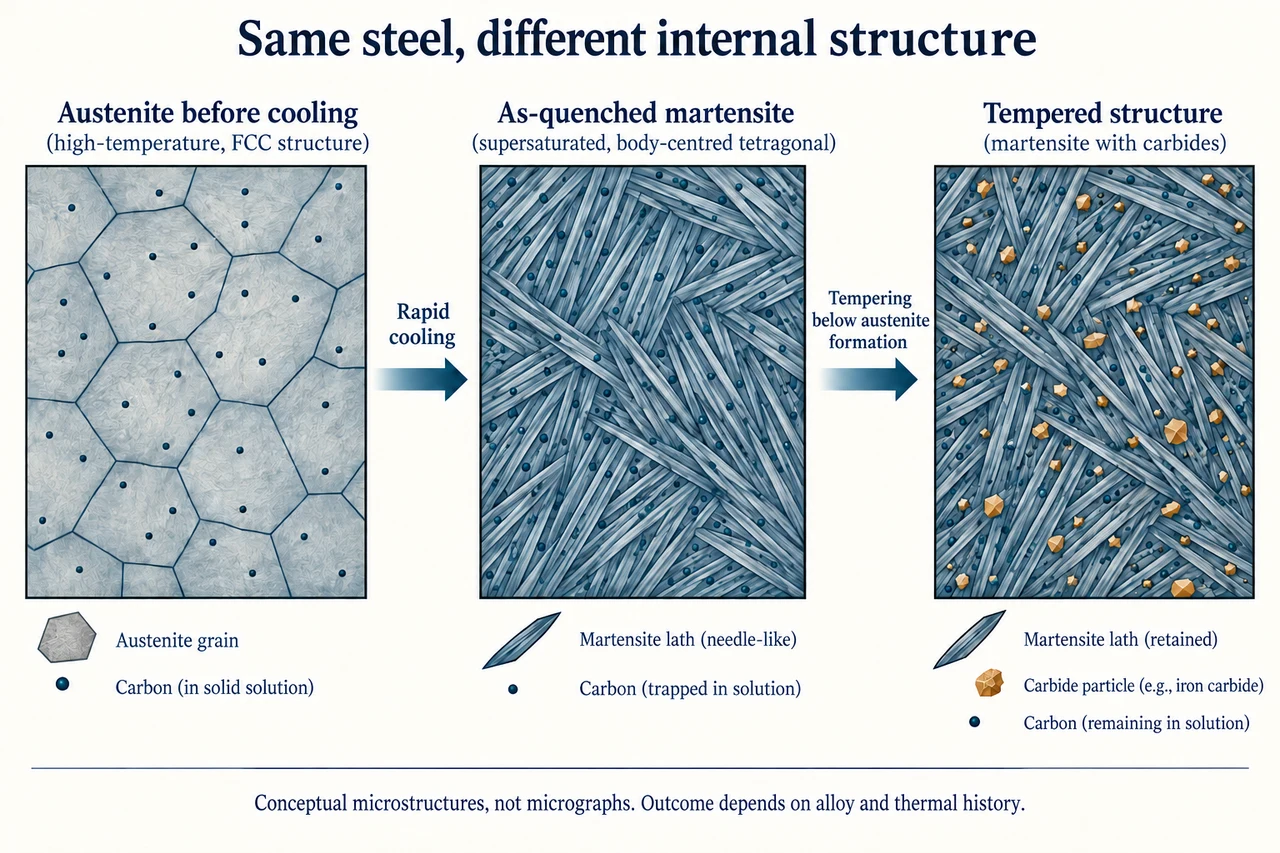
Why the same steel can behave differently
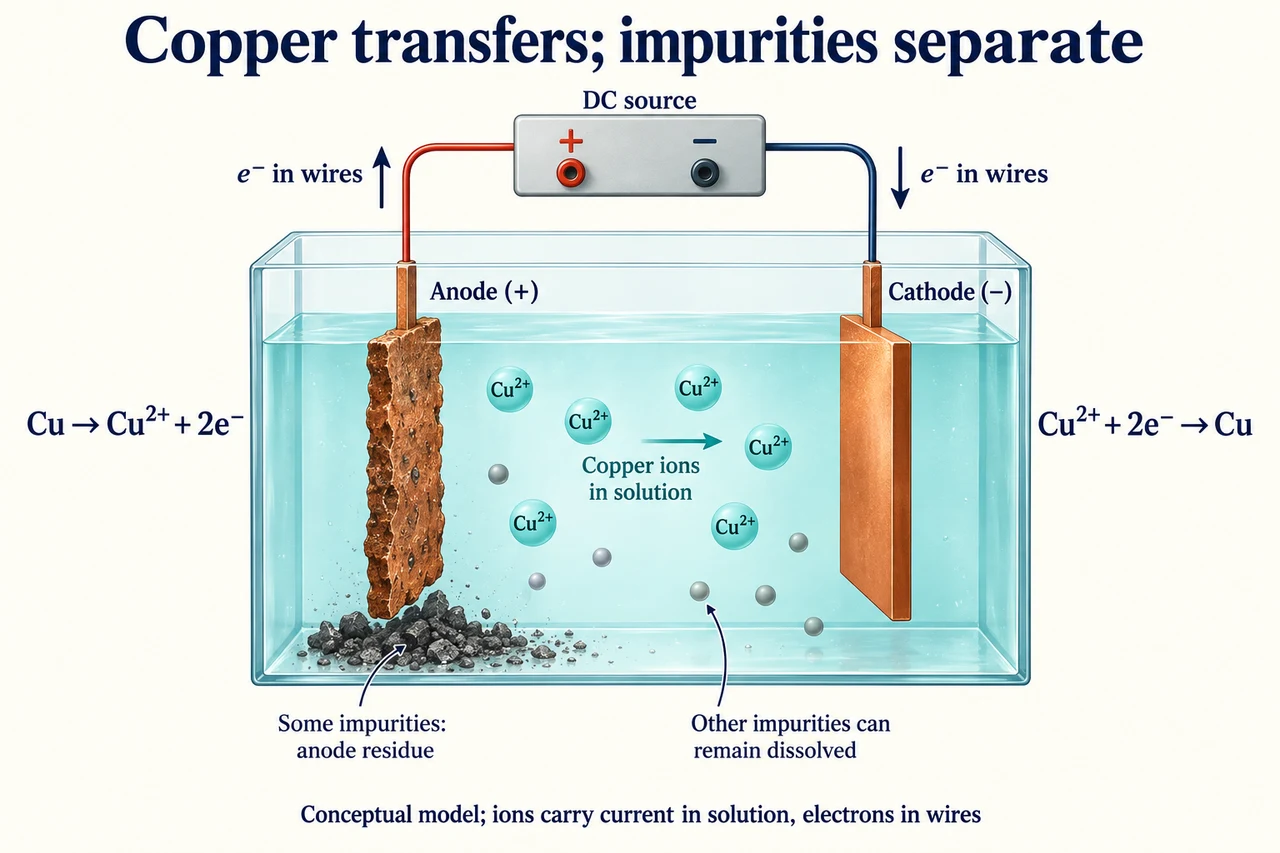
Copper moves through a different form
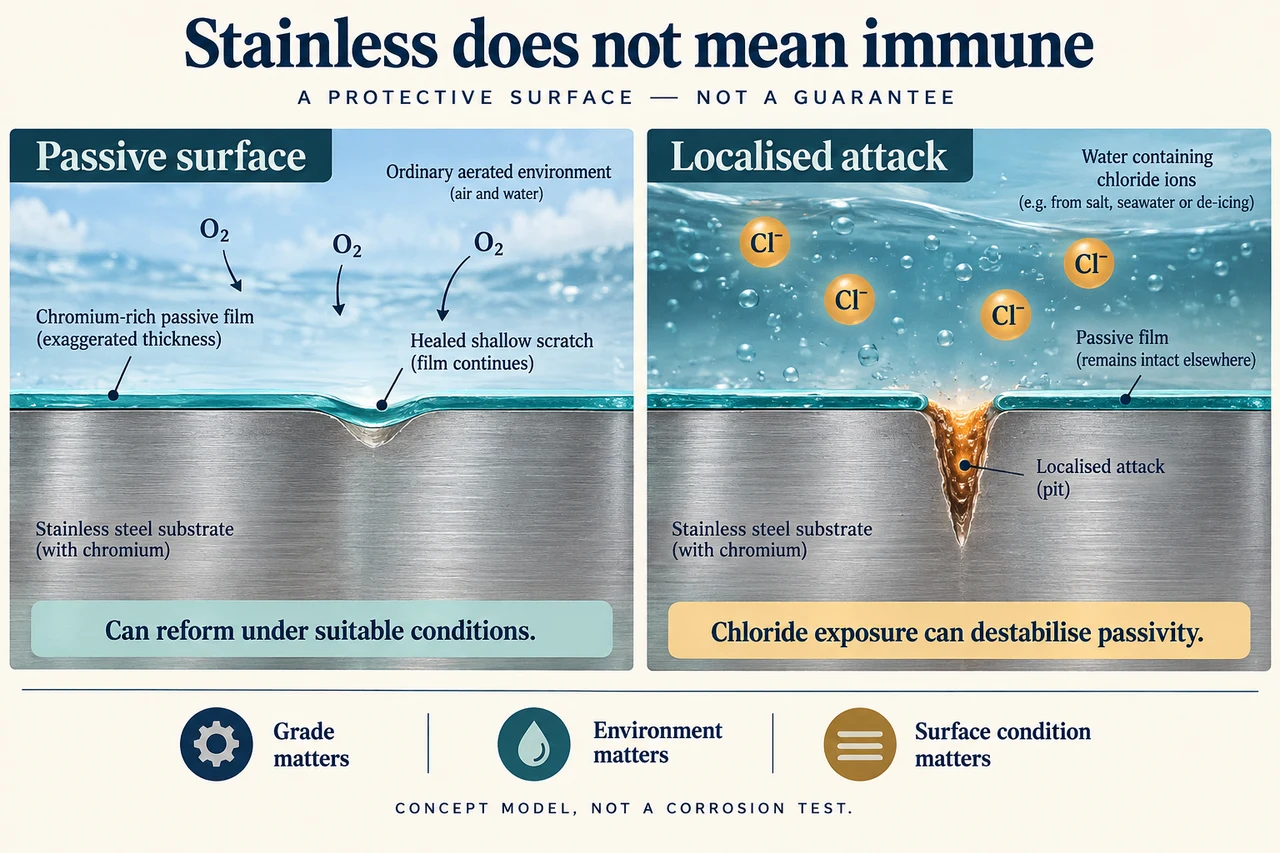
Why stainless steel can still corrode
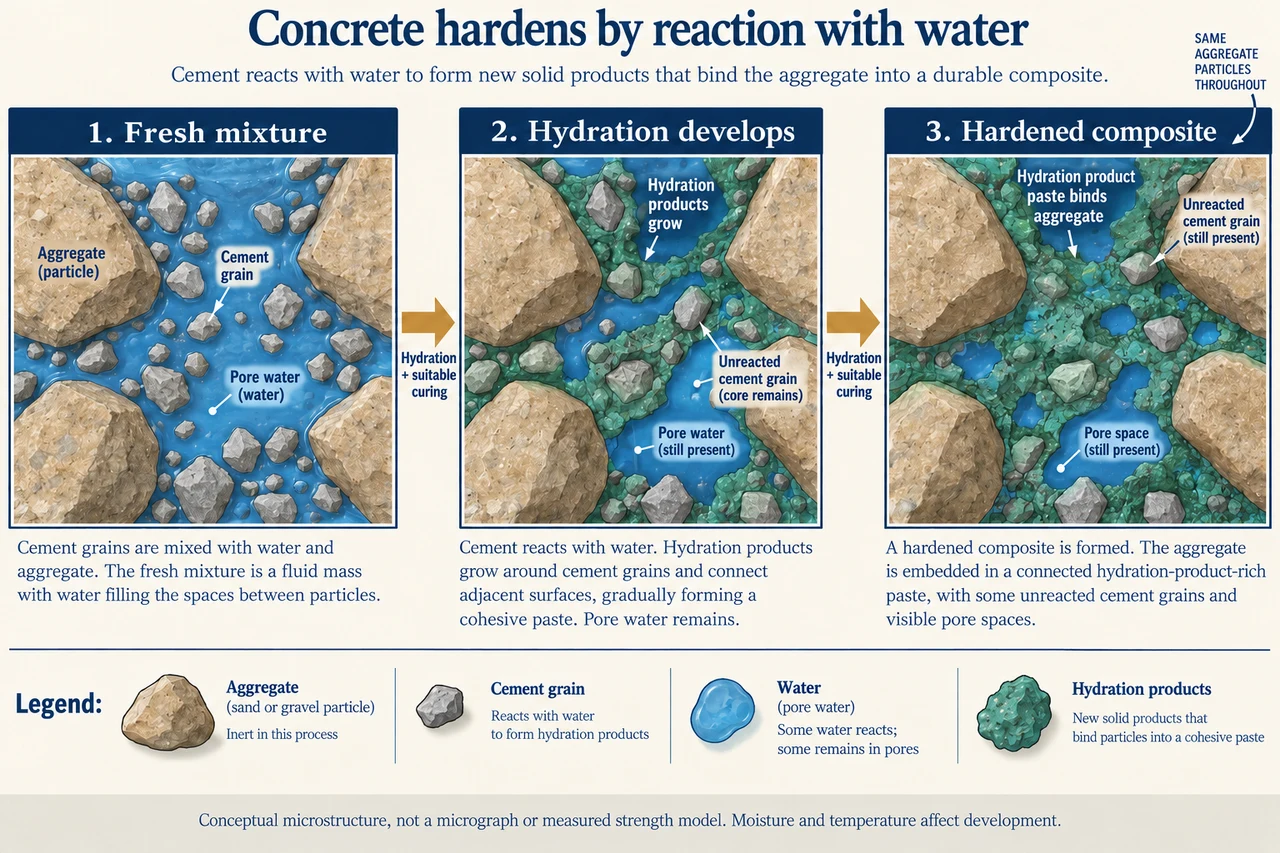
Concrete hardens through a chemical reaction
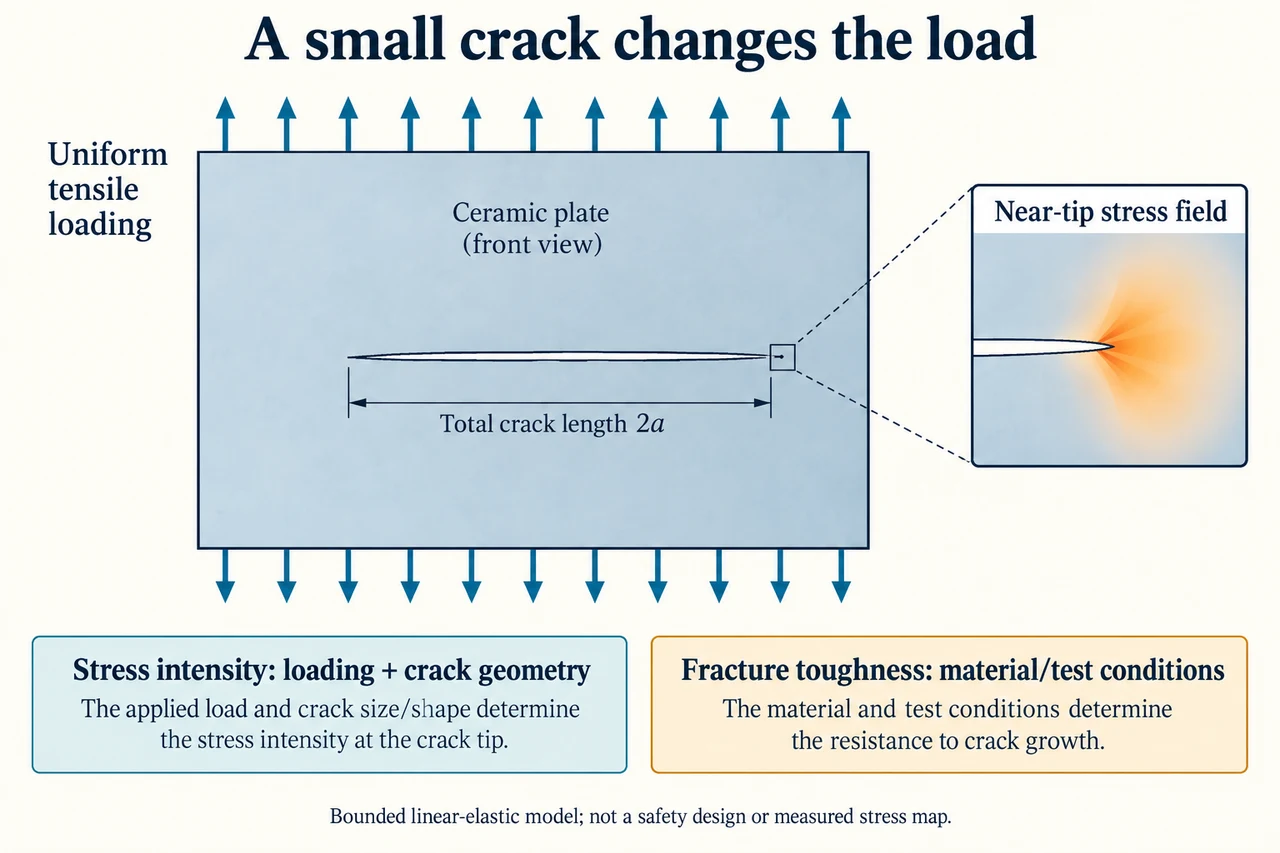
Why a small crack matters in a ceramic
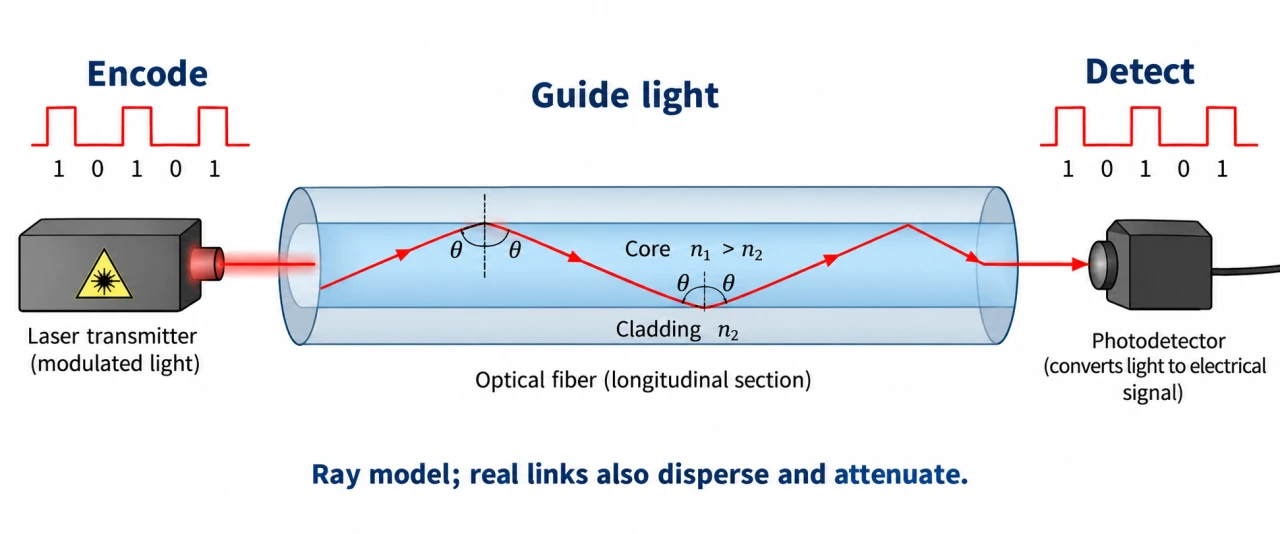
Optical fiber: encoding light and preserving a signal
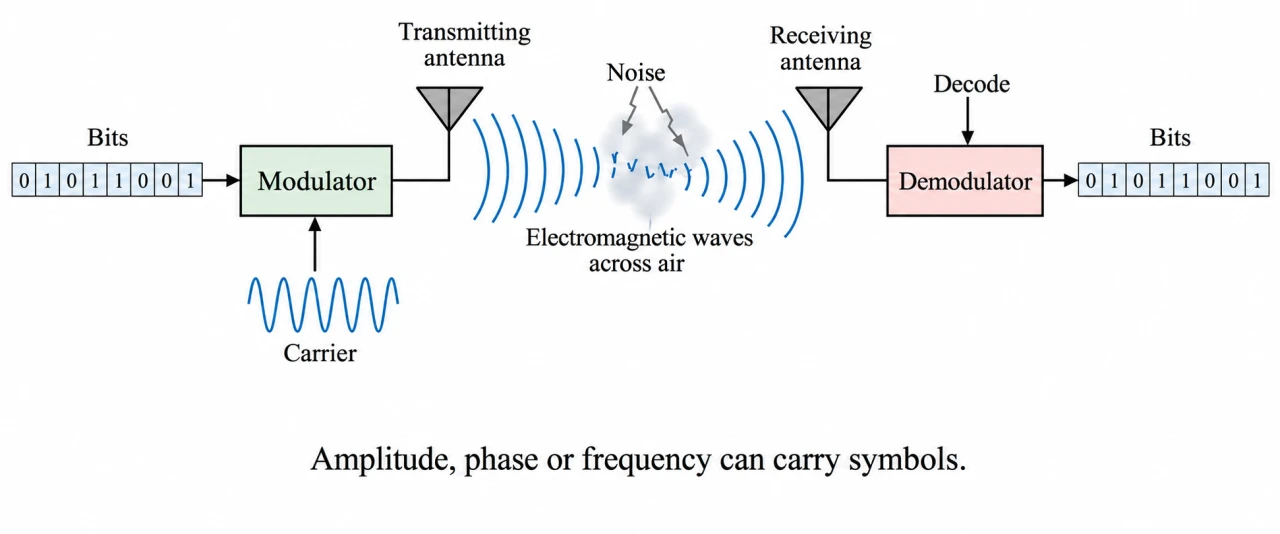
Radio communication: symbols, carriers and a shared channel
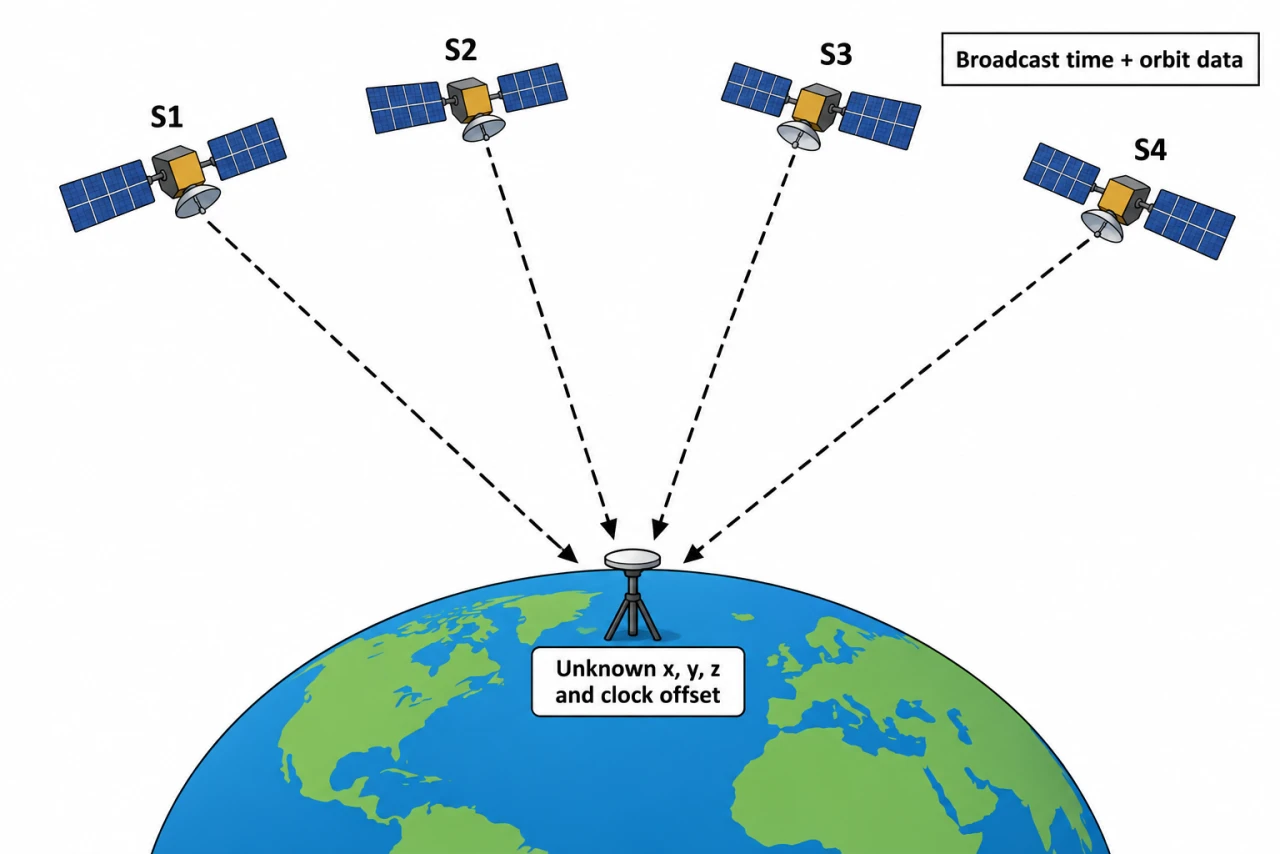
GNSS: solving for position and a clock
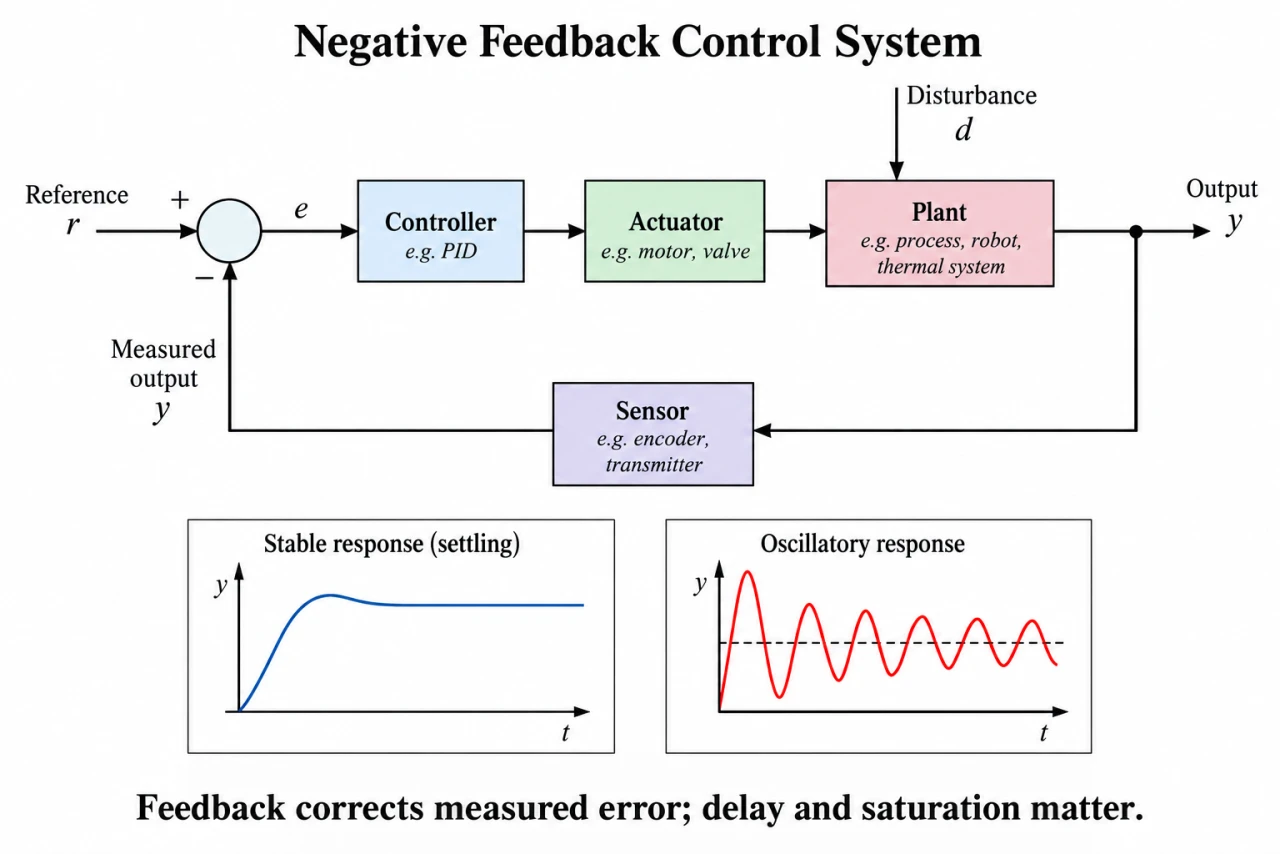
Feedback control: error becomes action, with limits
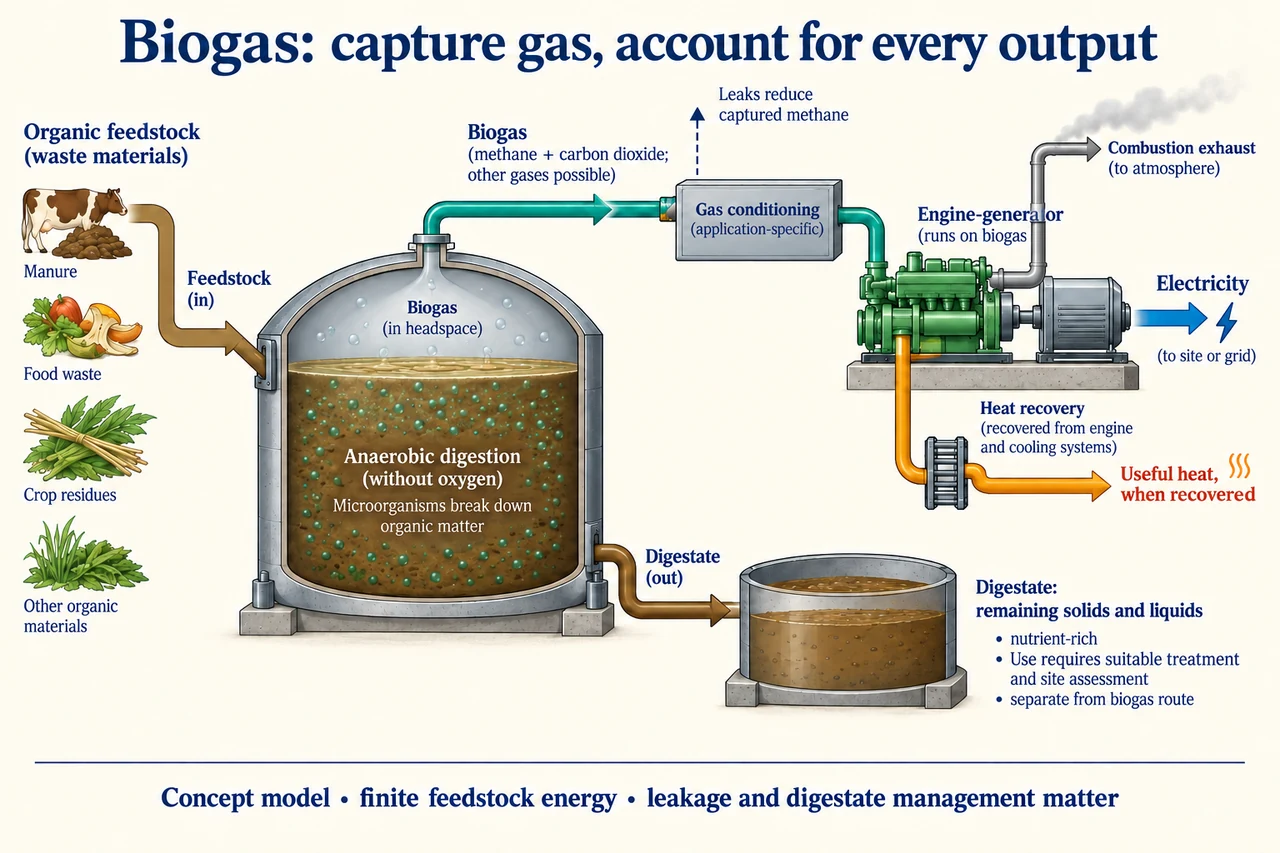
Biogas: microbes change material, equipment captures useful energy
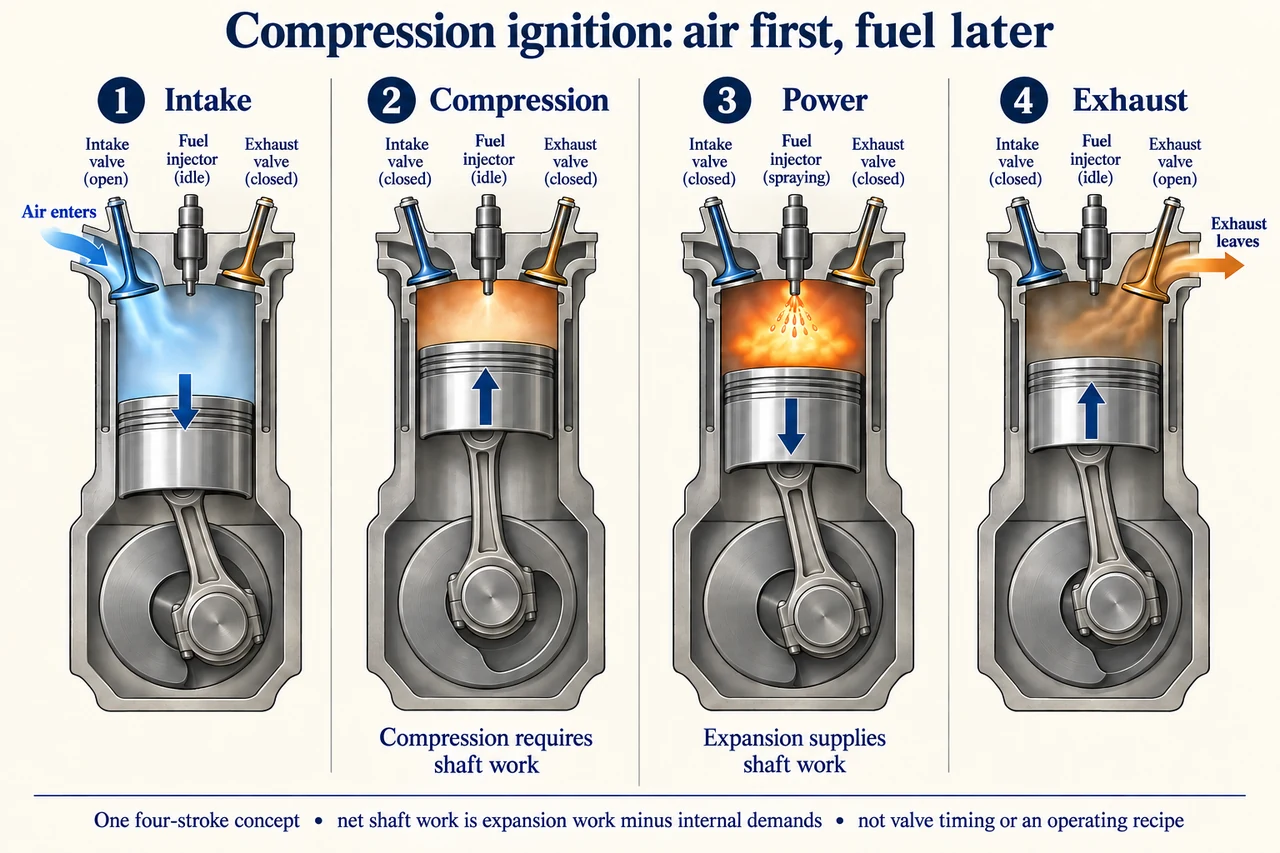
Compression ignition: why compressing air comes before useful work
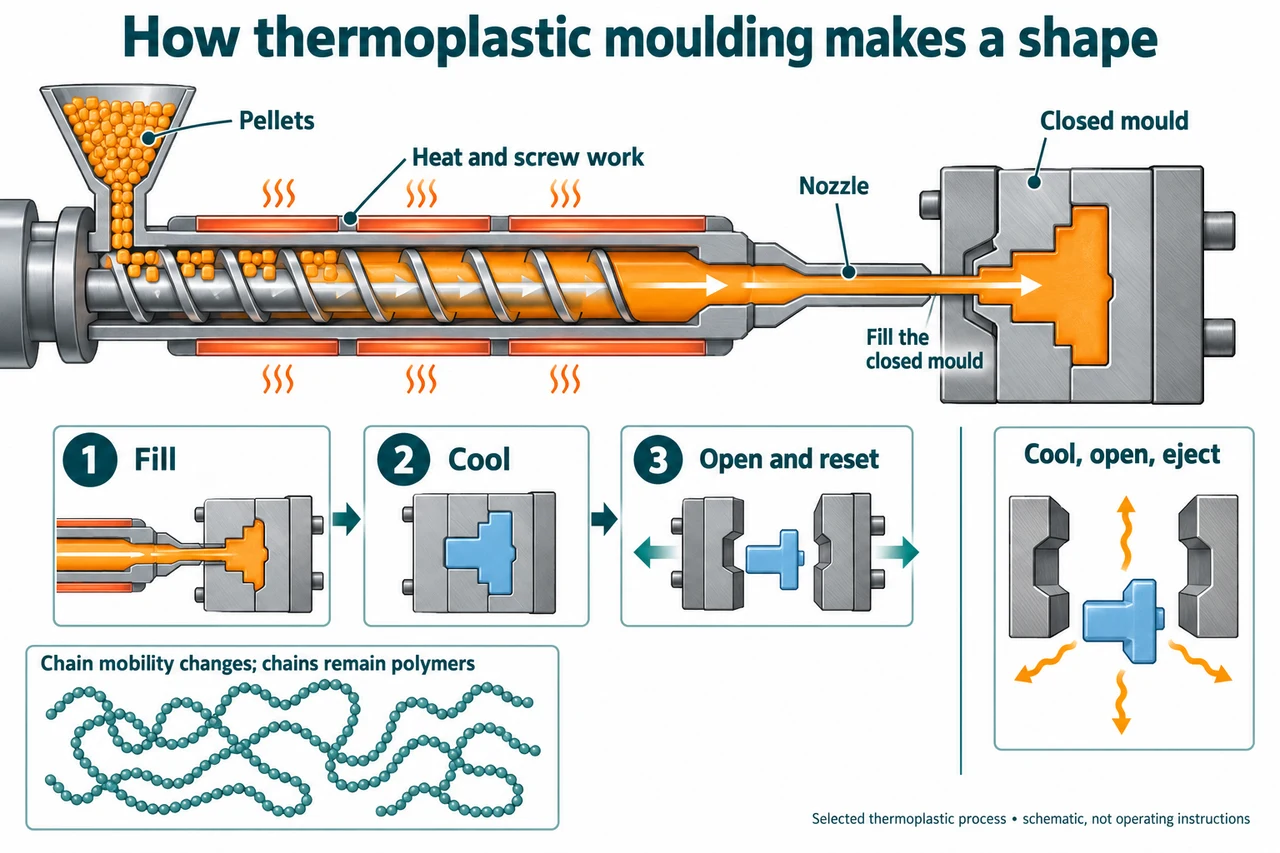
A mould gives shape; a process gives properties
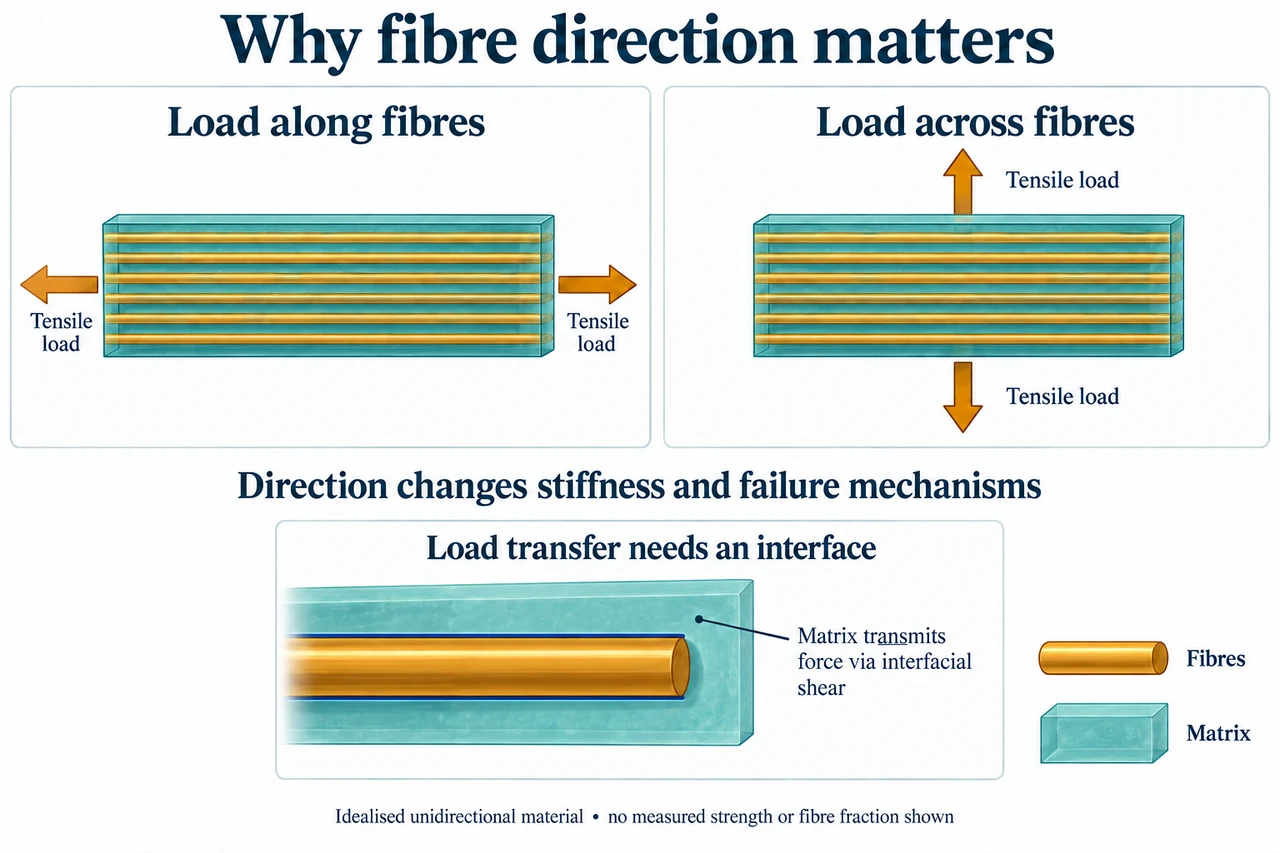
Fibre direction changes what stiffness means
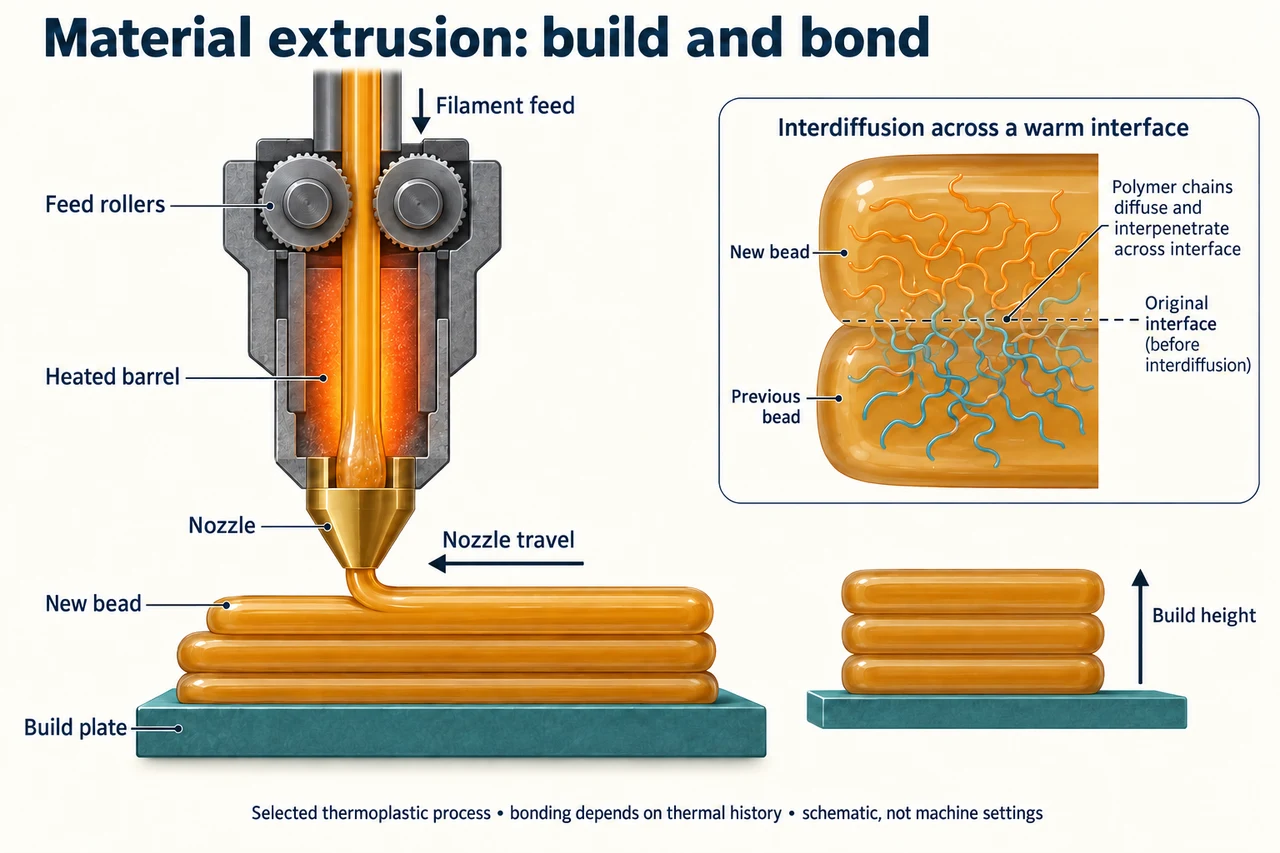
Printing a shape is not the same as making a sound part
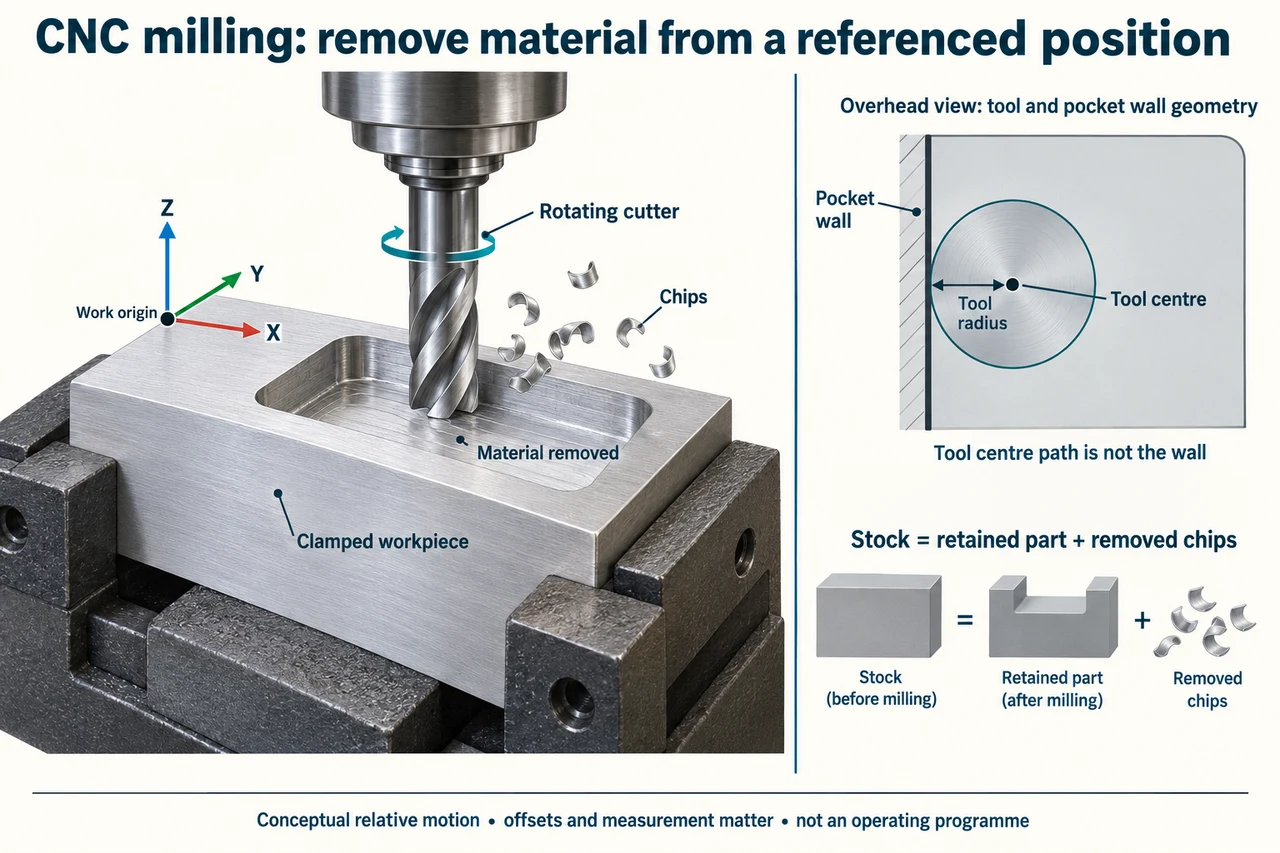
A cutter follows a reference, not the outline on a screen
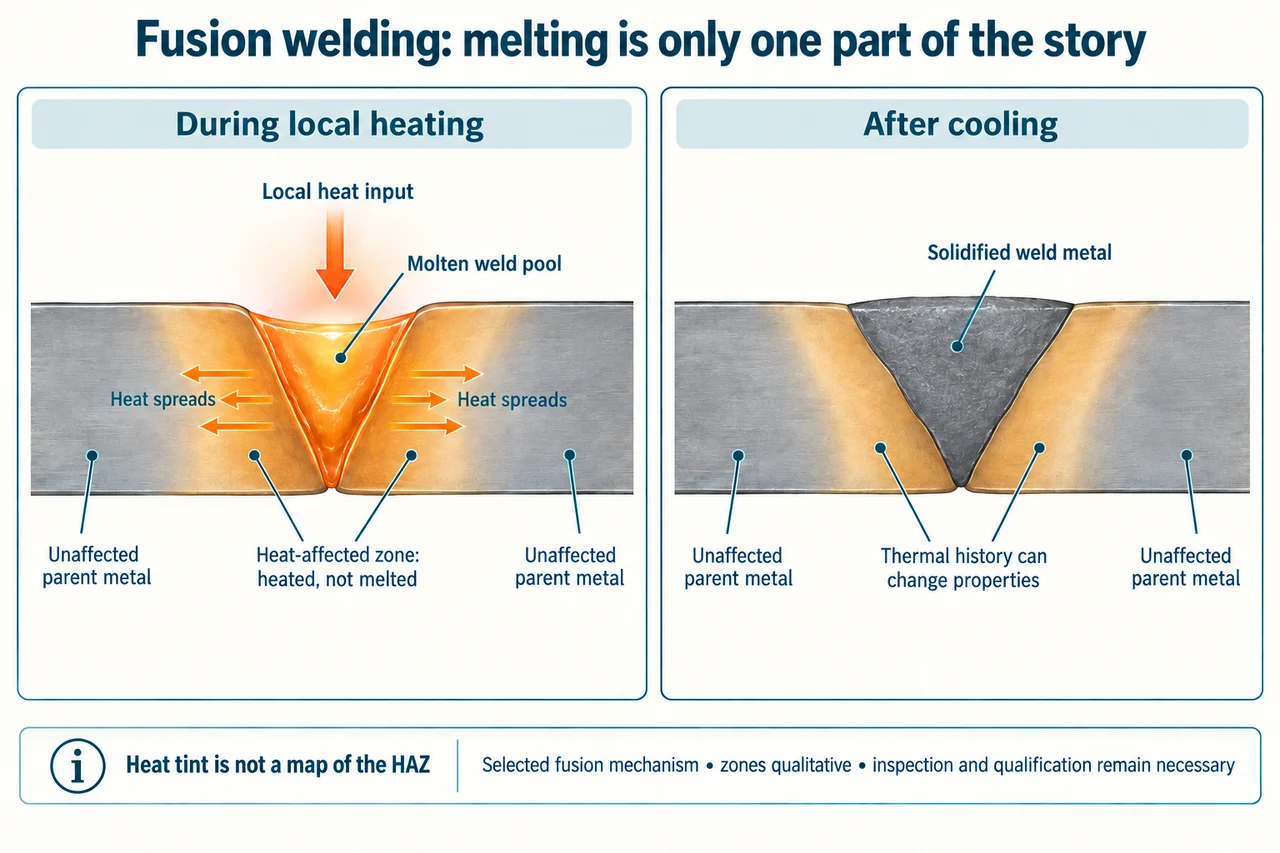
A weld changes metal beyond the melted seam
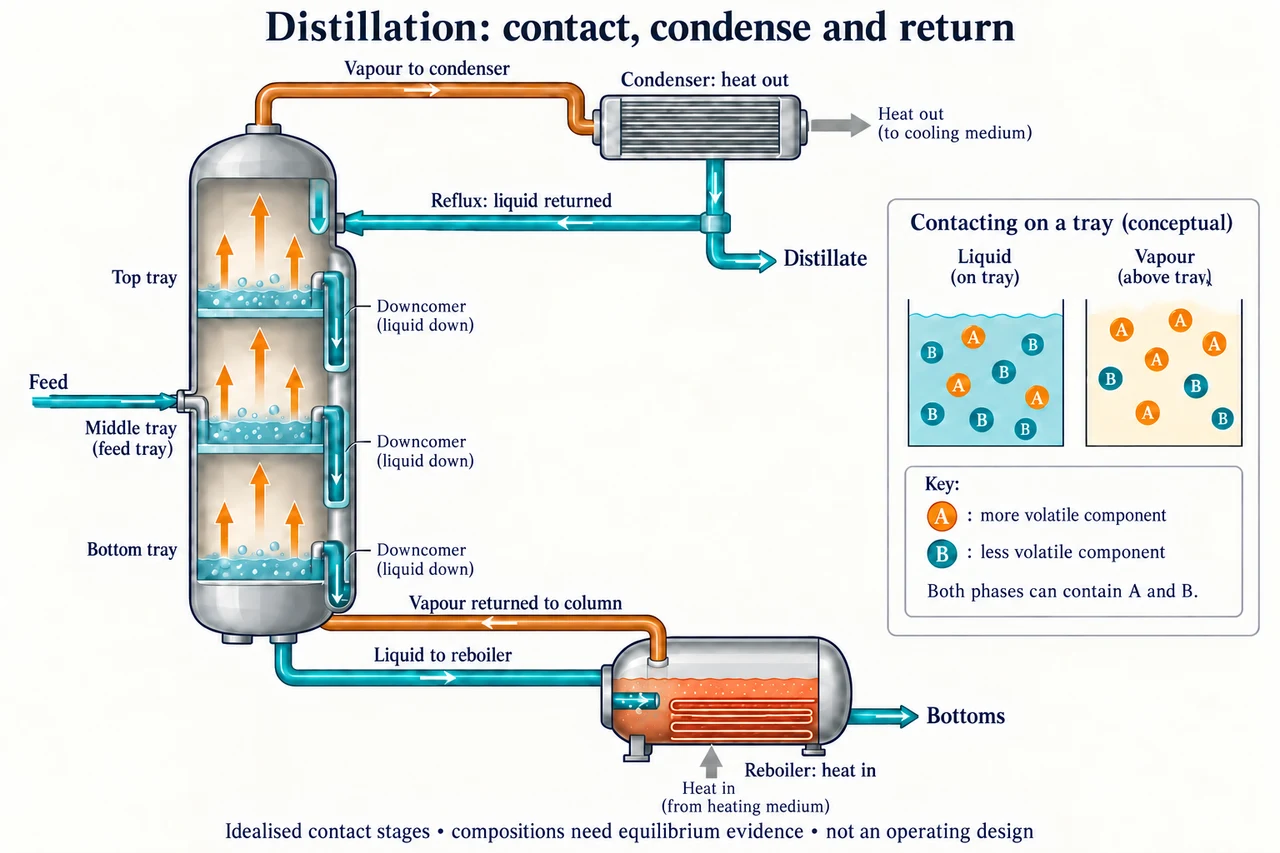
Distillation separates through contact and return
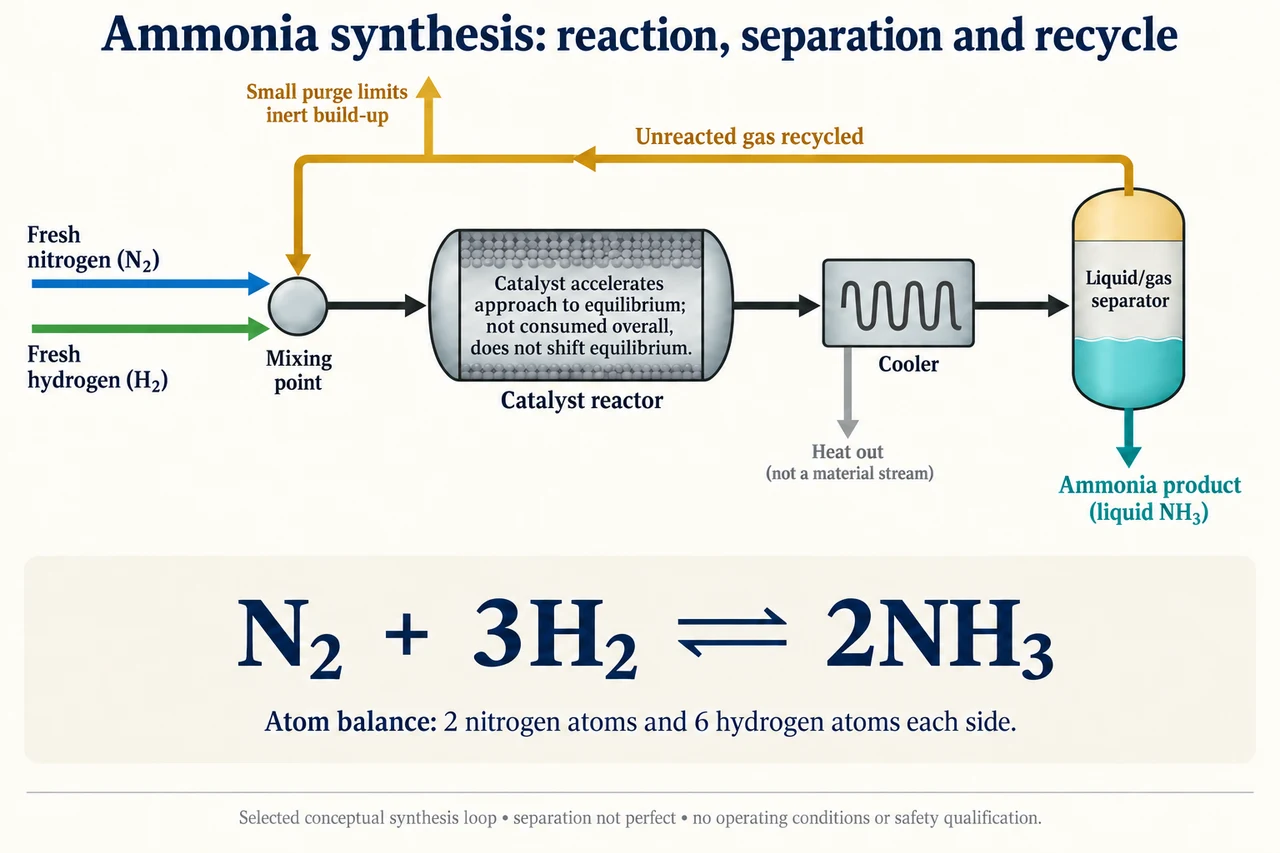
A synthesis loop makes more than one pass count
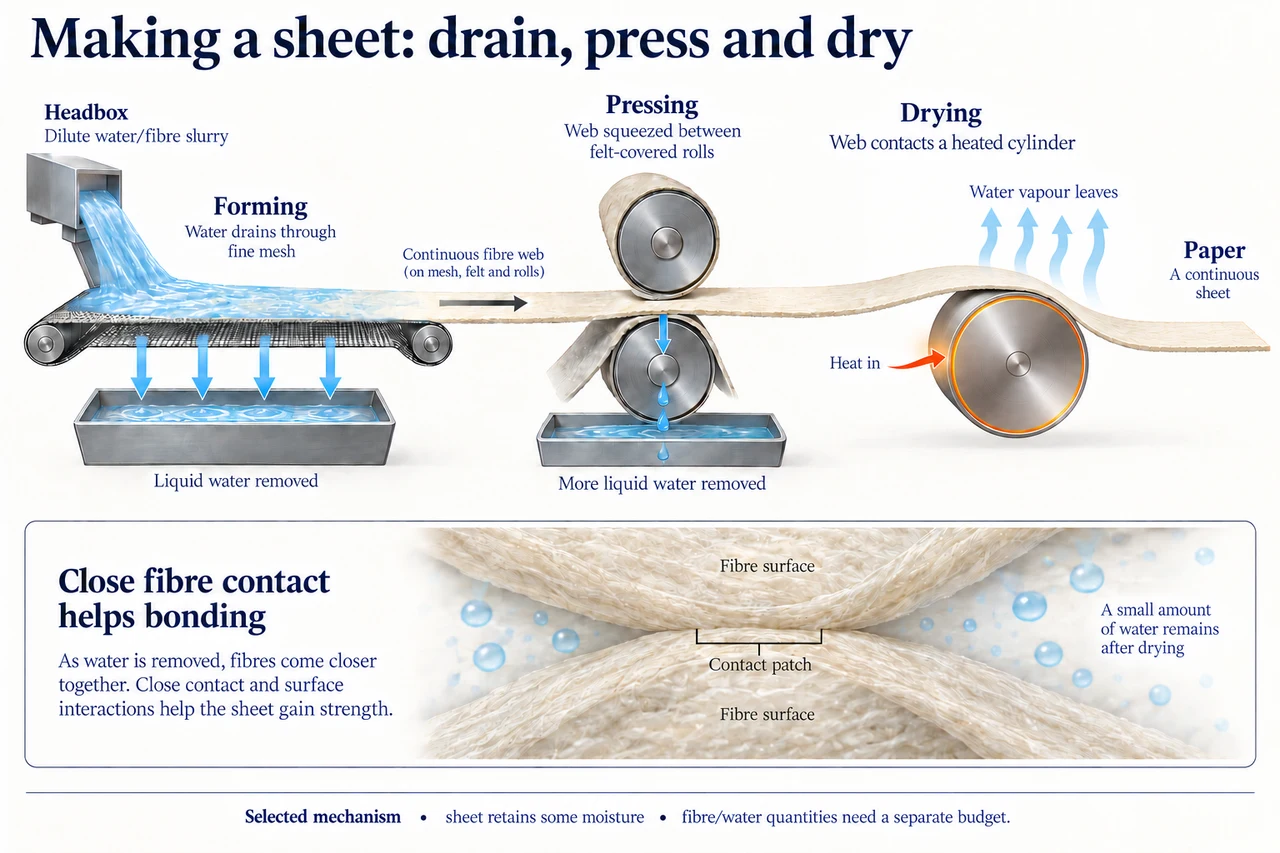
A paper machine removes water without losing the sheet
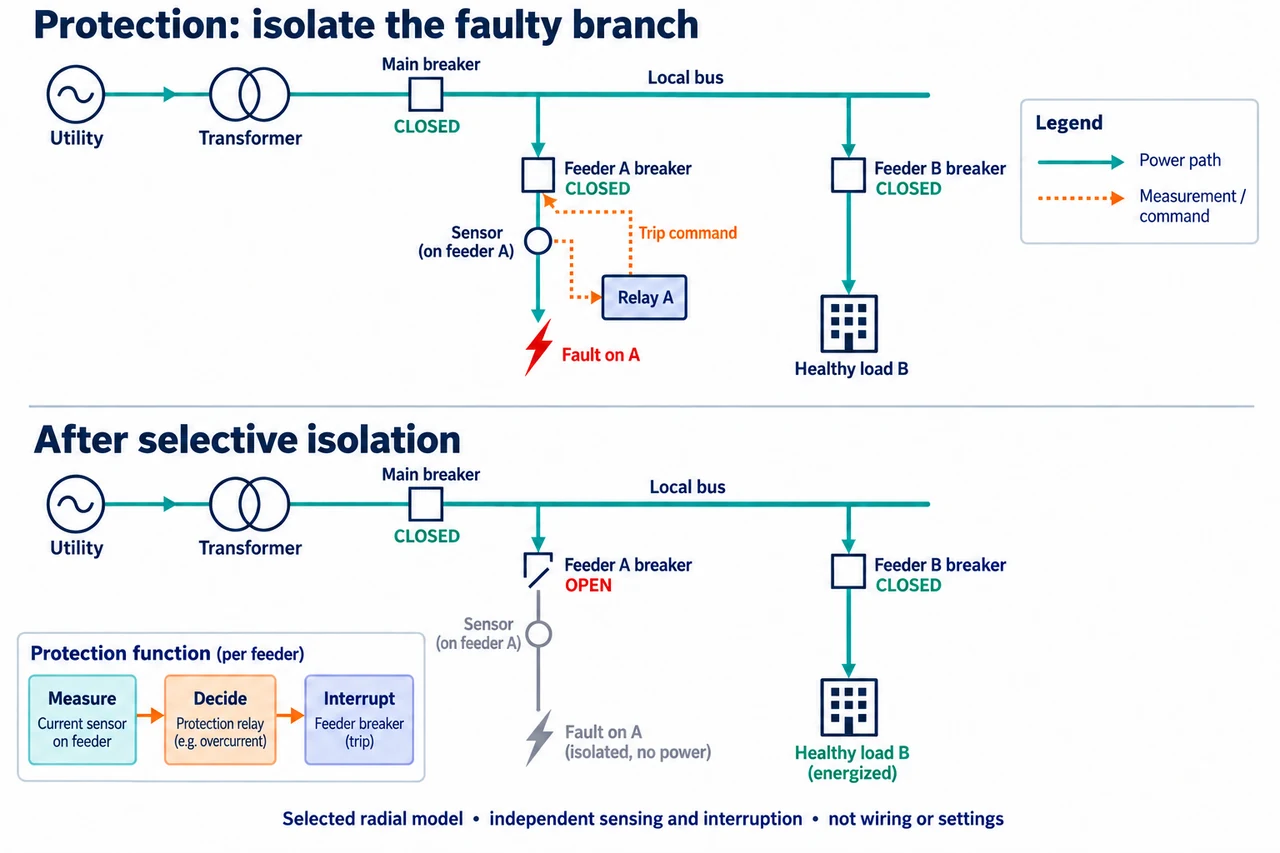
Distribution protection: sensing is not interruption
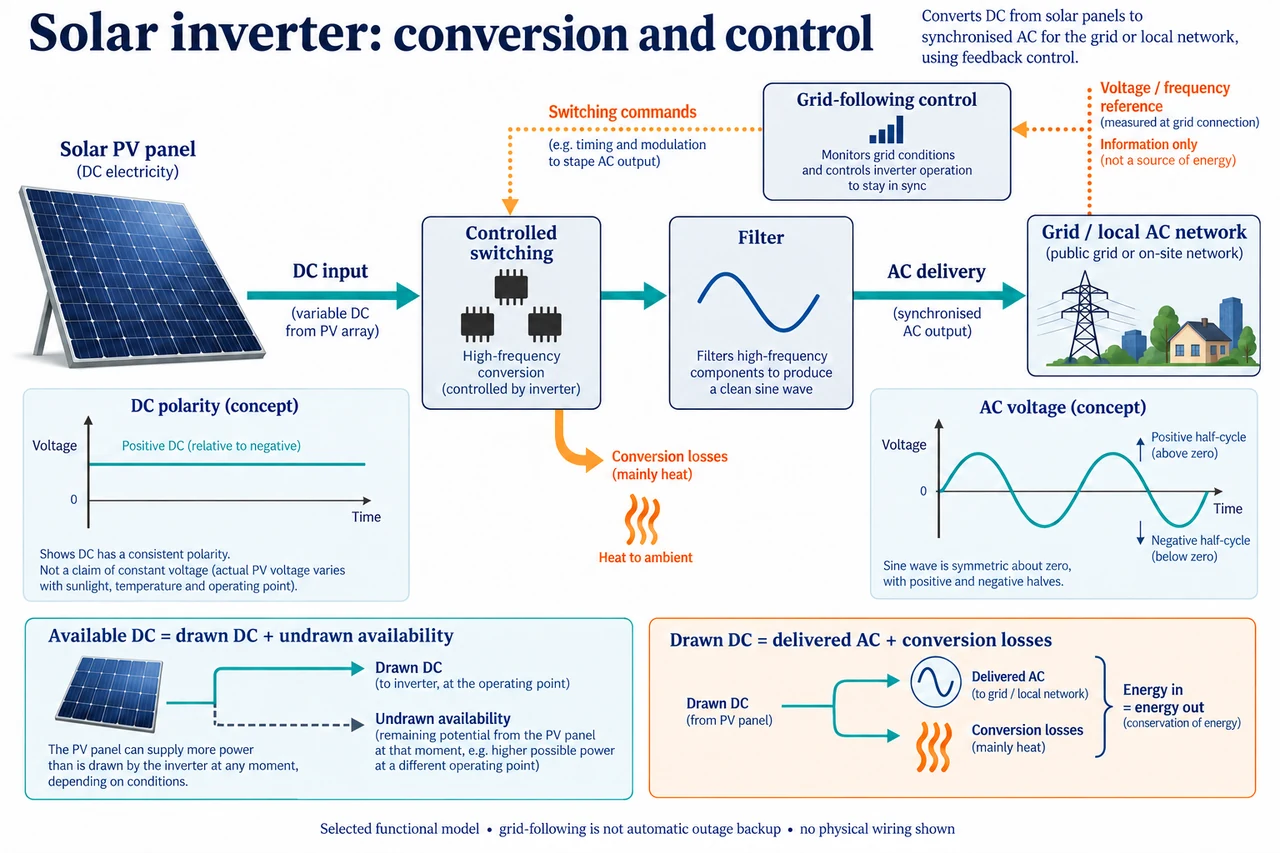
Solar inverter: a waveform is not a new energy source
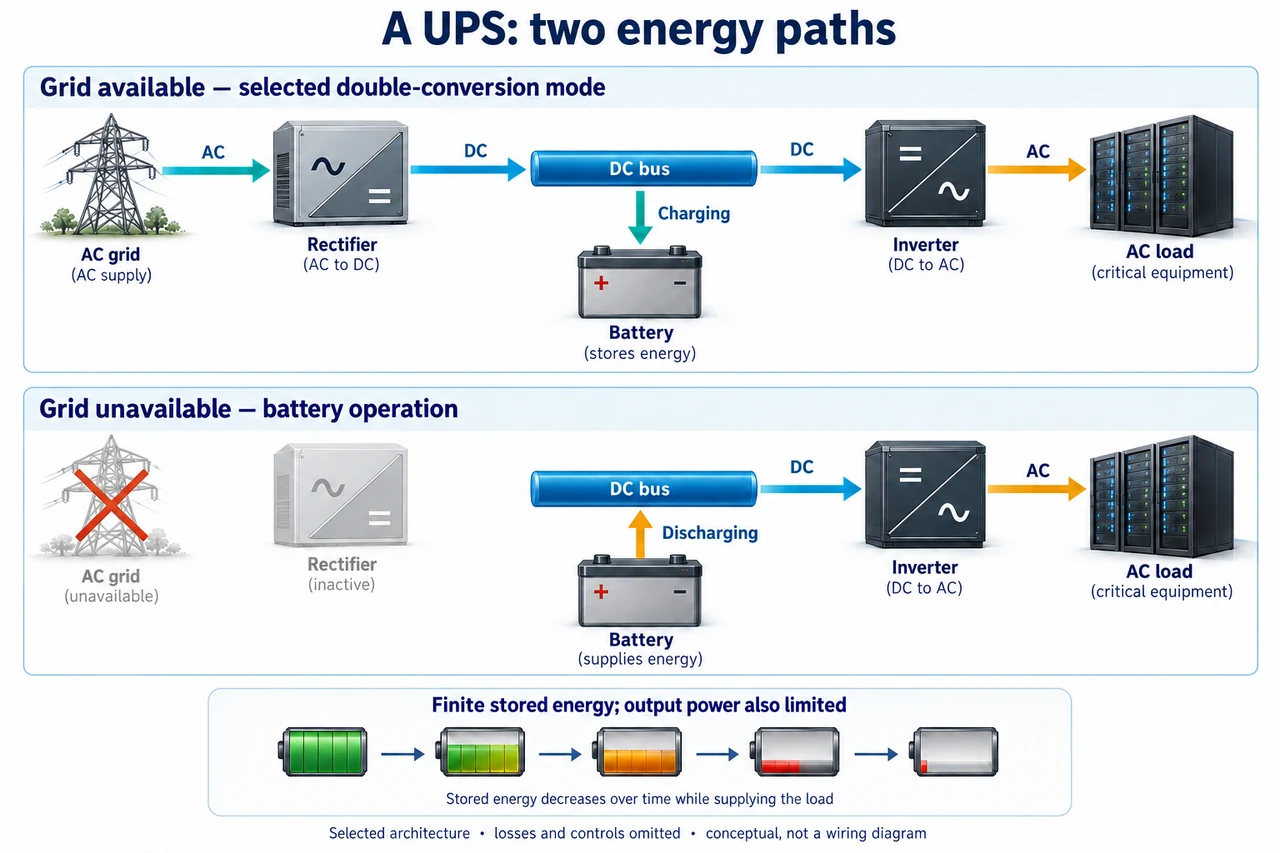
UPS: power continuity is an energy and capacity problem
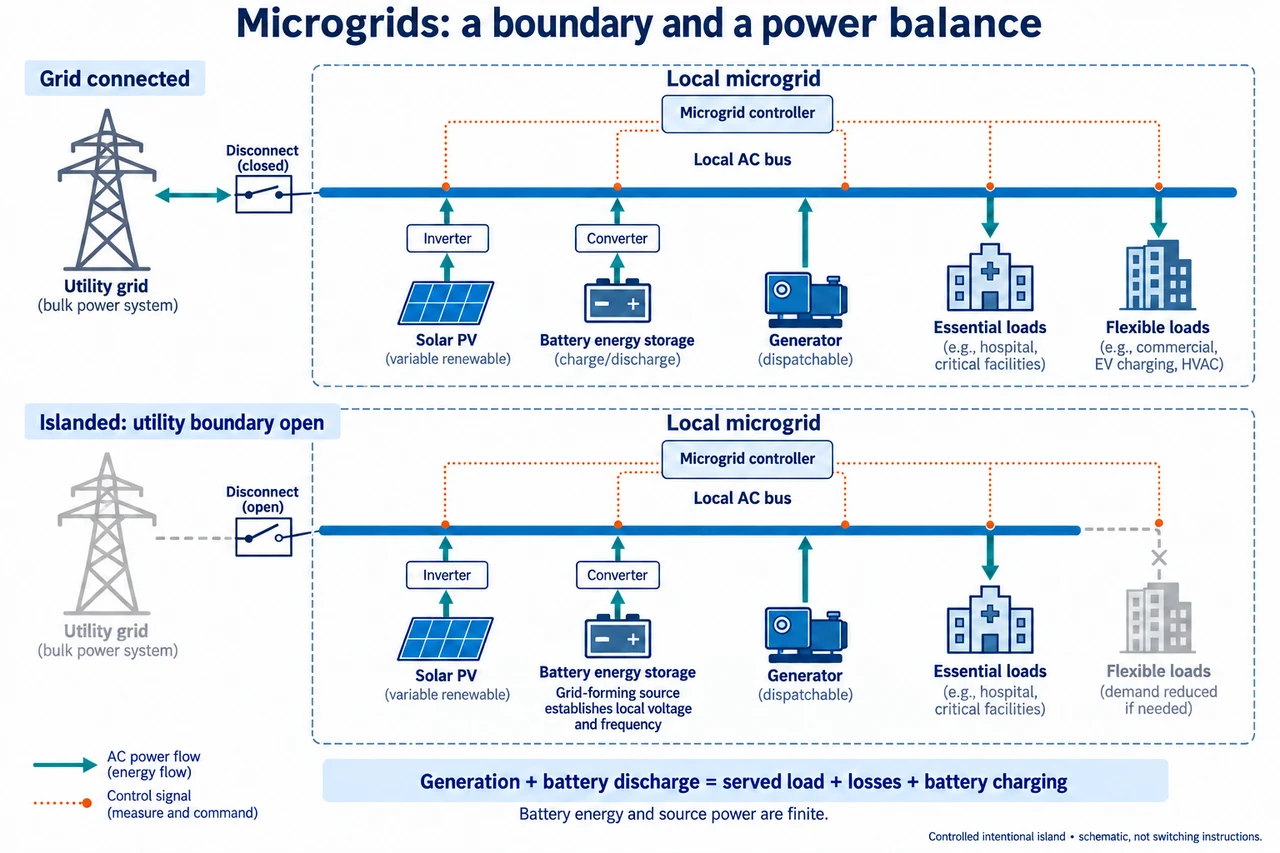
Microgrid: an island needs a balanced local system
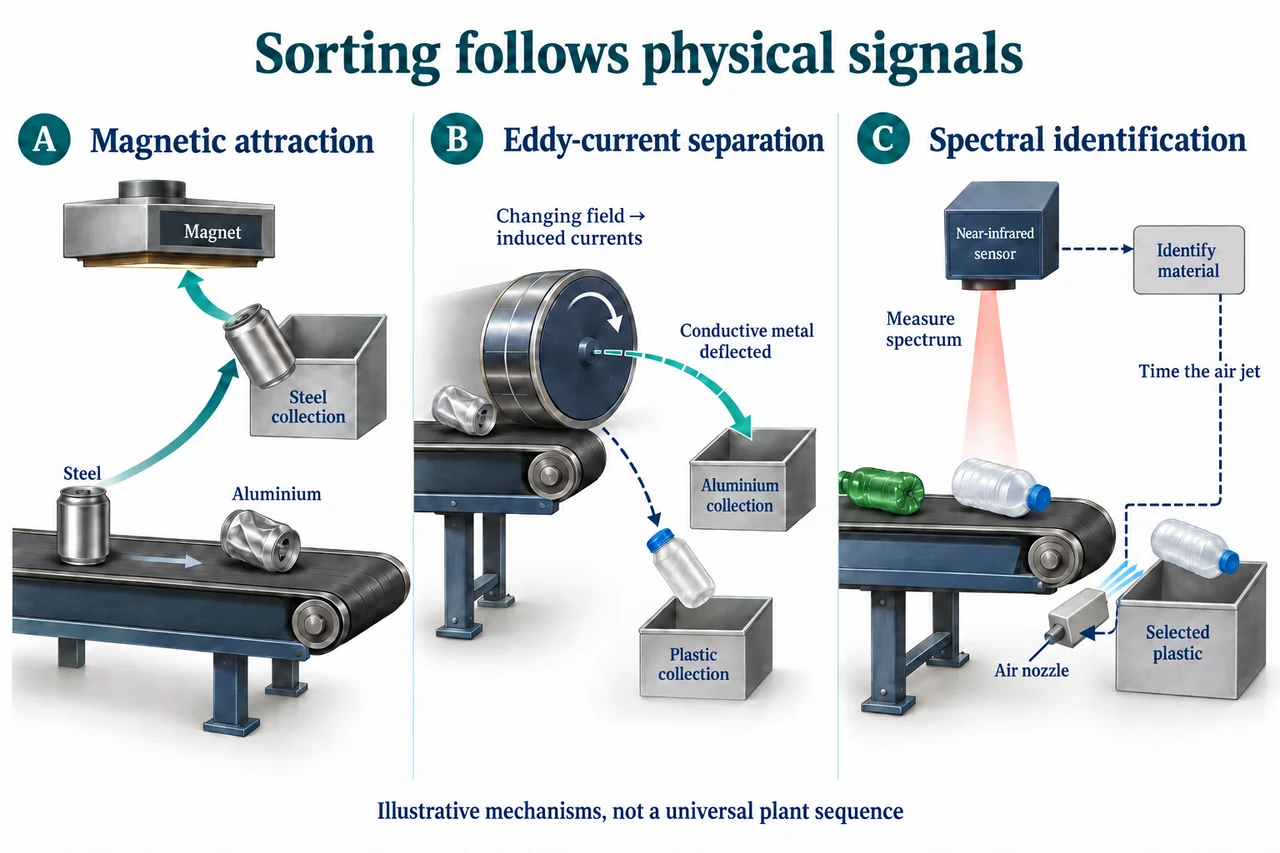
Sorting materials means measuring more than appearance
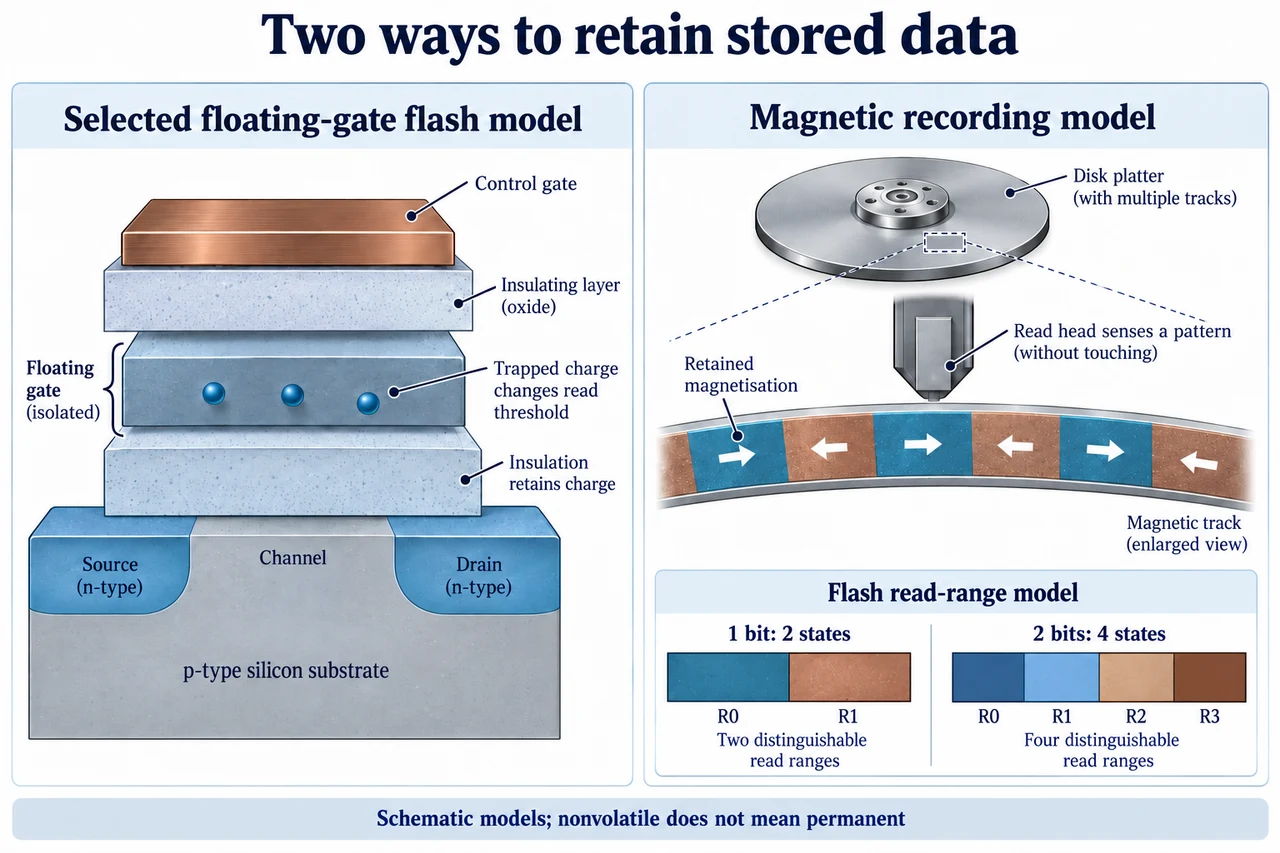
Stored bits need a physical state that survives power loss
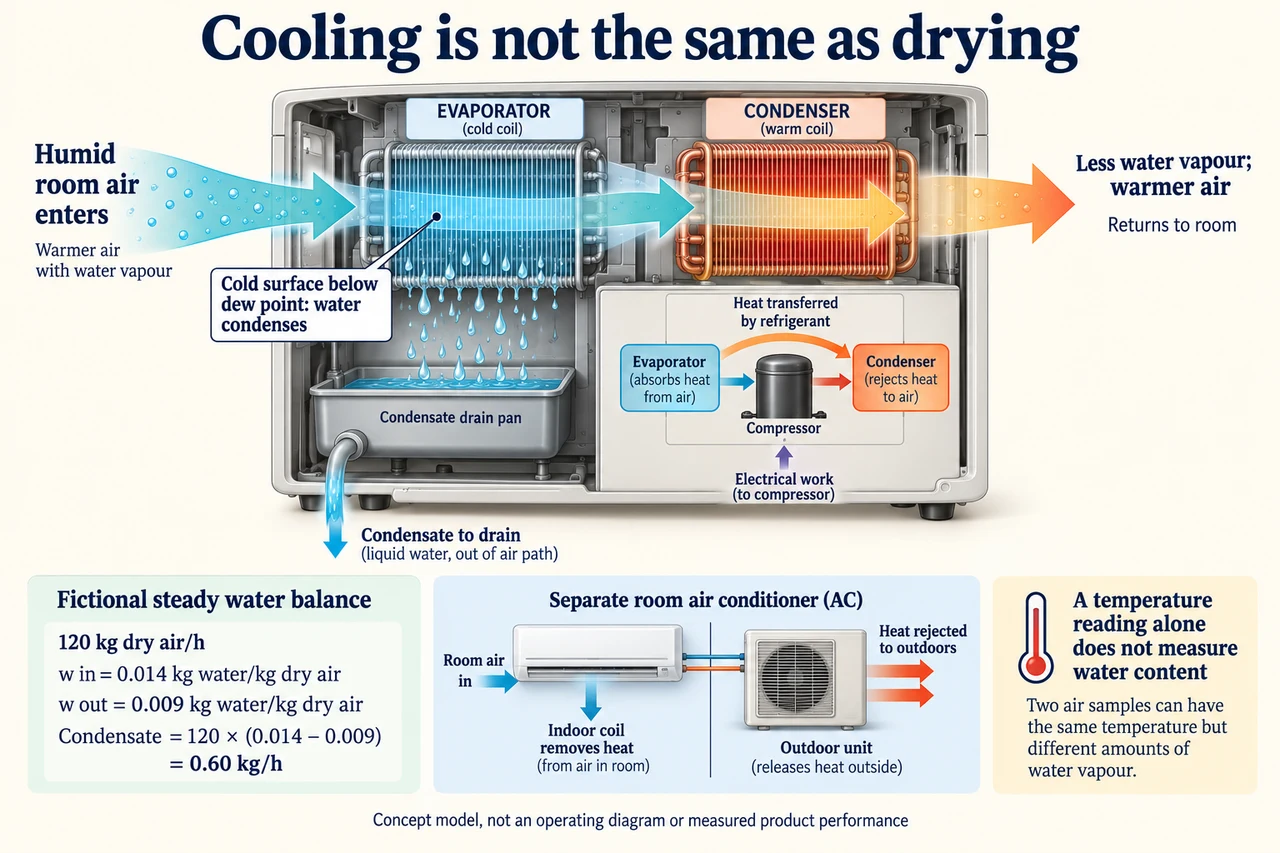
Humidity control: temperature is not water content
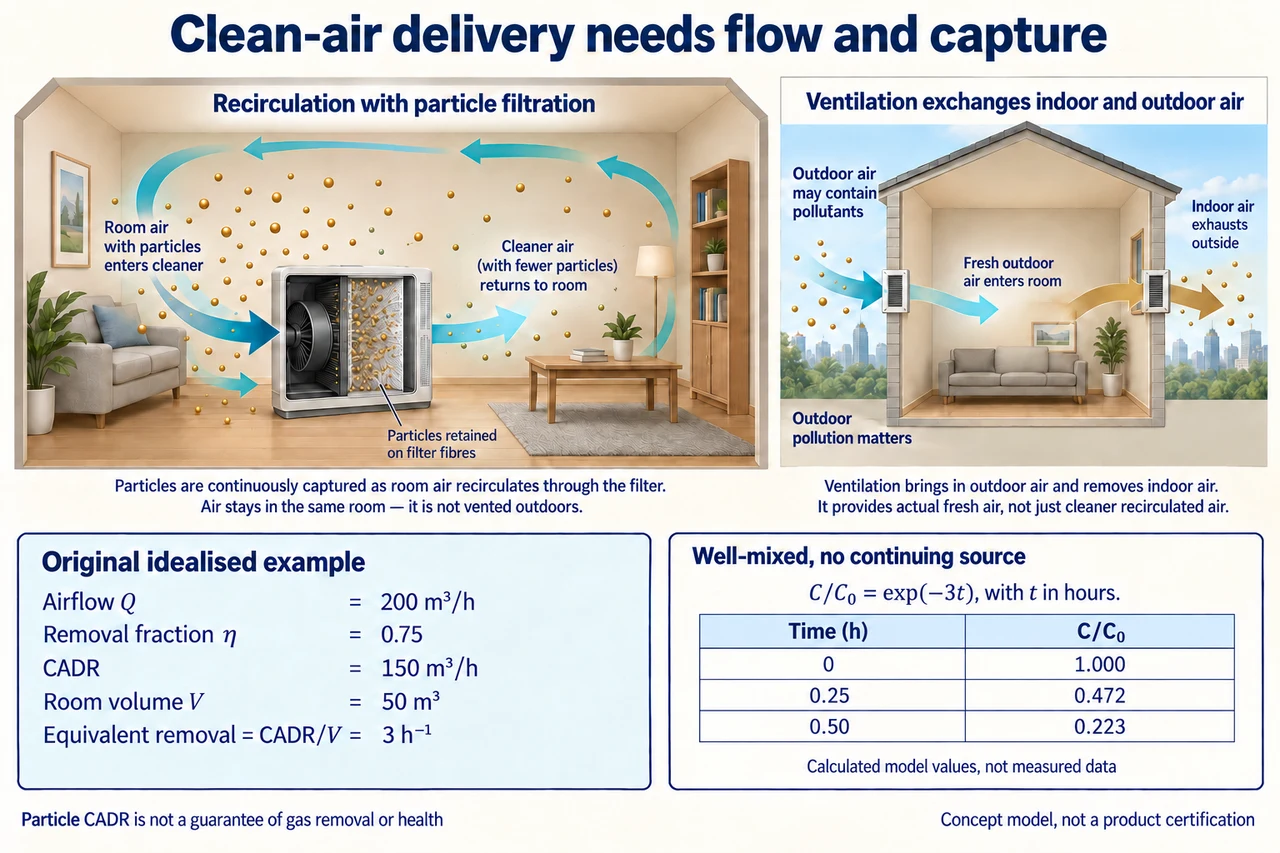
Ventilation and filtration: a clean-air mass balance
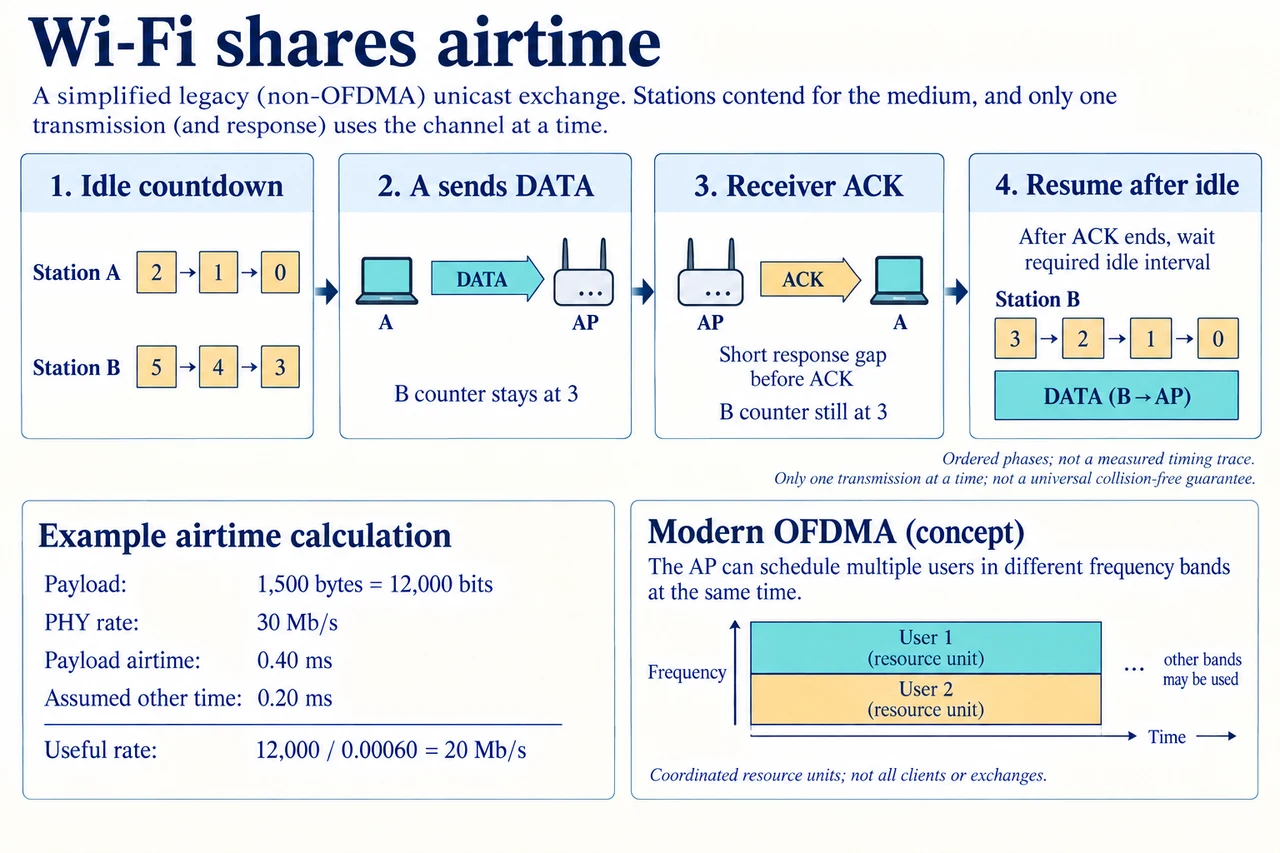
Wi-Fi: useful data depends on shared airtime
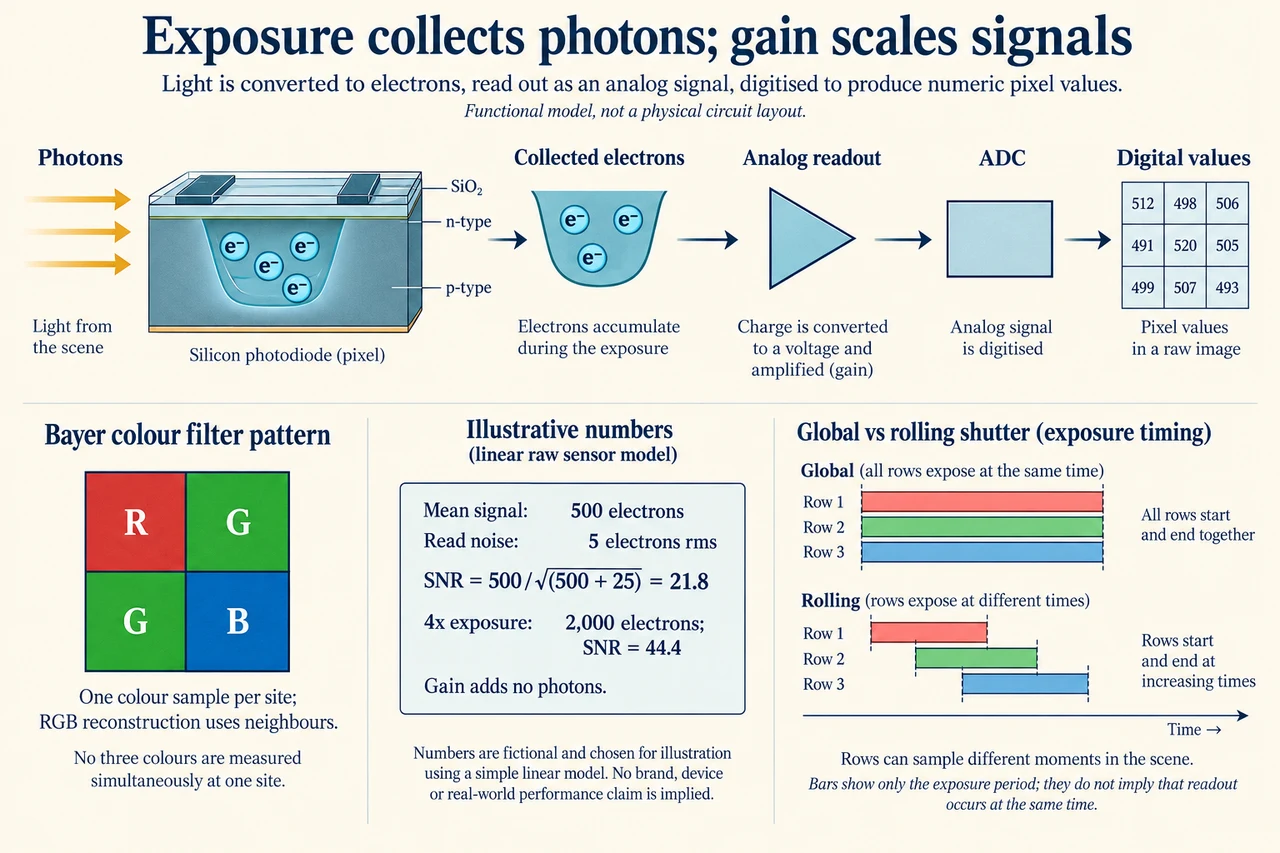
Digital cameras: collecting light is different from amplifying it
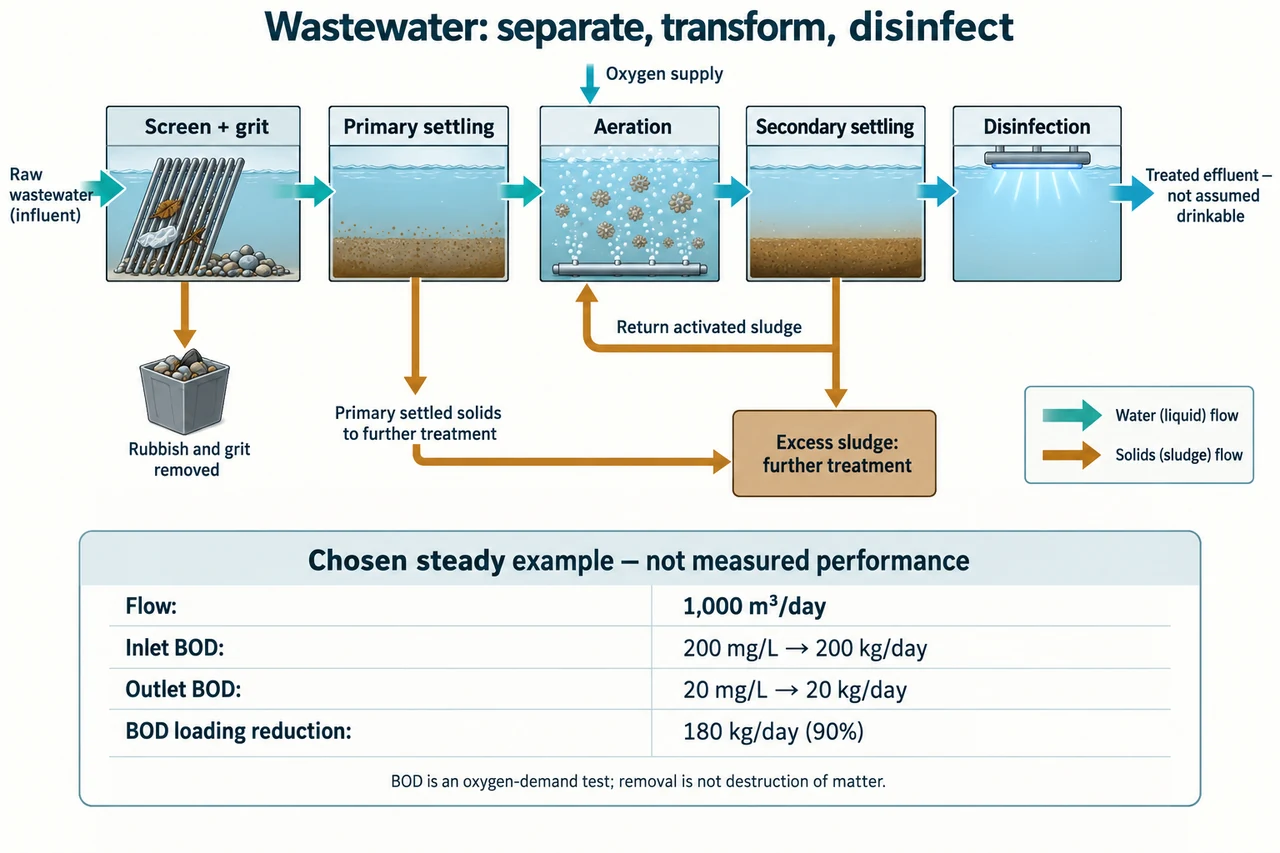
Wastewater: follow the water, solids and oxygen demand
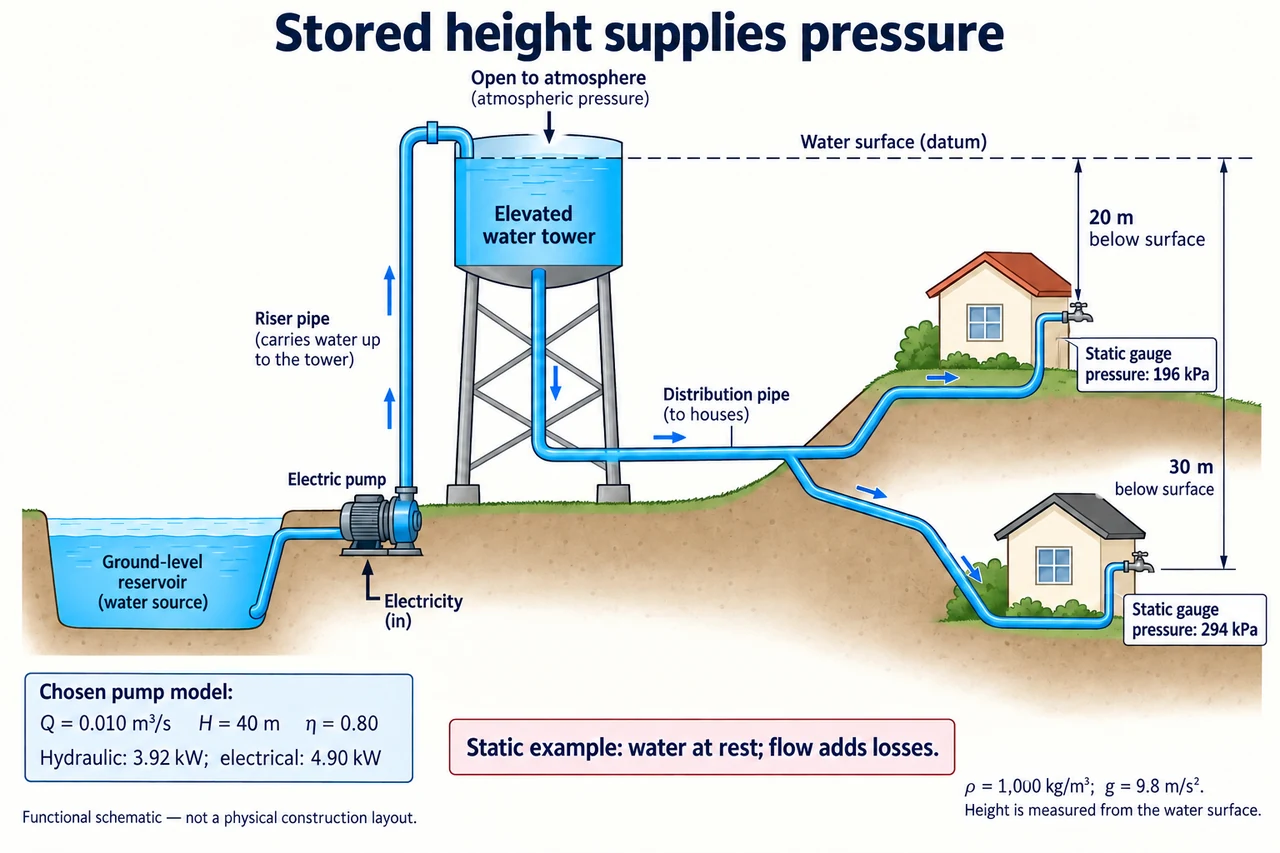
Water distribution: height, pressure and finite storage
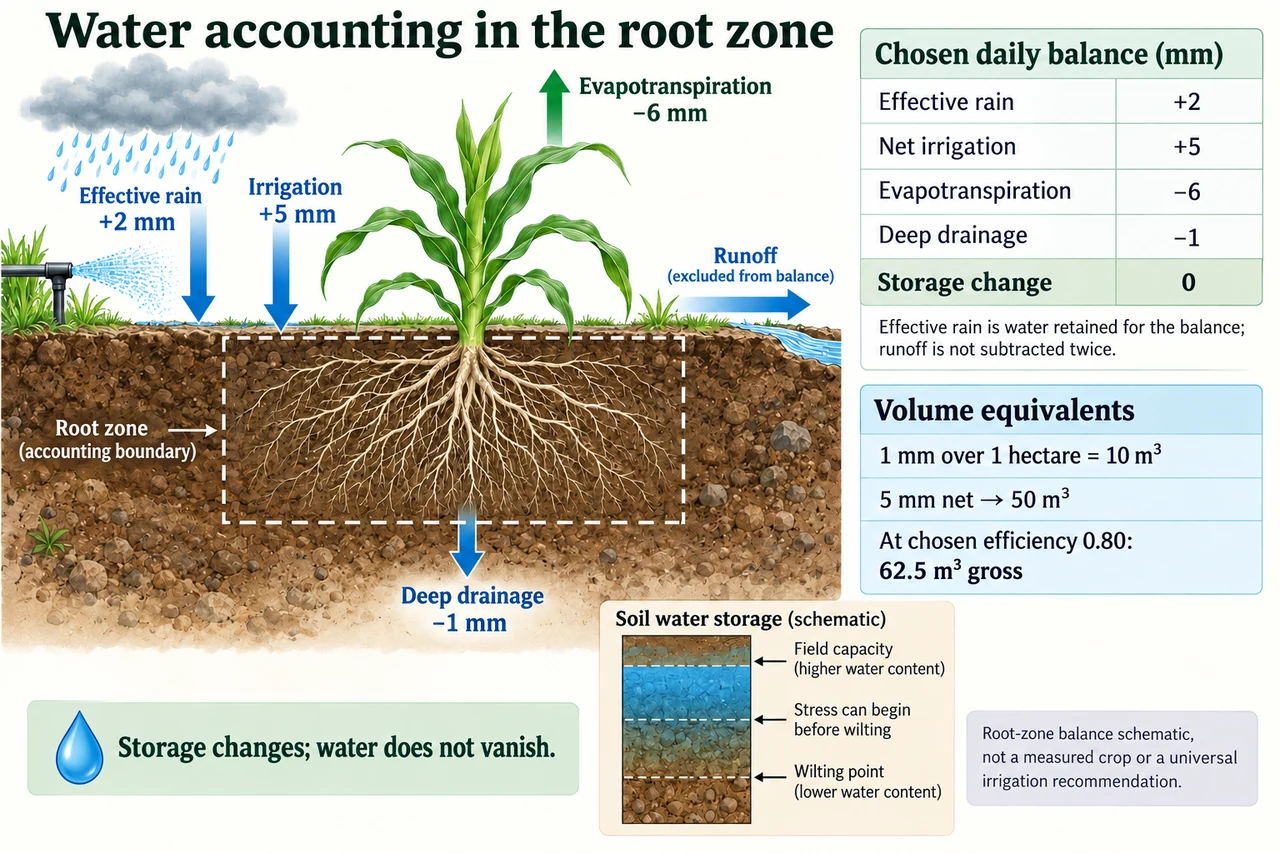
Irrigation: account for water in the root zone
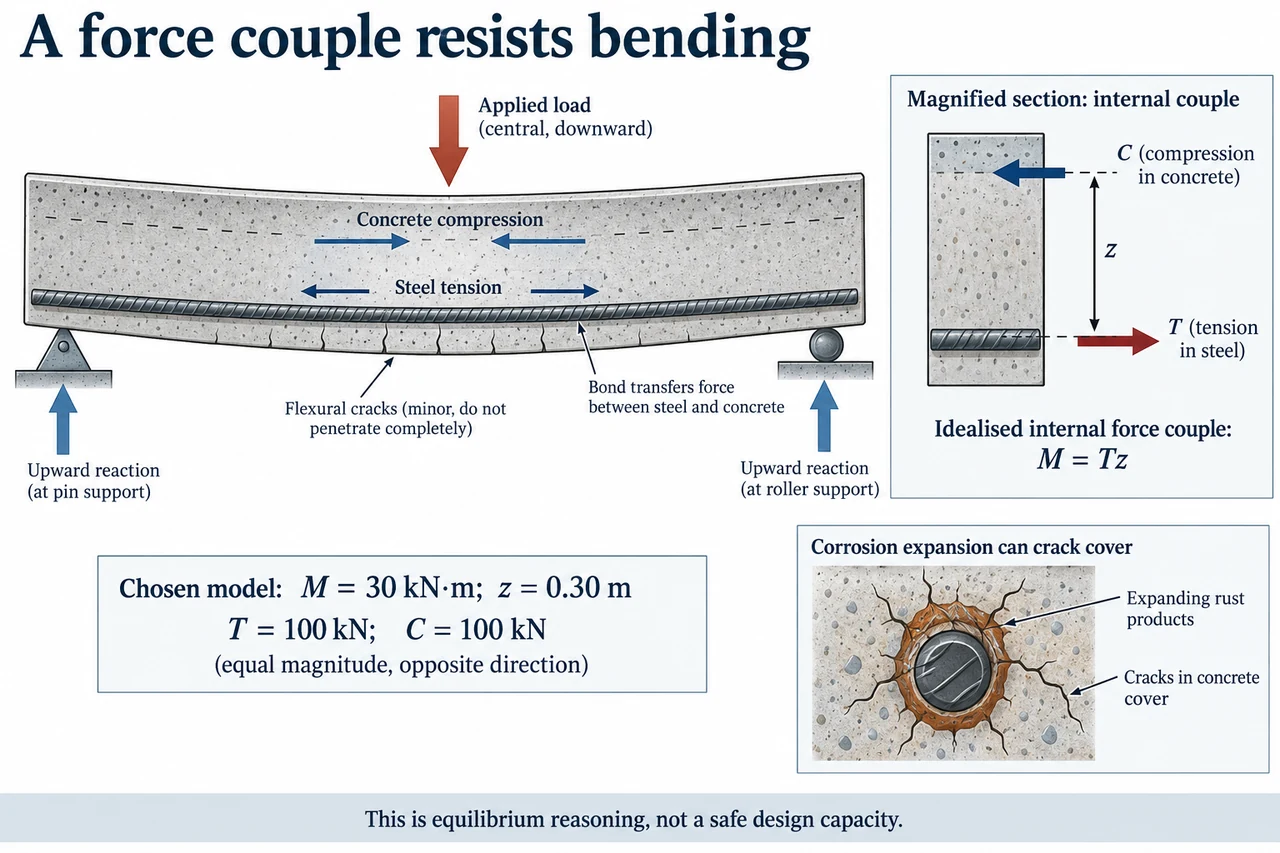
Reinforced concrete: why the steel position matters
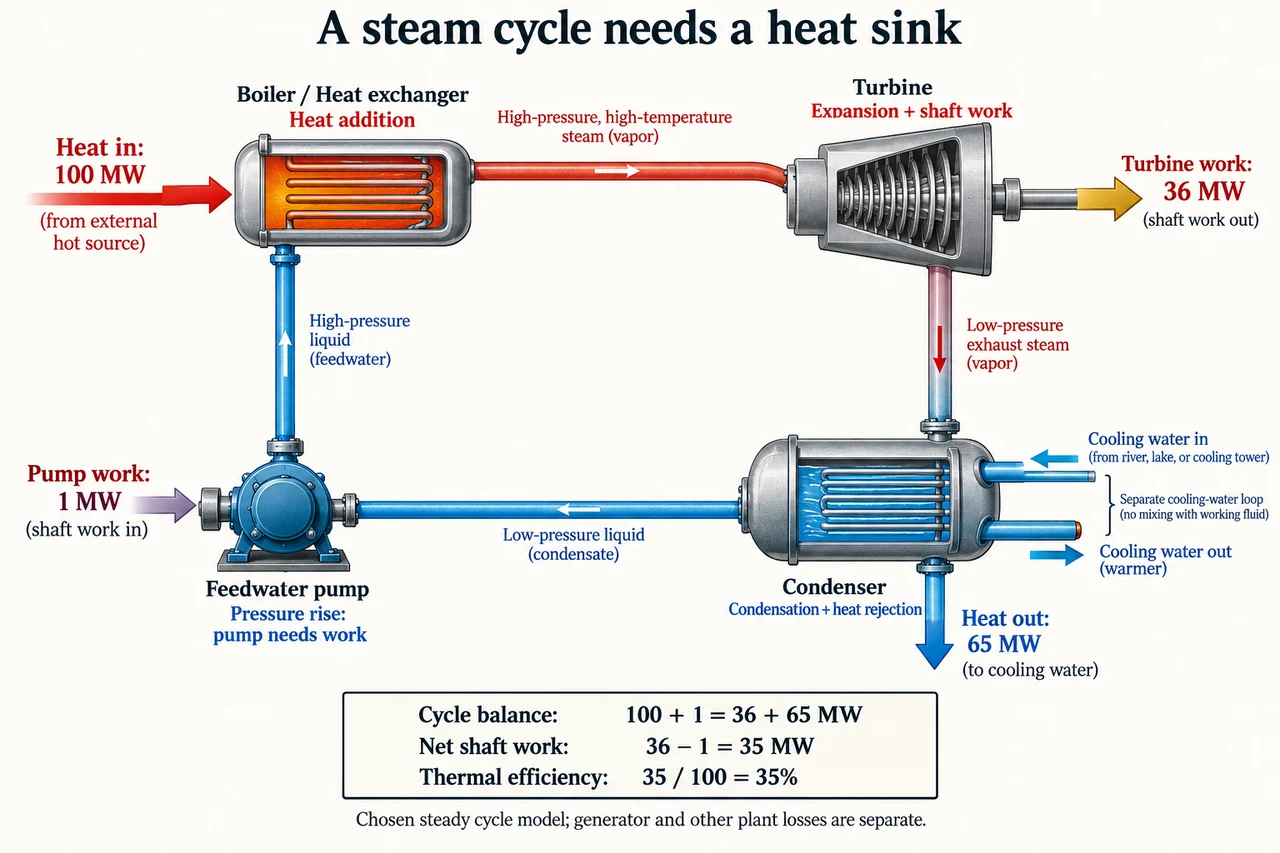
Steam power: a returning fluid still needs heat rejection
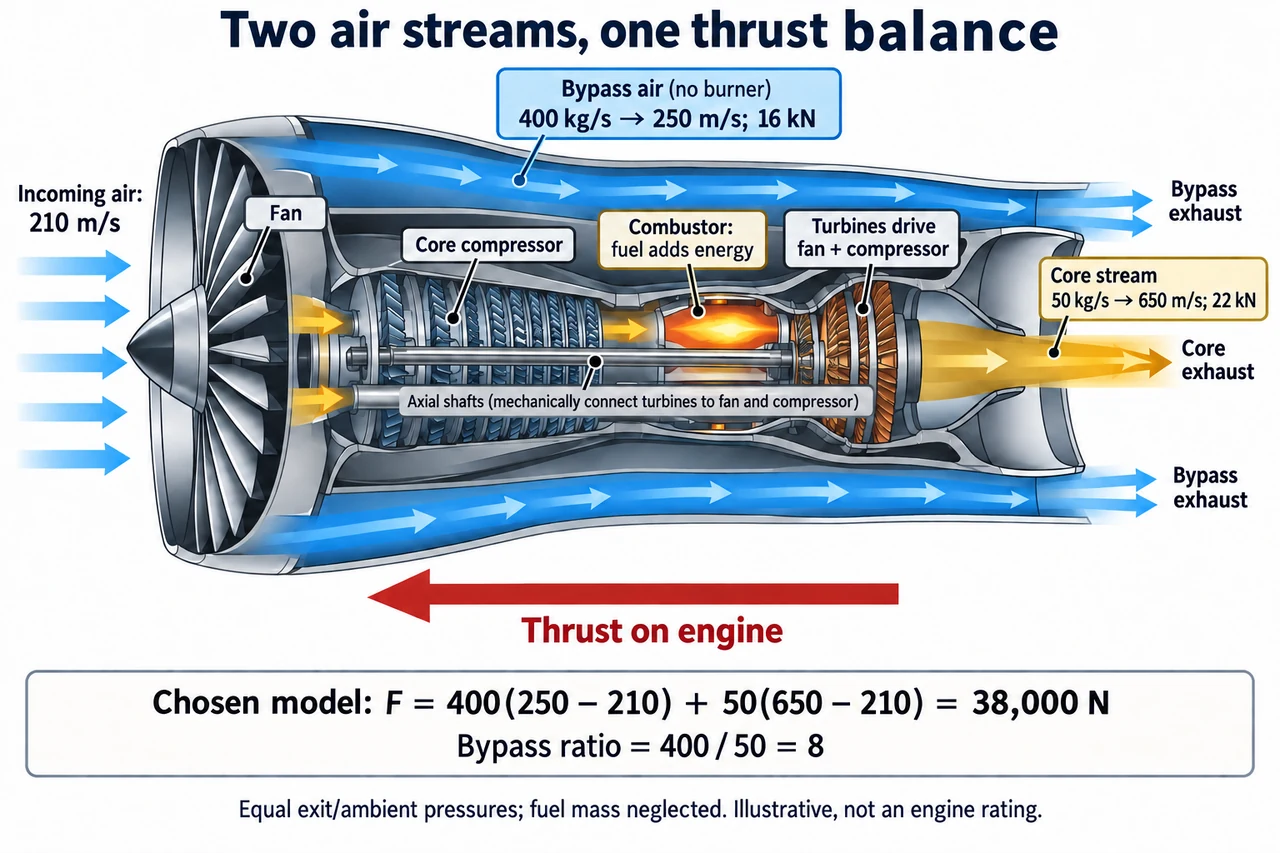
Turbofan thrust: count both momentum streams
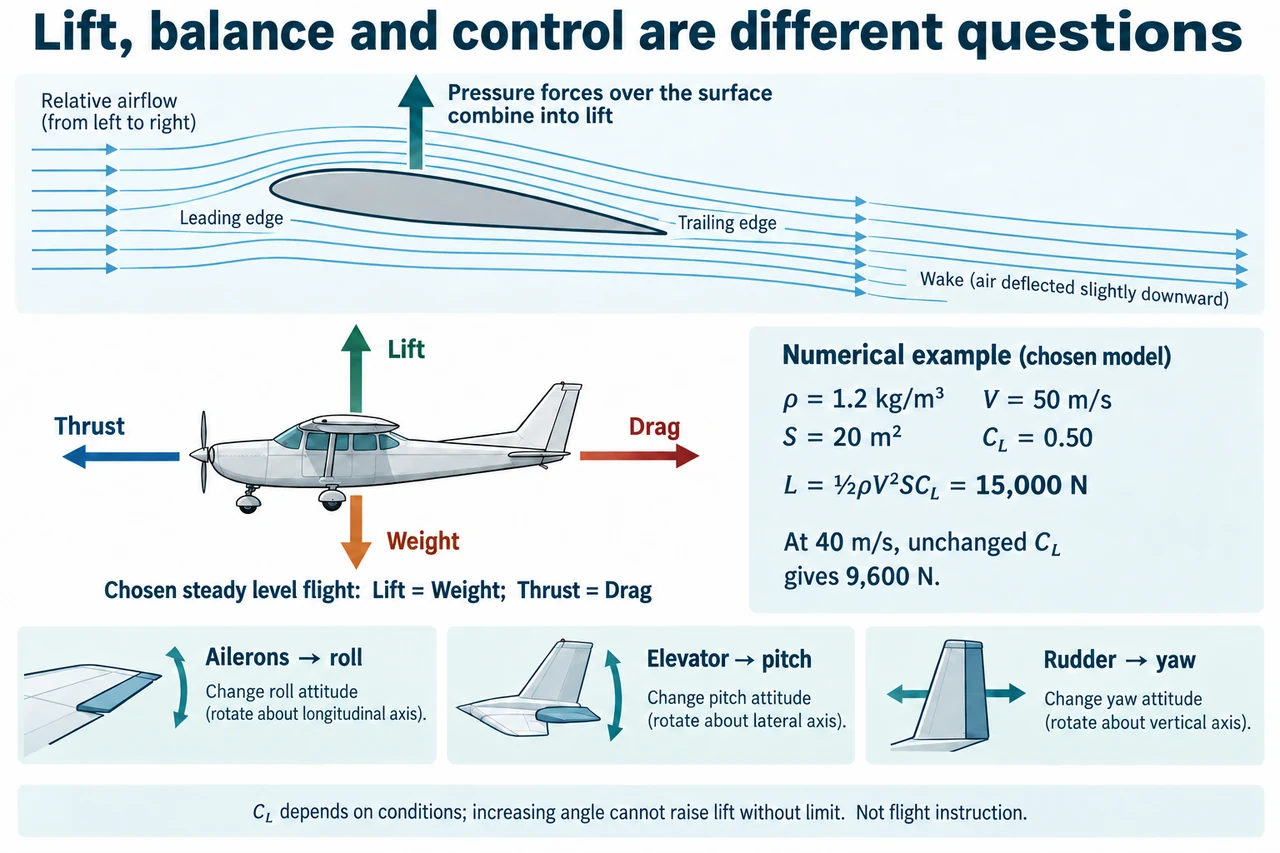
Wings: separate lift, force balance and rotational control
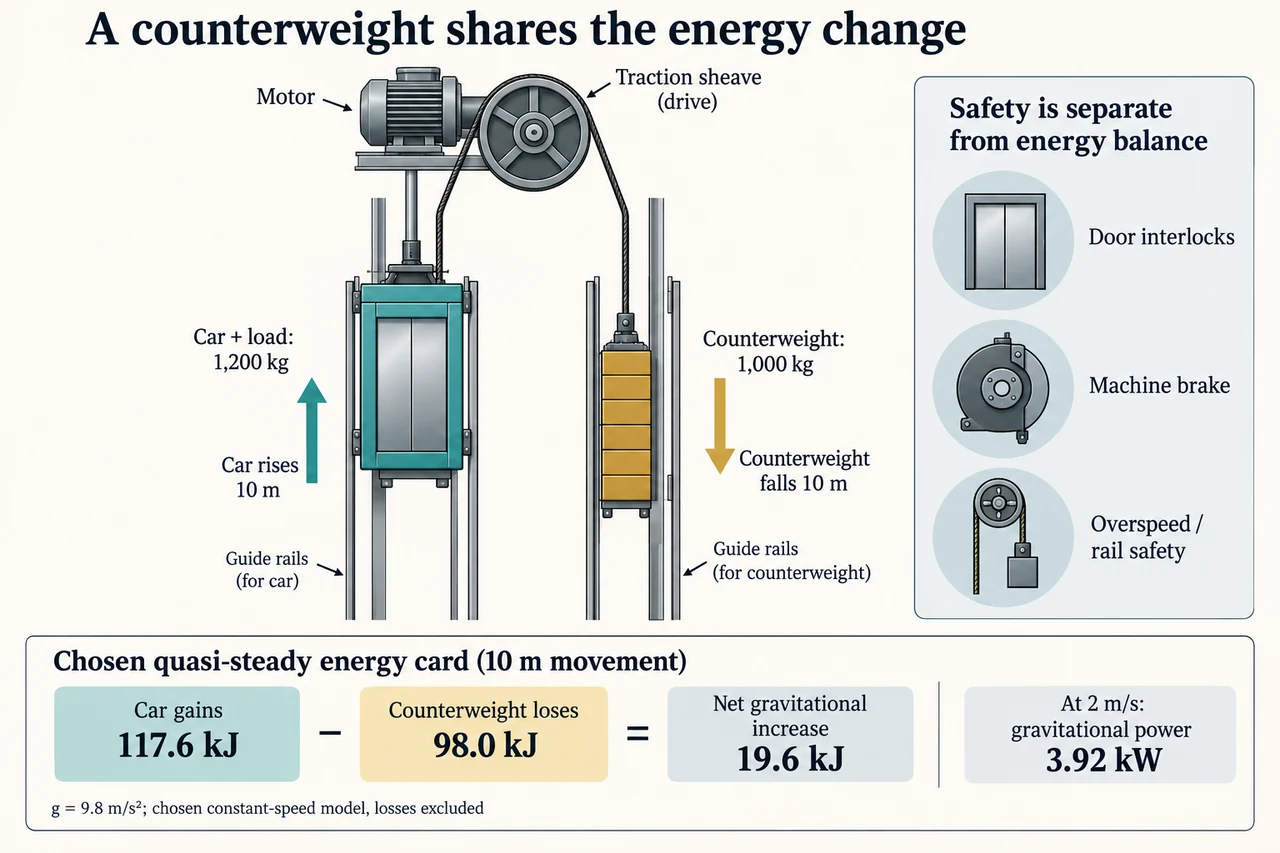
Traction lifts: counterweights reduce imbalance, not safety requirements
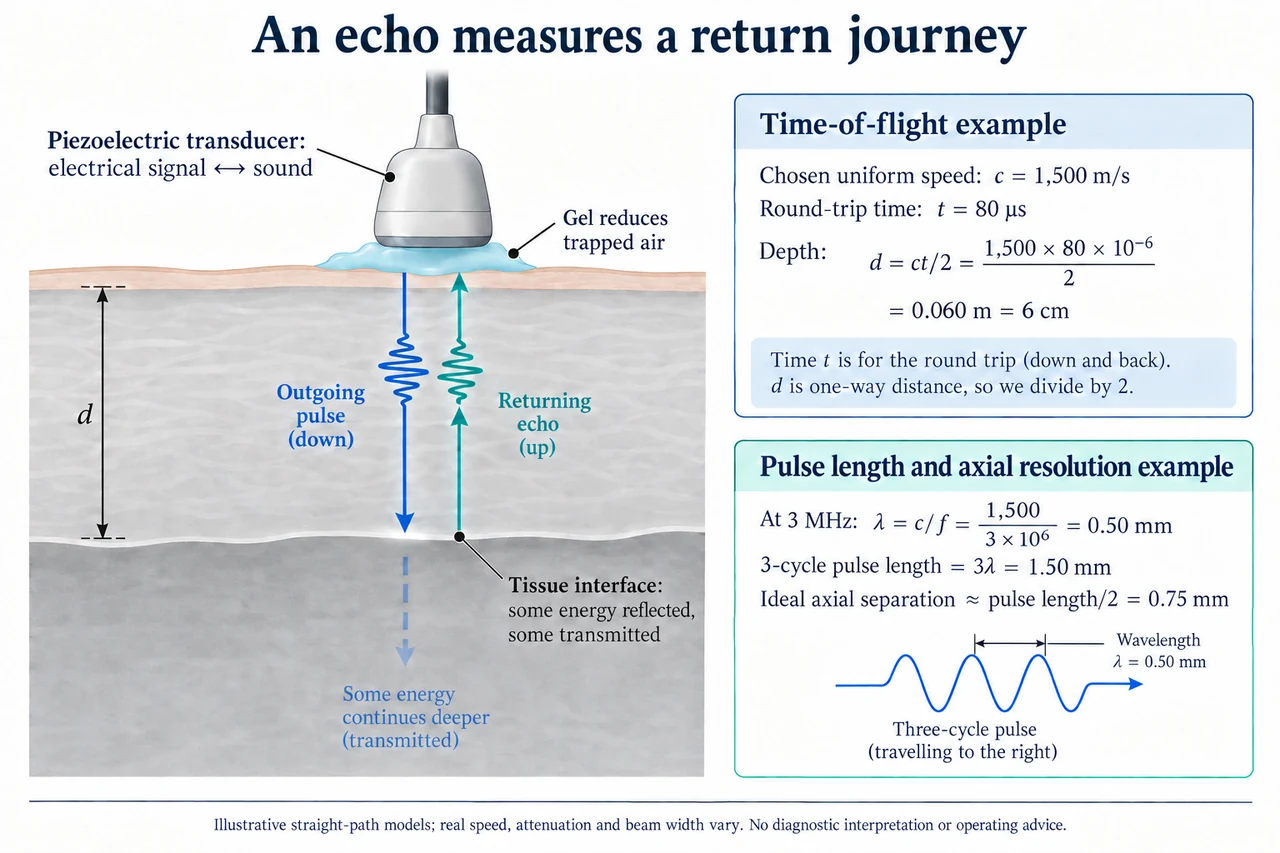
Ultrasound: an echo measures a journey, not a diagnosis
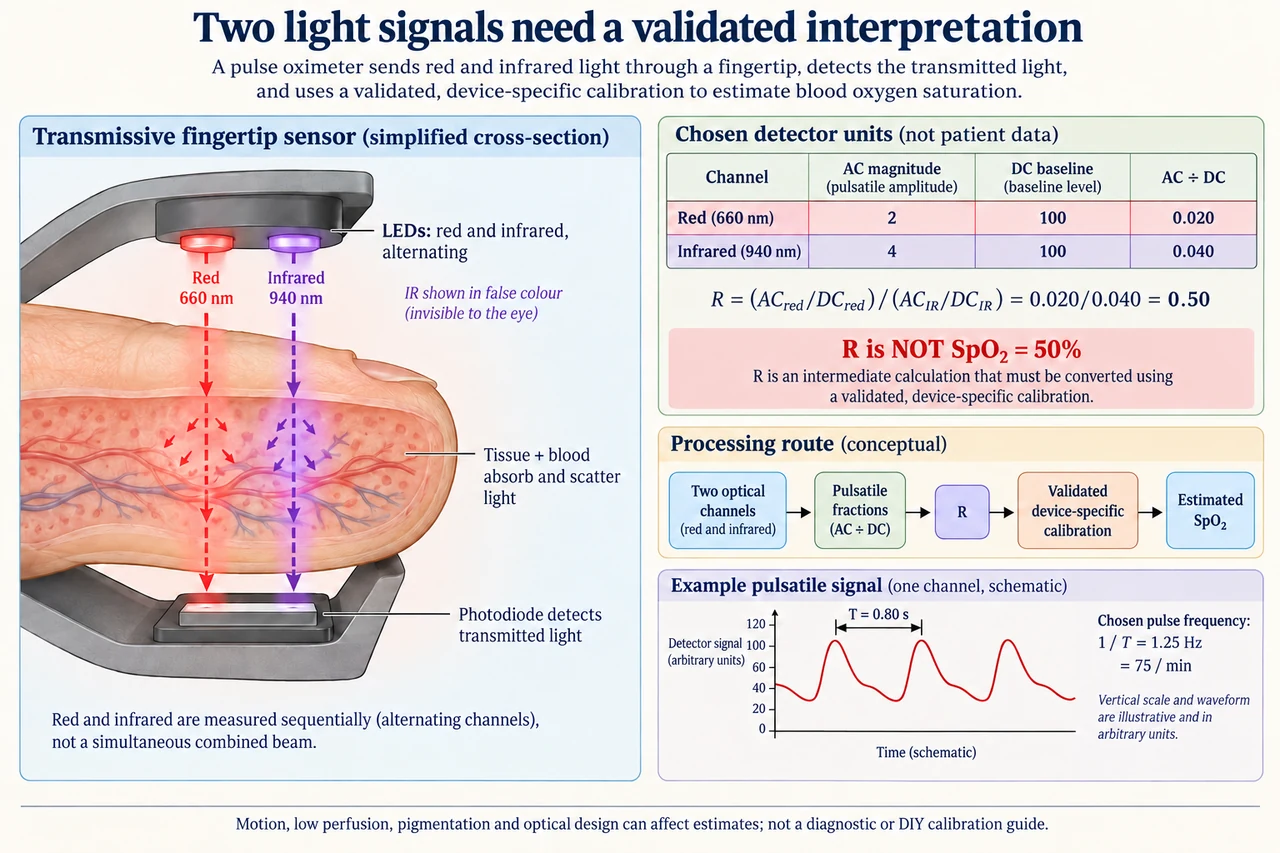
Pulse oximetry: a light ratio needs validated interpretation
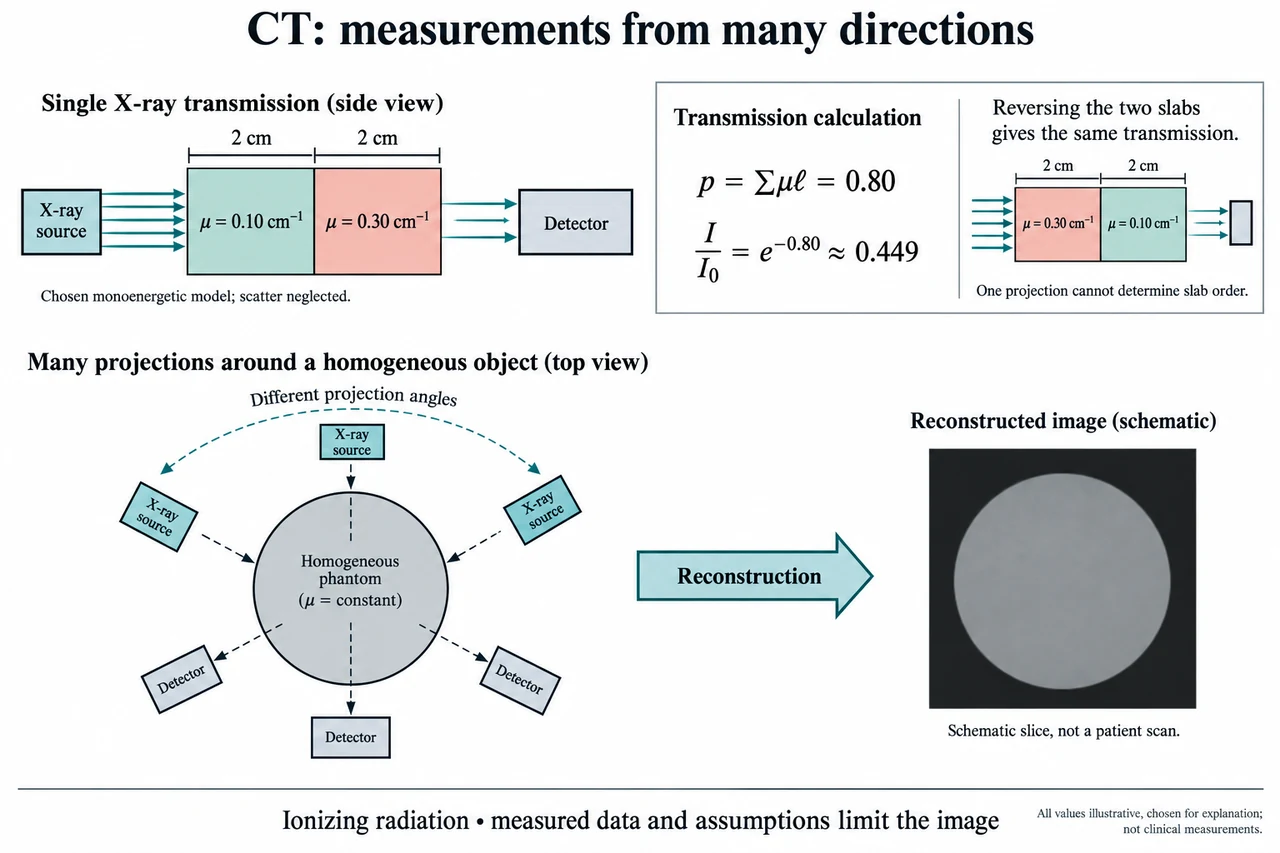
X-ray and CT: a projection is not a complete picture
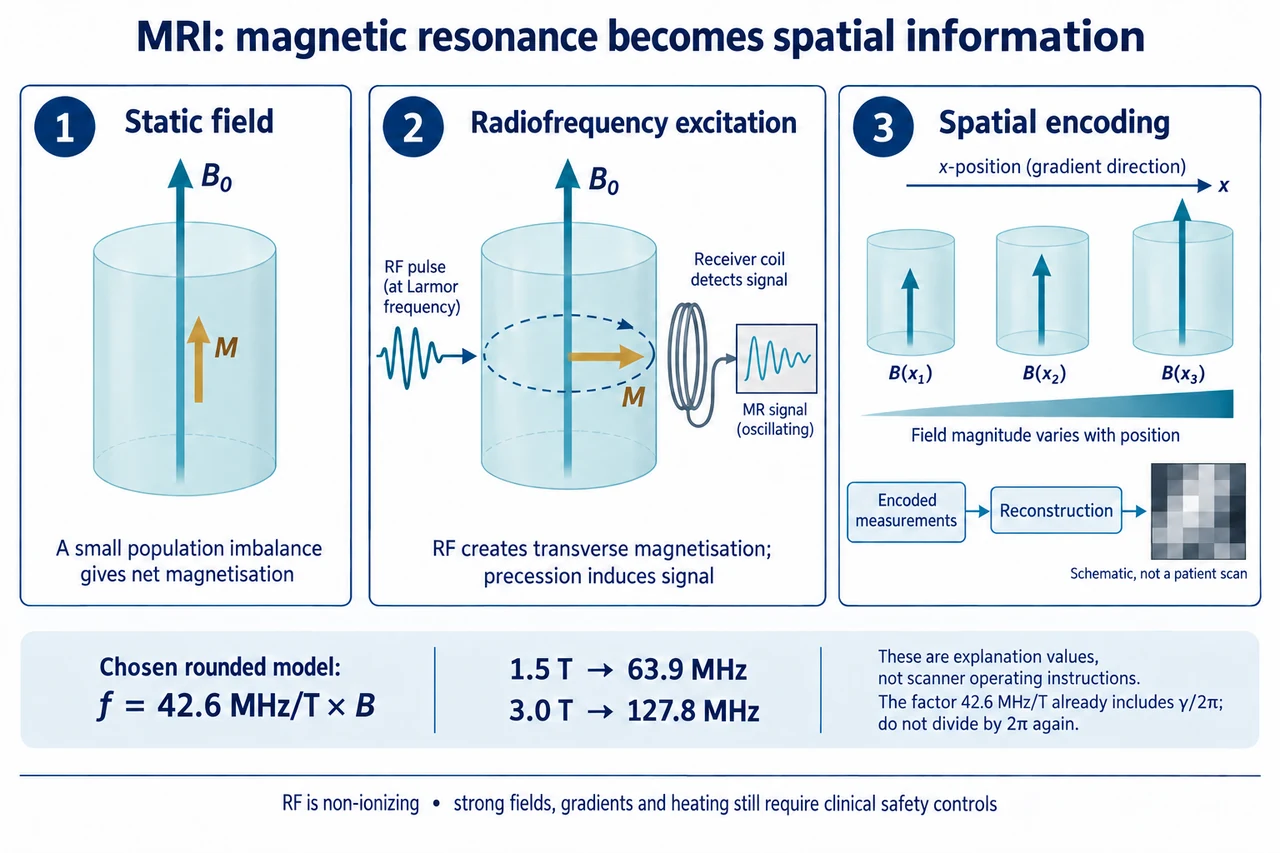
MRI: resonance, encoding and the limits of an image
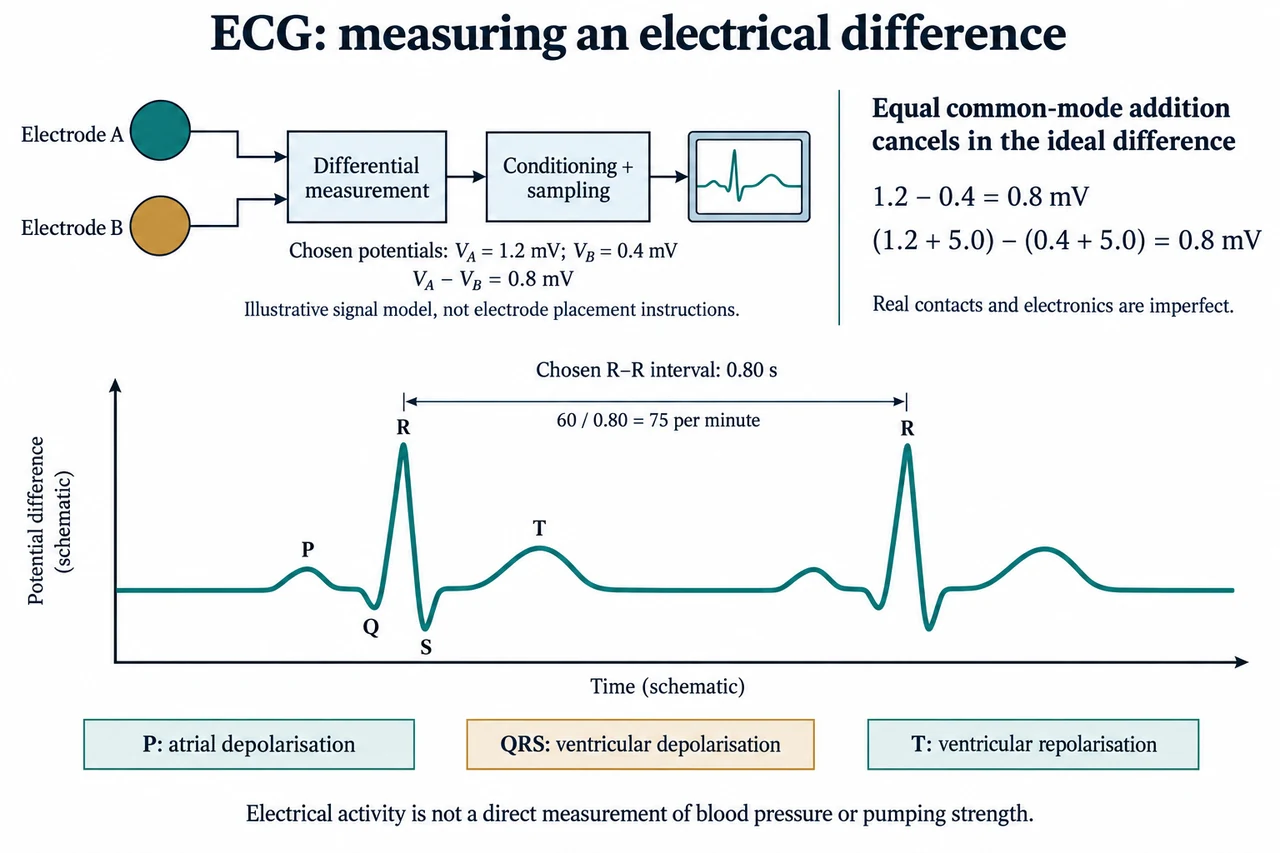
ECG: a measured voltage is evidence, not a complete heart assessment
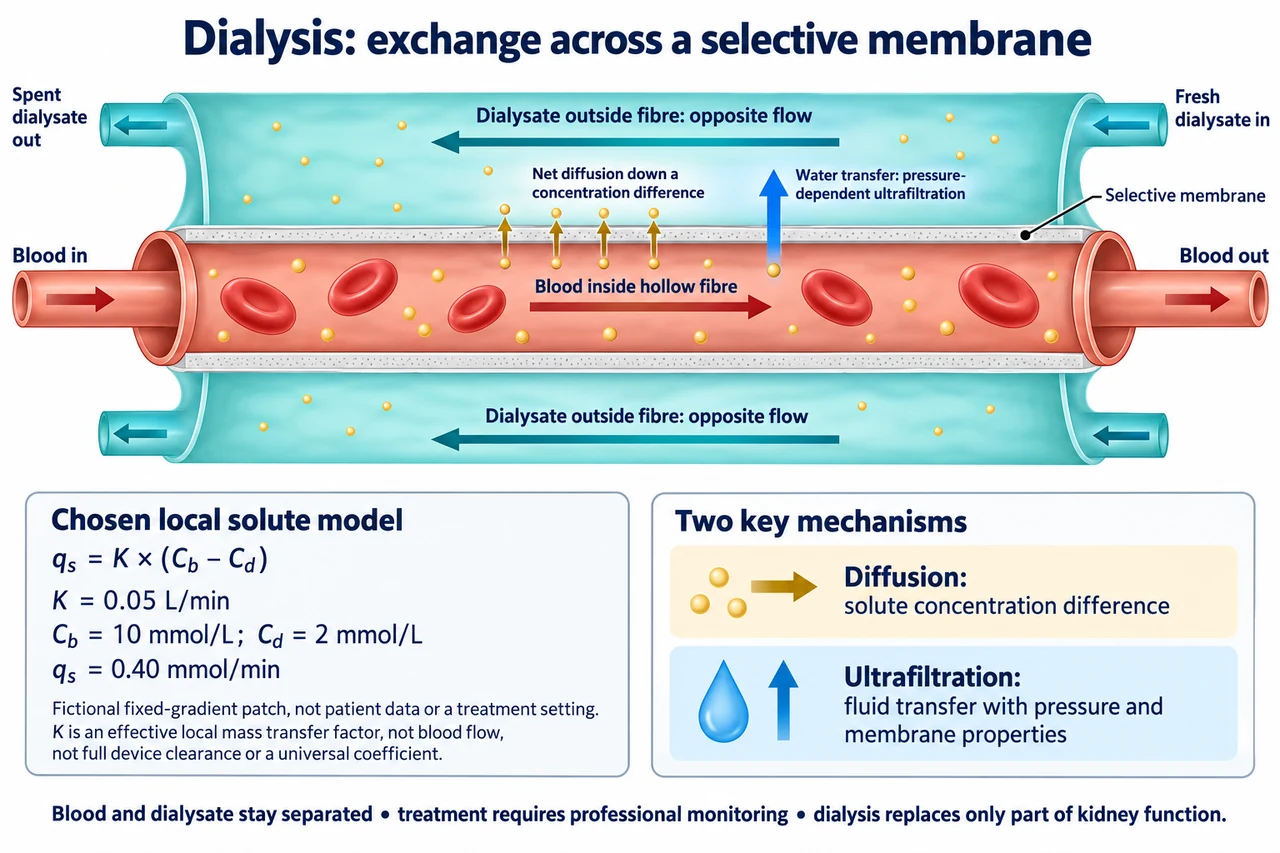
Dialysis: transport, separation and what a model cannot promise
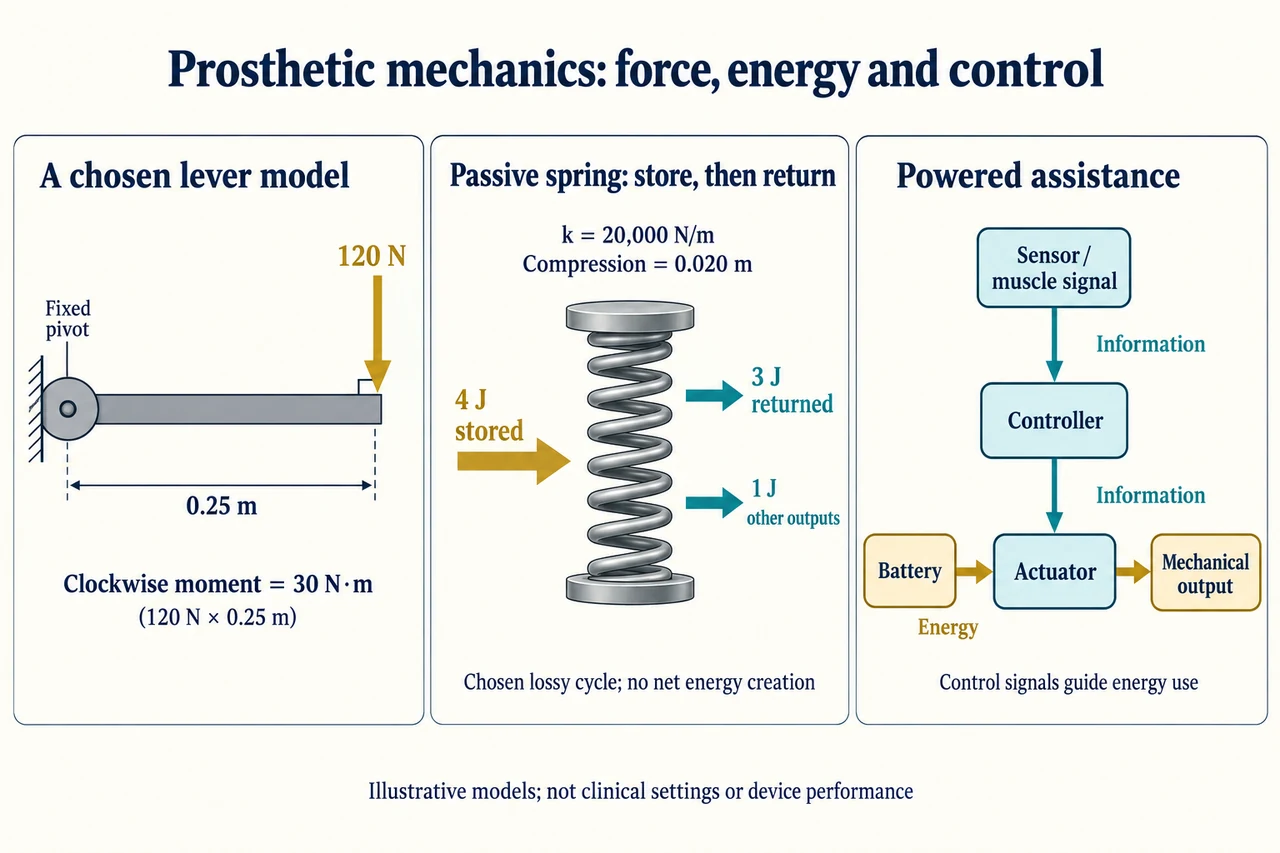
Prosthetic mechanics: a spring returns energy; a powered actuator adds it
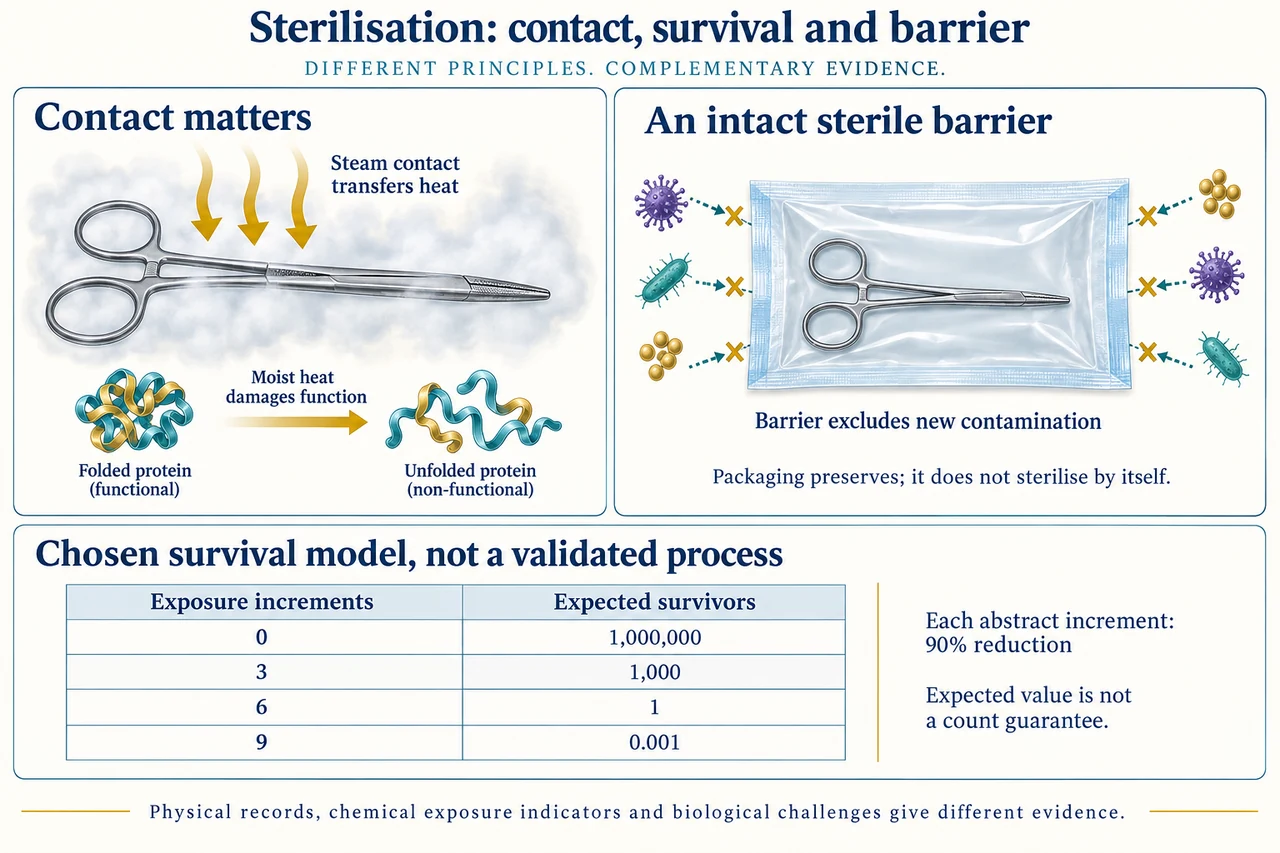
Sterilisation: reducing survival and preventing recontamination are different jobs
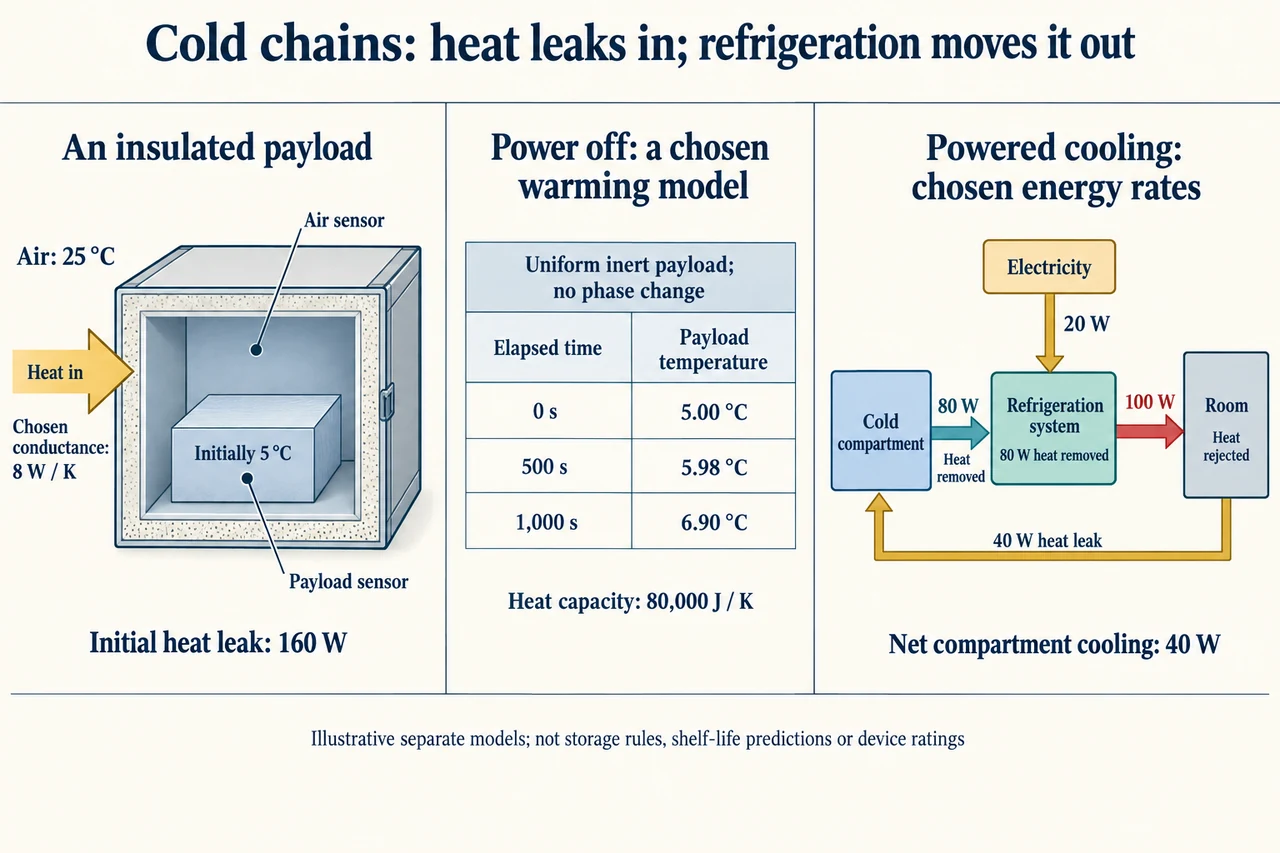
Cold chains: the payload temperature matters more than a reassuring display
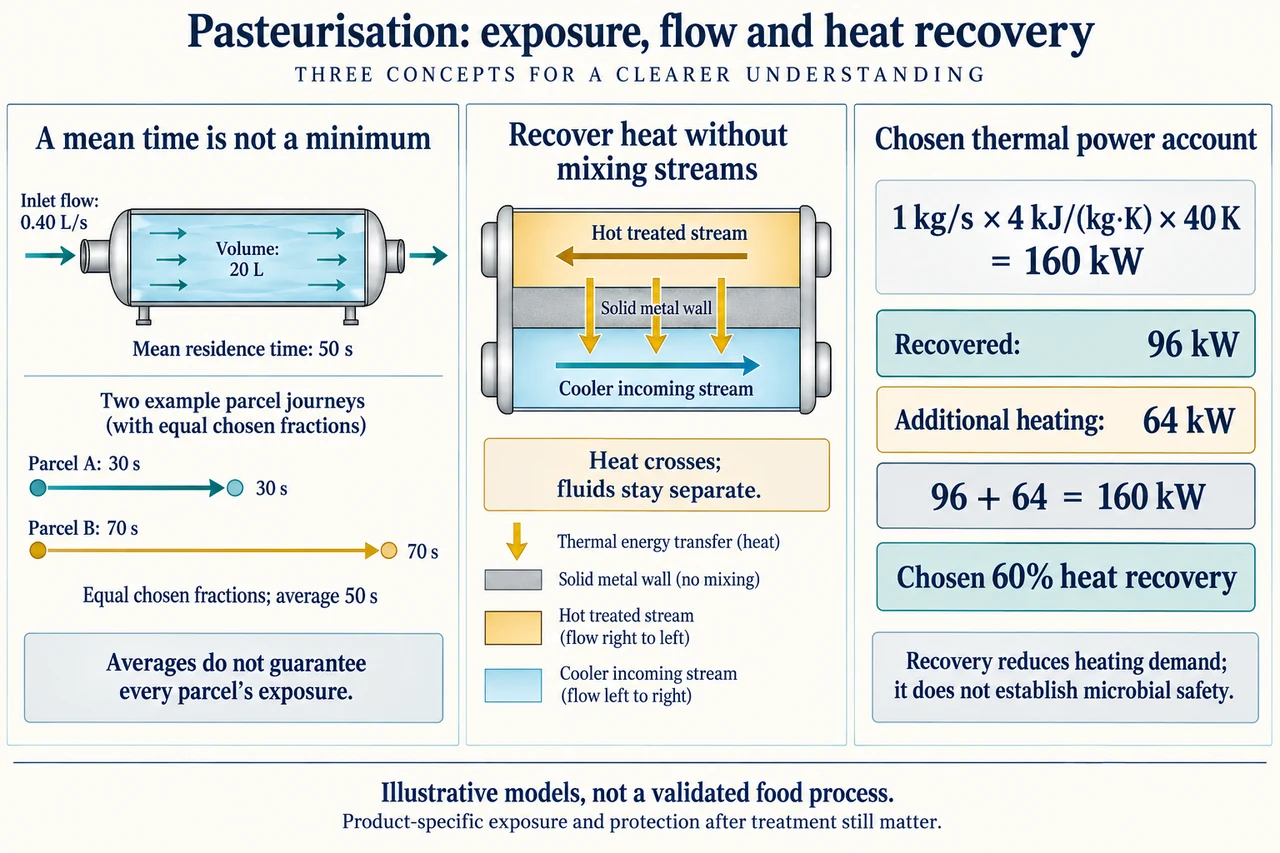
Pasteurisation: a flow average cannot prove every parcel was treated
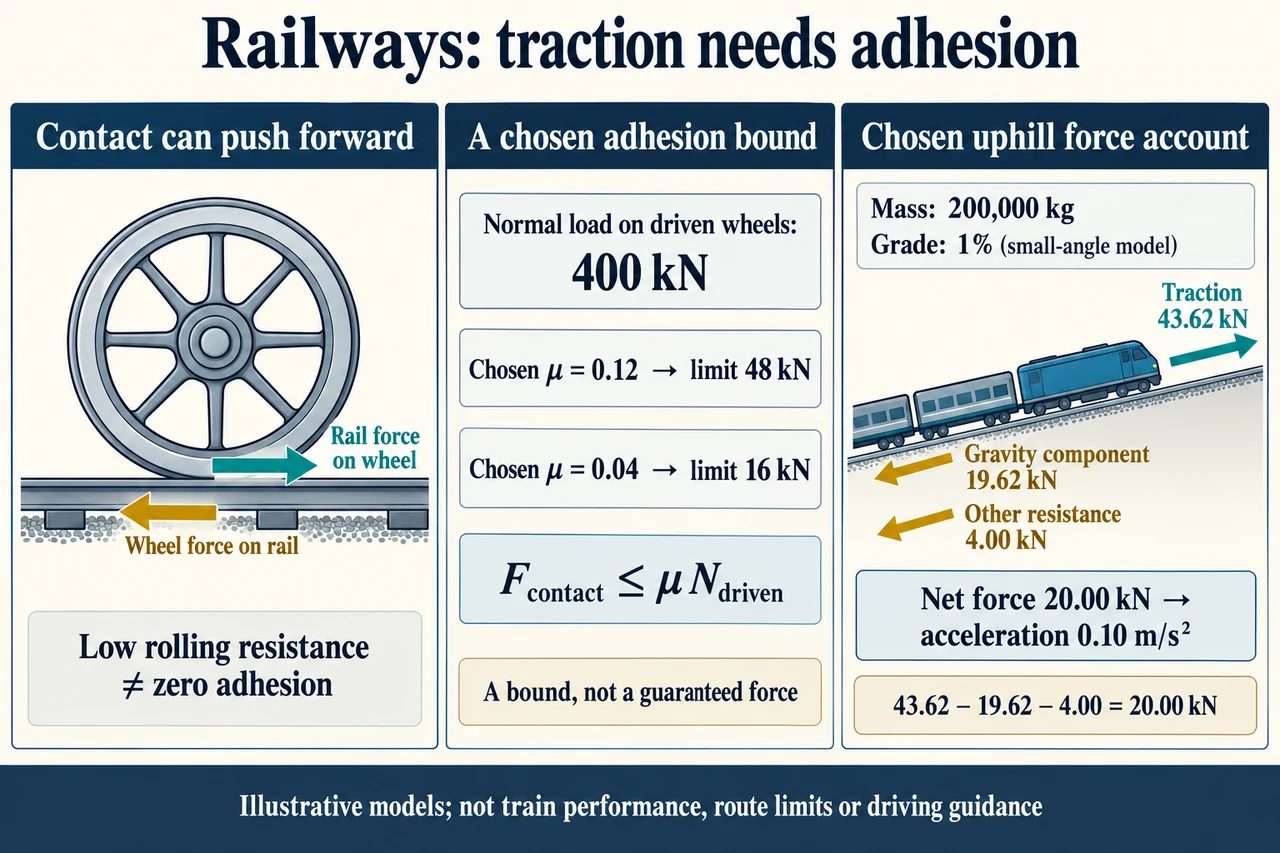
Railways: why low resistance still needs adhesion
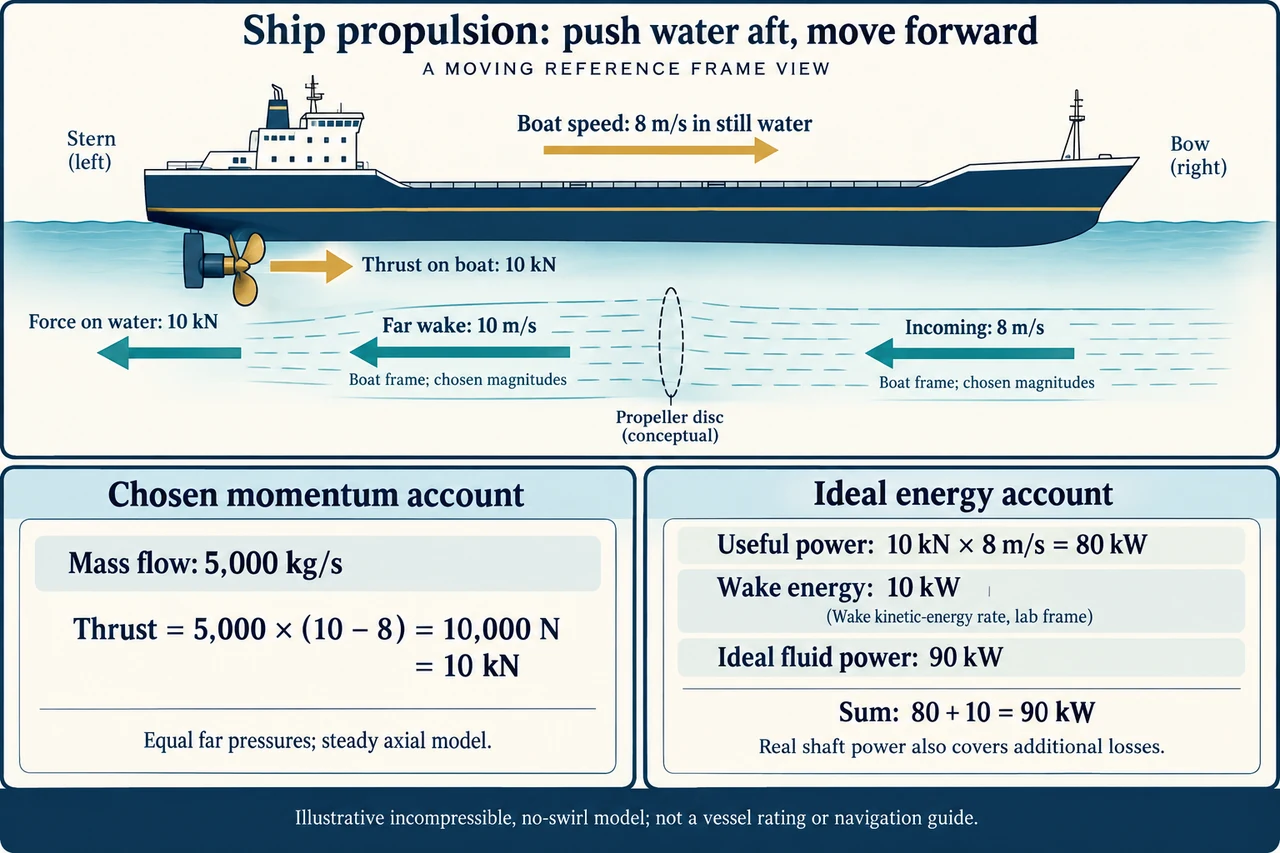
Ship propulsion: momentum, reference frames and wake energy
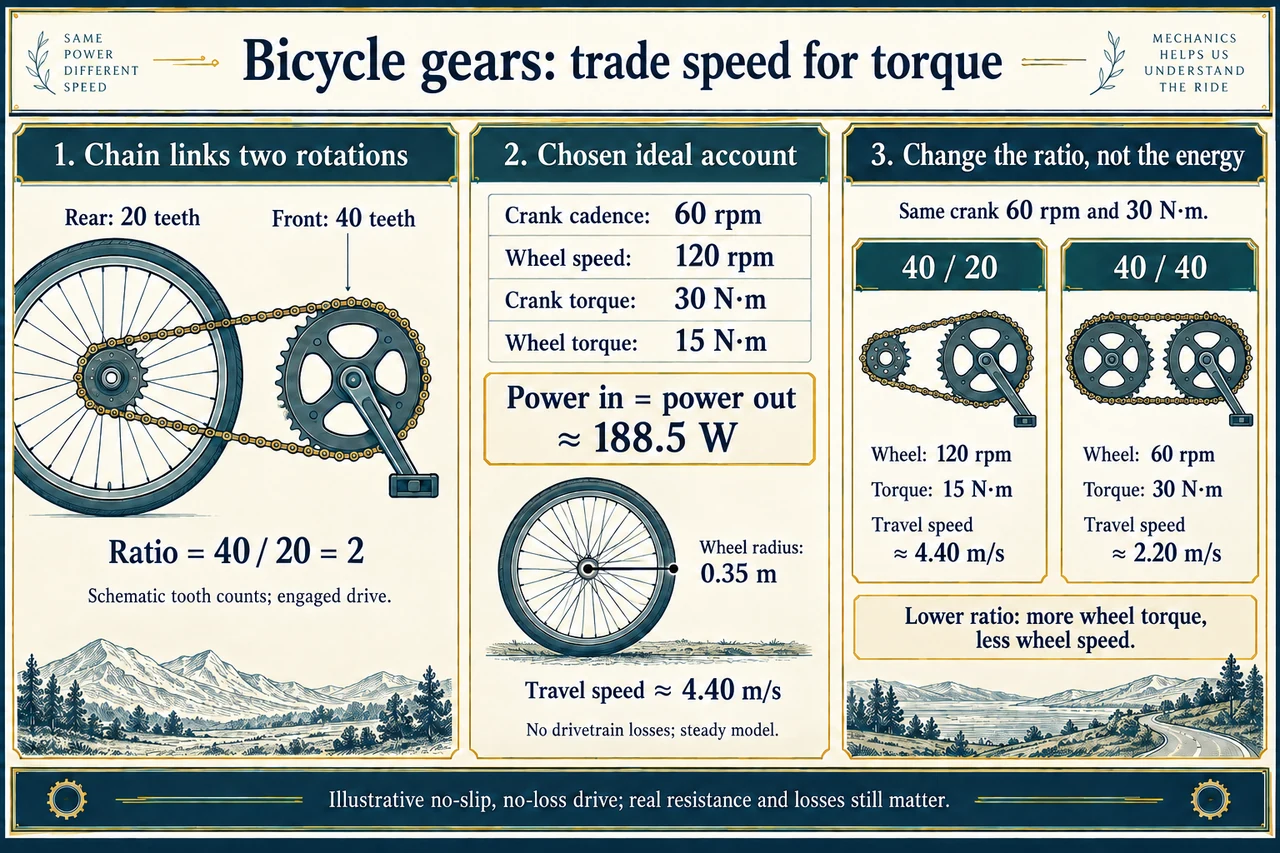
Bicycle gearing: more torque comes with less speed
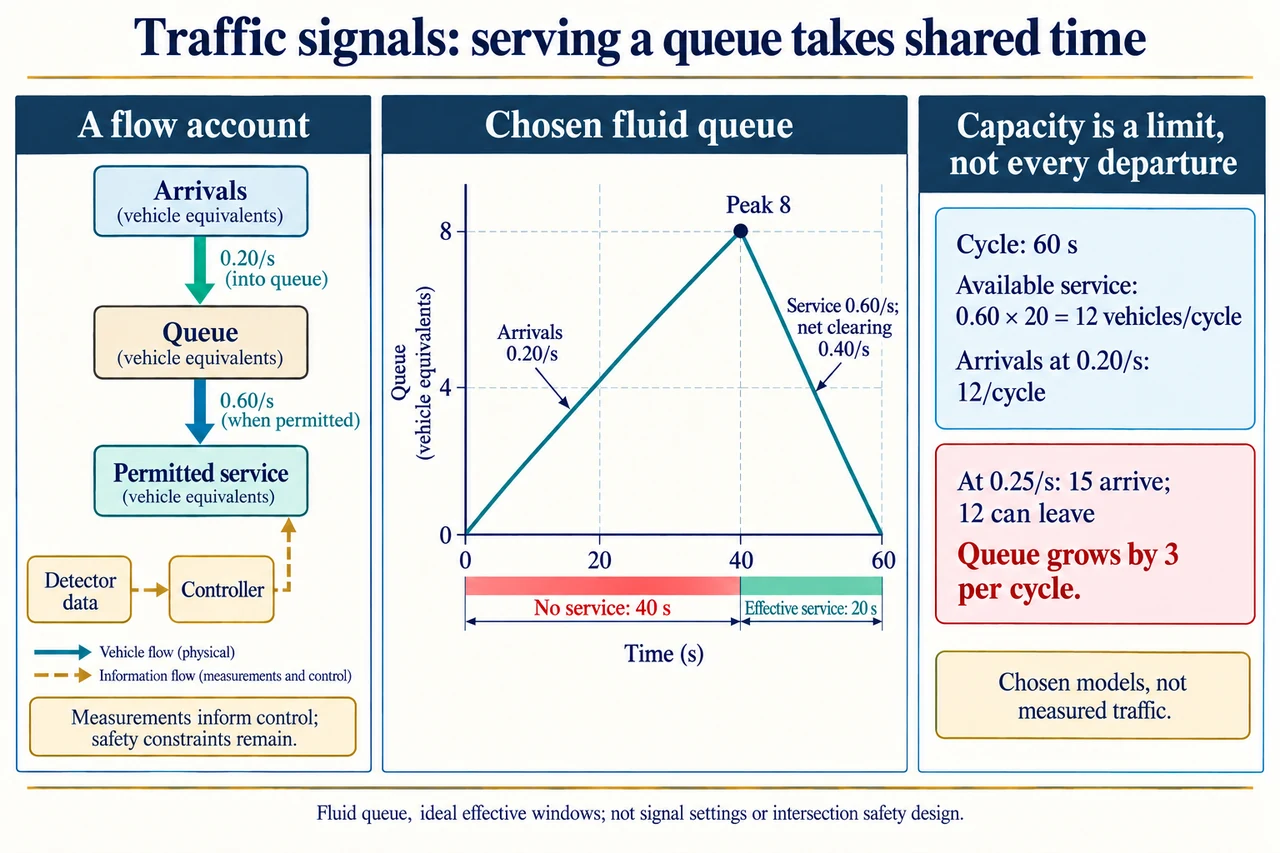
Traffic signals: arrivals, service and the cost of shared time
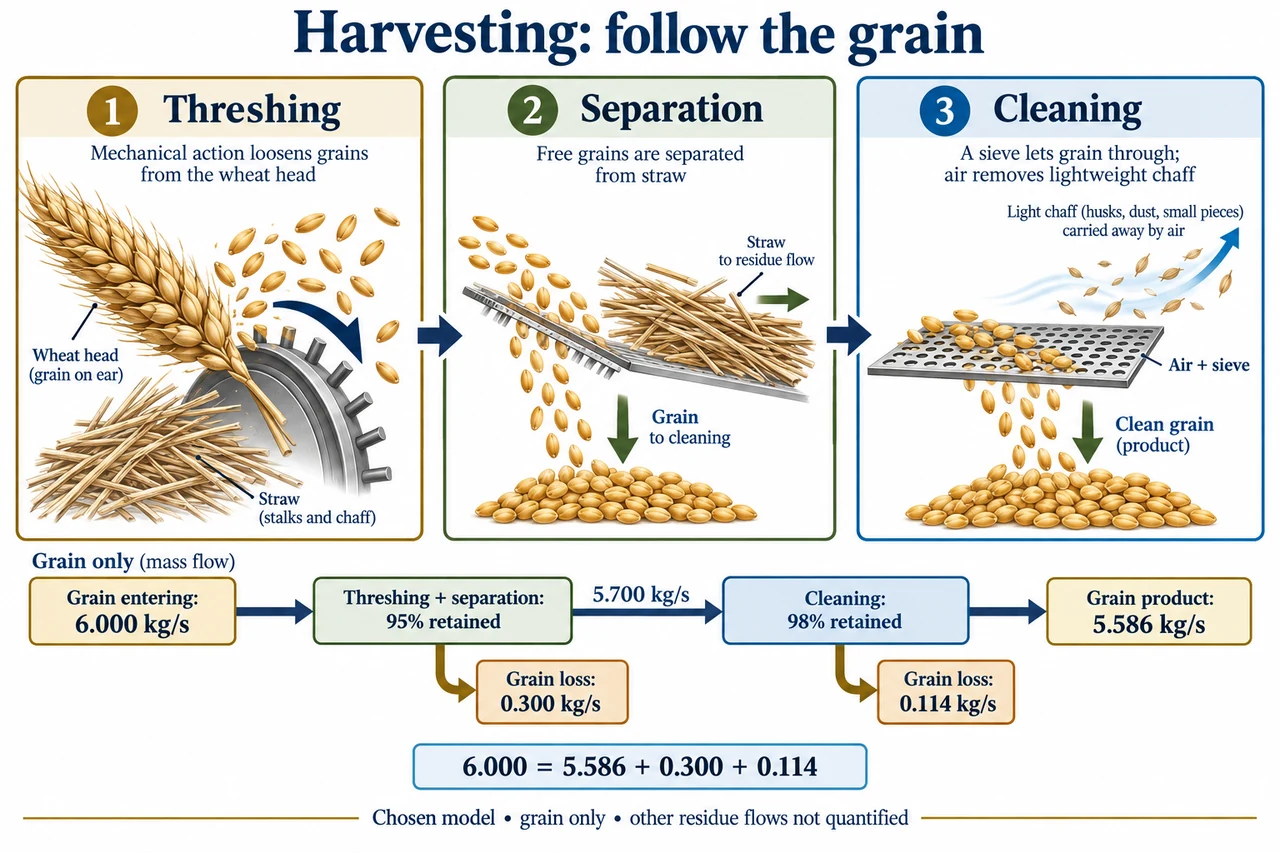
Harvesting machinery: separate grain and account for losses
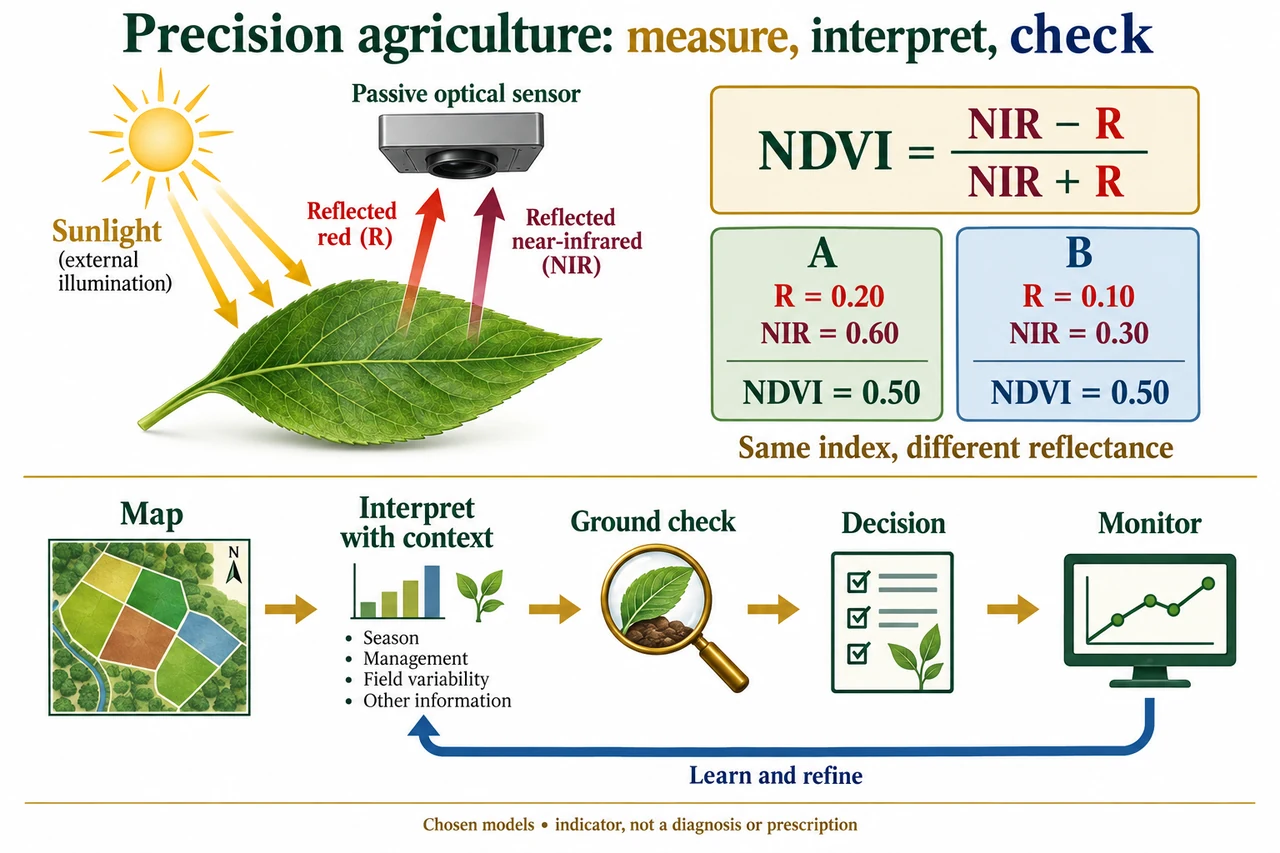
Precision agriculture: an index is not a prescription
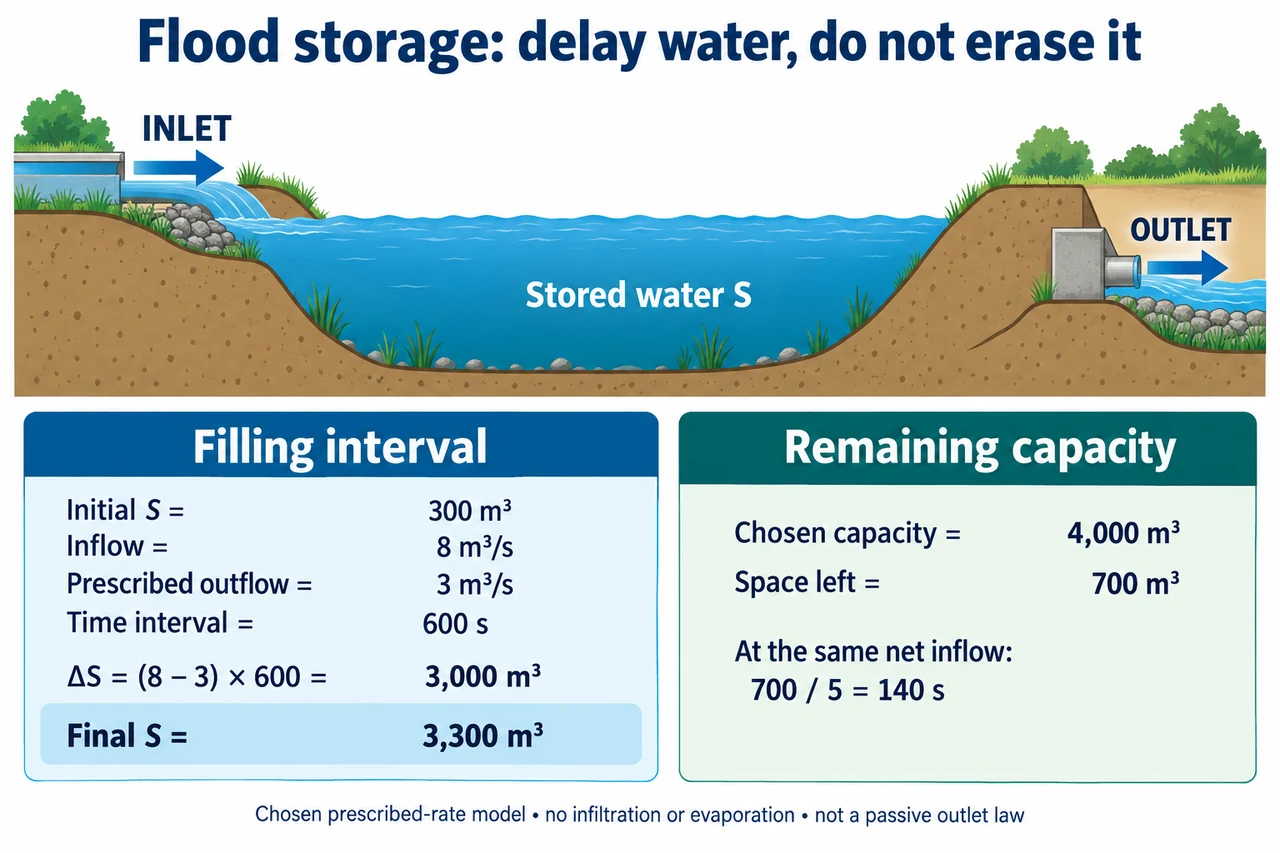
Flood management: storage changes timing, not conservation
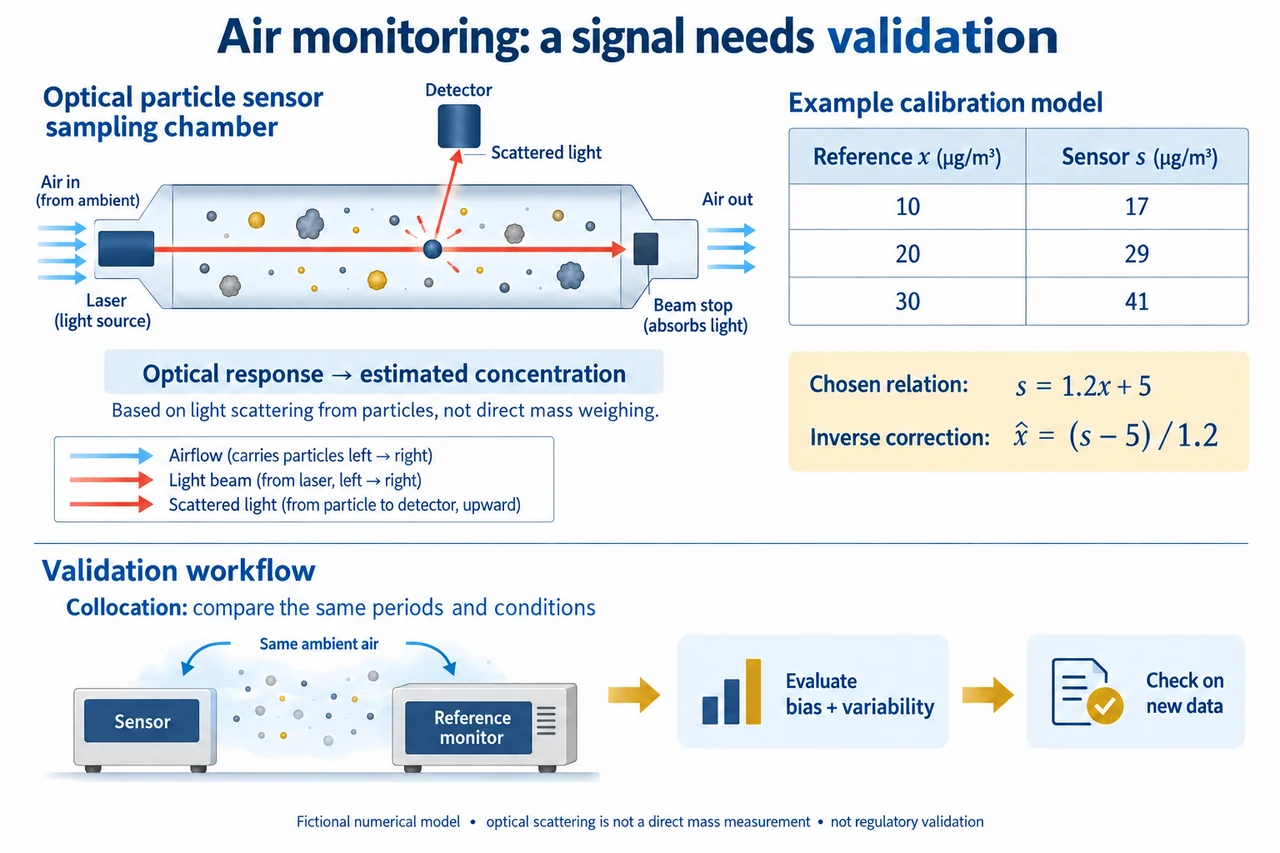
Air-pollution monitoring: correlation is not agreement
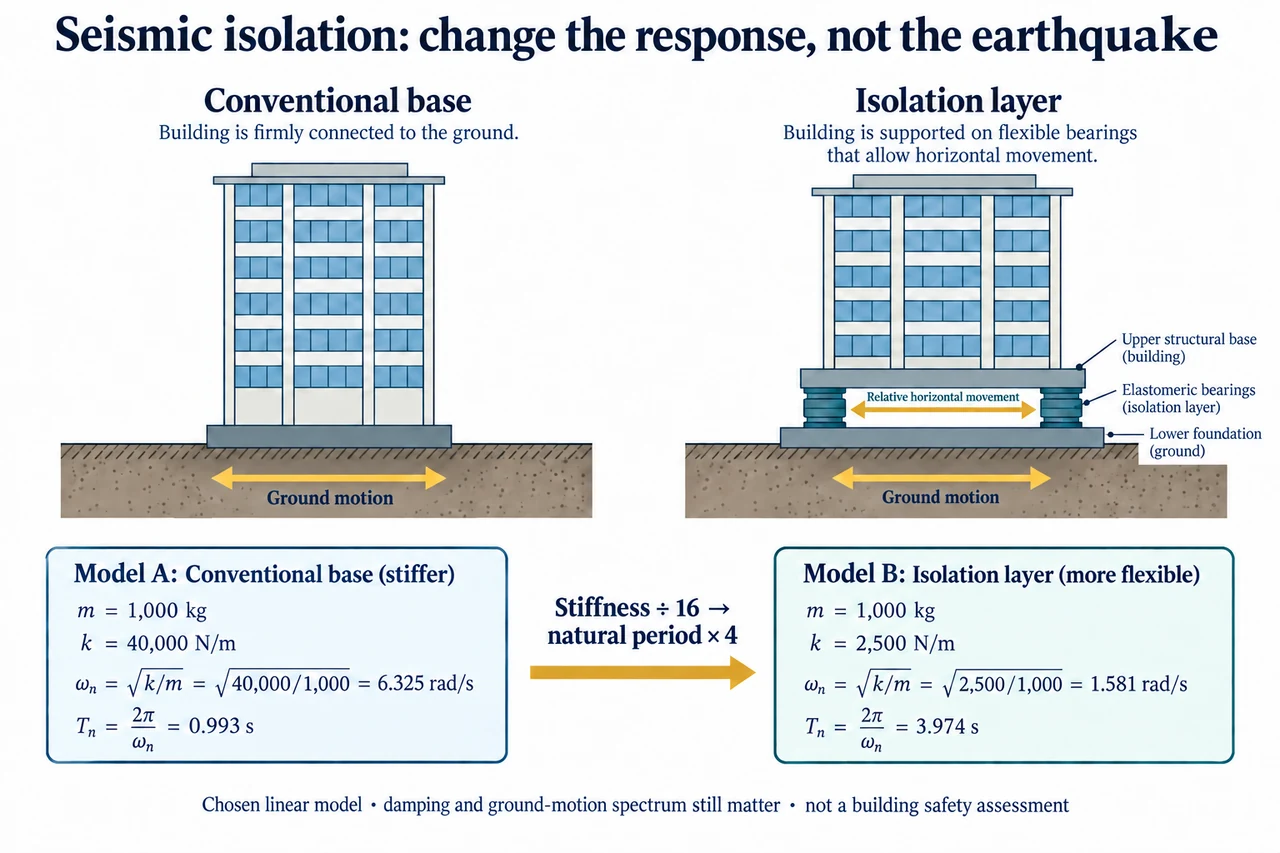
Earthquake-resistant structures: response, period and limits
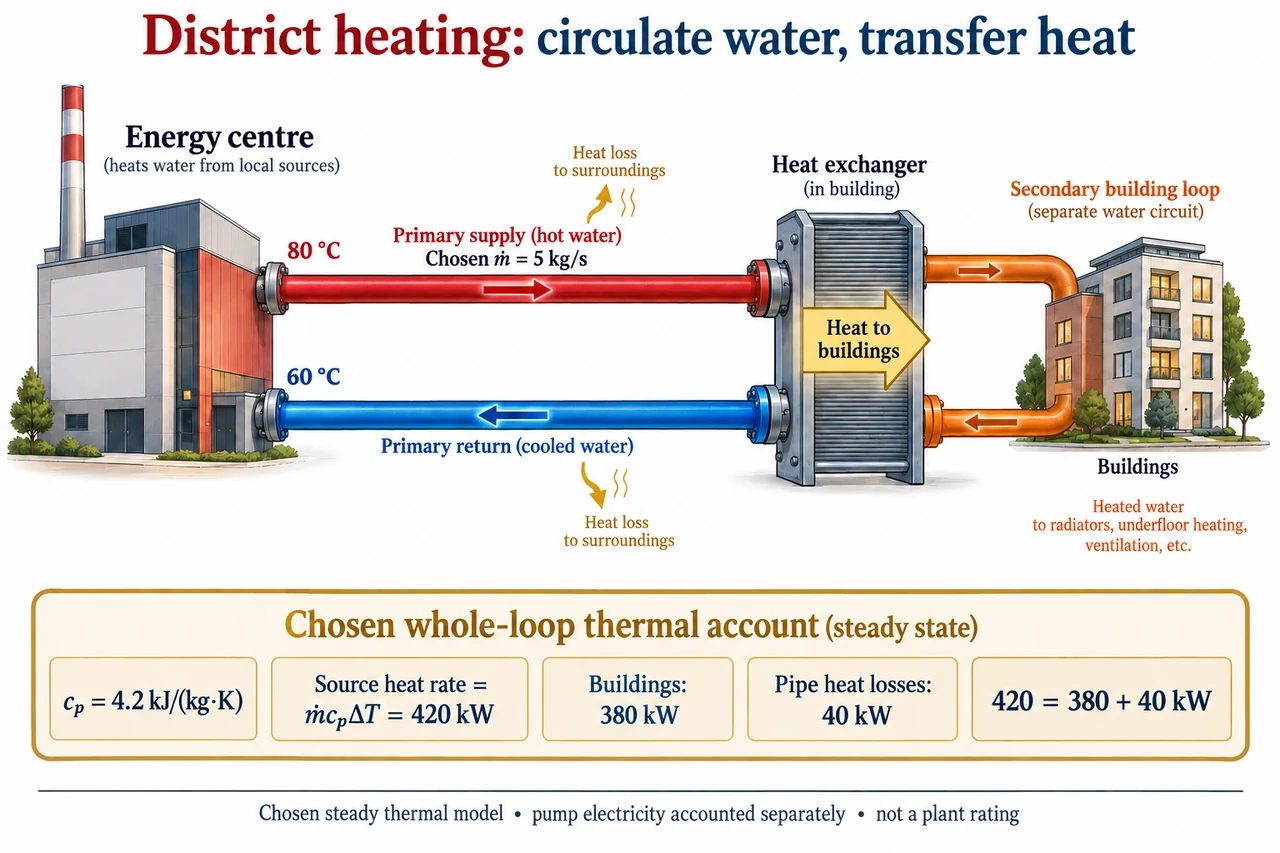
District heating: keep the water and energy accounts distinct
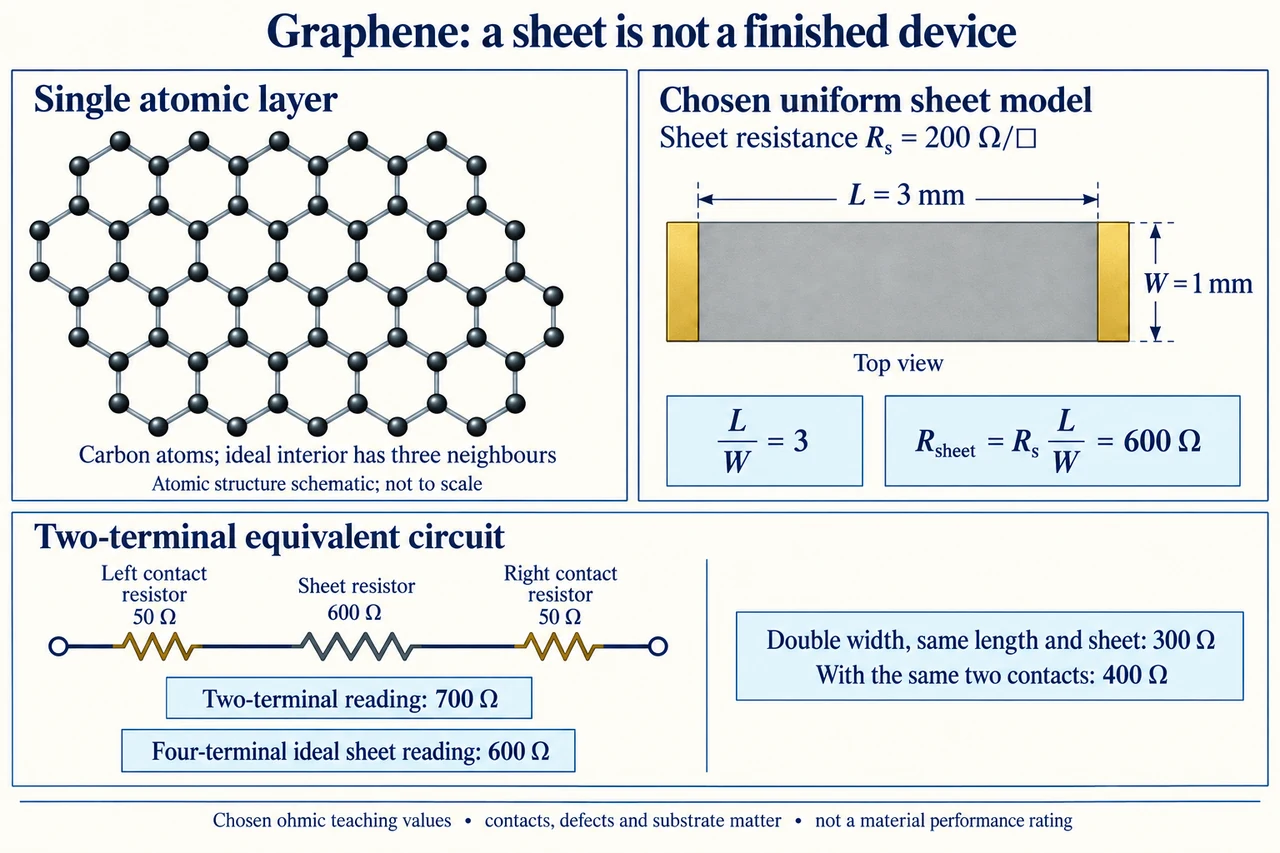
Graphene: structure, sheet resistance and the finished device
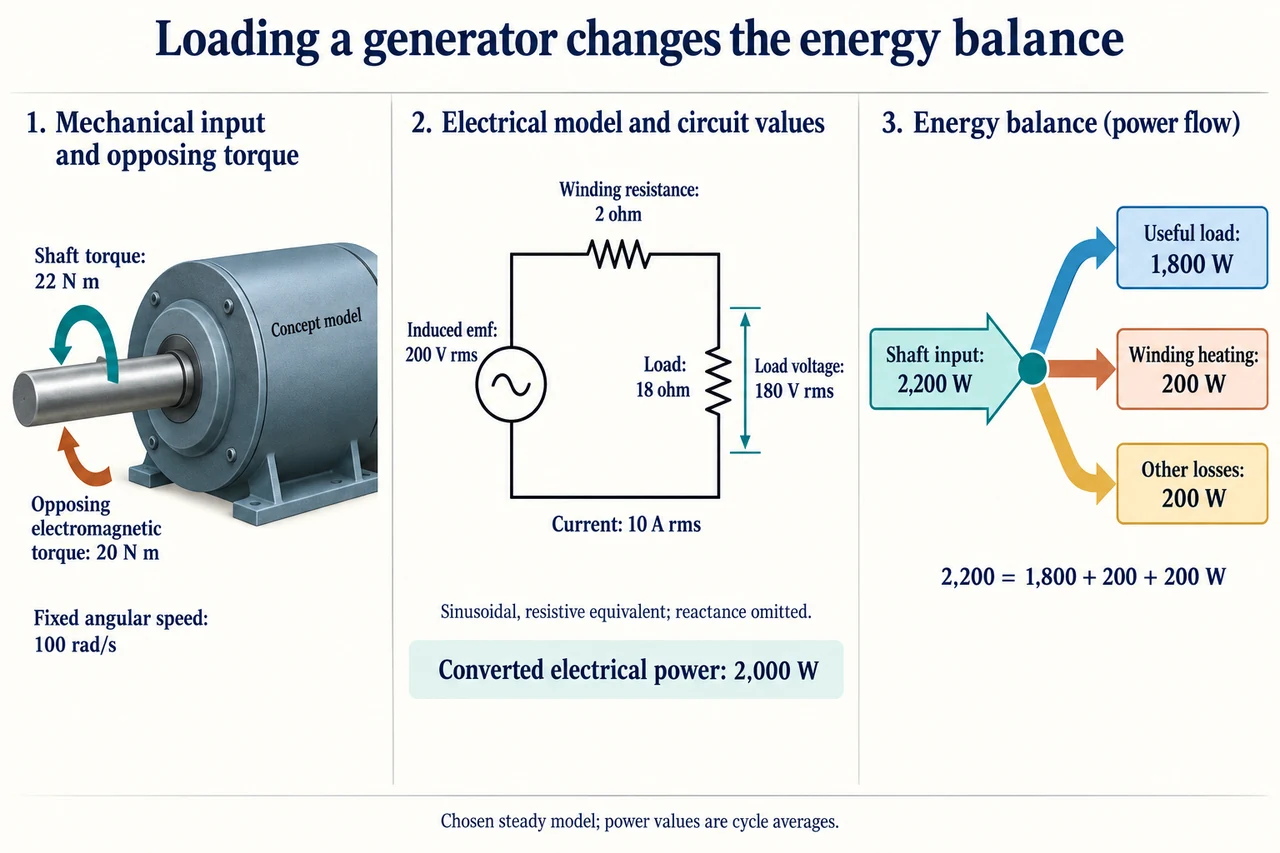
Why a loaded generator needs more shaft work
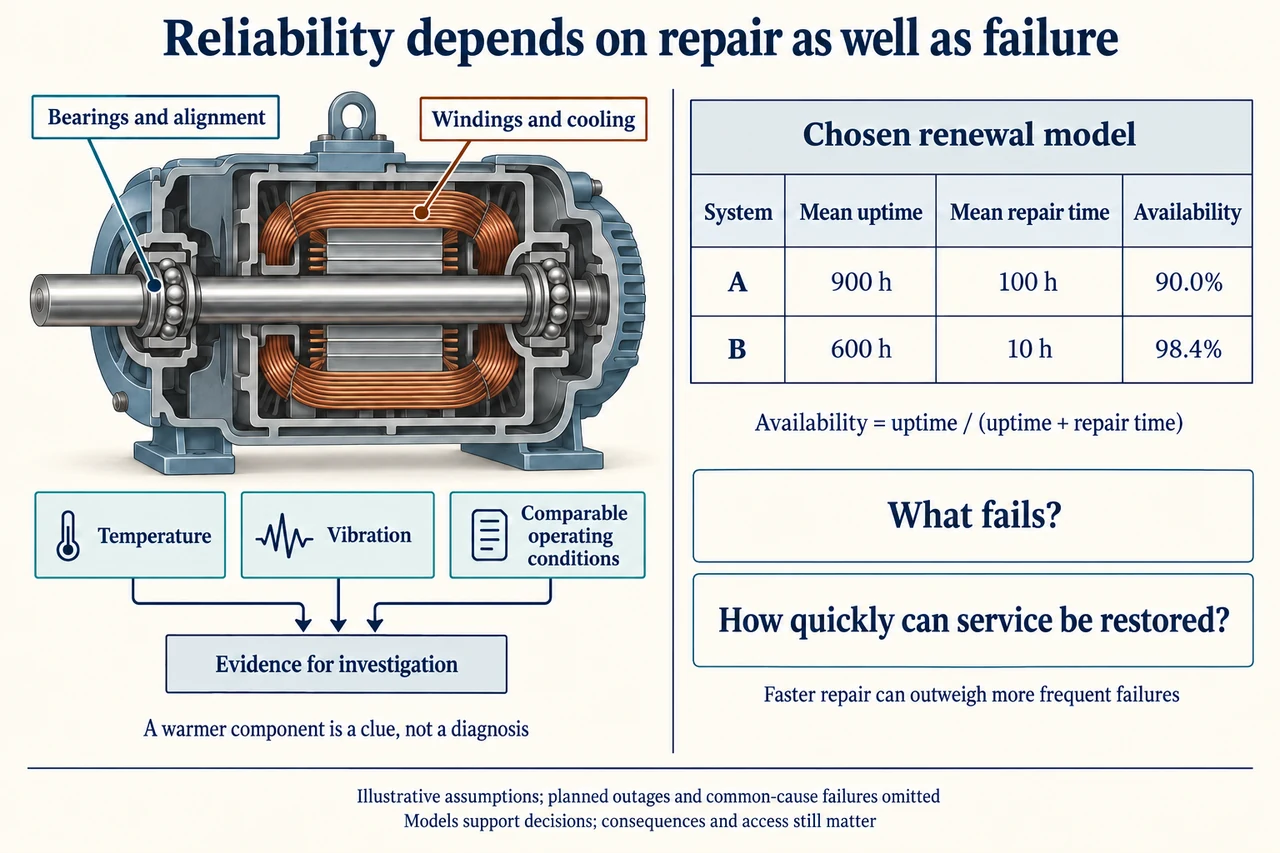
A reliable supply needs a repair plan
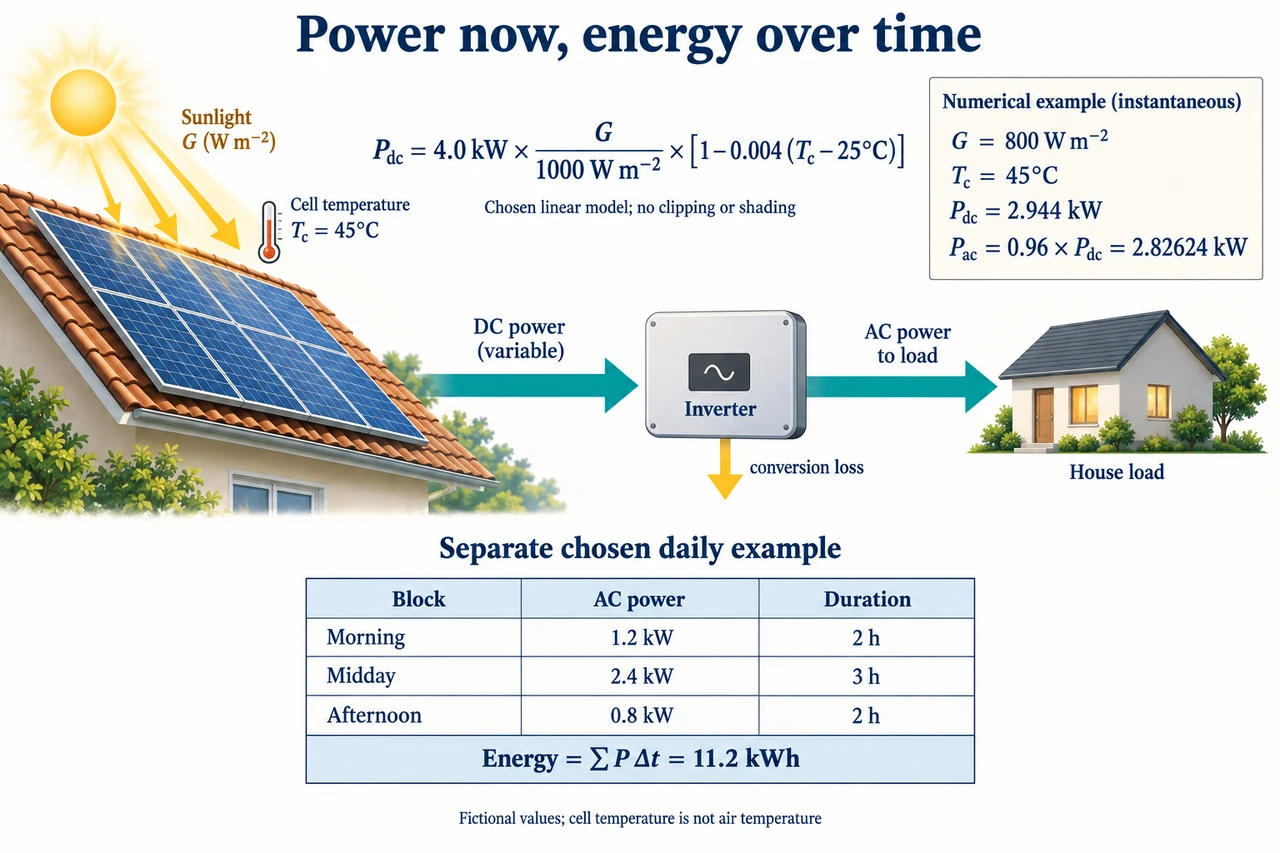
Solar power: rating, temperature and the hours that matter
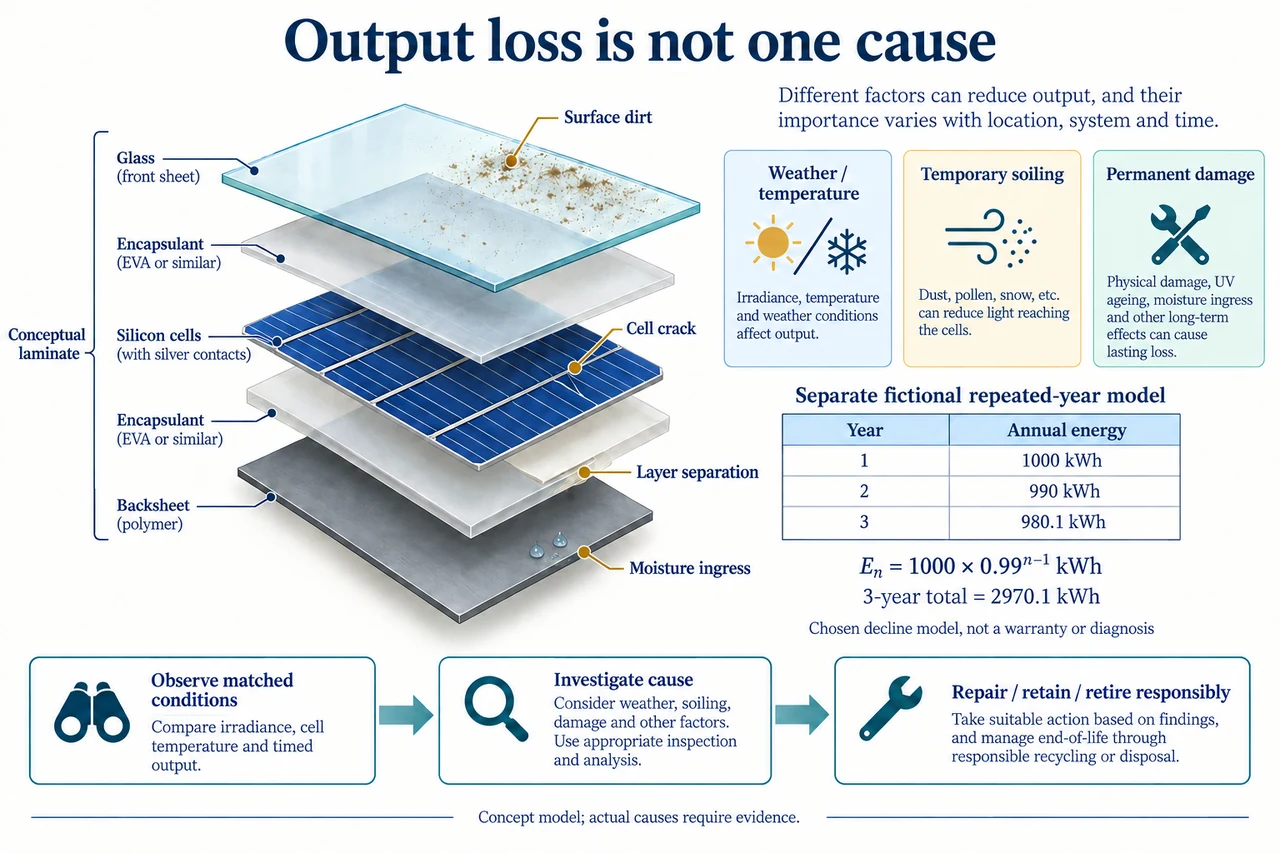
Solar lifetime: evidence, cumulative energy and responsible decisions
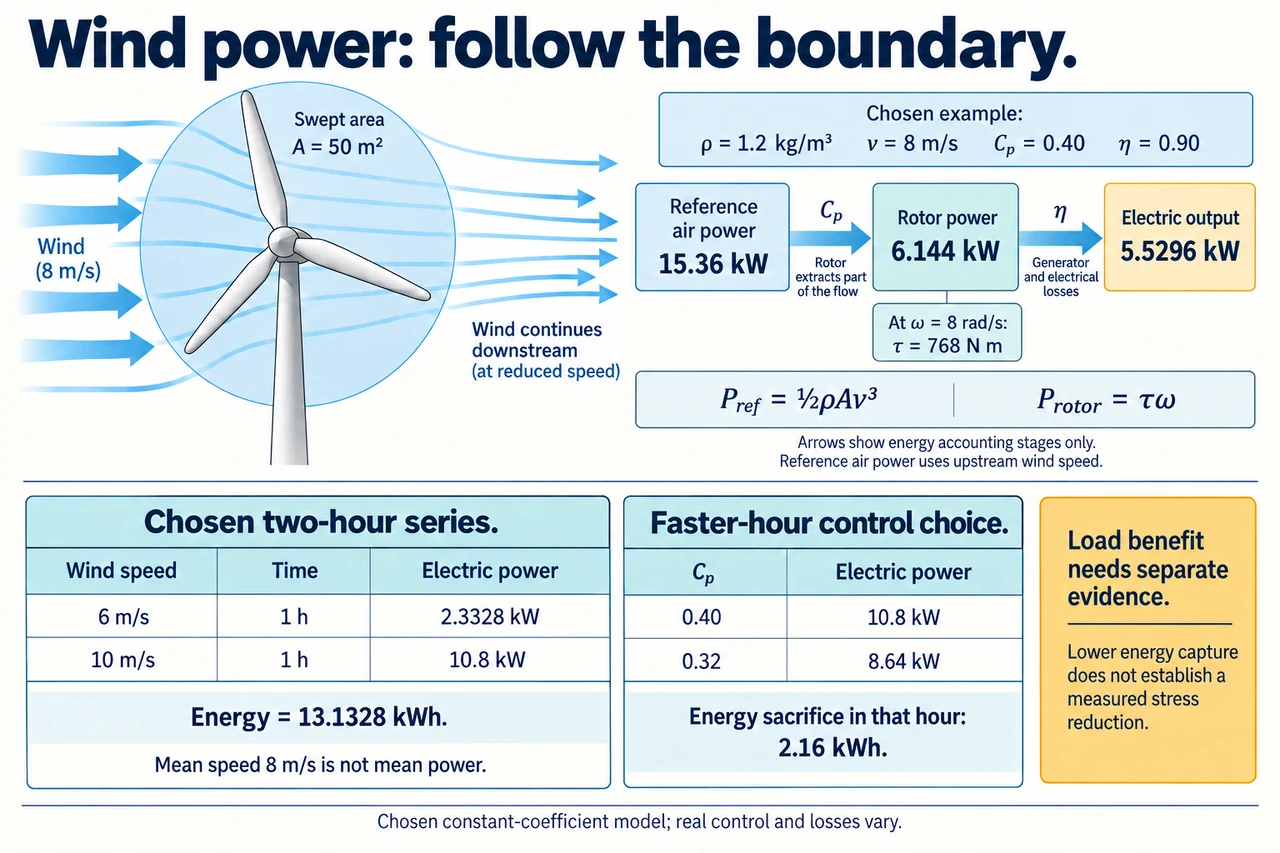
Wind power: speed, torque and the cost of a control choice
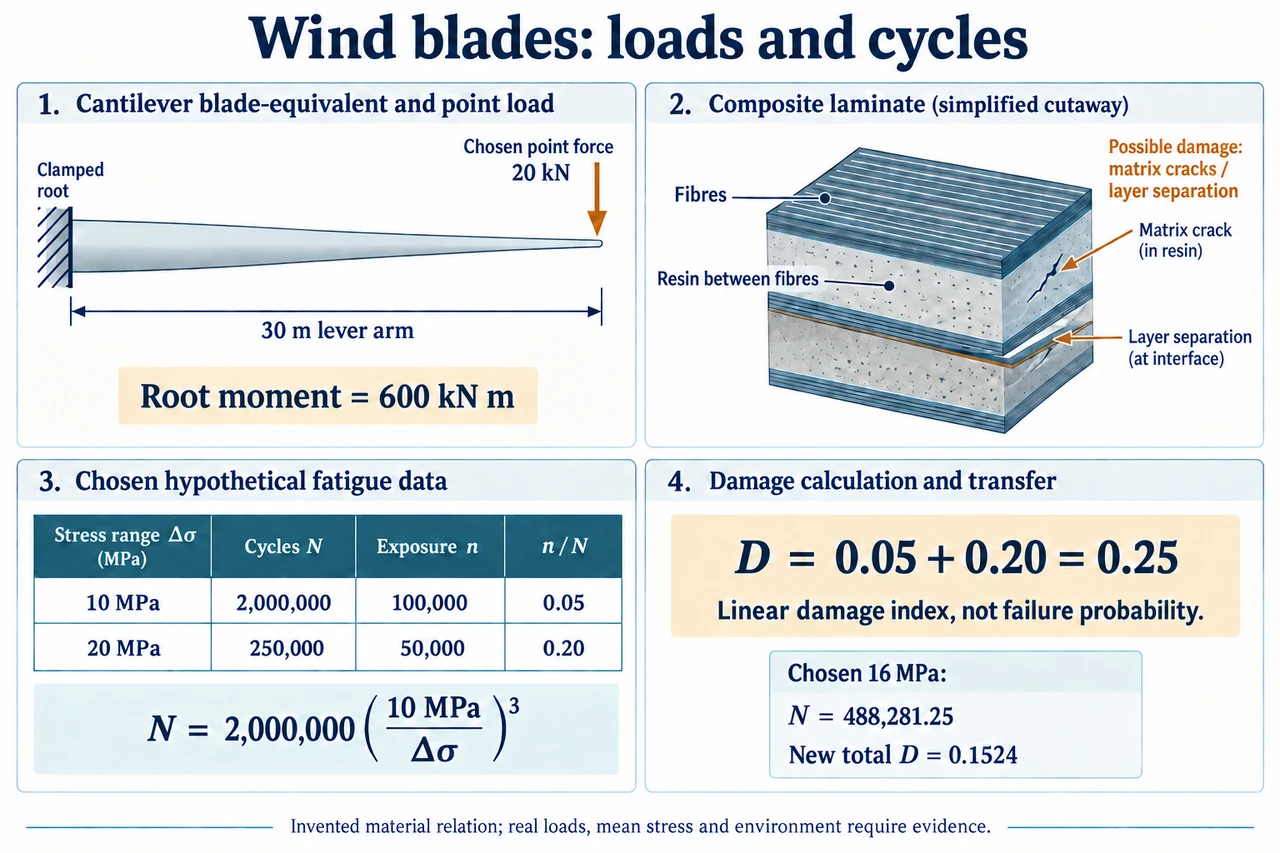
Wind blades: cycles, material evidence and responsible service
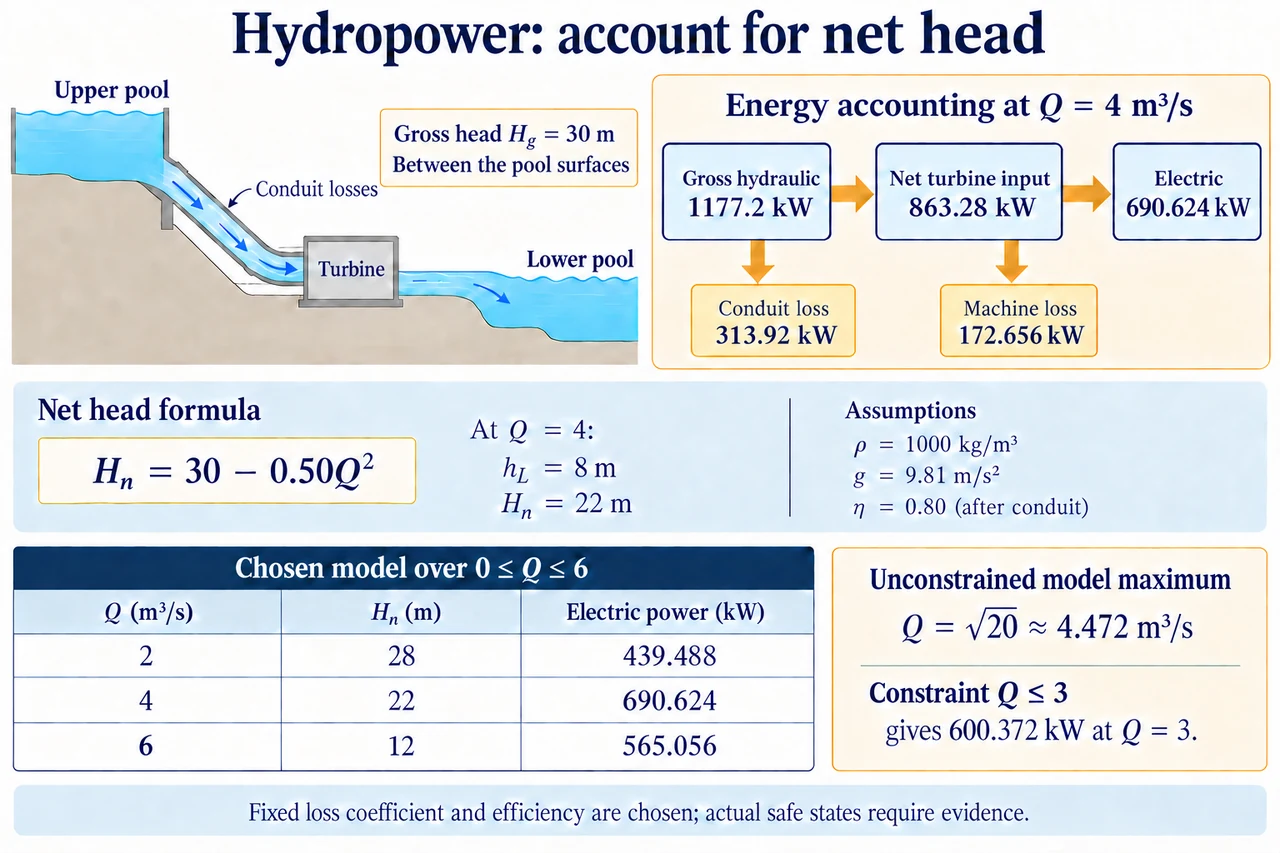
Hydropower: net head, losses and the limits of an optimum
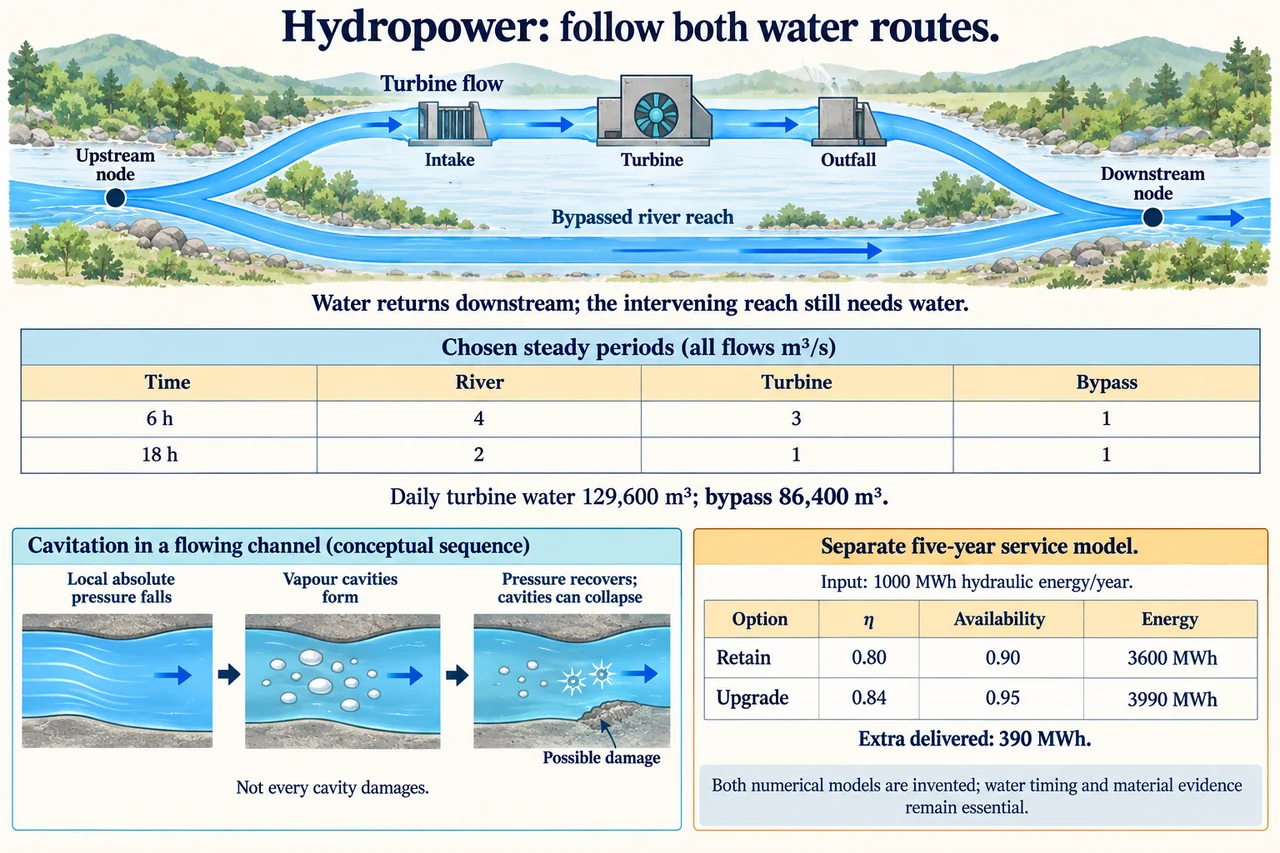
Hydropower: river allocation, damage evidence and lifecycle service
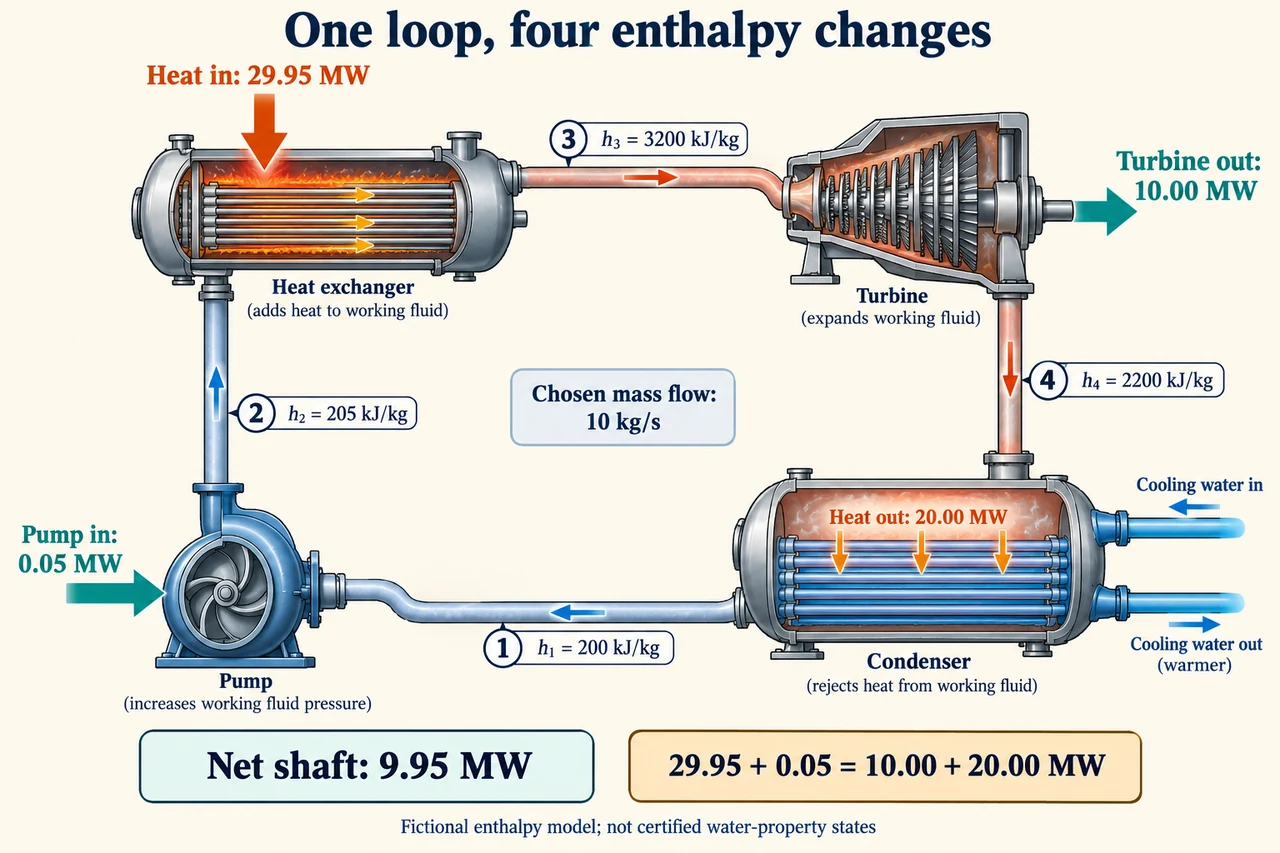
Steam power: enthalpy, state evidence and efficiency boundaries
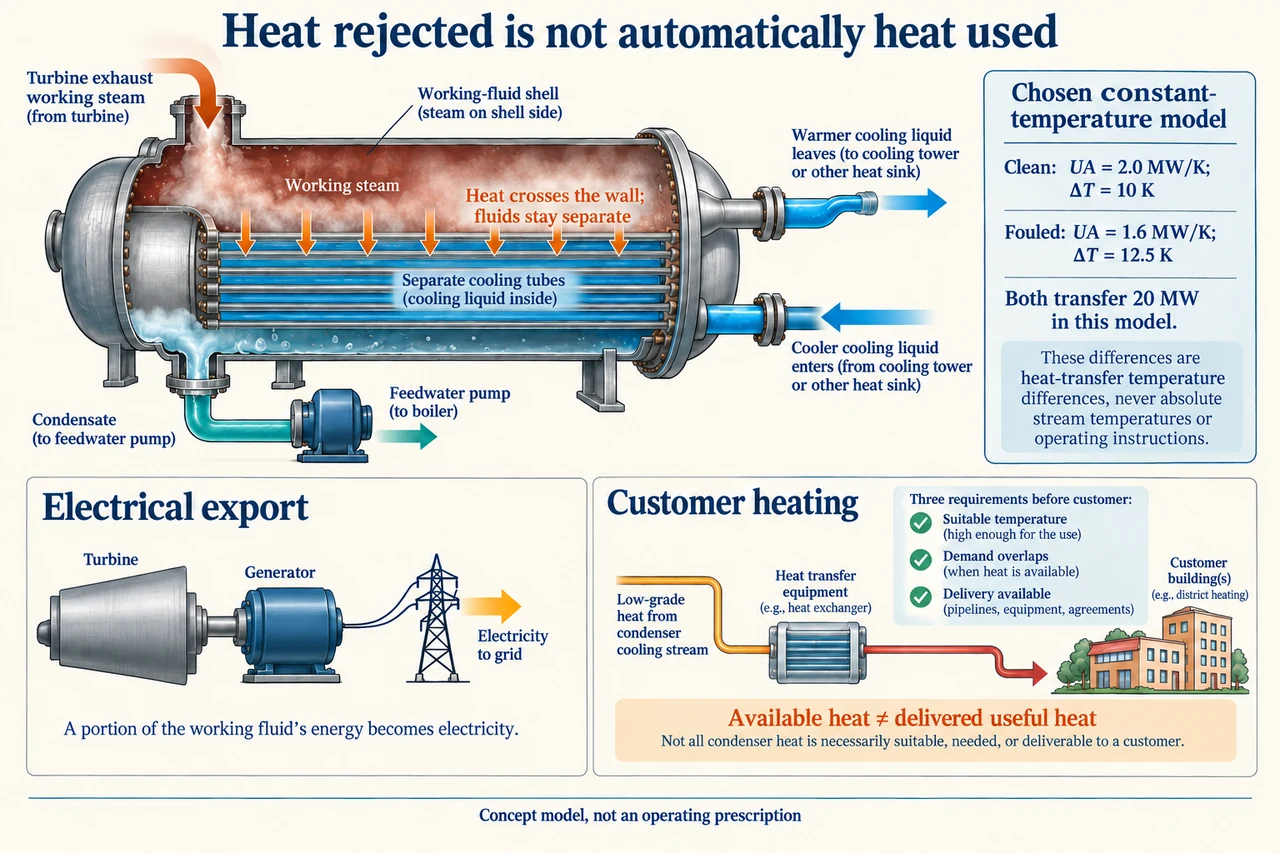
Steam power: condenser resistance and useful heat over time
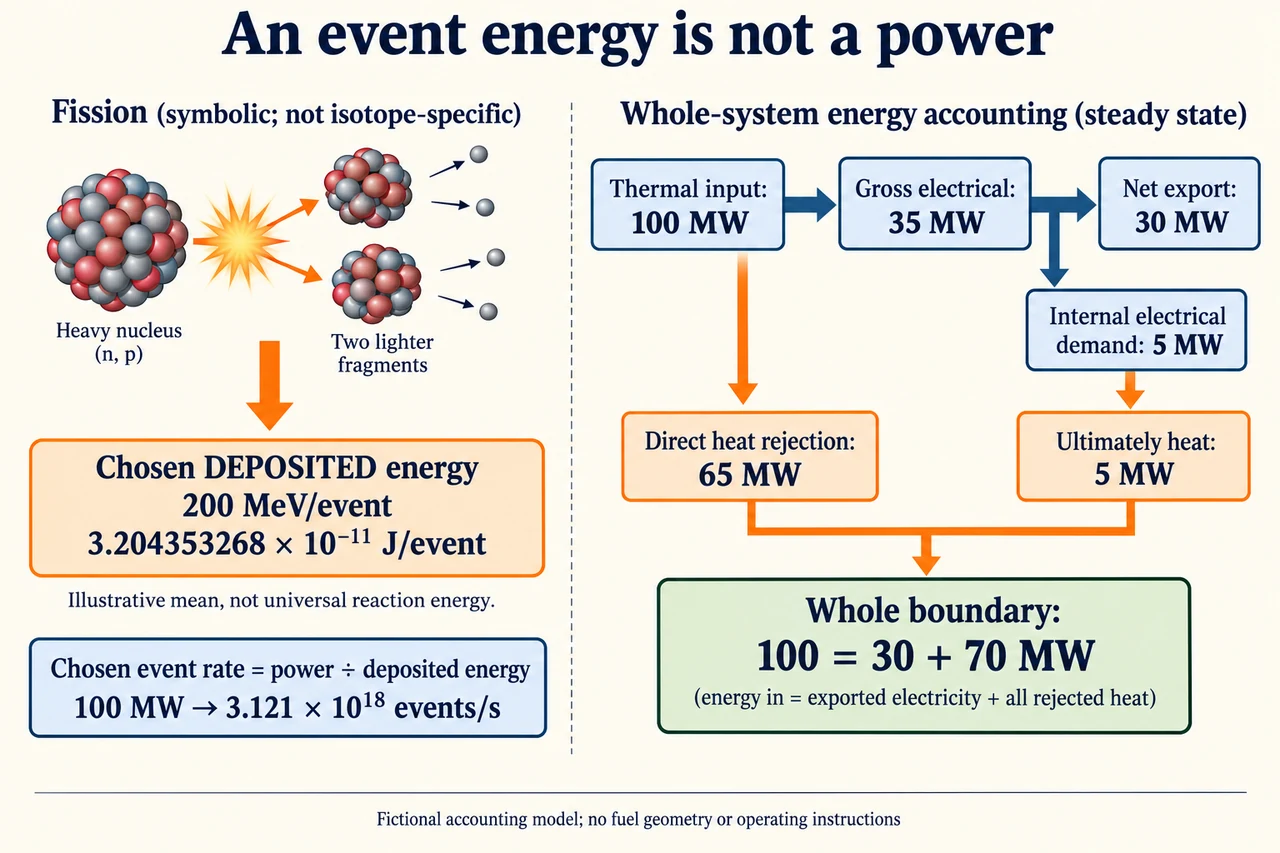
Nuclear energy: event scales, deposited energy and the output boundary
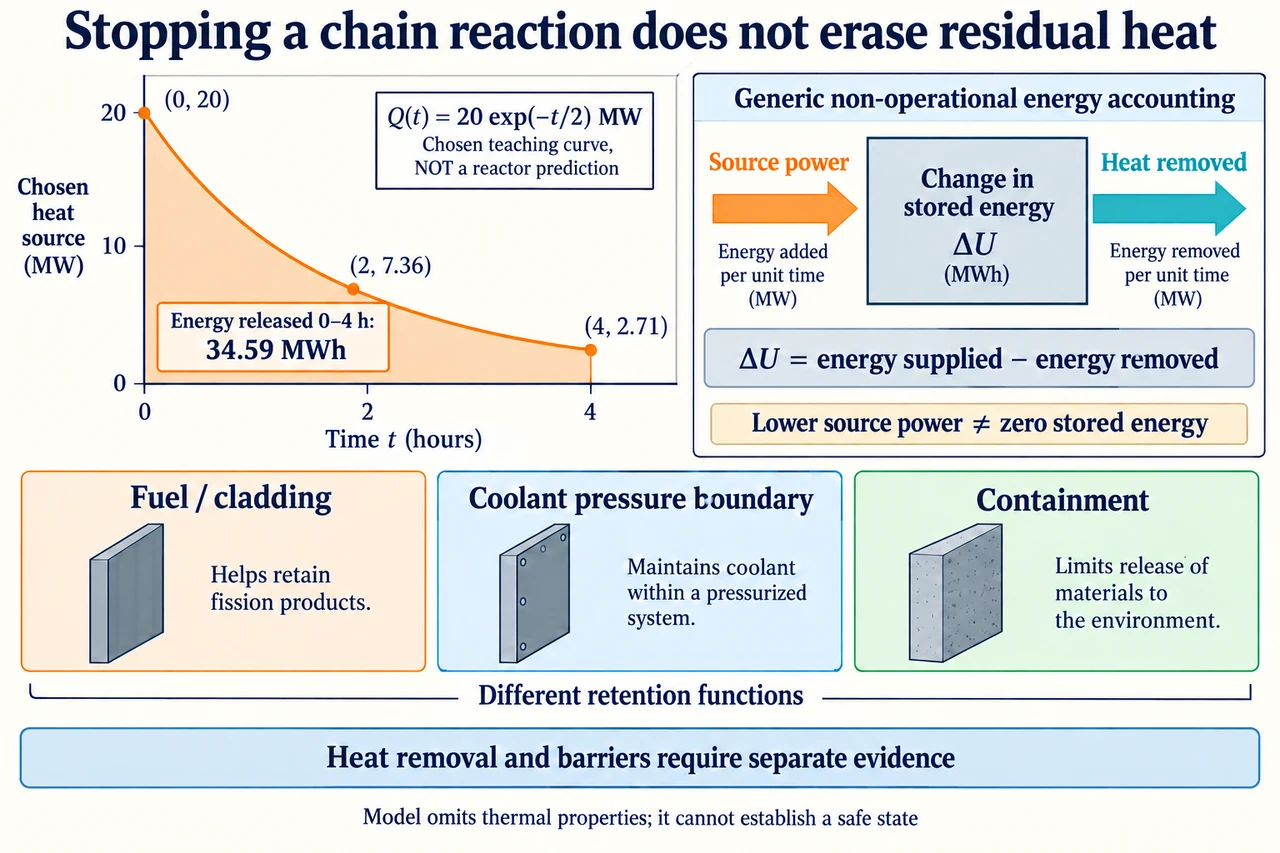
Residual heat: power, accumulated energy and the limits of a safety model
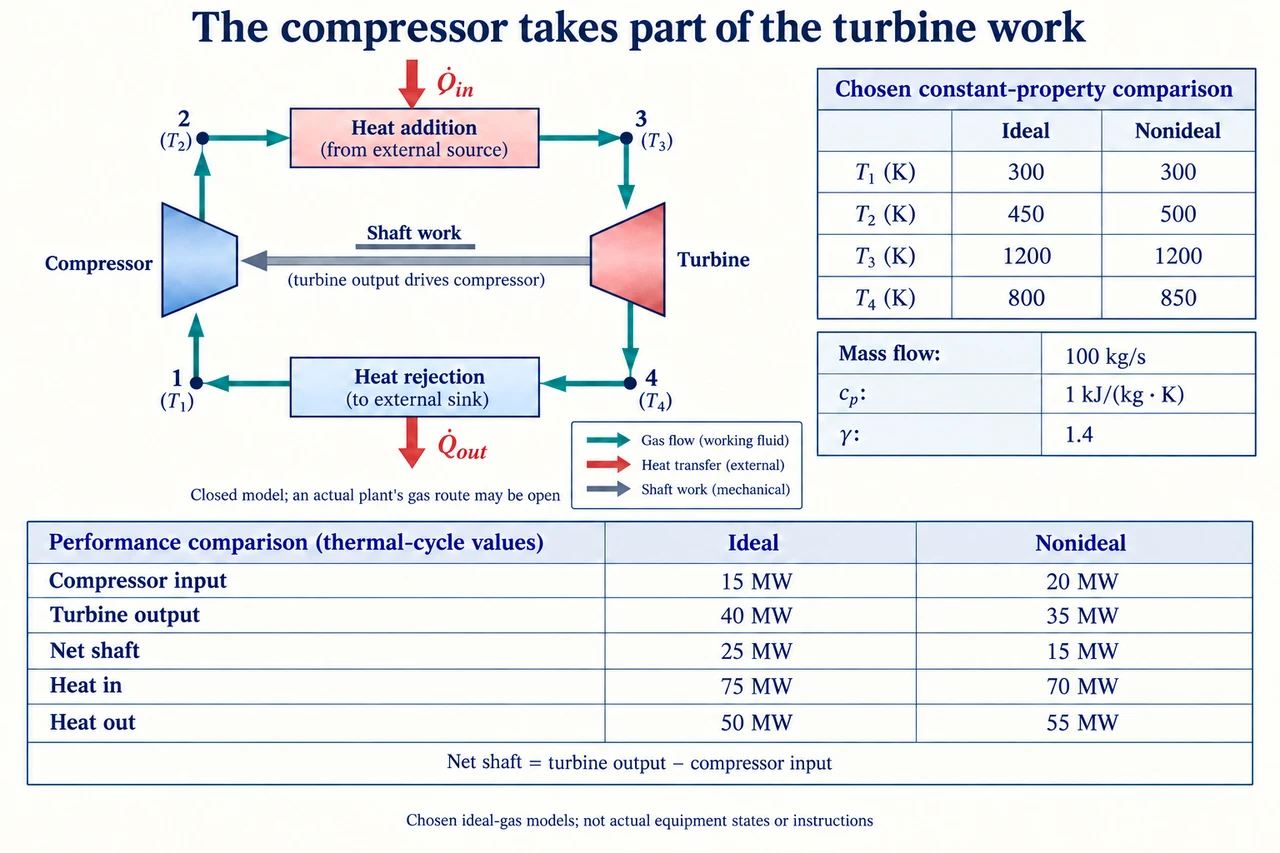
Gas turbines: internal work, irreversibility and the limits of optimisation
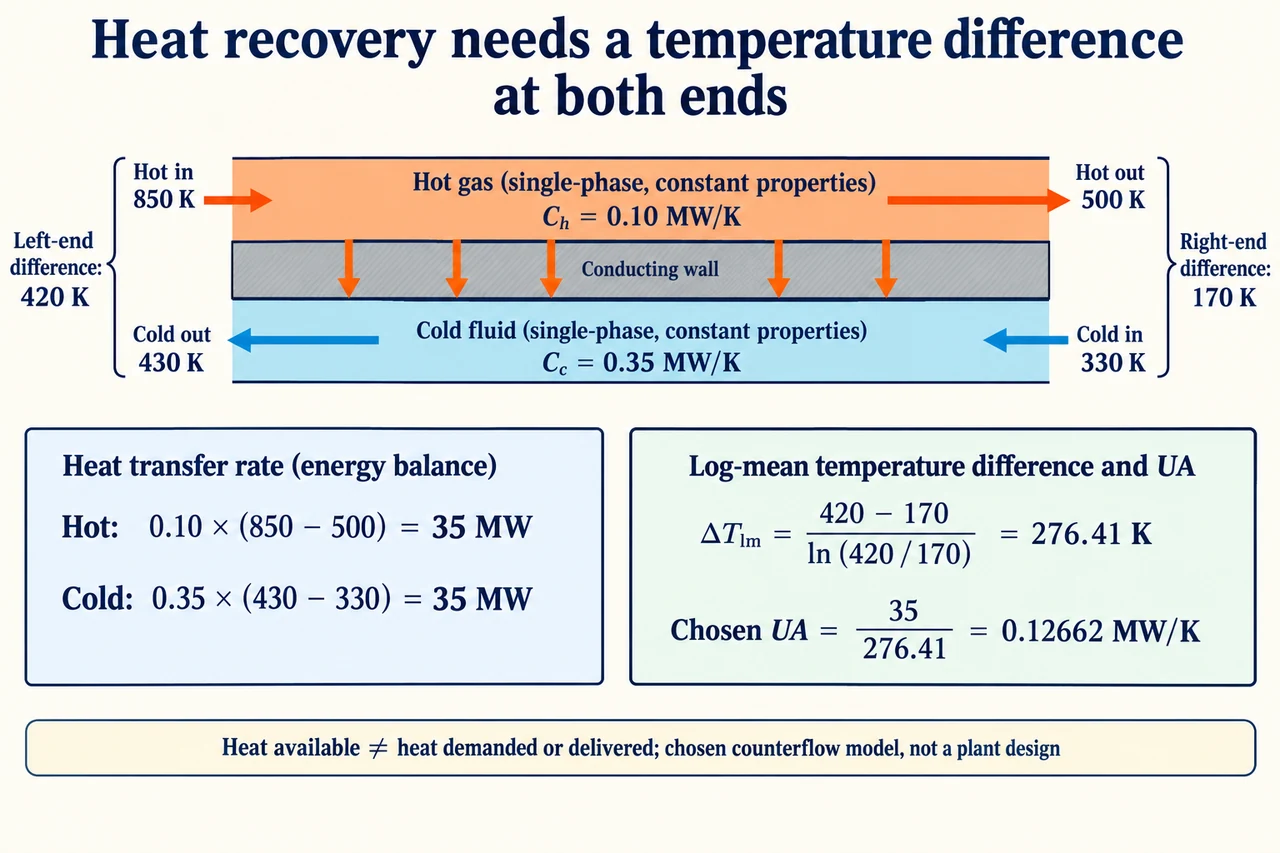
Exhaust recovery: terminal temperatures, exchanger evidence and useful service
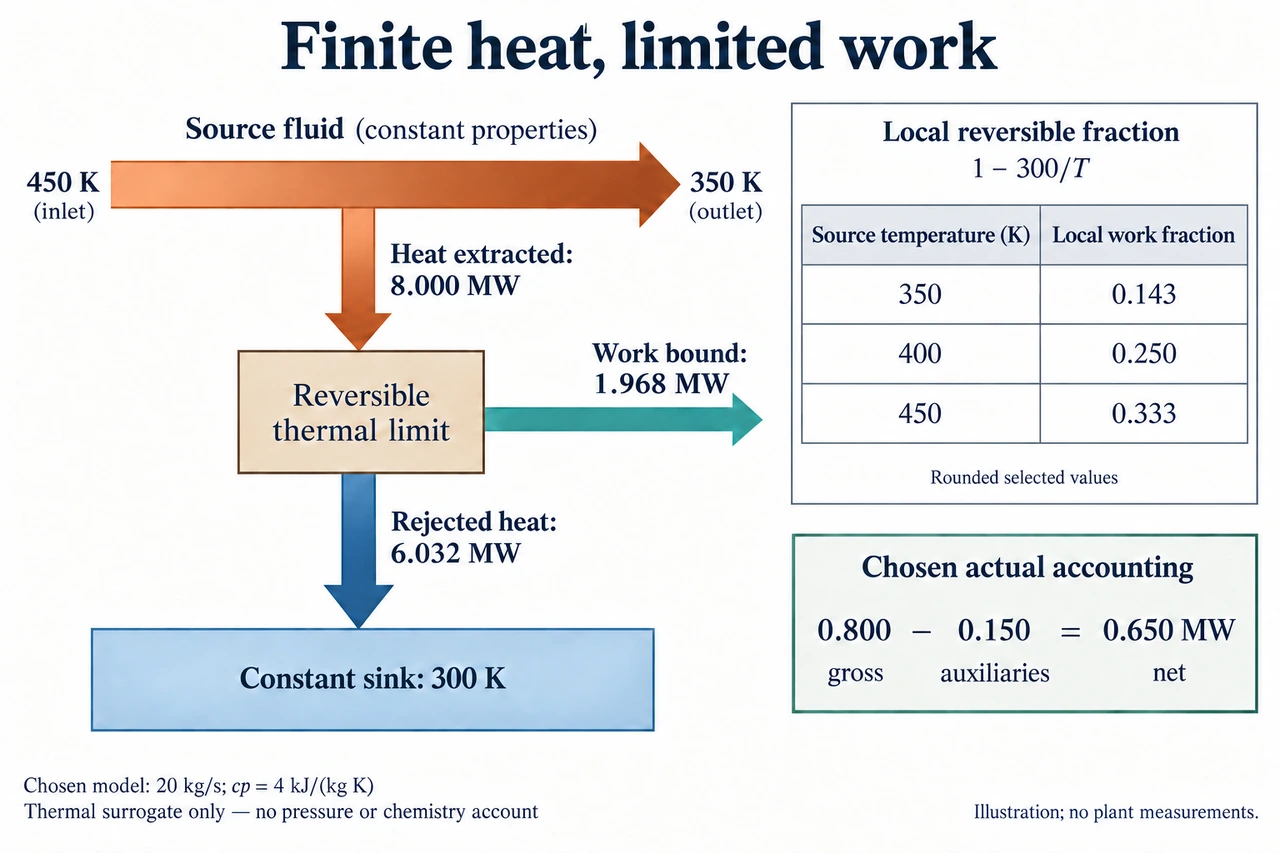
Geothermal heat: finite-source work and the inlet-temperature trap
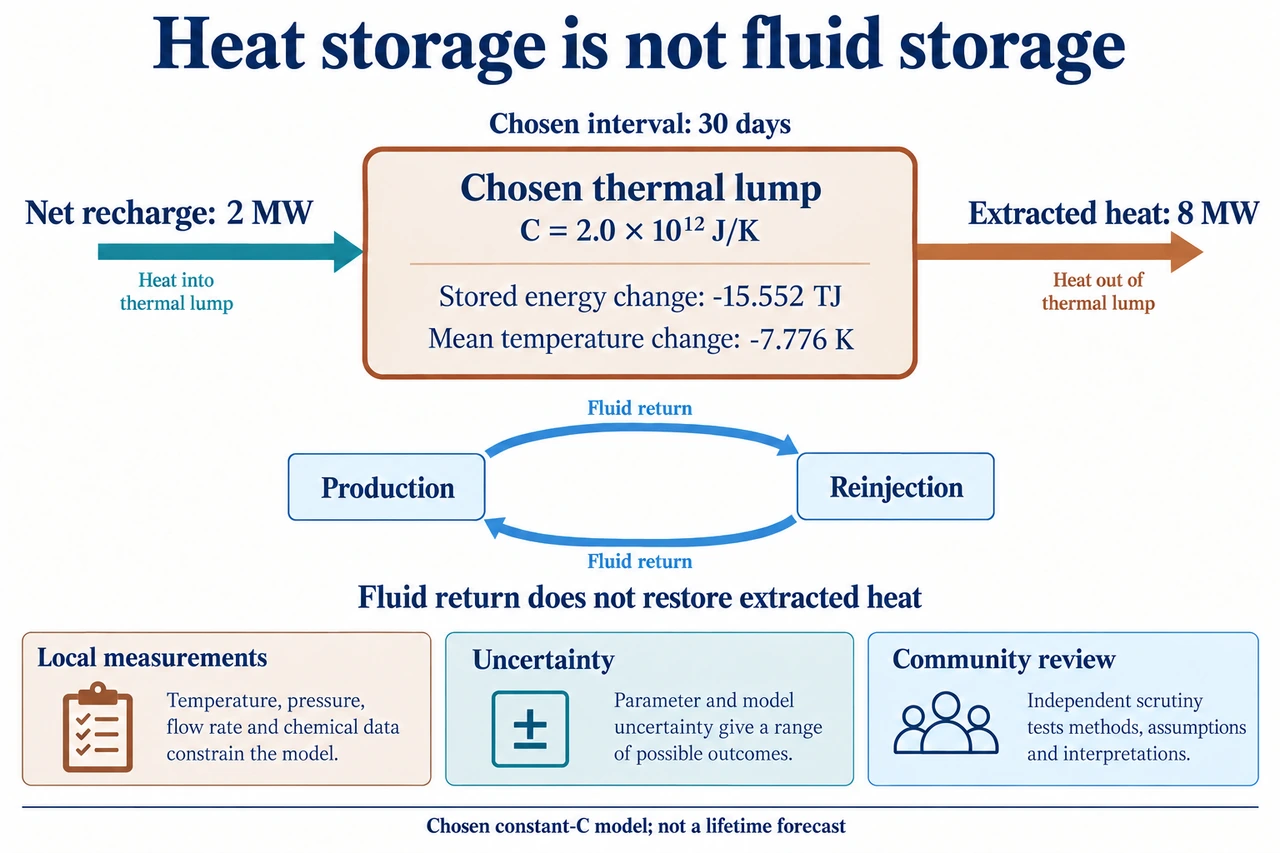
Geothermal reservoirs: thermal budgets, service and local evidence
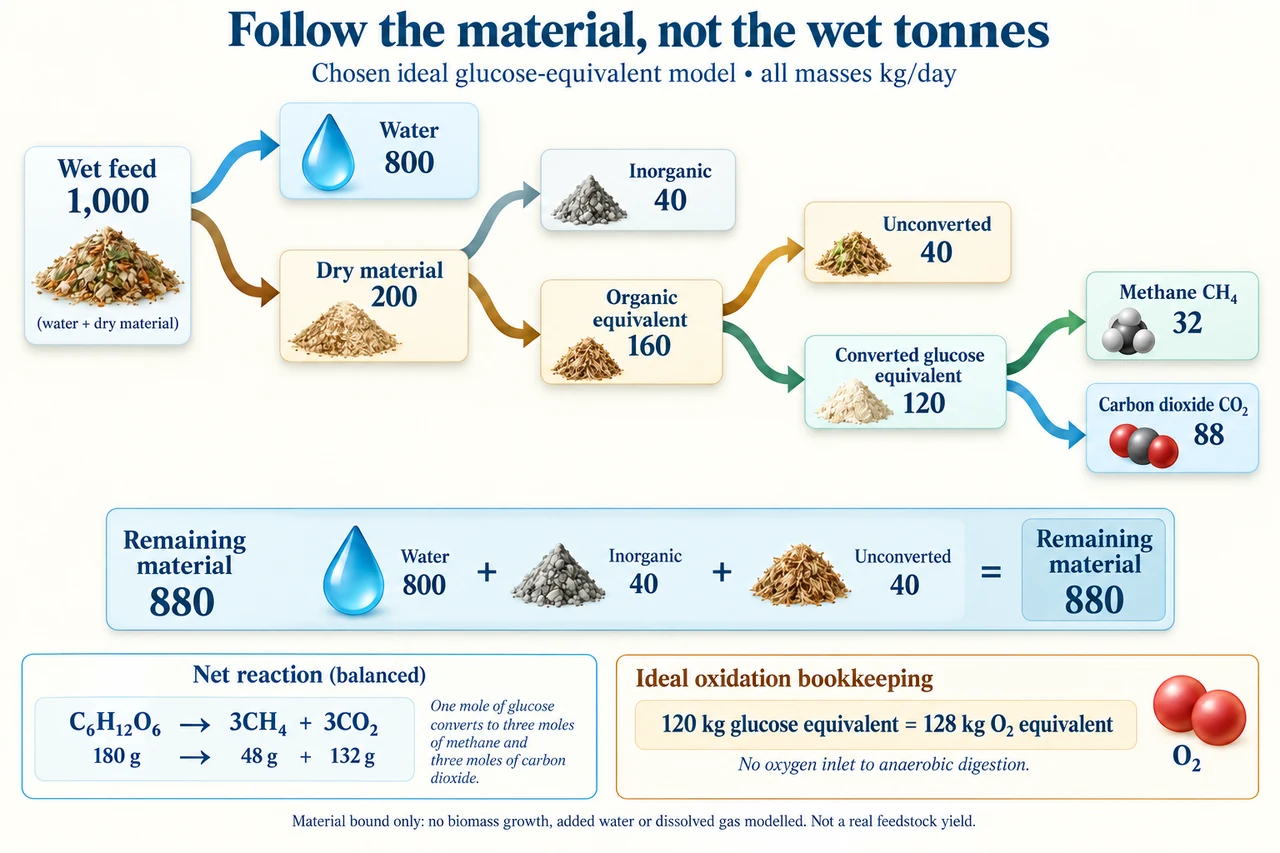
Biogas yield: follow the material, not the wet tonnes
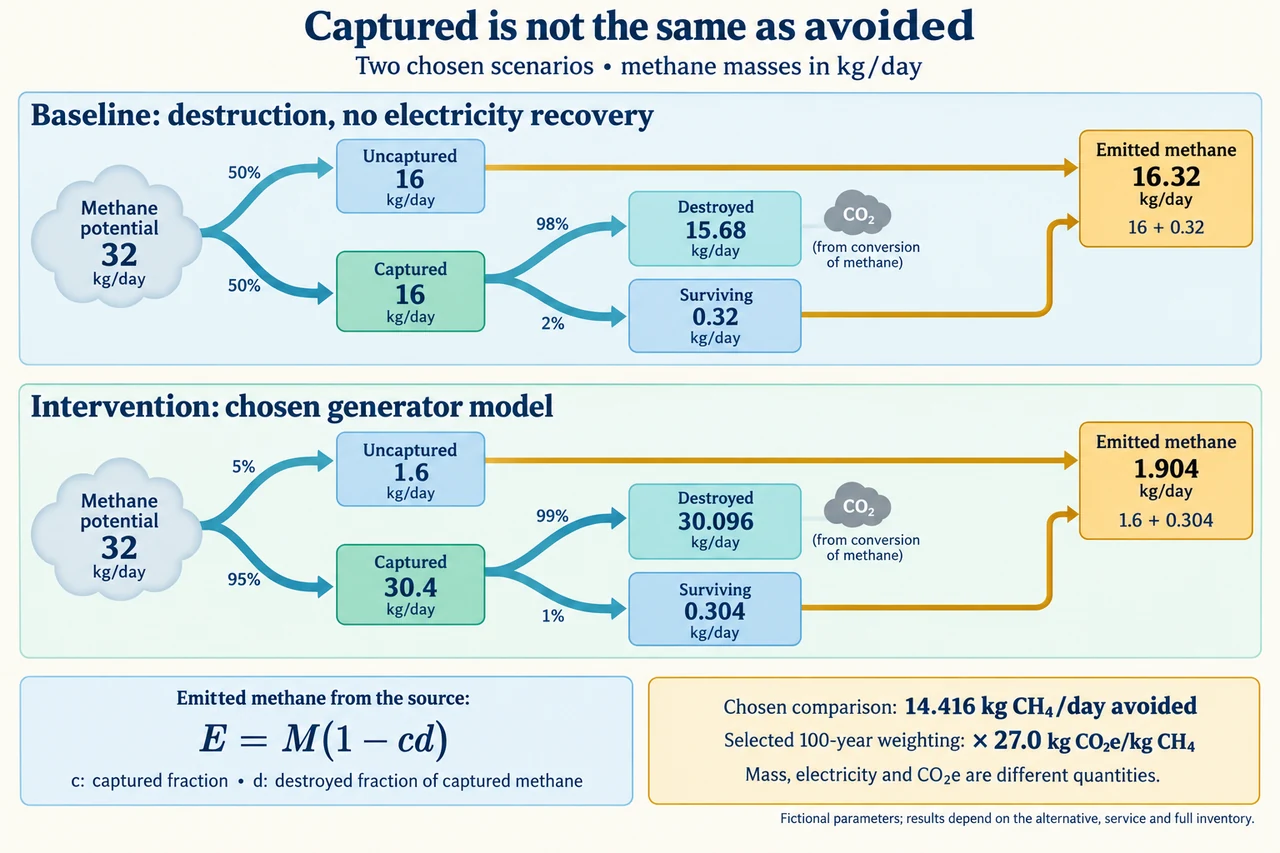
Biogas benefit: compare the alternative and count residual methane
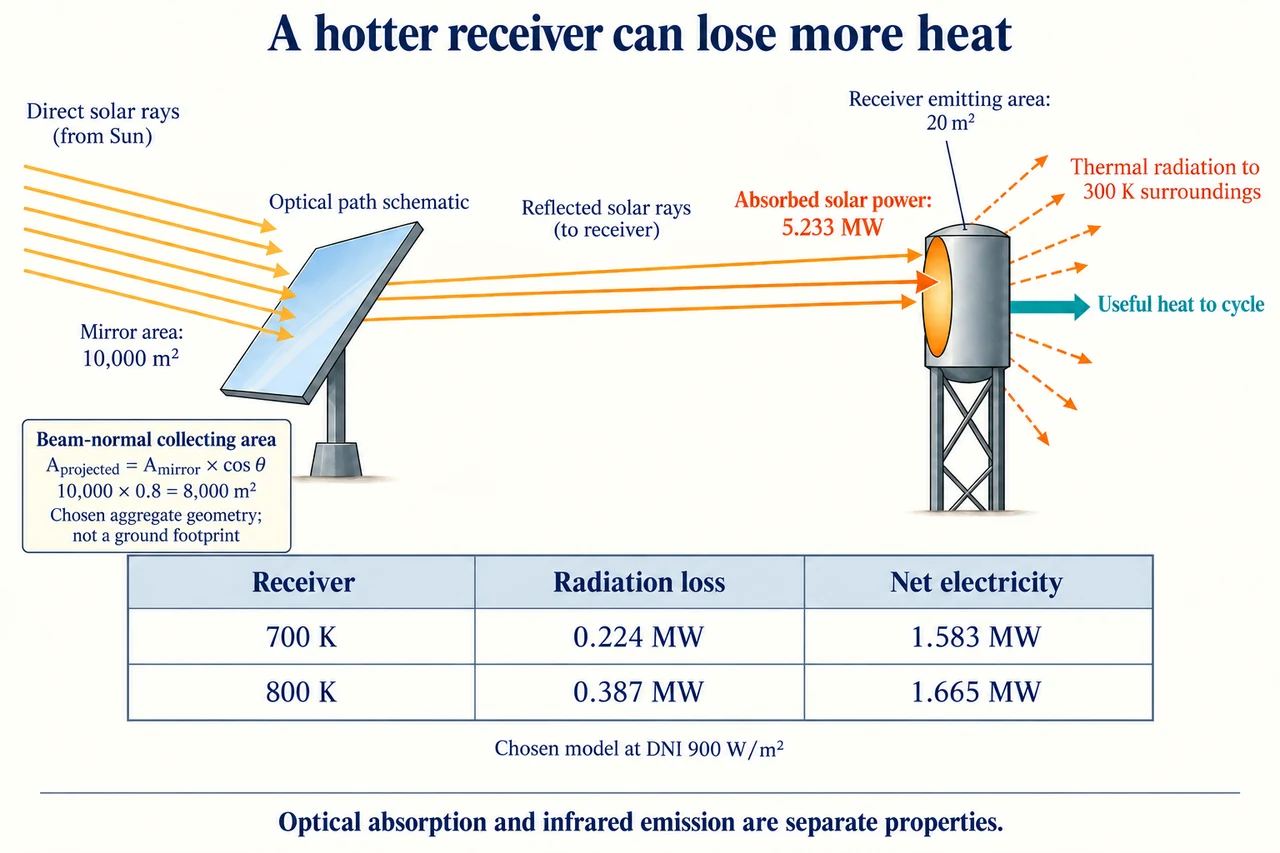
Solar receivers: why a hotter cycle need not yield more electricity
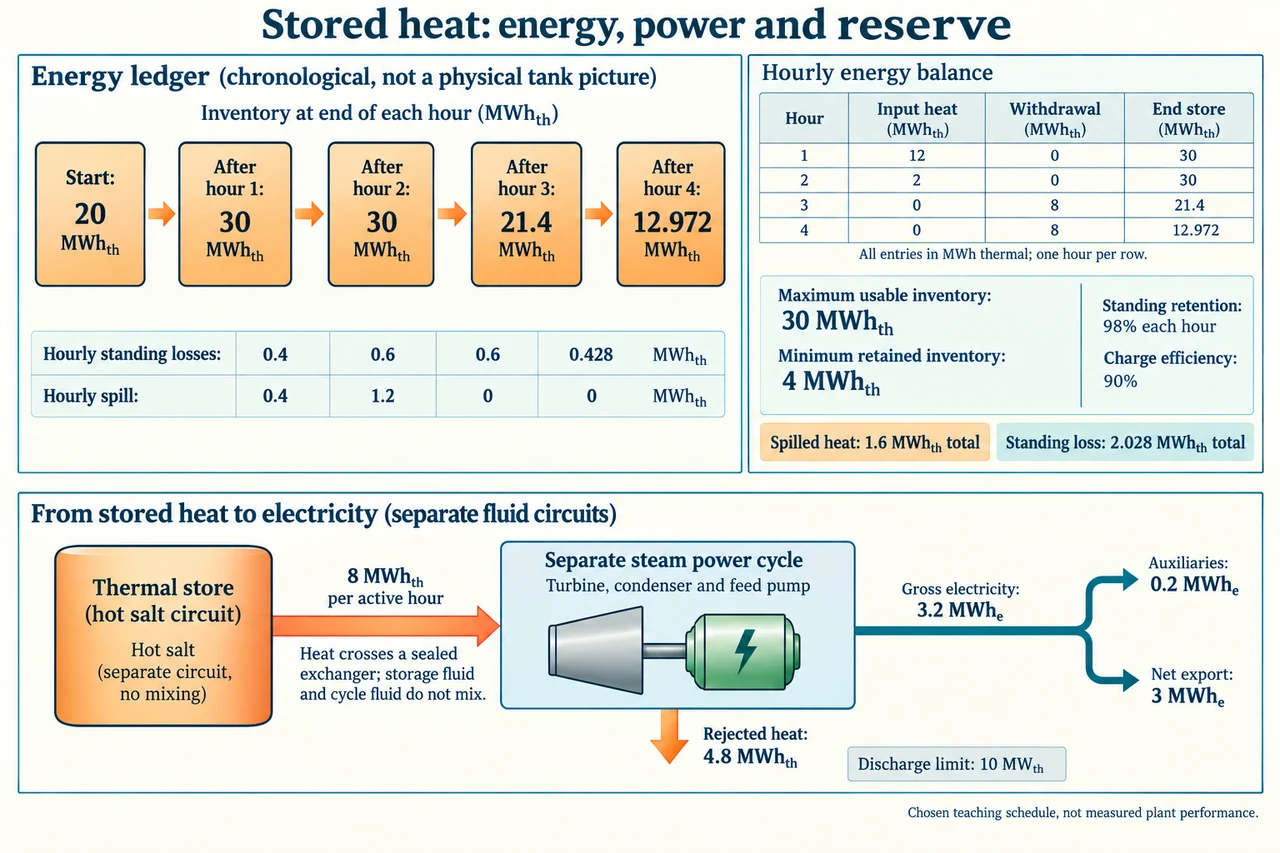
Thermal storage: schedule useful service without counting energy twice
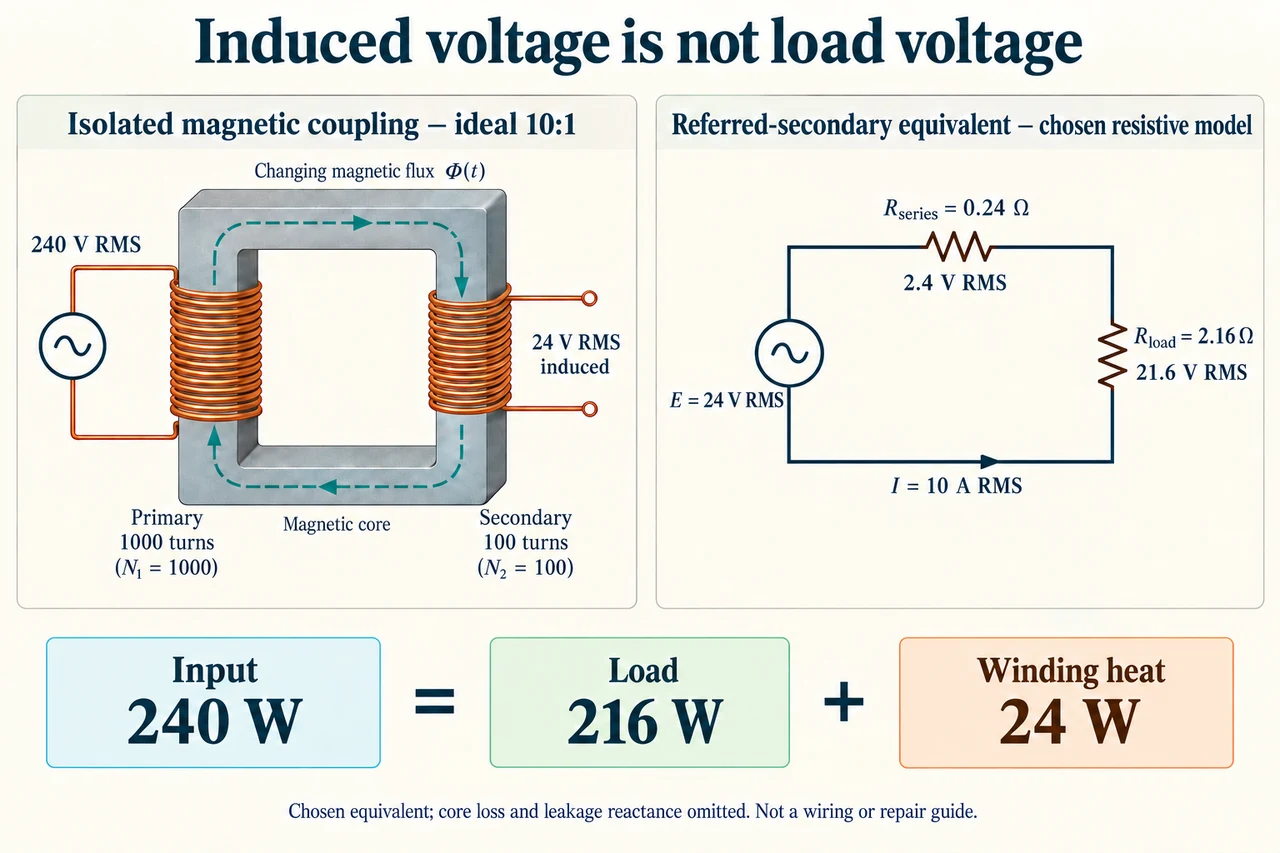
Transformers under load: an induced voltage is not the terminal voltage
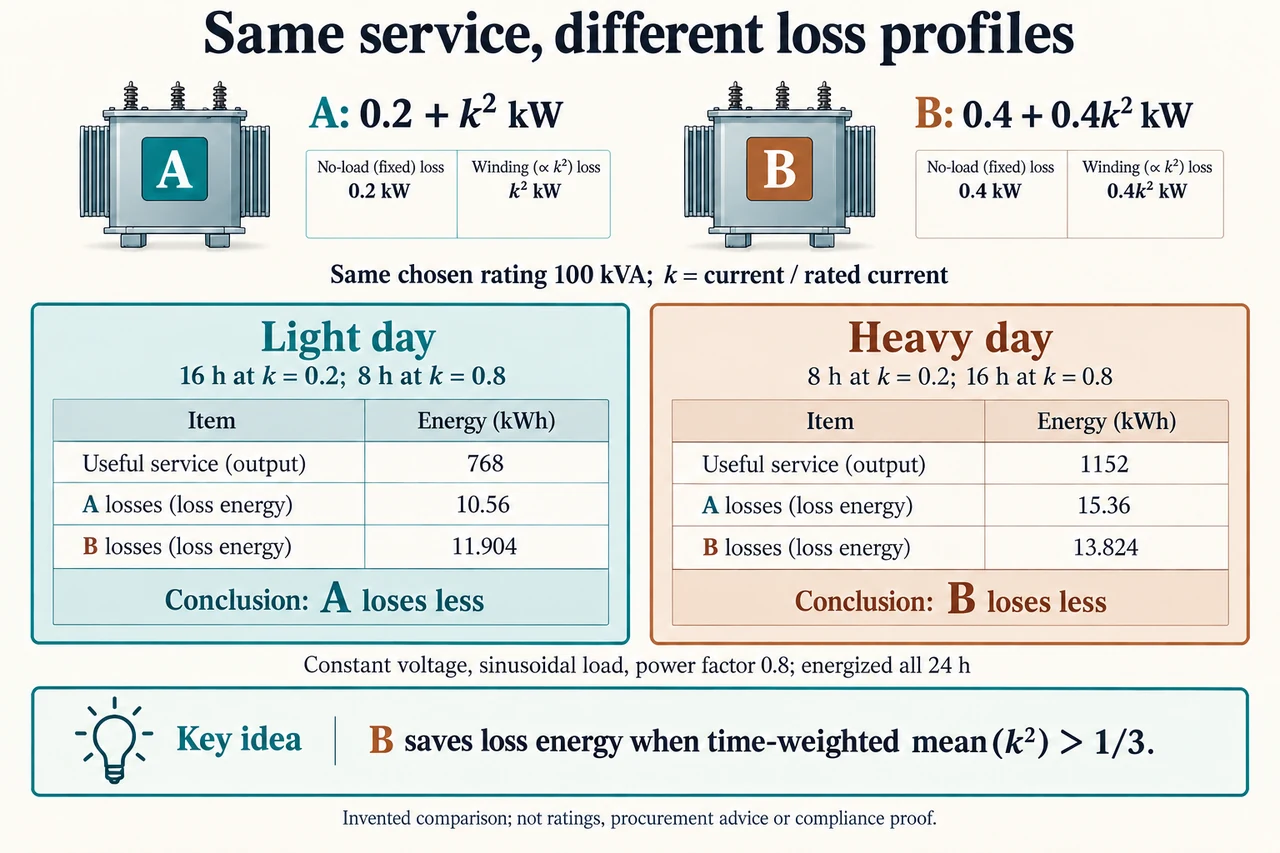
Transformer choices: why a lower full-load loss can cost more energy
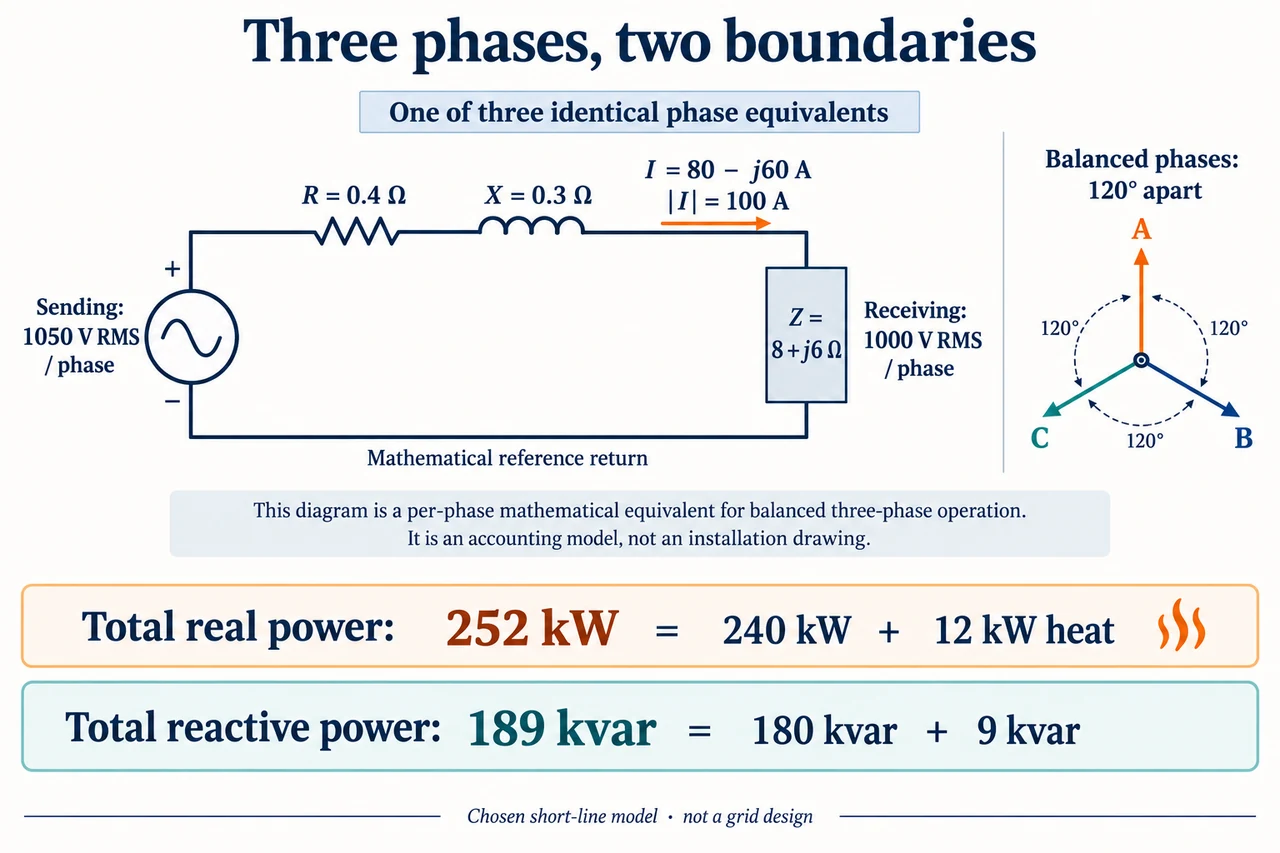
Three phases, two boundaries: accounting for useful power and line loss
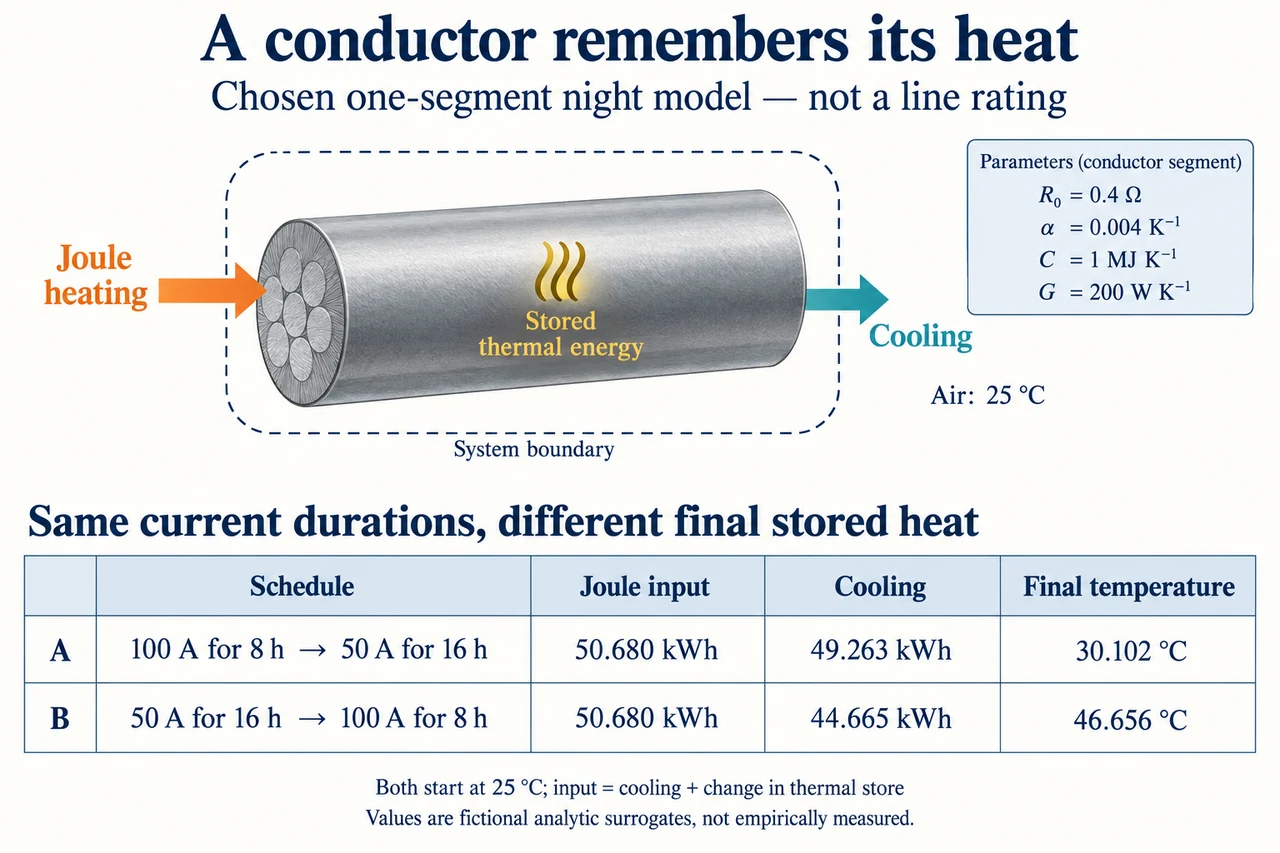
Weather, stored heat and the evidence behind a transmission limit
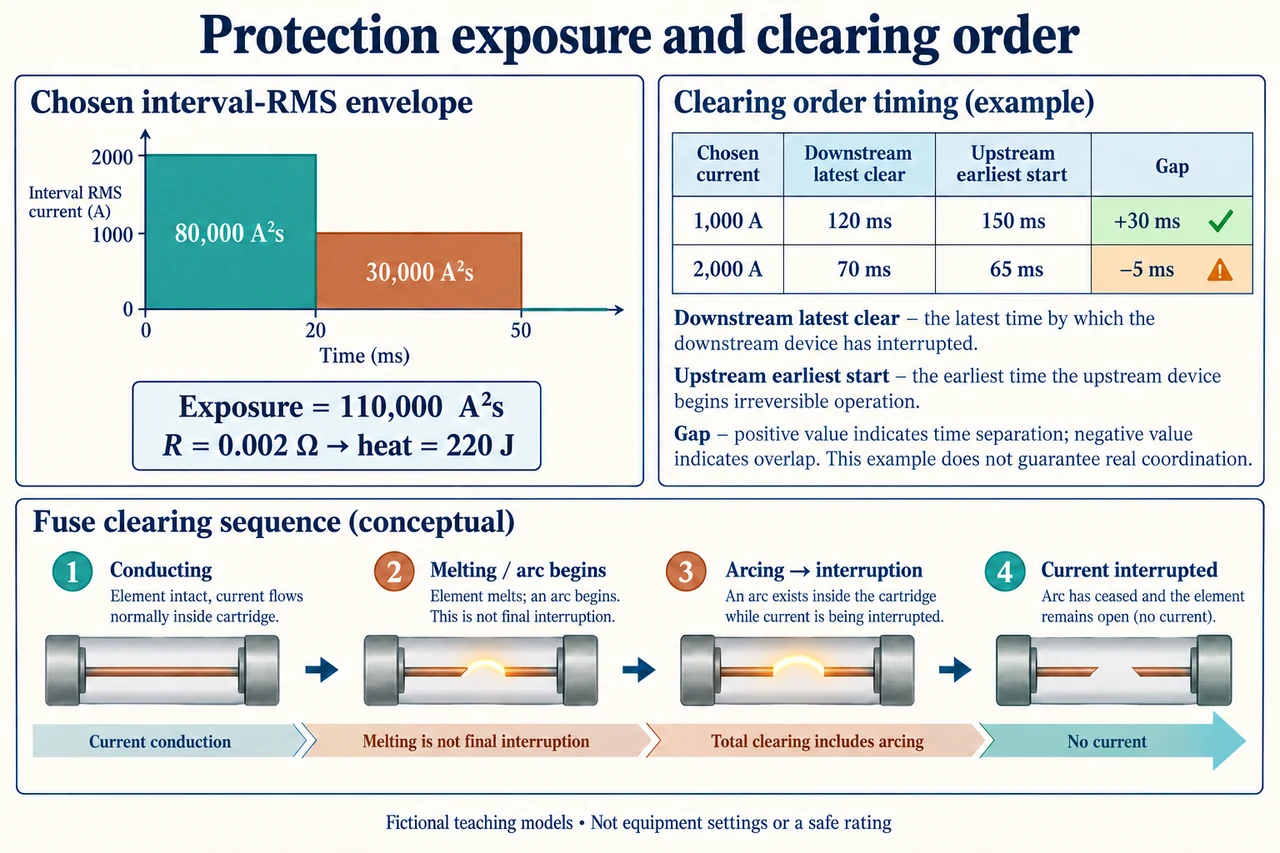
Protection exposure: squaring an average hides the clearing history
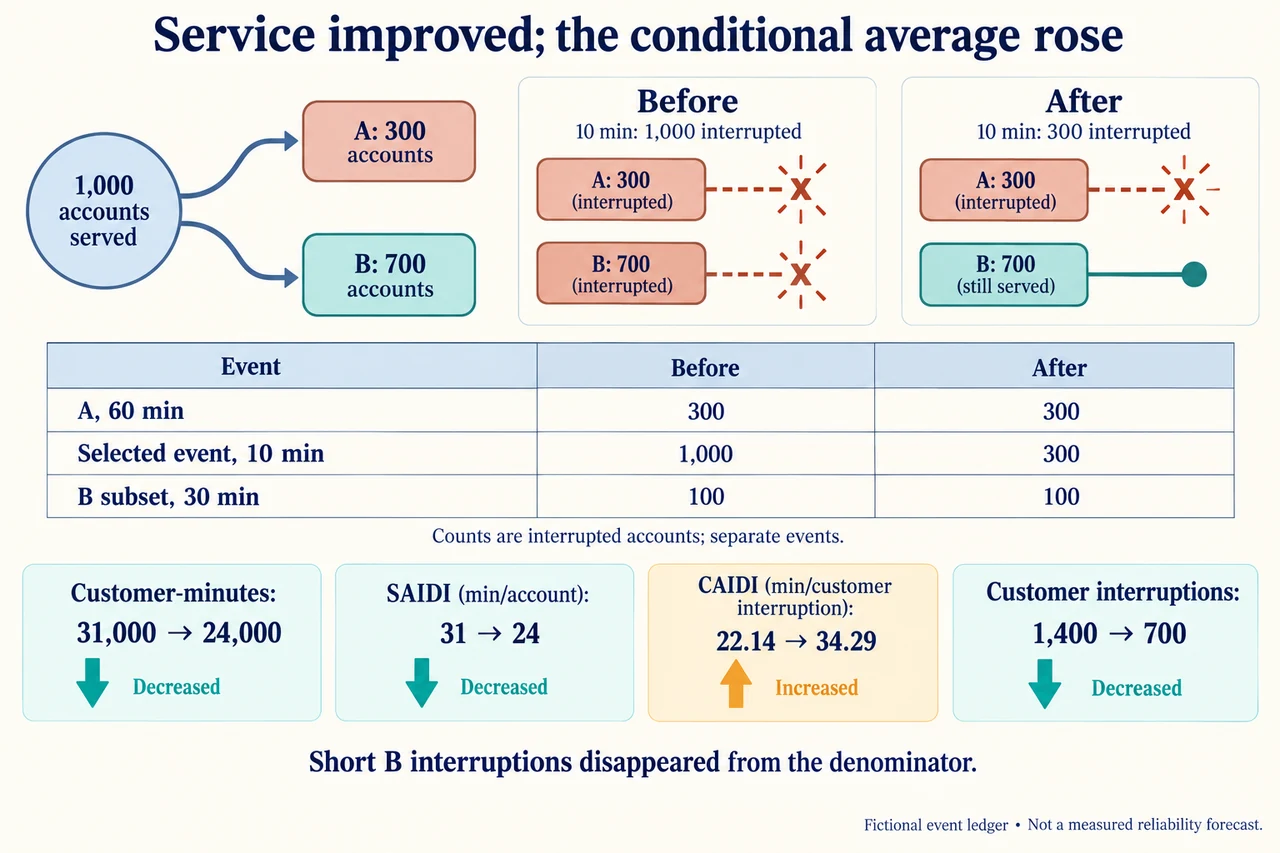
Selective isolation: why a better outage average can look worse
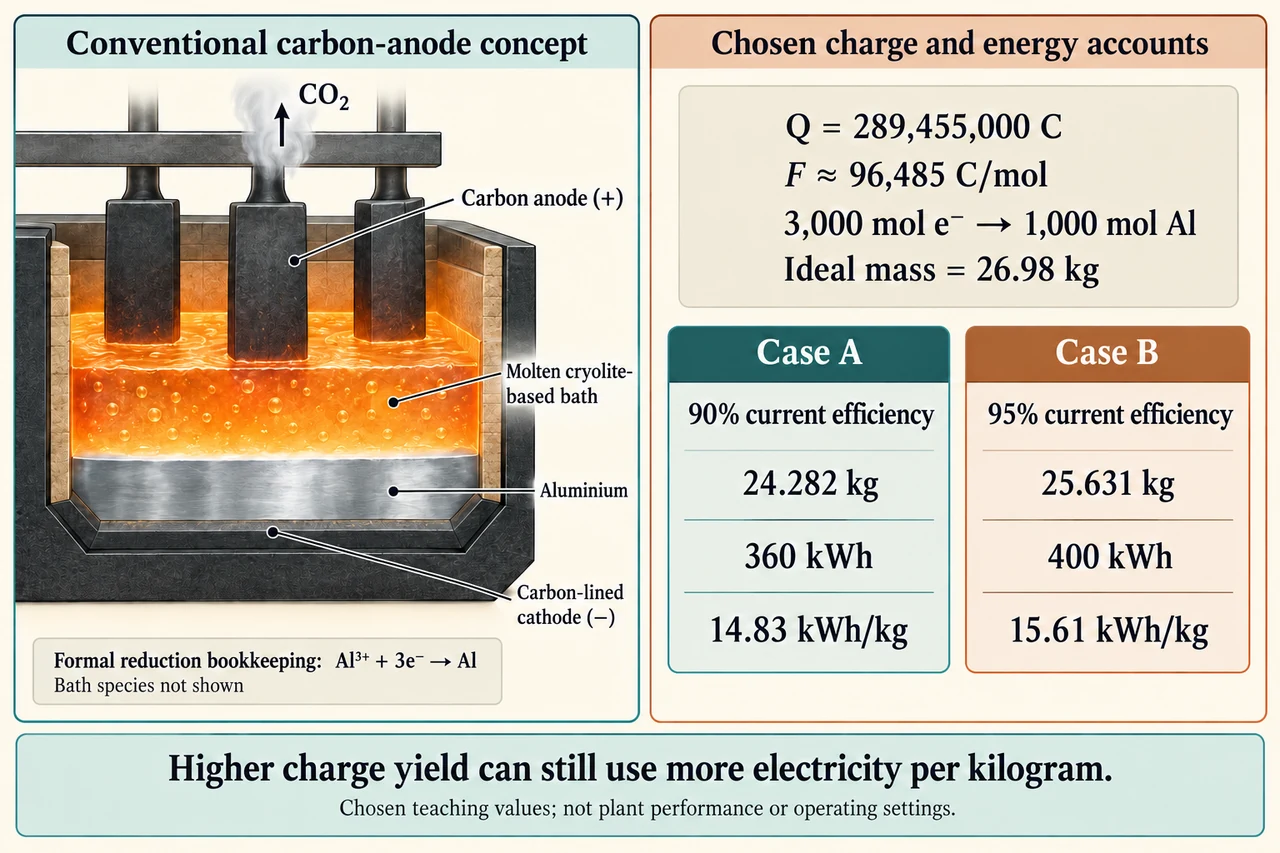
Charge yield is not energy efficiency
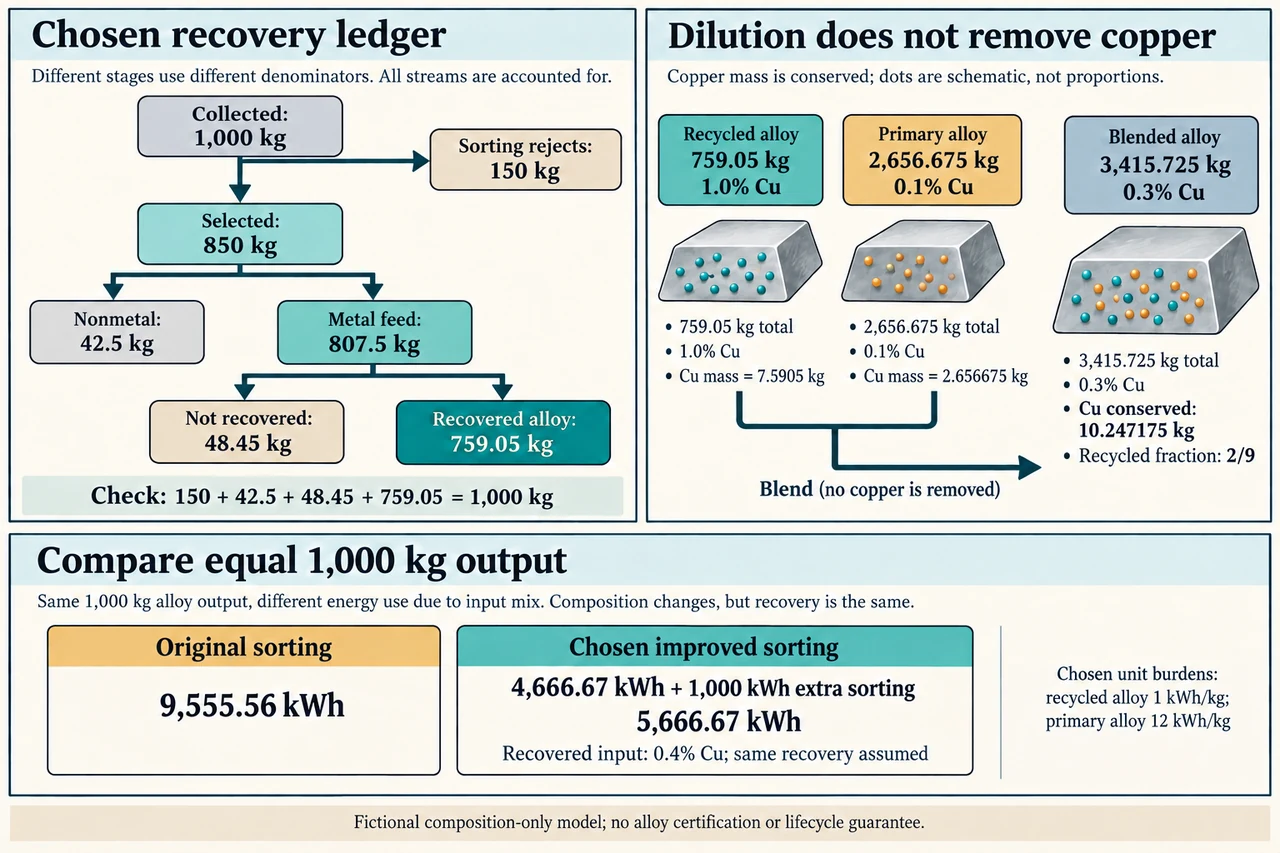
Recycling yield meets an alloy-quality constraint
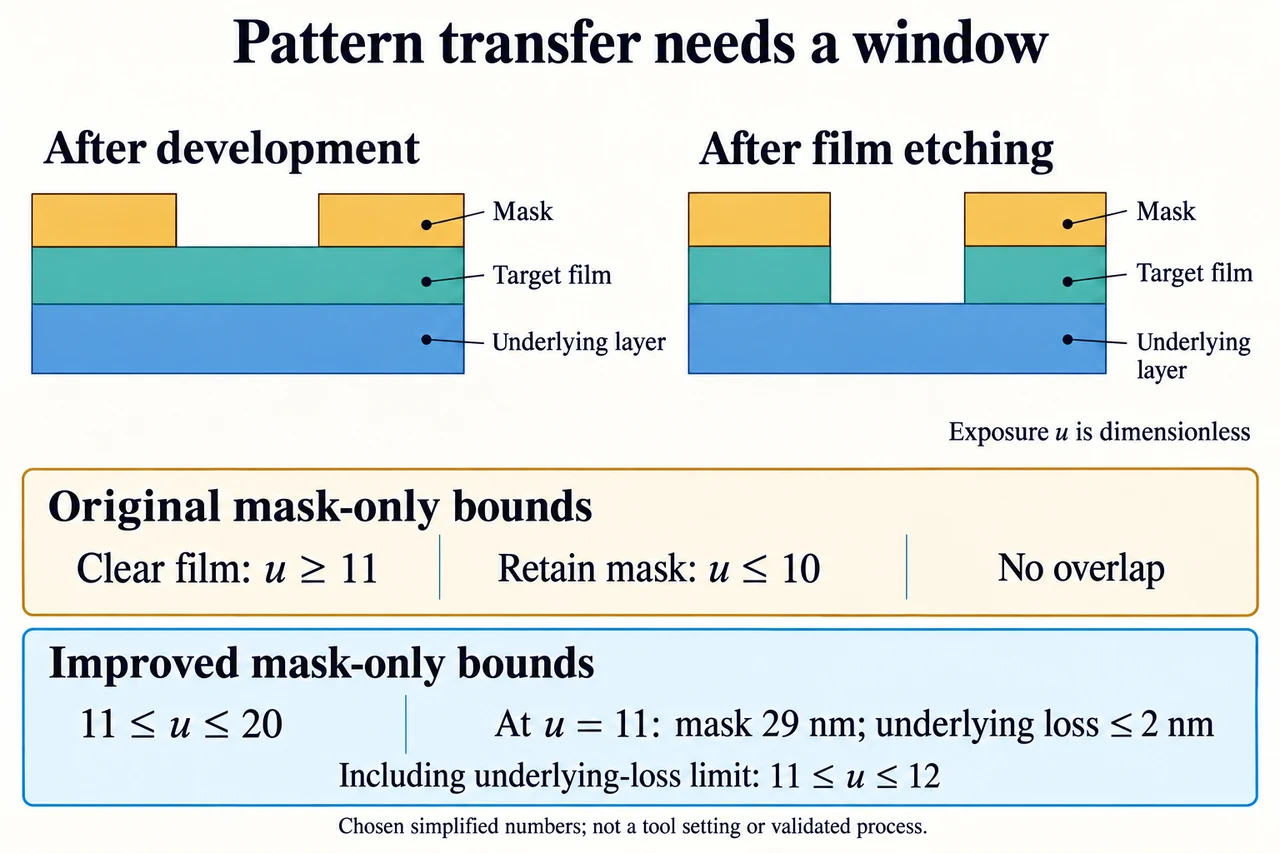
Why a pattern-transfer window can disappear
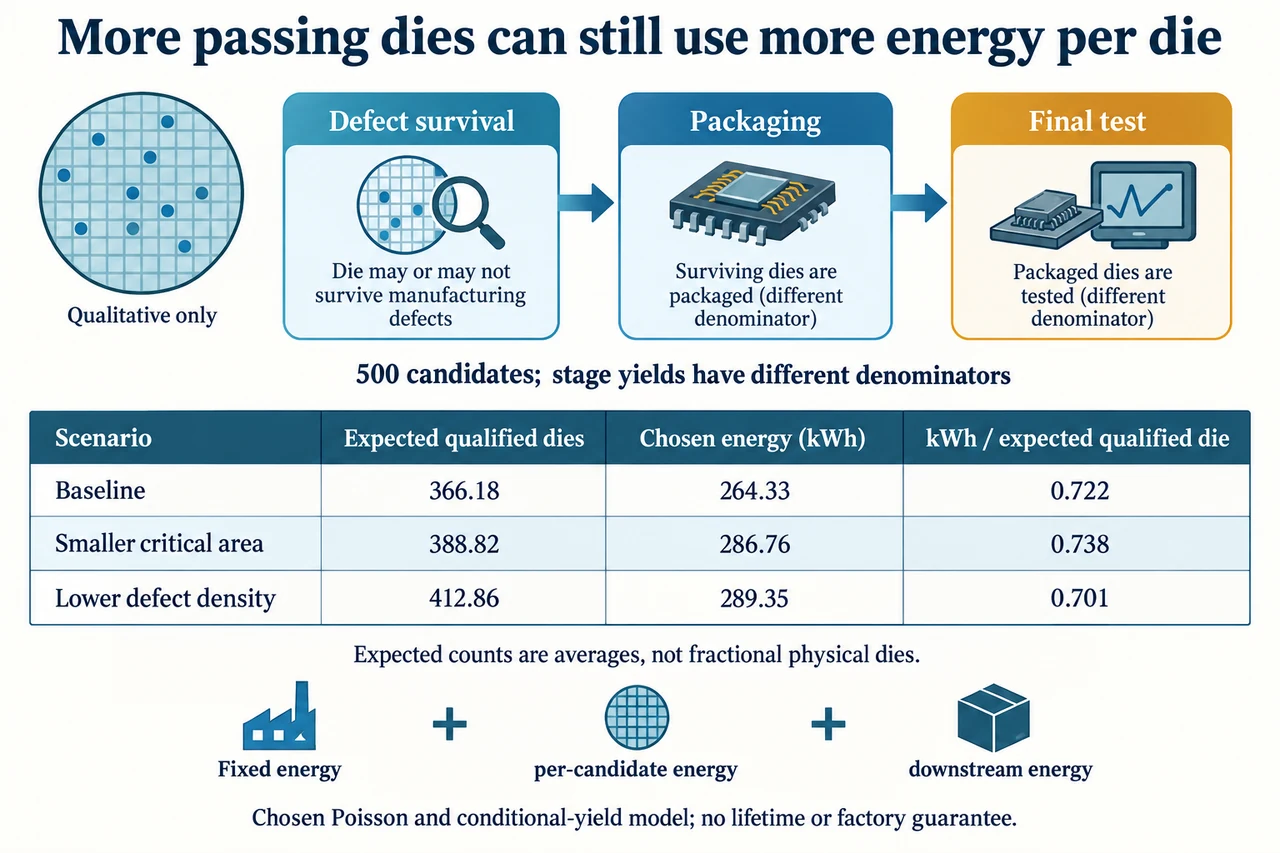
Which yield improvement actually reduces resource use?
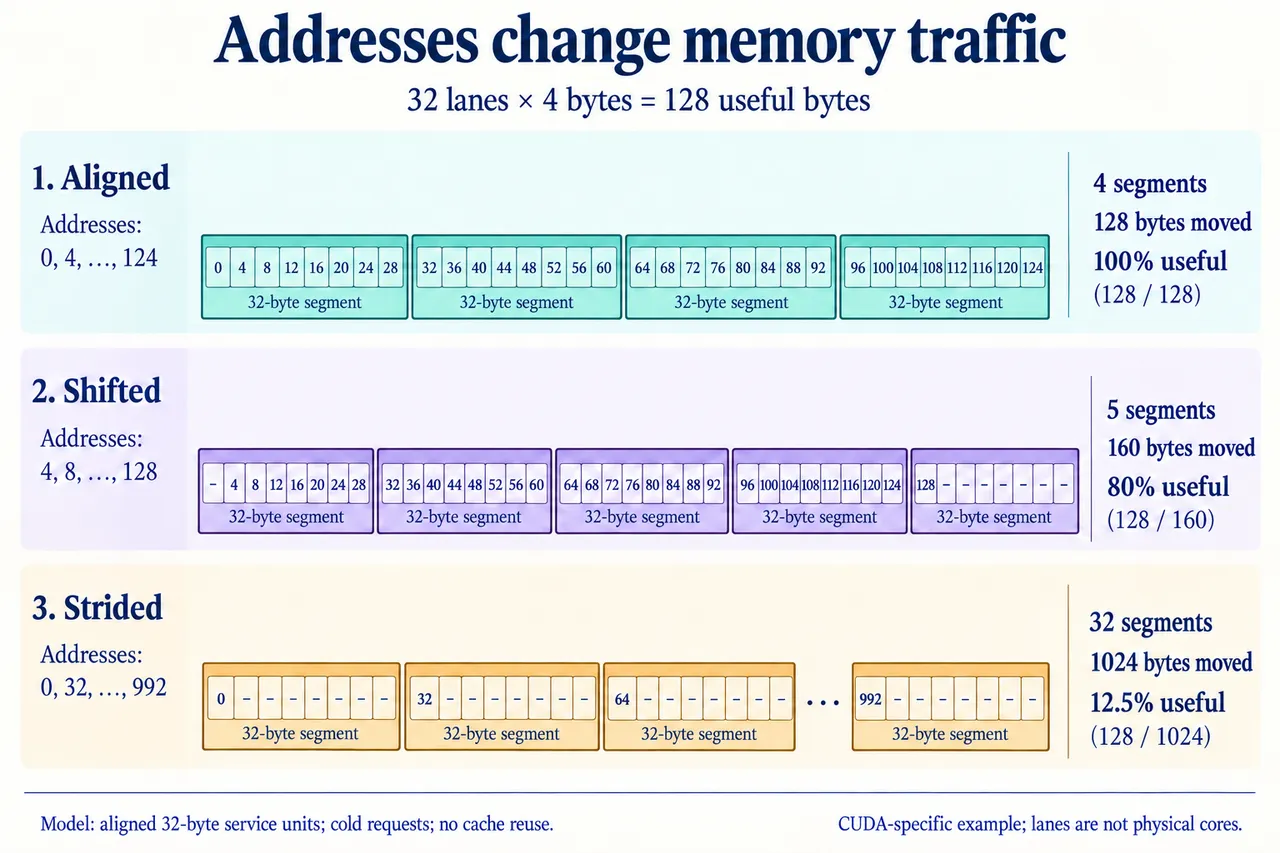
GPU work groups: why addresses determine memory traffic
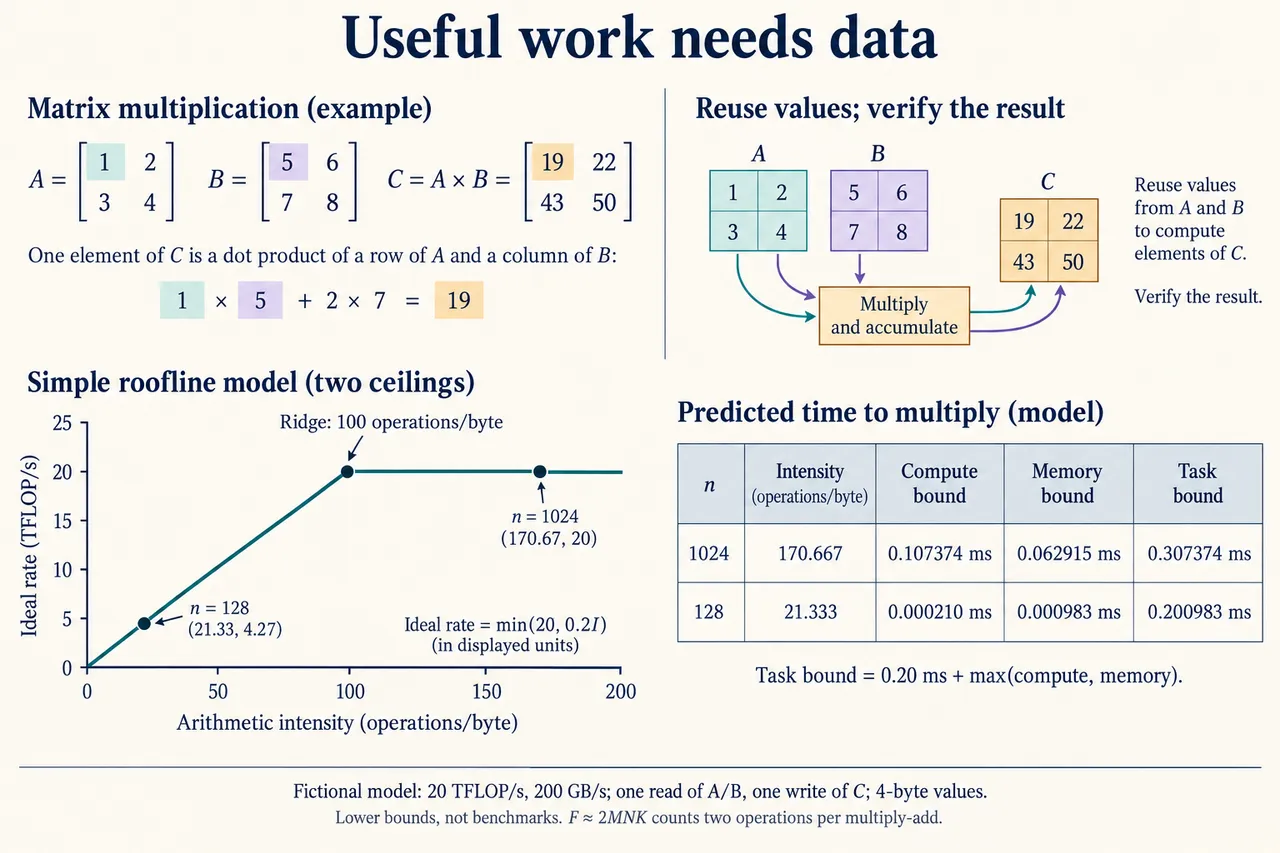
AI matrix work: reuse, arithmetic intensity and bounded throughput
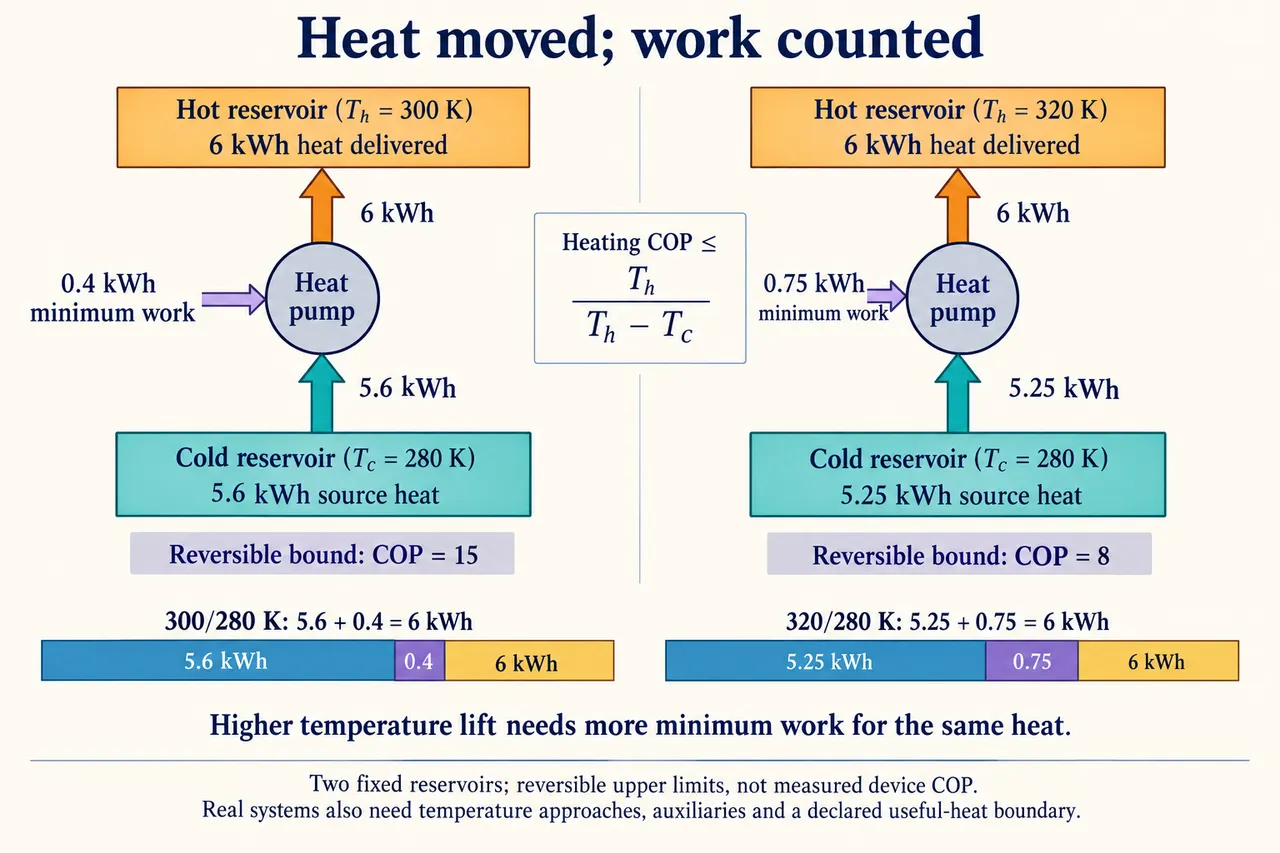
Temperature lift: an energy balance is not a performance guarantee
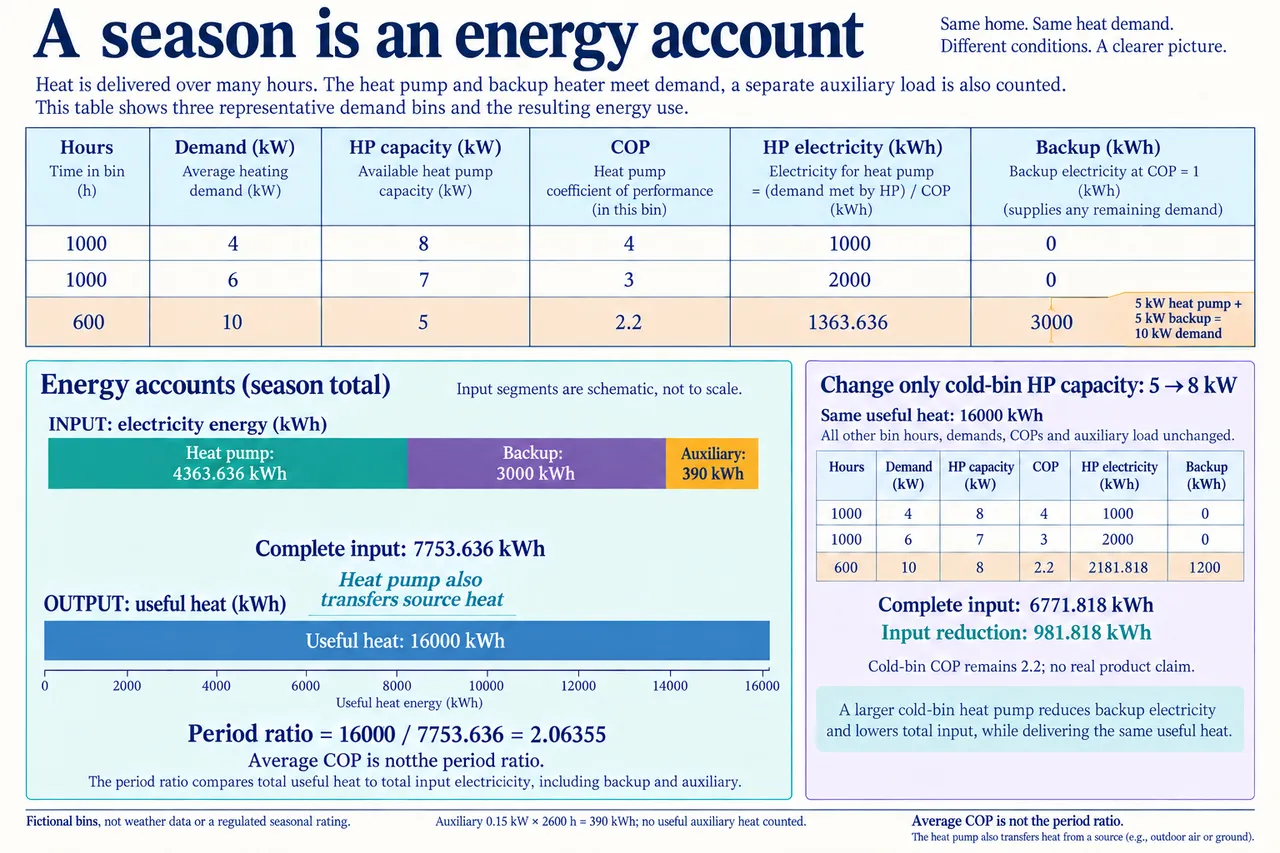
Seasonal service: weight heat, capacity and backup rather than headline COP
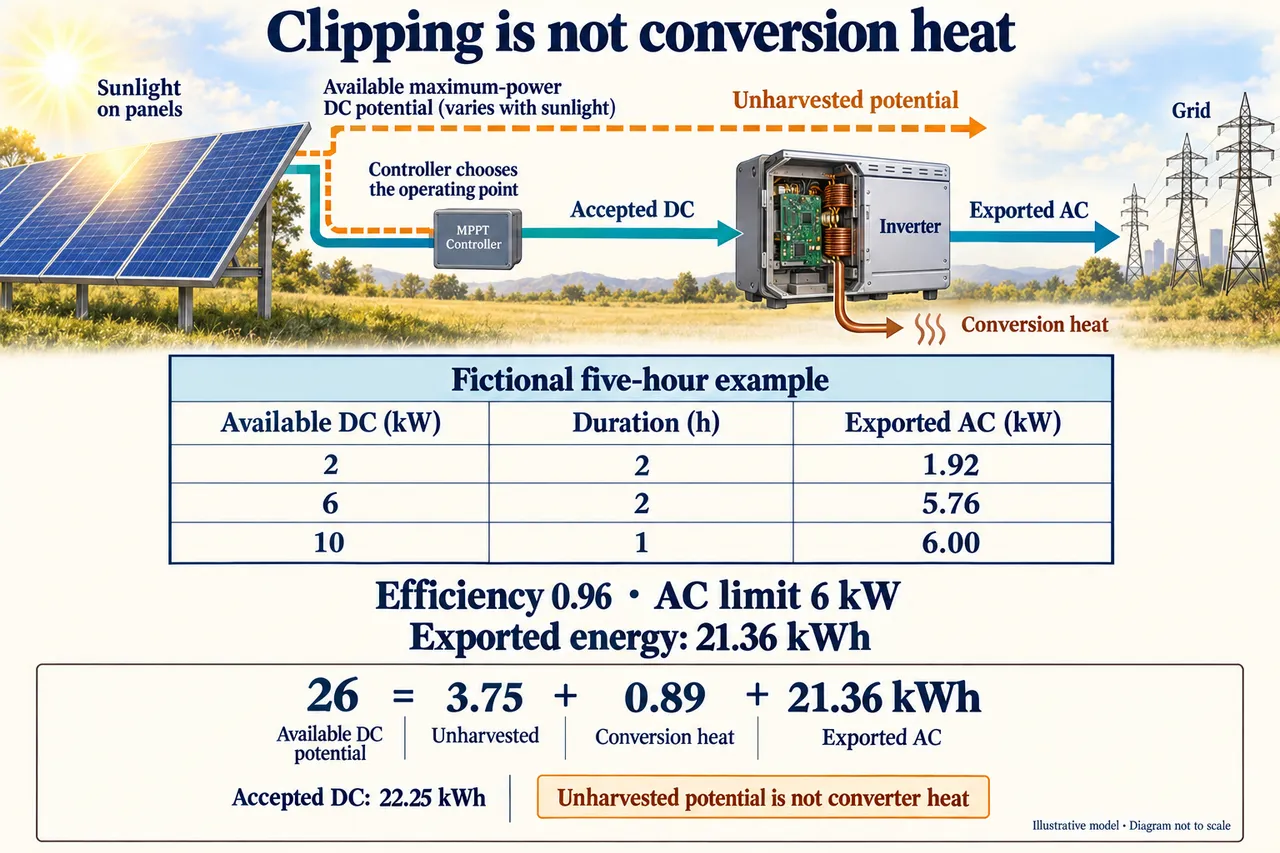
Solar inverters: clipping is not conversion heat
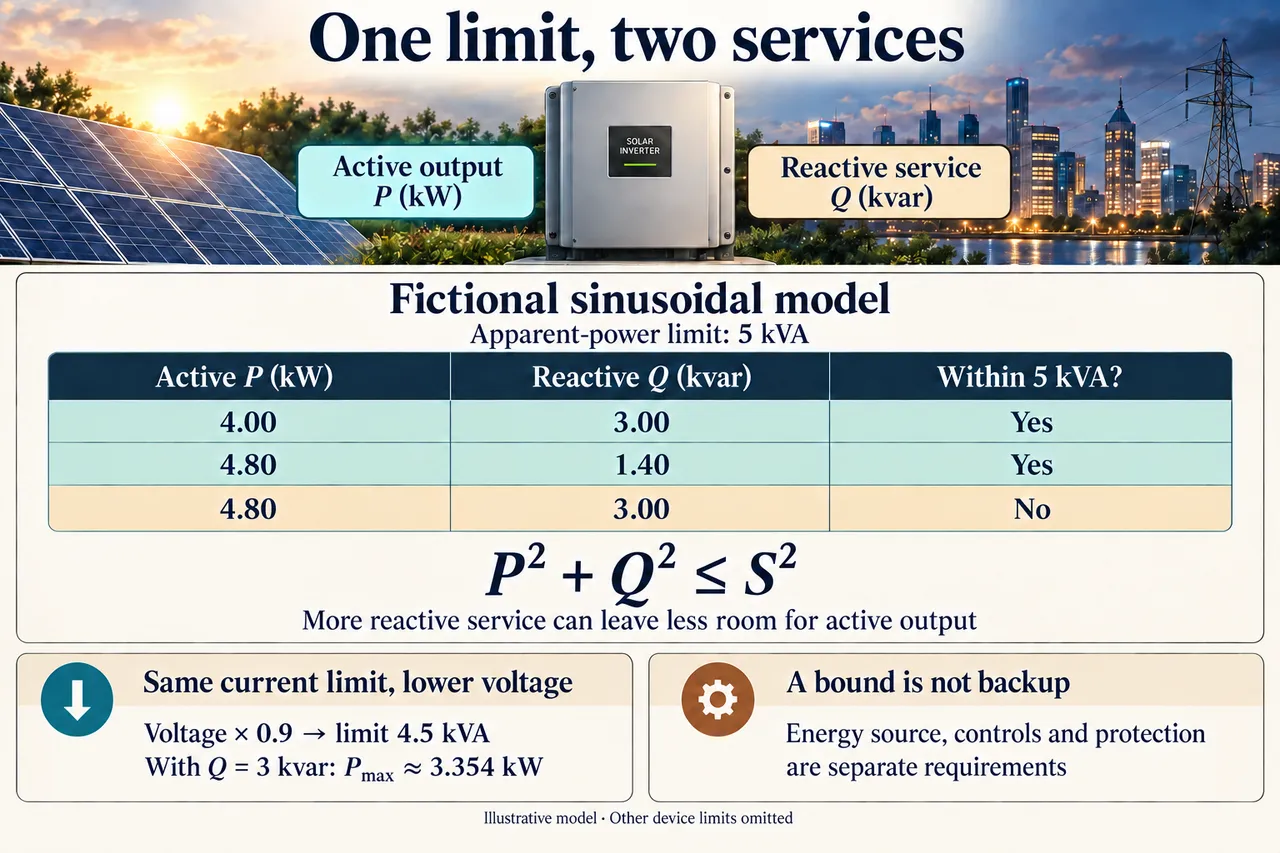
One inverter limit, two services: active energy and reactive headroom
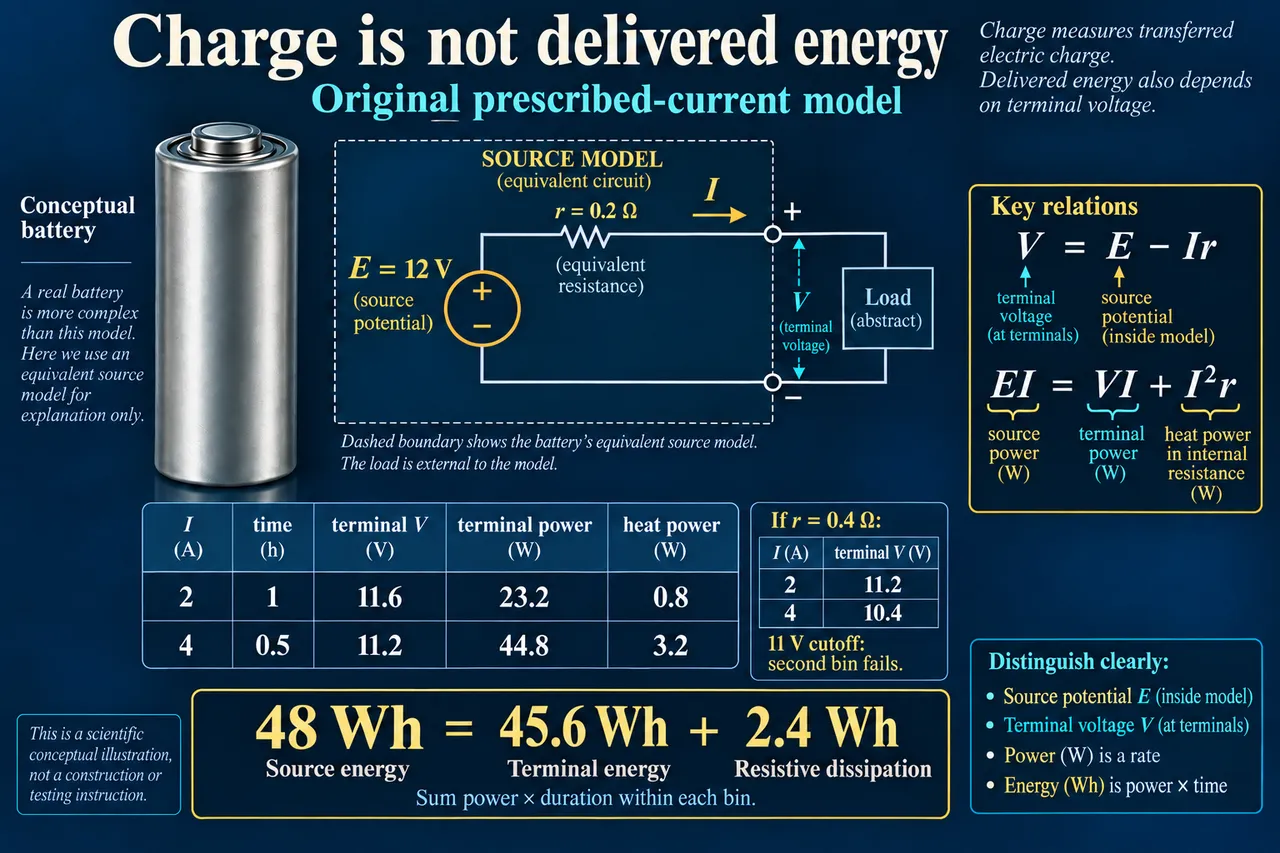
The same charge can deliver different useful energy
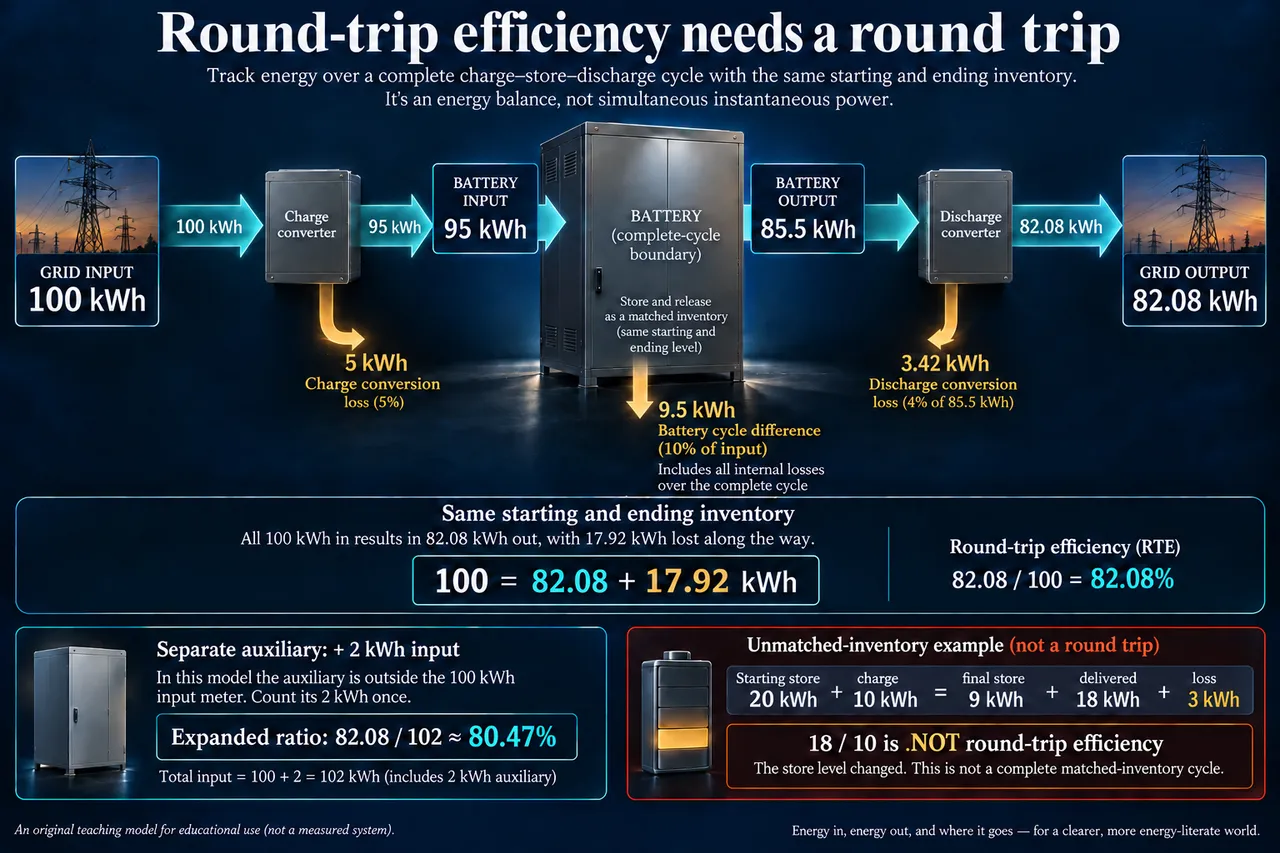
Round-trip efficiency needs a round trip
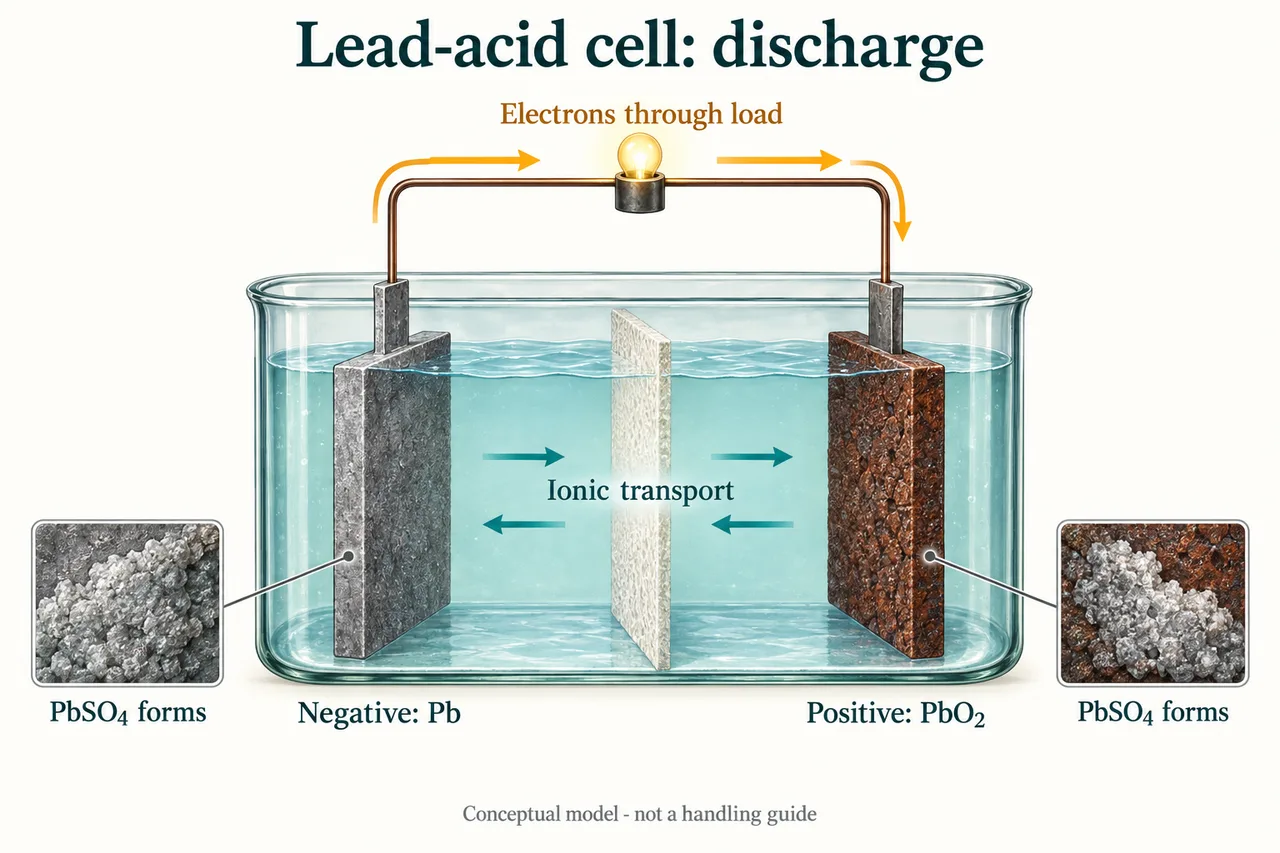
Charge counts reactions, not a pile of electrons
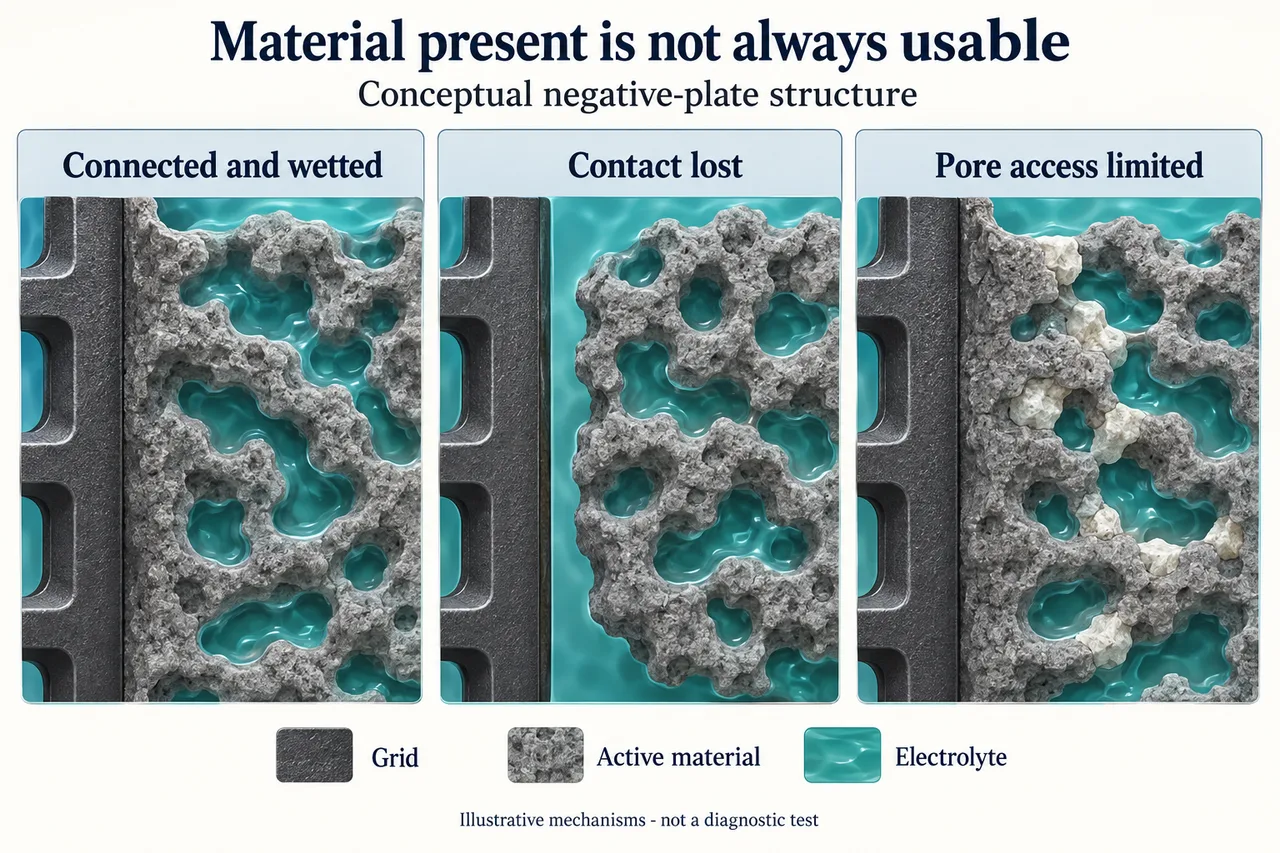
Why material present is not necessarily material usable
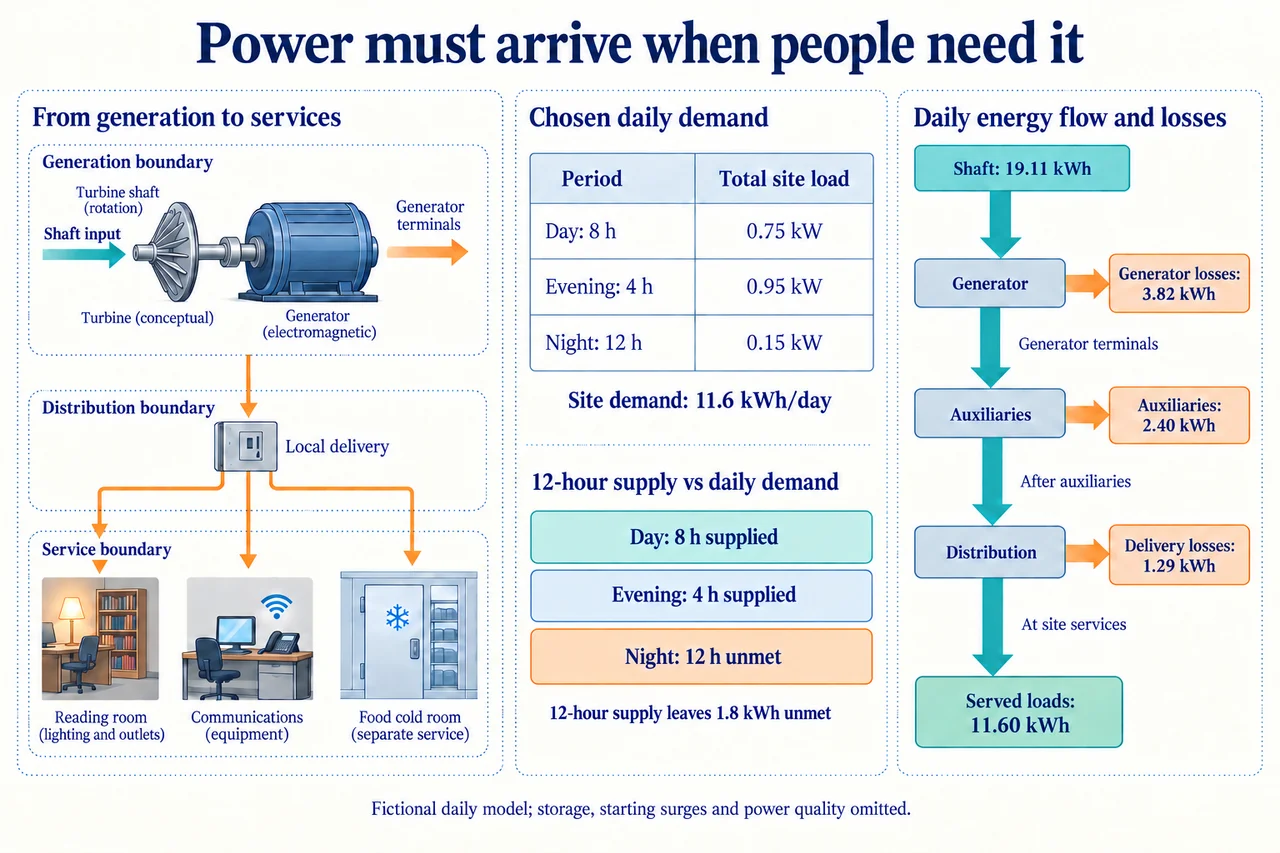
Electricity that reaches people when they need it
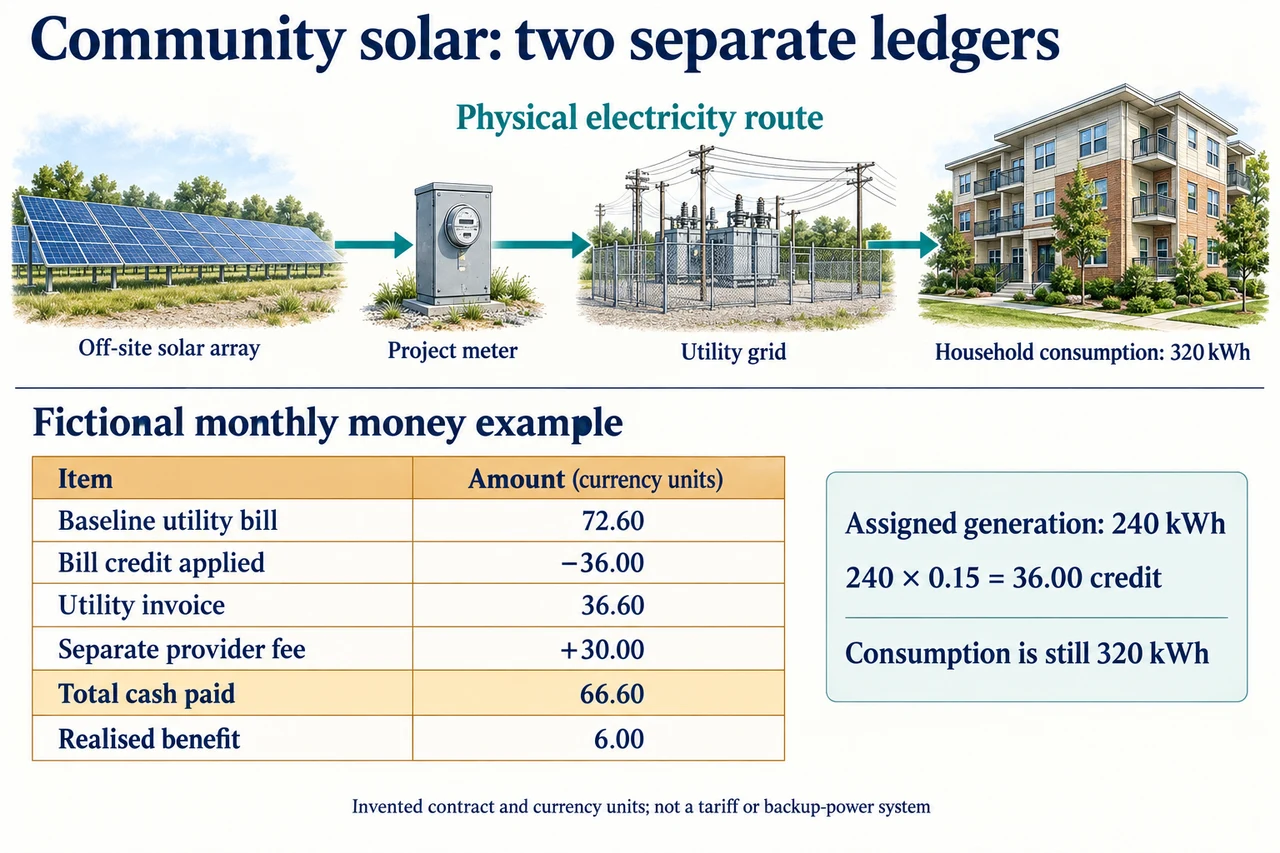
Community solar: two ledgers, one household
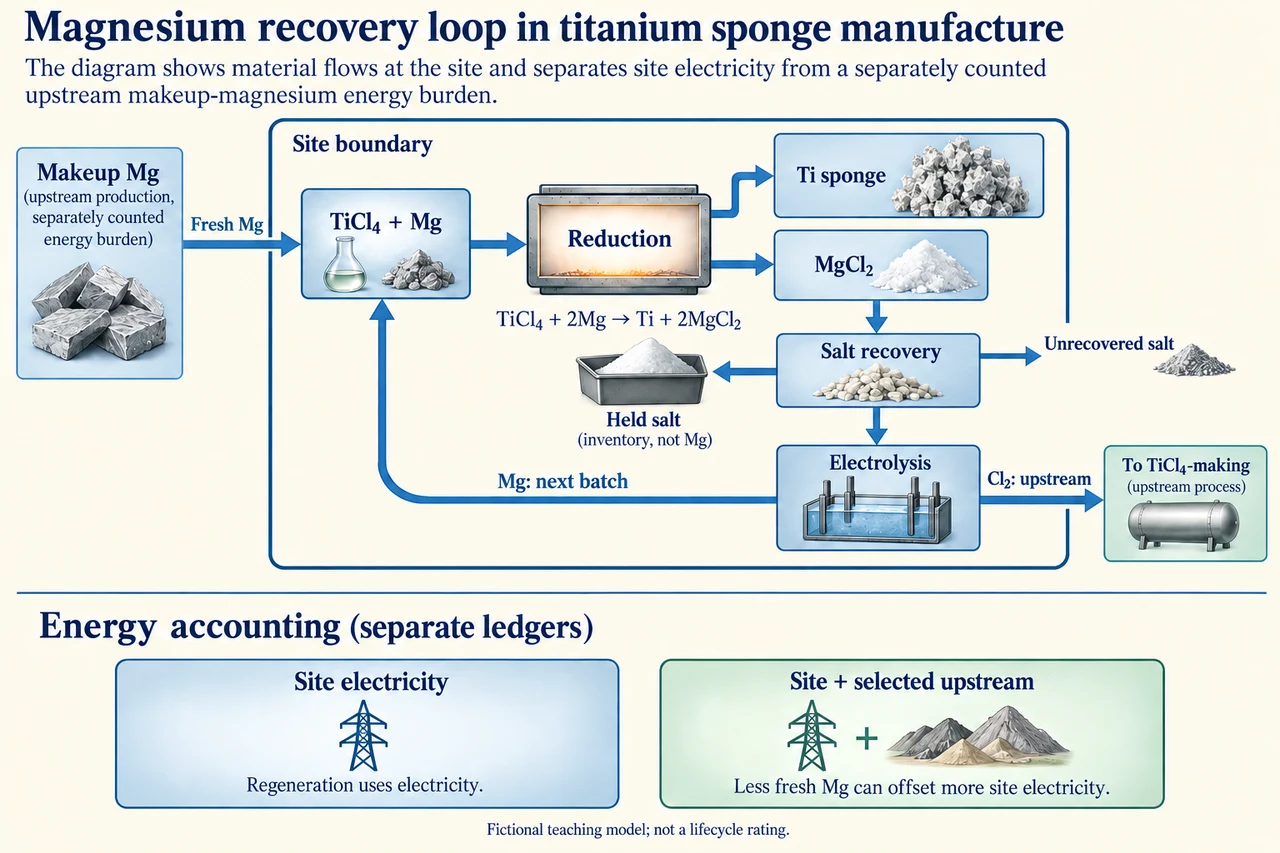
Titanium's magnesium loop: where material and energy accounts change
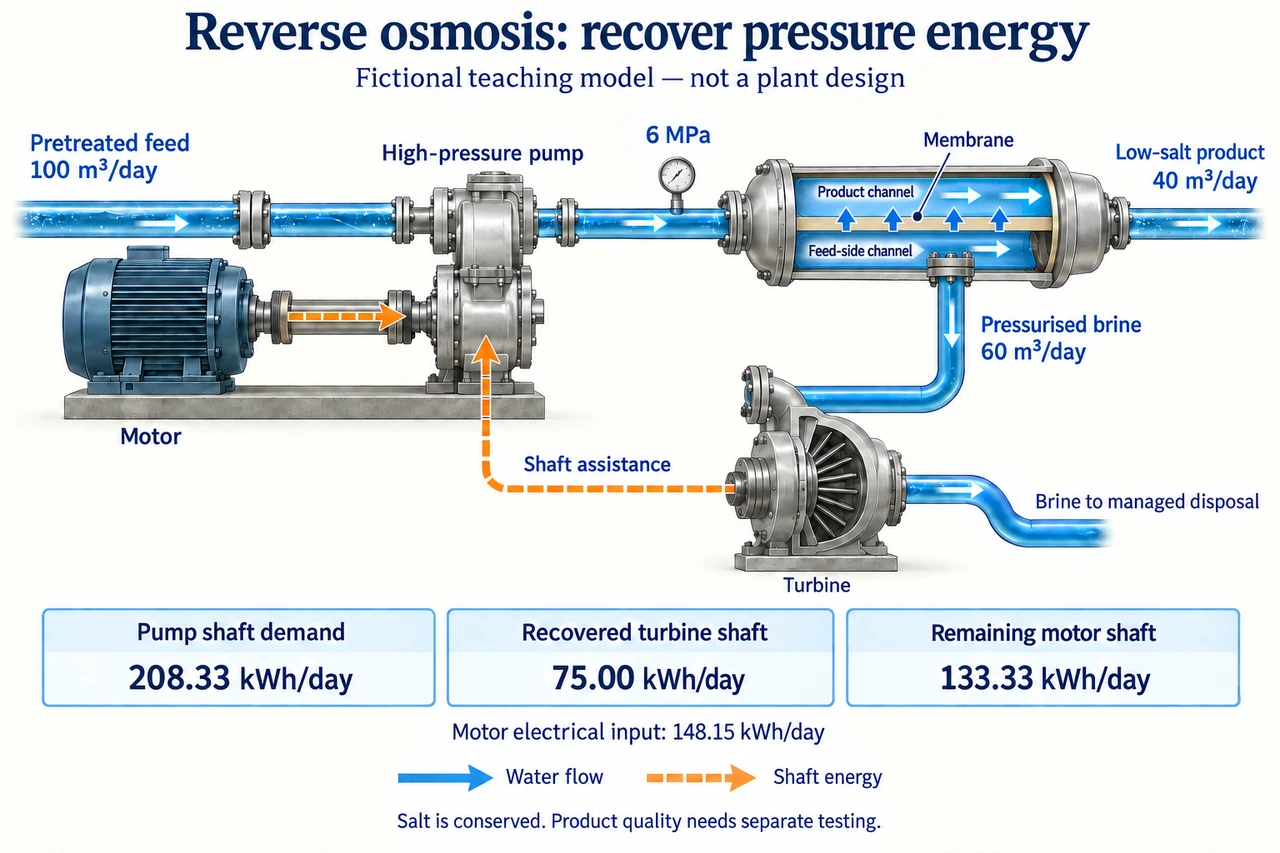
Desalination: pressure energy gets a second job
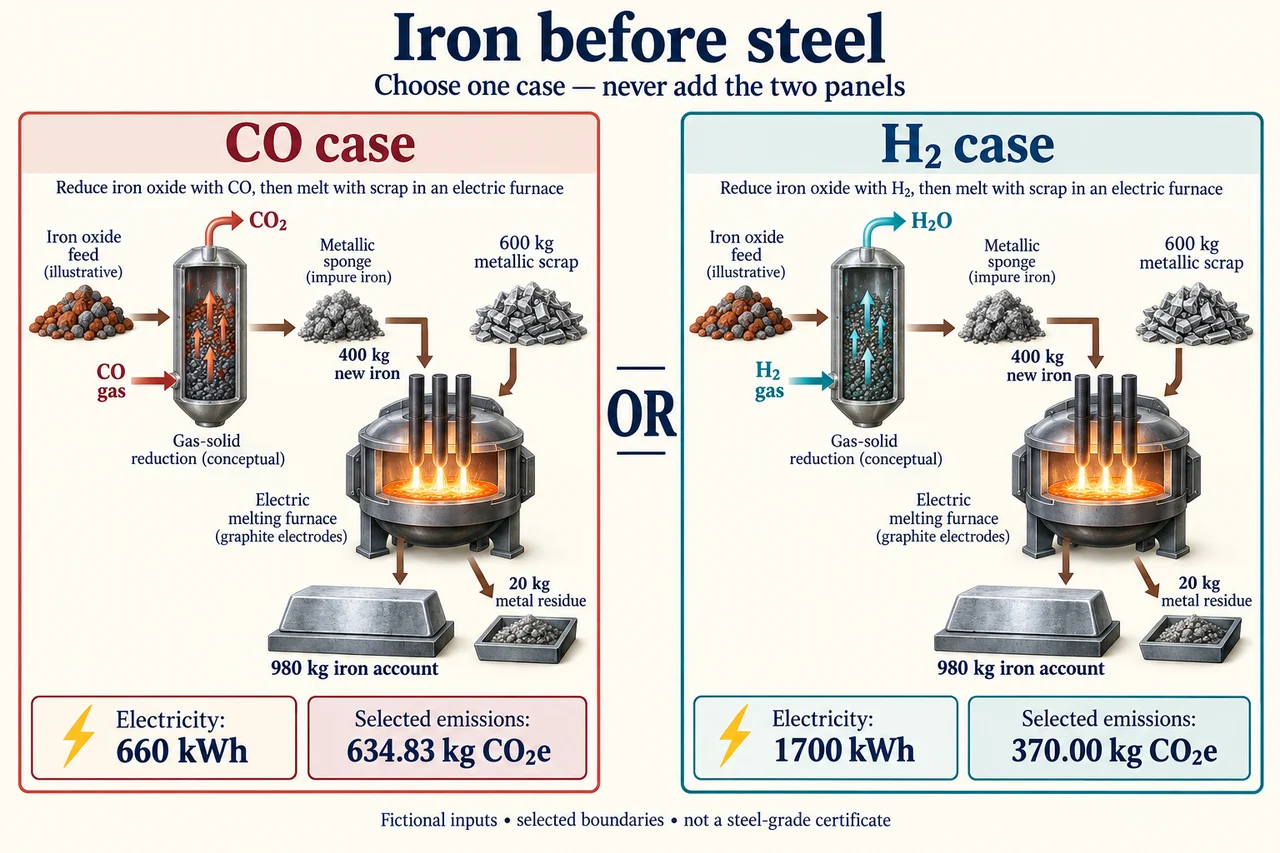
Iron before steel: feed choice and the accounting boundary
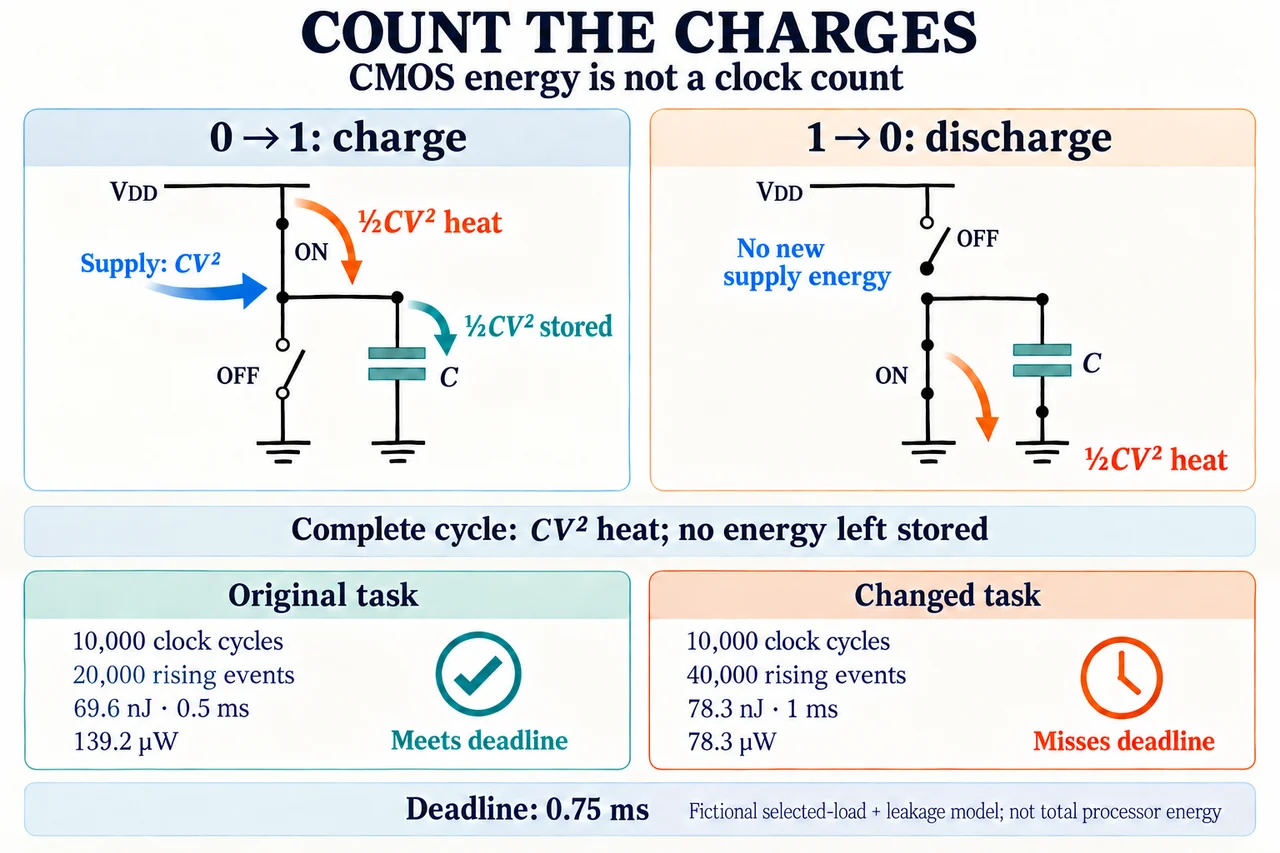
Count the charges: CMOS power, energy and deadlines
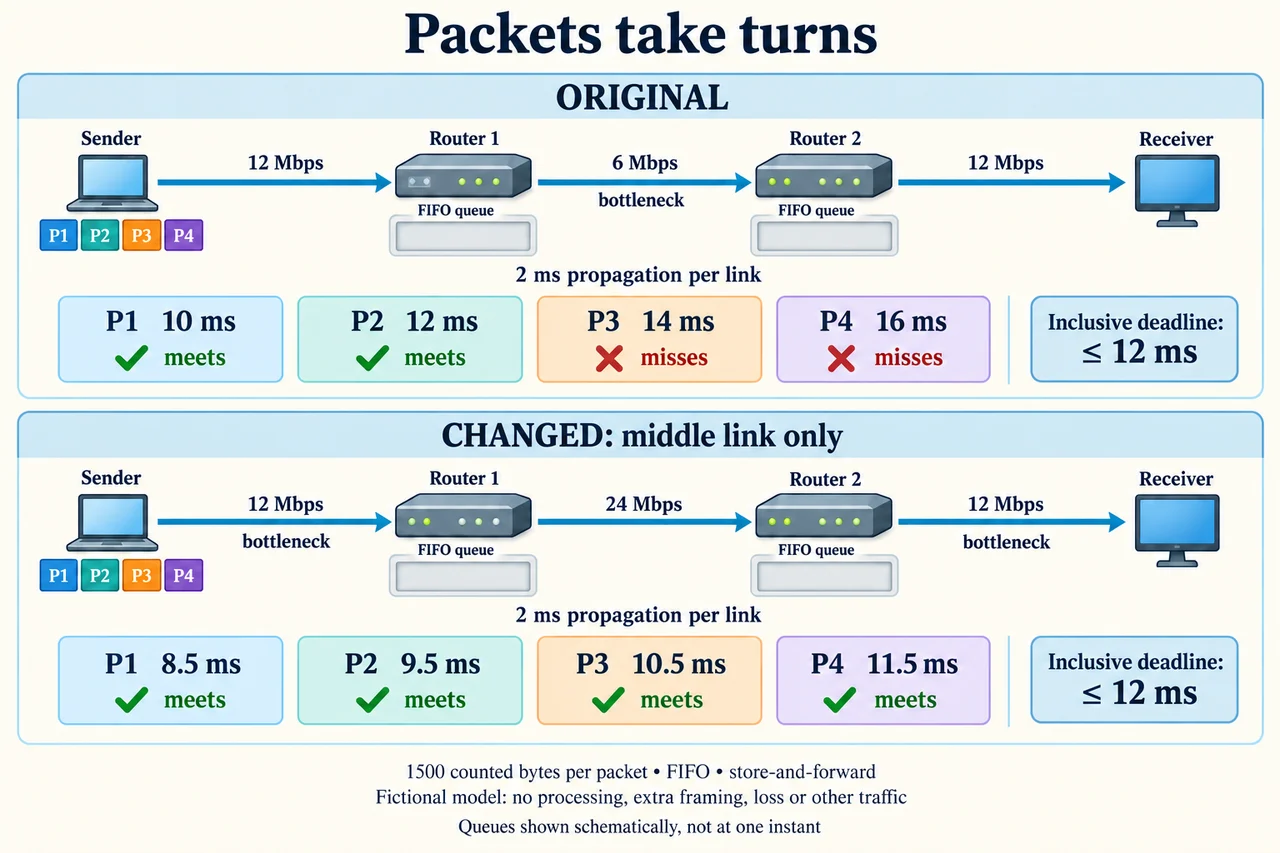
Packets take turns: routing, queues and why faster links still make you wait
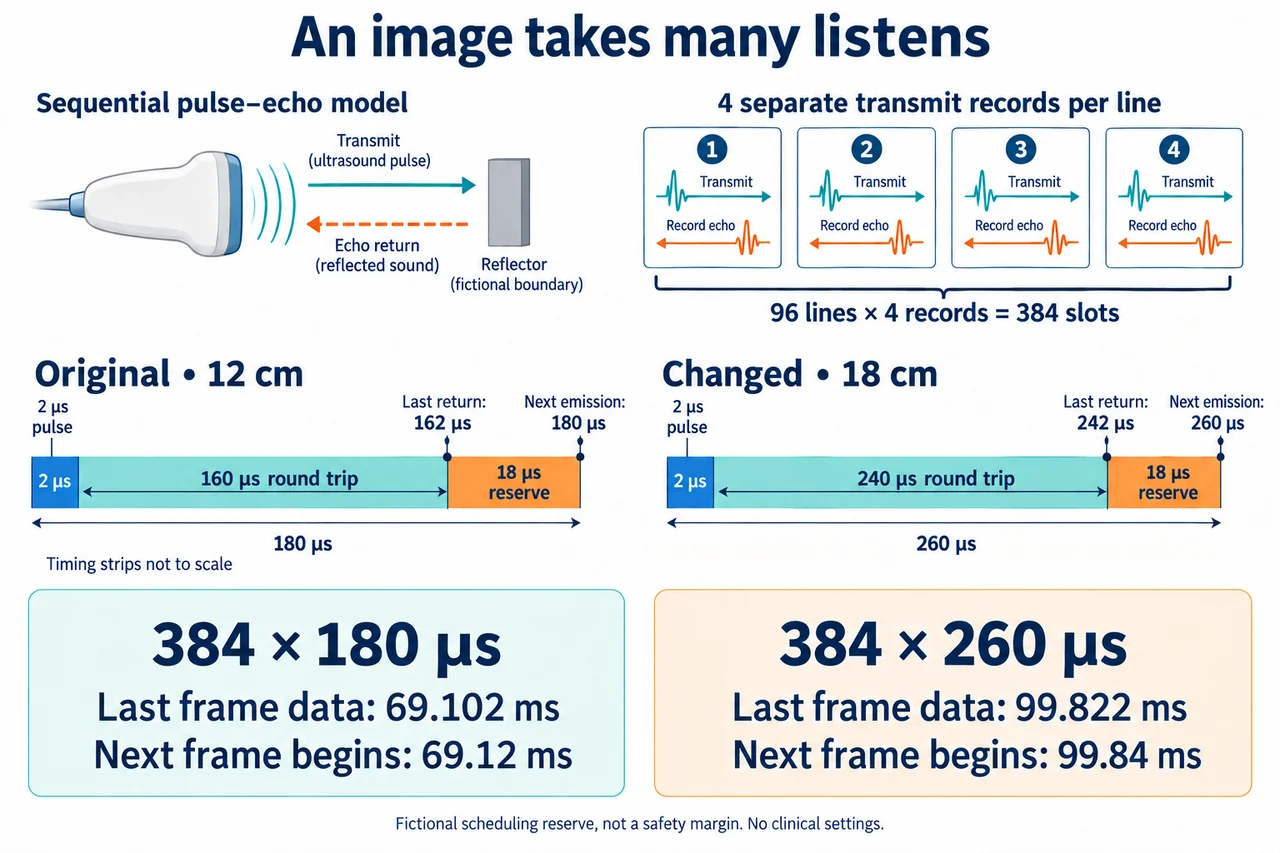
An image takes many listens: ultrasound acquisition time and sampling tradeoffs
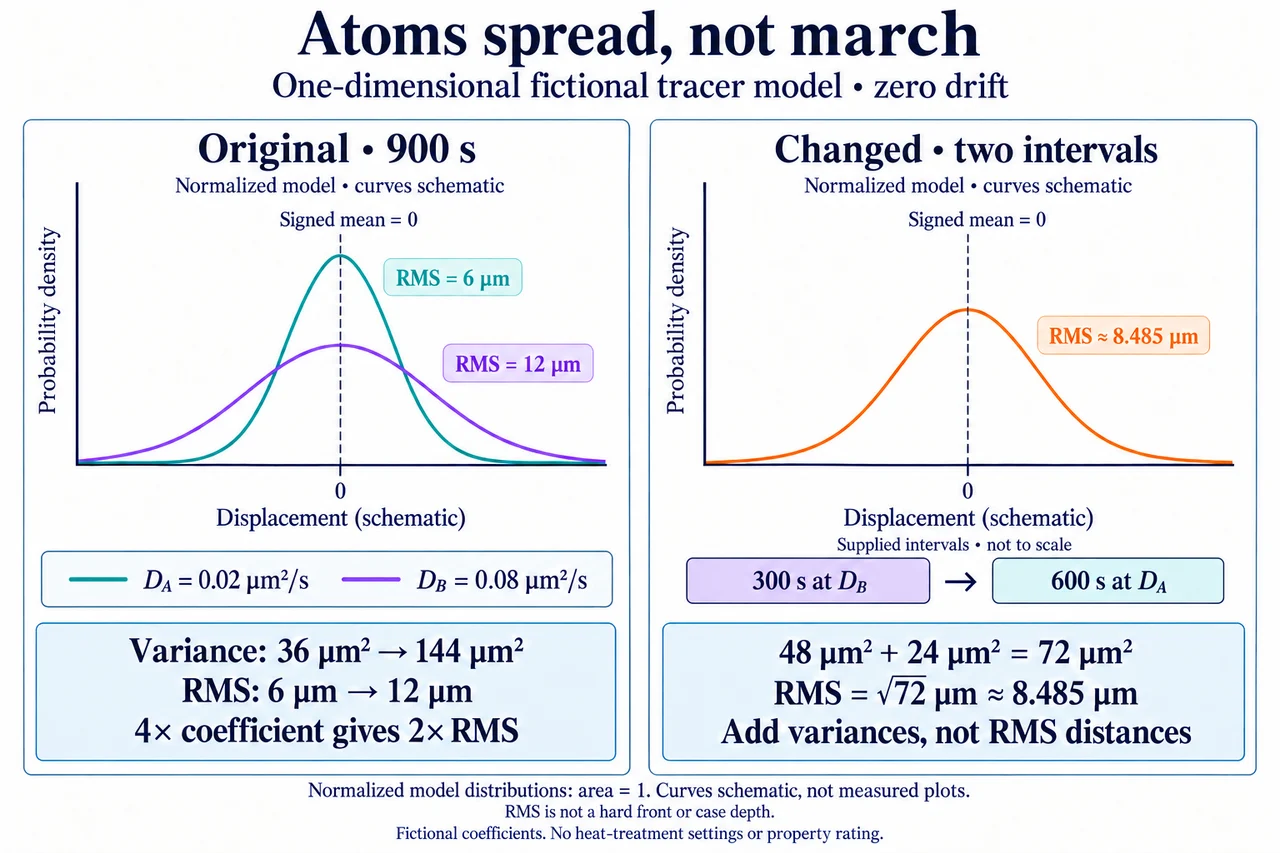
Atoms spread, not march: diffusion distance and the time budget
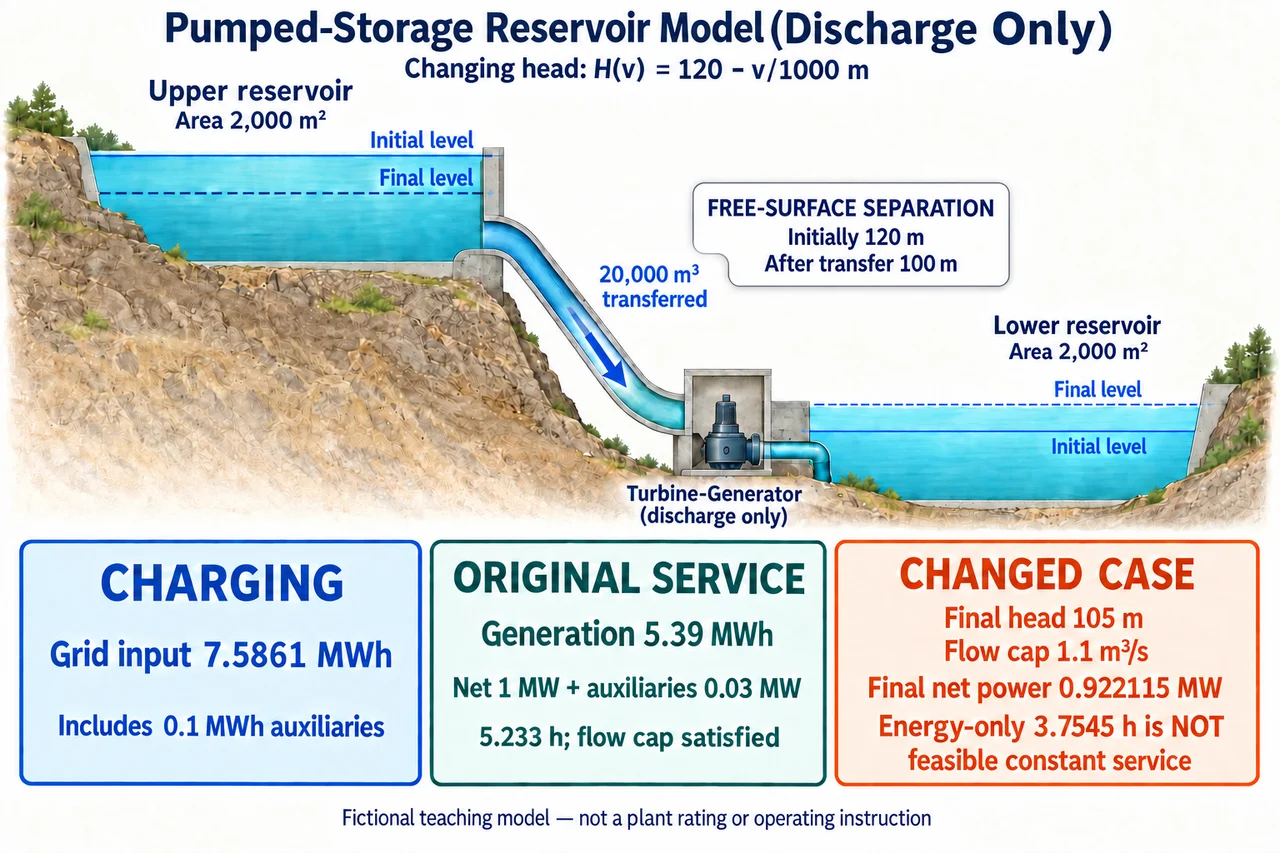
A full reservoir still needs enough head and flow
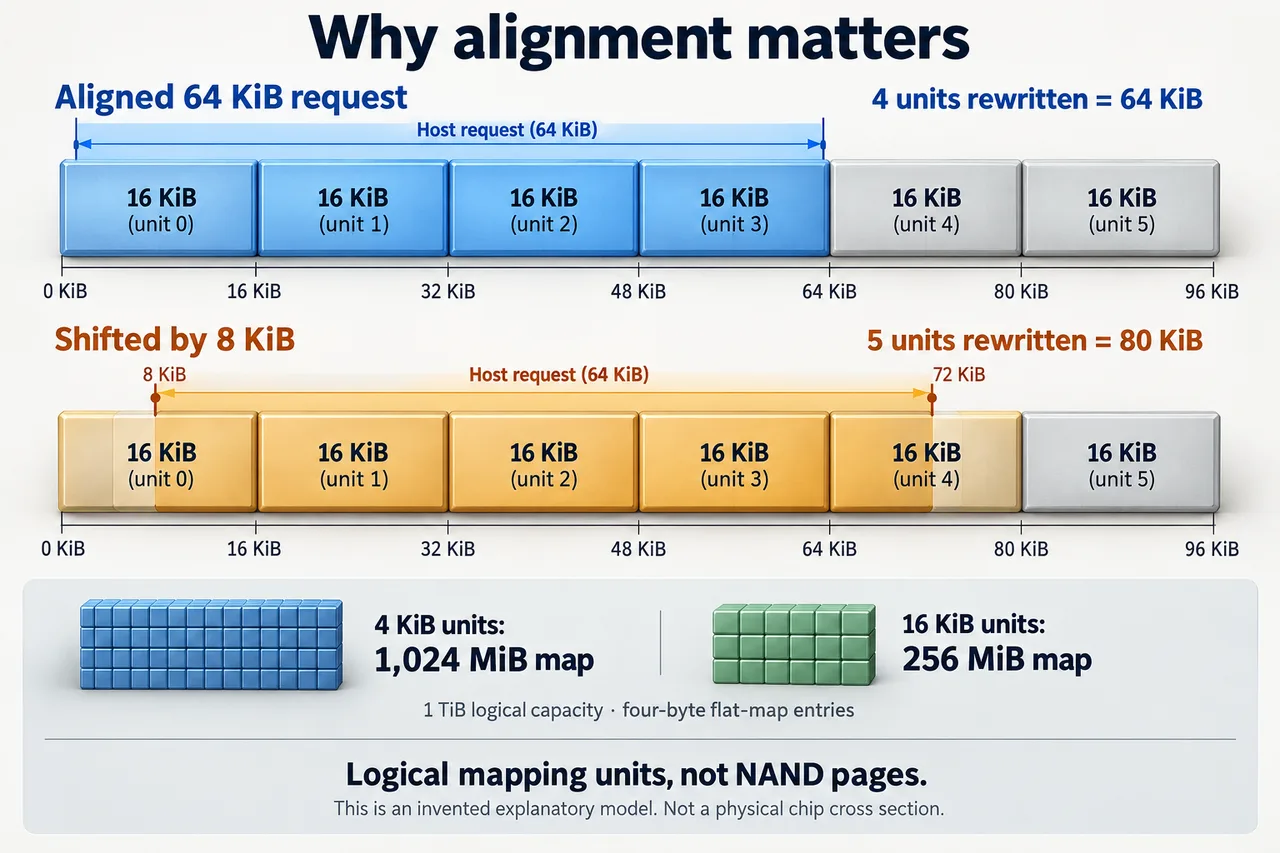
Why a small write can move more data